Archive for ‘Nature’

Hornets Nest

Hornets Nest

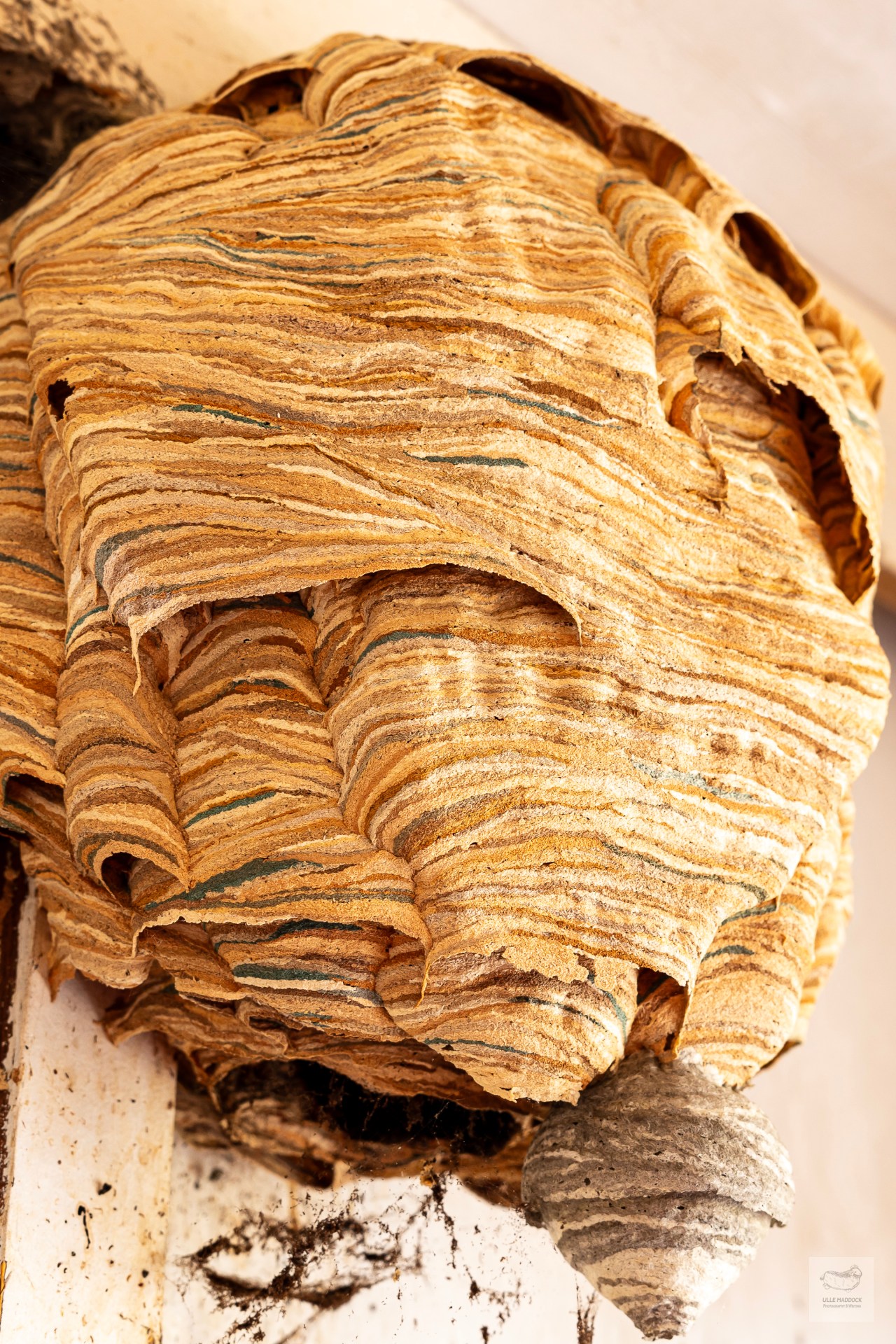
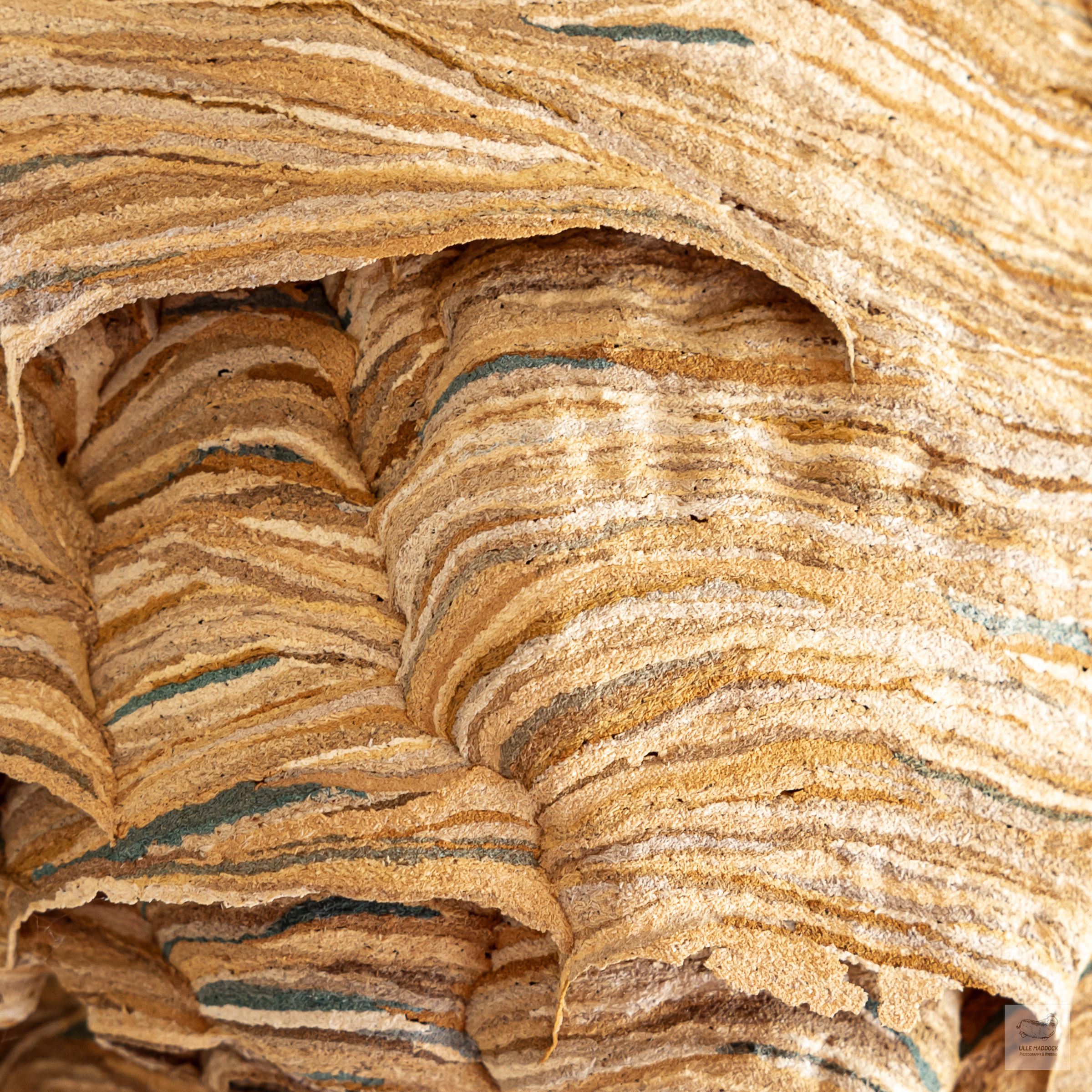
I found this amazing and beautiful structure in the little hut we have in the forest. It’s a Hornets nest from last summer. The hornets chew wood to create paper that is clued together with their saliva. They prefer to build in dark places like hollow trees but can also build in houses.

The European hornet (Vespa crabro), Bålgeting in Swedish, is a rather large insect. The queen can be from 25 up to 35 mm in length, while the worker hornets are between 18 and 28 mm where the male workers are slightly larger. Only the female possess a stinger including the queen. The European hornet is carnivorous and eat other insects, including other wasps.

The European hornet generally avoids conflict but if stepped on or grabbed it will sting. It is also defensive of its nest and around food sources. The sting will hurt but if you’re not sensitive it’s not dangerous. Only the queen survives the winter and wakes up in May when she starts to build a new nest.

Don’t poke around others nests, it will sting. Ha de Gött!

Advertisements
Little forest brook

Little forest brook

Ljus letar sig ner till bäcken.

Genom skogens täta grenar.

Leker tafatt med skuggan.

English version

Light makes its way down to the brook.

Through the forest’s dense branches.

Playing tag with the shadow.

You never know what’s hidden if you don’t look, ha de Gött!

Advertisements
Three faces

Three faces

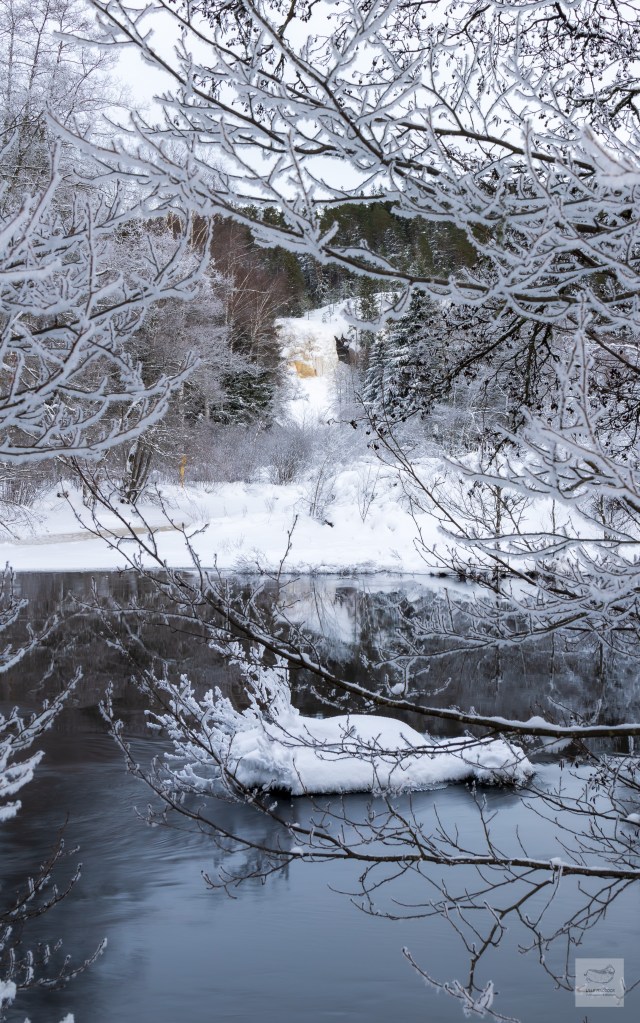
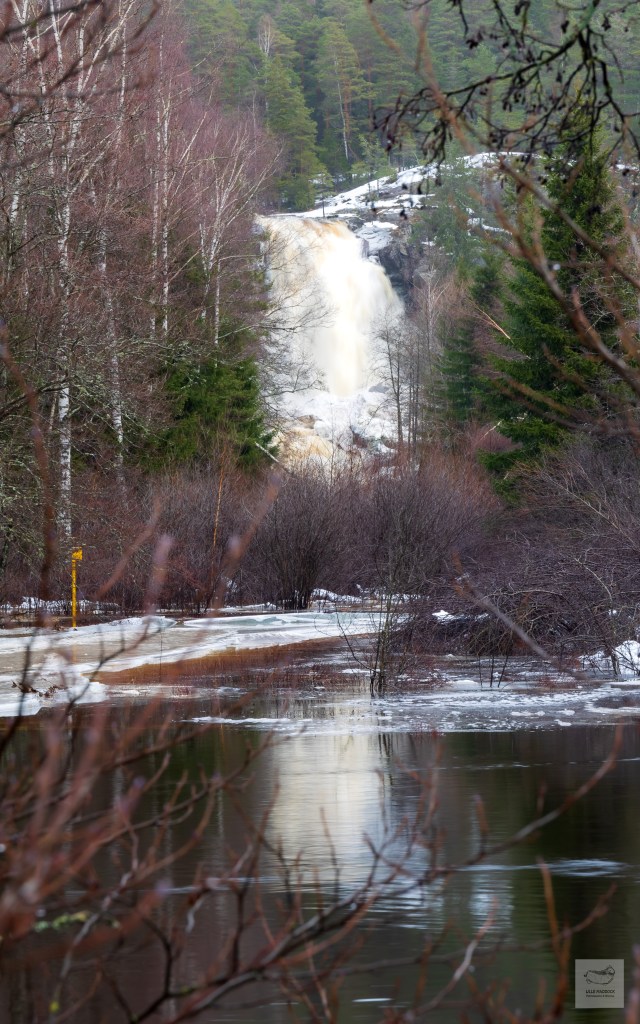
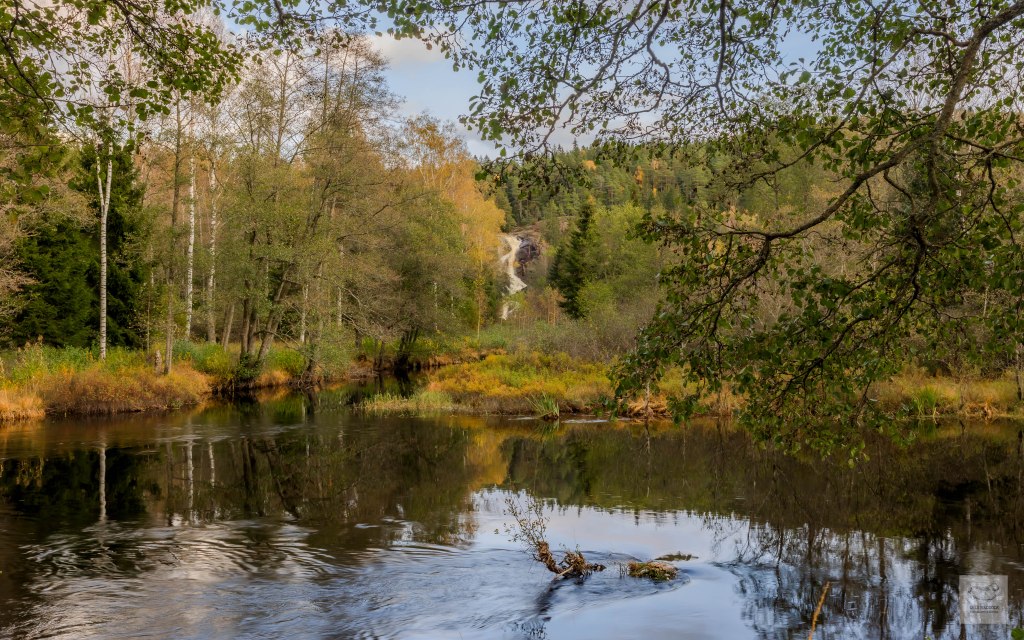
One of my favourite places. The waterfall Älgafallet (translates to Elk fall) half in Norway and half in Sweden. Flowing water is always fascinating, the same but never the same. Like an actor with different faces.

Winter in January, frozen solid in -15°C.

Thaw one week later in +5°C. The flood was so high I could not get any closer.

Late summer and early autumn in +15°C with a good flow after a wet summer.

Just go with the flow, ha de Gött!

Advertisements
Silent wilderness

Silent wilderness

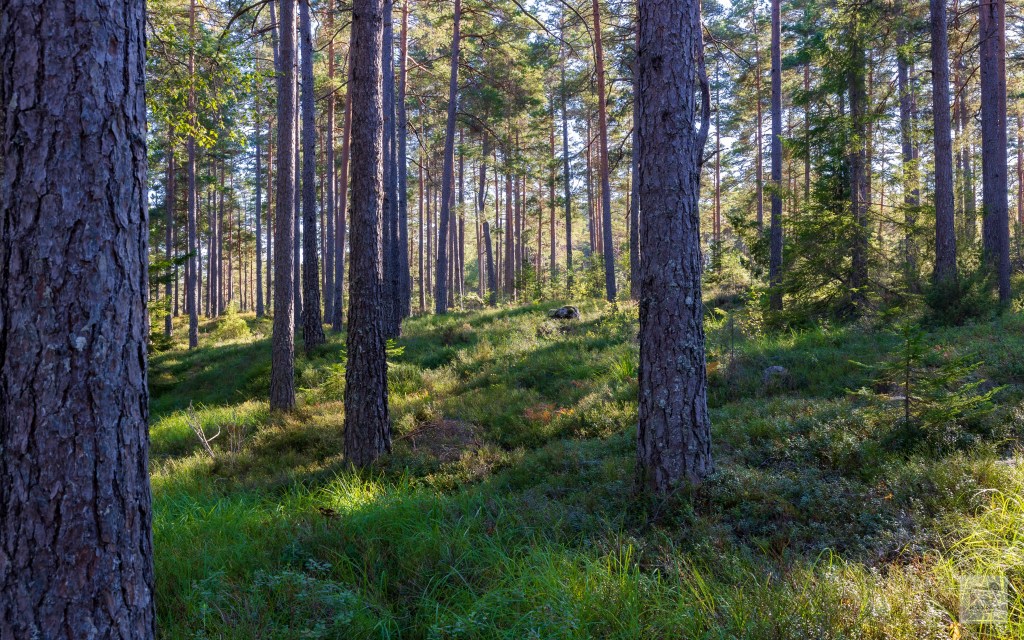
If you want to listen to the sound of silence the national park Tresticklan in Dalsland, Sweden is the place to go. The park is the largest uninhabited forest in south Sweden. The the 2906 hectares forest area has been growing untouched by humans since a big fire in 1830 in . One of the few remaining wild forests in southern Sweden.

I visited on a still day and between the birds singing there was complete silence. You could almost touch the silence. I did not see any of mammals you can find, moose, roe deer, fox, pine marten or wolfs but there was tracks.

I’ll be back, ha de Gött!

Advertisements
Nude

Nude

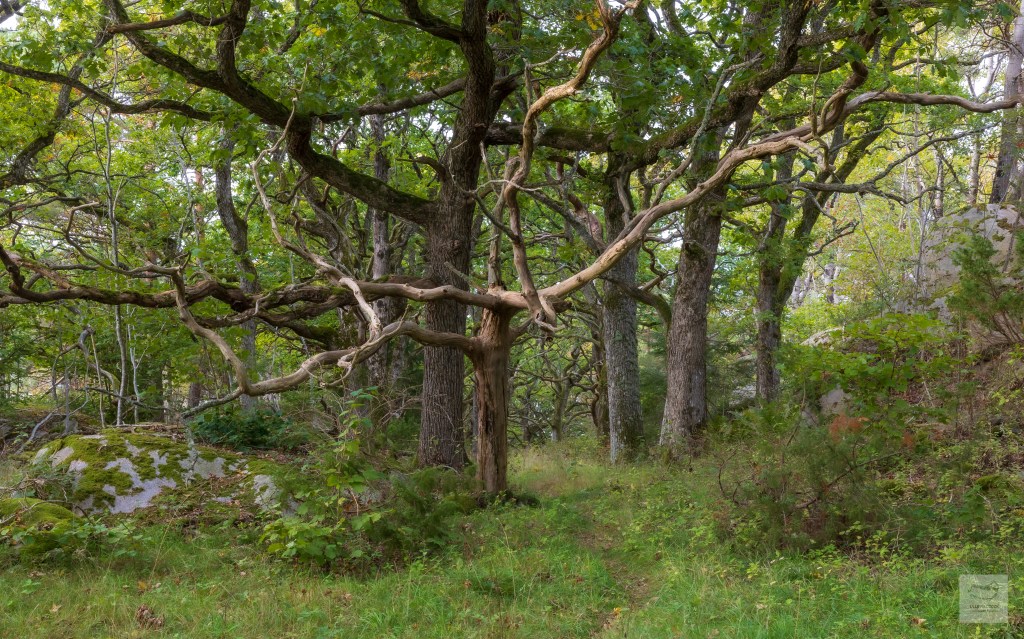
All naked it stands in the hidden valley of oak trees. Covered by the branches of the tree behind. Almost as a motherly protection.

This place has a very special vibe. Mystical and calm almost scary. The old oak trees stretching their slim branches like dancers to the sky and the sun. It is like the trees like to tell you a story, listen.

It is sometimes hard to see the forest for all the trees, ha de Gött!

Advertisements
Just follow

Just follow

Just follow my lead and you will do fine.

I don’t know the name of these birds but, here is some excellent parenting going on. Making sure the chick knows how to keep the feathers clean before the flying lessons starts. That is, after all, you can do as a parent before the children leave the nest and fly off into the adventures world.

Children do as we do, not as we say. Ha de Gött!

Advertisements