
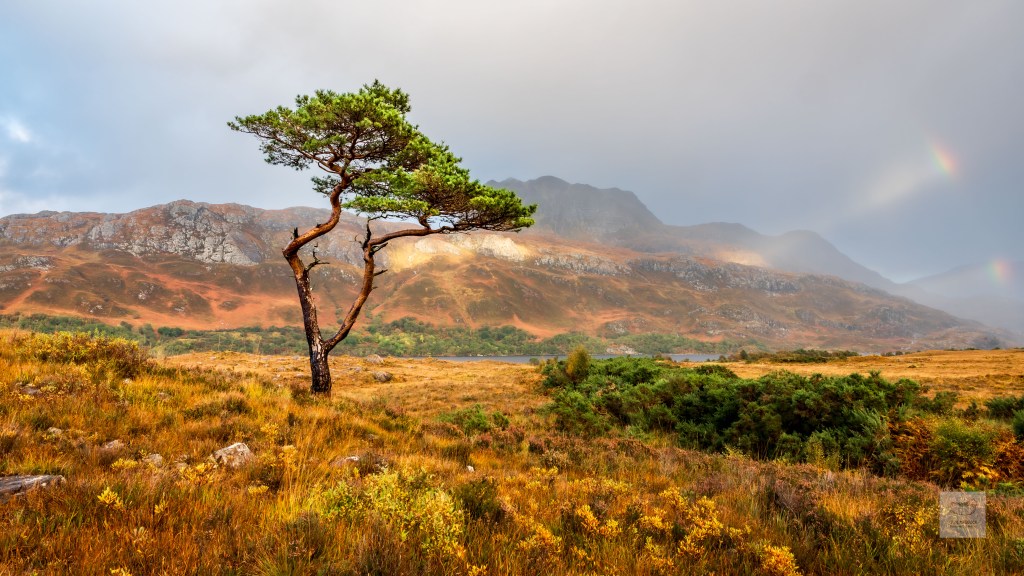
More from the land of magic, ha de Gött!
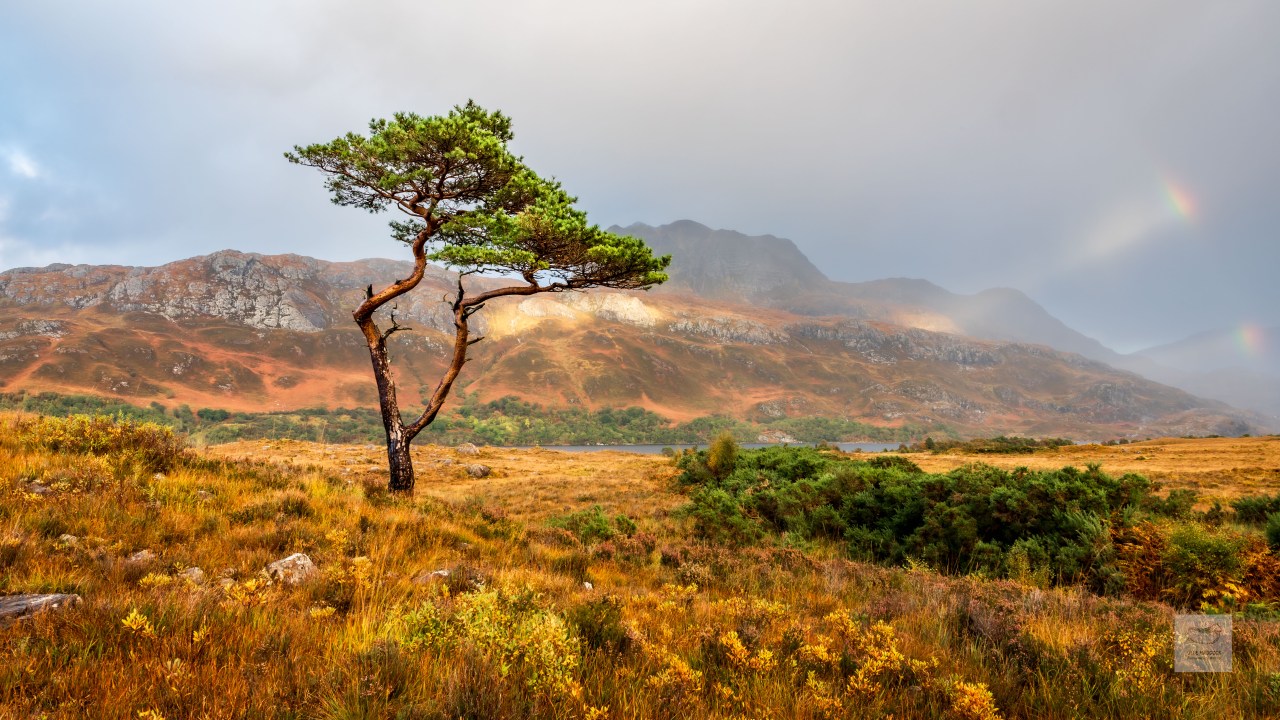
More from the land of magic, ha de Gött!
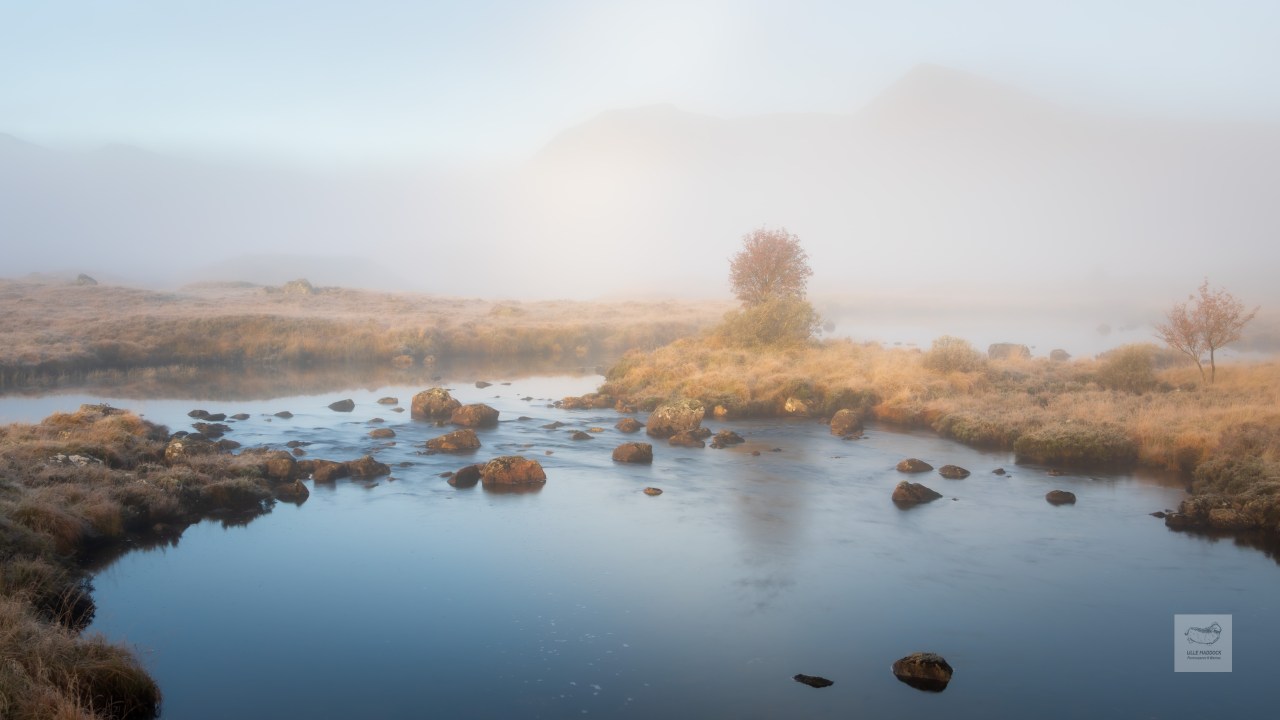
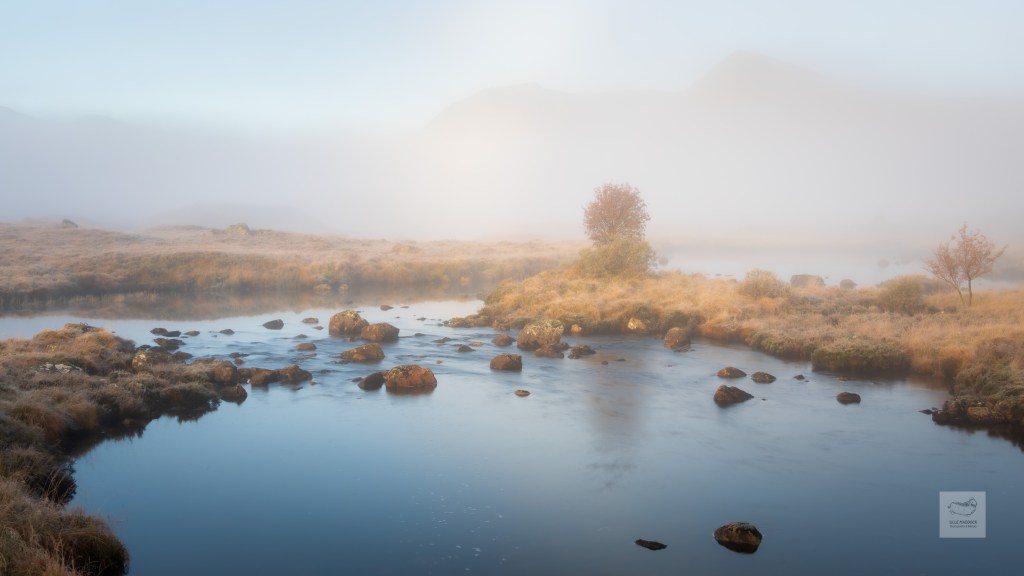
Rain, wind, sunshine, still frost misty mornings, magical mountains and waterfalls. Scotland has it all.
I just got back from a week in Edingburgh and the Scottish highlands with 1500 photos to sort and a big smile on my face.
I’ll share more in the coming days, ha de Gött!
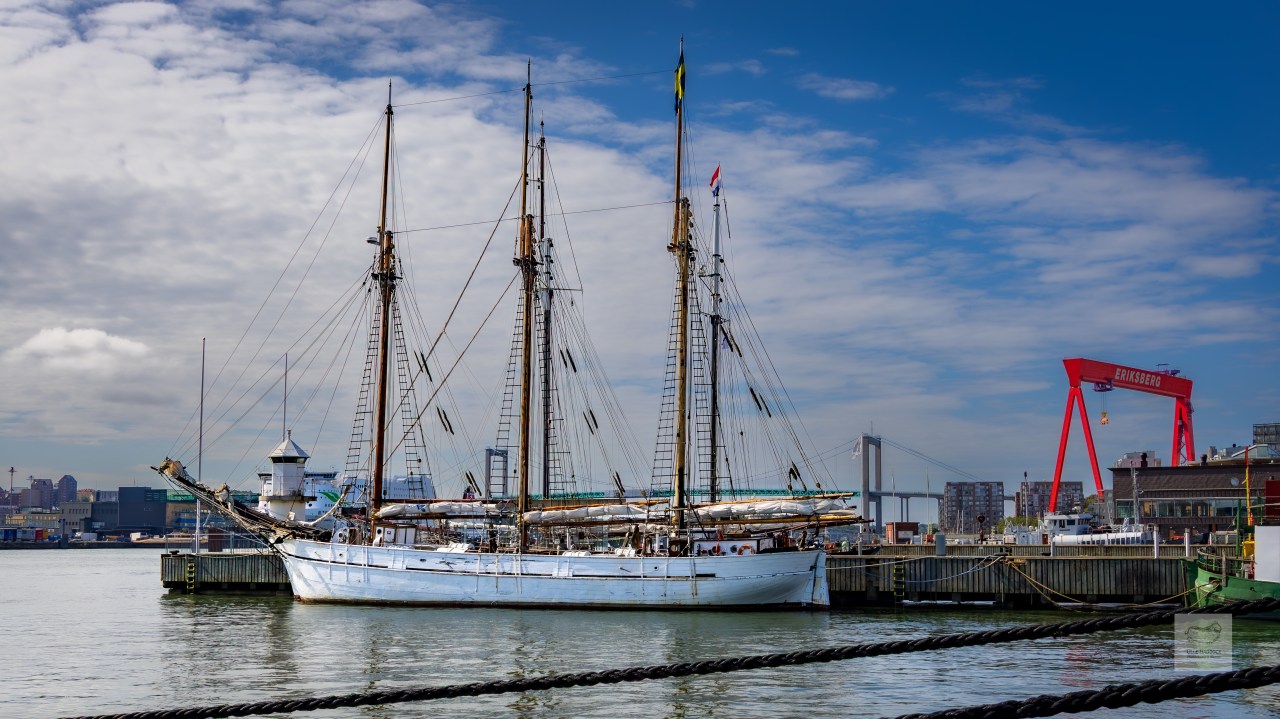
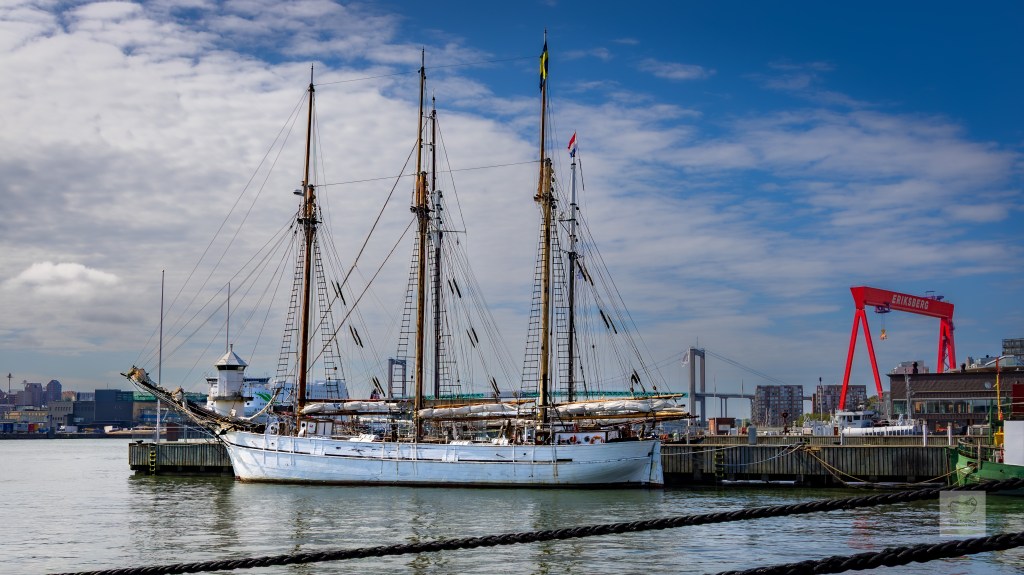
The schooner Ingo at the harbour of Göteborg. You can rent this for events but you need to help out sailing her. Note; a boat is always she even with a male name. It would be fun but you’ll never get me climb up the 26 metres high masts!
Some more fun fact. Overall lenght 38m and width 7,1m. 10 sails with an area of 440m². She was built as late as 1922 in Sjötorp at the shore of Swedens largest lake Vänern and was one of the last sail ships built in that shipyard.
If you like to find out more check the website here. In Swedish but Google can translate.
Hoist the Jolly Roger, ha de Gött!
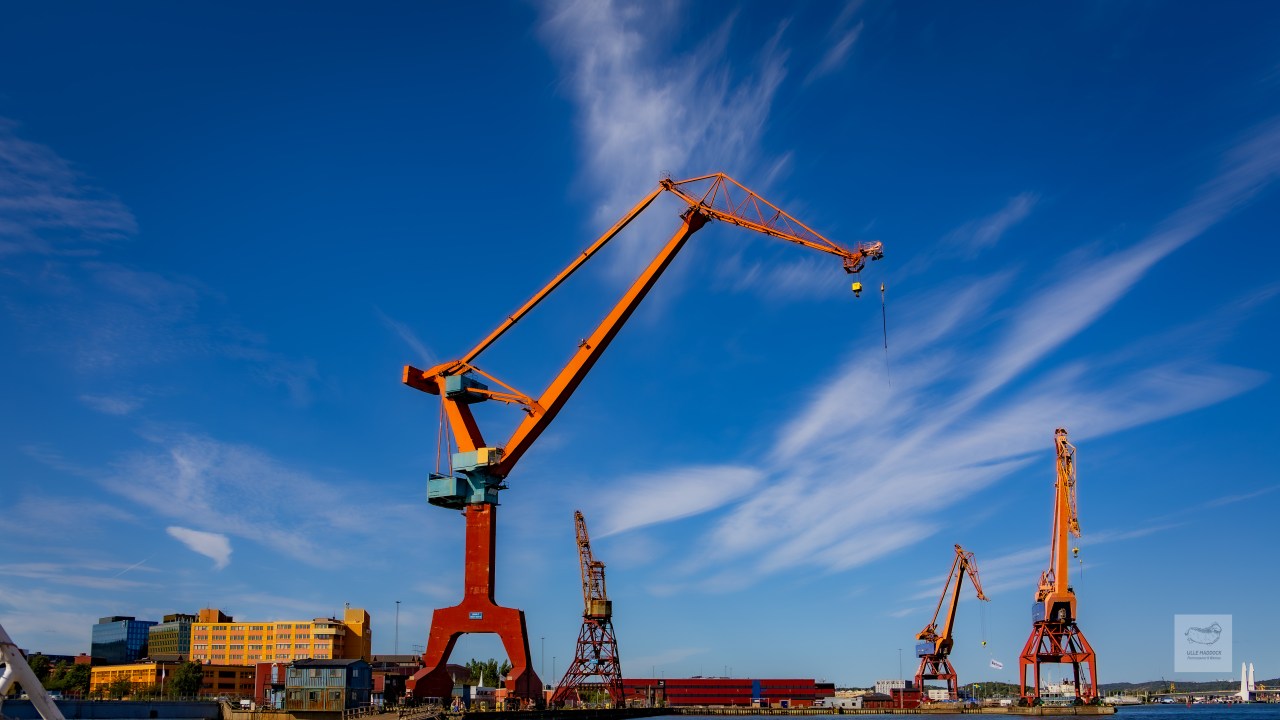
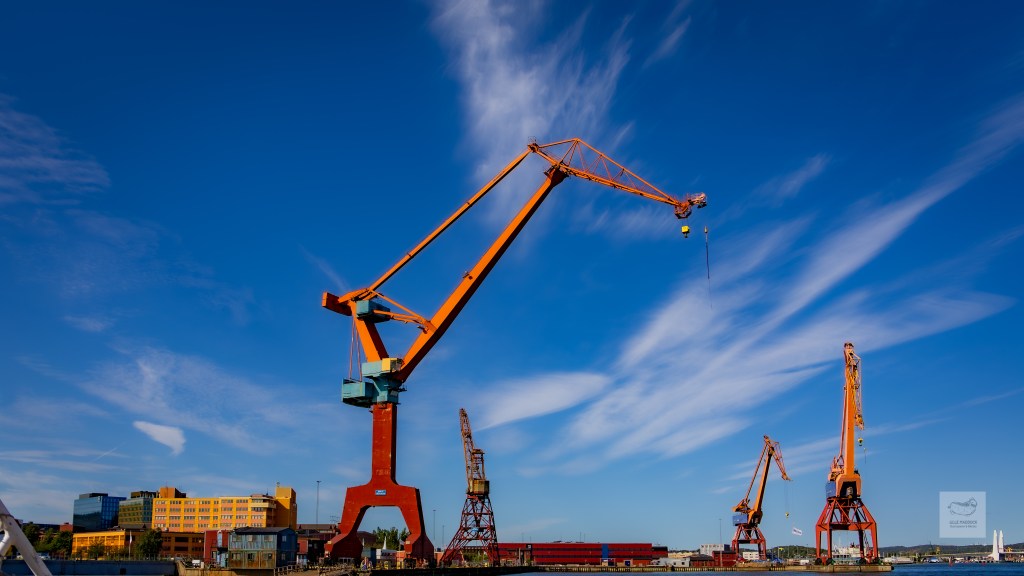
Last dockside cranes standing as a landmark for the shipyard era in the city of Göteborg, Sweden. At its peak 1950 there was over 200 cranes in the harbour of Göteborg. Today the future of these landmarks of Sweden as a leading shipbuilding nation is uncertain.
The new landmarks looks different like the Karla Tower with the nickname “The Zipper”. It is a symbol for the transformation of the shipyards to offices and housing for the high tech companies and the universities.
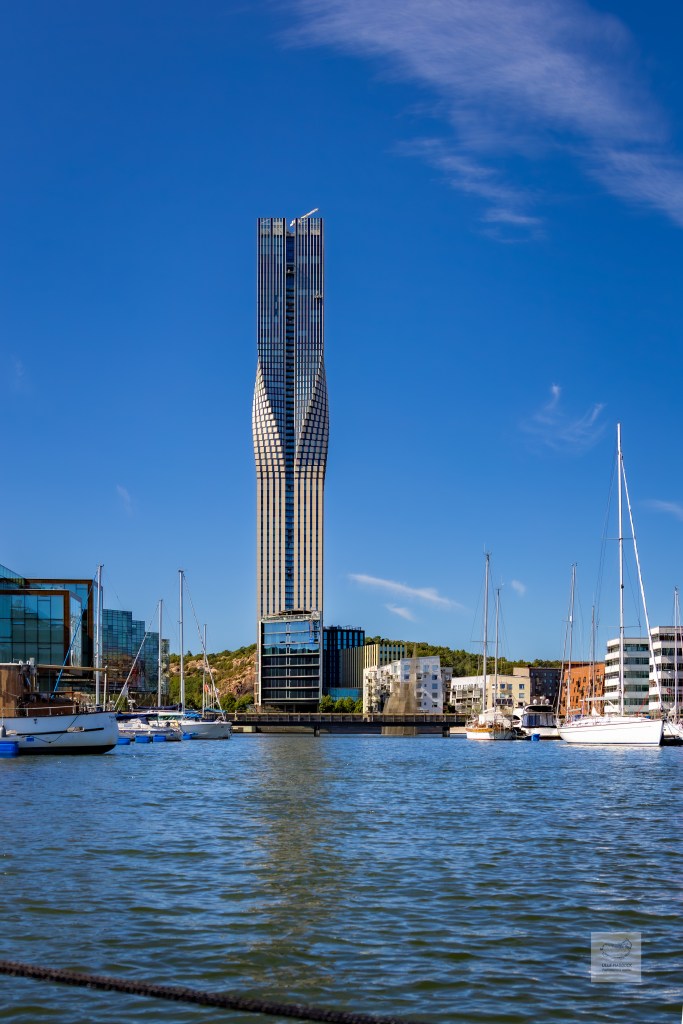
Change is inevitable, ha de Gött!
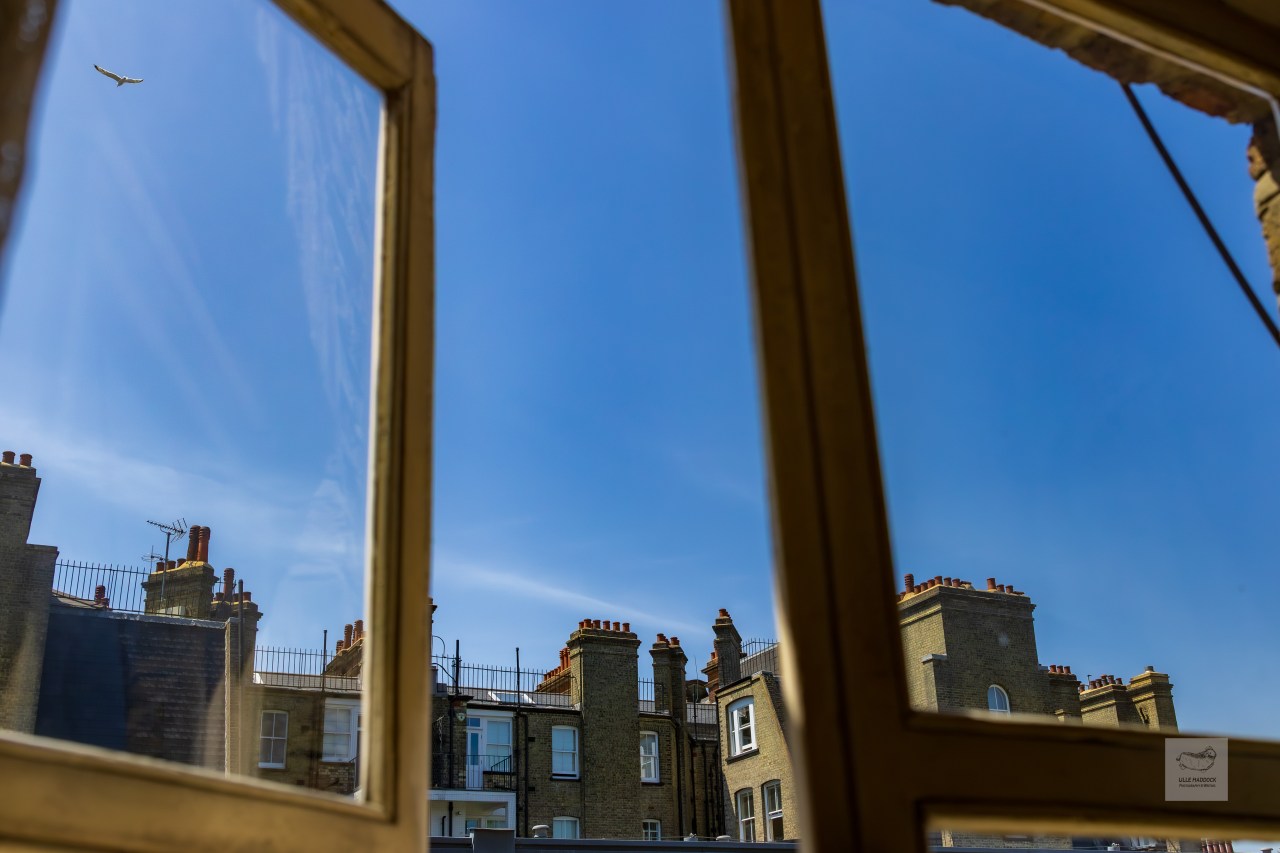
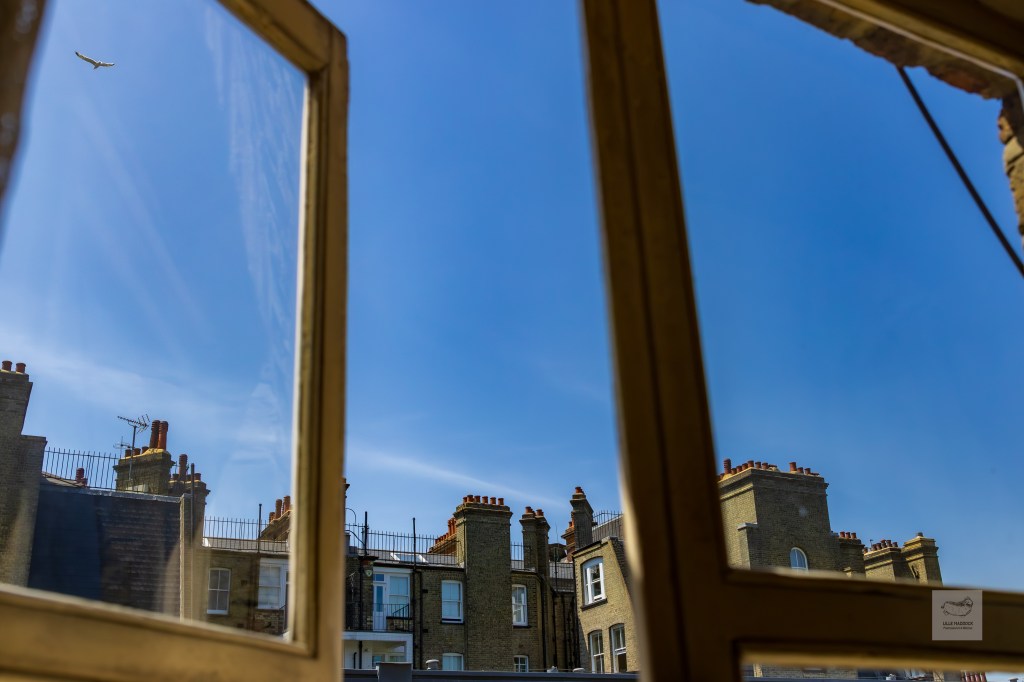
When Sherlock had to go do elementary things he’d pass this view.
Even great men have to do small things, ha de Gött!
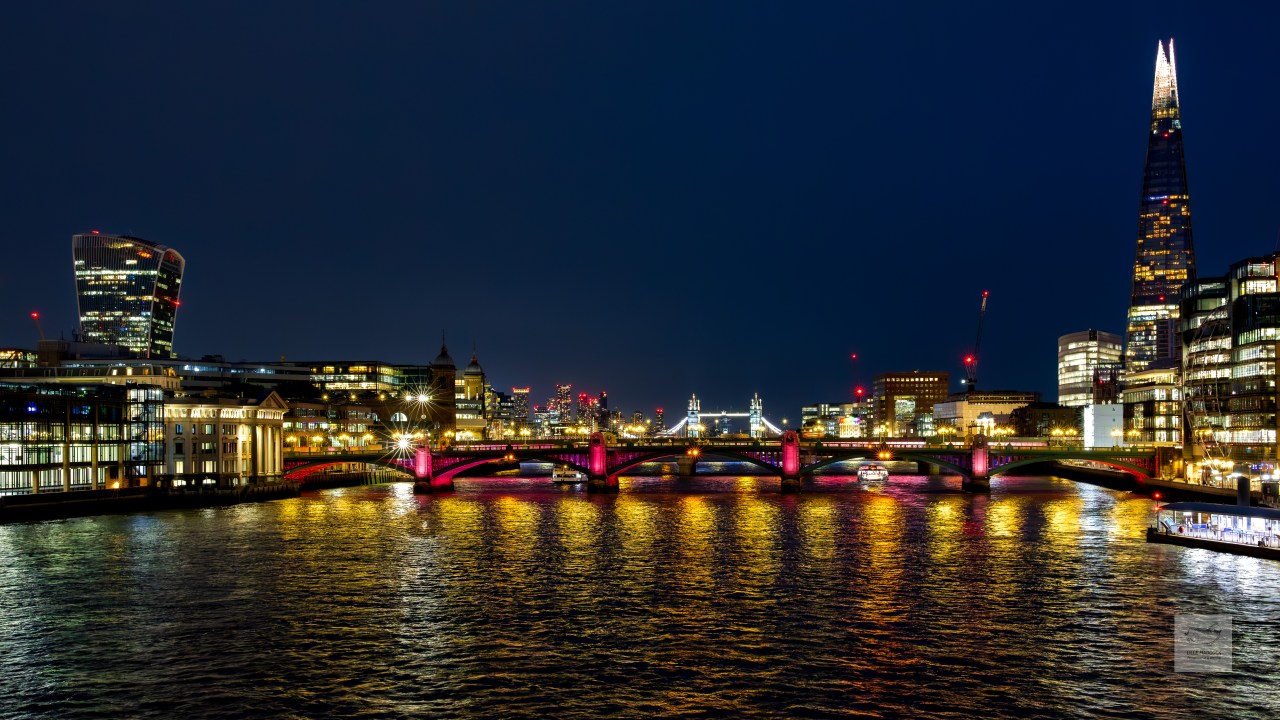
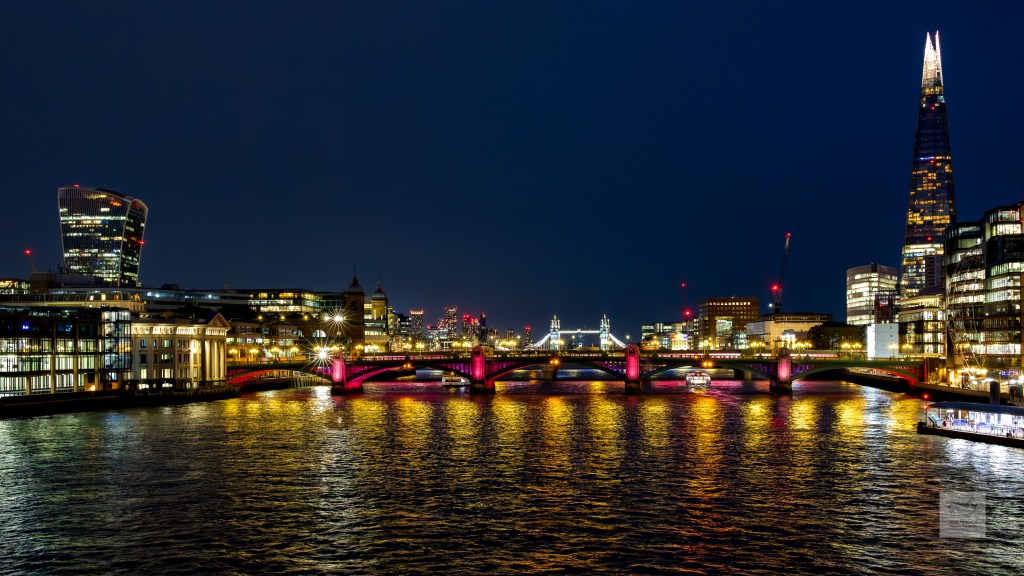
Just got back from a few days’ vacation in a record-hot London. The main focus was to celebrate my 60:th birthday with my family, not to take photos. Still, I managed to capture a few, even if conditions was not optimal. Temperatures between 30 and 35°C and clear skies with razor-sharp light.
I took this after attending the Shakespeare play “Much Ado About Nothing” at Shakespeare Globe Theatre. It’s a challenge to read Shakespeare when English is not your native language and, even more so watching a play performed without any technical support like mics or speakers. The actors were brilliant, articulate and projected their voices beautifully, so after a few minutes I settled into that special Shakespeare flow.
Speak low if you speak love, ha de Gött!
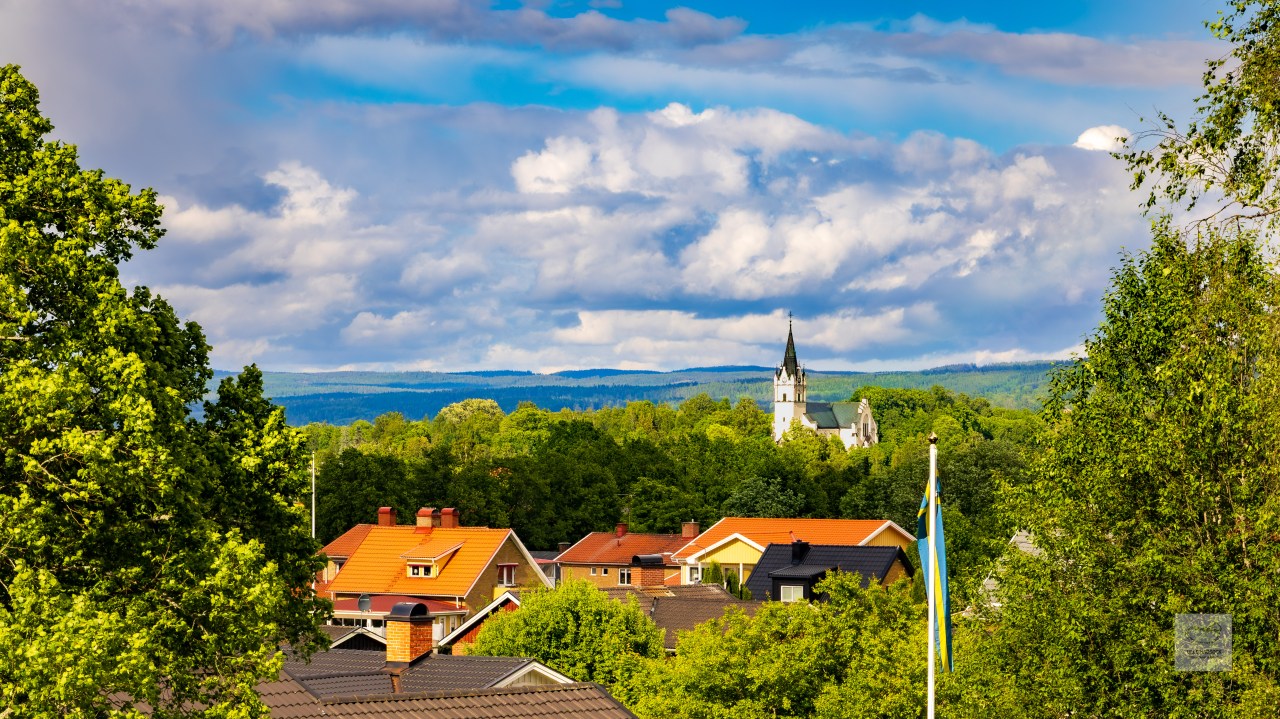
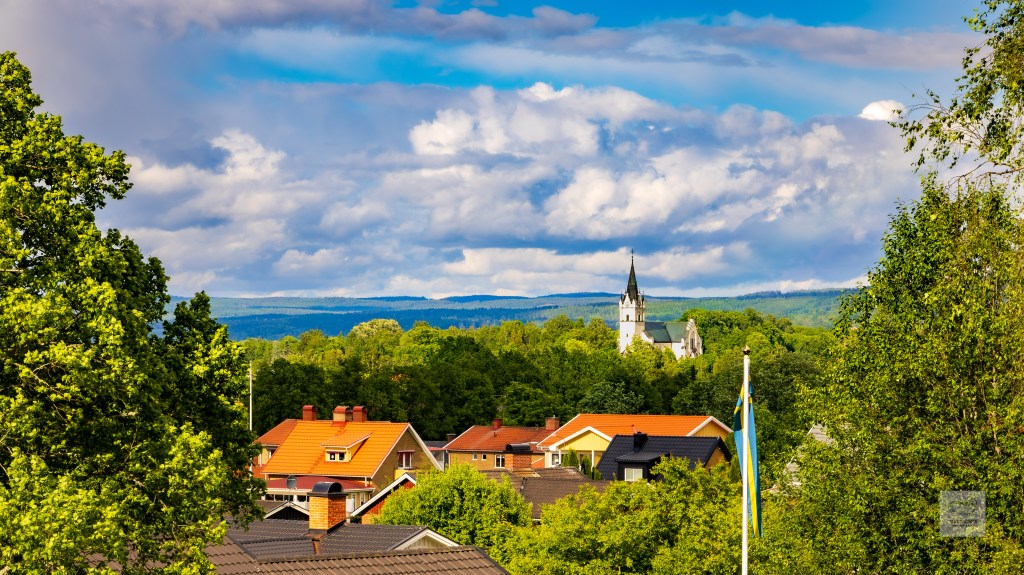
Sunne church, in the municipally of Sunne, imbedded in the forests of Värmland county, Sweden.
Count with the trees but don’t try to count them, ha de Gött!

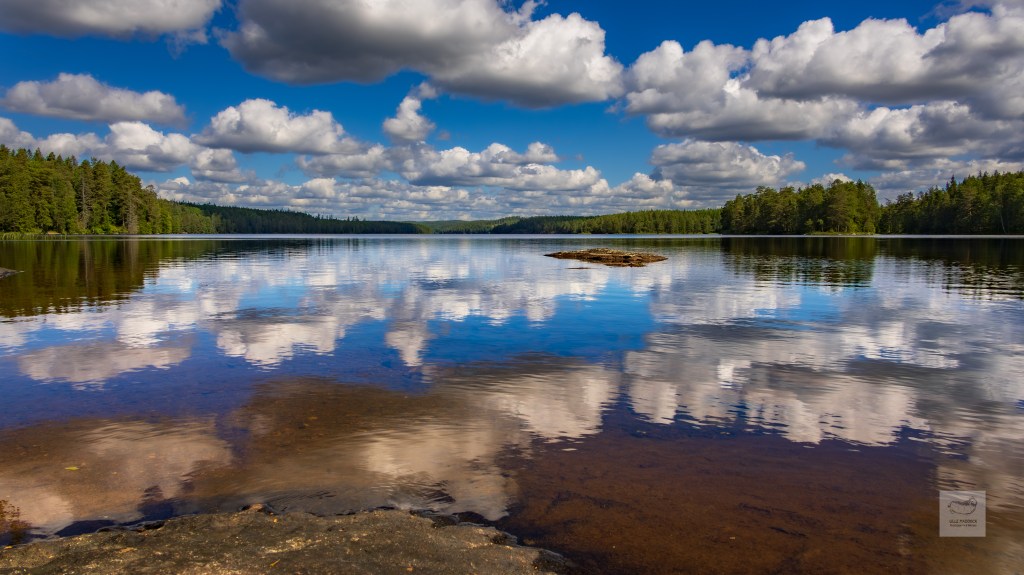
According to official sources (SMHI) there are around 100 000 lakes with a size larger than 10 000m² in Sweden. They cover 9% of Sweden. Almost 70% of Sweden is covered by forest making it one of the countries with most forest in the world.
This is how beautiful it can look from outside Åmål in Dalsland a day in June.
We are mostly water, be careful with it. Ha de Gött!
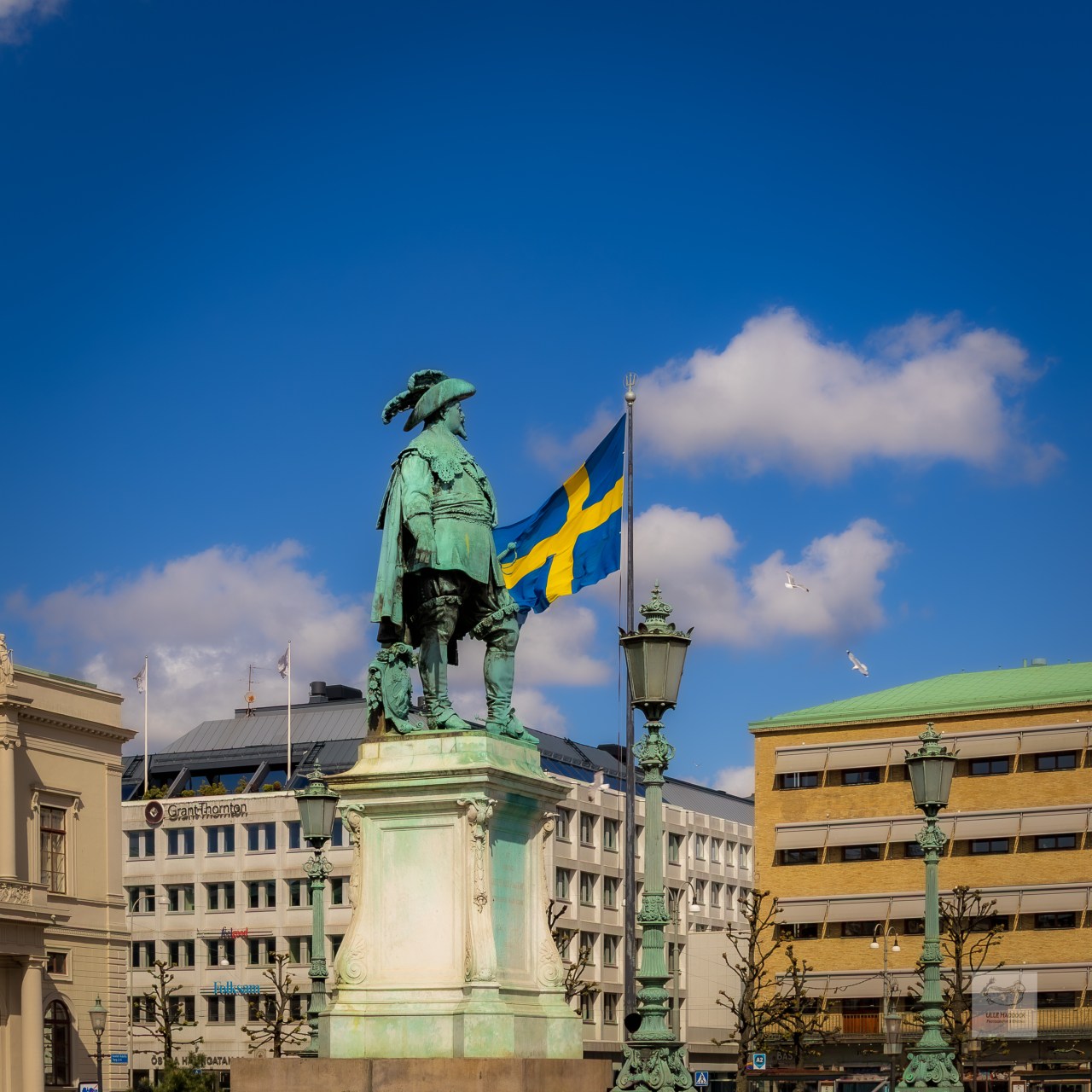
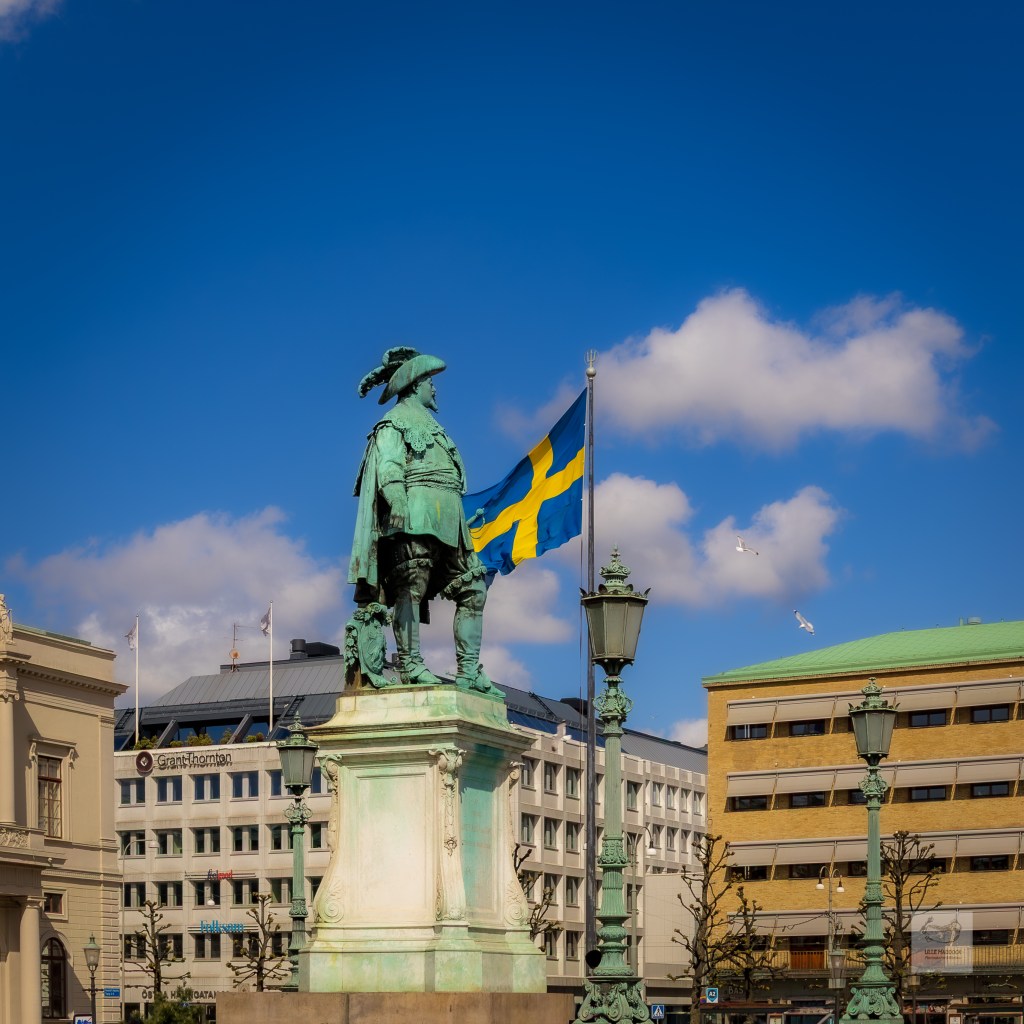
Statue of Swedish king Gustav II Adolf in the town square that also carries his name in Göteborg, Sweden. The statue portraits the king as he stands on a hill and declares where the city of Göteborg should be built on the shore of Göta Älv. At the time in 1621 it was the only gate to the west for the Kingdom of Sweden.
What great things you did in life, seagulls wont give a shit. Ha de Gött!

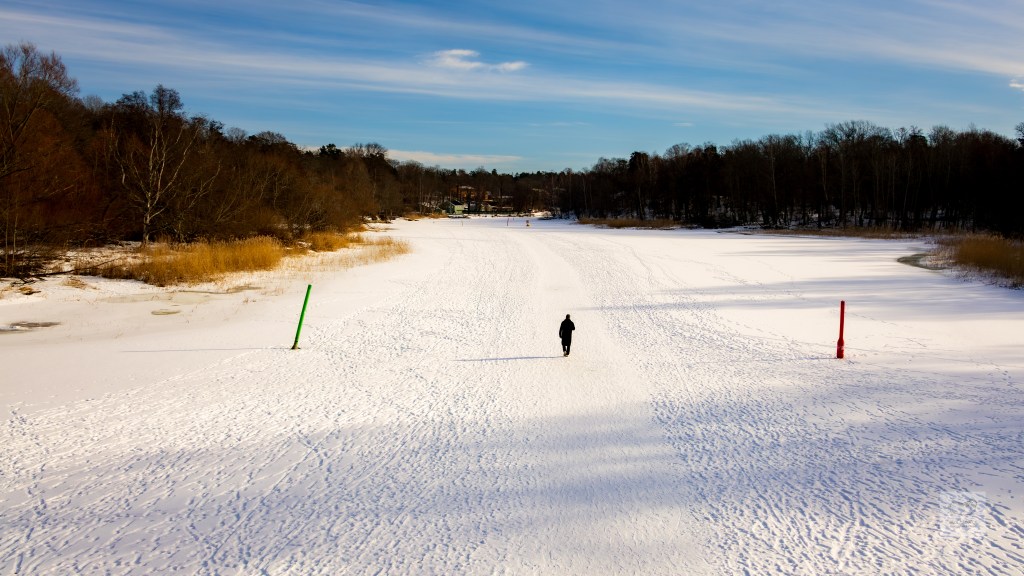
A man walk on the ice of Djurgårdsbrunnskanalen, Stockholm Sweden.
Beware of ice that cannot be trusted, ha de Gött!

