
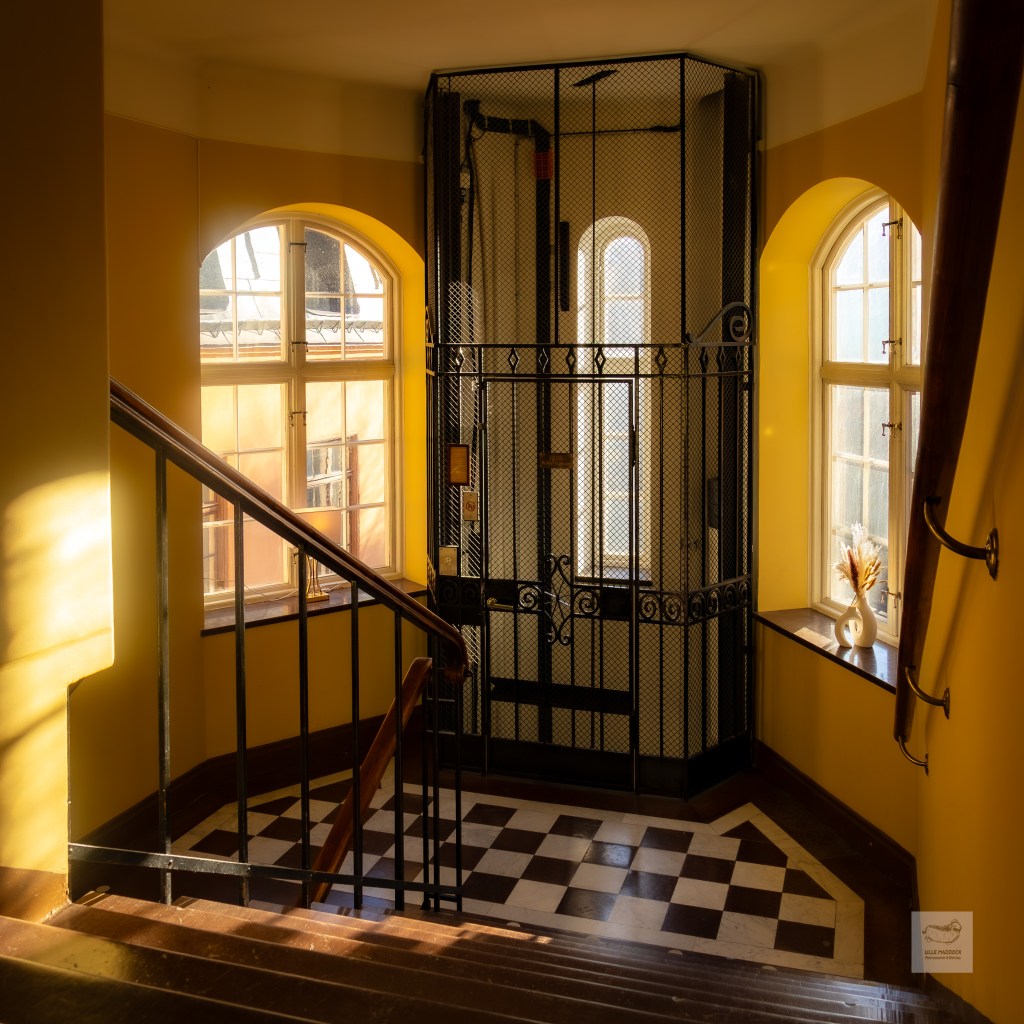
The morning light shines through hundred year old windows. Before this building it was a school for the Salvation Army and was built in 1914. Converted to a hotel in 2004.
See the light, ha de Gött!
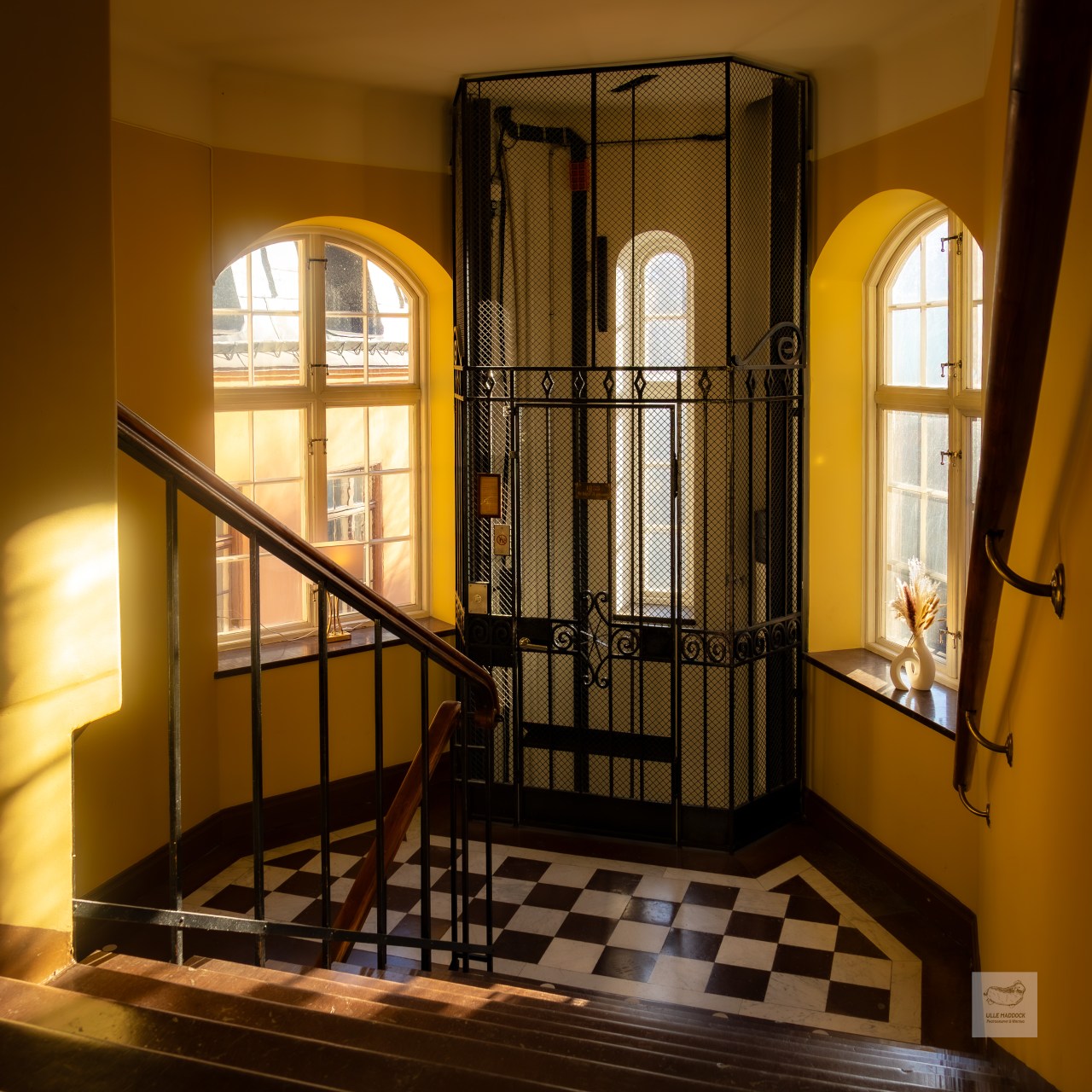
The morning light shines through hundred year old windows. Before this building it was a school for the Salvation Army and was built in 1914. Converted to a hotel in 2004.
See the light, ha de Gött!


This picture was taken this summer outside Halmstad, Sweden while visiting our good friends. The name fits, I think, as we attended a very good concert with Sting. Even if it’s not barley as he sing about. To the left it’s wheat and to the right it’s oats.
Don’t get lost, stay on the road, it will lead you somewhere. Ha de Gött!


Perhaps not the most famous church in Barcelona, but one I really wanted to see. The Basilica of Santa Maria del Mar plays a central role in the novel La Catedral del Mar (Cathedral of the Sea) by Ildefonso Falcones. It’s been many years since I read it, but it left a lasting impression on me. A powerful story of good and evil, justice and injustice, and how the Church, meant to stand for good, often—almost always—ends up on the side of evil.
The church was built between 1329 and 1383 in the Catalan Gothic style. It was constructed largely by unpaid labor from the common people, and is therefore sometimes referred to as the ‘workers’ cathedral’—a detail well described in Falcones’ book. The main character, Arnau Estanyol, finds work as a porter, carrying goods from the dock on his back. These porters were called bastaixos, and in the little spare time they had after work, they carried stones to help build the church.
The play of light inside is impressive, likely designed to suggest the presence of God. Whether divine or coincidental, I happened to be in the right spot at the right time as sunlight struck the cross—a beacon of hope, so needed today when dark forces and false prophets seem to be gaining more and more power.
Let the ray of hope shine, ha de Gött!

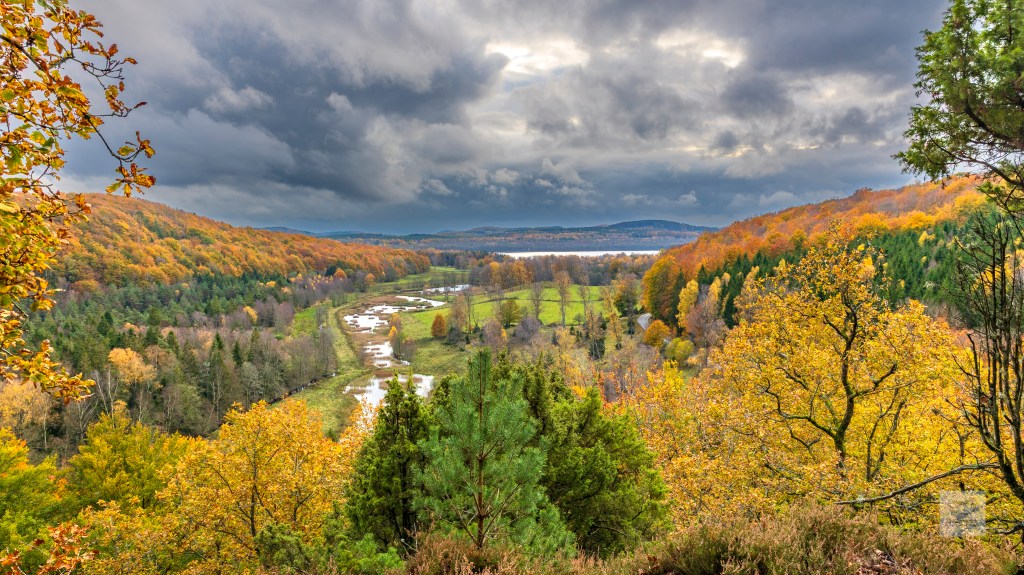
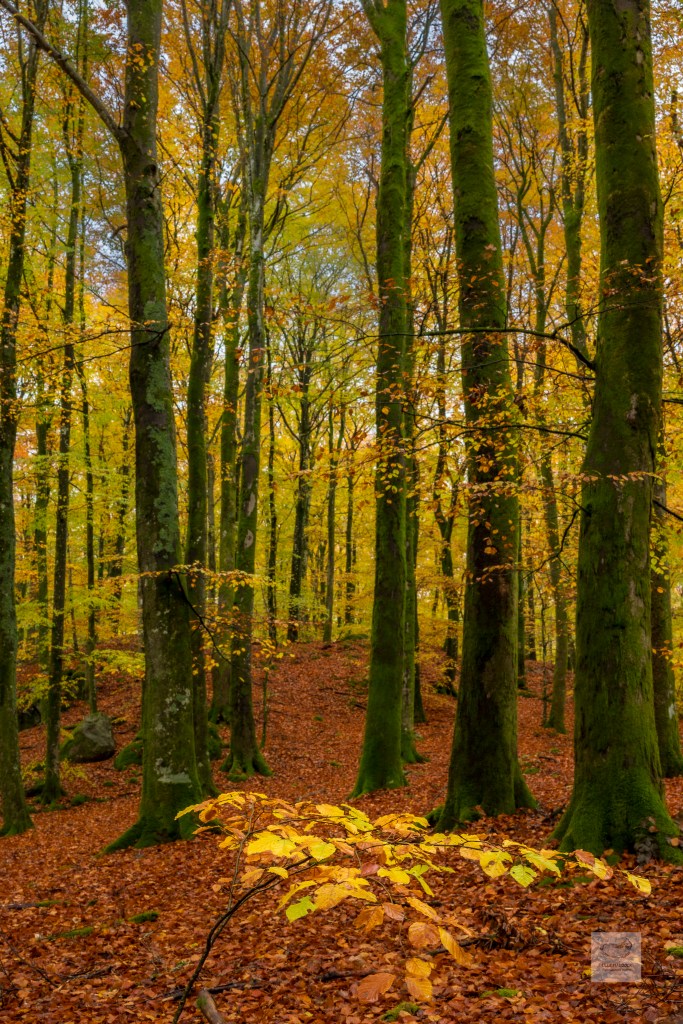
Just got back from a weekend photography workshop. I met up with other 12 photo enthusiasts in the southwest of Sweden, in an area called Halland. More precisely, in Åkulla Bokskogar, just outside Ullared. The region is known for its vast deciduous forest, primarily made up of beech trees.
Surrounded by a stunning display of autumn colours we were guided through these cathedrals and along small streams by the renowned photographer Patrik Leornadsson.
The weather forecast had warned of heavy rain all weekend, so I packed a large trunk of rain clothes and shoes. Fortunately, the weather out better than expected. We had some light rain and even a few minutes of sunshine, so most of the extra clothes came home unused.
Instead I brought back new knowledge, fresh inspiration, and around 500 pictures to sort and edit during the dark evenings ahead. It was also a pleasure to meet others who share the same passion, and to exchange thoughts on creative processes, challenges, and techniques.

Don’t wait, go out and create. Ha de Gött!

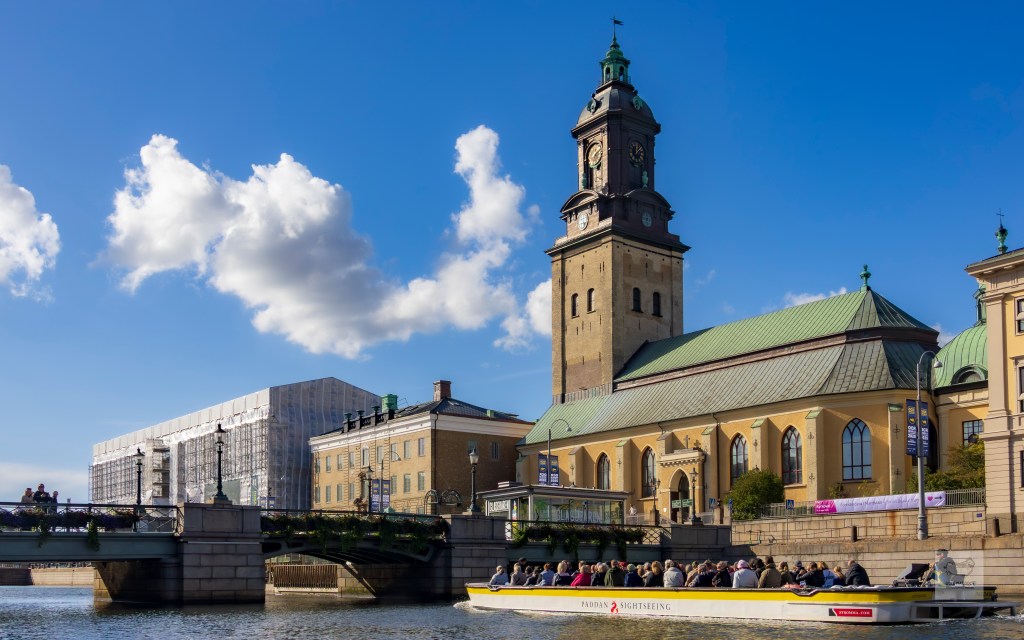
The Christinæ church was founded by the growing Dutch and German population that was brought in to build the fortress city Göteborg during the 1600. Still today the ceremonies are held in German even if it’s a part of the Swedish church. The bridge over the Large Harbour Canal (Stora Hamnkanalen) has been named the German Bridge (Tyska Bron) where the classic sightseeing boat Paddan (translates to the Toad) is about to sail under.
A bridge is a place to cross, ha de Gött!
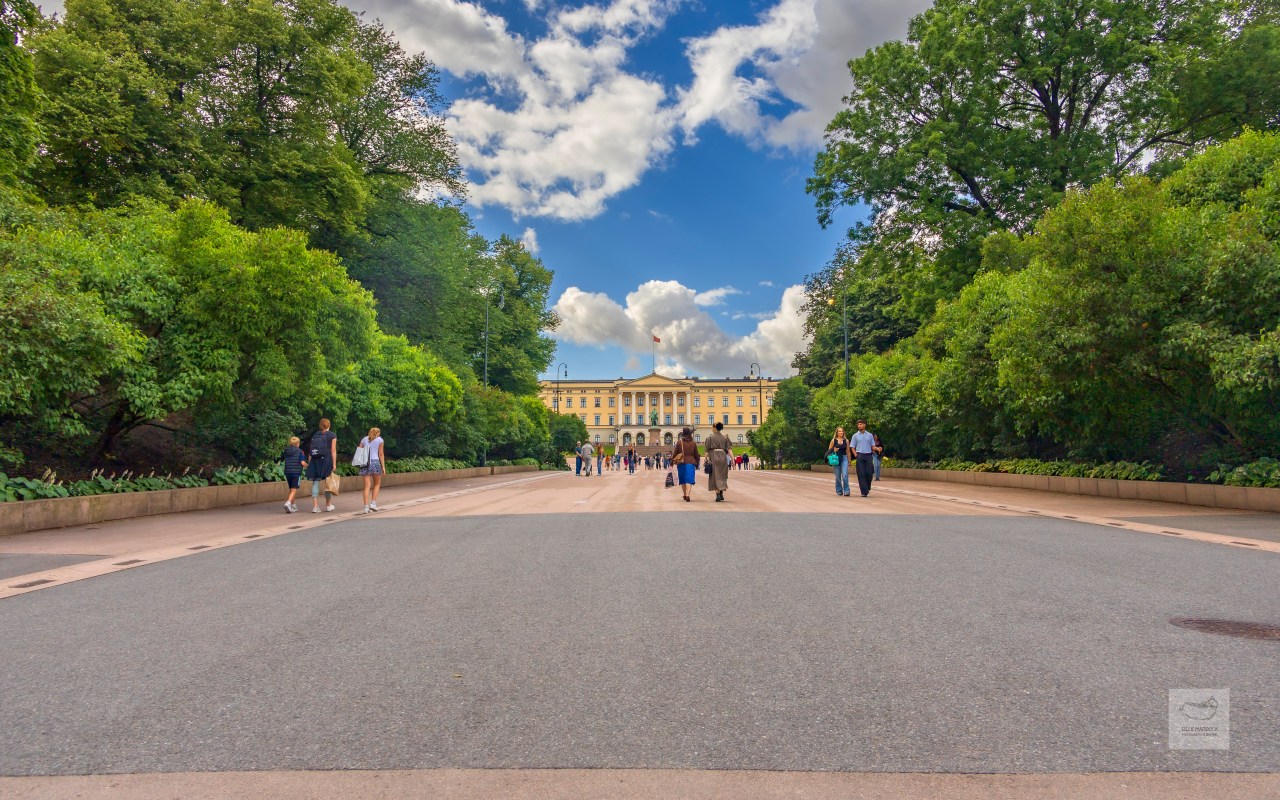

Yes, I’ve been dancing waltz in the ballroom of the Norwegian royal palace! There was no glass shoes involved, we had to wear plastic slippers to protect the floor, but still!
Dance, dance, ha de Gött!
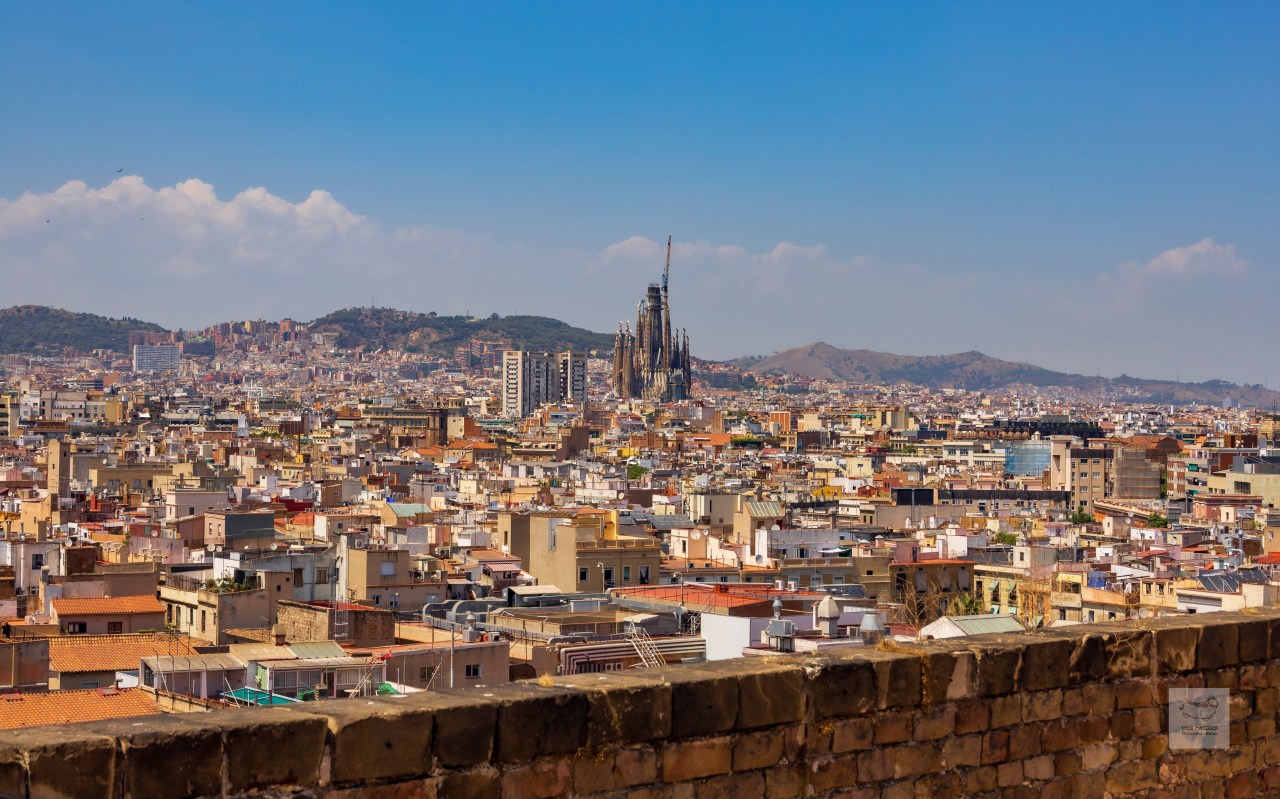
When we got on the plane in Göteborg, Sweden it was +15°C and, arriving the Catalan capital welcomed us with +33°C! The high temperature stayed all four days in this beautiful city. Luckily, it was a happy surprise that I could get cold gluten free beer in most restaurants. Nice but to save my pictures from being blurry I drank mostly water.
It’s a huge city but the public transport system is well developed so with a 72h travel pass it was easy to get around. We did all the musts, Sagrada Familia, Parc Guell and a Flamenco show. We walked in the shade of the maple trees, the La Rambla street. A near death experience, for a man with vertigo, as my wife tricked me in to a cable car ride.
I had only one must see, The church Santa Maria del Mar. The construction of the church plays a central role in one of the best book I’ve read, La Catedral del Mar, Cathedral of the Sea, by Ildefonso Falcones. It was translated in to Swedish so I pretty sure it’s available in English. There is also a well played TV series available on Netflix.
Stay cool when the heat is on, ha de Gött!
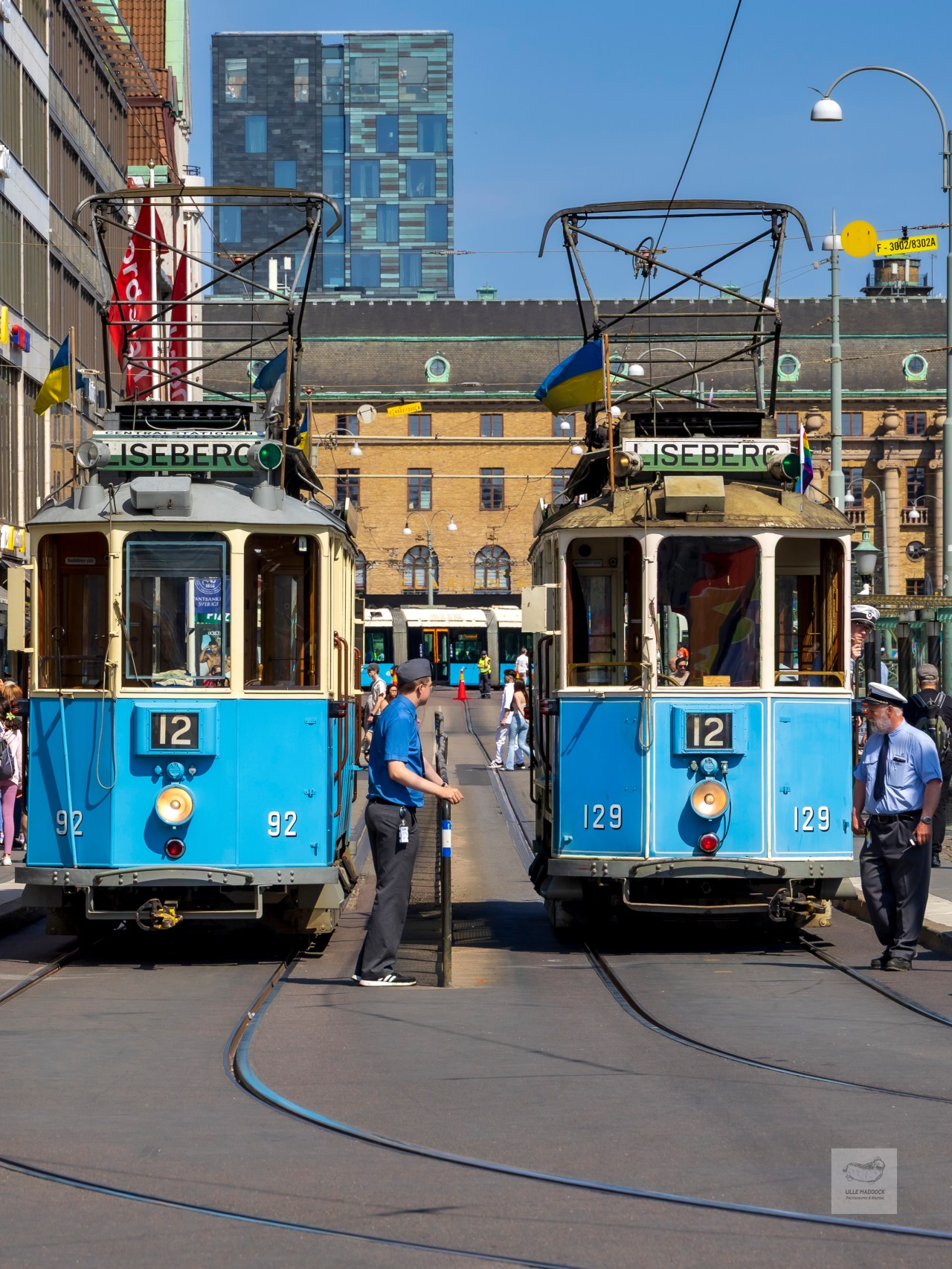

Vintage trams ready to take people to the largest amusement park in northern Europe, Liseberg. Göteborg Sweden.
Hat off for all tram drivers around the world, ha de Gött!

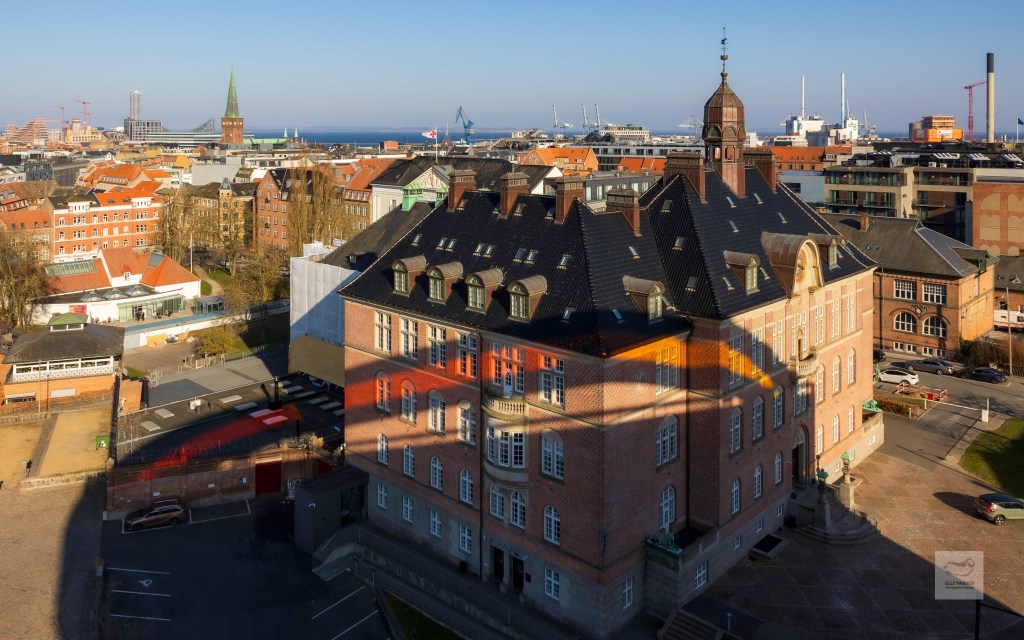
The Århus court house in the shadow of the Aros Art Museum in Denmark.
Art must always shadow Justice, ha de Gött!


Rubjerg Knude lighthouse outside Løkken in Denmark has a fantastic story. It was built in 1899 and was lit up in 1900. The tower is built by bricks and is 23 meters high and, at the time it was built the light was 67 meters over the ocean. It was built on wandering sand and was at the end of the last century almost buried in sand.
The lighthouse was taken out of commission already in 1968 due to low visibility from the surrounding sand dunes. A museum was opened in 1988 but was forced to close 2002 when all surrounding buildings were covered in sand. The wind moves the sand towards north-east and at the same time the shore line erodes up to 2 meters every year. The estimate was that the lighthouse would fall into the sea by 2023.
In august to October 2019 the 720 kilo tonnes tower was moved 70 meters inland. An amazing engineering achievement to lift and place the giant on rails and across over the sand. It took 4,5 hours to move the tower to the waiting new concrete foundation. The work was done by a local contractor company under the lead of master bricklayer Kjeld Pedersen, hats off and cheers. It is now estimated to last another 40 years.
I scouted this place with Google Earth and with the light it was everything I hoped for. Beautiful place and an amazing story.
Source: Wikipedia Swedish page
Walk into the light, ha de Gött!

