
Archive for ‘Writing’

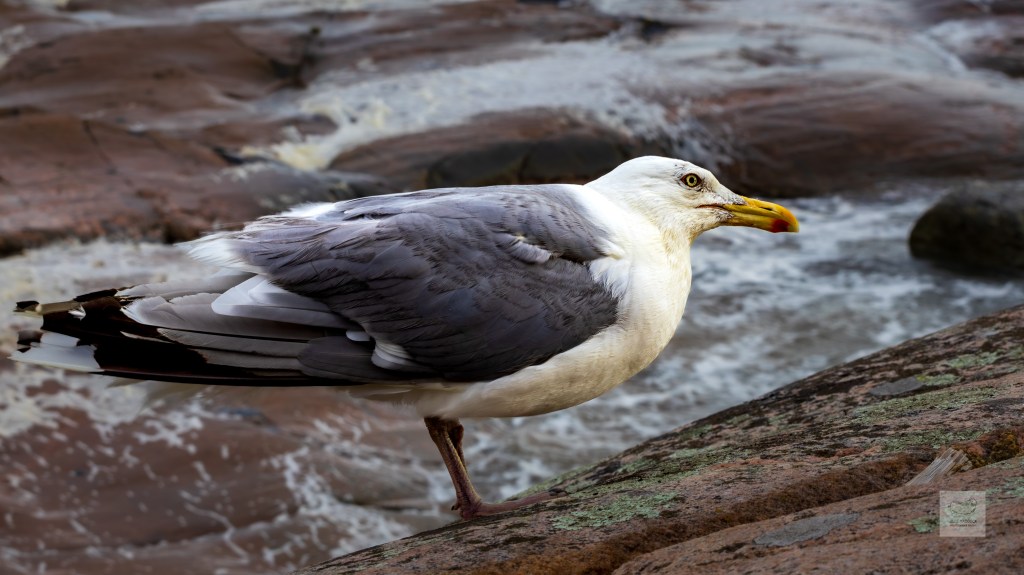
Herring gull

Herring gull

Do you know how hard it is to fly around, scream and shit all over, asked the gull. Especially in this dreadful storm. Can’t I just sit here in leeward for awhile and rest, maybe taste some of that lunch?

I said, sure but can you guarantee that you will not take of, call your friends and have them dump all over me and then fly off in screaming laughter. Try me, he said. But are you willing to take the chance not to share?

I let him have a bite of my sandwich, and for a moment we were the best of friends, sitting next to each other in silent coexistence. I put the remains of my lunch into my backpack and stood up ready to go. A final look at each other before he took of with a loud scream. He circled a few times around me, and I think he waved with his grey wings.

Be kind, ha de Gött!
Advertisements
The Saint

The Saint

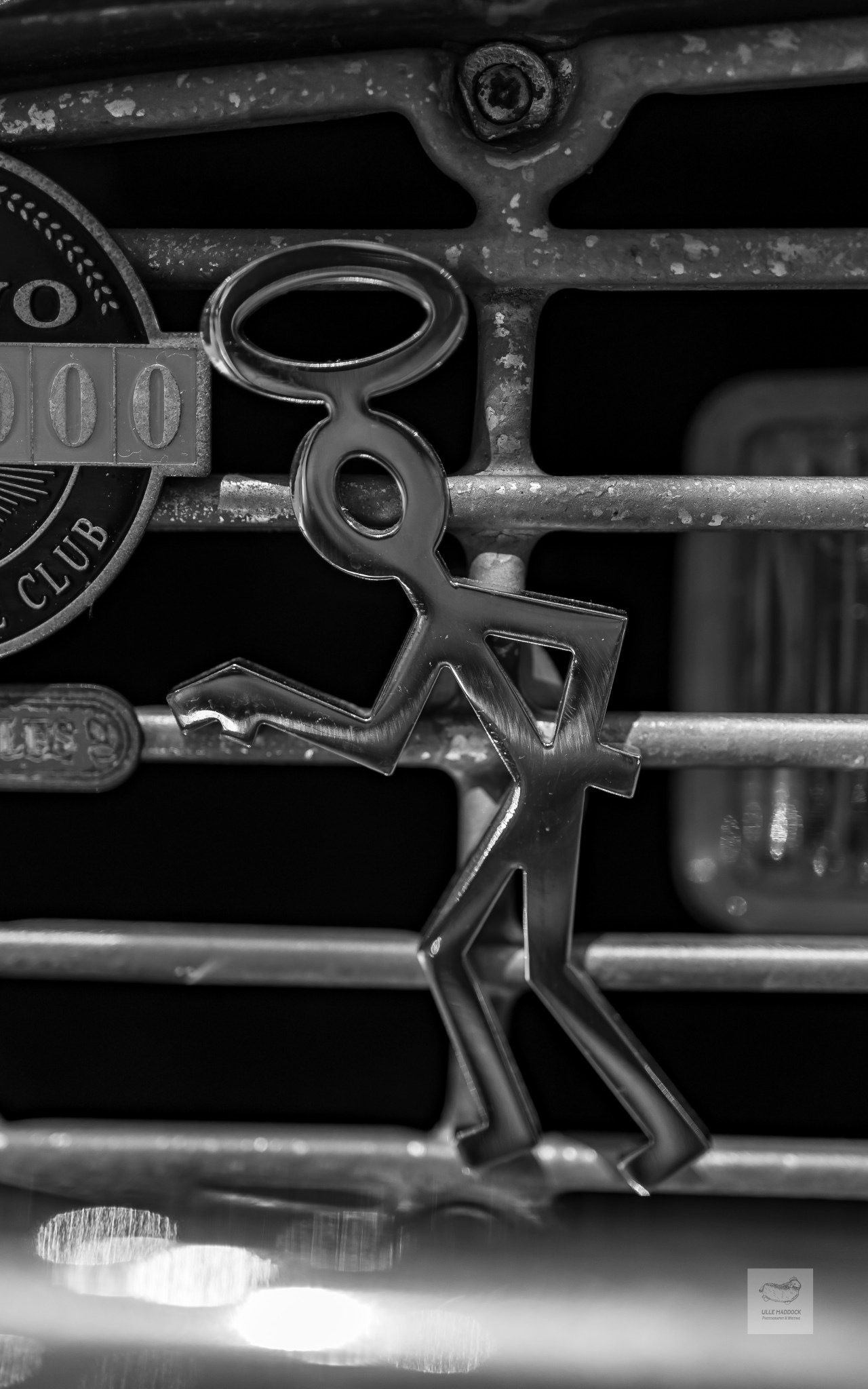
Picture taken at museum World of Volvo, Göteborg Sweden.

Not a saint but a boring and safe Volvo car. This beautiful sports model, P1800 was made from 1961 until 1973 and it gained cult status from the TV-series the Saint. The British TV-series with among others, Roger Moore, was made in impressive 118 episodes from 1962 to 1969 where the main character, Simon Templar, drove a California white P1800.

This could be the most beautiful car ever made, ever. What do you think? Ha de Gött!

The old belting factory

The old belting factory

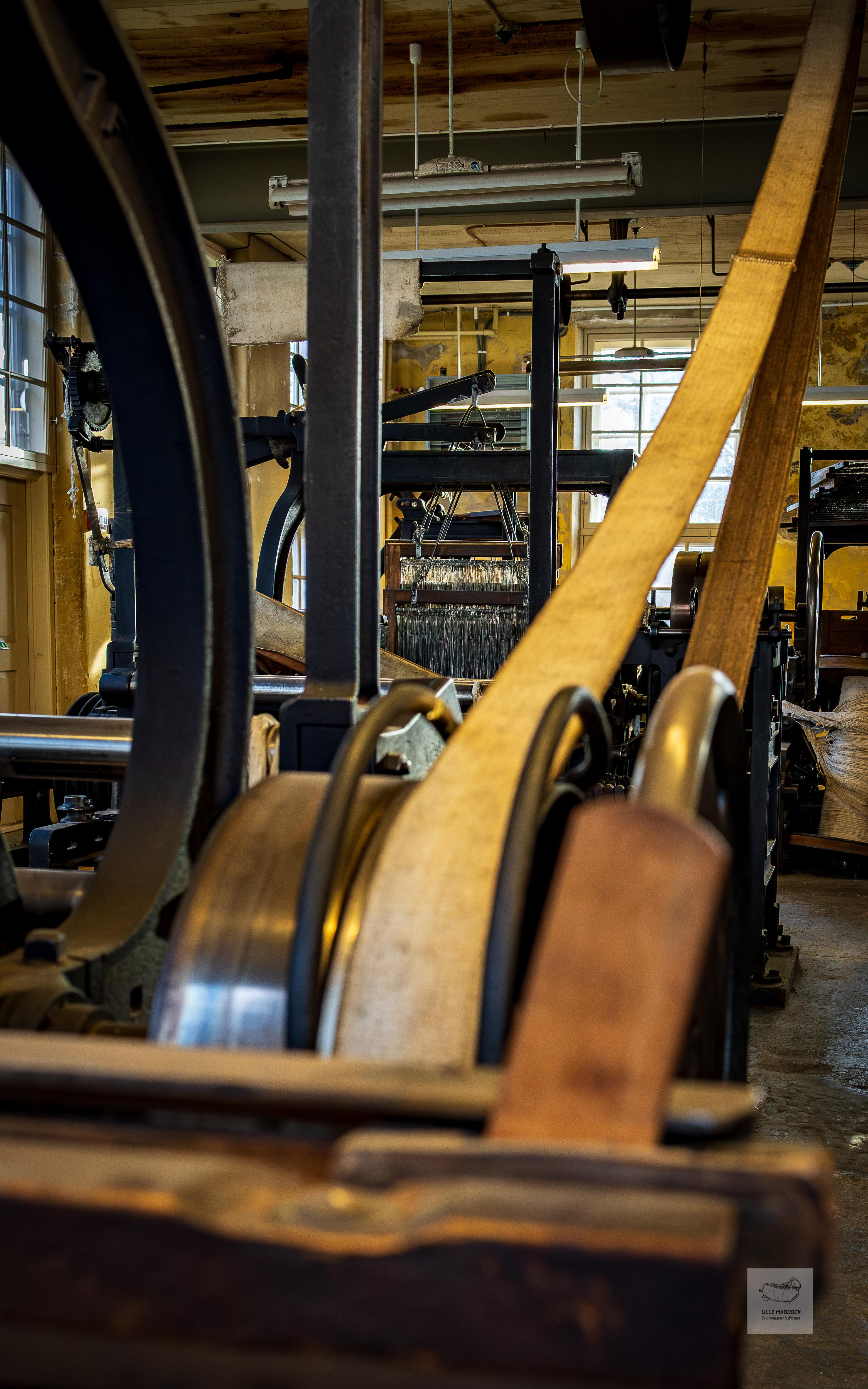
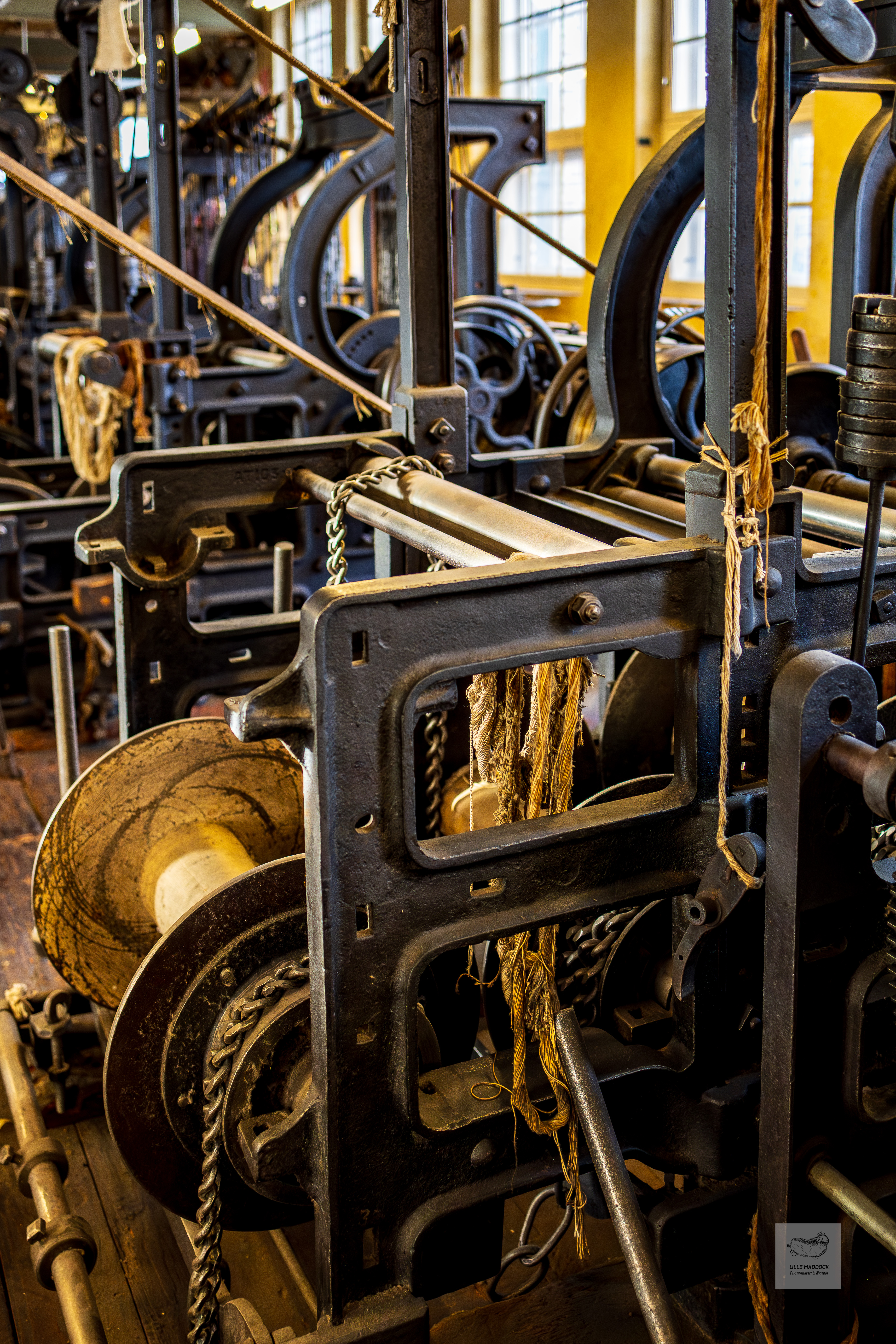
Some photos from the old industrial belting factory in Göteborg, Sweden.

This historic factory, Göteborgs Remfabrik, was built using clay bricks in 1900 after the original wooden building was destroyed by fire. Most of the machinery, dating from around 1900, was imported from England and powered by a steam engine via belts. In 1916, the steam engine was replaced with an electric motor. Some modernisation took place in 1940s when fluorescent tube lighting was installed. Hardly anything has changed since then.

The factory remained in operation until 1977, when the employees and the owners shut down the machines, locked the doors, and went home – leaving everything as it was. This makes it one of the best-preserved industrial sites in Scandinavia from the early 1900s.

Today, it’s a museum, and most of the equipment can still run. An association of volunteers maintains and run the machines. You can find out more on their website, Göteborgs Remfabrik. These dedicated men and women deserve great respect for keeping history alive. If you ever find yourself in Göteborg, it’s worth a visit.

Never put your fingers in a running machine, ha de Gött!
Let there be light

Let there be light

Perhaps not the most famous church in Barcelona, but one I really wanted to see. The Basilica of Santa Maria del Mar plays a central role in the novel La Catedral del Mar (Cathedral of the Sea) by Ildefonso Falcones. It’s been many years since I read it, but it left a lasting impression on me. A powerful story of good and evil, justice and injustice, and how the Church, meant to stand for good, often—almost always—ends up on the side of evil.

The church was built between 1329 and 1383 in the Catalan Gothic style. It was constructed largely by unpaid labor from the common people, and is therefore sometimes referred to as the ‘workers’ cathedral’—a detail well described in Falcones’ book. The main character, Arnau Estanyol, finds work as a porter, carrying goods from the dock on his back. These porters were called bastaixos, and in the little spare time they had after work, they carried stones to help build the church.

The play of light inside is impressive, likely designed to suggest the presence of God. Whether divine or coincidental, I happened to be in the right spot at the right time as sunlight struck the cross—a beacon of hope, so needed today when dark forces and false prophets seem to be gaining more and more power.

Let the ray of hope shine, ha de Gött!

Talk it out

Talk it out

A sight rarely seen these days but common back in the day. The phone booth.

When I was in school back in the 80:ties when the cold war was at it’s coldest. We read a book about peace where the theme was that as the means of communication improved, peace and understanding would follow. Today it has never been easier to communicate all around the world. Yet we have never been so misinformed as today.

Picture is taken in Oslo. Just a few meters away from the Nobel Peace centre and the Oslo City hall where the award ceremony for the Nobel Peace Prize are held December 10 every year.

I leave the red phone booth as a beacon of hope, ha de Gött!

Advertisements
The Book that didn’t want to be read

The Book that didn’t want to be read

The Priest gave me this book 
to read in my own time
to find ways to heal
to make odds and ends of life.
It lay there on my desk,
for a long, long time,
then in the book shelf,
finally back to my desk.
Why did I not take the time to read?
Author on the cover looks
confident and trustworthy.
But it was that title.
"There's a lot you don't have to"

I finally challenged the title and has almost finished reading. It’s a really good book on the theme Faith, Time and Love and how to be true to yourself and your time without too many “musts”. The author Tomas Sjödin has been very productive but sad to say I cannot find out if he’s been translated to English.

To read is to discover, ha de Gött!
Advertisements
Swedish Poet: Gustaf Fröding

Swedish Poet: Gustaf Fröding

My absolute favourite Swedish poet is Gustaf Fröding (1860 – 1911). This brilliant poet and author’s short life was darkened with mental illness. Both his own and his parents. Perhaps this is evidence that brilliance and folly dances on a razor sharp edge.

He is still a popular poet in Sweden. The poems are highly musical and lends itself to musical setting. He is one the poets with the highest number of his poems that have been set to music. Many of them topping the charts for weeks on.

Many of his brilliant poems are written in the melodic dialect from his home province Värmland. In my mind the most beautiful Swedish dialect. Even if a person with this dialect is really angry with you it sounds like a declaration of love. The dialect is often a challenge to understand by Swedish speakers and then to translate to English!

Even so an Englishman named Mike McArthur took on the task with Frödings most loved poems. He did an excellent job and to that I’m glad to be able to share one of the poems in English. This poem was a great comfort to me when I lost my son four years ago.

Solace

When comes deep sorrow, as when night descending
in wildest forests, where man goes astray,
who trusts the glimmer, which ahead is wending,
the light that peeps out, flickers, hides away?
In fun it flickered, in fun fled this caper,
who takes a Jack o'lantern for a taper?

No, grieve till in the brain the numbness creeping
in weary torpor, is the solace found
- just like the wanderer, who was lost and sleeping
of soft and mossy down, a sleep so sound.
And when from misty depths he wakes from dreaming,
sees in the wooded hide the morn sun gleaming.

There is a Fröding society that published this as a year book in 2023. You can find them on the web here. Only in Swedish, but Google translate or Chat GPT can help. Seems this is the only way to get a copy of this book. You can also find out more on Wikipedia where there are some links to more of his works in English.

Ha de Gött!
Advertisements
Explore the Rock Carvings of Tanum: A UNESCO Heritage Site

Explore the Rock Carvings of Tanum: A UNESCO Heritage Site

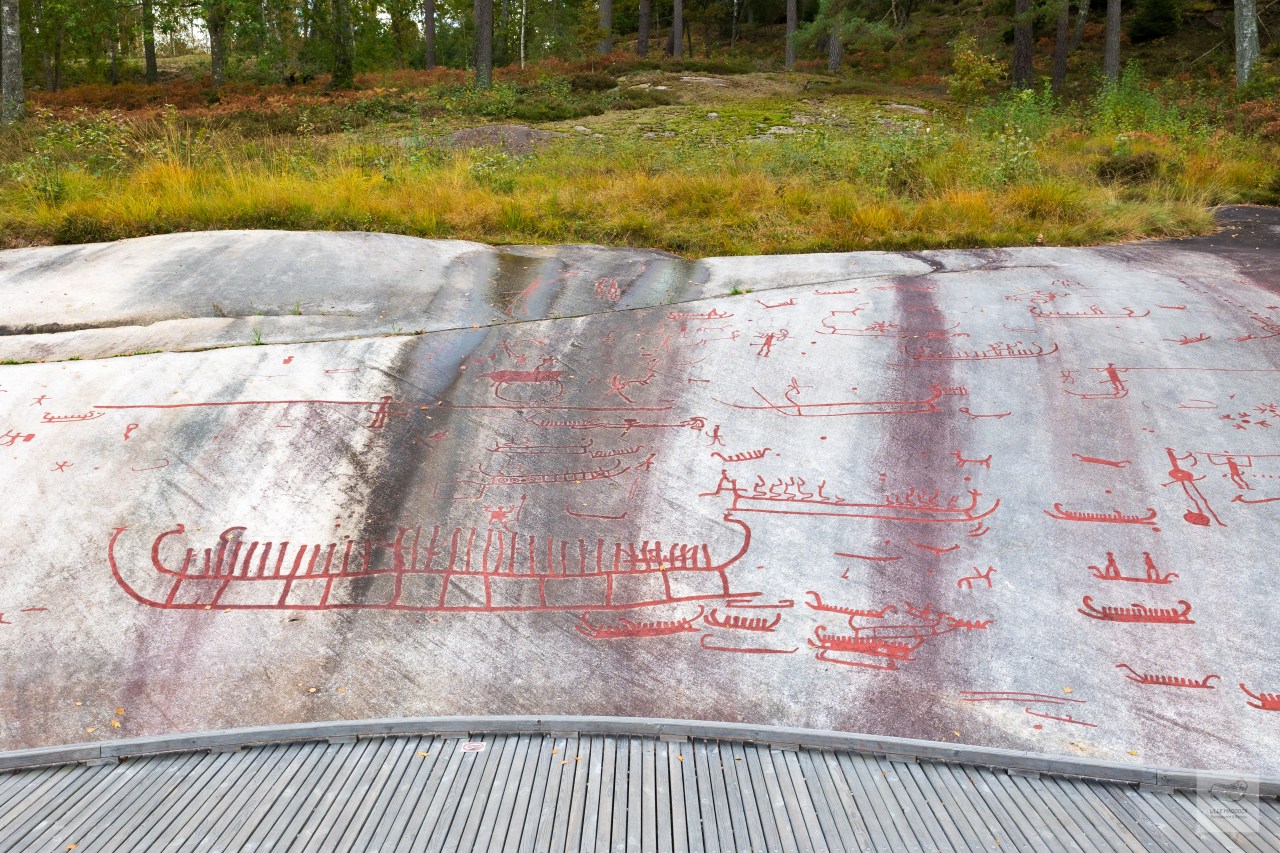
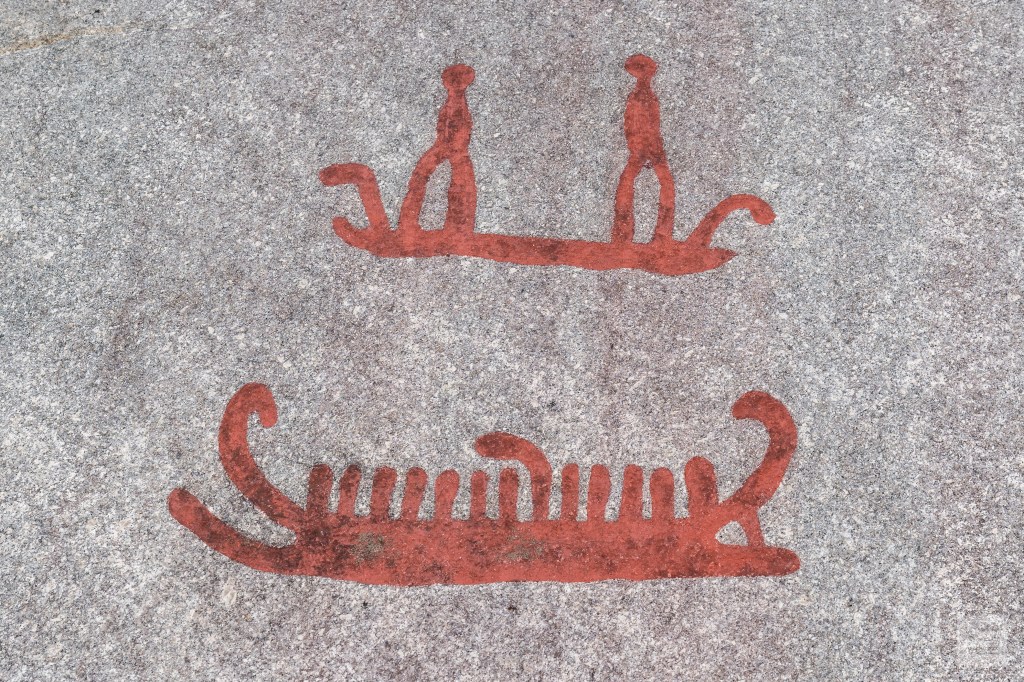
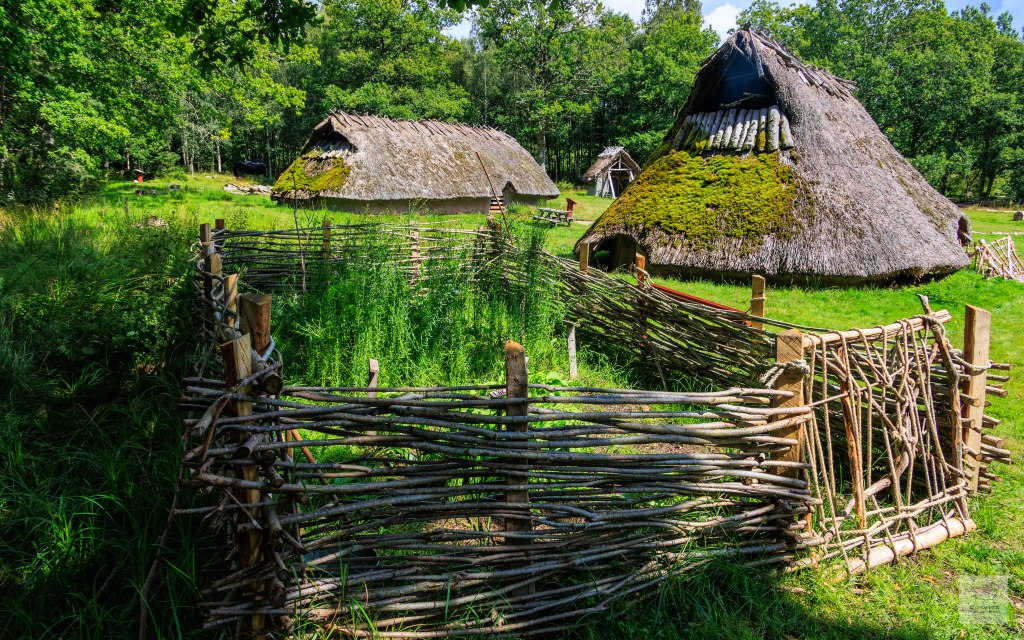
I live close to one of the UNESCO listed World Heritage sites. Rock Carvings in Tanum and Vitlycke Museum. This area has the highest concentration of rock carvings in Europe. Rock carvings, also called petroglyphs, are knocked with small stones, knocking stones, into the rock during pre historic times. They can be found all over the world but the highest concentration are found in Africa, Scandinavia, Siberia, and Australia. New carvings are discovered daily by archaeologists and the public. As the with all art, interpretation is in the eyes of the beholder even if there is a scientific approach to what the carvings mean. Even so the images triggers the imagination to what made the people to make the effort. Faith or just a wish to be immortalised.

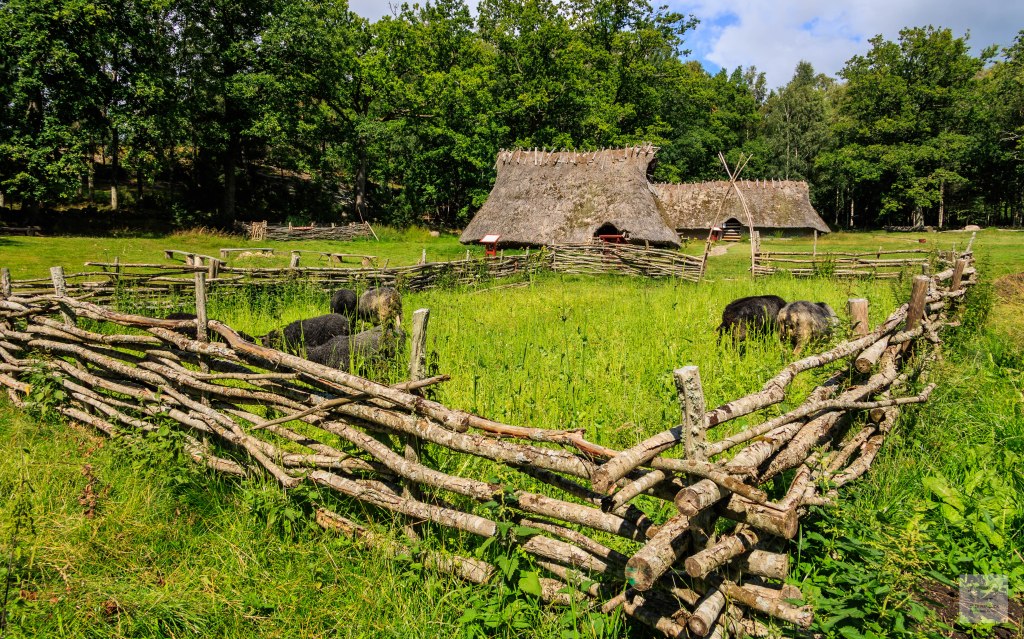
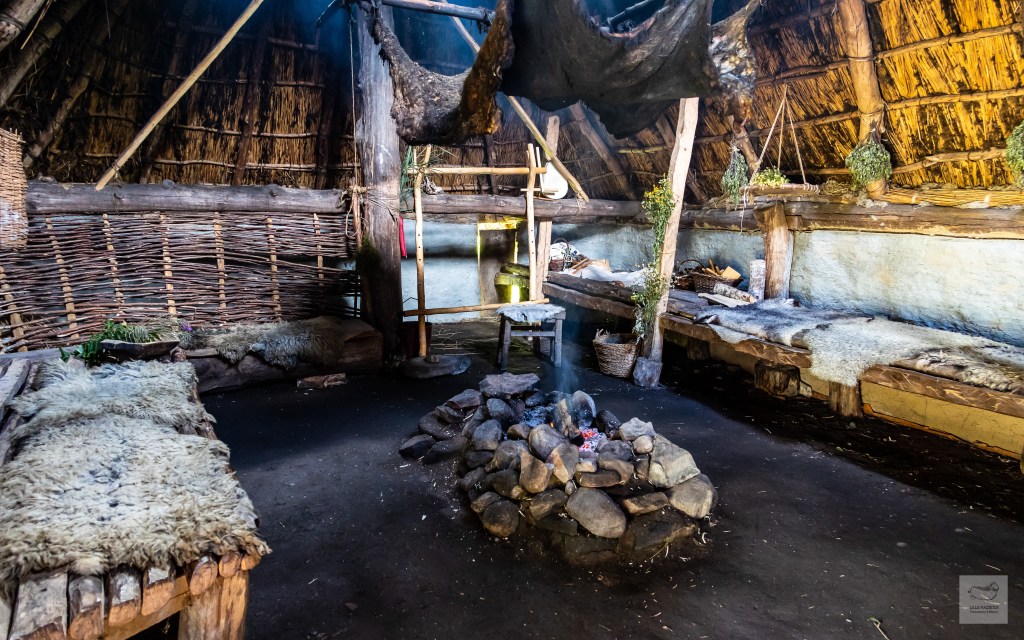
If you want to take a step back in time, to the bronze age when most of the carvings were made. The Vitlycke museum has a reconstructed bronze age village built up with two long houses, storage huts and work sheds. The village is next to the rock carvings in the Tanum World heritage area. You can visit all year around but in summer high season there are guides to explain and let you try craftmanship from that time. The Nordic Bronze age is considered to have lasted from 1700 to 500 BC.

Fun fact. The museum building was inaugurated on the same day my oldest son was born. In a blizzard on April 4 1998 and he also worked there for three summers. Do check out his YouTube channel Hemläxa where he made a series on the Swedish farmers history where episode one has section from Vitlycke. In Swedish but you can use the auto subtitle function in a language you prefer. https://youtu.be/6ff1wRQMwM8?si=MsxFVjlZJu0_Nbdm

Find out more from the museum website https://www.vitlyckemuseum.se/en/.

You have to look back to understand the future, ha de Gött!
Advertisements
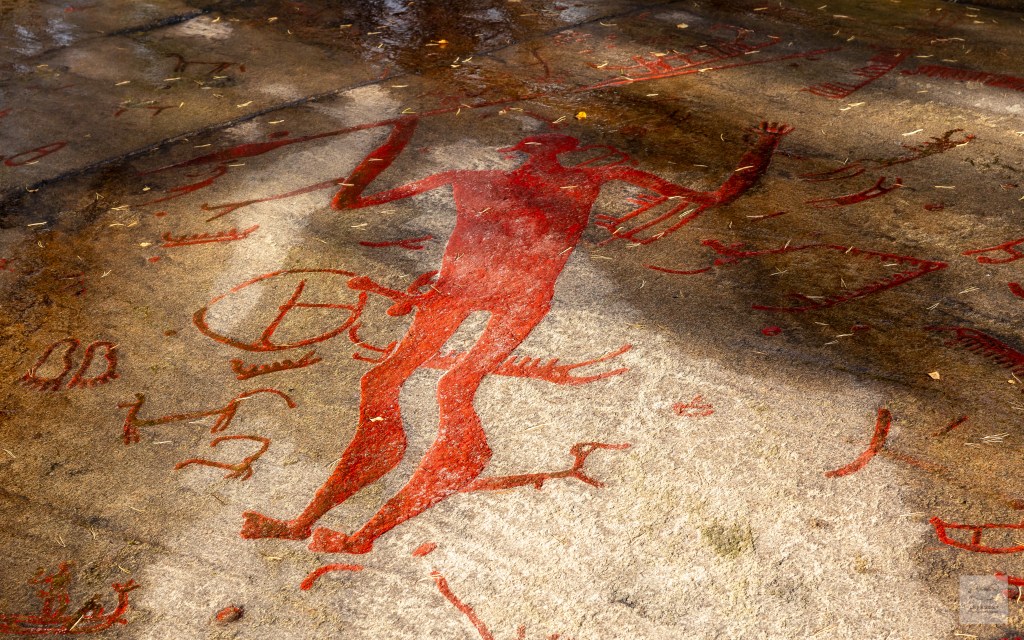
Two meter man

Two meter man

Hard as a rock

he stands all exposed

with his spear ready

for all to see

he blushes, goes all red

The Two Meter Man at Listeby rock carving site is one of the most famous bronze age rock carvings at the Tanumshede World Heritage site. Similar image can be found elsewhere but this is unique in size. Why they were carved 3000 years ago is a bit of a mystery but the area is full of them and still today new discoveries are made.

Don’t ever be ashamed of your appearance, ha de Gött!
Advertisements

Nixie

Nixie

As the shadows draw closer

and the daylight fades into night

you can hear him tuning his violin

backed by the wind’s soft rustling in the leaves

and the beat of the waterfall

he plays his alluring tune

but beware and don’t get too close

Nixie’s wish is not to your best

The Nixie, Näcken in Swedish, is according to the old Scandinavian folklore a humanoid water spirit. He tries to lure you to the water in order to drown you. My grandmother used to scare us kids with him so we would not go close to the water.

If it sounds too good to be true it probably isn’t, ha de Gött!

Swedish version

När skuggorna närmar sig

och dagsljuset försvinner till natt

kan du höra honom stämma sin fiol

kompad av vindens mjuka prasslande i löven

och vattenfallets takt

han spelar sin lockande låt

men se upp och kom inte för nära

hans önskan är inte till ditt bästa

Advertisements