Archive for ‘History’

Writing inspired by history.

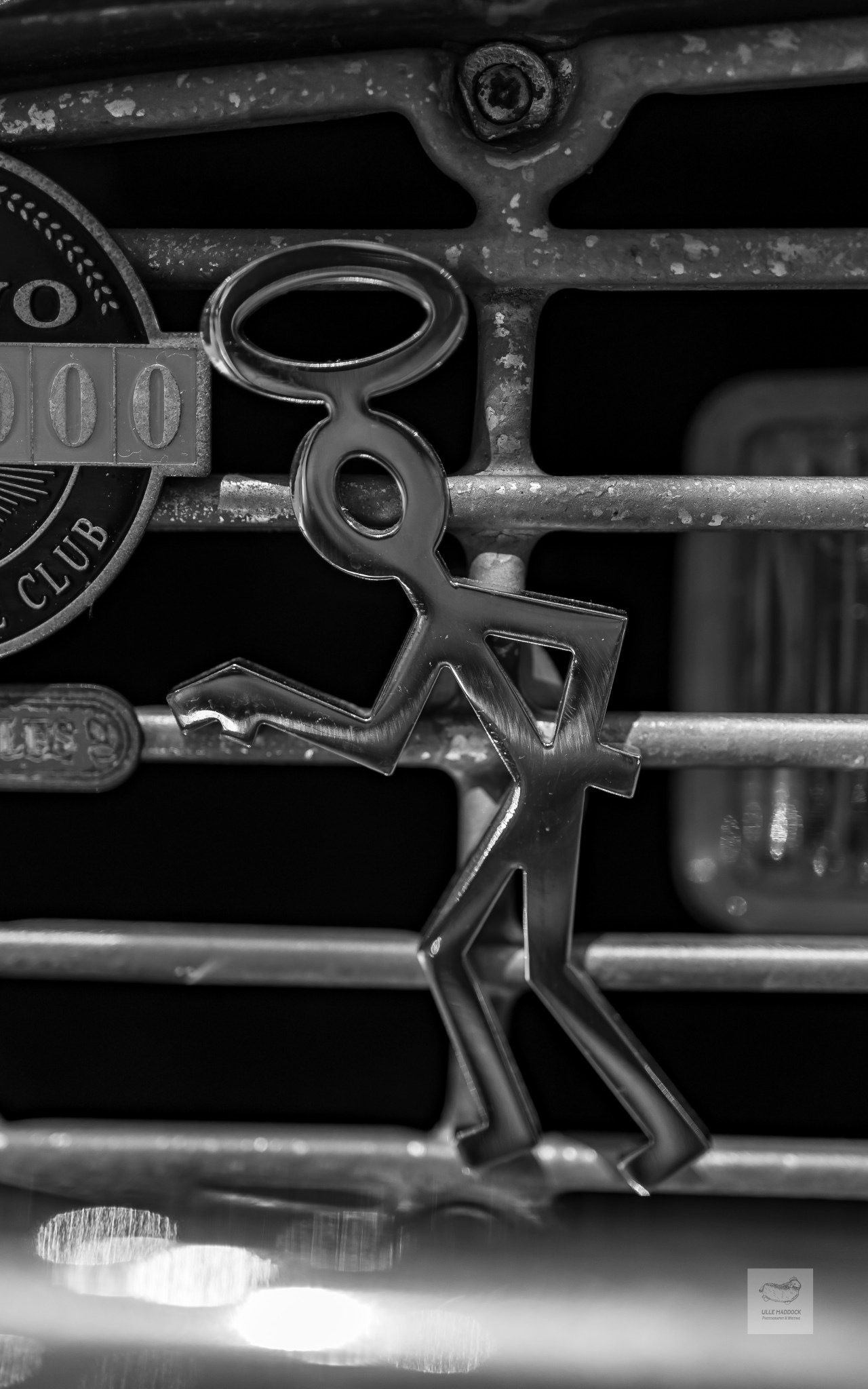
The Saint

The Saint

Picture taken at museum World of Volvo, Göteborg Sweden.

Not a saint but a boring and safe Volvo car. This beautiful sports model, P1800 was made from 1961 until 1973 and it gained cult status from the TV-series the Saint. The British TV-series with among others, Roger Moore, was made in impressive 118 episodes from 1962 to 1969 where the main character, Simon Templar, drove a California white P1800.

This could be the most beautiful car ever made, ever. What do you think? Ha de Gött!

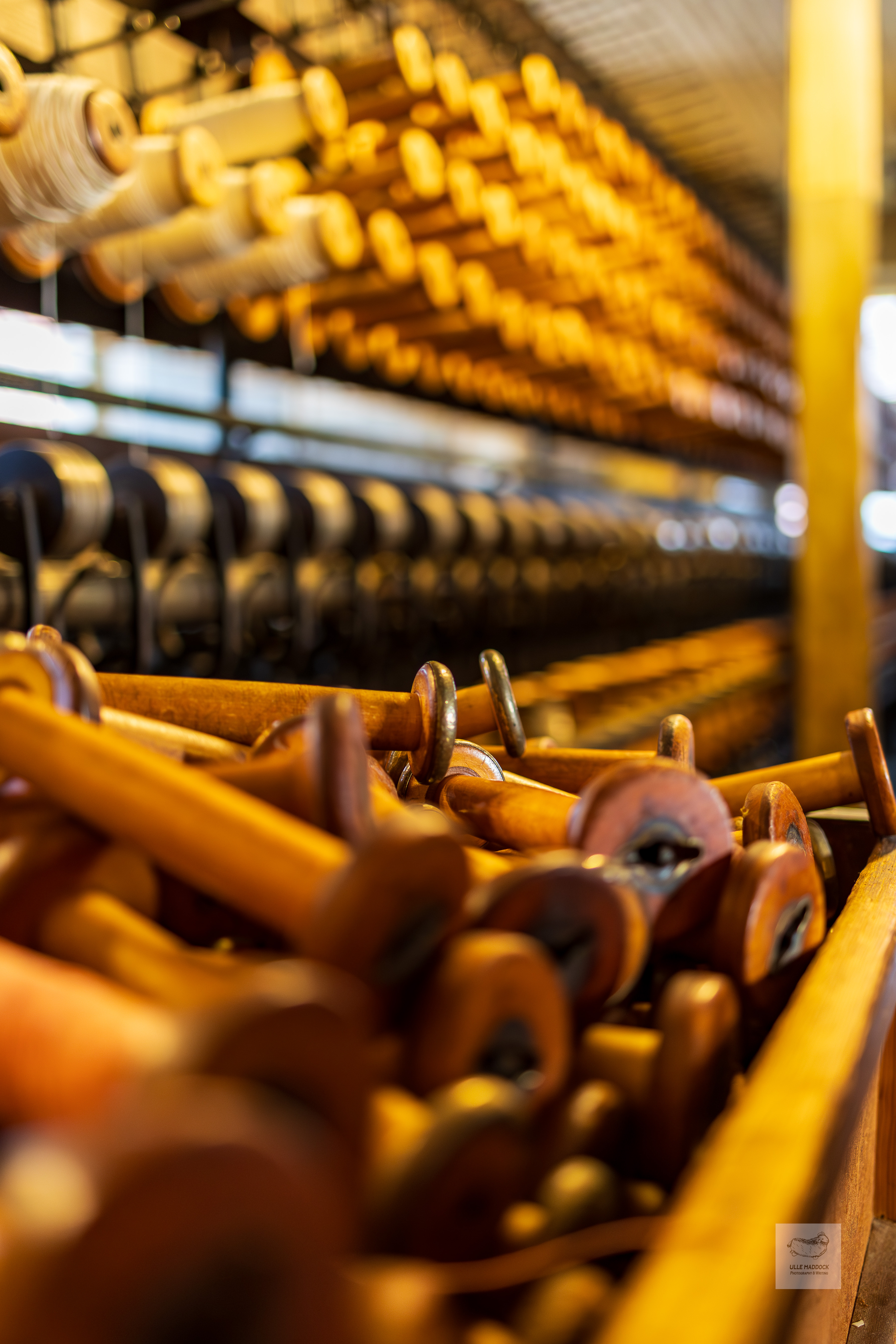
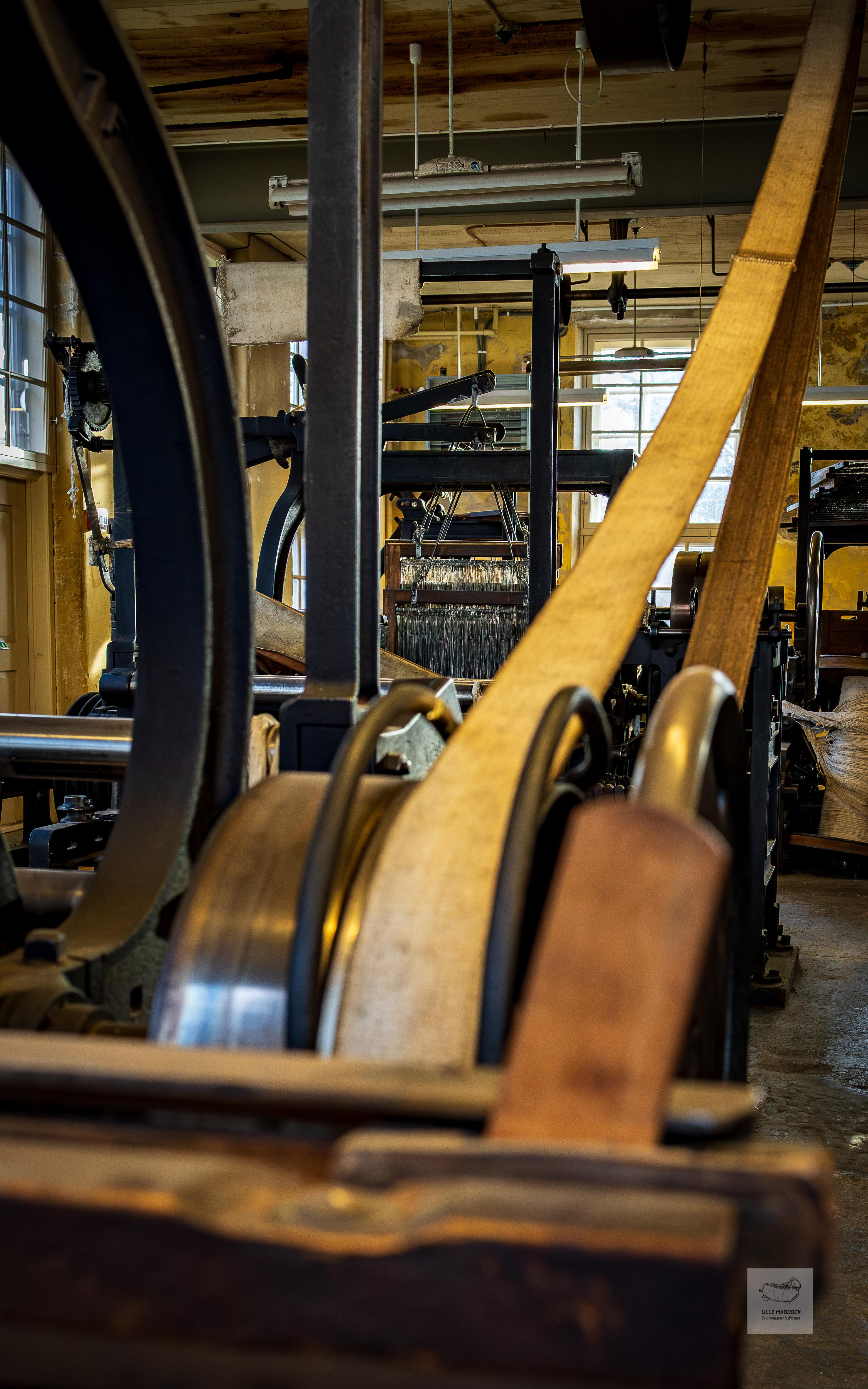
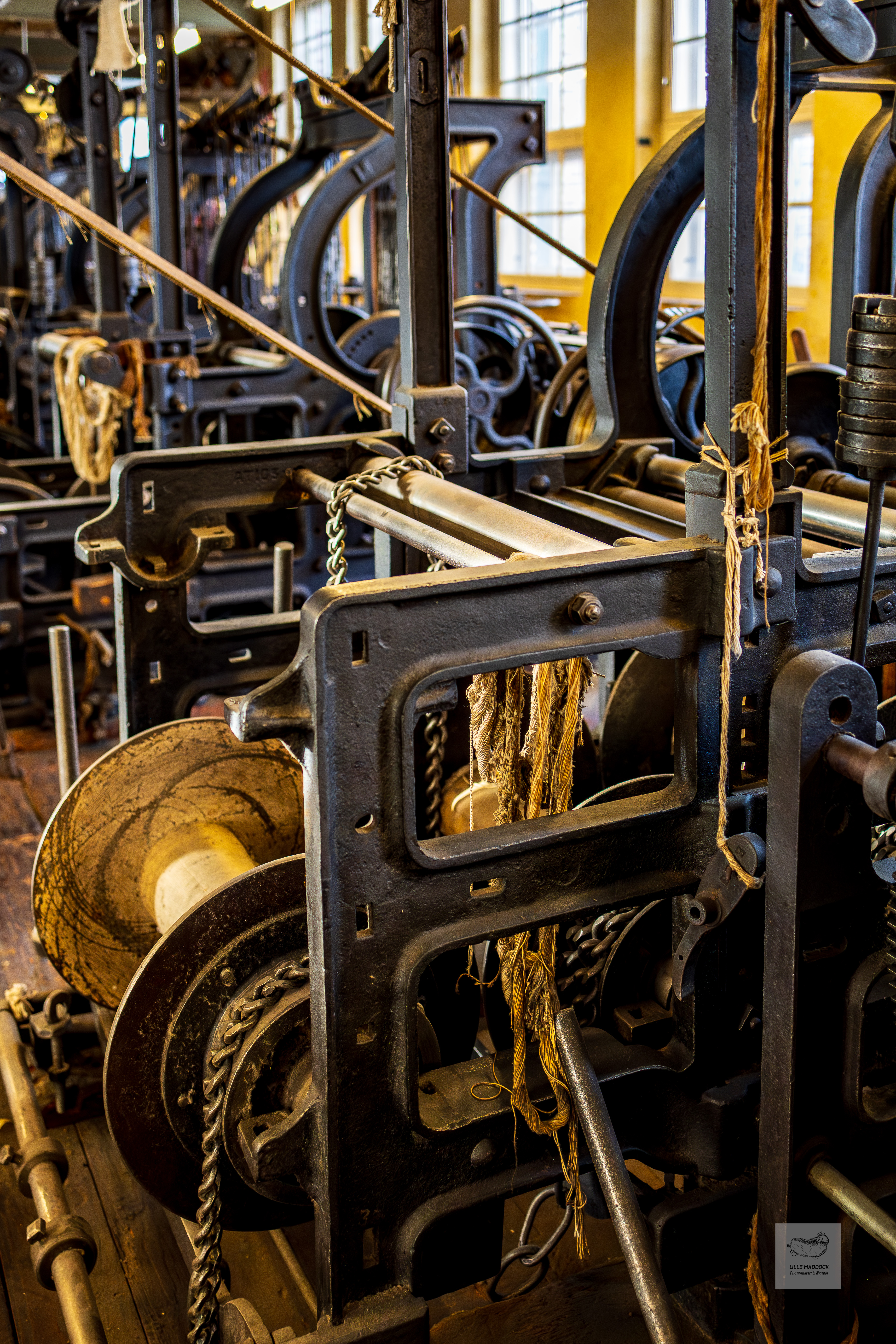
The old belting factory

The old belting factory

Some photos from the old industrial belting factory in Göteborg, Sweden.

This historic factory, Göteborgs Remfabrik, was built using clay bricks in 1900 after the original wooden building was destroyed by fire. Most of the machinery, dating from around 1900, was imported from England and powered by a steam engine via belts. In 1916, the steam engine was replaced with an electric motor. Some modernisation took place in 1940s when fluorescent tube lighting was installed. Hardly anything has changed since then.

The factory remained in operation until 1977, when the employees and the owners shut down the machines, locked the doors, and went home – leaving everything as it was. This makes it one of the best-preserved industrial sites in Scandinavia from the early 1900s.

Today, it’s a museum, and most of the equipment can still run. An association of volunteers maintains and run the machines. You can find out more on their website, Göteborgs Remfabrik. These dedicated men and women deserve great respect for keeping history alive. If you ever find yourself in Göteborg, it’s worth a visit.

Never put your fingers in a running machine, ha de Gött!

Talk it out

Talk it out

A sight rarely seen these days but common back in the day. The phone booth.

When I was in school back in the 80:ties when the cold war was at it’s coldest. We read a book about peace where the theme was that as the means of communication improved, peace and understanding would follow. Today it has never been easier to communicate all around the world. Yet we have never been so misinformed as today.

Picture is taken in Oslo. Just a few meters away from the Nobel Peace centre and the Oslo City hall where the award ceremony for the Nobel Peace Prize are held December 10 every year.

I leave the red phone booth as a beacon of hope, ha de Gött!

Advertisements
Swedish Poet: Gustaf Fröding

Swedish Poet: Gustaf Fröding

My absolute favourite Swedish poet is Gustaf Fröding (1860 – 1911). This brilliant poet and author’s short life was darkened with mental illness. Both his own and his parents. Perhaps this is evidence that brilliance and folly dances on a razor sharp edge.

He is still a popular poet in Sweden. The poems are highly musical and lends itself to musical setting. He is one the poets with the highest number of his poems that have been set to music. Many of them topping the charts for weeks on.

Many of his brilliant poems are written in the melodic dialect from his home province Värmland. In my mind the most beautiful Swedish dialect. Even if a person with this dialect is really angry with you it sounds like a declaration of love. The dialect is often a challenge to understand by Swedish speakers and then to translate to English!

Even so an Englishman named Mike McArthur took on the task with Frödings most loved poems. He did an excellent job and to that I’m glad to be able to share one of the poems in English. This poem was a great comfort to me when I lost my son four years ago.

Solace

When comes deep sorrow, as when night descending
in wildest forests, where man goes astray,
who trusts the glimmer, which ahead is wending,
the light that peeps out, flickers, hides away?
In fun it flickered, in fun fled this caper,
who takes a Jack o'lantern for a taper?

No, grieve till in the brain the numbness creeping
in weary torpor, is the solace found
- just like the wanderer, who was lost and sleeping
of soft and mossy down, a sleep so sound.
And when from misty depths he wakes from dreaming,
sees in the wooded hide the morn sun gleaming.

There is a Fröding society that published this as a year book in 2023. You can find them on the web here. Only in Swedish, but Google translate or Chat GPT can help. Seems this is the only way to get a copy of this book. You can also find out more on Wikipedia where there are some links to more of his works in English.

Ha de Gött!

Advertisements
Explore the Rock Carvings of Tanum: A UNESCO Heritage Site

Explore the Rock Carvings of Tanum: A UNESCO Heritage Site

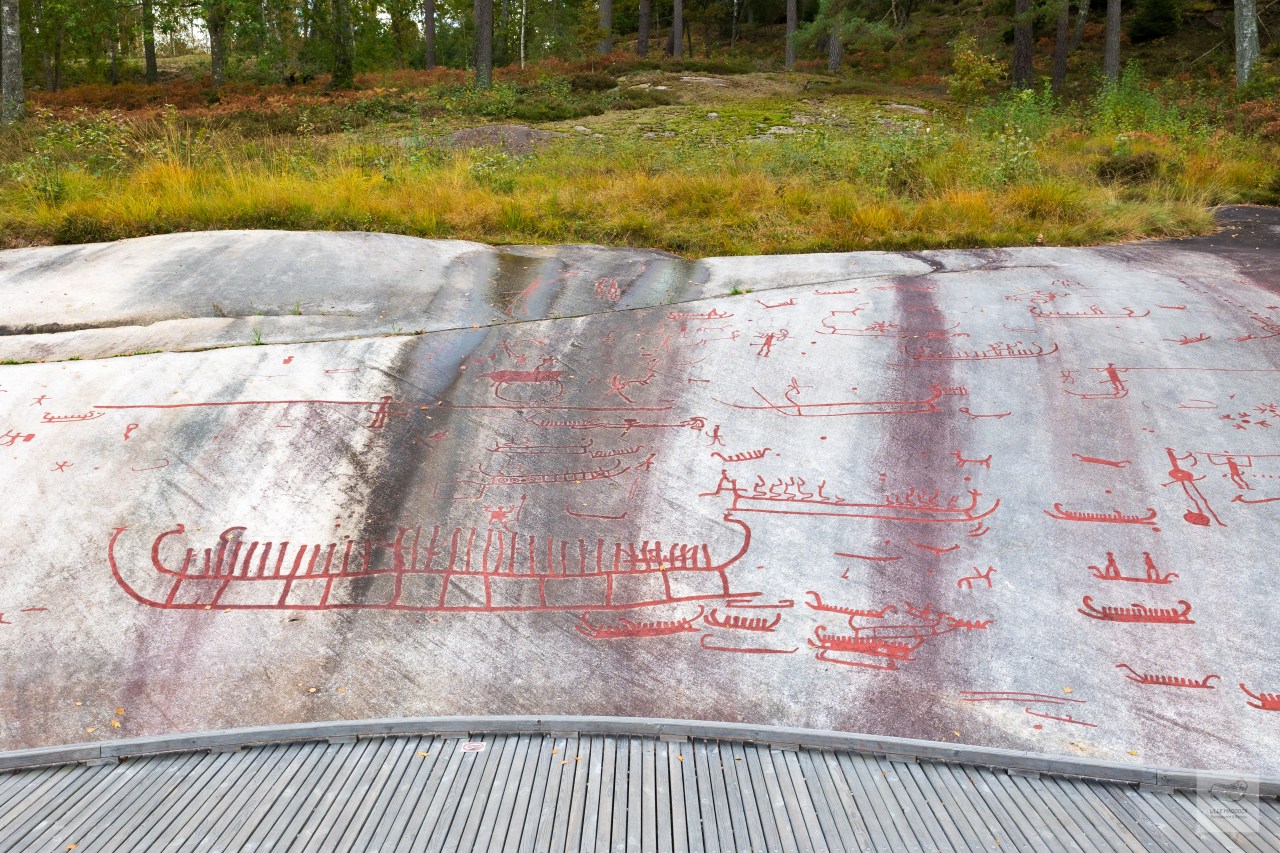
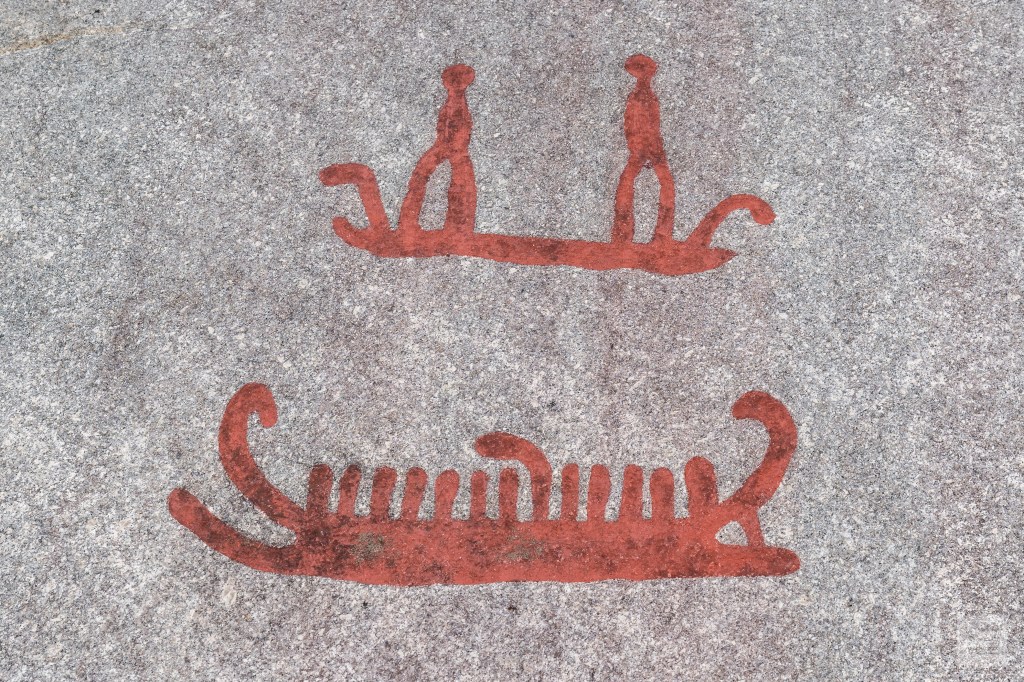
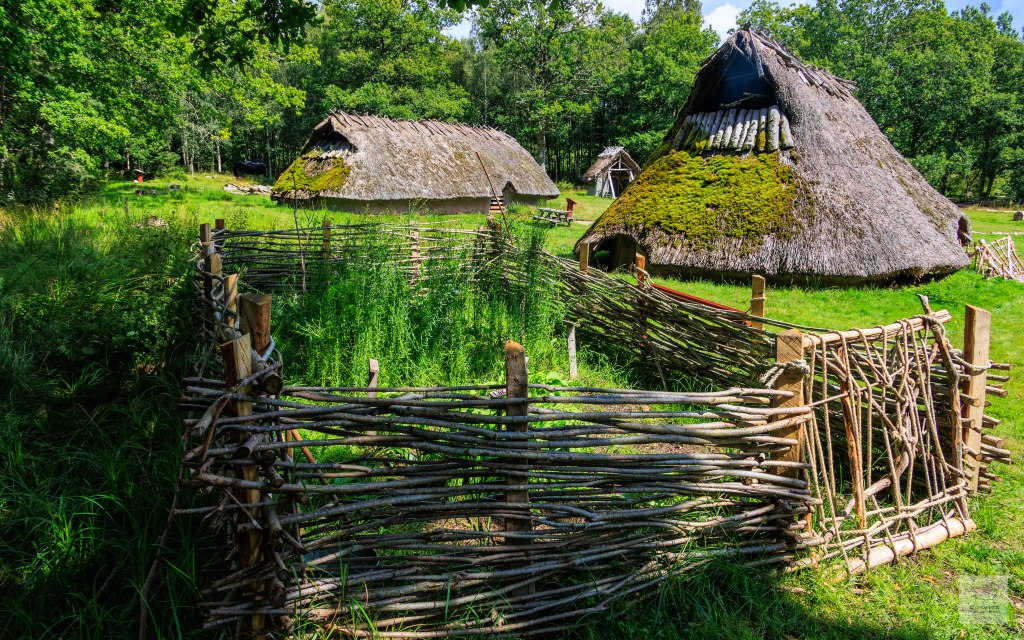
I live close to one of the UNESCO listed World Heritage sites. Rock Carvings in Tanum and Vitlycke Museum. This area has the highest concentration of rock carvings in Europe. Rock carvings, also called petroglyphs, are knocked with small stones, knocking stones, into the rock during pre historic times. They can be found all over the world but the highest concentration are found in Africa, Scandinavia, Siberia, and Australia. New carvings are discovered daily by archaeologists and the public. As the with all art, interpretation is in the eyes of the beholder even if there is a scientific approach to what the carvings mean. Even so the images triggers the imagination to what made the people to make the effort. Faith or just a wish to be immortalised.

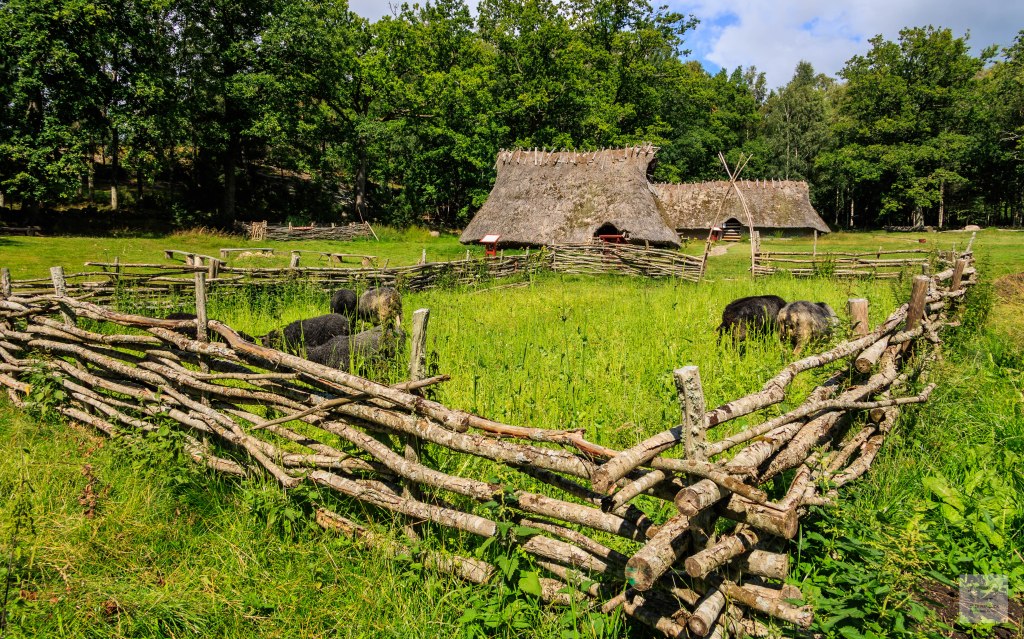
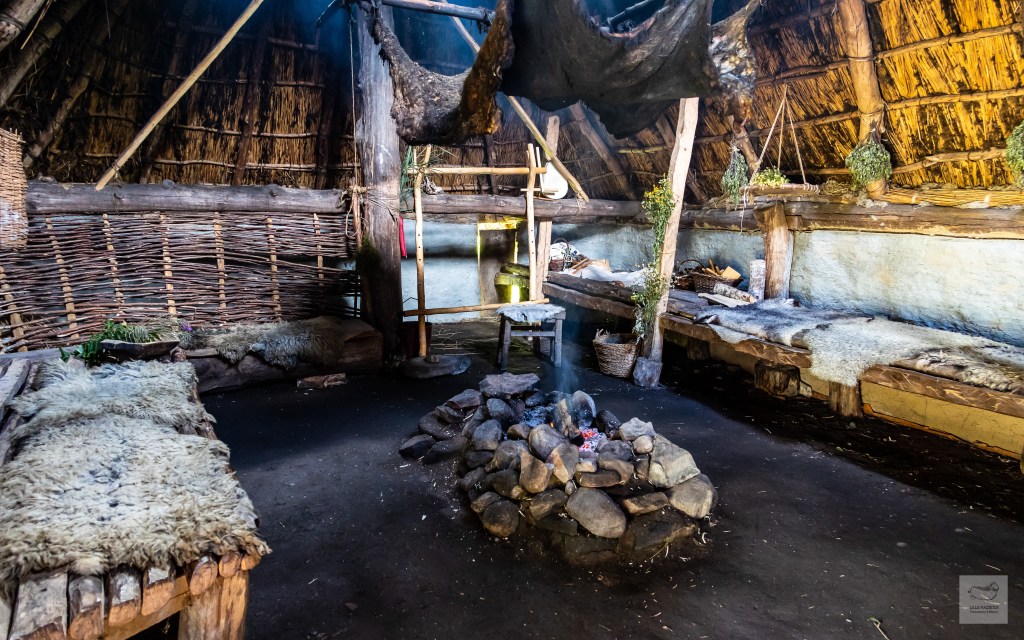
If you want to take a step back in time, to the bronze age when most of the carvings were made. The Vitlycke museum has a reconstructed bronze age village built up with two long houses, storage huts and work sheds. The village is next to the rock carvings in the Tanum World heritage area. You can visit all year around but in summer high season there are guides to explain and let you try craftmanship from that time. The Nordic Bronze age is considered to have lasted from 1700 to 500 BC.

Fun fact. The museum building was inaugurated on the same day my oldest son was born. In a blizzard on April 4 1998 and he also worked there for three summers. Do check out his YouTube channel Hemläxa where he made a series on the Swedish farmers history where episode one has section from Vitlycke. In Swedish but you can use the auto subtitle function in a language you prefer. https://youtu.be/6ff1wRQMwM8?si=MsxFVjlZJu0_Nbdm

Find out more from the museum website https://www.vitlyckemuseum.se/en/.

You have to look back to understand the future, ha de Gött!

Advertisements
Two meter man

Two meter man

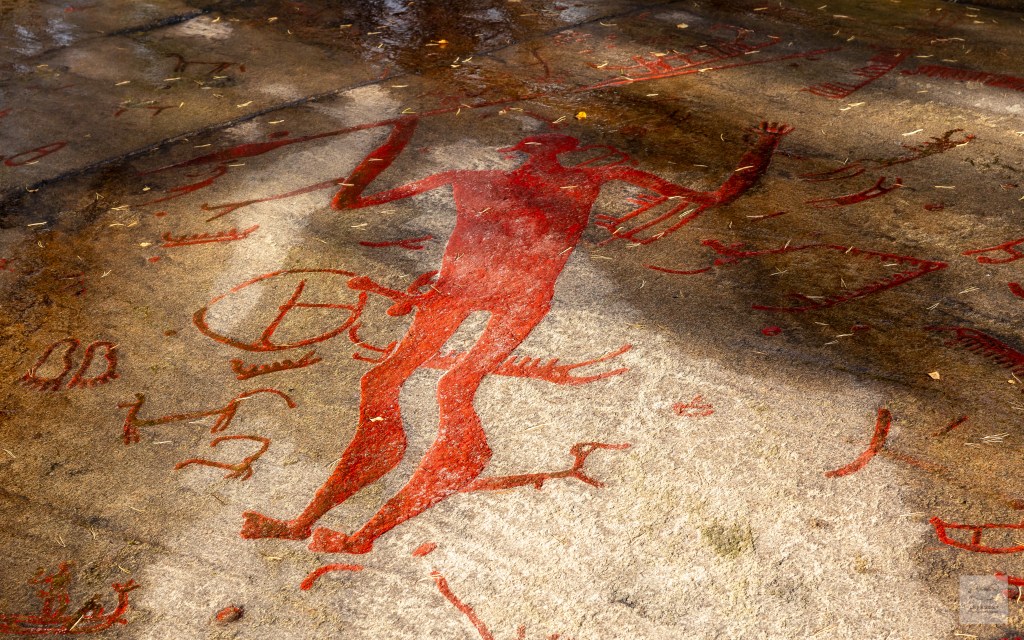
Hard as a rock

he stands all exposed

with his spear ready

for all to see

he blushes, goes all red

The Two Meter Man at Listeby rock carving site is one of the most famous bronze age rock carvings at the Tanumshede World Heritage site. Similar image can be found elsewhere but this is unique in size. Why they were carved 3000 years ago is a bit of a mystery but the area is full of them and still today new discoveries are made.

Don’t ever be ashamed of your appearance, ha de Gött!

Advertisements

Sote canal

Sote canal

The man made canal, in Swedish Sotekanalen, has been dug and blasted through the rock as a relief work for unemployed stonemason workers. The idea to build a canal came up already in the late 1800 to create a safer passage over the dangerous waters in the Sotefjord. The decision was made 1913 but the work didn’t start until 1931. It was inaugurated in 1935 by the Swedish Crown Prince Gustav Adolf. This made the peninsula Ramsvikslandet to an island but it’s now connected to the mainland with a swing bridge.

The canal is 4800 meters long, 4,5 meters deep and 15 meters wide. Today it’s not used for commercial traffic but each year over 50 000 recreation boats passes this beautiful waterway.

No man is an island, ha de Gött!

Advertisements
Swing bridge

Swing bridge

Stora Bommens bro in Göteborg, Sweden. In English The Large Gate Bridge. The bridge is used as bike and walk bridge over the Harbour Channel but was built as a train bridge. The name comes from the toll gate that was here in the past. The gate protected the channel from invading enemies but also ensured that the mooring fees and toll could be collected.

It was replaced with a replica, where the steel parts has been kept, in 2015 and cannot be opened. The old bridge was a swing bridge, swinging open around its centre leaving two lanes for boats to pass. The old bridge was very low and slowly sinking, making it more and more difficult to pass under during high tide. It was therefore called the cheese slicer bridge by the sightseeing tour boats. The possibility to open was disabled during a renovation in 1929. I haven’t been able to find out why, but a guy-guess is that the harbour was moved out to the river bank as the boats became bigger.

The white building in the background is the the court of appeal for West Sweden.

Hold your head down, ha de Gött!

Advertisements
The America Shed

The America Shed

For many Swedes this quay with the white building behind was the last steps on Swedish soil as they emigrated to America. The building is named Amerikaskjulet, the Amerika Shed. It was built in 1910 to 1911 as a warehouse for the Port of Göteborg. The docking place with number 36 was the first quay with enough depth for the Svenska Amerika Liniens steamboats. As the name suggest the shipping company established in 1915 was dedicated to traffic between Göteborg and New York, USA. The company was closed in 1975 after a, in many cases, dramatic history.

To name this quite large building a shed, must be a proof of the very special humour in Göteborg. It was the first building in the area built of granite stone and concrete. Quite different to the other wooden sheds along the quay. Behind it one of Göteborg’s most famous landmarks, the Seafarers Tower with the statue of a sailors wife looking out to the west praying for husband and sons safe return from the sea. A reminder of the importance of the city as a port that it still holds today as the largest in Sweden.

Sail safe, ha de Gött!

Advertisements
The Barque Viking

The Barque Viking

This old sail ship has been a symbol and landmark in Göteborg since 1951. It has been moored basically in the same place since then. It was originally built 1906 in Copenhagen, Denmark as school ship for the Danish merchant fleet. It is the largest sail ship ever built in Scandinavia. She served in Denmark until 1928 and after that the four-masted beauty was sold to Åland. There she served as merchant and passenger ship before finally arriving to Göteborg in 1951. This time to once again serve as a school but without ever to set sail again. Today it is a hotel and restaurant.

Sail, sail away on the winds of hope. Ha de Gött!

Advertisements