
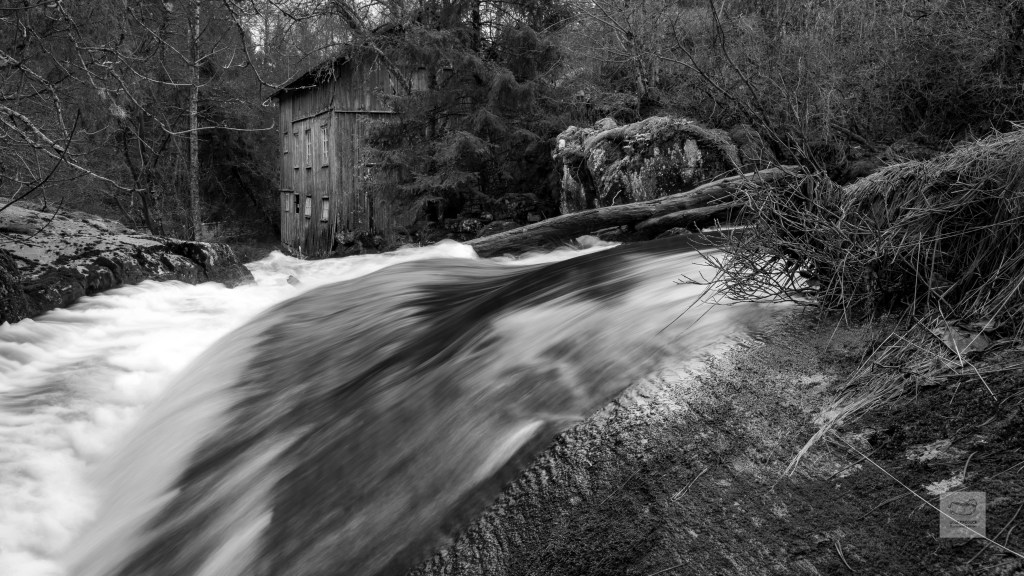
Nature slowly takes over the old mill.
Now is gone in a blink of an eye, ha de Gött!
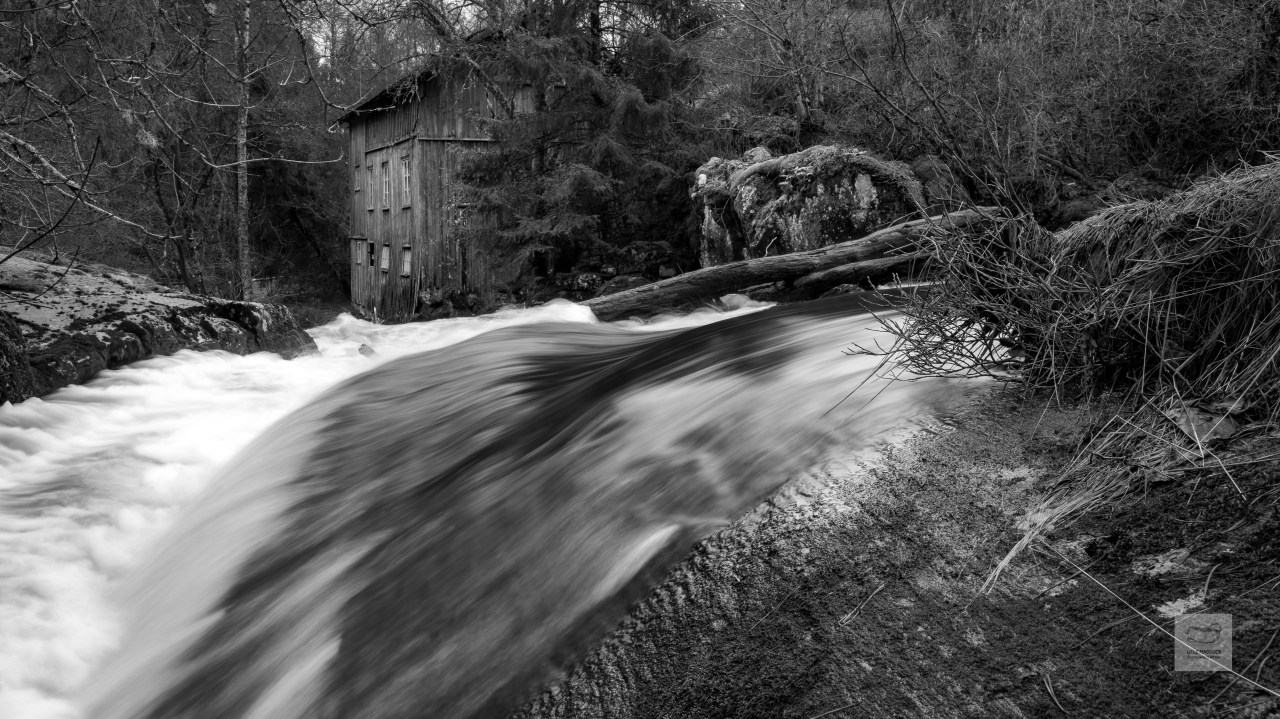
Nature slowly takes over the old mill.
Now is gone in a blink of an eye, ha de Gött!
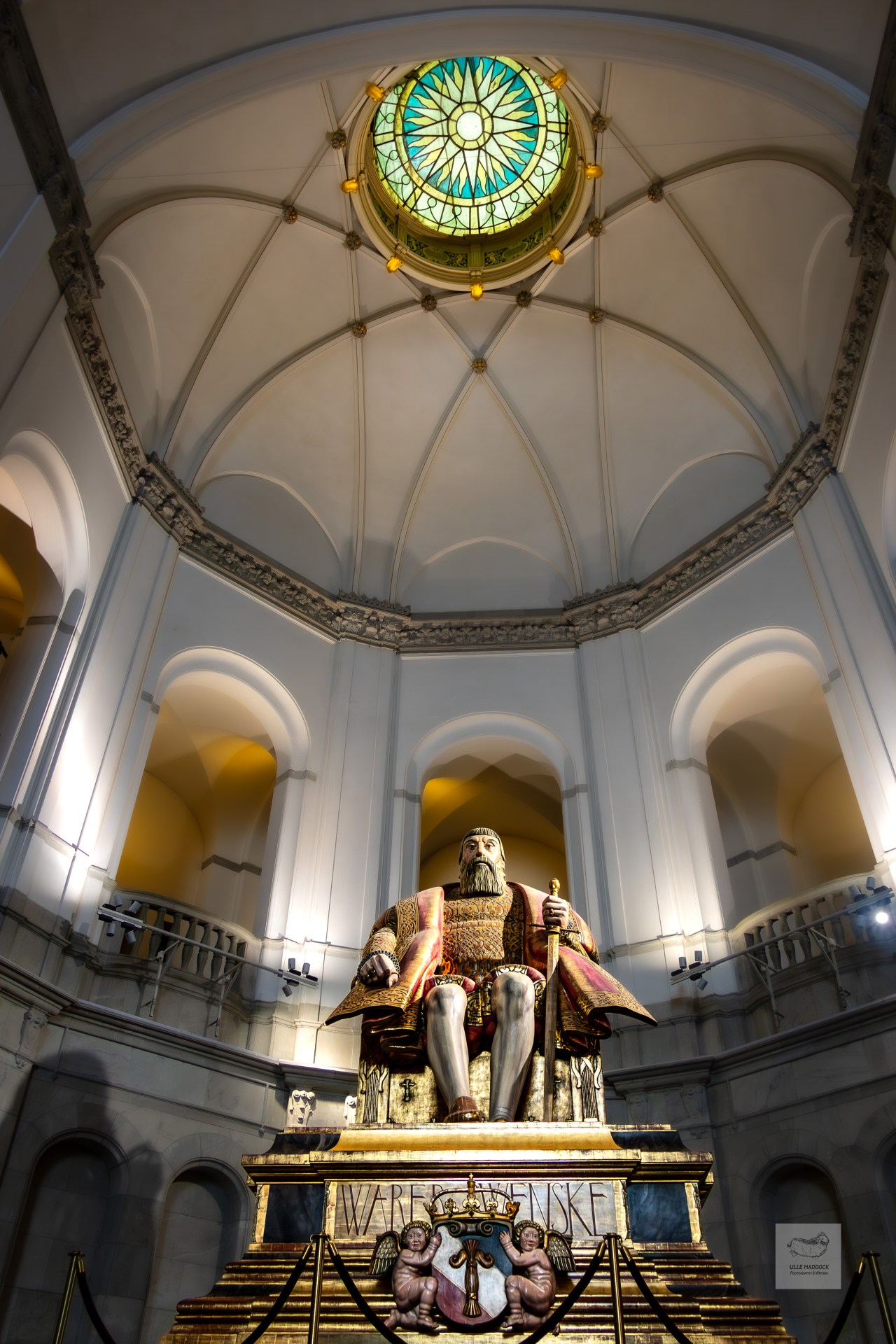

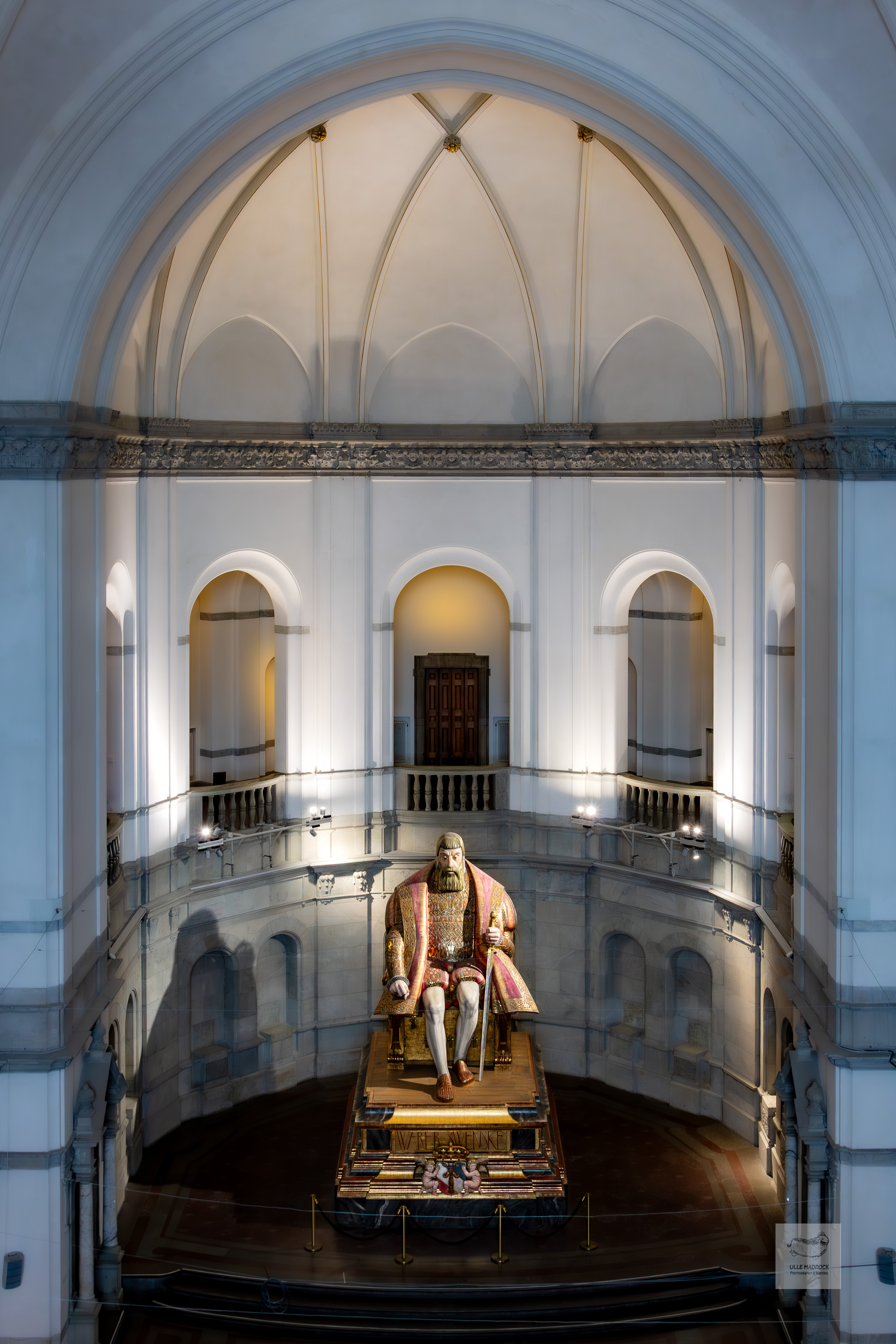
When I visit a museum, I spend more time looking at the building than the exhibitions. When you enter the Nordic Museum in Stockholm, you’ll see this statue of the king Gustav Vasa sitting in an impressive hall. The text on the pedestal reads in translation “Be Swedes“. To understand why this statement we need a short history lesson.
Gustav Vasa or Gustav I was king between 1523-1560. He became king after leading a rebellion against the Danish king Kristian II who was king over the Kalmar Union. The union was made up of Sweden, Norway and Denmark. While king Kristian II in Denmark is referred to as the hero king he is in Sweden called Kristian the tyrant. To strengthen the grip over the Swedes Kristian lured the leading members of the Swedish administration to a meeting in the central square of Stockholm and slayed over 100 opponents.
Gustav Vasa managed to flee and made his way to Mora to seek the support from the rich mine and forest nobility in the area. This is the historical background to one of the most famous long ski races, Vasa race (Vasaloppet). He got the support he needed and could be named king of Sweden 1523 and with that ended the Kalmar union that had lasted for almost 150 years.
Know the past to understand the present, ha de Gött!
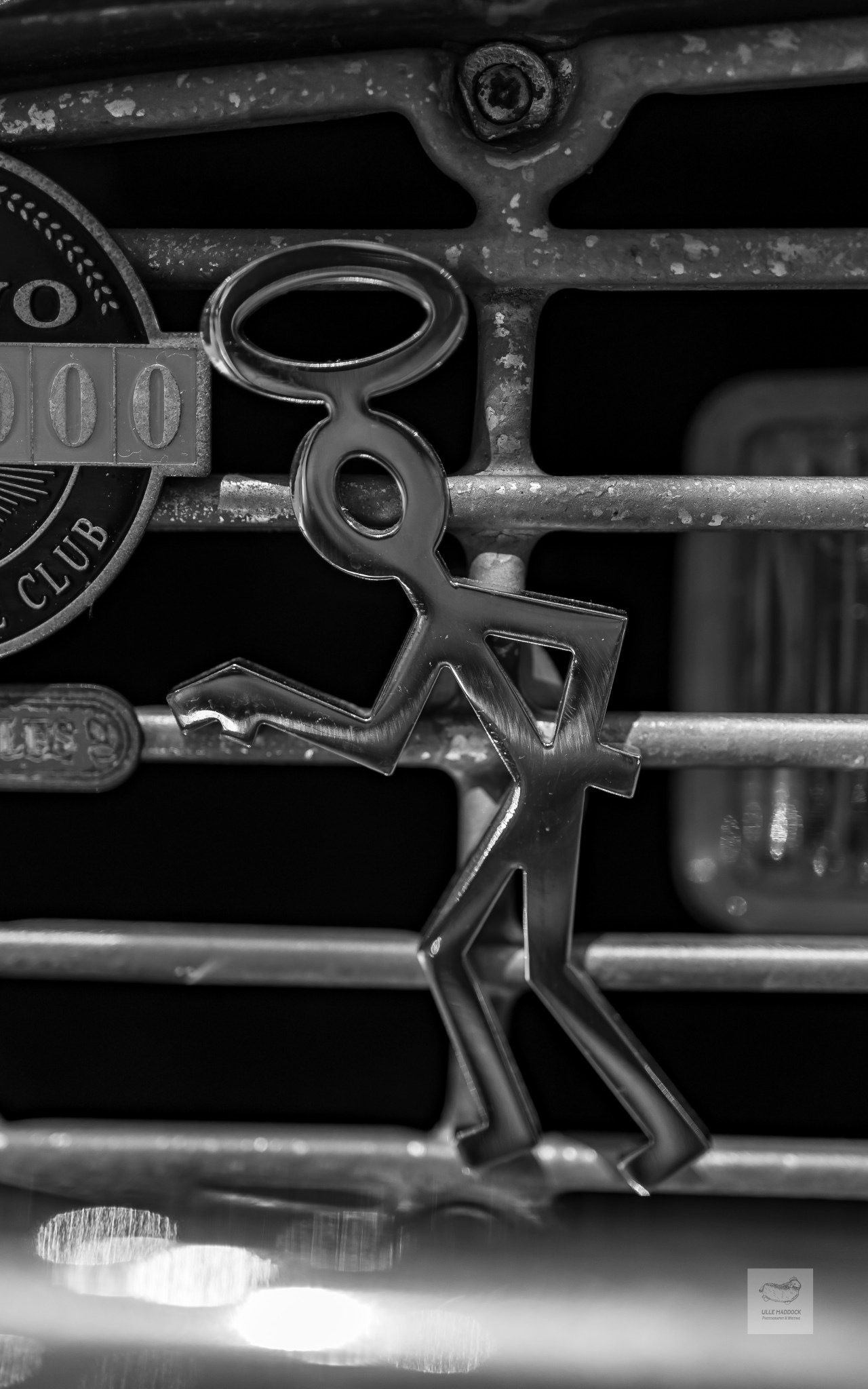

Not a saint but a boring and safe Volvo car. This beautiful sports model, P1800 was made from 1961 until 1973 and it gained cult status from the TV-series the Saint. The British TV-series with among others, Roger Moore, was made in impressive 118 episodes from 1962 to 1969 where the main character, Simon Templar, drove a California white P1800.

This could be the most beautiful car ever made, ever. What do you think? Ha de Gött!

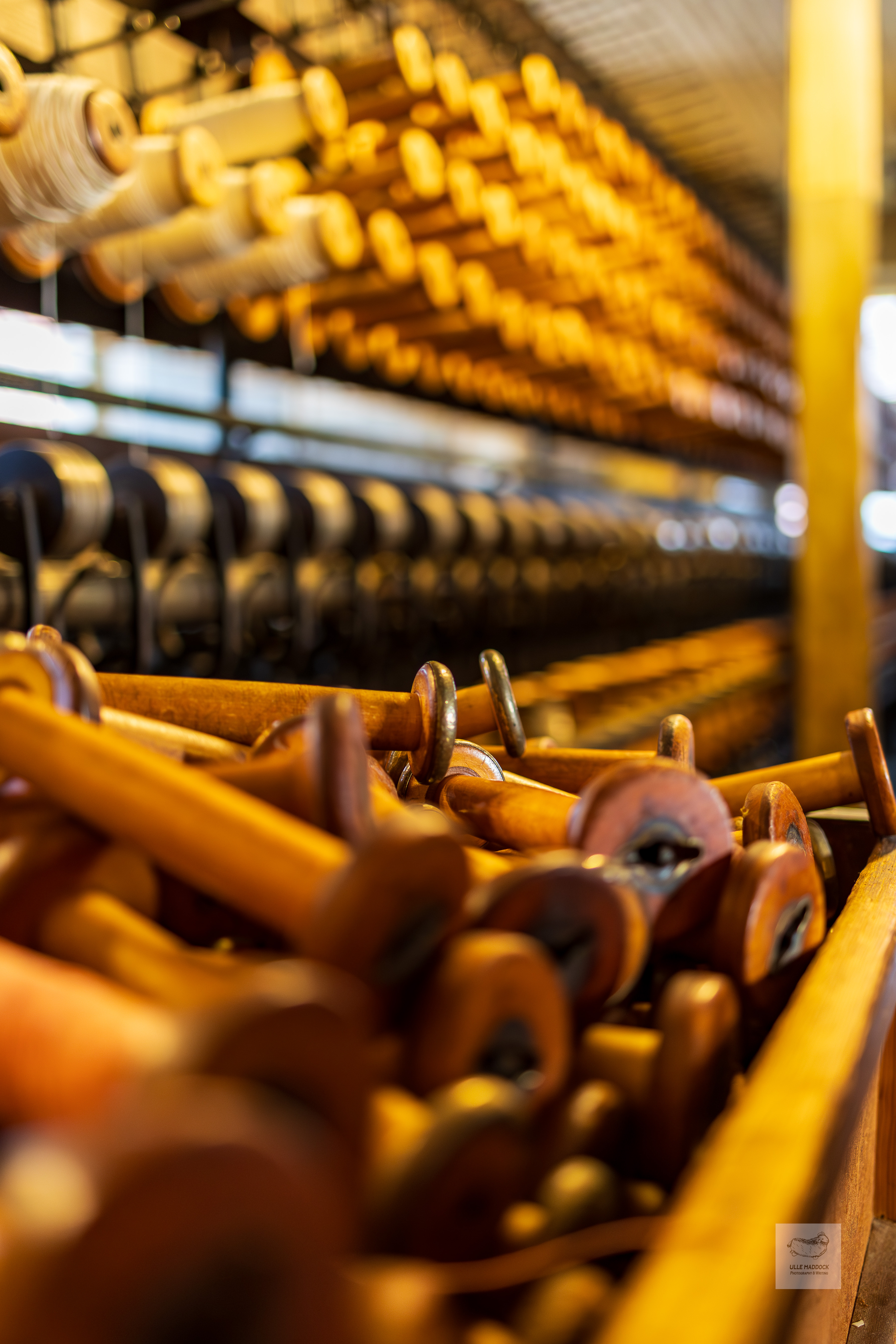


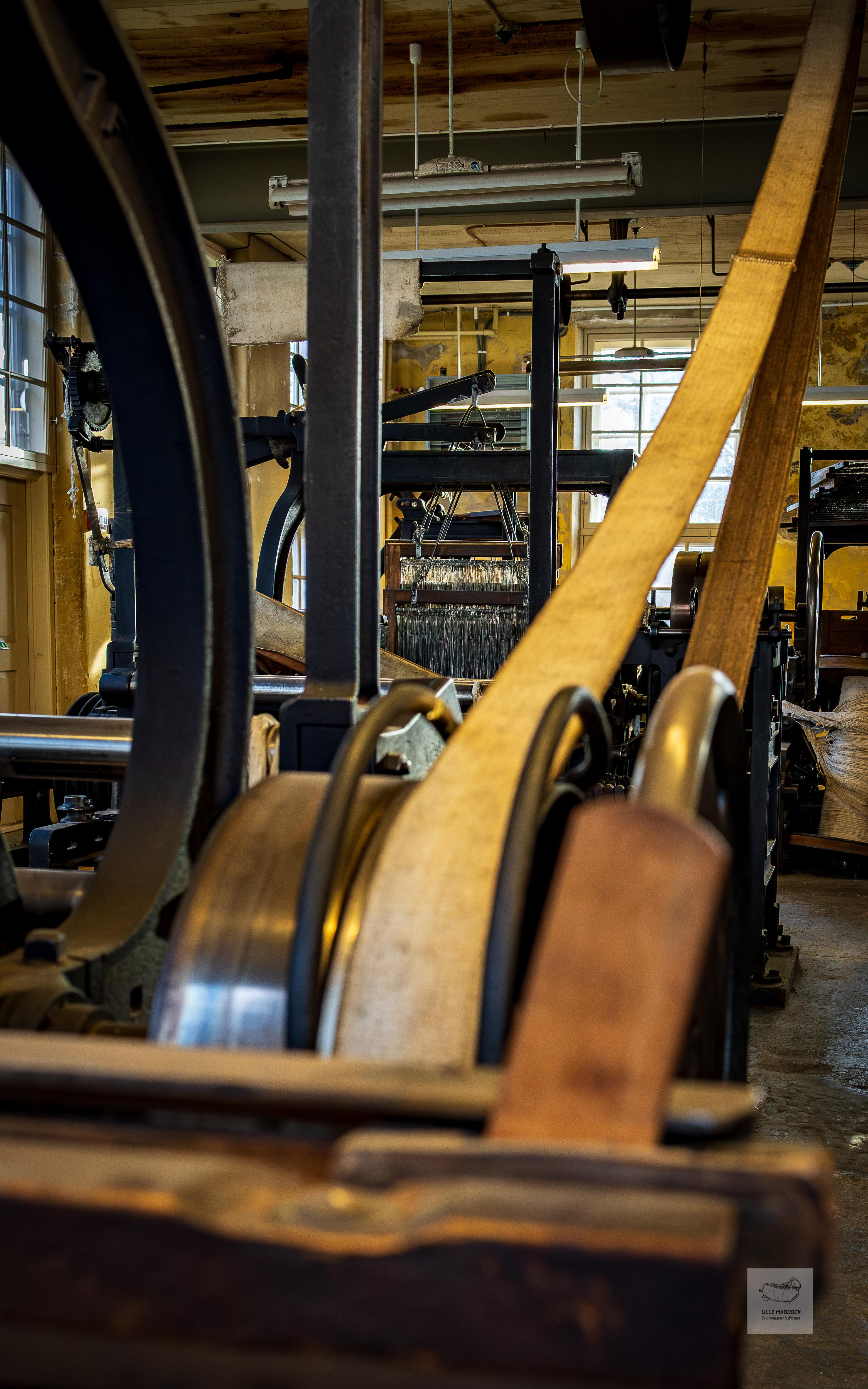


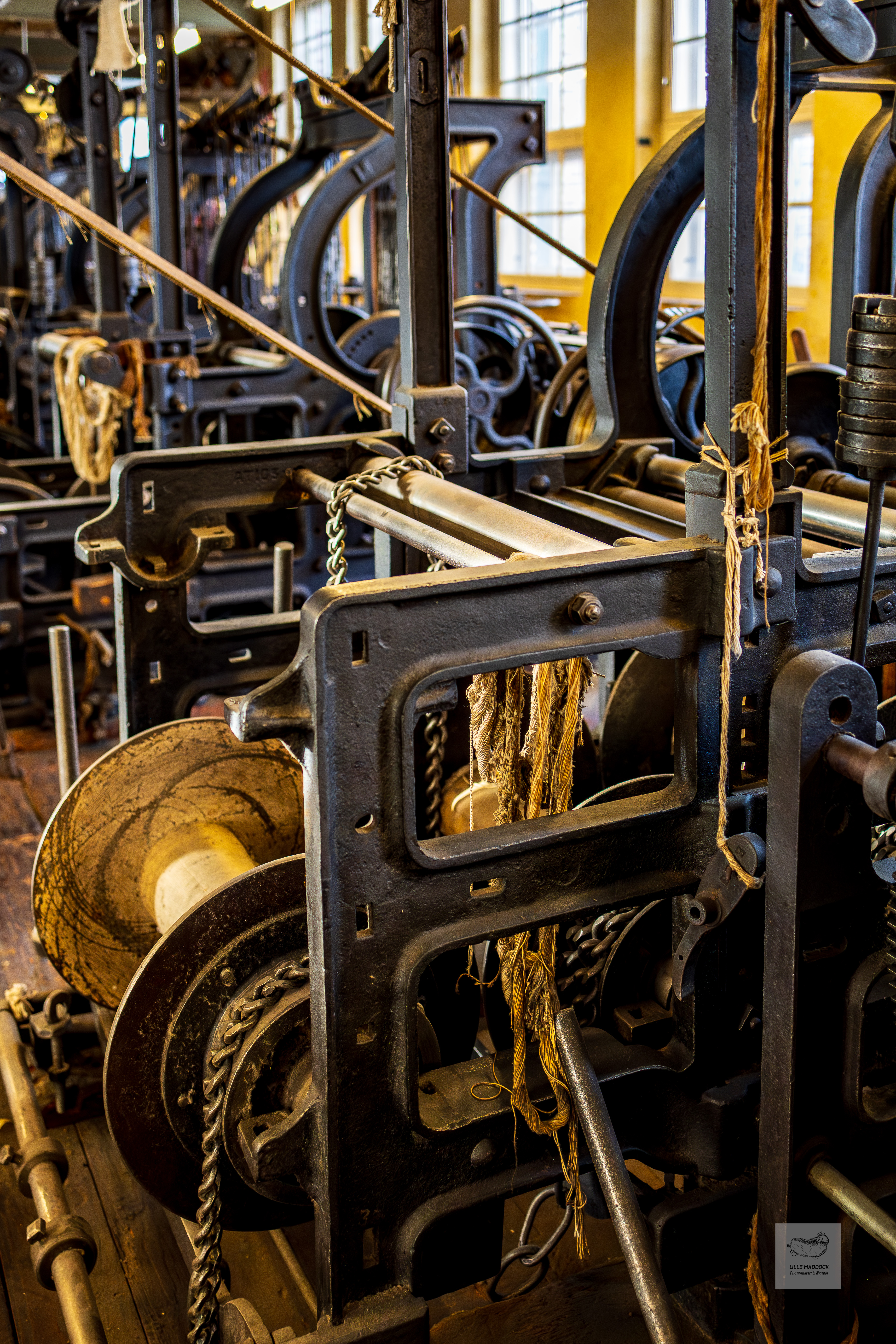
Some photos from the old industrial belting factory in Göteborg, Sweden.
This historic factory, Göteborgs Remfabrik, was built using clay bricks in 1900 after the original wooden building was destroyed by fire. Most of the machinery, dating from around 1900, was imported from England and powered by a steam engine via belts. In 1916, the steam engine was replaced with an electric motor. Some modernisation took place in 1940s when fluorescent tube lighting was installed. Hardly anything has changed since then.
The factory remained in operation until 1977, when the employees and the owners shut down the machines, locked the doors, and went home – leaving everything as it was. This makes it one of the best-preserved industrial sites in Scandinavia from the early 1900s.
Today, it’s a museum, and most of the equipment can still run. An association of volunteers maintains and run the machines. You can find out more on their website, Göteborgs Remfabrik. These dedicated men and women deserve great respect for keeping history alive. If you ever find yourself in Göteborg, it’s worth a visit.
Never put your fingers in a running machine, ha de Gött!


Rubjerg Knude lighthouse outside Løkken in Denmark has a fantastic story. It was built in 1899 and was lit up in 1900. The tower is built by bricks and is 23 meters high and, at the time it was built the light was 67 meters over the ocean. It was built on wandering sand and was at the end of the last century almost buried in sand.
The lighthouse was taken out of commission already in 1968 due to low visibility from the surrounding sand dunes. A museum was opened in 1988 but was forced to close 2002 when all surrounding buildings were covered in sand. The wind moves the sand towards north-east and at the same time the shore line erodes up to 2 meters every year. The estimate was that the lighthouse would fall into the sea by 2023.
In august to October 2019 the 720 kilo tonnes tower was moved 70 meters inland. An amazing engineering achievement to lift and place the giant on rails and across over the sand. It took 4,5 hours to move the tower to the waiting new concrete foundation. The work was done by a local contractor company under the lead of master bricklayer Kjeld Pedersen, hats off and cheers. It is now estimated to last another 40 years.
I scouted this place with Google Earth and with the light it was everything I hoped for. Beautiful place and an amazing story.
Source: Wikipedia Swedish page
Walk into the light, ha de Gött!

The man made canal, in Swedish Sotekanalen, has been dug and blasted through the rock as a relief work for unemployed stonemason workers. The idea to build a canal came up already in the late 1800 to create a safer passage over the dangerous waters in the Sotefjord. The decision was made 1913 but the work didn’t start until 1931. It was inaugurated in 1935 by the Swedish Crown Prince Gustav Adolf. This made the peninsula Ramsvikslandet to an island but it’s now connected to the mainland with a swing bridge.
The canal is 4800 meters long, 4,5 meters deep and 15 meters wide. Today it’s not used for commercial traffic but each year over 50 000 recreation boats passes this beautiful waterway.
No man is an island, ha de Gött!


Stora Bommens bro in Göteborg, Sweden. In English The Large Gate Bridge. The bridge is used as bike and walk bridge over the Harbour Channel but was built as a train bridge. The name comes from the toll gate that was here in the past. The gate protected the channel from invading enemies but also ensured that the mooring fees and toll could be collected.
It was replaced with a replica, where the steel parts has been kept, in 2015 and cannot be opened. The old bridge was a swing bridge, swinging open around its centre leaving two lanes for boats to pass. The old bridge was very low and slowly sinking, making it more and more difficult to pass under during high tide. It was therefore called the cheese slicer bridge by the sightseeing tour boats. The possibility to open was disabled during a renovation in 1929. I haven’t been able to find out why, but a guy-guess is that the harbour was moved out to the river bank as the boats became bigger.
The white building in the background is the the court of appeal for West Sweden.
Hold your head down, ha de Gött!


For many Swedes this quay with the white building behind was the last steps on Swedish soil as they emigrated to America. The building is named Amerikaskjulet, the Amerika Shed. It was built in 1910 to 1911 as a warehouse for the Port of Göteborg. The docking place with number 36 was the first quay with enough depth for the Svenska Amerika Liniens steamboats. As the name suggest the shipping company established in 1915 was dedicated to traffic between Göteborg and New York, USA. The company was closed in 1975 after a, in many cases, dramatic history.
To name this quite large building a shed, must be a proof of the very special humour in Göteborg. It was the first building in the area built of granite stone and concrete. Quite different to the other wooden sheds along the quay. Behind it one of Göteborg’s most famous landmarks, the Seafarers Tower with the statue of a sailors wife looking out to the west praying for husband and sons safe return from the sea. A reminder of the importance of the city as a port that it still holds today as the largest in Sweden.
Sail safe, ha de Gött!
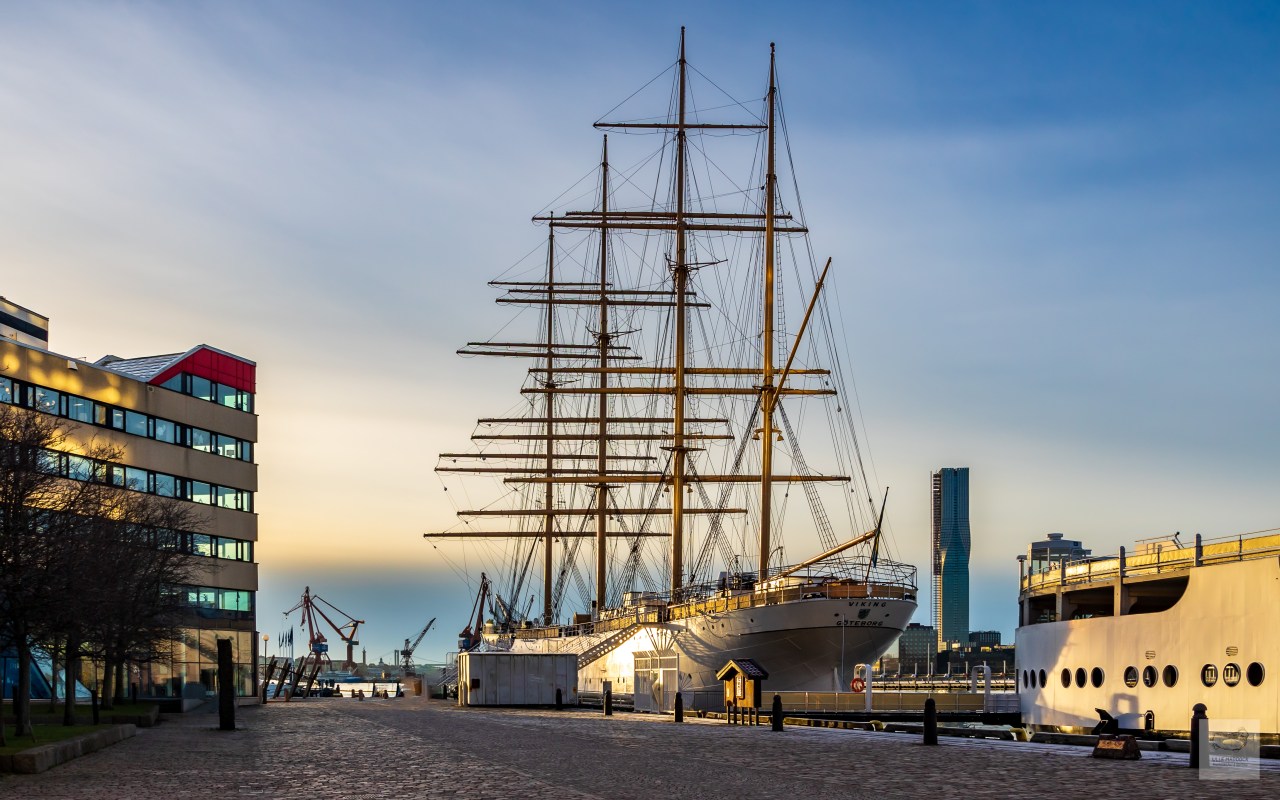

This old sail ship has been a symbol and landmark in Göteborg since 1951. It has been moored basically in the same place since then. It was originally built 1906 in Copenhagen, Denmark as school ship for the Danish merchant fleet. It is the largest sail ship ever built in Scandinavia. She served in Denmark until 1928 and after that the four-masted beauty was sold to Åland. There she served as merchant and passenger ship before finally arriving to Göteborg in 1951. This time to once again serve as a school but without ever to set sail again. Today it is a hotel and restaurant.
Sail, sail away on the winds of hope. Ha de Gött!


The Crown redoubt was built between 1687 and 1700 as part of Göteborg’s defence system. It is built on a steep mountain Risåsberget above Haga city district. Takes your breath away in more ways than one. The stone building is 33 meters high and reaches 87 meters above the sea level. The sconce has a twin Skansen Lejonet (Lion redoubt). Today the fortification has a better use for conferences and parties.
Take a deep breath, ha de Gött!


 UlleHaddock