

Life jacket is recommended, ha de Gött!
Advertisements

Life jacket is recommended, ha de Gött!


Roses for your Friday, ha de Gött!


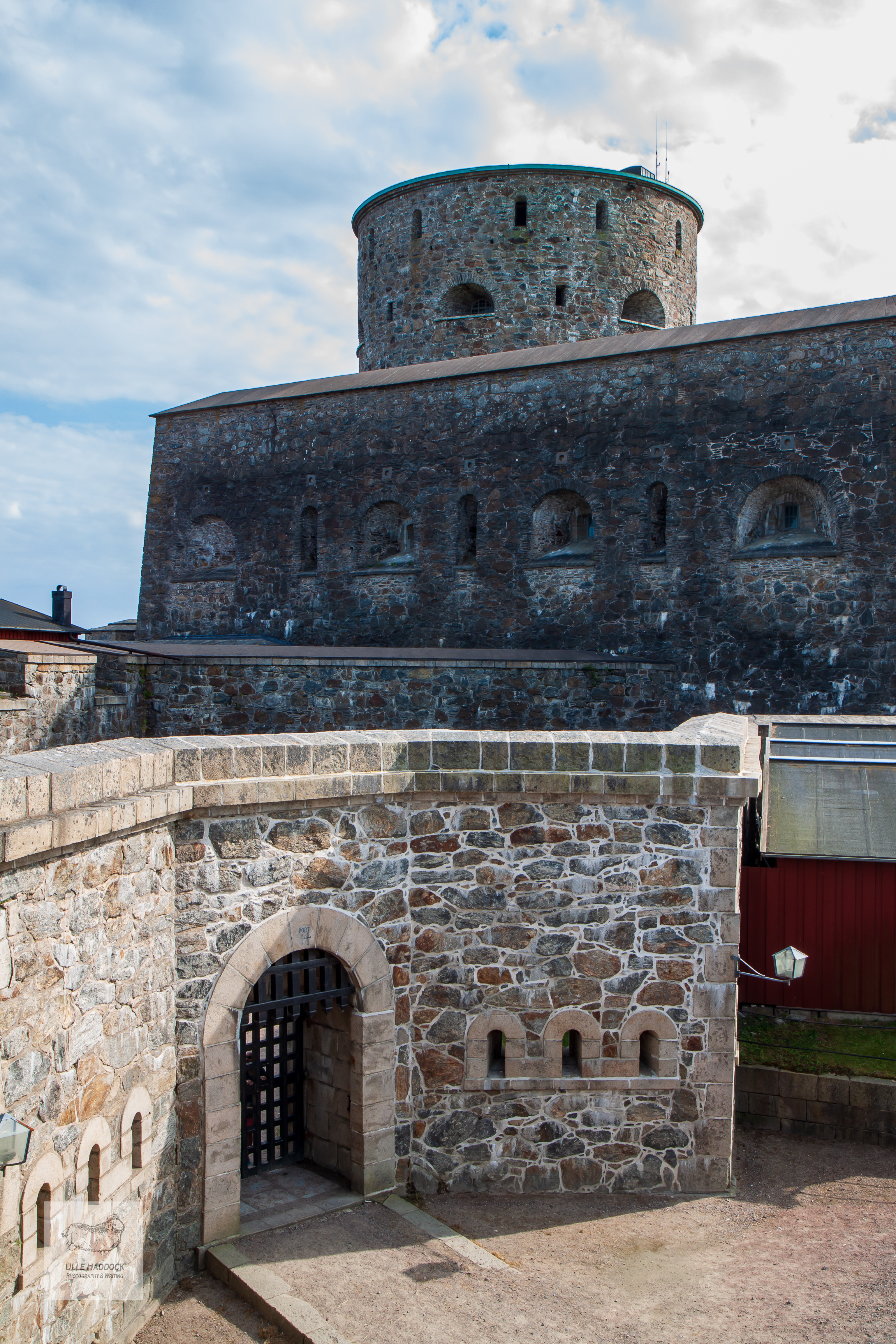

In mid 1800 Carlsten was considered the strongest fortress in Europe. Placed on the island Marstrand rock 39 meters over sea level and, with its tower reaching 98 meters it’s an impressive building. Construction began in 1658 after the peace treaty between Sweden and Denmark-Norway where Denmark-Norway had to surrender Bohuslän to Sweden. Marstrand was strategically important harbor with its strong currents keeping it ice free during the winter.
Like many fortresses in Sweden it has also served as a prison. In fact the entire fortress is built by the prisoners. The granite used for construction was landed by boats at the harbor in the village below and dragged up the hill by the prisoners. A sentence to hard labor at Carlsten was the same as a death sentence. Only way to leave was in a coffin. For my Swedish readers I strongly recommend the show and album by Stefan Andersson, No 90 Kleist, where he tells the history from the prisoners and soldiers perspective.
Not everything was war and punishment. It has also served as a lighthouse between 1780 until 1868 when the lighthouse Pater Noster replaced it. Carlsten lighthouse was equipped with the first rotating mirror invented by Jonas Norberg.
Let the old fortresses be a reminder that war is never the answer, ha de Gött!


Gates shut you out or let you in, a sign of power and status. Colorful or plain. Artistic ornamentation to hide the secrets within. Strong heavy gates, enter with fear and respect. Dare to use the door knocker.
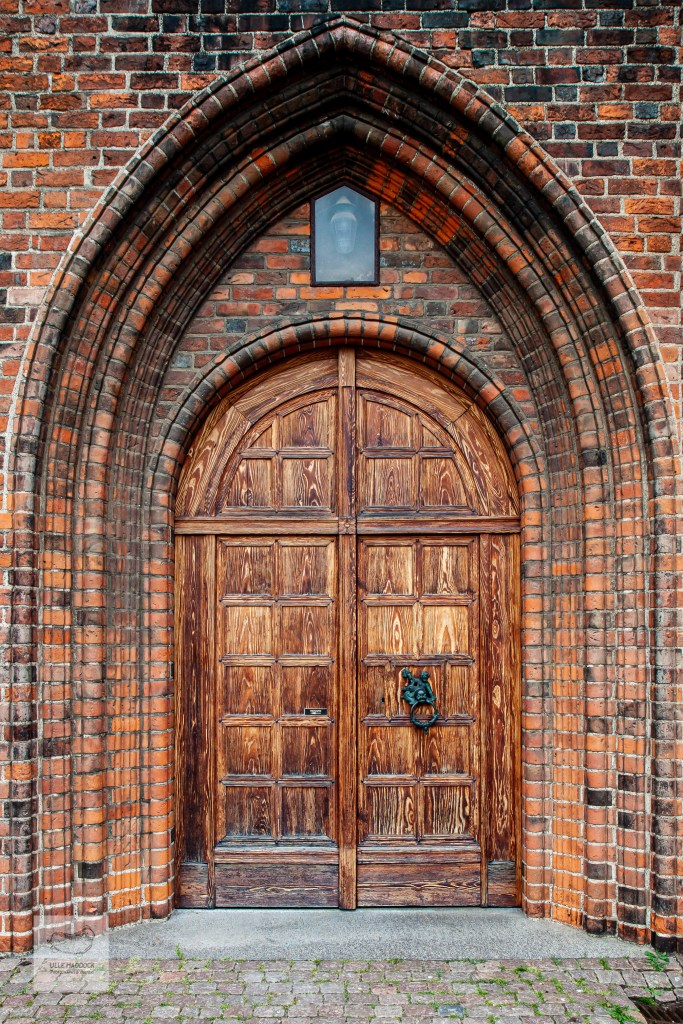
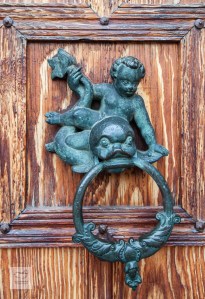
Pictures from Helsingör, Denmark.
Choose wisely, who to shut out and who to let in, ha de Gött!


Hold on to your hats, ha de Gött!


The new Svinesund bridge over Idefjorden that marks the border between Sweden and Norway. Since Norway is not part of the European Union it is also an outer border for the EU. The bridge was built between January 2003 and was finished in May 2005. It’s a arc bridge with a length of 704 meters. The arc is 247 meters and has a sail free height of 55 meters.
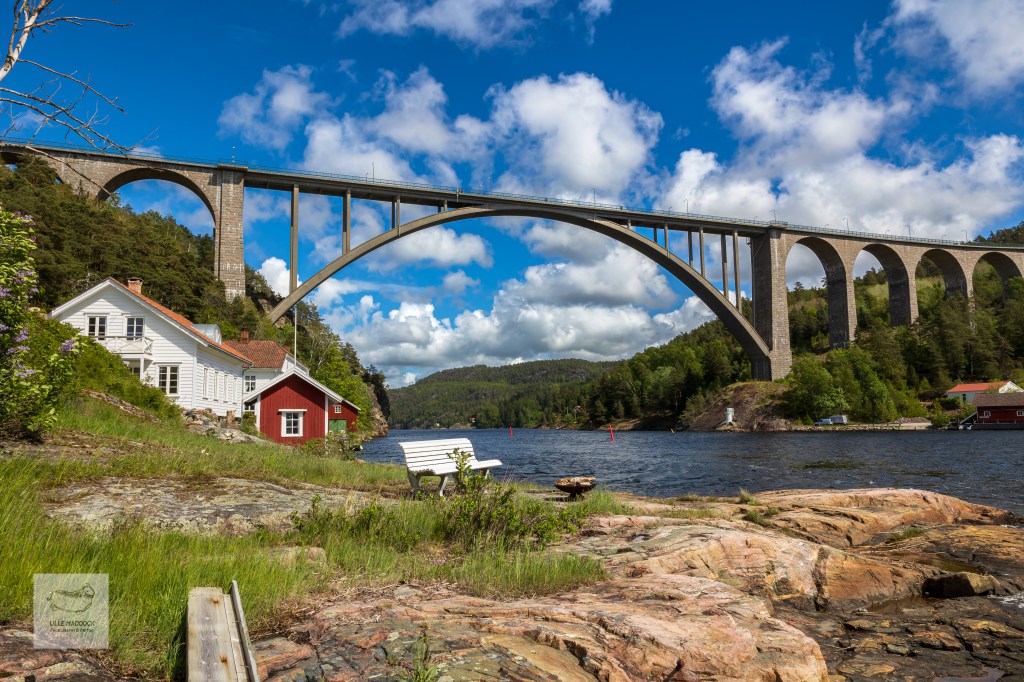
Turning 180 degrees from my standpoint at the old ferry harbor we find the old Svinesund bridge. Building of the bridge was started in 1939, but the Nazi invasion of Norway in April 1940 put a stop to the construction work. Instead both sides armed the almost finished bridge with mines and in 1942 a massive explosion on the Swedish side almost destroyed the bridge. Inauguration was finally in June 1946. With a length of 420 meters and a sail free height of 65 it’s an impressive beauty.
Build bridges and keep the borders open, ha de Gött!
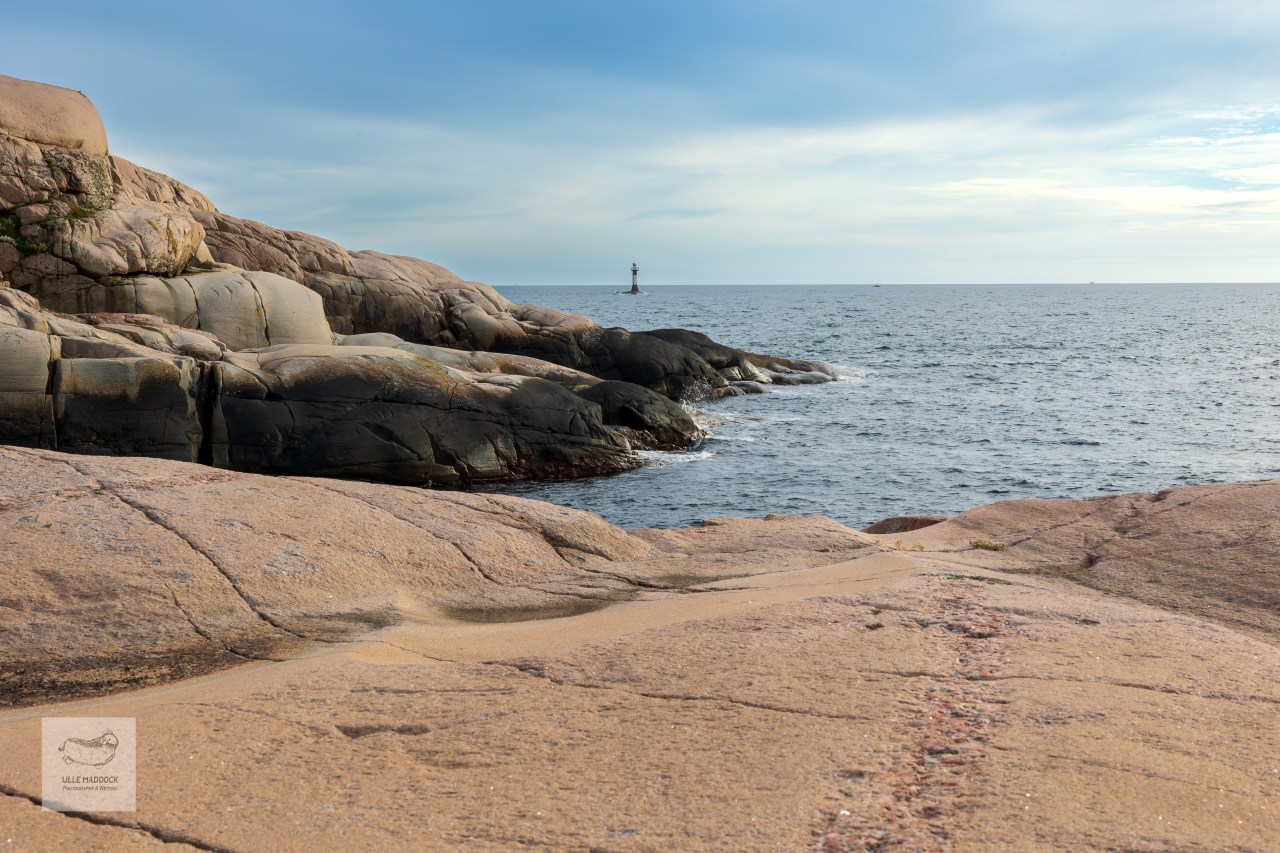
Shhh, ha de Gött!
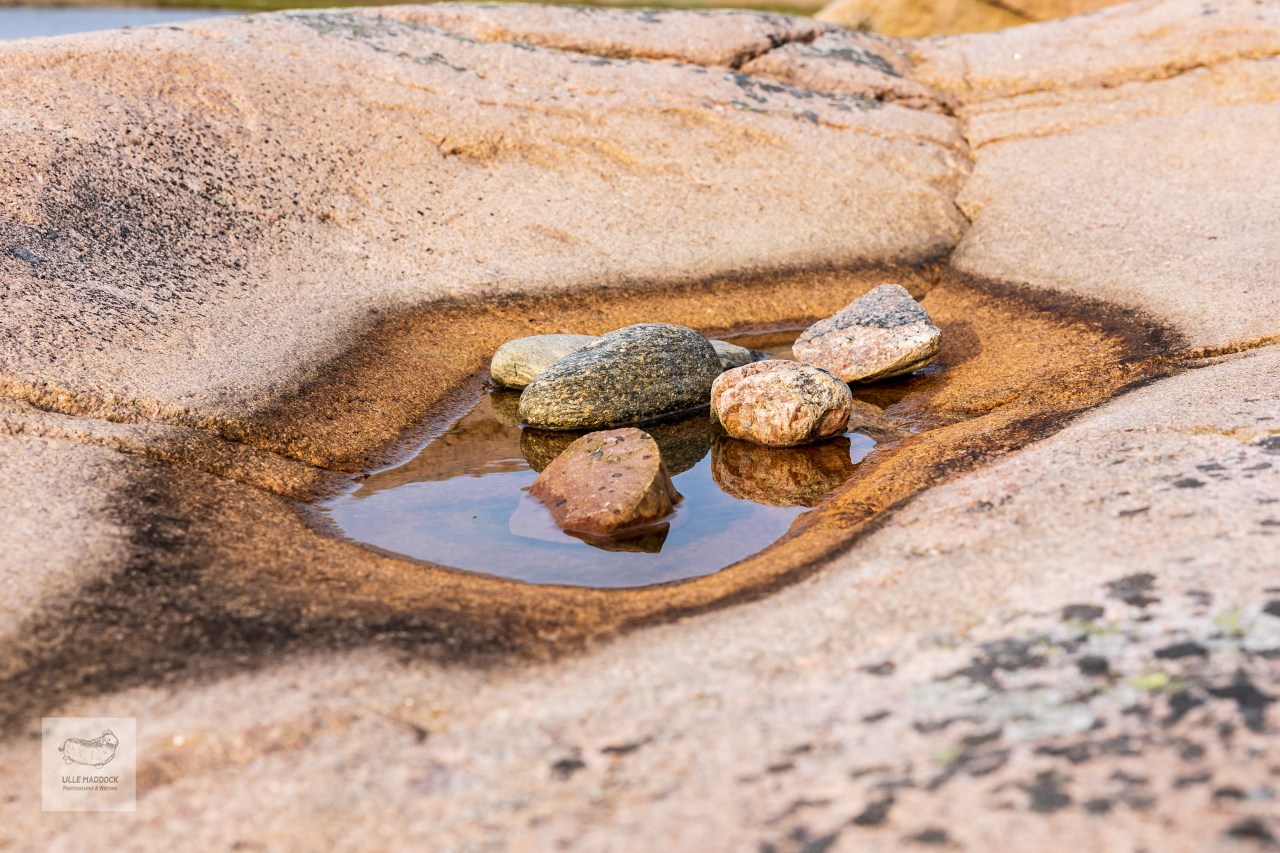

Pebble SPA, ha de Gött!
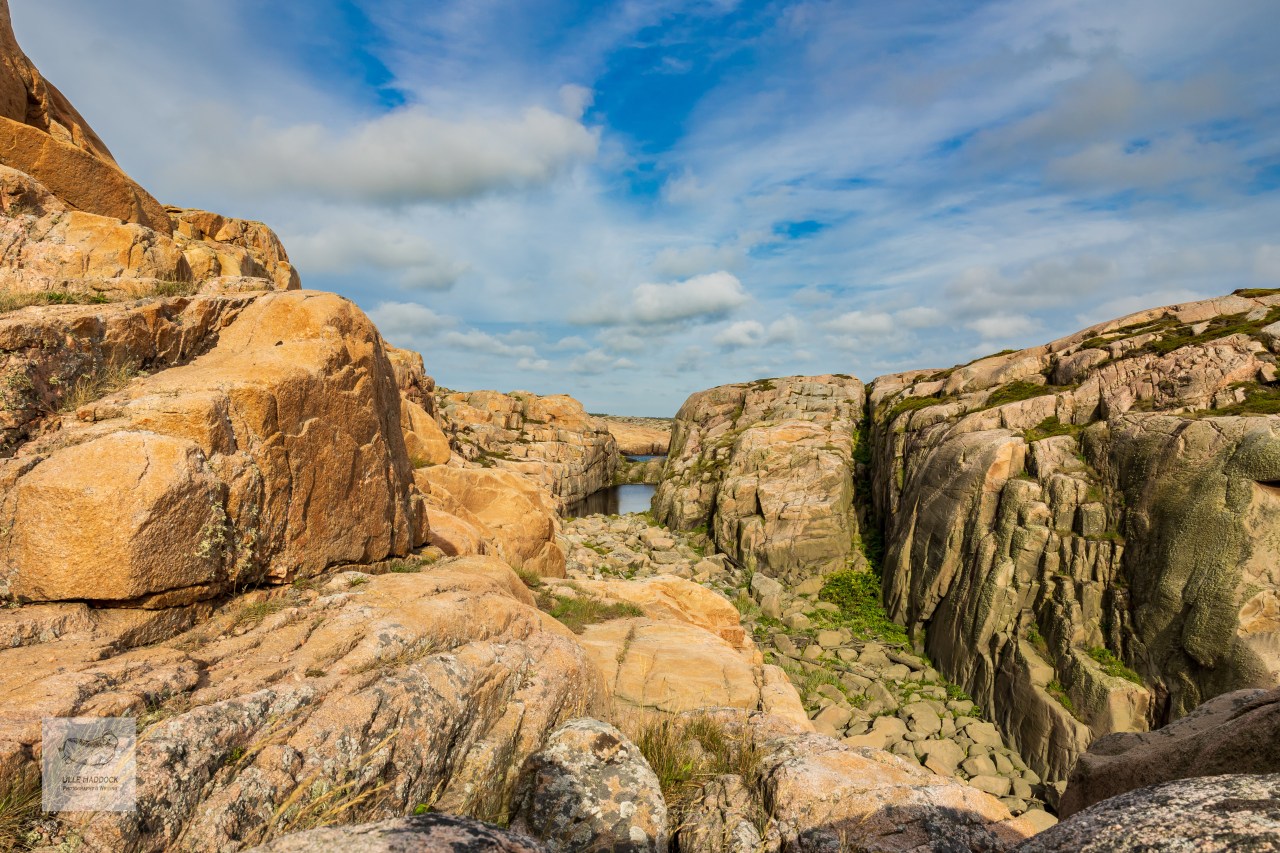

Red granit rock gorge in Tjurpannan natural preserve. So very often climbing that hill or rock is worth it. I was already breath taken from the climb so I almost passed out seeing this.
Take time to just feel, ha de Gött!


Continue the week on the fluffy theme.
Bah, bää, ha de Gött!

