
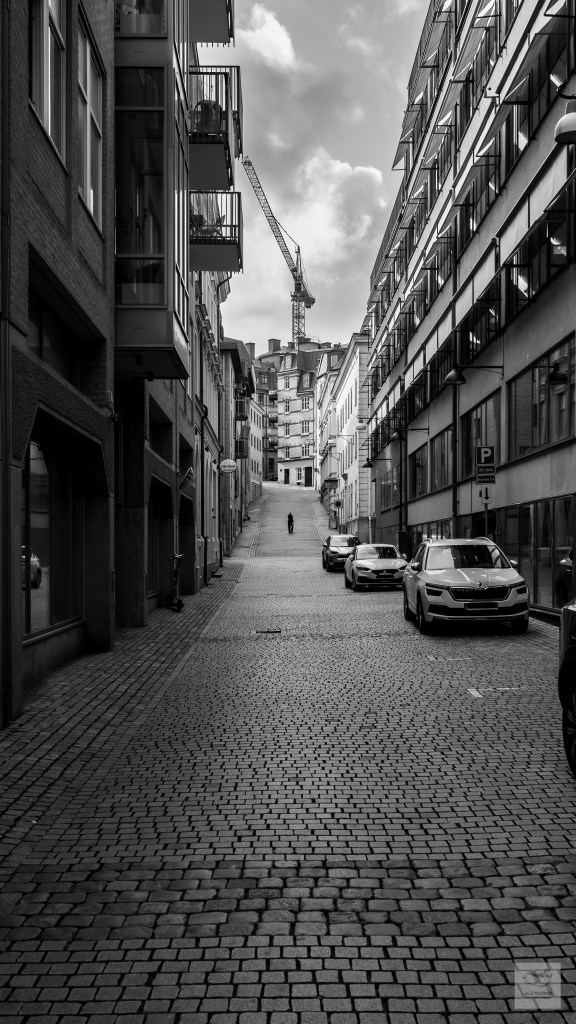
Just step aside from the busy shopping street and find a calmer backstreet. Klädpressargatan Göteborg Sweden.
Slow down, don’t rush. Ha de Gött!
Advertisements

Just step aside from the busy shopping street and find a calmer backstreet. Klädpressargatan Göteborg Sweden.
Slow down, don’t rush. Ha de Gött!


The Crown redoubt was built between 1687 and 1700 as part of Göteborg’s defence system. It is built on a steep mountain Risåsberget above Haga city district. Takes your breath away in more ways than one. The stone building is 33 meters high and reaches 87 meters above the sea level. The sconce has a twin Skansen Lejonet (Lion redoubt). Today the fortification has a better use for conferences and parties.
Take a deep breath, ha de Gött!
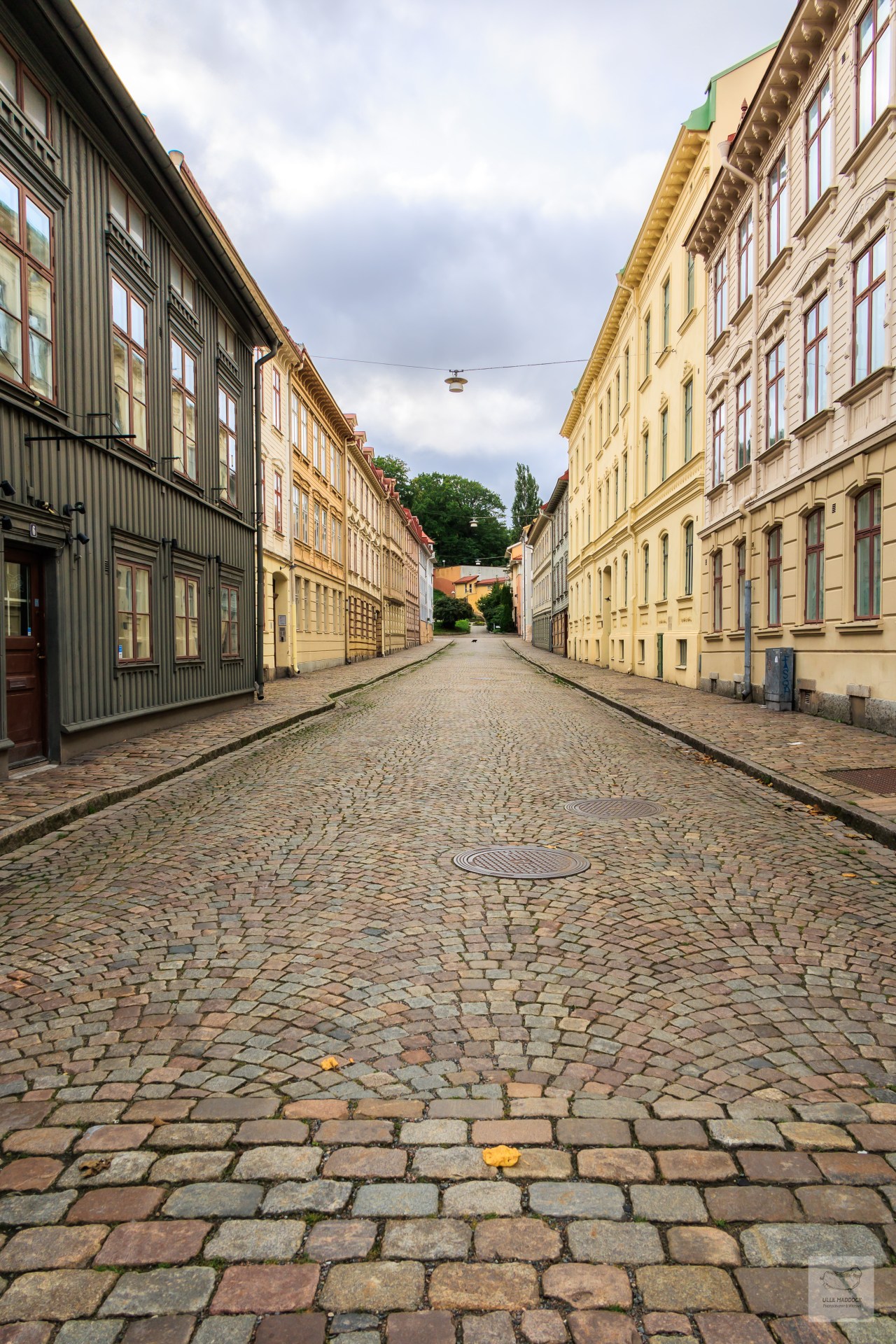
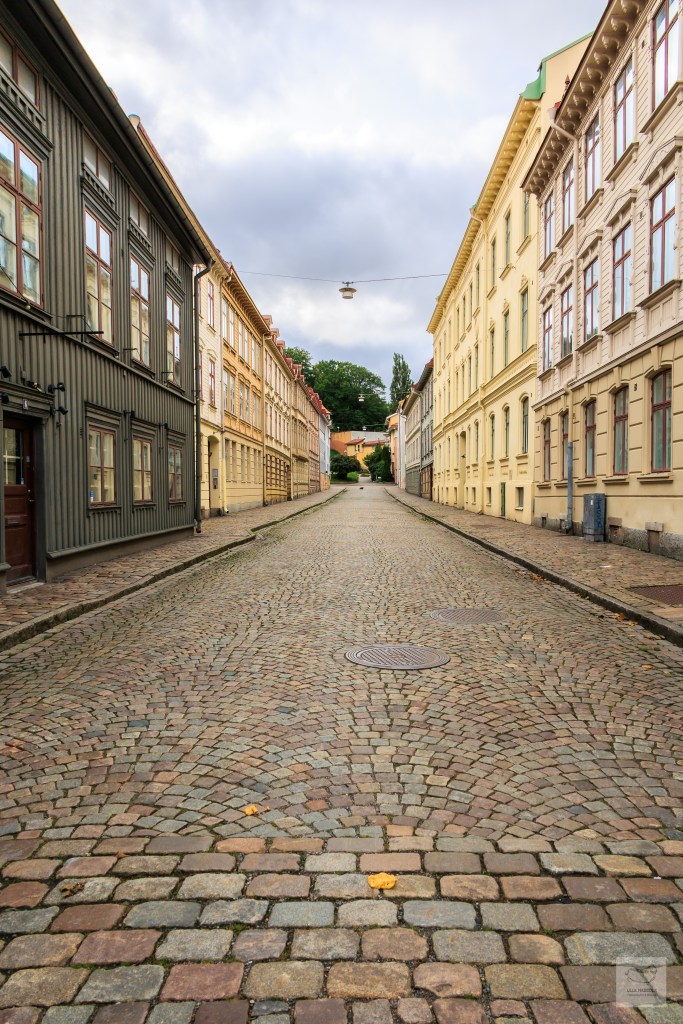
Autumn grey Sunday morning street. Mellangatan Haga Göteborg.
The Haga city district is the first suburb to Göteborg. It was mentioned in print already 1637 and in 1647 it was made official by order of the Queen Kristina as a home for the working class. Today the renovated district is a popular place to live and a vibrant tourist area with many cafes and small shops.
It’s never loo late or too early for a cup of coffee, ha de Gött!


Night photo from Göteborg, Sweden.
I’ve been married to my wife for 25 years. In Sweden that is called silver wedding for some strange reason. To celebrate we took to a weekend with candle light dinner and then went to the movies. After some dealing, shopping hours as currency, we decided to see Oppenheimer instead of the other unmentionable film. Outside the hotel there is an IMAX cinema. If you haven’t seen Oppenheimer yet, or if you want to see it again, I recommend IMAX. It’s a full body experience that make those three hours fly by. The shopping hours? They felt like another 25 years!
Good footwear saves the day, ha de Gött!
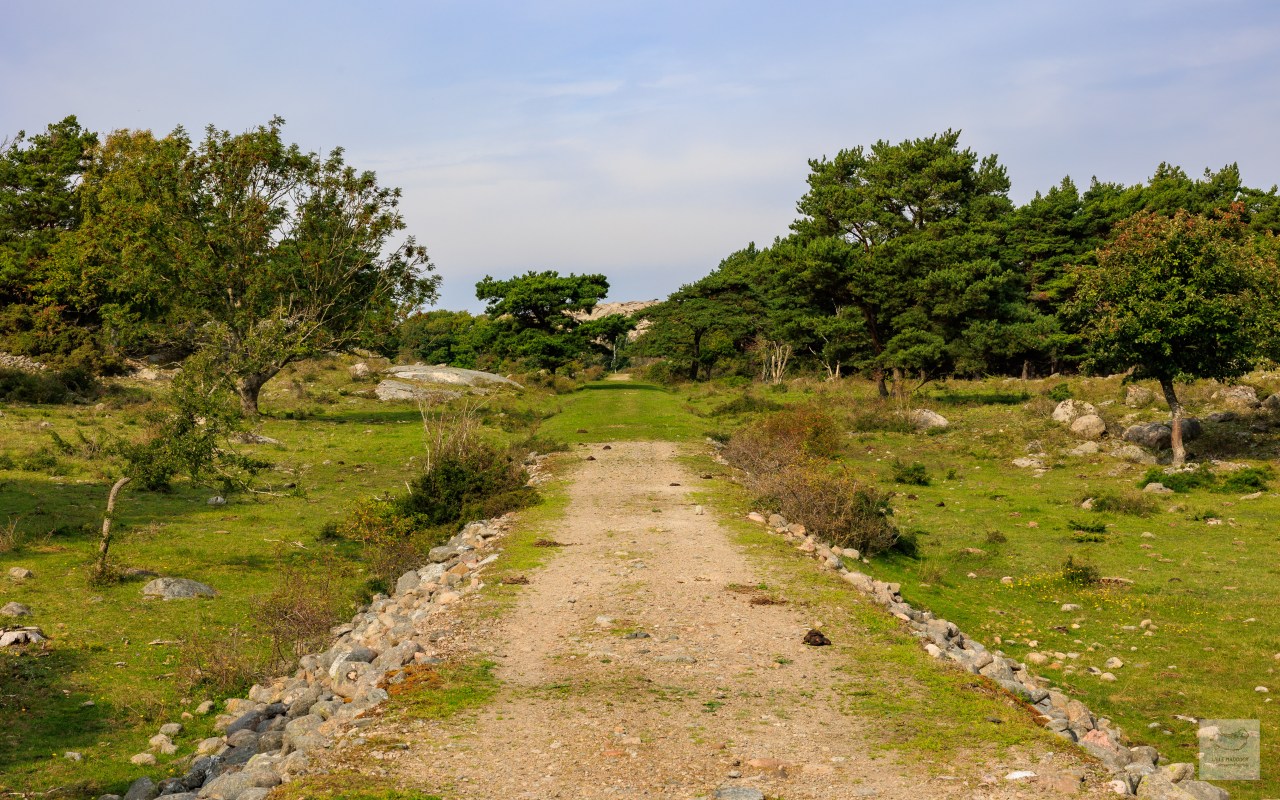

A bit of adventure this weekend to Trossö-Kalvö-Lindö. These three islands are today really one island as a result of the land elevation. Land elevation has been going on since the last ice age and still continues by 1 mm per year. There are no cars on the island but there’s a 5 km road that was built around 1930. The plans was to build a bridge over the 150 meter Havstensund strait, but with the rapid decline in population the plans was sent to the scrap bin. In 1930 there was 80 inhabitants but in 2005 only 10.

Today almost all of the island is a nature preserve. Tthe thin soil layers with sand and lime makes the flora rich. The fields are kept open by the freely grazing highland cattle on the island. The islands can only be reached by private boat but they are well worth a visit. I will share some more pictures in the coming weeks.
Among cows, watch your step. Ha de Gött!

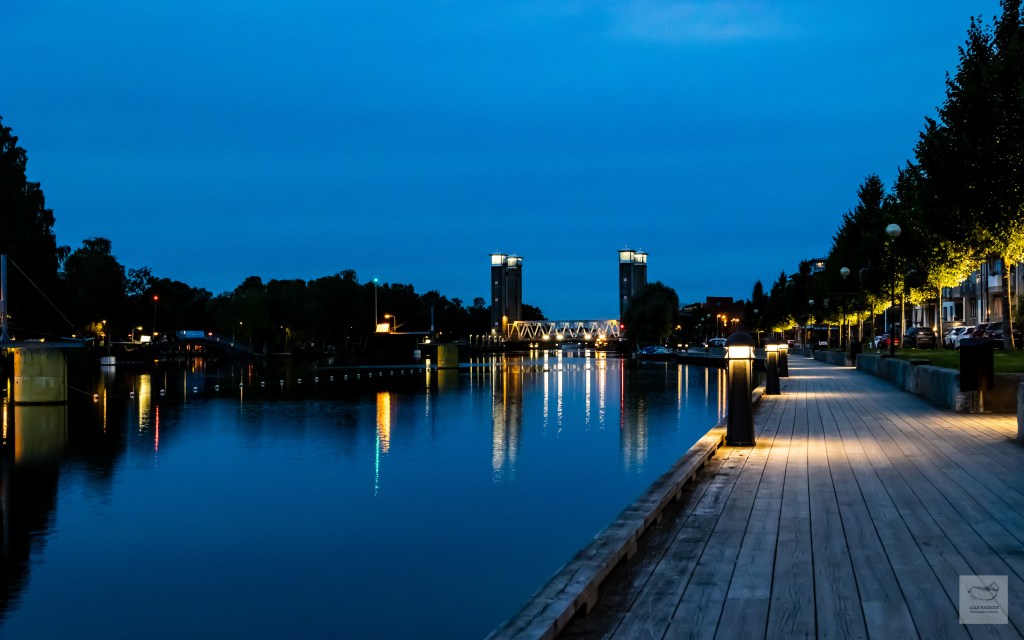
Evening by the canal and railway bridge in Trollhättan, Sweden.
Just follow the light, ha de Gött!
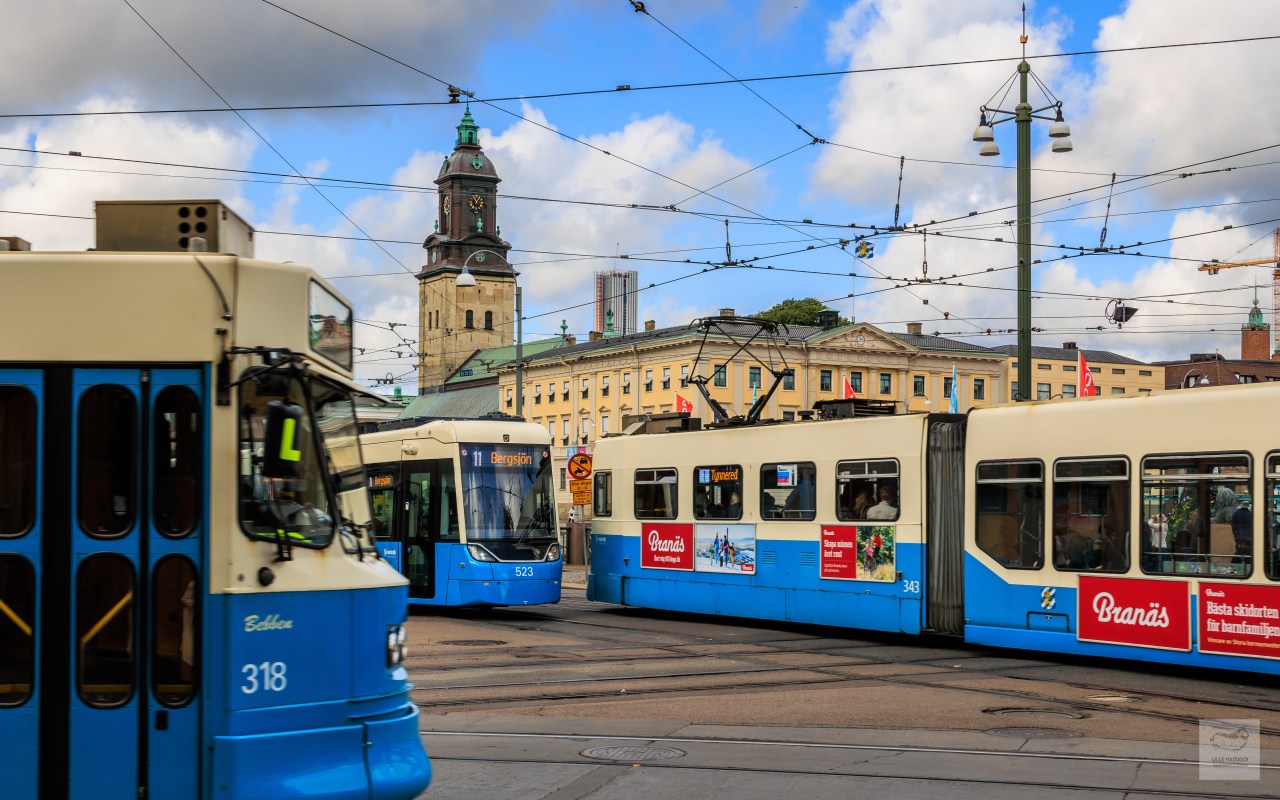

Trams in a busy intersection.
Better stay on track, ha de Gött!
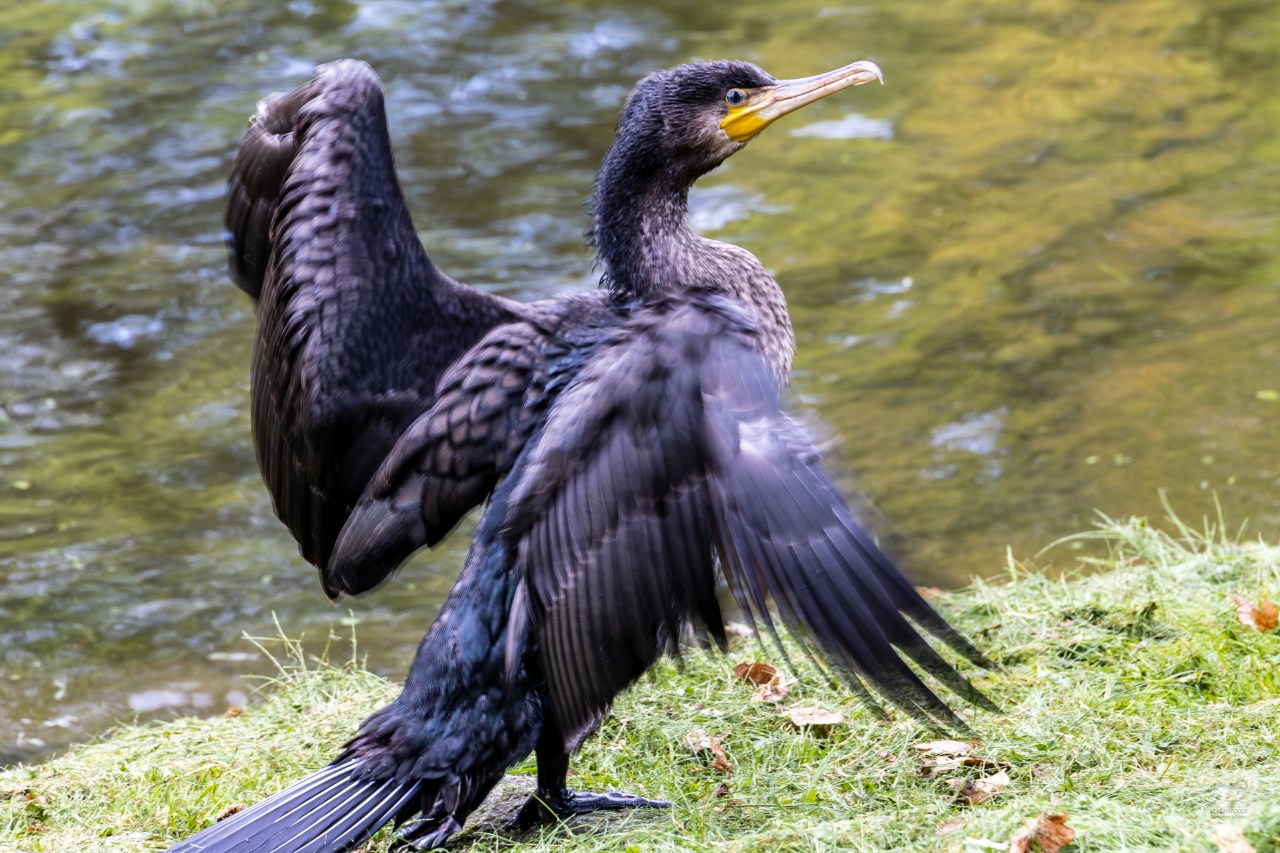
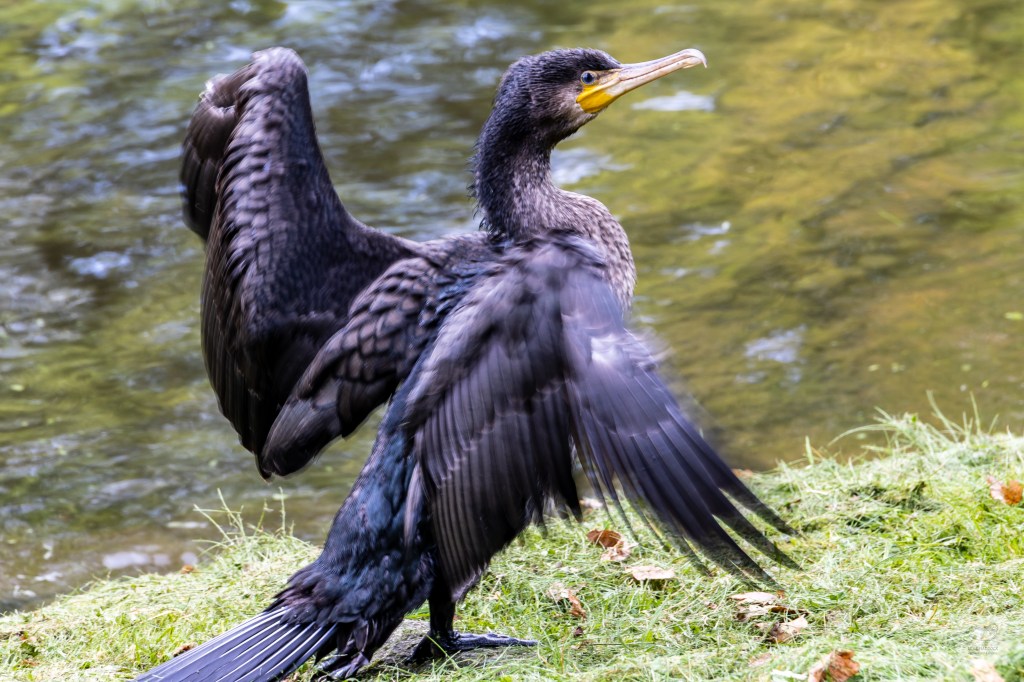

A Great Cormorant (Phalacrocorax carbo) drying its wings after diving for food in the Göteborg moat. It let me come close, but not too close.
Be bold but not foolish, ha de Gött!
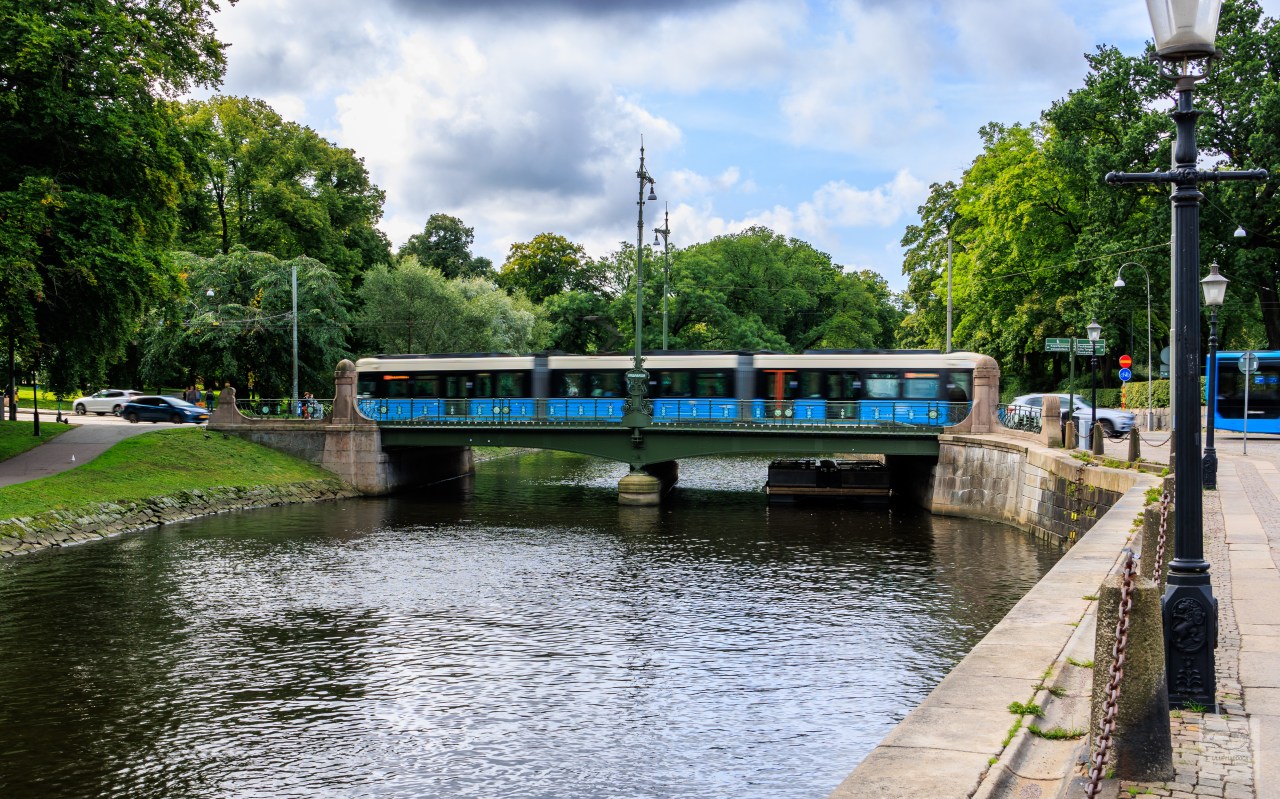

Tram passes over Vasa bridge in Göteborg, Sweden.
Fun fact. The original bridge was inaugurated 1907 after one year of construction. It was inaugurated again in 2019 after a substantial renovation and rebuild. This project took two years!
Speed isn’t everything, ha de Gött!

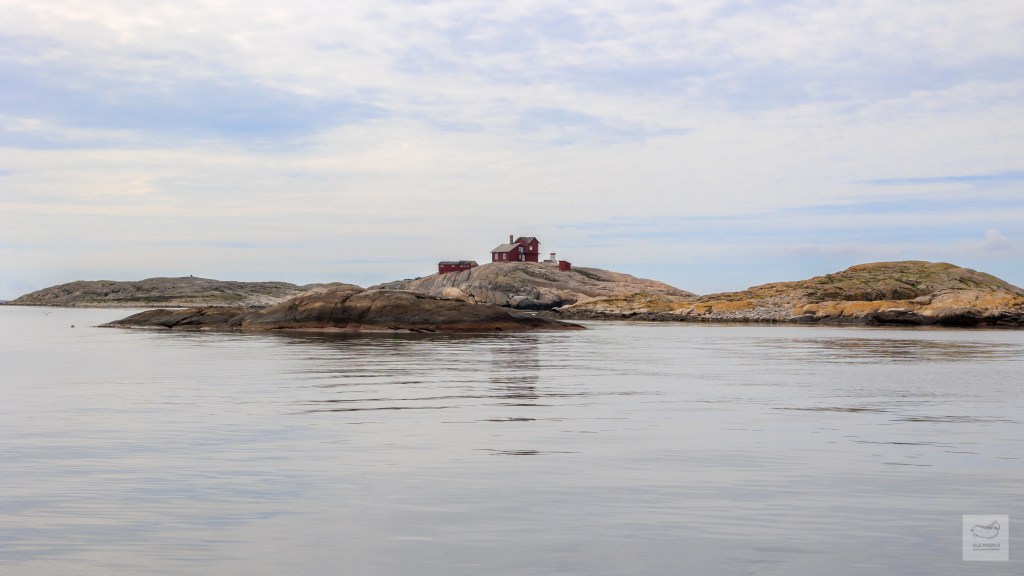
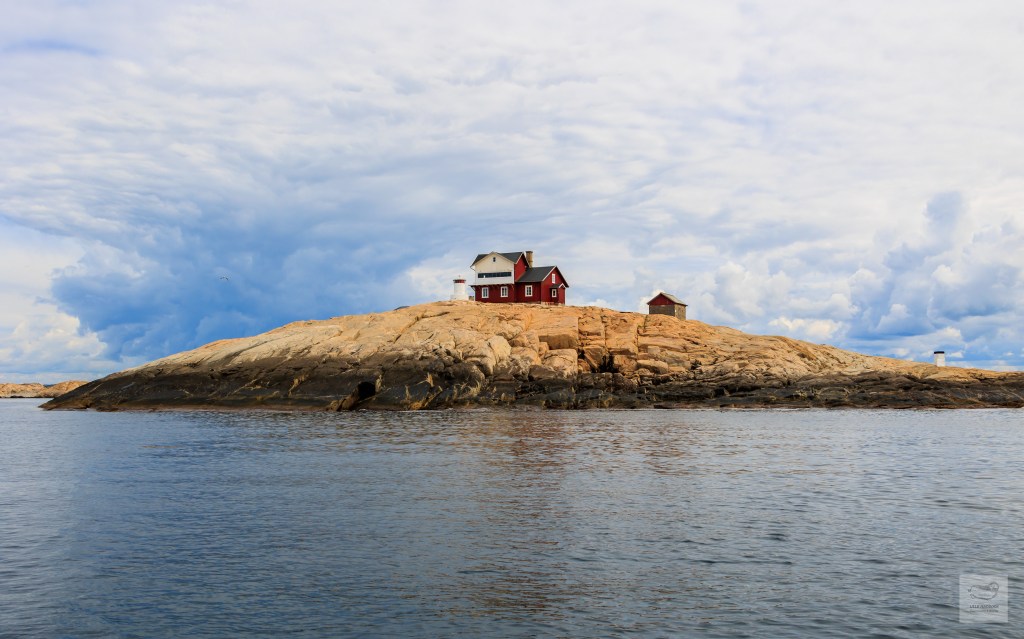
Since 1889 it has been guiding ships towards the Kosterfjord sea-lane and Resö. Originally the light came from the second floor windows but in 1917 it was replaced with gas driven AGA lighthouse in front of the building. The first floor was the living quarters for the lighthouse keeper with family. Since the the new AGA lighthouse was automatic there was no personnel after 1917. The house was sold to a private owner in 1950. Easy to manage garden, I guess, but probably needs to be painted regularly due to the harsh and salty west winds.
The fully automatic AGA lighthouse was invented by the Swedish inventor Gustaf Dahlén. He was awarded Nobel prize in physics for his work with lighthouse technology. The light was kept burning with the help of carbine gas. To save gas it was started and stopped with the help of a sun-valve also invented by Gustaf Dahlén.
Always steer towards the light, ha de Gött!

 UlleHaddock