

I decided to save some money, so I waxed the car. Now it looks brand new. The day after it was raining and I took this picture.
Better wax on the car than wax in the ears, ha de Gött!
Advertisements


I decided to save some money, so I waxed the car. Now it looks brand new. The day after it was raining and I took this picture.
Better wax on the car than wax in the ears, ha de Gött!

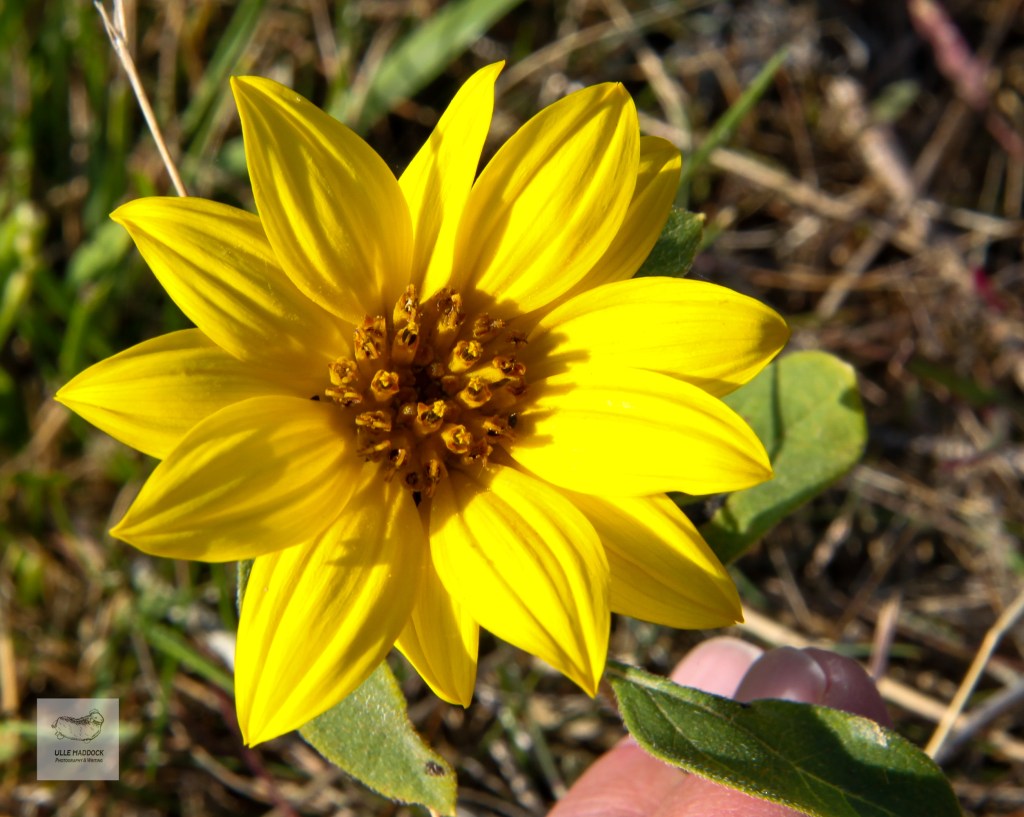
Ulle Haddock the discoverer!? My flower identification app could not find out what type of flower this is. Could it be I found a new species? It almost looks like a sunflower but the stem is not more than 10 centimeters and more wood like than a sunflower. Also the leafs are different. If anyone know what it is please let me know. It grows in a sunny place in poor dry soil. Way too beautiful to keep from you.
Don’t wait for the sun, be the sun, ha de Gött!

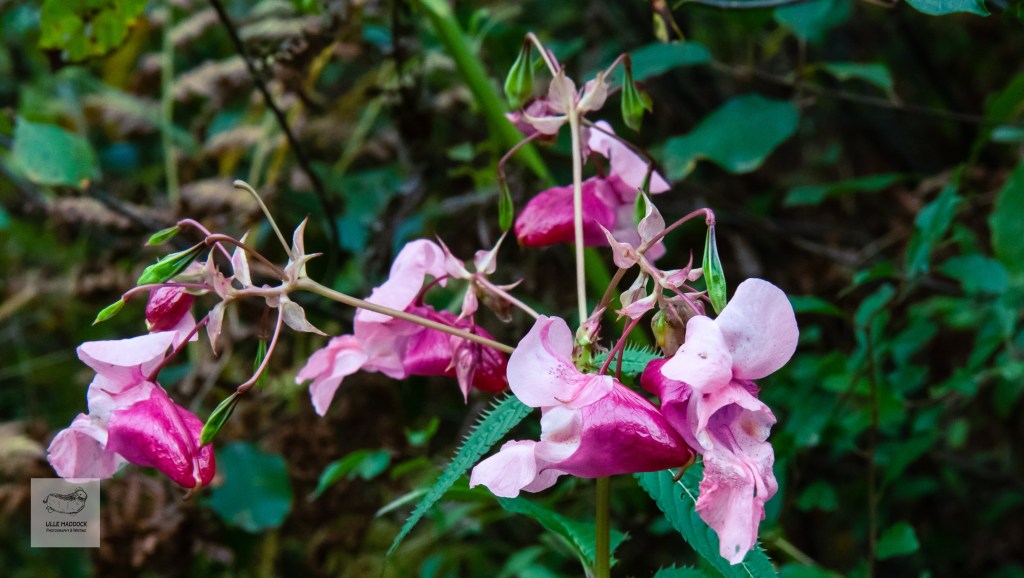
This beautiful flower (Impatiens glandulifera) is considered an invasive species. Introduced to Europe by Dr John Forbes Royle 1839, from the Himalayas. In Swedish it is called “Jättebalsamin”, probably connected to the height of the plant, up to two meters. “Jätte” translates to giant.
Some funny English names, policeman’s helmet, bobby tops, copper tops, gnome’s hatstand or kiss-me-on-the-mountain. Just picture that, a gnome kissing a policeman in the sunset on the mountain while the copper mere rides up the hill.
Sowing the seeds of love, ha de Gött!


Another King of Sweden, Karl IX. He was king from 1604 to 1611. The statue has been there since 1904. The humor in Göteborg quickly name it “Kopparmärra”, the copper mare but the horse is in fact a stallion. The statue weighs 6 700 kilos and is 88% copper and 12% tin. Moving in to the picture with speed is one of the characteristic trams. Stay tuned for more of this city landmark.
Quit horsing around, ha de Gött!
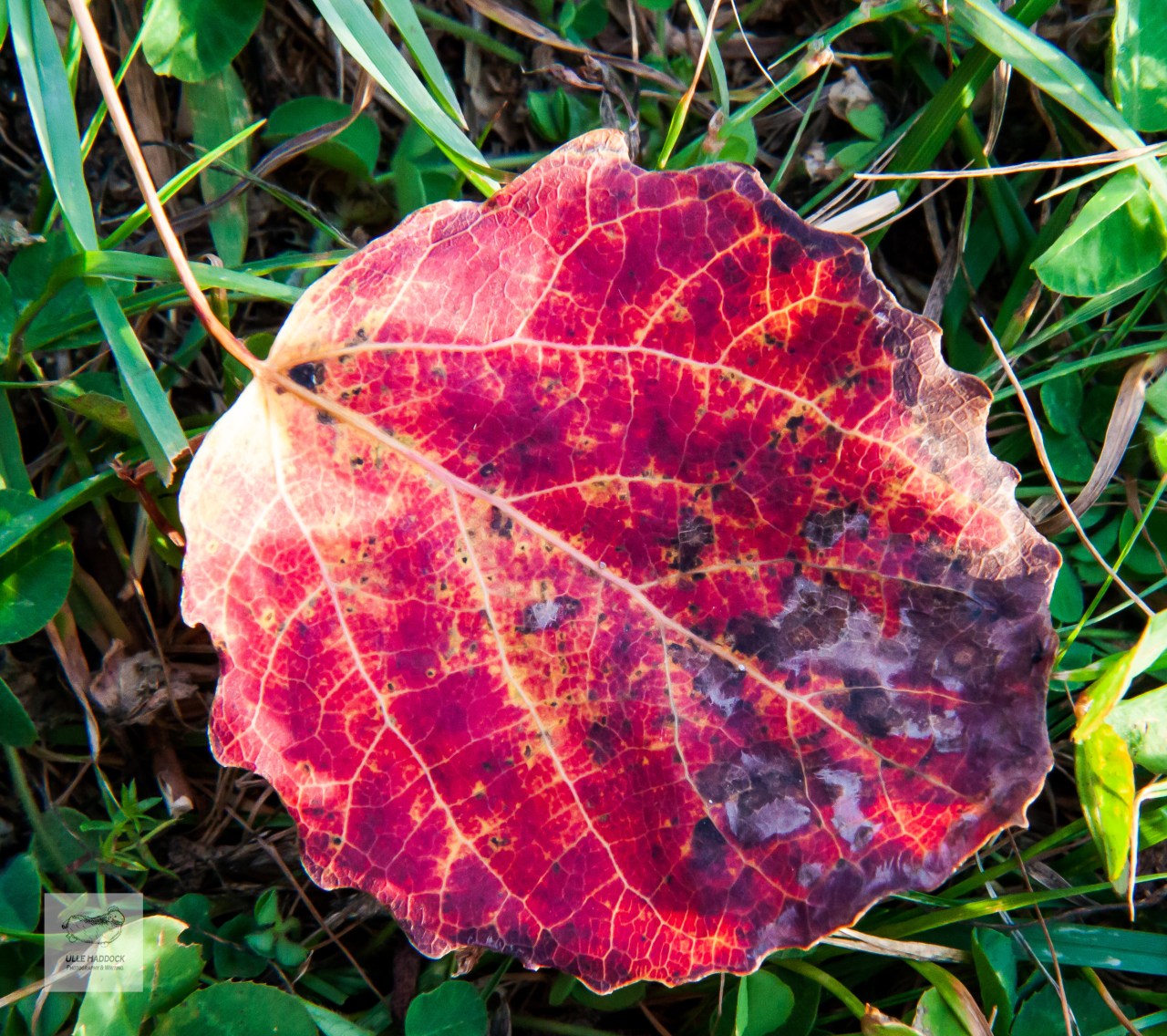
tone from green
yellow and red
gust chilly wind
gently single down
birds formation fly
far away land
left behind
on the ground
fade and dry
yellow parchment
wind tossed
in shorter days
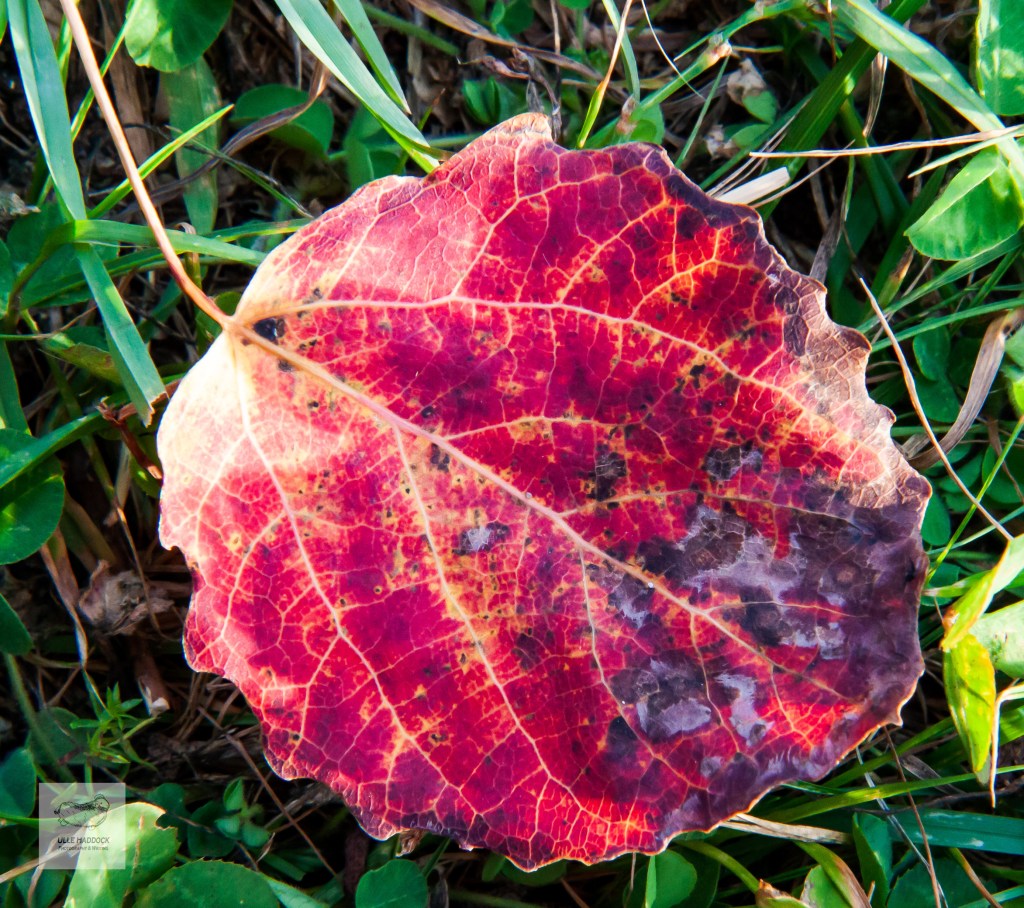
I wrote this to the autumn, inspired by the colorful leaf. Forming the words, I realized it was about me being left behind. Some days you just feel like a fading leaf, ha de Gött!
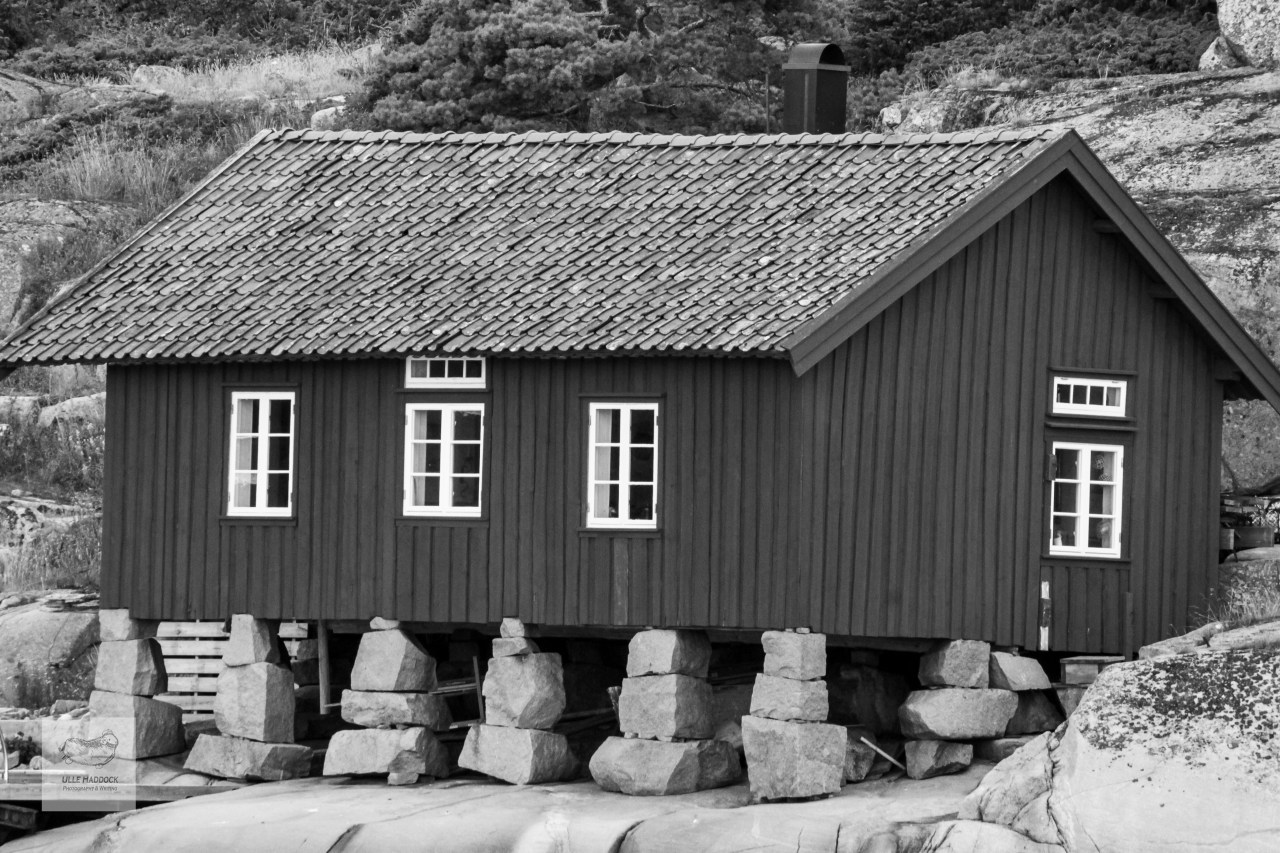

An old storage building by the waterfront at Kalvö. The technique for the foundation stones are not uncommon in this area. Scrap stone that didn’t split the way they should found use in the houses built. You got to be impressed by the craftsmanship to make it work. This is built directly on the flat rock so one can clearly see the foundation stones.
Even the odd can fit in, ha de Gött!

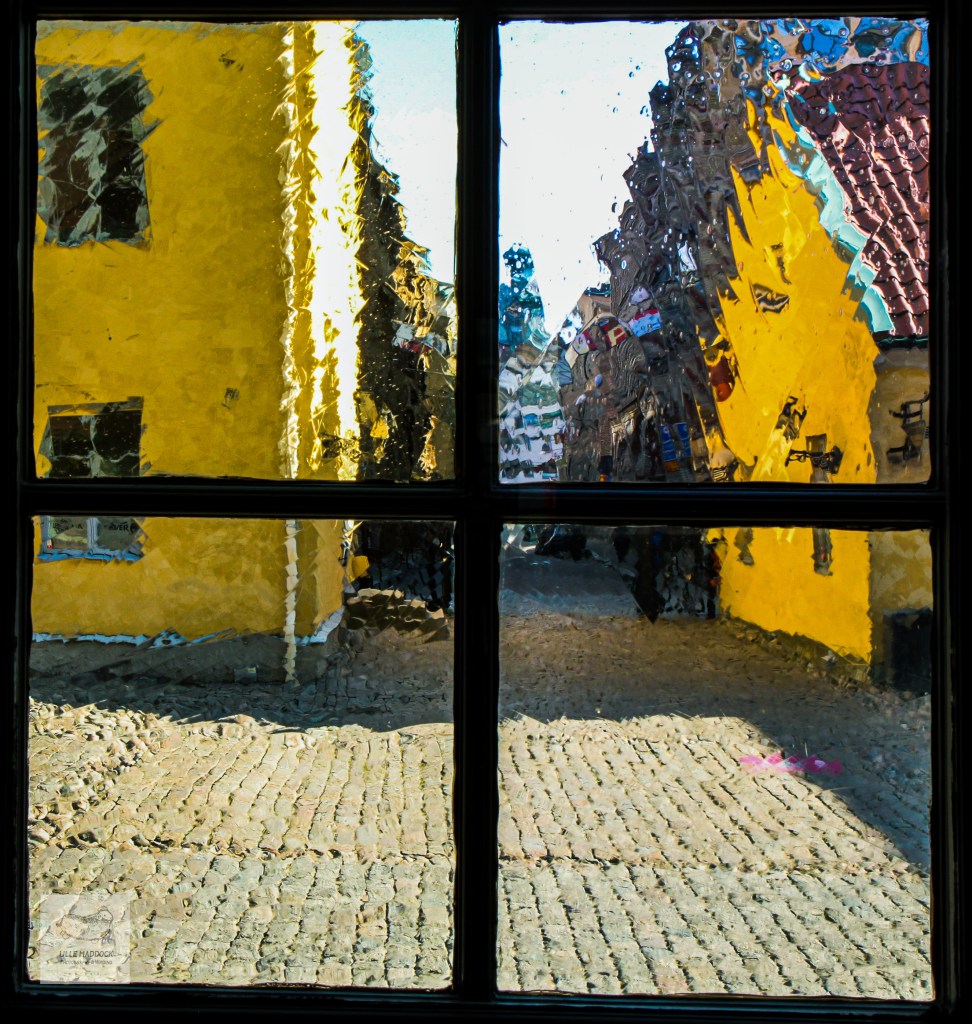
It is not always easy to see clear. Like looking through a old glass window. When the eye can’t clearly identify things our brains gladly fills in the blanks.
This picture is taken through a window in Göteborg city’s oldest building, “Kronhuset”, and in the forefront it’s quite clear but…. What do You see?
See the light, ha de Gött!
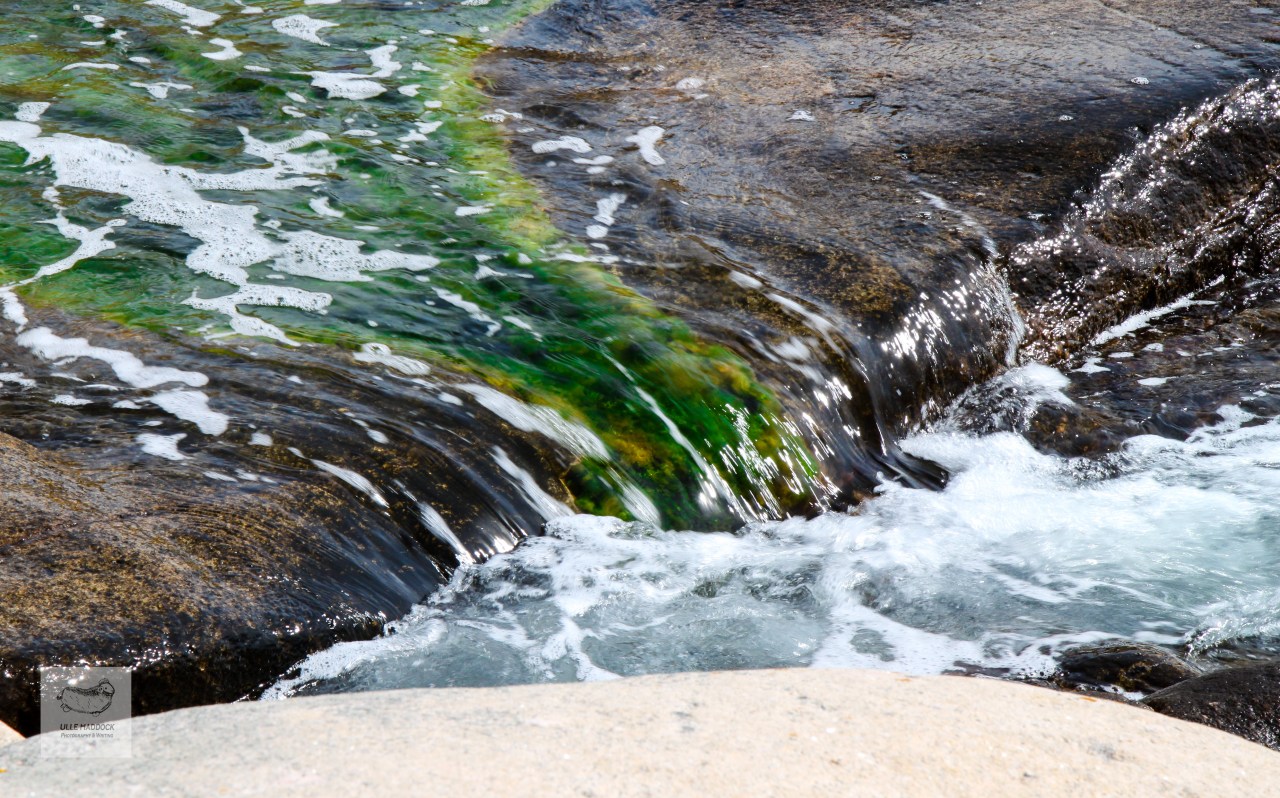

Free flowing water to the ocean. Just to be pushed up again.
In a wave powered by the wind. So it moves up and down.
Slowly grinding the rock. Grinding it to a smooth, bare surface.
Persistent alga holds fast. Green shelter for the ocean nursery.
We are 60% water. Pollute it, we pollute ourselves, ha de Gött!
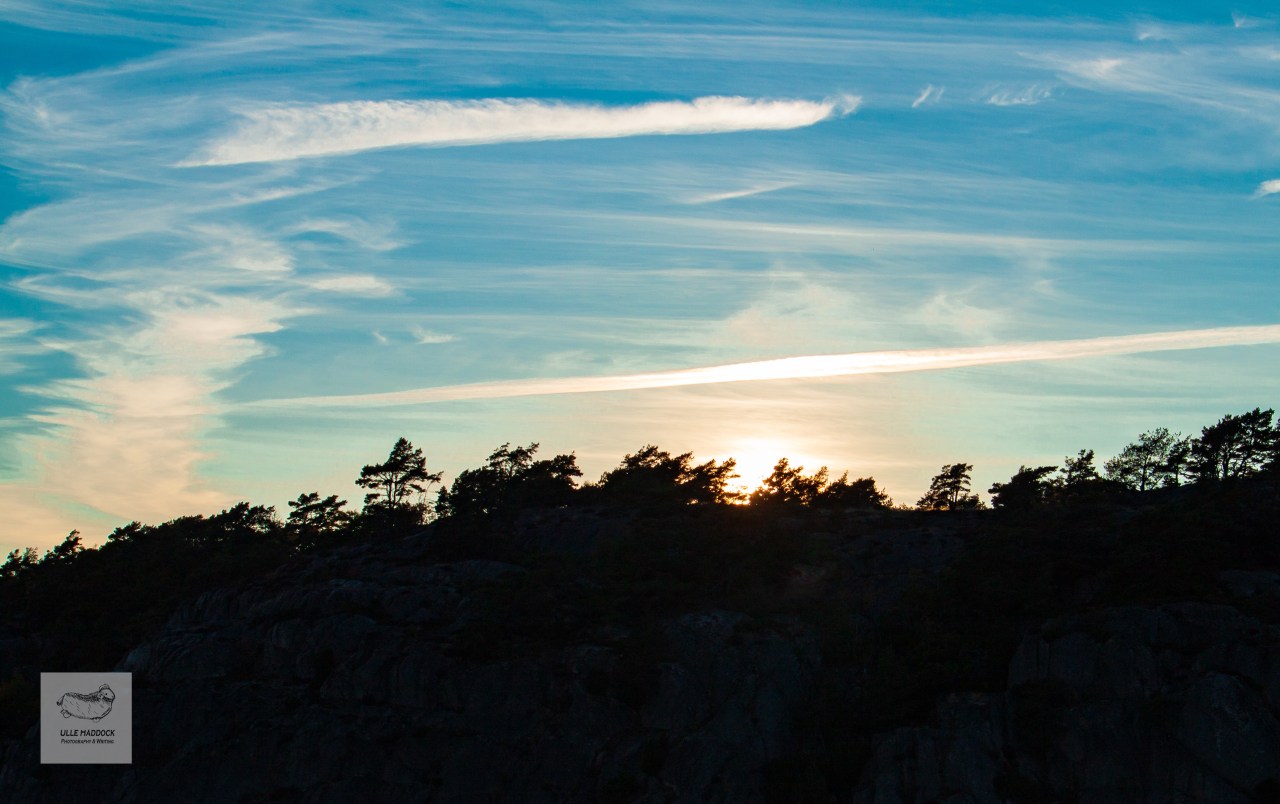

Ran out of words today, ha de Gött!
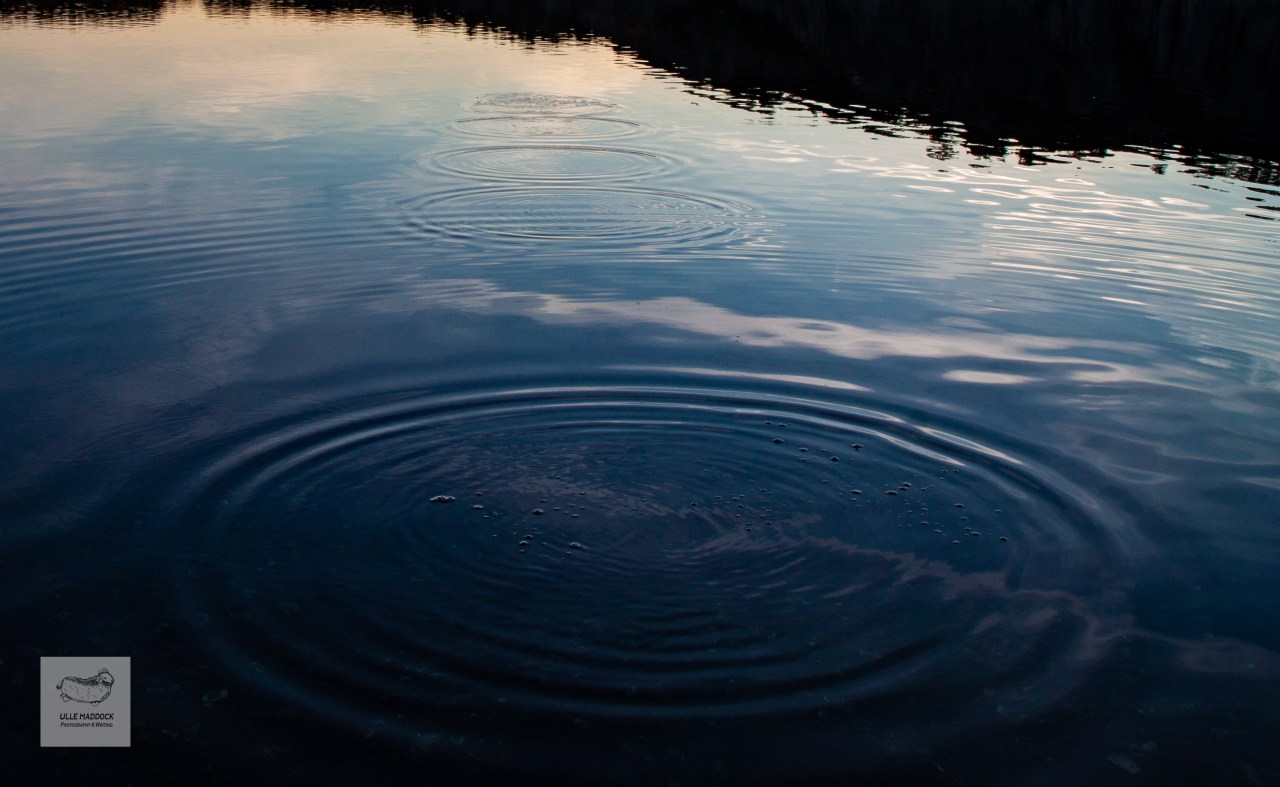

Rings on the water, a brief moment alone
Expanding rings connect, overflow and gone
Tossed in to the world, flat stone slightly curved
Flying elegantly with a bounce, one, two, three, four, five
Then sink to be sunk, stone bound to take a dive
Sometimes on a Monday evening those moments just appears, ha de Gött!

