Archive for ‘Writing’

The Library

The Library

some in frequent use
pages darkened by hungry fingers
'who done it'
tickling the darkest inside us

some covered by dust
only yellow by age
'who wants to know'
fuelling the creative light

during long dark nights
dark prose in the poetry corner
and whiskey stinking PI's
comparing their scars 

silent with millions of words
organised in rows and shelfs
collective minds
peaks and abysses of humanity

Growing up in a broken home in the suburbs, the library was always a safe haven. Still today I get calm entering a library or a book store.

Take care of the libraries, Ha de Gött!

Advertisements
Books, books, books

Books, books, books

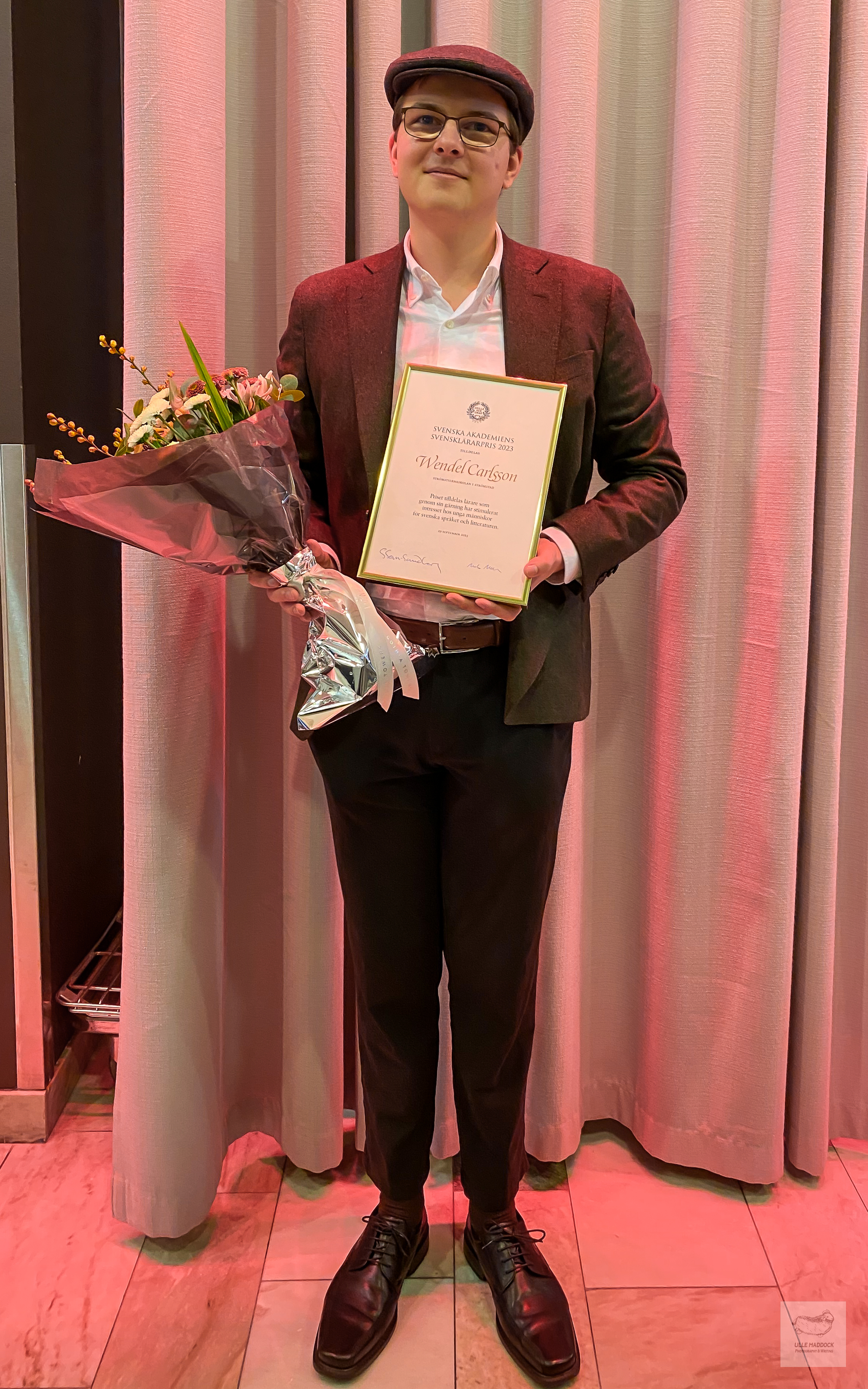
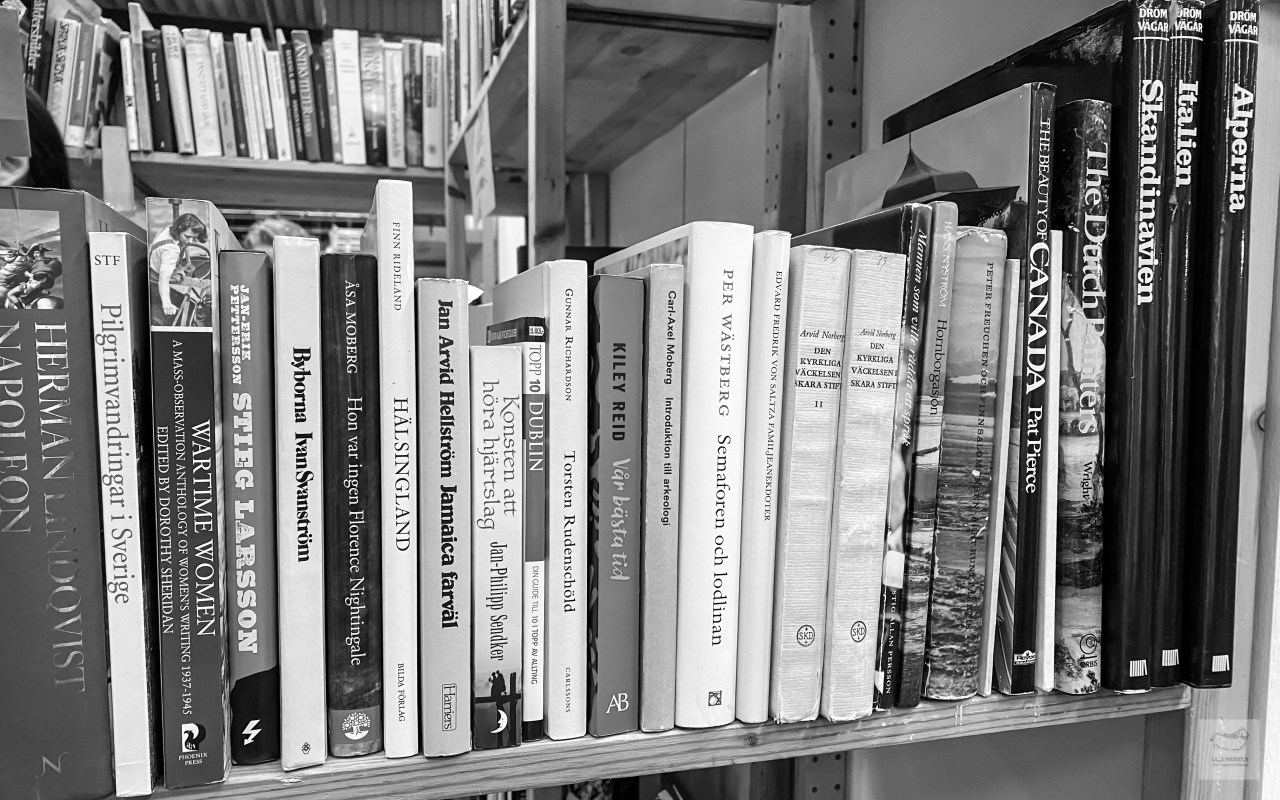
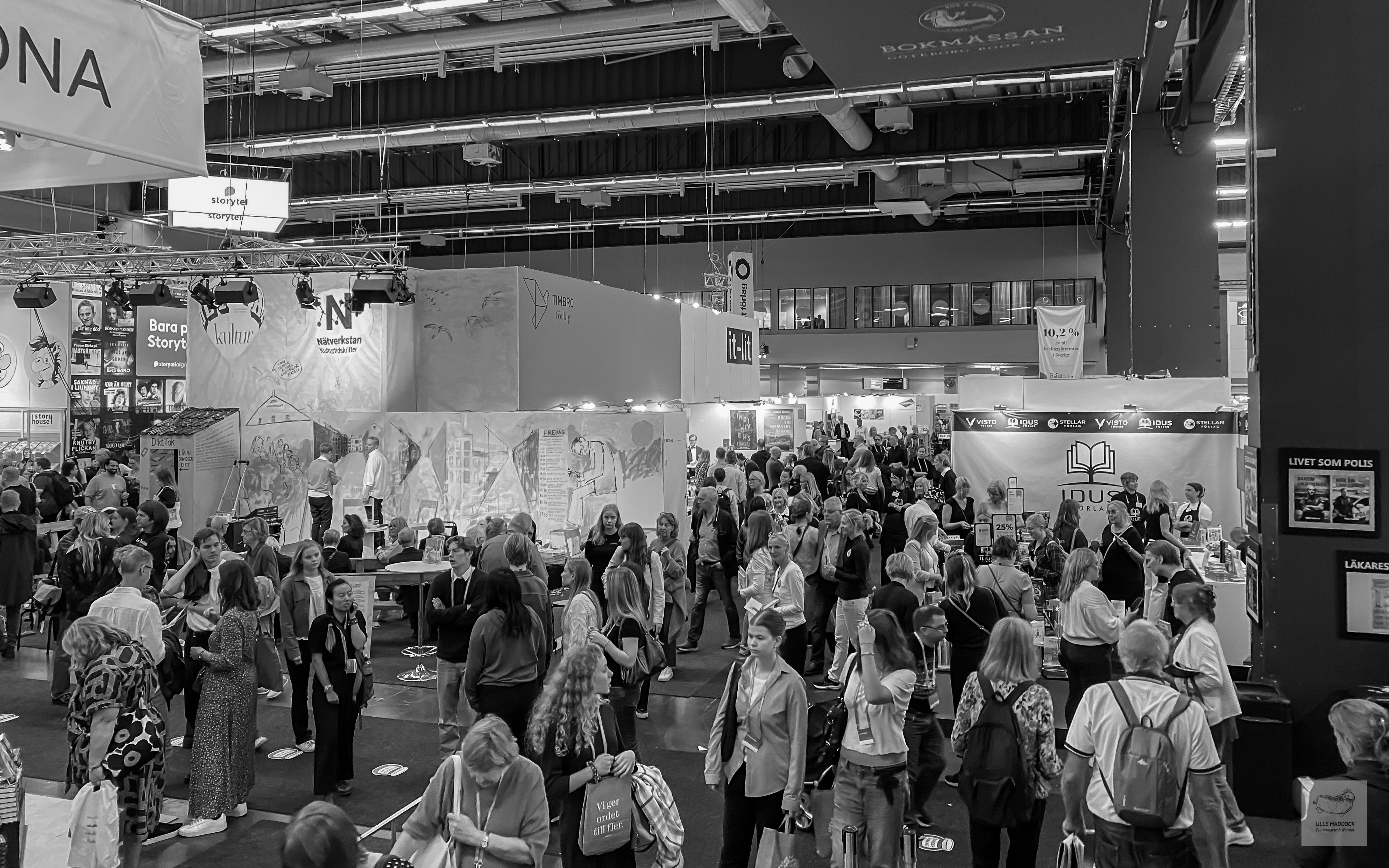
A fair for people interested in books. Yes, there is, every year in Göteborg, and this year I was there. Not only because I’m interested in books but my son was there to receive an award from the Royal Swedish Academy for the Swedish teacher of the year 2023. Sorry for the boast but I’m so enormously proud. At 25 he is the youngest ever to receive this award.

The Swedish Academy was founded in 1786 by the king Gustav III. With 18 members elected for life the members are the highest language authority of the Swedish language. This are the same persons that elect the Nobel prize winner in literature.

The five day fair was really crowded and it nice to see that the book is still going strong. In this day and age with social media scrolling it is comforting to know there are so many people working for the printed book.

The only heat that should come from a book is heated exchange of ideas, ha de Gött!

Advertisements
Giant’s kettle

Giant’s kettle

I found this giant’s kettle at Lindö. It’s approximately one meter in diameter and I estimate it to be around one meter deep. In the folklore these holes was created, and was used for cooking by the giants that in the past roamed the world. Hence the name. The giants tossed large boulders at each other when fighting. You can find these laying randomly in nature. God was angry with them and turned them into stone. Yes, if you look close, you can see them in the hills.

There is of course a more scientific explanation, equally forceful. As the inland ice shelf melted away huge rivers with strong currents was formed. When a smaller rock was trapped and started to spin it grinded down into the solid rock. These stones can sometimes be found at the bottom with a perfectly smooth egg shaped surface.

Don’t throw stone in a glasshouse, ha de Gött!

Advertisements
Svangen lighthouse

Svangen lighthouse

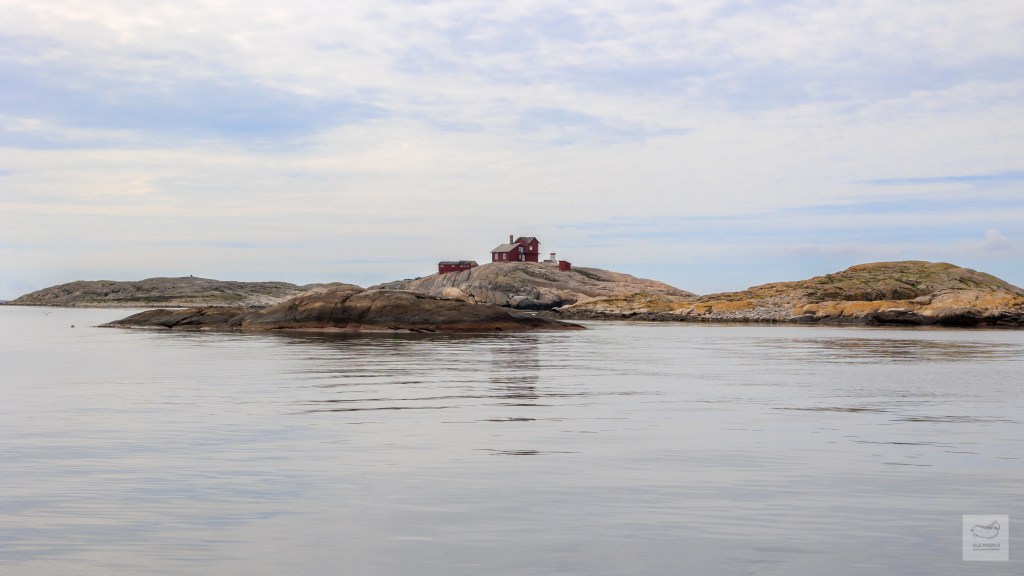
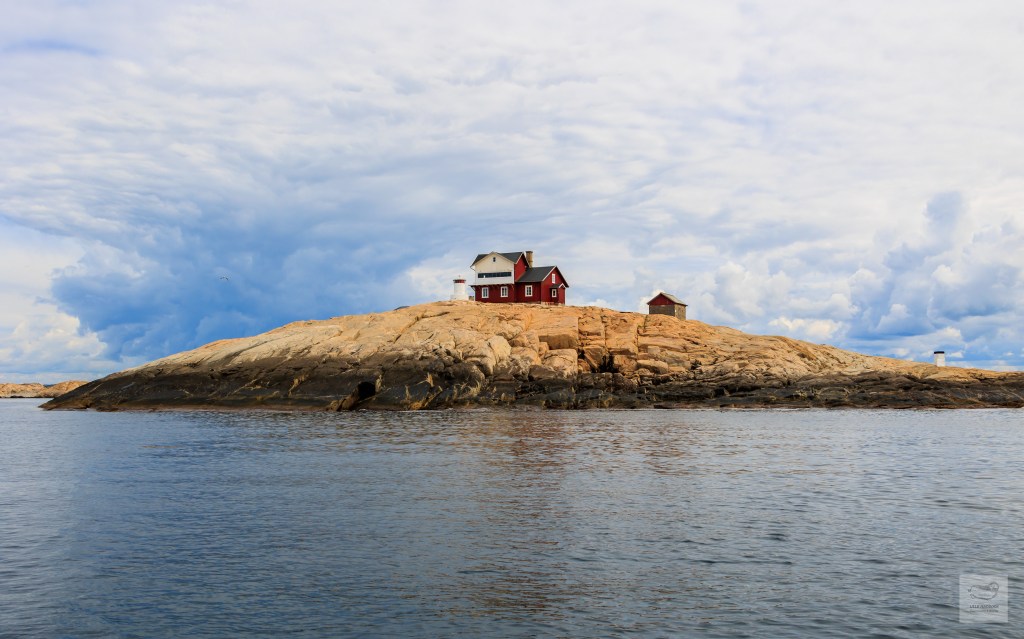
Since 1889 it has been guiding ships towards the Kosterfjord sea-lane and Resö. Originally the light came from the second floor windows but in 1917 it was replaced with gas driven AGA lighthouse in front of the building. The first floor was the living quarters for the lighthouse keeper with family. Since the the new AGA lighthouse was automatic there was no personnel after 1917. The house was sold to a private owner in 1950. Easy to manage garden, I guess, but probably needs to be painted regularly due to the harsh and salty west winds.

The fully automatic AGA lighthouse was invented by the Swedish inventor Gustaf Dahlén. He was awarded Nobel prize in physics for his work with lighthouse technology. The light was kept burning with the help of carbine gas. To save gas it was started and stopped with the help of a sun-valve also invented by Gustaf Dahlén.

Always steer towards the light, ha de Gött!

Advertisements
Shipyard

Shipyard

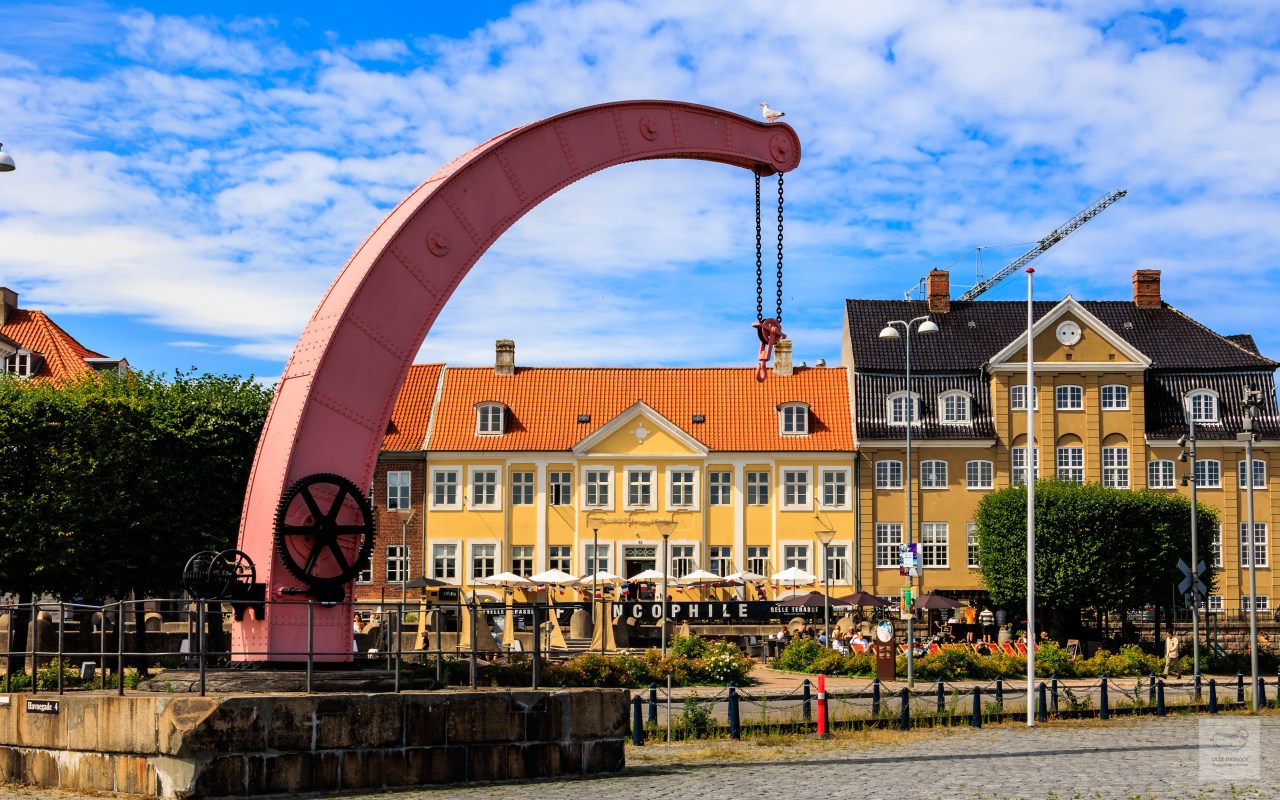
Like many cities in Northern Europe the Danish city Helsingør has a history of ship building. These large shipyard areas are now under development for tourism and new businesses, very different from the noisy shipbuilding industry. I do think Helsingør does a good job developing and at the same time honour the hard working people in the shipyards. Makes me feel good as my own father was a welder at a shipyard in Göteborg, Sweden.

History is the mirror to the future, ha de Gött!

Advertisements
Halmstad Castle

Halmstad Castle

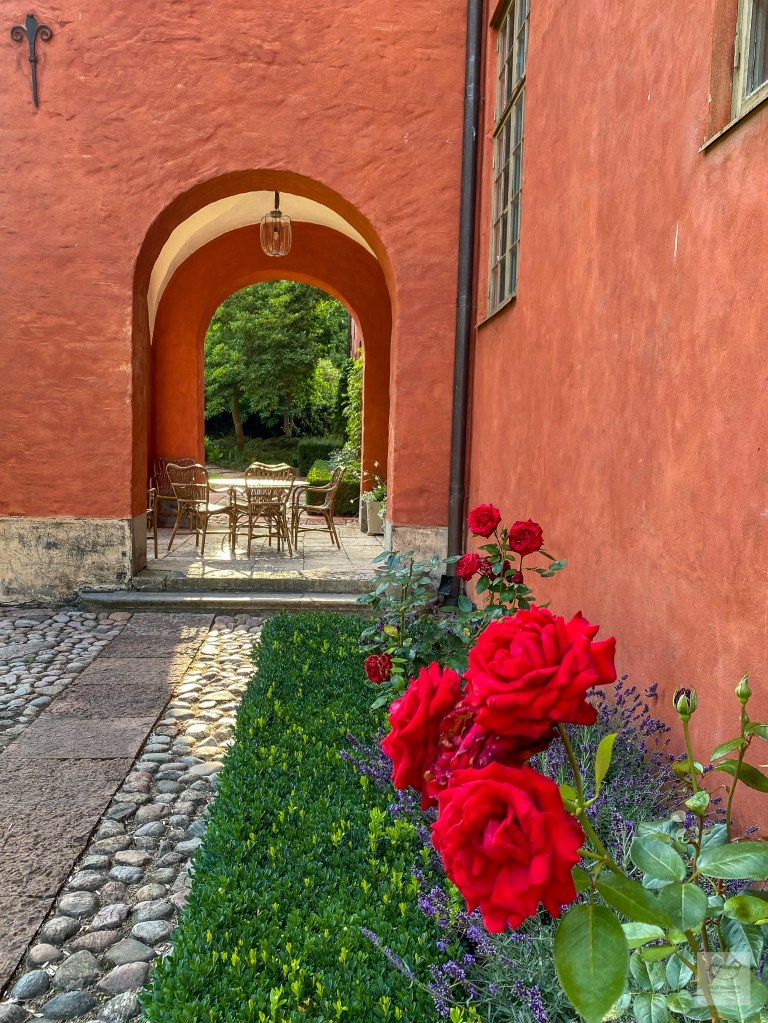
By chance we were able to attend a viewing of the secret garden of Halmstad castle. The castle is still in use as a government building, residence of the Landshövding (governor) of Halland. Apart from the amazing 200 year old blood maple, the garden was not what I’ve expected.

The castle was built by the Danish between 1600 and 1615 as a residence for the governor. The city of Halmstad was at the time part of the Danish kingdom. The castle, the city Halmstad and the administrative area Halland became Swedish in 1645.

In the garden it is possible to see remainders of the 8 meter high wall surrounding the city. Outside the wall there was a moat. During the years the castle has undergone many changes and colours. Believe it or not but it was actually pink before repainted to red in 1998, as is believed to be the original colour.

Be curious and learn more, ha de Gött!

Advertisements
Driftwood

Driftwood

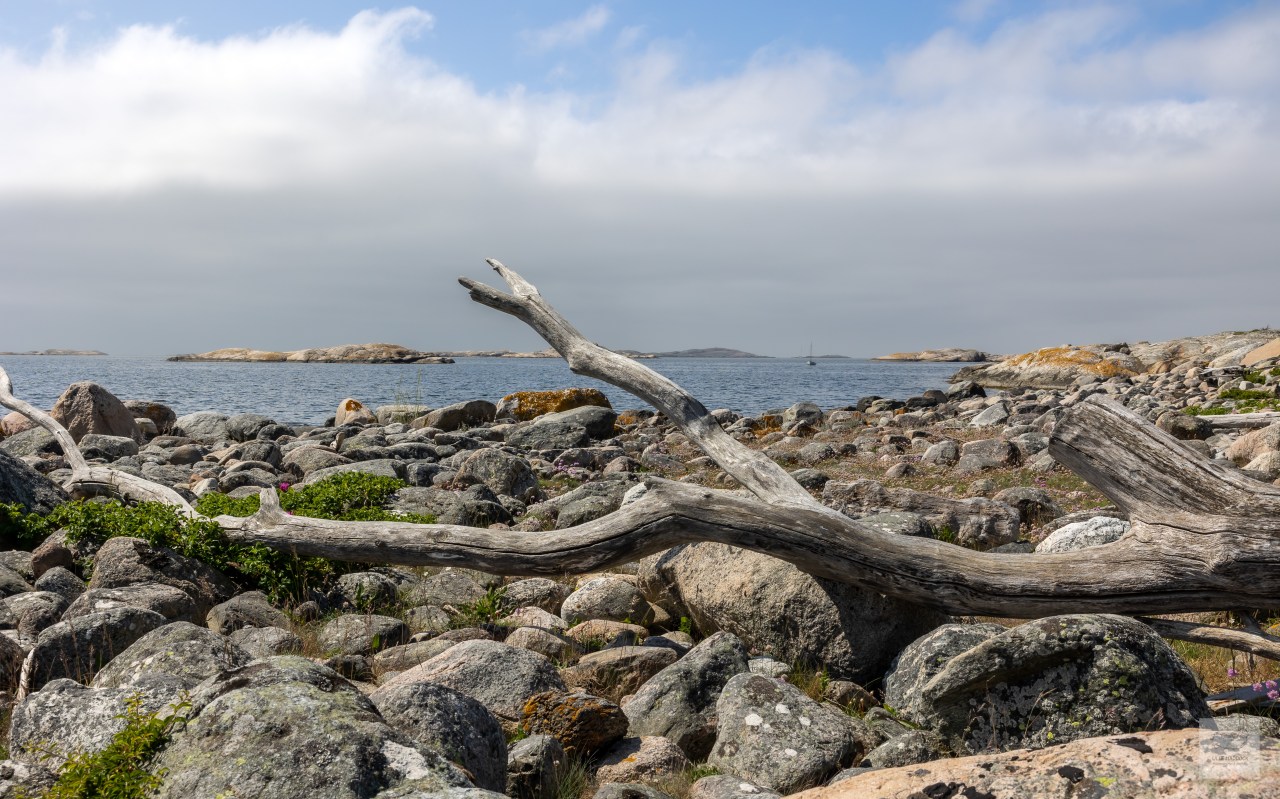
Driftwood on a stony beach at Trossö-Kalvö. Someone, somewhere cut it down and let it fall into the sea. Currents and winds brought it here to frame this picture. Did it come from just around the corner, the next island or did it float in here with the Golf Stream from distant shores. Only Njord knows.

Njord (Njǫrðr) is the sea god of the Nordic mythology.

Go with the flow and see where it takes you, ha de Gött!

Advertisements
National Day

National Day

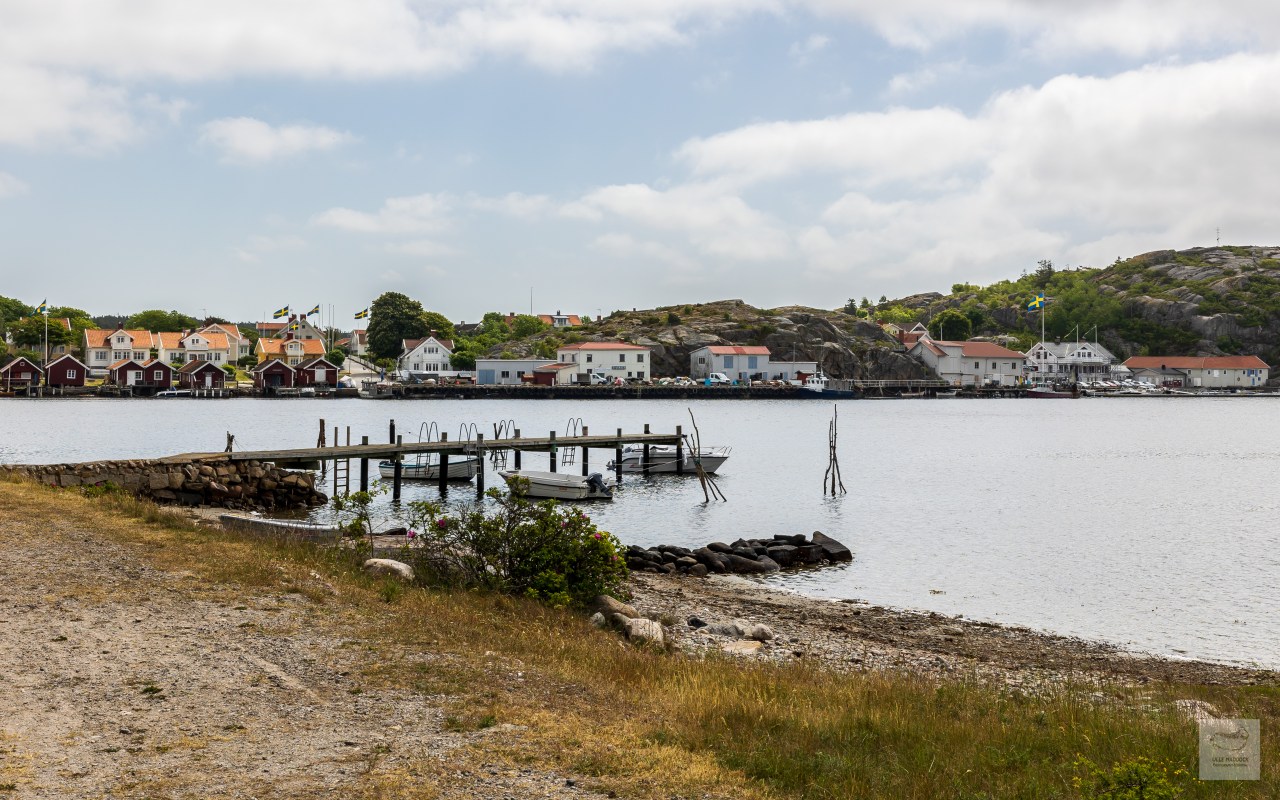
6 of June is the National Day of Sweden and in beautiful Havstenssund the flags are up. The celebration is very moderate and most people spend the day with family, gardening or walk in the nature. I guess it’s a typical for the Swedish mentality, lagom, not too much and not too little.

Five hundred years ago the first Swedish king Gustav Wasa was appointed by the church, king by the grace of God, supported by rich merchants from the Lübeck Hansa. Gustav Wasa was a dictator but he reformed the way the nation was administrated. Somethings lives on still today, so in a way he founded the Swedish democracy.

We are nations but above all, citizens of the Earth, ha de Gött!

Advertisements
Easter bonfire

Easter bonfire

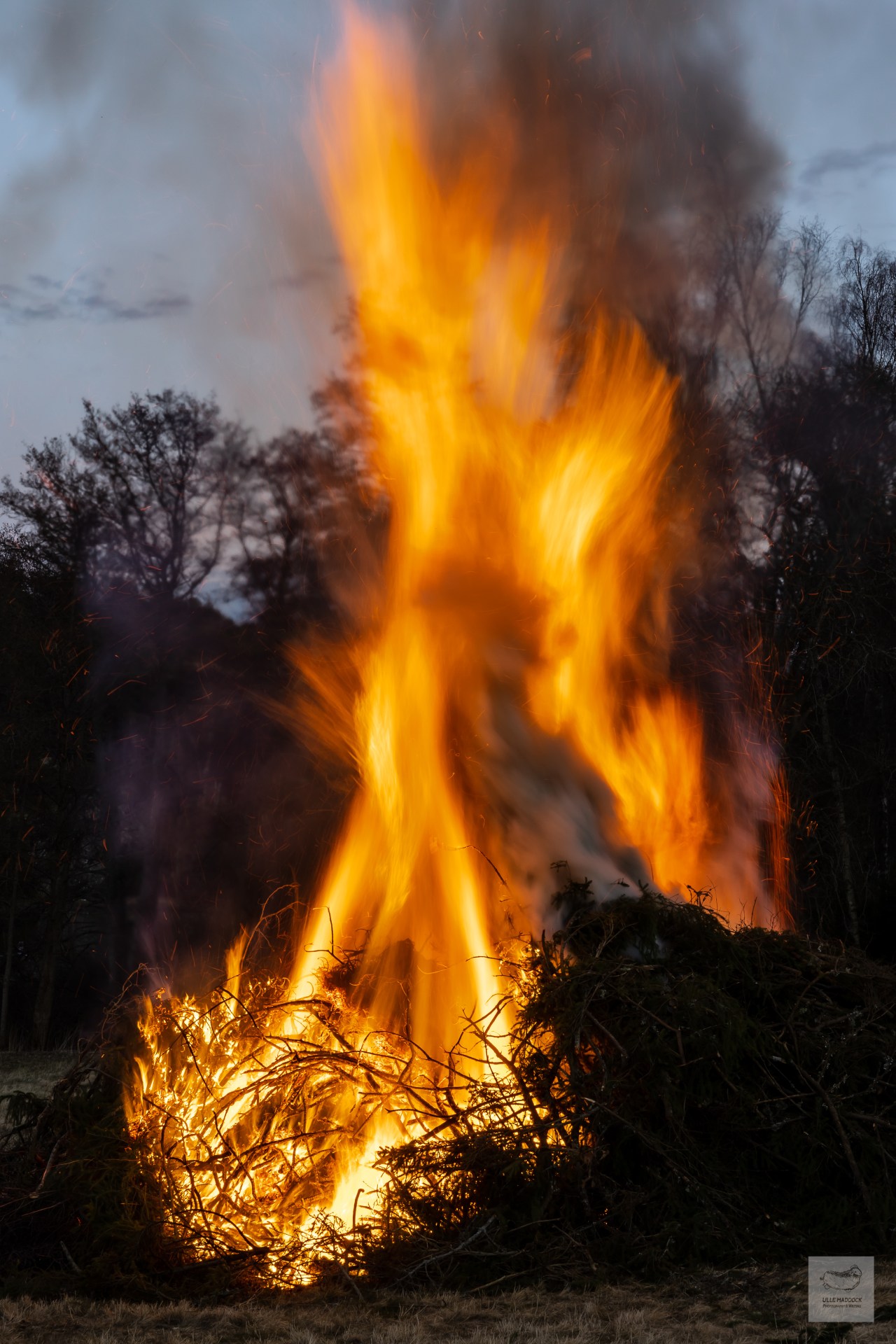
One week late, the Easter bonfire. This tradition dates back the mid 1700 in Sweden and Finland. The are lit to welcome the spring. Mostly to scare of the Easter witch flying on their broom to the island Blåkulla to feast with the devil.

Easter is the day when Swedish children traditionally go trick or treat dressed up as Easter witch or Easter man. Sadly this tradition has lately faded out and been taken over by the imported Halloween tradition.

Fly safe, ha de Gött!

Advertisements
Cycle of horror

Cycle of horror

Now once again I find myself

in this terrible predicament

a weight of the world

on my sloping shoulders

pulse banging hard and fast

shivering breath and pearls of sweat

three times of every year

this cycle of horrific fear

one of the those repeating event

I need to find my wife a present

One down, two to go. Ha de Gött!

Advertisements