Tag Archive for ‘History’

The Barque Viking

The Barque Viking

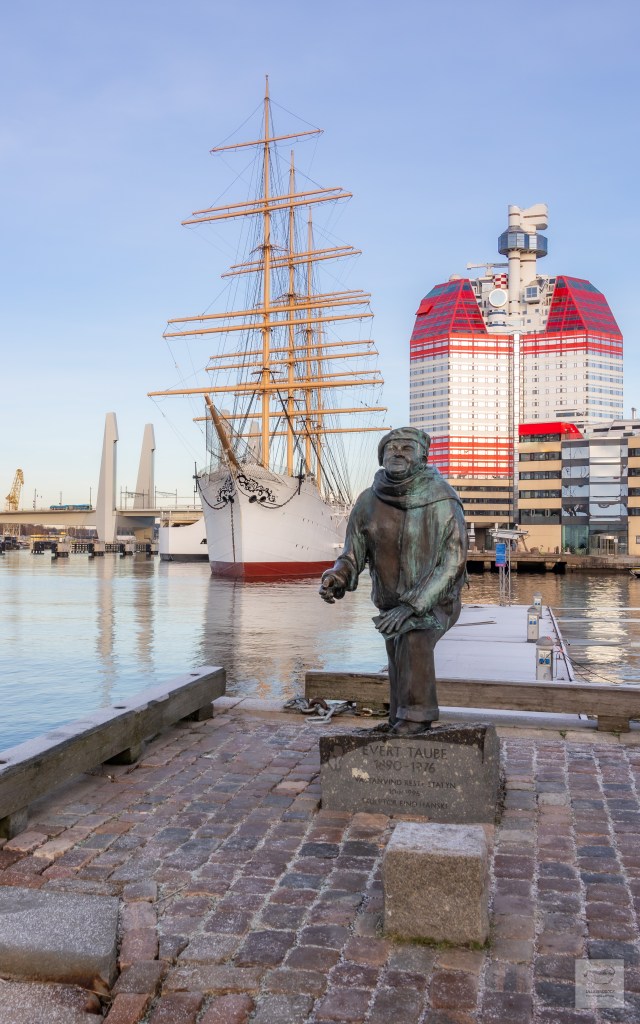
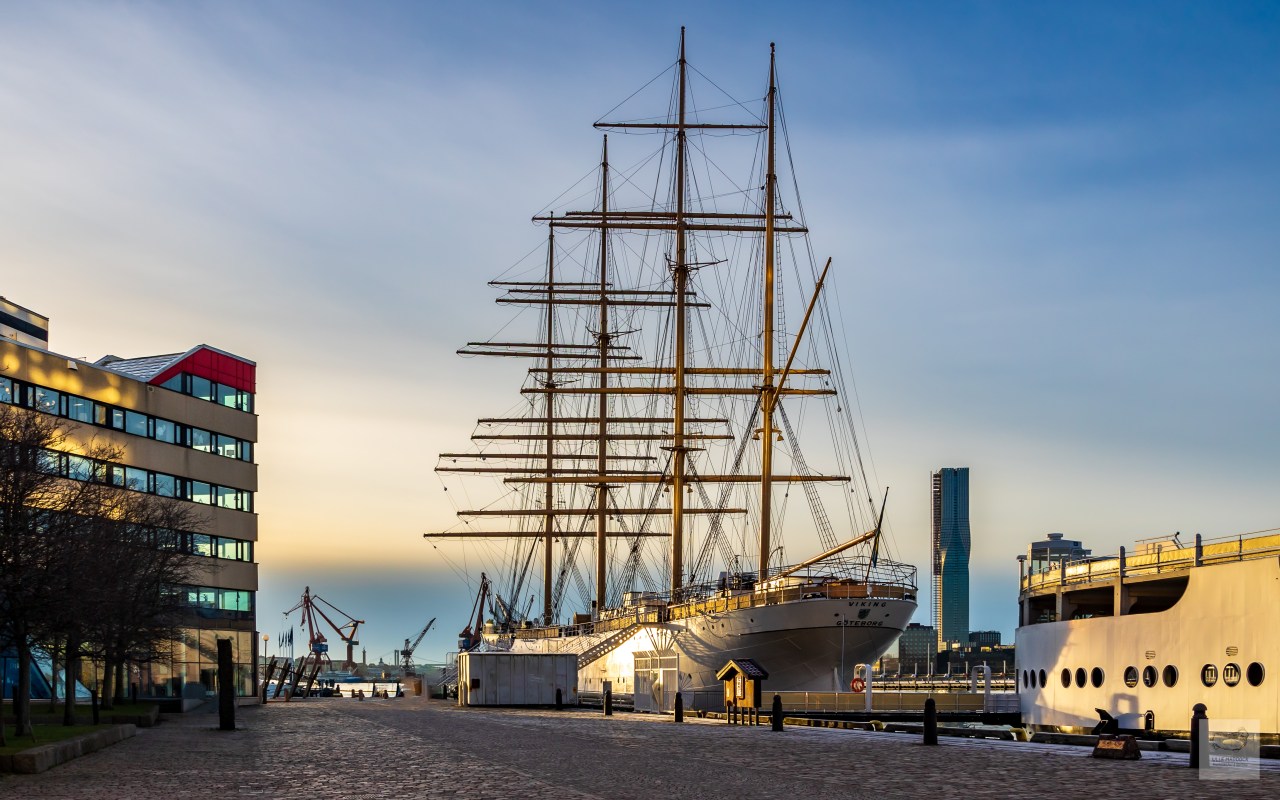
This old sail ship has been a symbol and landmark in Göteborg since 1951. It has been moored basically in the same place since then. It was originally built 1906 in Copenhagen, Denmark as school ship for the Danish merchant fleet. It is the largest sail ship ever built in Scandinavia. She served in Denmark until 1928 and after that the four-masted beauty was sold to Åland. There she served as merchant and passenger ship before finally arriving to Göteborg in 1951. This time to once again serve as a school but without ever to set sail again. Today it is a hotel and restaurant.

Sail, sail away on the winds of hope. Ha de Gött!

Advertisements
Bridge opening

Bridge opening

The new bridge over Göta Älv in Göteborg, Sweden is one of the things I’ve wanted to photograph for a long time but never got around to do. But yesterday all the pieces fell together. The light was good and to top it all, they opened the bridge to let a ship loaded with timber to pass. One of those hallelujah moments for a photographer.

The new Hisingsbron was inaugurated in 2021 to replace the old Götaälvbron from 1939 that was in poor condition. Götaälvbron in turn replaced the original Hisingsbron from 1874 that was in operation until 1968. The new bridge is lower to make it easier to ride your bike across. The downfall is that the sail free hight is lower and the ships passing underneath must run on a schedule to avoid openings during the rush hours.

Be like a bridge, open to all connections. Ha de Gött!

Advertisements
Narrow

Narrow

Narrow gate in the Skansen Kronan fortification in Göteborg. The half inscription should read Carl XII stig, Carl XII path.

Don’t be narrow minded, keep your mind wide open. Ha de Gött!

Advertisements
Skansen Kronan

Skansen Kronan

The Crown redoubt was built between 1687 and 1700 as part of Göteborg’s defence system. It is built on a steep mountain Risåsberget above Haga city district. Takes your breath away in more ways than one. The stone building is 33 meters high and reaches 87 meters above the sea level. The sconce has a twin Skansen Lejonet (Lion redoubt). Today the fortification has a better use for conferences and parties.

Take a deep breath, ha de Gött!

Advertisements
Giant’s kettle

Giant’s kettle

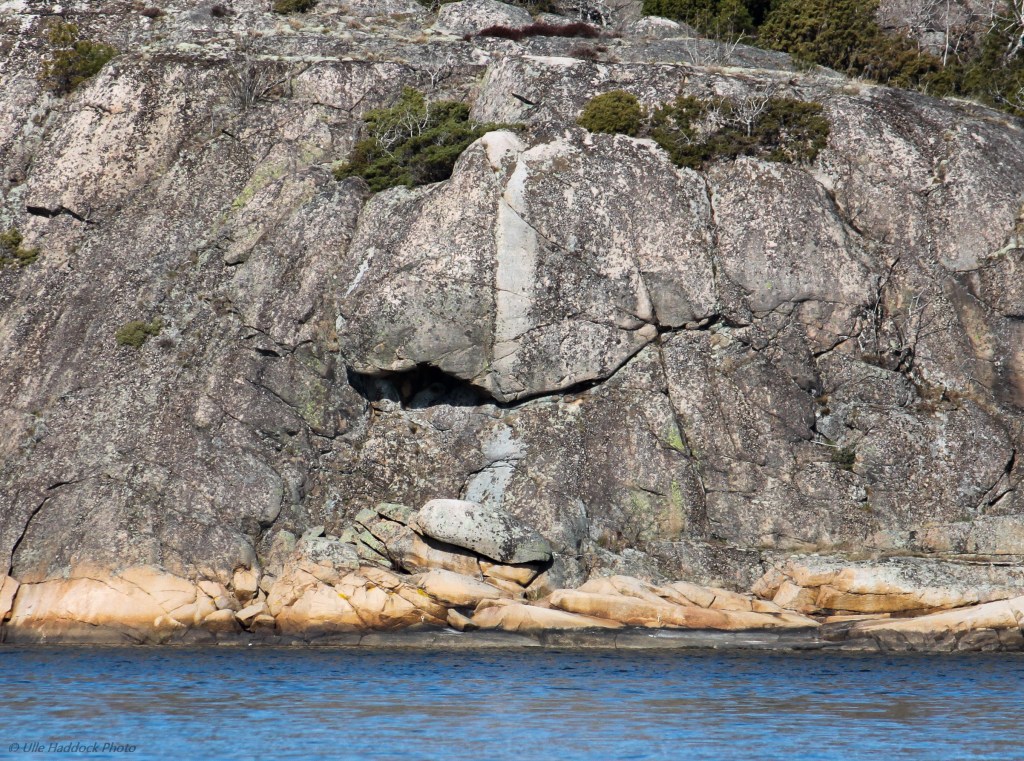
I found this giant’s kettle at Lindö. It’s approximately one meter in diameter and I estimate it to be around one meter deep. In the folklore these holes was created, and was used for cooking by the giants that in the past roamed the world. Hence the name. The giants tossed large boulders at each other when fighting. You can find these laying randomly in nature. God was angry with them and turned them into stone. Yes, if you look close, you can see them in the hills.

There is of course a more scientific explanation, equally forceful. As the inland ice shelf melted away huge rivers with strong currents was formed. When a smaller rock was trapped and started to spin it grinded down into the solid rock. These stones can sometimes be found at the bottom with a perfectly smooth egg shaped surface.

Don’t throw stone in a glasshouse, ha de Gött!

Advertisements
Trossö-Kalvö-Lindö

Trossö-Kalvö-Lindö

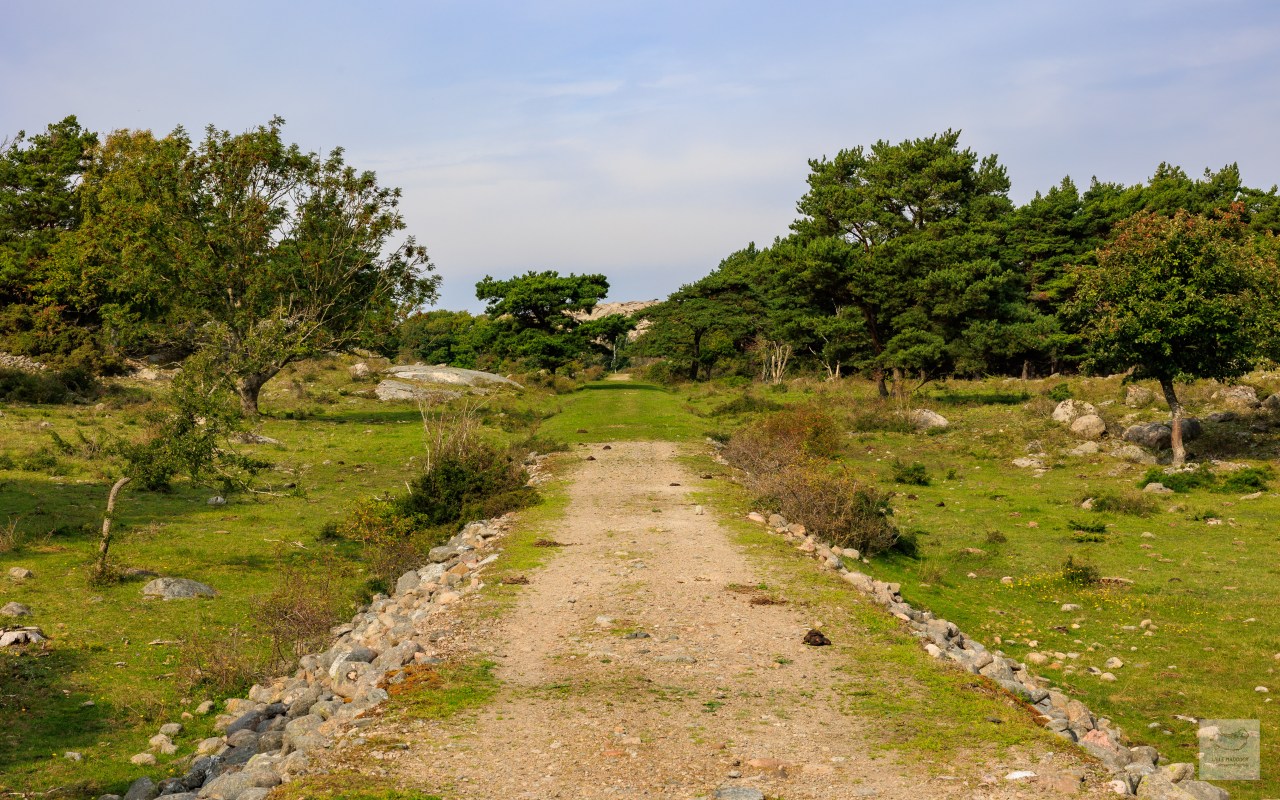
A bit of adventure this weekend to Trossö-Kalvö-Lindö. These three islands are today really one island as a result of the land elevation. Land elevation has been going on since the last ice age and still continues by 1 mm per year. There are no cars on the island but there’s a 5 km road that was built around 1930. The plans was to build a bridge over the 150 meter Havstensund strait, but with the rapid decline in population the plans was sent to the scrap bin. In 1930 there was 80 inhabitants but in 2005 only 10.

Car free road

Today almost all of the island is a nature preserve. Tthe thin soil layers with sand and lime makes the flora rich. The fields are kept open by the freely grazing highland cattle on the island. The islands can only be reached by private boat but they are well worth a visit. I will share some more pictures in the coming weeks.

Among cows, watch your step. Ha de Gött!

Advertisements
Svangen lighthouse

Svangen lighthouse

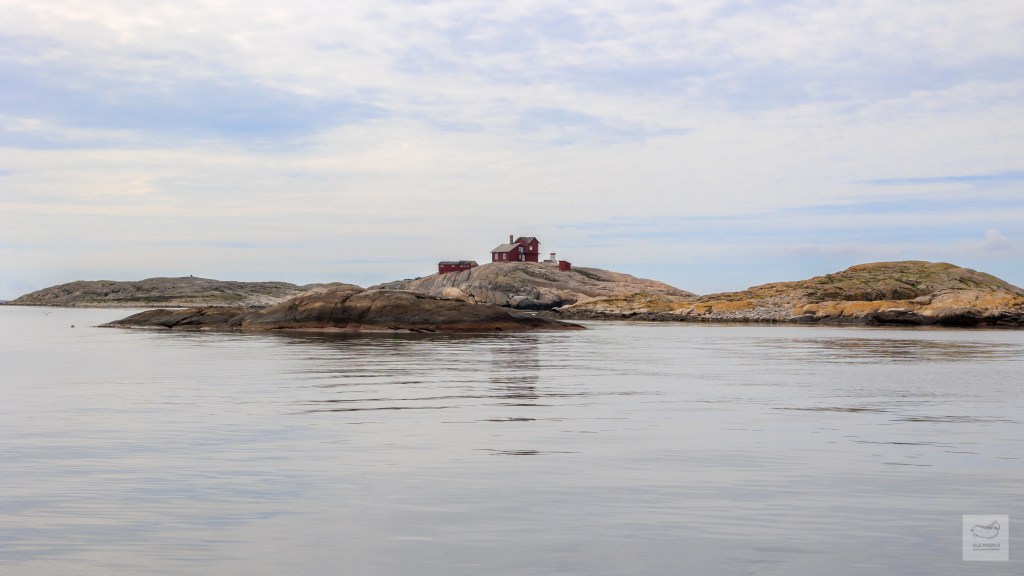
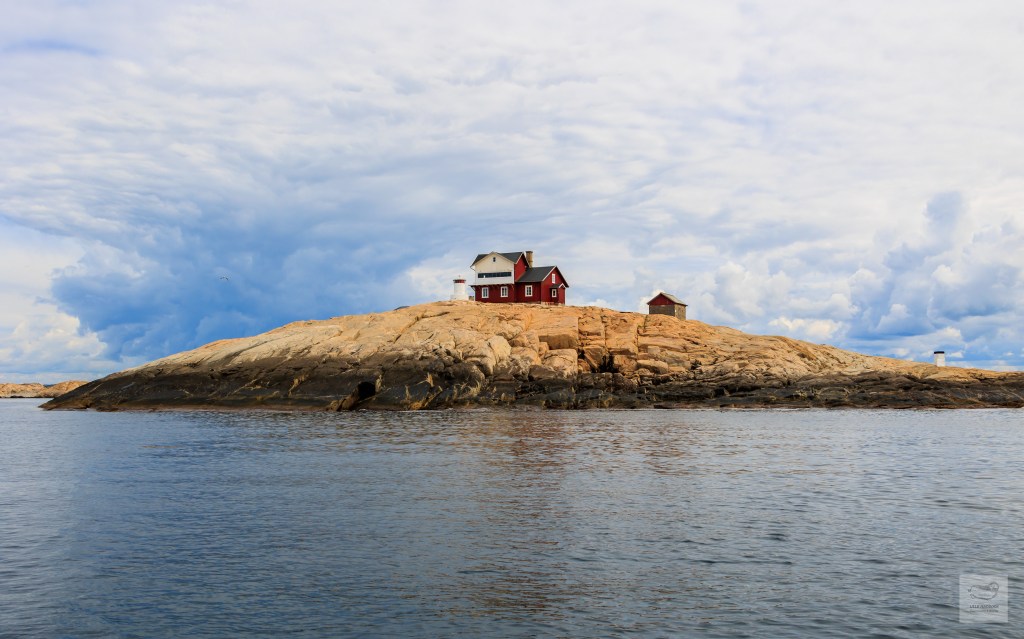
Since 1889 it has been guiding ships towards the Kosterfjord sea-lane and Resö. Originally the light came from the second floor windows but in 1917 it was replaced with gas driven AGA lighthouse in front of the building. The first floor was the living quarters for the lighthouse keeper with family. Since the the new AGA lighthouse was automatic there was no personnel after 1917. The house was sold to a private owner in 1950. Easy to manage garden, I guess, but probably needs to be painted regularly due to the harsh and salty west winds.

The fully automatic AGA lighthouse was invented by the Swedish inventor Gustaf Dahlén. He was awarded Nobel prize in physics for his work with lighthouse technology. The light was kept burning with the help of carbine gas. To save gas it was started and stopped with the help of a sun-valve also invented by Gustaf Dahlén.

Always steer towards the light, ha de Gött!

Advertisements
Shipyard

Shipyard

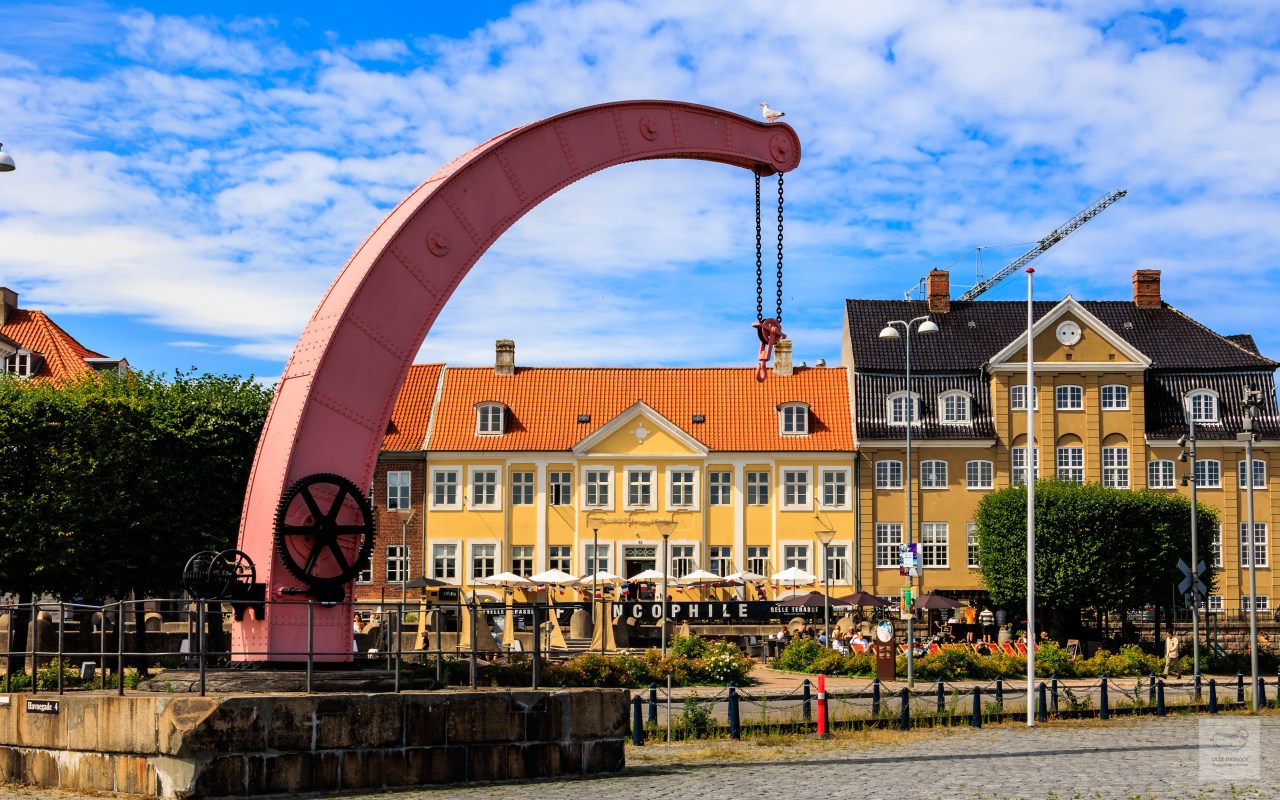
Like many cities in Northern Europe the Danish city Helsingør has a history of ship building. These large shipyard areas are now under development for tourism and new businesses, very different from the noisy shipbuilding industry. I do think Helsingør does a good job developing and at the same time honour the hard working people in the shipyards. Makes me feel good as my own father was a welder at a shipyard in Göteborg, Sweden.

History is the mirror to the future, ha de Gött!

Advertisements
Moored

Moored

The ship Lyngholmen, moored at Helsingør guest harbour. Doesn’t carry a nation flag but a ship looking the same and with the same name is registered in Norway. It was built in 1955 and named Hankø and the name was changed in 1993 to Lyngholmen. Home port close to my home, just across the border in Fredrikstad.

Ship ohoj, ha de Gött!

Advertisements
Halmstad Castle

Halmstad Castle

By chance we were able to attend a viewing of the secret garden of Halmstad castle. The castle is still in use as a government building, residence of the Landshövding (governor) of Halland. Apart from the amazing 200 year old blood maple, the garden was not what I’ve expected.

The castle was built by the Danish between 1600 and 1615 as a residence for the governor. The city of Halmstad was at the time part of the Danish kingdom. The castle, the city Halmstad and the administrative area Halland became Swedish in 1645.

In the garden it is possible to see remainders of the 8 meter high wall surrounding the city. Outside the wall there was a moat. During the years the castle has undergone many changes and colours. Believe it or not but it was actually pink before repainted to red in 1998, as is believed to be the original colour.

Be curious and learn more, ha de Gött!

Advertisements