Tag Archive for ‘History’

Writing inspired by history.

Published

Published

Yes, it’s true I’ve got an article published in a local newspaper called Veckovis. It’s very local so I share it here with you. Written in Swedish originally so I hope not too much is lost in translation.

The Turquoise Bridge
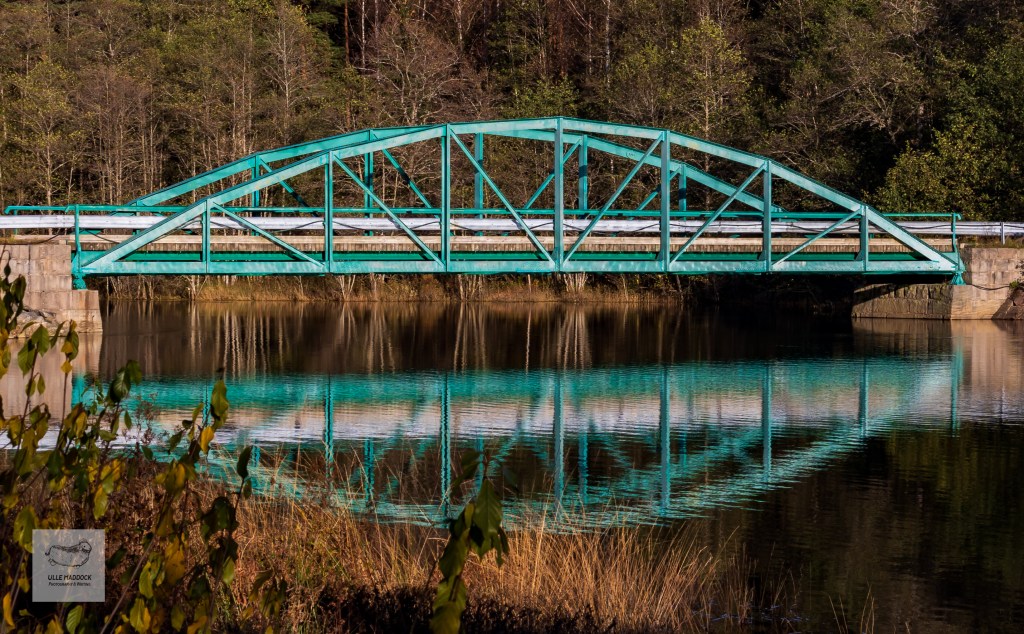
At the top of Norra Bullaren where the lake turns into Enningdalsälven we find this beautiful turquoise pearl. This beautiful bridge is probably missed by most people who pass by on the Blue-Green road towards the Norwegian border. Nowadays, both the store and the petrol station are closed on the Swedish side. But if you stopp from nostalgic reasons, like me, and look down to the lake, you see it. As an avid hobby photographer, you are drawn to such beauty as bees to nectar-filled flowers. 

The narrow cast iron bridge with wooden carriageway were built almost 100 years ago. The proud logo from Götaverken, Gothenburg, is embedded in the turquoise together with the year 1926. A work like this must have songs and poetry dedicated to it, I thought. Happily, I threw myself over a famous search engine on returning home. All searches on bridge Vassbotten came up quite empty. Searches on Enningdalsälven resulted in more hits on Älgafallet.

Even though Älgafallet is mighty and makes the photographer’s motive sensors go off at full speed, it was a bridge I wanted to know more about. Here it was important to make a “Message Board” with the thoughts and try something new. Götaverken. For me, who was born in Gothenburg, it is above all a shipyard. My father, who by the way was from Holkekärr in Bullaren, worked there when I was a child. Yes that is correct. I’m half-bulling in the embezzlement, hence the nostalgic stop at the store. The bridge, Bullaren, Götaverken and Gothenburg felt a bit like closing a circle. 

Götaverken ceased all operations in 2015, but all documentation has been saved at the National Archives in Gothenburg. Using the well-known search engine, I came to the conclusion that there was an archive of bridges and viaducts. It was in cover number nine for the years 1905 – 1937. Tab 33 Wassbotten, highway bridge Bullarens Härad 1926. A small notice “reading room” meant that it was as far as I could get in the digital world.  

Like the Phantom, would I have to leave the deep forests and wide expanses to walk the streets of the city like an ordinary man? With a son studying to be a history teacher at the University of Gothenburg, I did not have to go into the big city. This did not go down well with the wife who missed out on a shopping trip, but it is important to prioritize. After brushing off the archive dust, the good son was able to share lots of information with me.

The contract, with order number 5836, states that the bridge must have a parallel span with a length of 30 meters and a free bridge width of 4 meters. “Materials holding the requirements for cast iron class B shall be used for the iron superstructure except rivets and bolts”. “The bridge parts are to be coated twice with lead paint”. The work was to be completed on 1 October 1926 and anchorages were to be prepared by the client no later than 15 August. The contract was signed 31 March 1926. According to the contract, the price was SEK 14,500 (€1450). According to Statistics Sweden’s Price Converter, this would correspond to SEK 430,000 today (€43,000)

Test loading of the bridge took place on 6 and 7 December 1926, by loading the bridge with a 35 cm thick layer of gravel. According to the calculations in the protocol, the load was then about 600 kg / m2. The bridge arched 17 mm on the southern beam and 21 mm on the northern beam. After the load was removed, the bridge returned to its original position. In the test print protocol, I discovered that the modern spelling of Vassbotten was used with a simple V and not W as in the contract. 
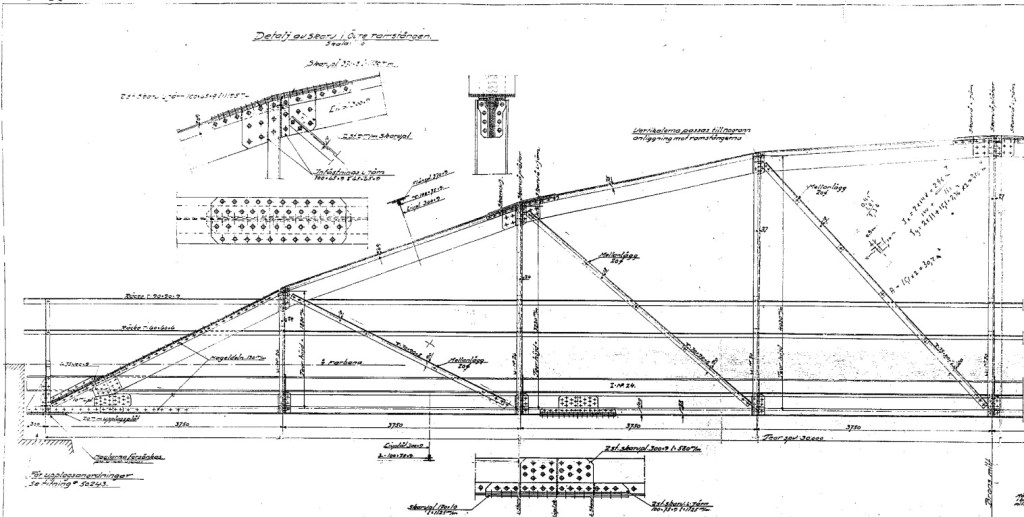
The search for more information continued through contact with the Swedish Transport Administration. A very helpful archivist produced the drawing. The drawing which was completed a week later on April 6, 1926. Drawing and subtitling are done by hand. The engineer has based his construction on the Royal Swedish Road and Water Agency’s standard drawings for road and railway bridges A17 and A20. I do not dare to interpret the engineer’s signature so his name will remain unknown. I wonder if he understood that the bridge would still be in use after almost 100 years. Here you can also read that the carriageway is made of wood. Load-bearing plank 4×4 inches and wear surface plank in the dimension 2×5 inches. 

I also received information from the Swedish Transport Administration that a renovation and reinforcement had been done in 1956. Wooden planks and steel parts were replaced. The drawing shows that “all wood except the wear plank is impregnated with arsenic and creosote preparations”. “New steel parts are coated with lead paint and coated twice with anti-corrosion paint”. Here too, we can see changes through the history of the bridge. The dimensions of the wooden plank are here stated in millimeters, 50×125.  

Lots of technology here so we return to the bridge’s beautiful appearance. Such engineering needs attention and I hope I got someone to look a little extra next time they pass. Maybe someone has been inspired to write a song about it.

Be a bridge over someones troubled waters, ha de Gött!

Advertisements

Candelabrum

Candelabrum

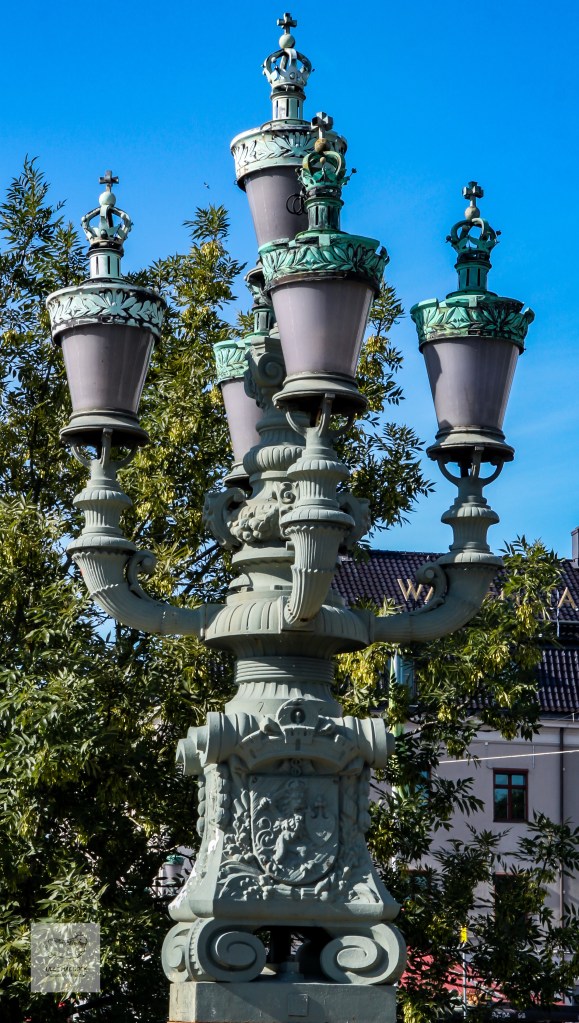
This huge candelabrum is one of several on the Kings Gate Bridge or ‘Kungsportsbron’ in Göteborg. It’s a bridge over the moat surrounding the old town. On this place in the fortified city was the Kings Gate before the walls was dismantled in the beginning of 1800. The candelabrum was iron cast for the current bridge in 1901 by Göteborgs Mekaniska Verkstad that later became Götaverken. The same company I accidentally accused for criminal activities in a previous blog (find it here). Originally lit by gas, but probably not from royal flatulence.

Let the light shine on you, ha de Gött!

Advertisements

Tractor

Tractor

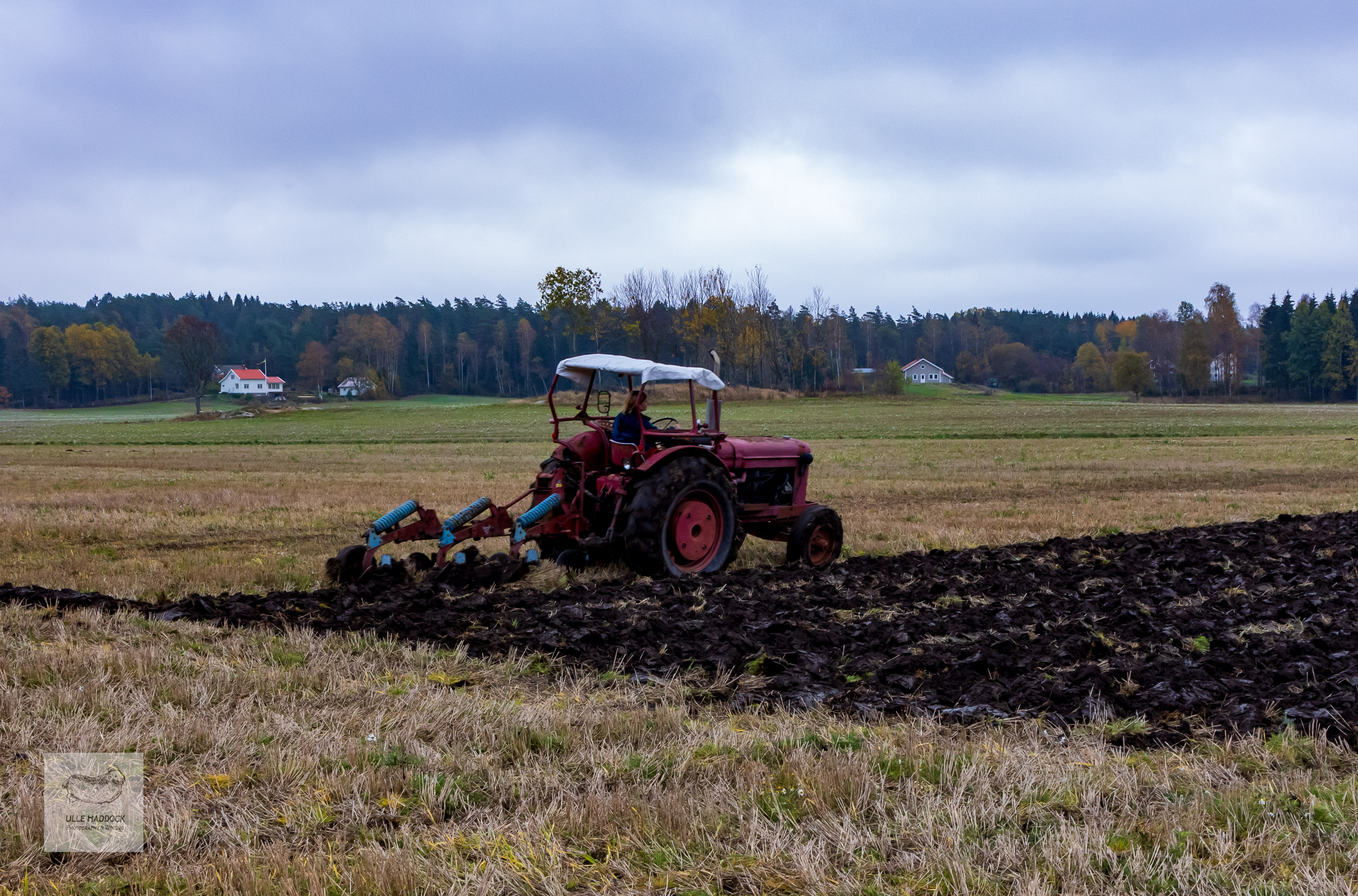
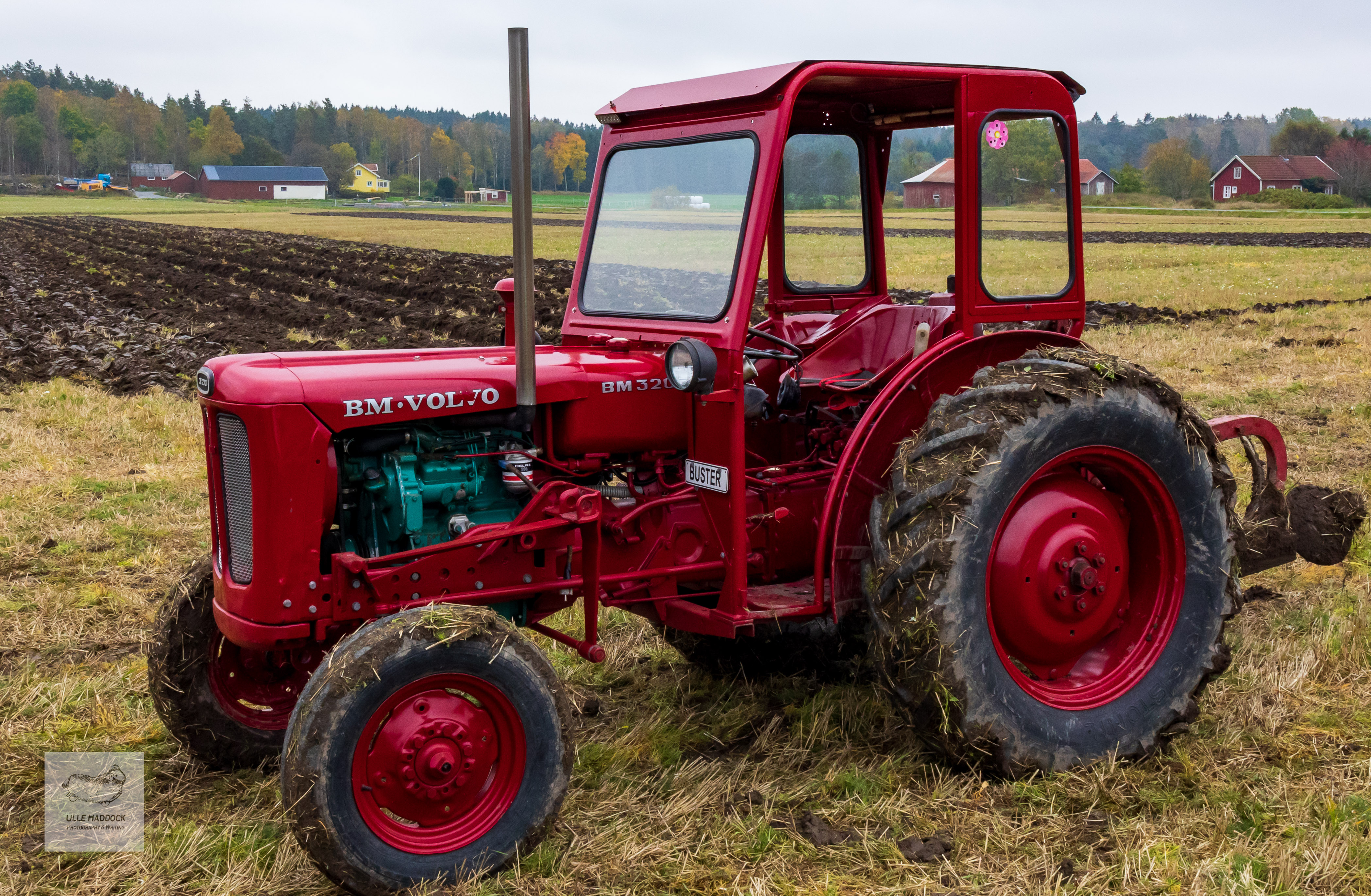
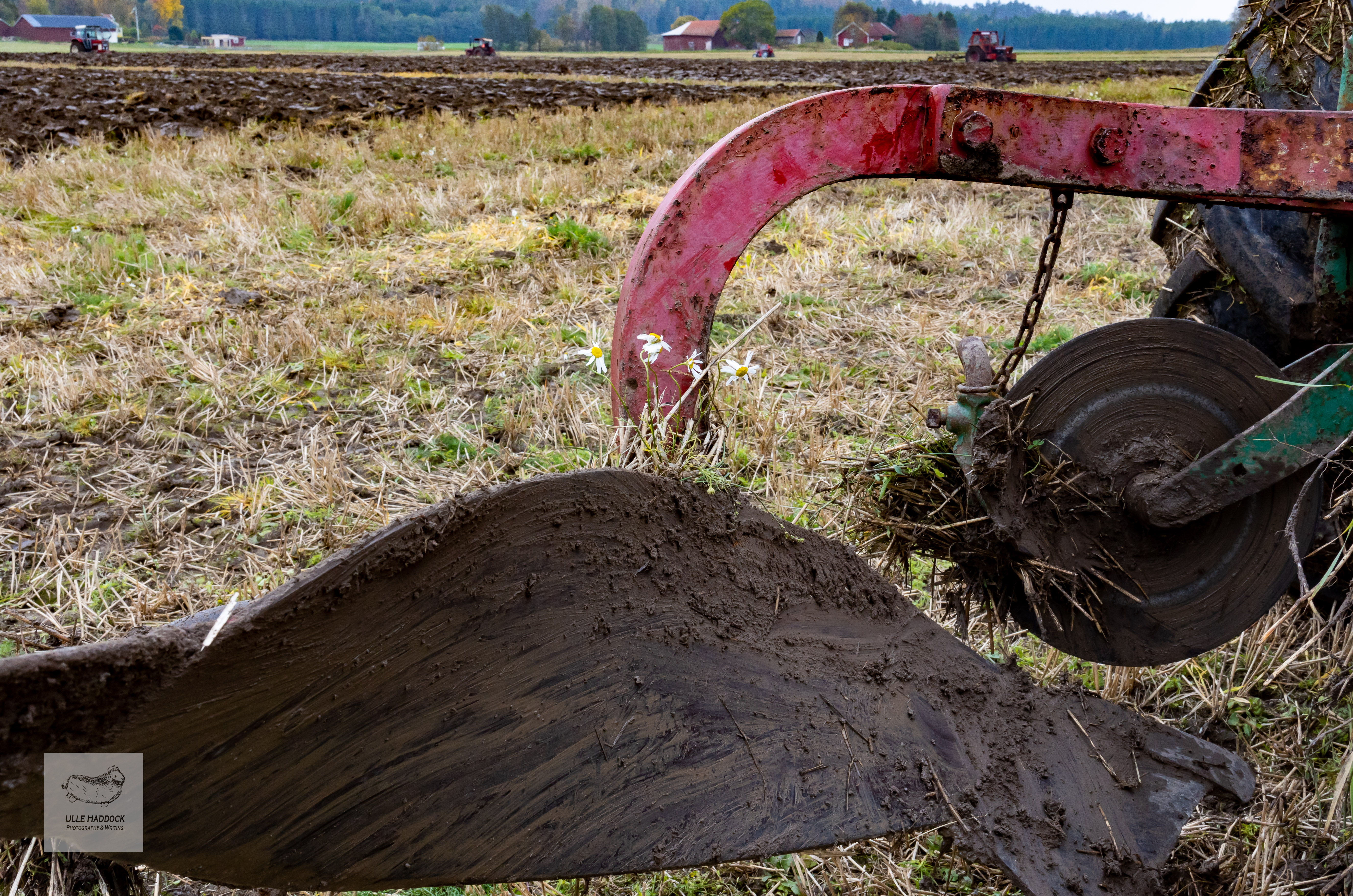
This weekend was the start of the moose hunting season. Better stay out of the forest for a while. My father-in-law told me there was a veterans tractor day not far from home. I grabbed the camera and joined him.

It was a pleasant surprise to see all the tractor models from my childhood. Some in mint condition and some very much in daily use. There was the Volvo BM 230 with its characteristic sound from its two cylinder diesel engine, “ti-to, ti-to. Hence it got the nickname “Tisdag-Torsdag”, Tuesday-Thursday, but it doesn’t make any sense in English, sorry.

There was also Volvo BM 430 and Volvo BM 350. The 350 was also called Boxer from its three cylinder boxer diesel engine. I remember the acrobatic struggle to get in and out of the Boxer. The smell of wet soil and diesel filled the air in the mild autumn weather as the sound of strong diesels rang in my ears.

Grounded in dirt, ha de Gött!
Advertisements

Copper Mare

Copper Mare

Another King of Sweden, Karl IX. He was king from 1604 to 1611. The statue has been there since 1904. The humor in Göteborg quickly name it “Kopparmärra”, the copper mare but the horse is in fact a stallion. The statue weighs 6 700 kilos and is 88% copper and 12% tin. Moving in to the picture with speed is one of the characteristic trams. Stay tuned for more of this city landmark.

Quit horsing around, ha de Gött!
Advertisements

Storage Building

Storage Building

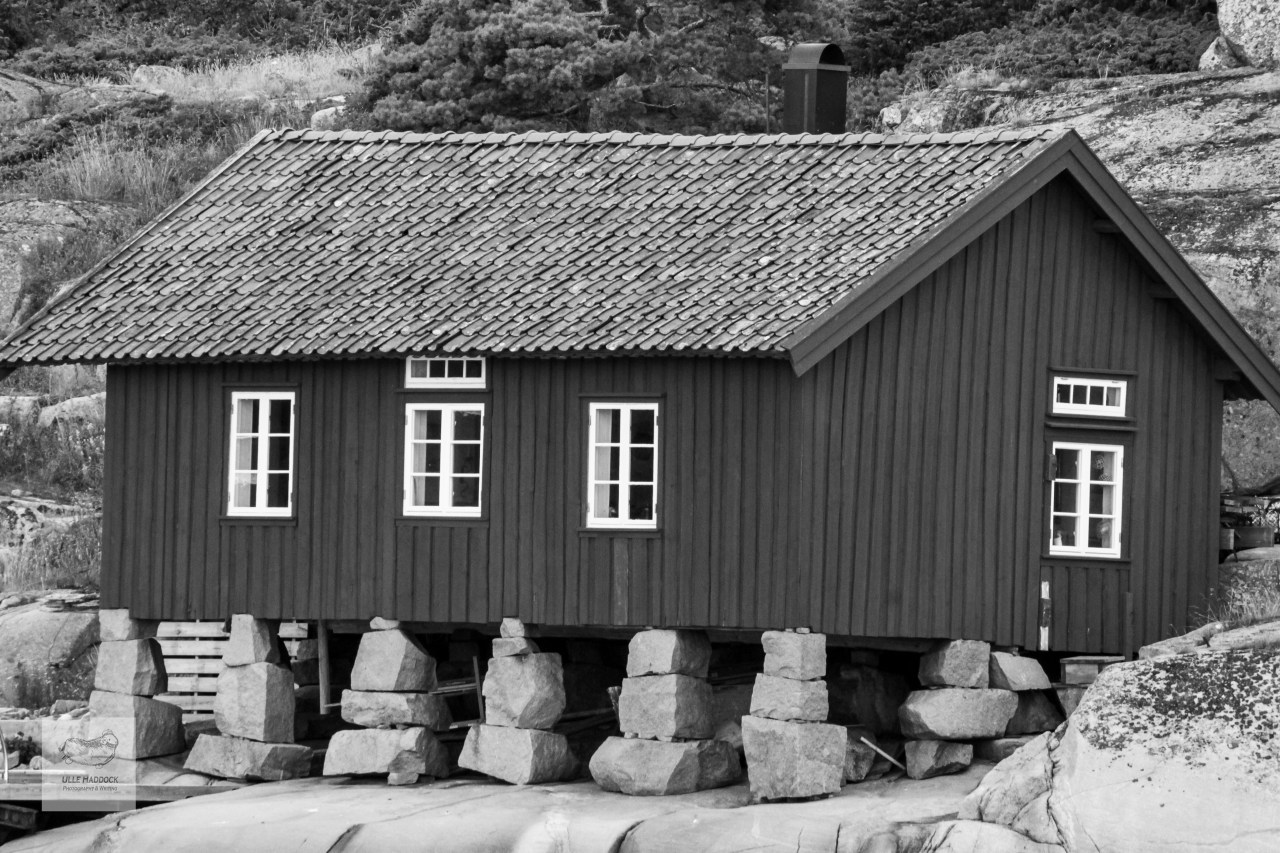
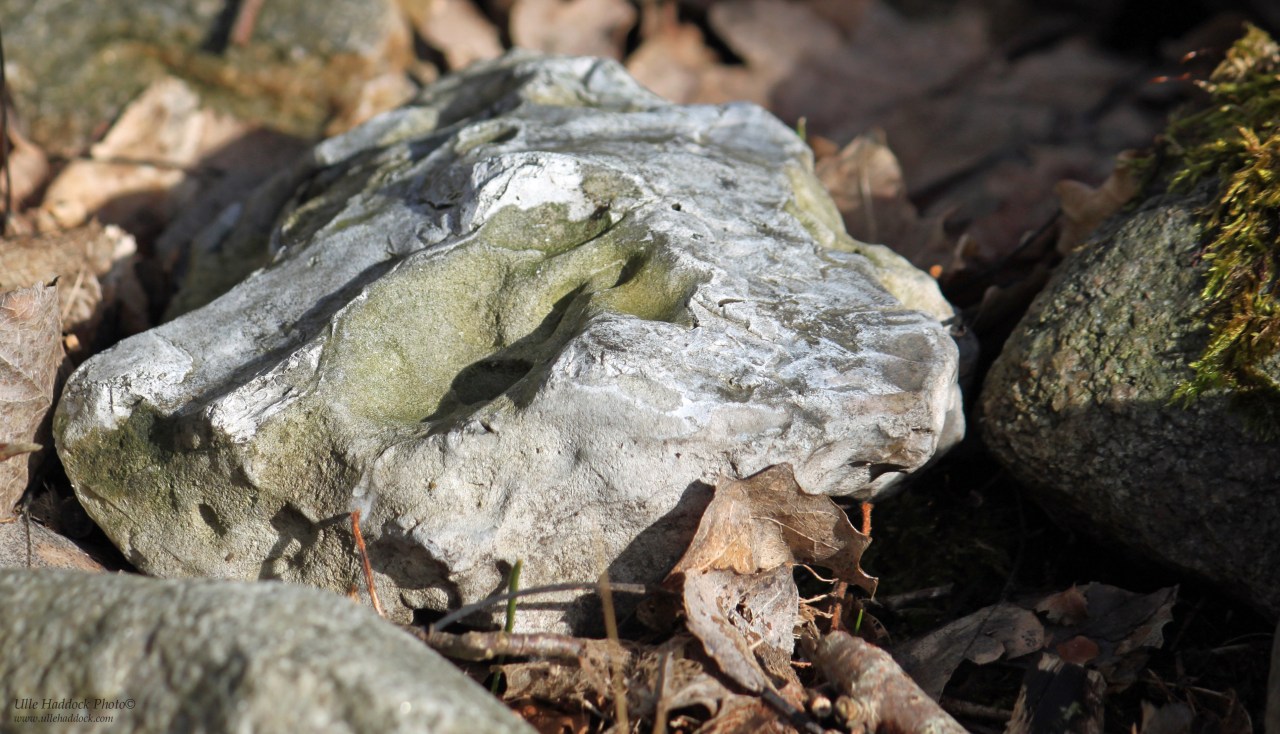
An old storage building by the waterfront at Kalvö. The technique for the foundation stones are not uncommon in this area. Scrap stone that didn’t split the way they should found use in the houses built. You got to be impressed by the craftsmanship to make it work. This is built directly on the flat rock so one can clearly see the foundation stones.

Even the odd can fit in, ha de Gött!
Advertisements

A Good Friday Walk

A Good Friday Walk

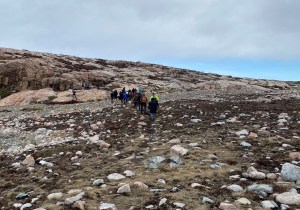
At the start it was an overcast day. I took the picture just as the bright spring sun started to shine through the clouds.

My parents-in-law has a long standing tradition of the Easter walk. Usually takes place on the Good Friday. Family and friends gather for a walk somewhere in the area to be guided by the older generation in the local history. There is no formal invitation or Facebook group. Where and when is just spread in the old fashioned way, by word of mouth. Some years 20 turn up and some years over 50.

It is a good way to socialize over generations. At the very least three generations are present but some years even five. Also the history of the area and the common people that lived here is preserved for future generations. This year we went to the natural preserve Tjurpannan, that I have blogged of before. The natural preserve was chosen this year to make sure social distance could be kept during the walk.

Advertisements

Contraband

Contraband

He shivered in the cold fog. He sat at the boat stem looking out for shallow water and rocks. More important, looking out for the police and the coast guard. His brother sat by the oars, gently lowering them in the water at each stroke. Making sure there was no sound made. They could hear the dogs barking at the Norwegian side as the customs officers patrolled the shores. Nothing was heard from the Swedish side but they knew that the police were at the lookout for them.

The cold mist was their friend, he thought. They stayed in the middle of the fjord trying to stay out of reach. The yawl was loaded up to the rail with home-burned liquor. It was to be delivered to Norway where those distilled drinks were banned since a few years. He knocked gently on the wooden rail and his brother turned around. He pointed to the shore at the faint blinking light. It was the signal. With a few oar strokes his brother steered the boat in that direction.

They could hear the thumping of a steam boat approaching fast. Now his brother picked up the speed significantly. No need to be quiet anymore. Soon they could see the strong searchlights over the water. His heart was beating hard but he stayed focused on his task. With a low voice he directed his brother to the light. At each stroke the oars where now splashing in the water. They manged to steer the boat under a large alder with branches out over the water just as the searchlight blinded his eyes.

The Scandinavian countries are part of the “liquor belt” and in the beginning of 1900’s the alcohol abuse was a major problem. In Norway liquor was forbidden between 1917 to 1926. In Sweden only a limited amount was allowed per month. This was regulated with a small book where all purchases was logged, Motbok, from 1917 all the way to 1955.

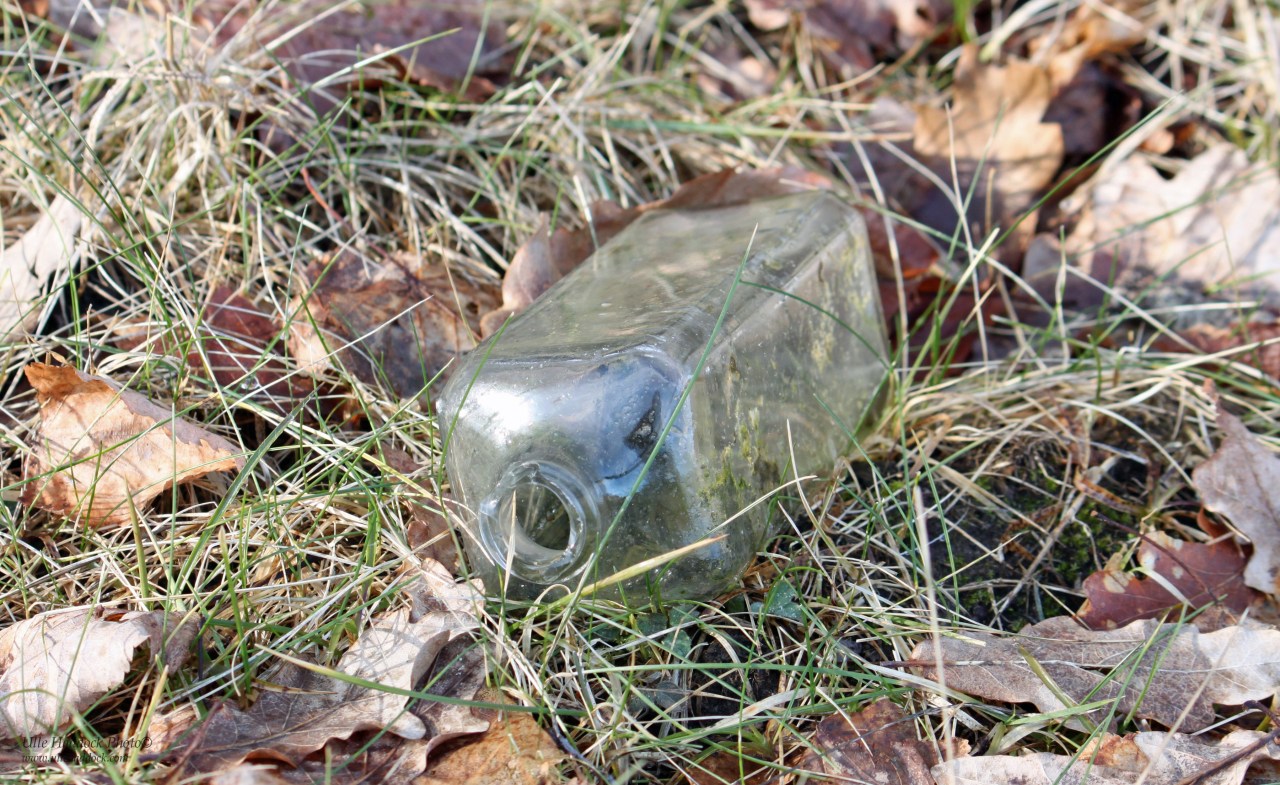
Maybe this was the place, I found yesterday, used by the moonshiners? Don’t forget to like, subscribe and please let me know with a comment if you like me to continue the story. Ha de Gött!

Advertisements

The Windmill

The Windmill

The wind started to pick up. He looked at the clouds. The sun was breaking through as the clouds sailed past in the sky. Yes, this was going to be a busy day. As he walked up the hill he could see them coming. The carriages with grain filled jute sacks. Some had horses but mostly oxen. Even some carrying a sack on their back. As he approached the windmill there was already a line waiting.

He put in a big portion of snuff* under his lip making him showing his brown colored front teeth. He started to give orders to the farmers waiting in line to set the smock in place. On this windmill the entire top was turned to get the wings in the perfect position to catch the wind. Once in place he anchored it down and let the sail cloth out on the wings.

Now the wind picked up even more so he let the first farmer carry the sacks in to the mill. The mill had two parallel mill wheels so he could grind two types at the same time or just make it faster. After oiling all the shafts he released the breaks and the wings slowly started to turn. Today was good wind so they had to work hard to fill the grinders with grain and replace the filled sacks with ready made flour.

Advertisements

The windmill of Ulseröd is just a few kilometres from my home. It was built in 1900 and was in operation until 1939. During this period new technology made it possible for the farmers to do their own milling. This together with the urbanization made the windmills obsolete.

The windmill of Ulseröd was saved from decay by Tanum Local Folklore Society and Havstenssund Community Association. A major renovation took place in 2013 to 2016. Basically a bunch 70 and 80 year old men were climbing the the wings to replace the wood, windows and paint. Find out more here (in Swedish). In my opinion, heroes saving this piece of history for the future. Well done.

*I think I need to explain as I understand the word can mean something else in English also. I refer to the special Swedish use of fine grind and wet tobacco that some put under the lip. Like chewing tobacco but it just sits there.

Hope you like, subscribe and comment. Ha de Gött!
Advertisements