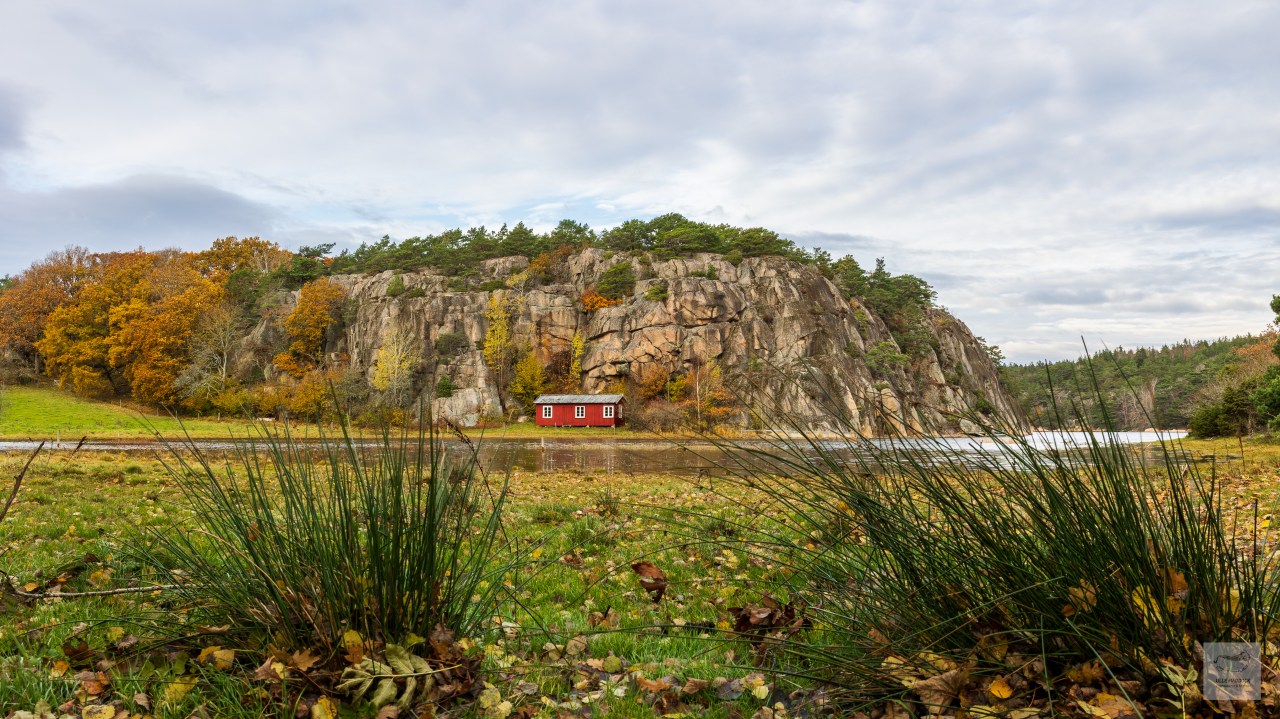
Autumn and its colours, ha de Gött!


Autumn and its colours, ha de Gött!
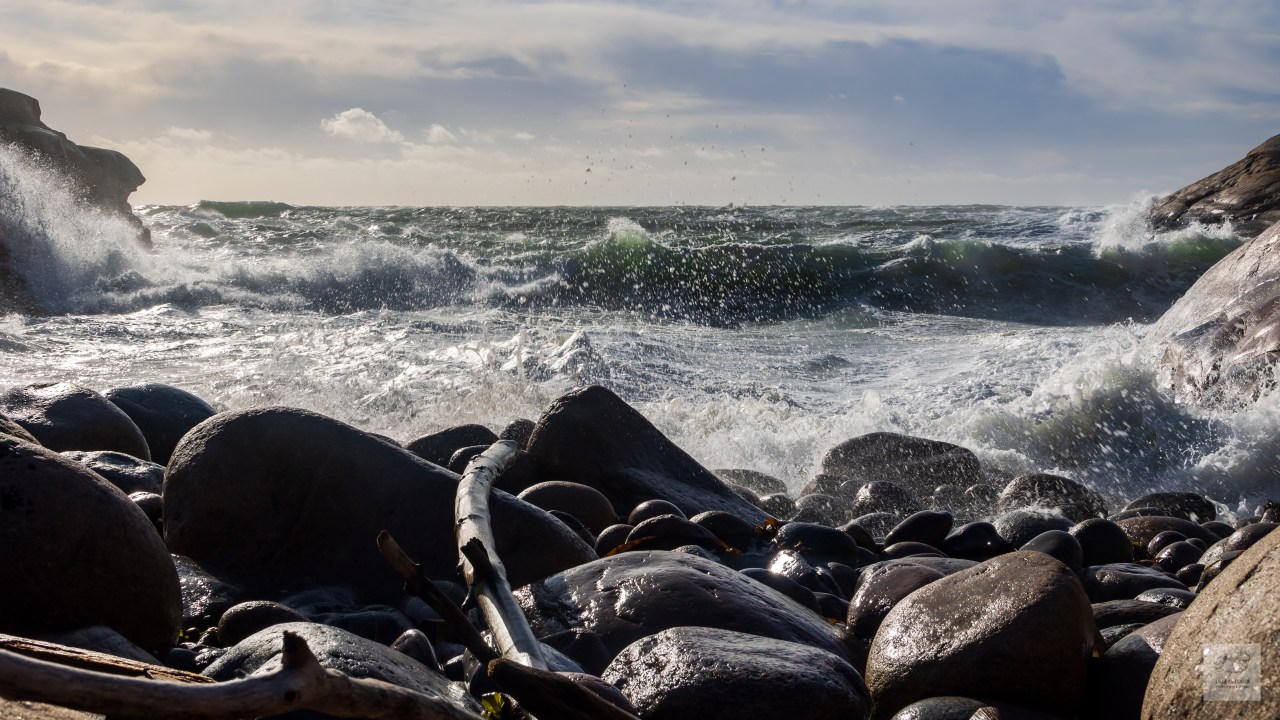

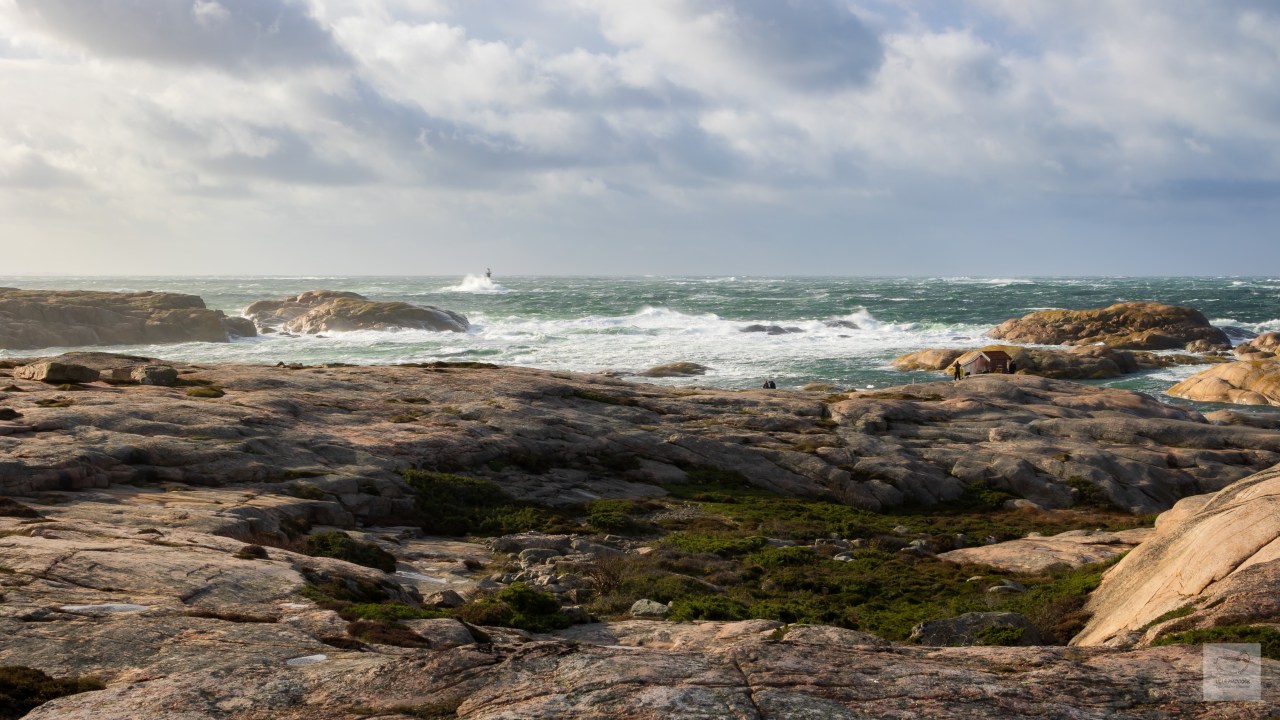
This Saturday was celebrated with a storm. No time for boating, much better for photo’ing. I got quite wet taking this picture. The things you do for your art.
Never under-estimate good clothes, ha de Gött!

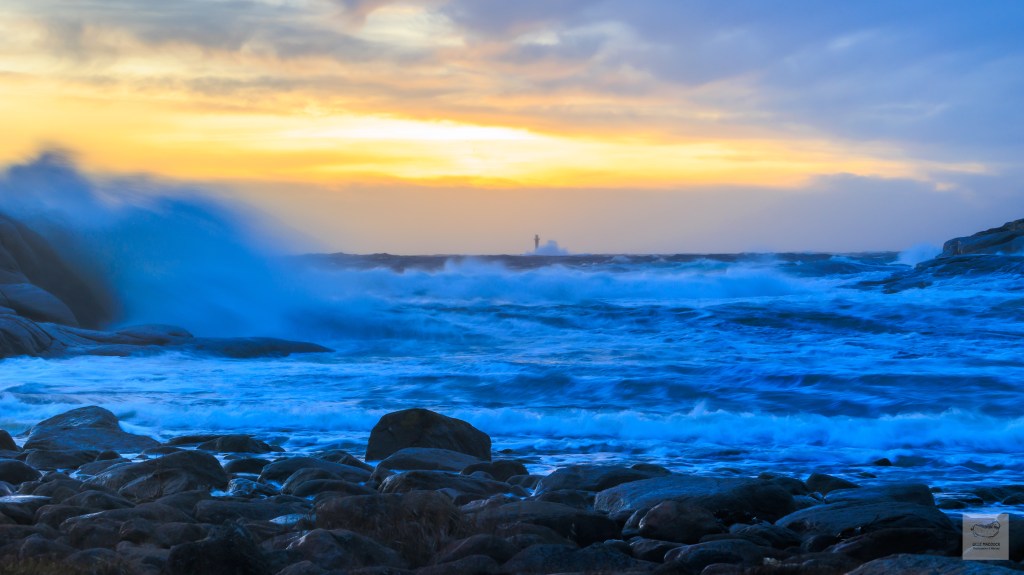
Ha de Gött!
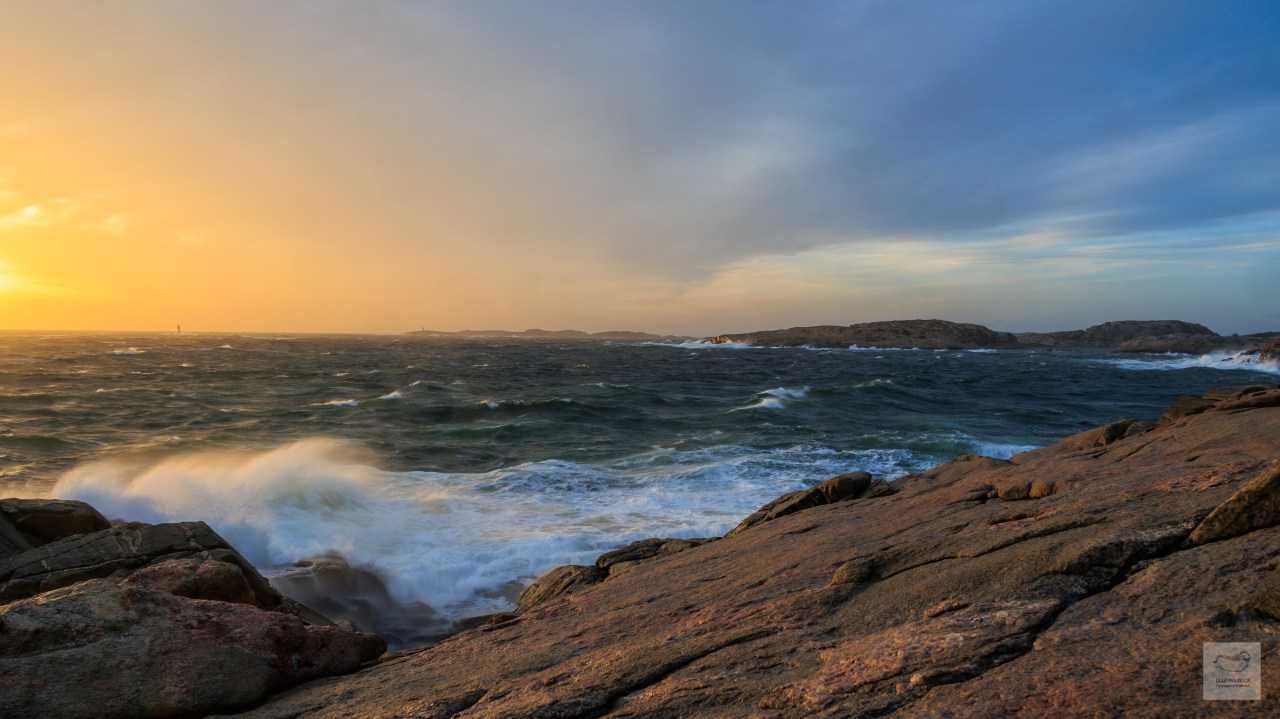
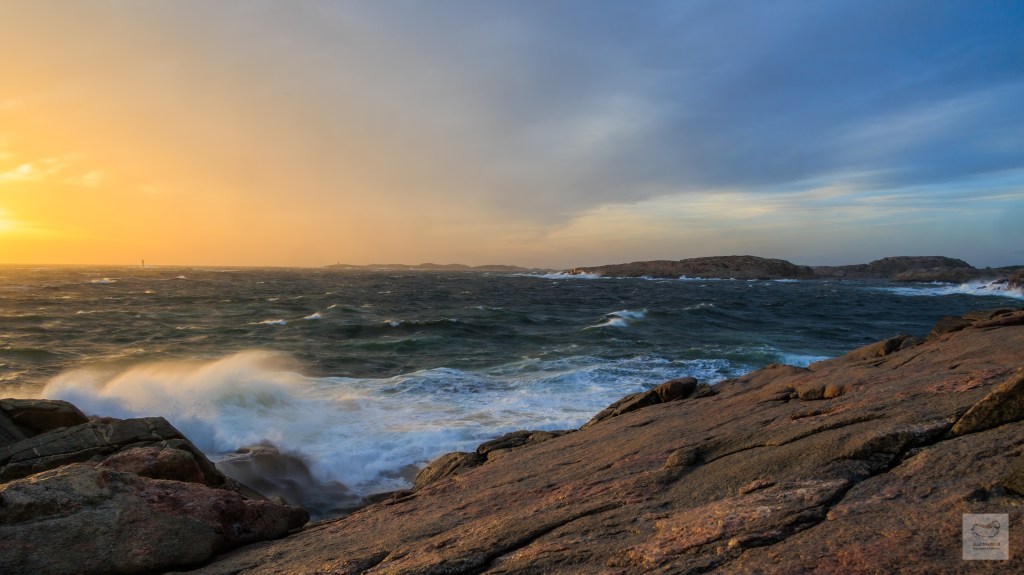
So the autumn storms start to come in with salty winds. Yesterday I used up all my cleaning cloths for the camera gear. It was worth it, I think.
Salt is the best spice, ha de Gött!


After rain they come crawling
up from the wet grass
crossing the roads and footpaths
where are they all going
is it an initiation rite
cross without getting crushed
see what’s on the other side
a sluggish paradise or
a sticky mess under a shoe
The killer slug (Arion vulgaris), yes that is it’s name! It’s also know as Spanish slug. It’s considered an invasive species and a great annoyance to all gardeners all over Europe. Why it’s called killer slug I don’t know but the best explanation I heard from a child. “They are called killer slugs because you kill them.”
Watch your step, ha de Gött!


A beautiful beach at Kalvö covered with the bright yellow sea poppy (Glaucium flavum). It can be found at the seashores in Europe and Asia. Not to be tasted as it is toxic.

Sometimes it’s good to be yellow, ha de Gött!


They say that cows are dumb
but they are not
probably smarter than you and me
live a life so carefree
social, together in a flock
roaming calmly in pastures green
while the farmer collect the winter hay
curious, just like the cat
that camera, can it be eaten
will you scratch behind my ears
Stay curious, you will learn something. Ha de Gött!


Ha de Gött!

I surprised a flock of Canada Goose (Branta canadensis) as I was approaching a smooth rock to sit down and have my Swedish Fika. They took off under a lot of noise, as they usually make, and flew out over the ocean. One of the largest birds in Sweden. Originally native to North America but introduced to Europe by king Jacob II of England in the 1600.
The Swedish Fika? Well, that’s another story, so make sure to stay tuned to this blog to find out more.
Ha de Gött!

I found this giant’s kettle at Lindö. It’s approximately one meter in diameter and I estimate it to be around one meter deep. In the folklore these holes was created, and was used for cooking by the giants that in the past roamed the world. Hence the name. The giants tossed large boulders at each other when fighting. You can find these laying randomly in nature. God was angry with them and turned them into stone. Yes, if you look close, you can see them in the hills.

There is of course a more scientific explanation, equally forceful. As the inland ice shelf melted away huge rivers with strong currents was formed. When a smaller rock was trapped and started to spin it grinded down into the solid rock. These stones can sometimes be found at the bottom with a perfectly smooth egg shaped surface.
Don’t throw stone in a glasshouse, ha de Gött!