
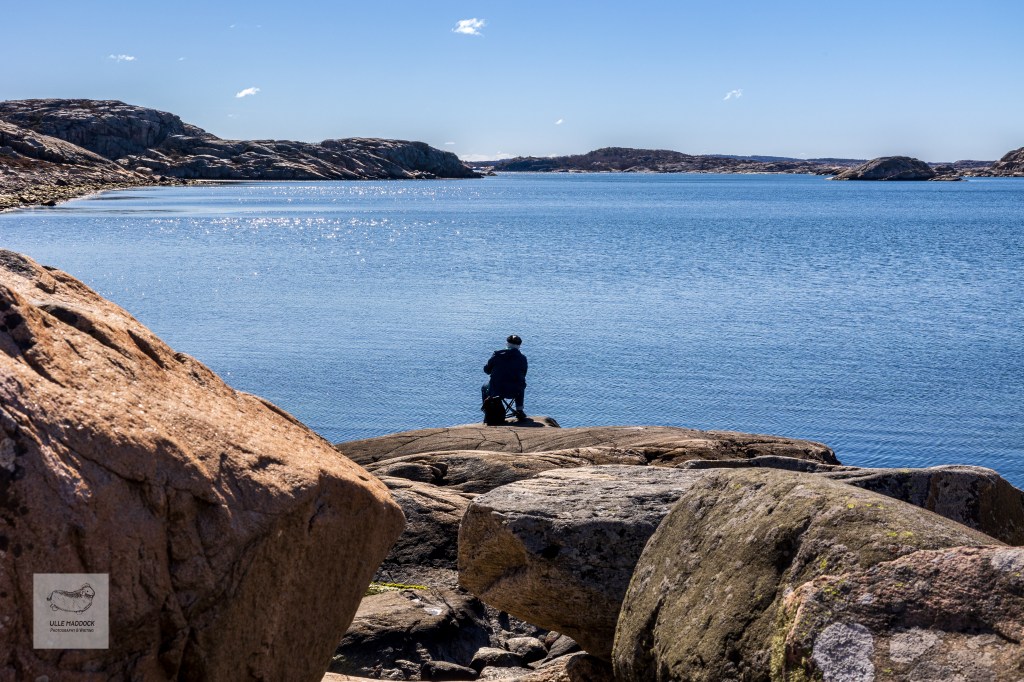
Alone time, just me time, hunter and collector
Back to, man against nature
Salmon trout lurking under the surface, spectator
Snitch the bait, see ya in the future
When alone is a choice it’s good, ha de Gött!
Advertisements
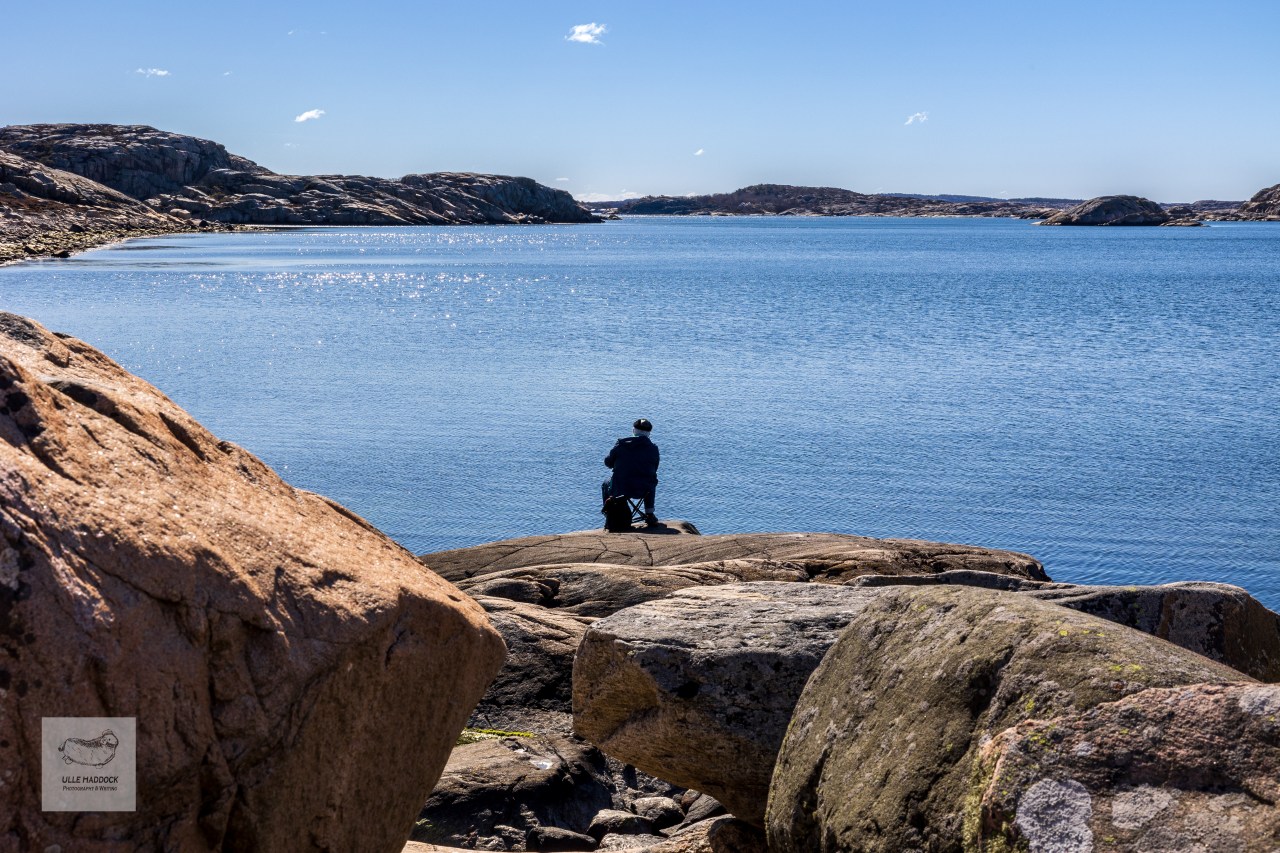
Alone time, just me time, hunter and collector
Back to, man against nature
Salmon trout lurking under the surface, spectator
Snitch the bait, see ya in the future
When alone is a choice it’s good, ha de Gött!
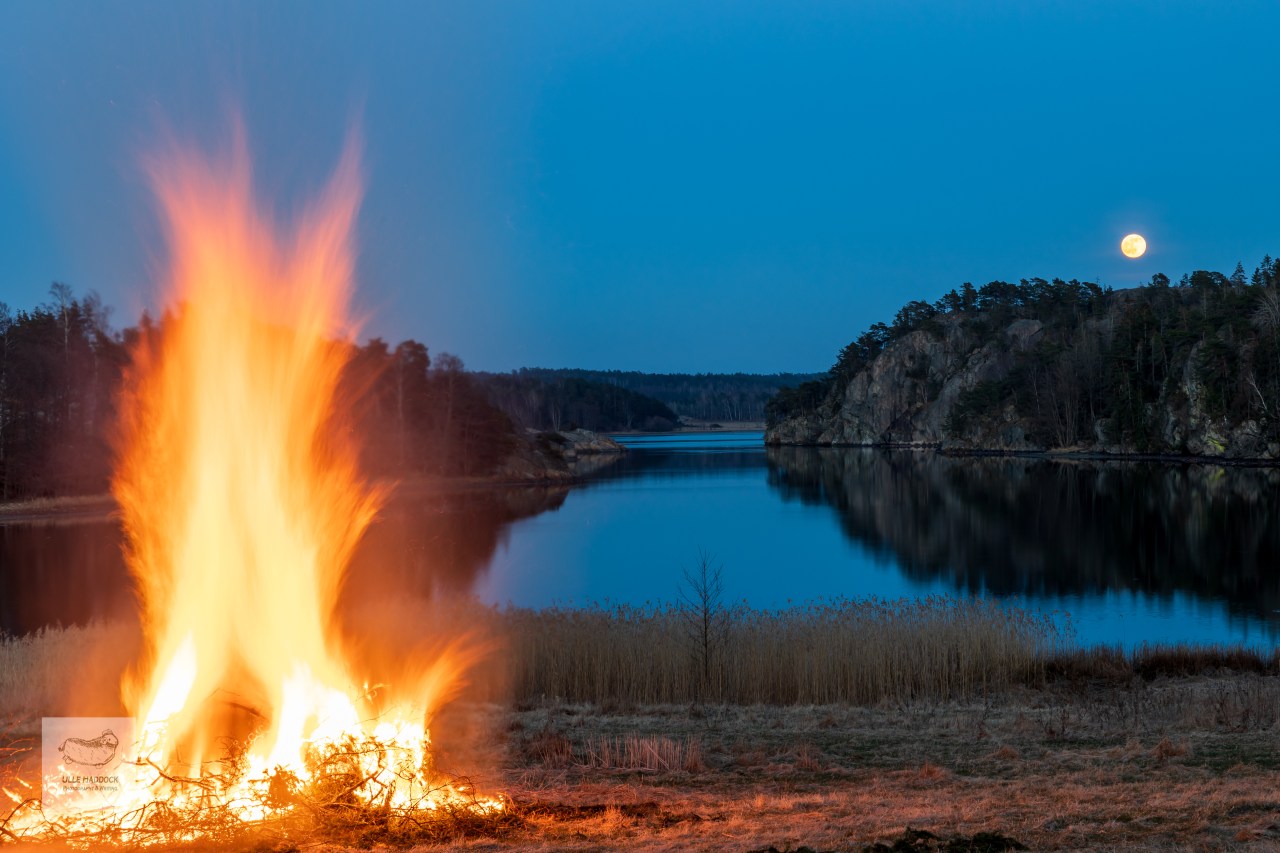

The ‘Påskbrasa’ Easter bonfire tradition stems back the mid 1700 when Dutch merchants in Göteborg brought this to the Swedish west coast. The fires was meant to scare of the witches returning from the island Blåkulla where they been indulging in orgies with the Devil. There is also a link to the burning of alleged witches that took place all over Europe during the 1600.
The Easter bonfire is a tradition in the northwestern part of Europe, Austria and Switzerland. Like many Christian church traditions this has it roots in the folklore. Fires were lit in the breaking point between winter and spring, to help spring to win over the cold and dark winter.
Keep the fire burning for all that is good, ha de Gött!


Reflecting tree
more than three
becomes a forest
a place for rest
Knock on wood, ha de Gött!

Shhh, ha de Gött!

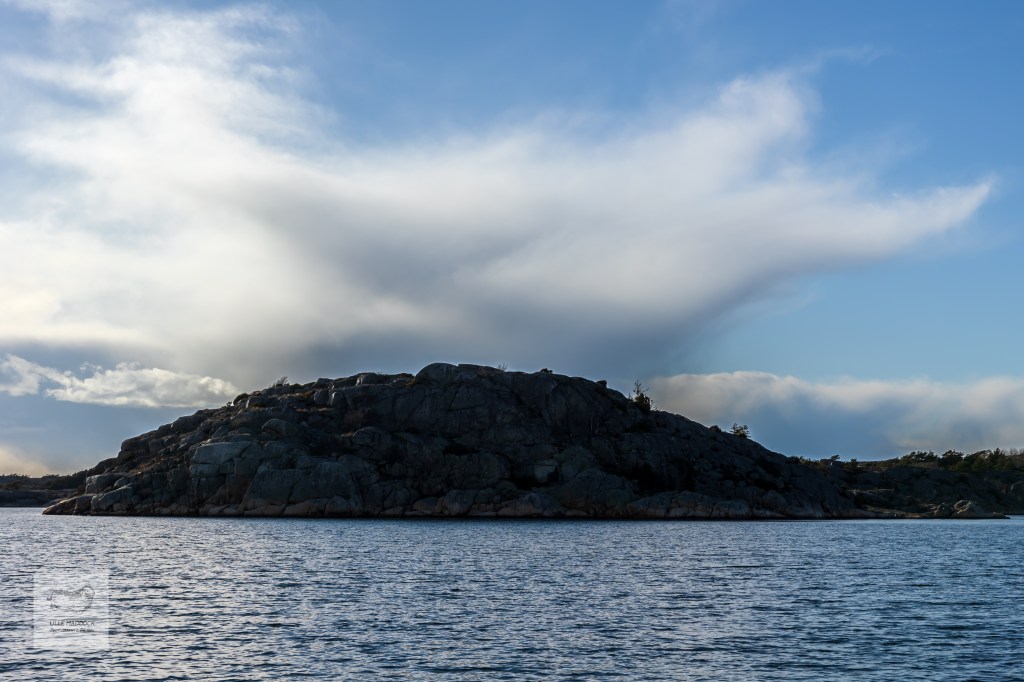
Premiere tour with my boat today when I saw this cloud. Rising behind the cliff like the bird Phoenix or rather in these days a peace dove. I hope it flies and poop all warlords in the face so they come to their senses.
Give peace a chance, ha de Gött!

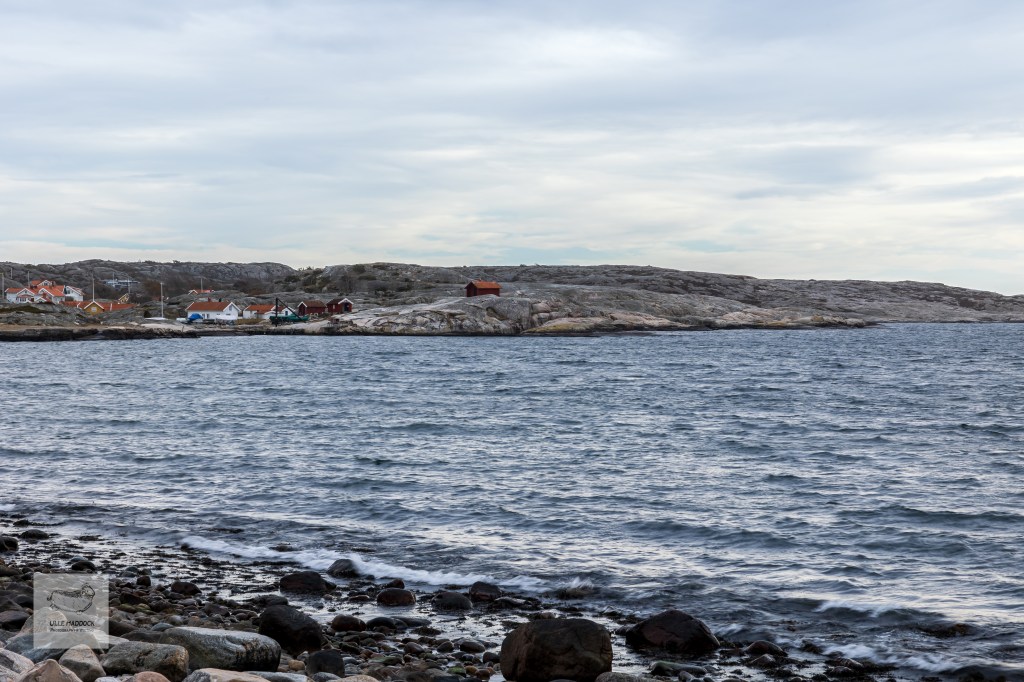
The small village Gullbringa, tucked in behind the rocks. In the past all houses was placed so that it was sheltered from the winds. Specially the north and the west winds. This made easier to keep the warmth in the houses. In the past all wood was used to cook fish-oil during the herring periods.
Herring usually lives far out in the oceans but in periods, between 10 to 20 years, the shoals move close to the coast. This made it possible to capture huge amounts of herring even with smaller boats. Result was a economic boost to the area. The challenge was the almost 100 years between when people needed to find other income sources.
Nothing lasts forever, ha de Gött!
So it finally got me. That little bugger, the Covid-19 virus. With three vaccine shots, I got mild symptoms, some fever, sore throat, headache and a running nose. They say we are 60% water and I think all of it has been poring out of my nose.
Better stay home and replenish all that water so no running around with the camera for me. So today a link to a slideshow with my attempts of landscape photography.
Stay safe, ha de Gött!
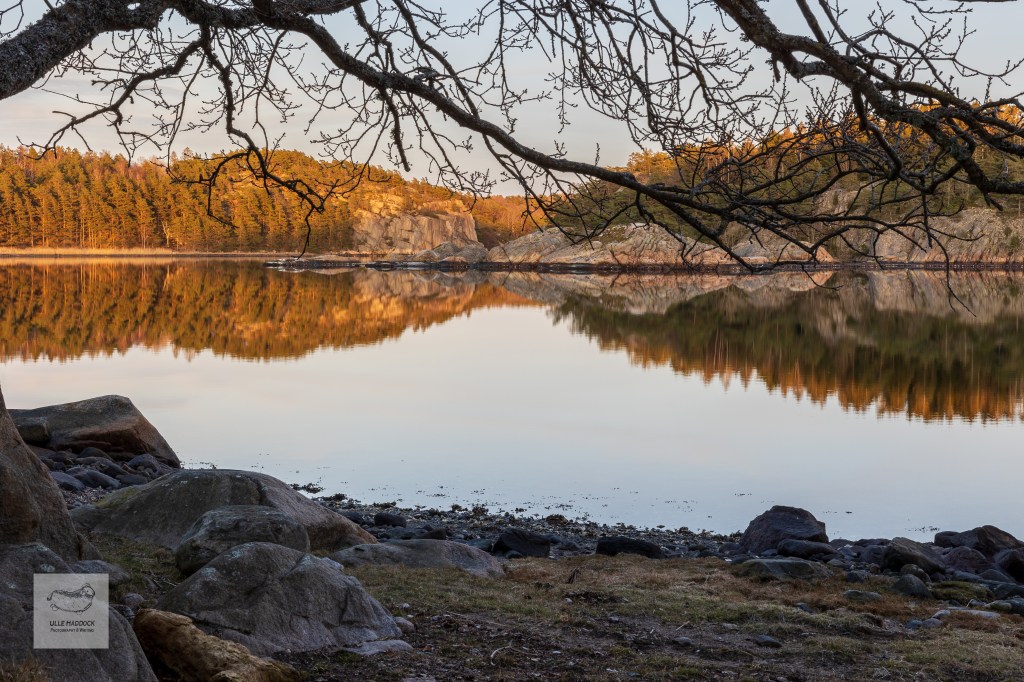
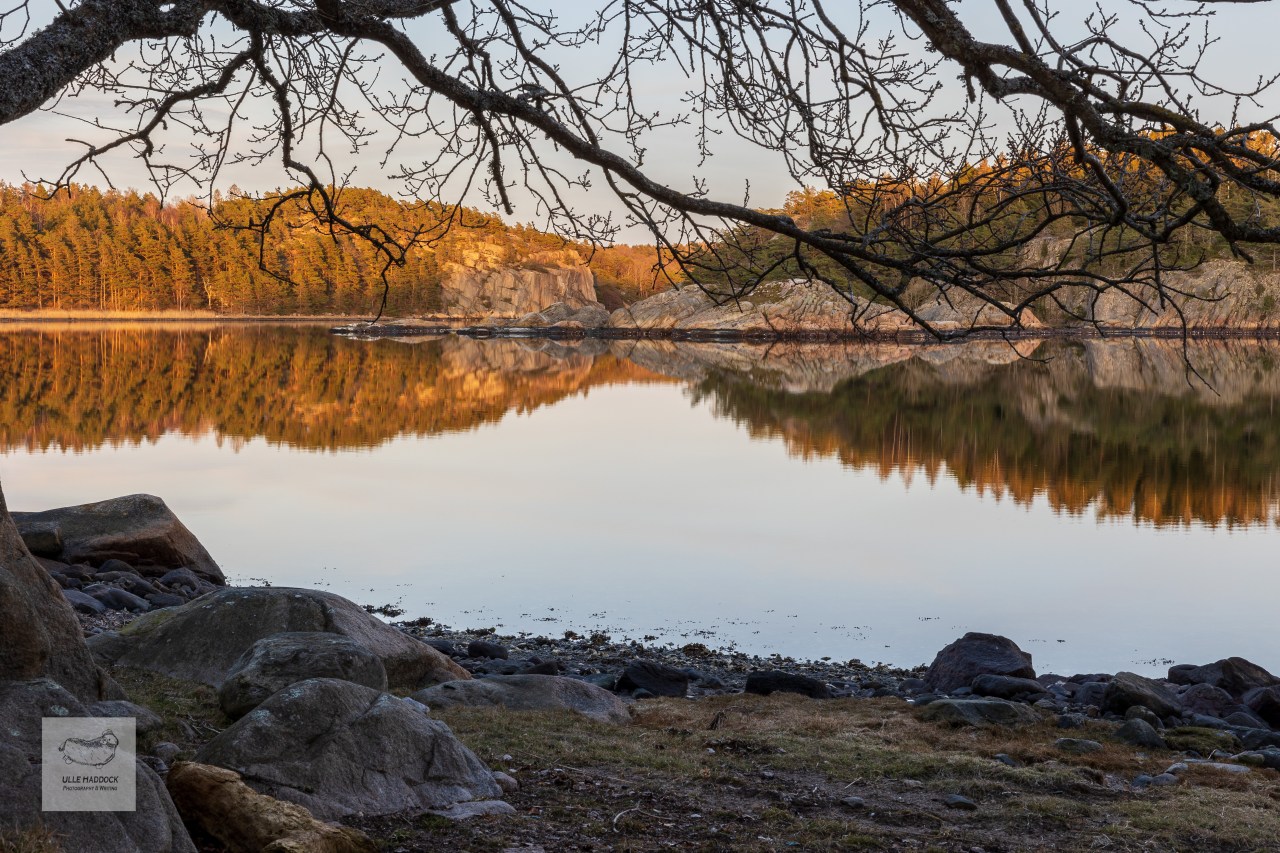
Framed by the alder branch you see the cliff ‘Riddarsprånget’. Translates to ‘knights leap’. According to the local folklore a knight was chased up on the cliff. Outnumbered and with chasers rapidly closing in on him, he spurred his horse over the cliff. Wether the knight and his horse survived the 30 meter fall remains untold. If the knight stripped off his steel Armour before, he might have swimmed ashore together with his faithful runner on this very beach.
Don’t let anything weigh you down, ha de Gött!
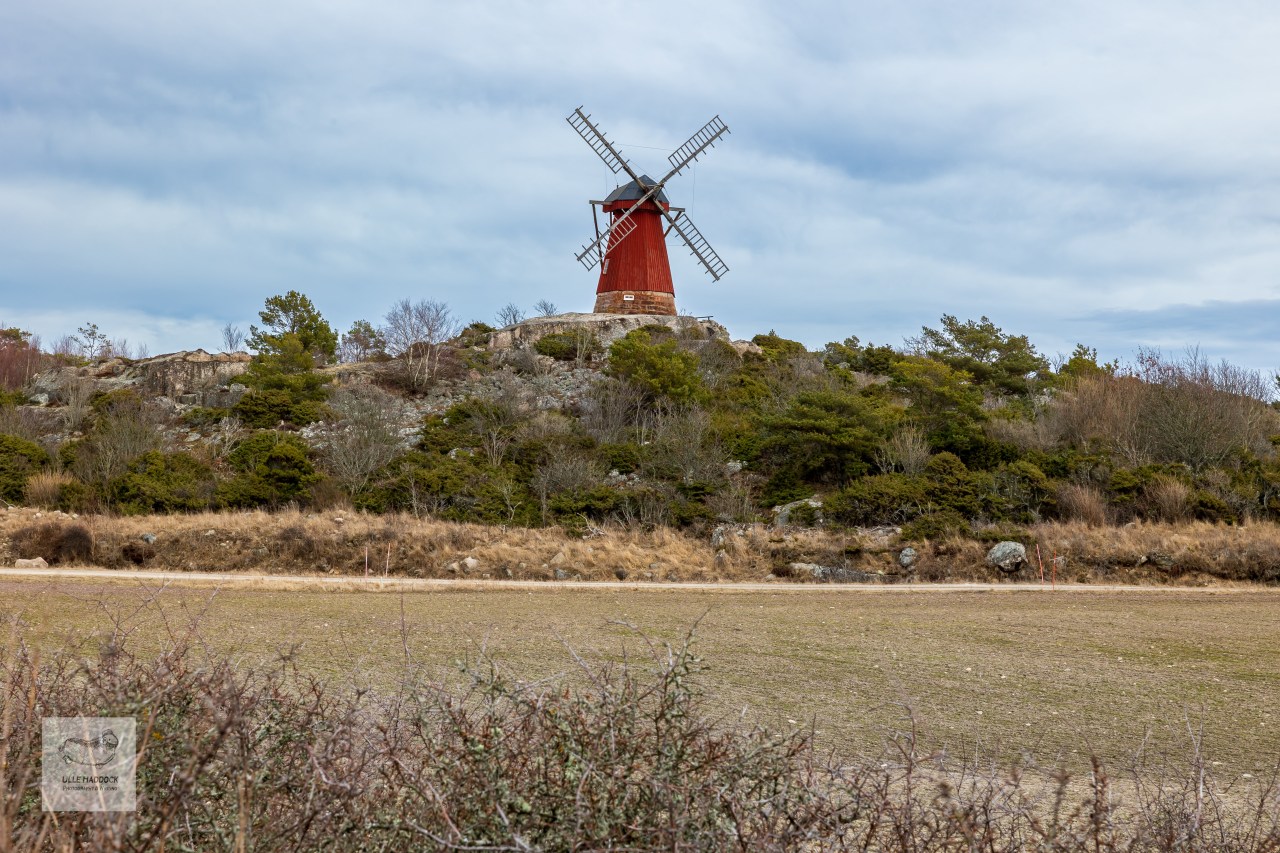
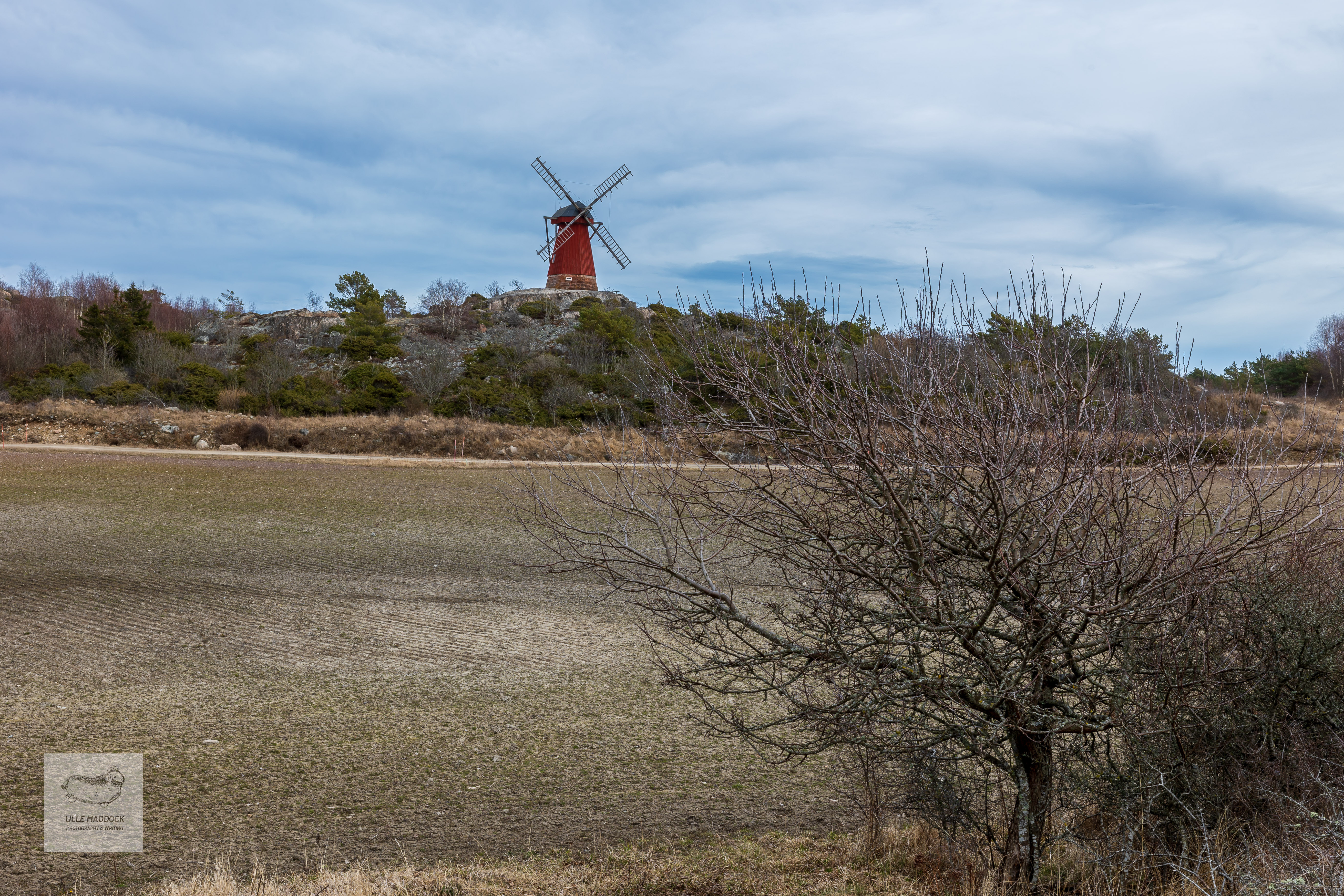


The windmill of Ulseröd, just outside Havstenssund, was built in 1900 and was in operation until 1939. During this period new technology made it possible for the farmers to mill their grain in small electrical mills. This together with the urbanization made the windmills obsolete.
The windmill of Ulseröd was saved from decay by Tanum Local Folklore Society and Havstenssund Community Association. A major renovation took place in 2013 to 2016. The windmill wings were rebuilt, the facade wood replaced and painted red, windows replaced. Find out more here (in Swedish). In my opinion, by volunteer heroes saving this piece of history for the future.
The windmill type is a smock mill, also called Dutch type. The top, or the smock cap, can be turned by the windmill operator to capture optimum wind. It’s an old well tested design that already Leonardo da Vinci made a sketch for. Special feature of Ulseröd windmill is the two parallel milling stations. Check out the fictional story I wrote a year ago about the windmill here. Stay tuned for interior pictures.
Against the wind is power, ha de Gött!

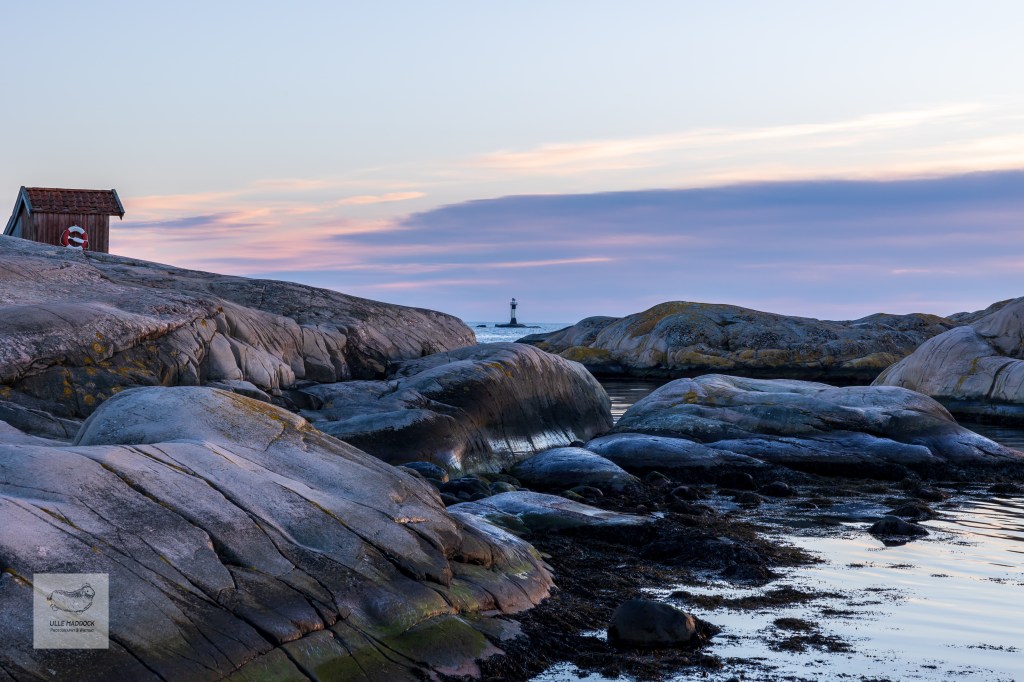
Väcker lighthouse and Enslingen in calm weather. You’ll have to agree that she makes a great focal point. The 14 meter tall, lady from 1939 is a beauty.
Steer to the light, ha de Gött!
 UlleHaddock