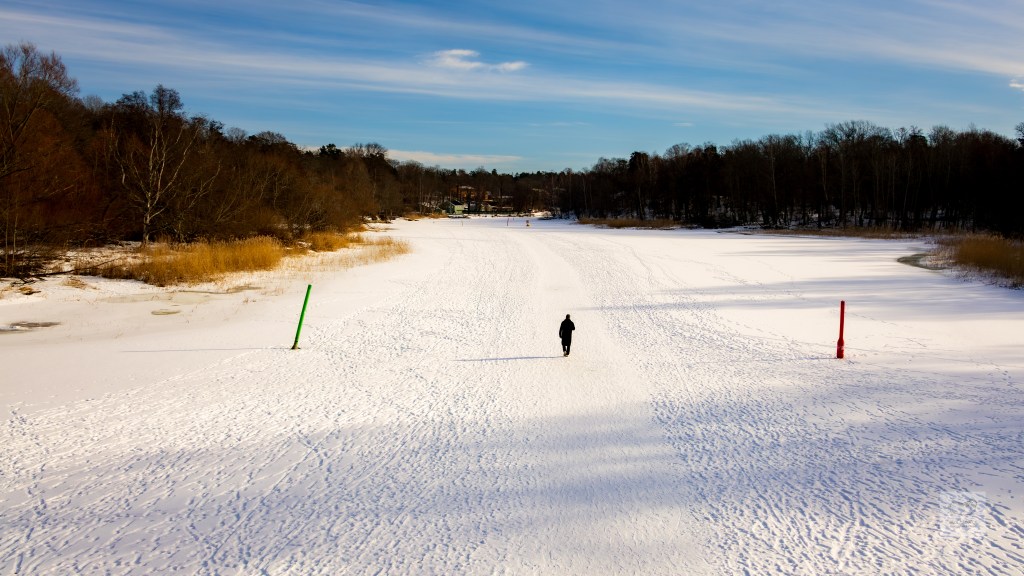
A man walk on the ice of Djurgårdsbrunnskanalen, Stockholm Sweden.
Beware of ice that cannot be trusted, ha de Gött!


A man walk on the ice of Djurgårdsbrunnskanalen, Stockholm Sweden.
Beware of ice that cannot be trusted, ha de Gött!


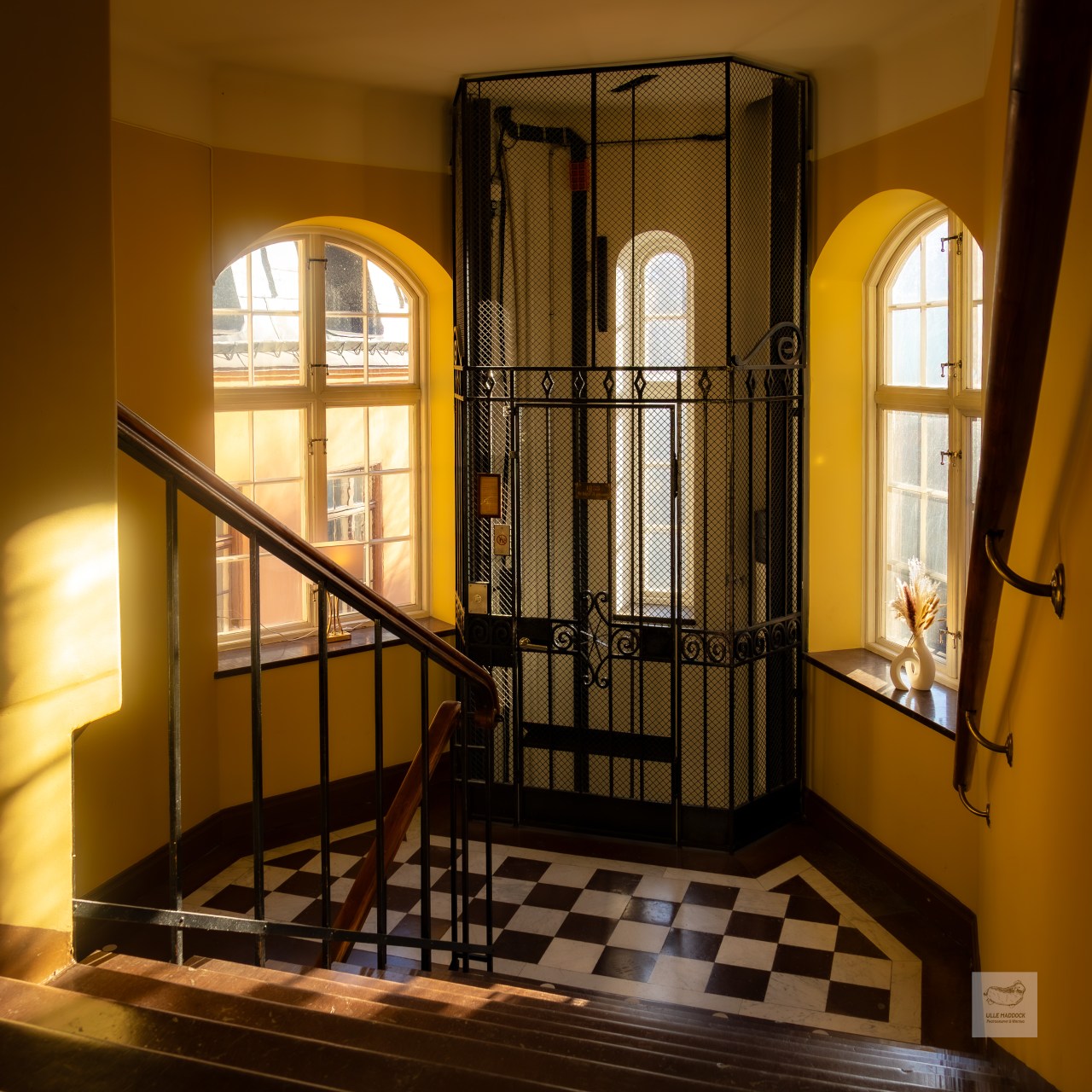
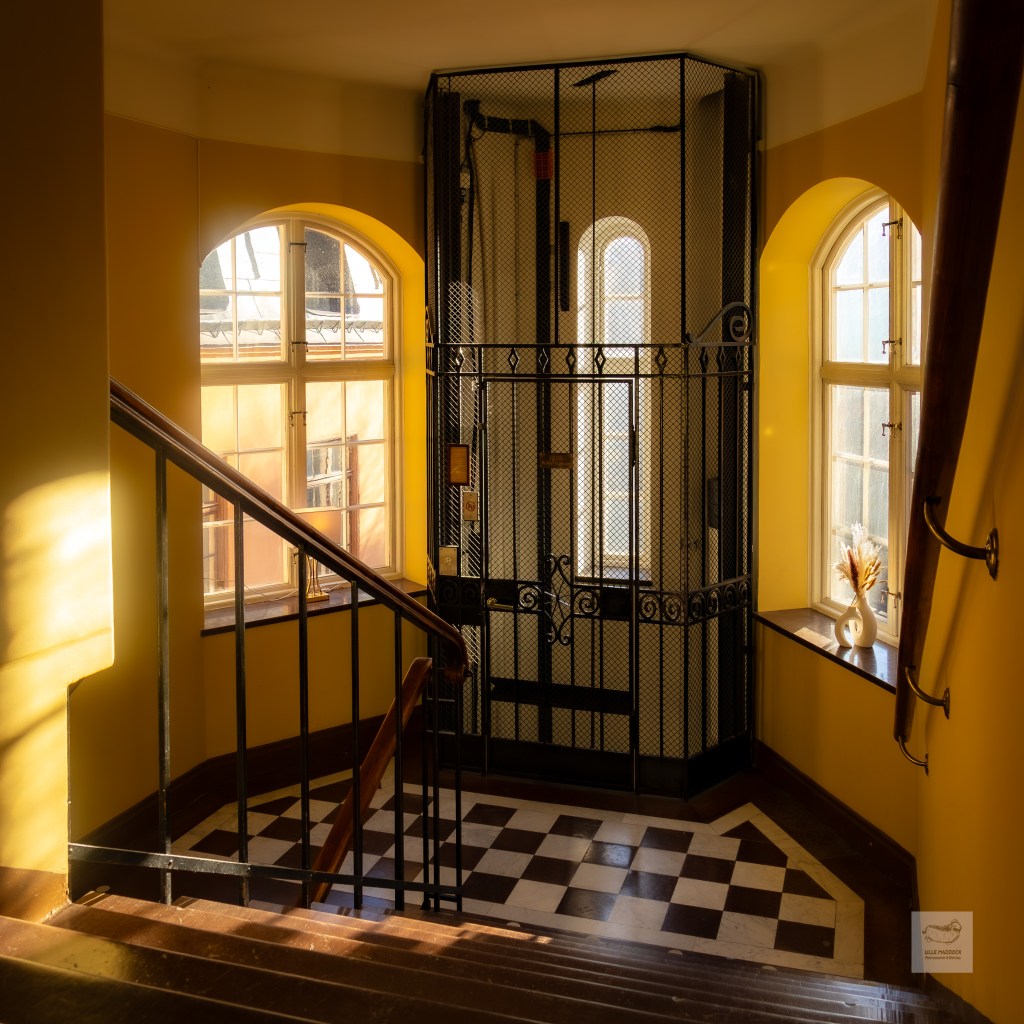
The morning light shines through hundred year old windows. Before this building it was a school for the Salvation Army and was built in 1914. Converted to a hotel in 2004.
See the light, ha de Gött!

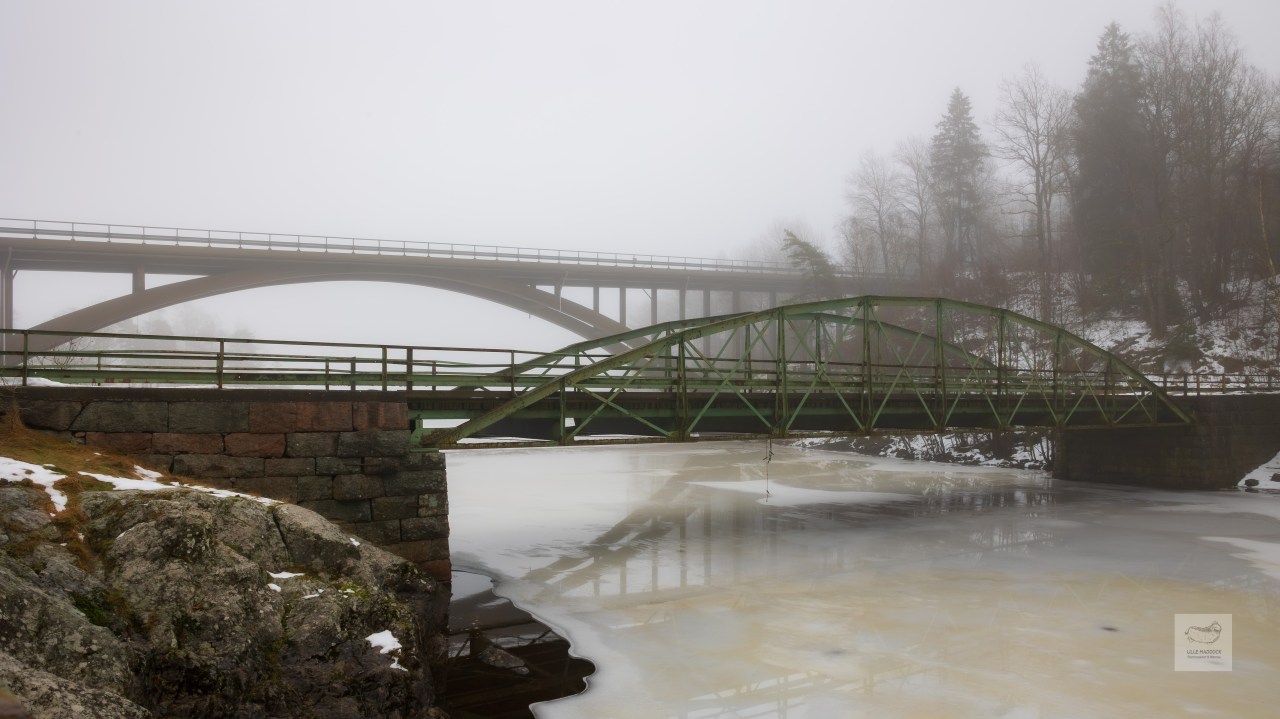
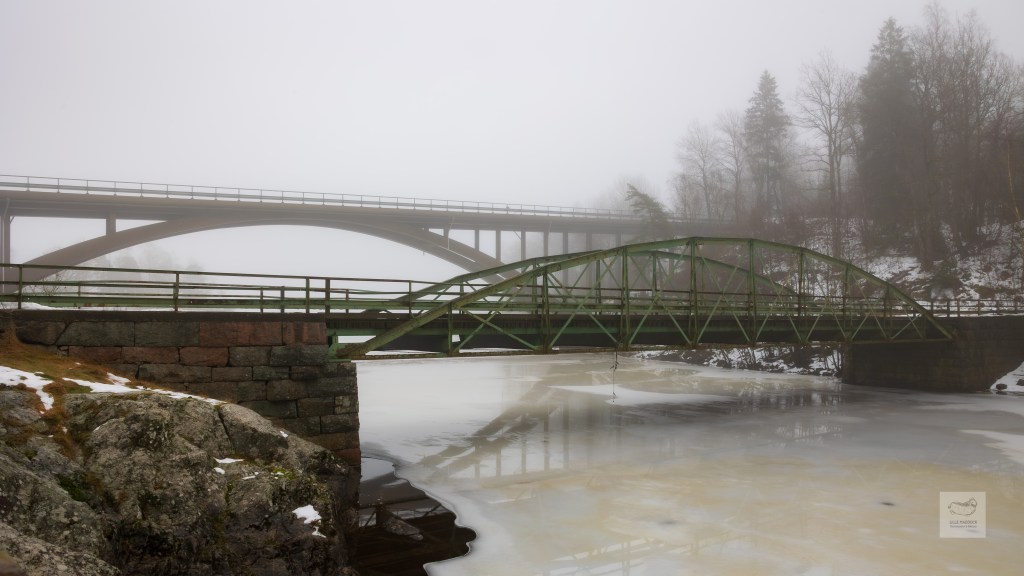
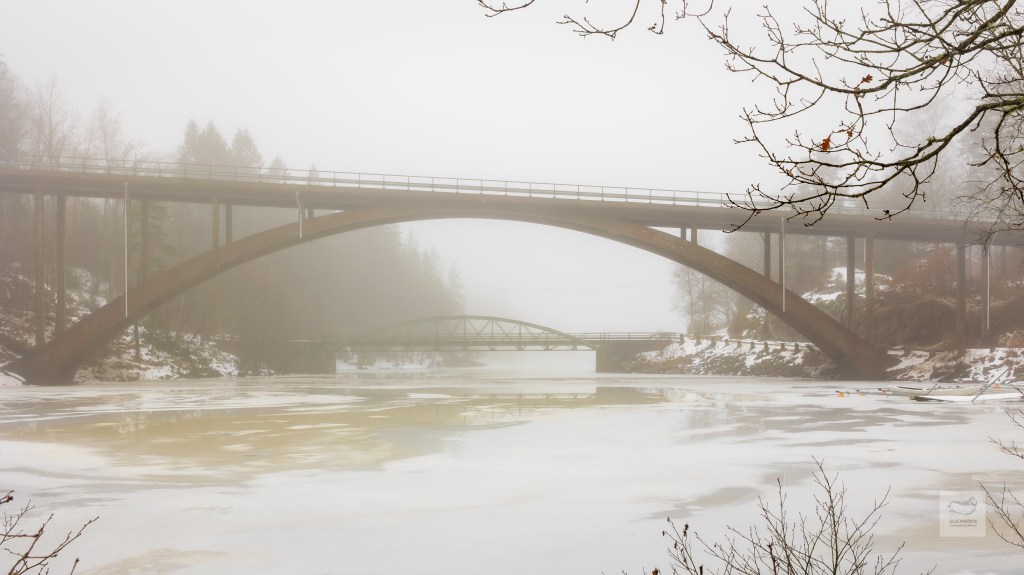
Even if the winter weather often is dull and grey you can find something interesting for your lens.
Here I found two bridges with the same curvature. The high bridge named Sundsbron was built in 1963 over the small strait between the two lakes Ellenösjön and Östtersjön. The road 172 from Uddevalla to Arvika runs over it. For the old iron bridge in the foreground I could not find any information when it was built. A qualified guess based on another bridge with the same design I wrote about (link), it was built late 1800 or early 1900.

Even in fog you can find a way, ha de Gött!


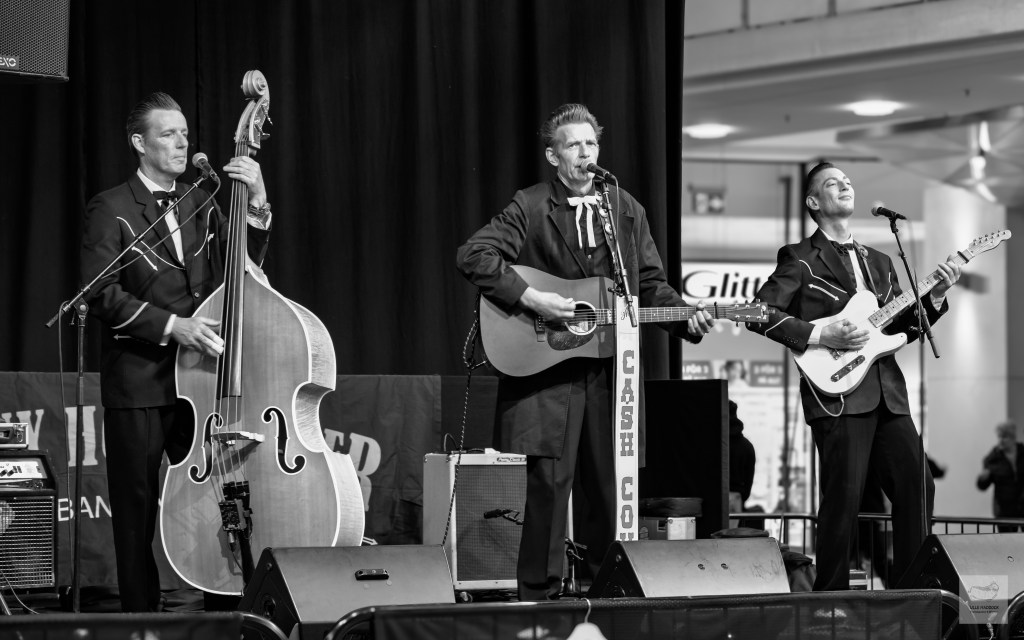
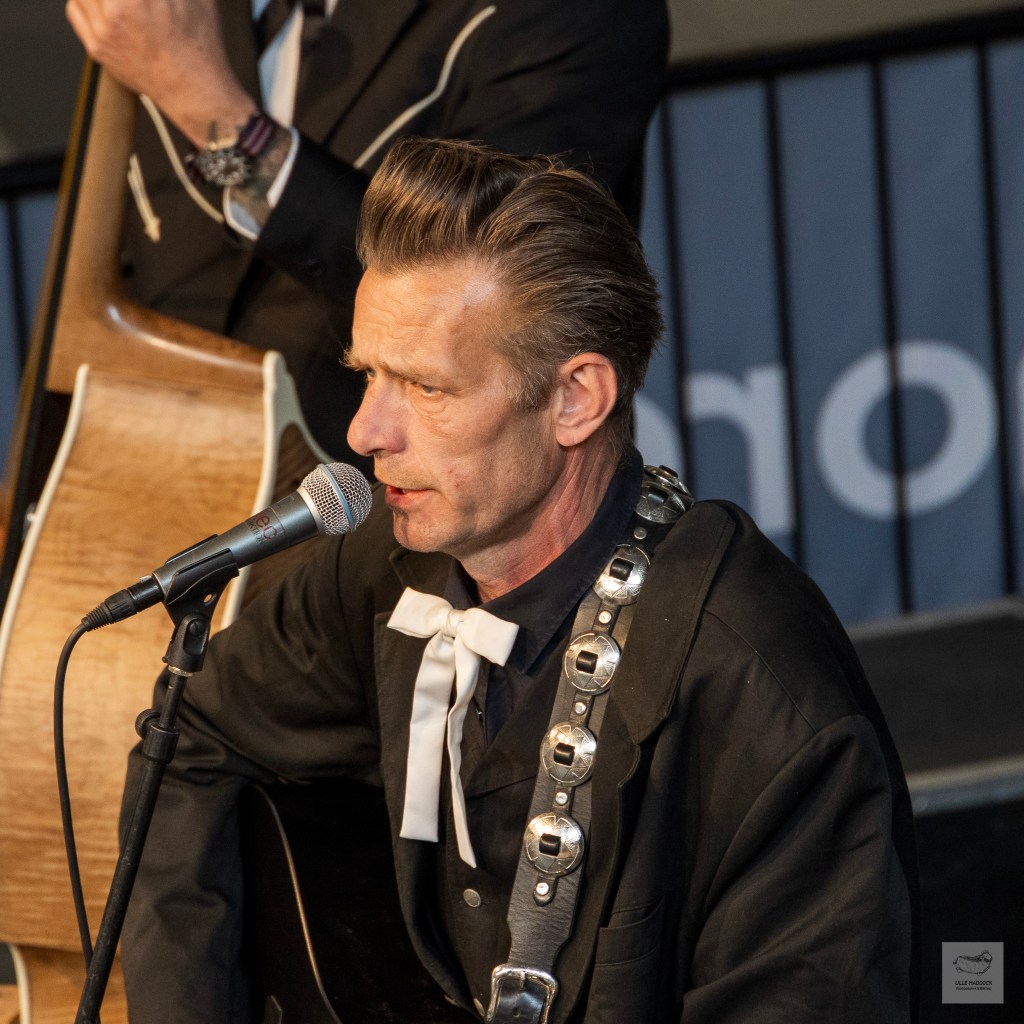
A cover band must be the ultimate dedication to an artist. Especially if they do it good like this Danish band, Johnny Horsepower. I took these pictures in Göteborg as they gave a free concert playing songs from the icon Johnny Cash. I was on my way somewhere else but they were so good I had to stop and listen.
The band are available on Spotify and YouTube so go check out for yourselves.
Dare to enter the ring of fire, ha de Gött!


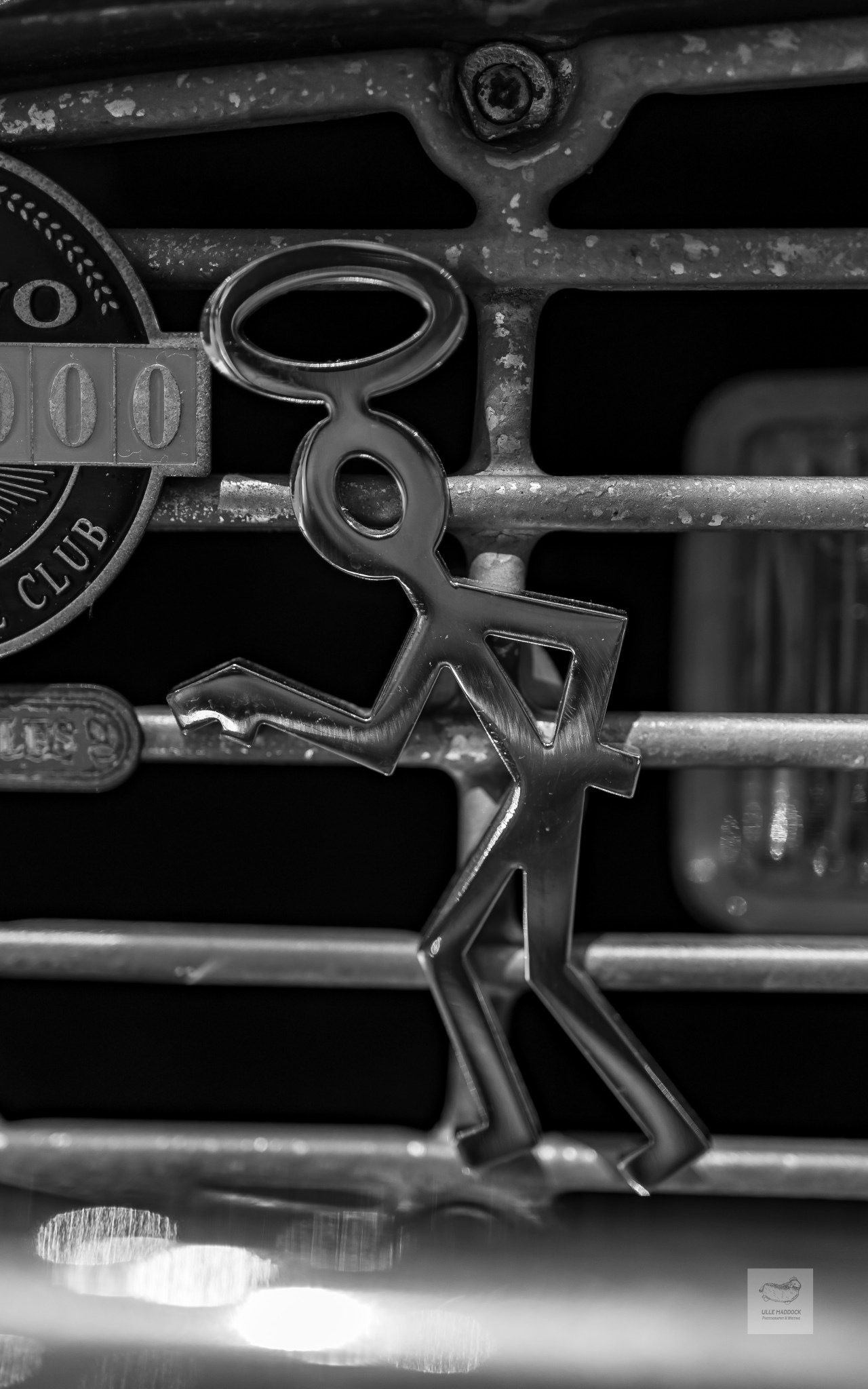
Not a saint but a boring and safe Volvo car. This beautiful sports model, P1800 was made from 1961 until 1973 and it gained cult status from the TV-series the Saint. The British TV-series with among others, Roger Moore, was made in impressive 118 episodes from 1962 to 1969 where the main character, Simon Templar, drove a California white P1800.

This could be the most beautiful car ever made, ever. What do you think? Ha de Gött!


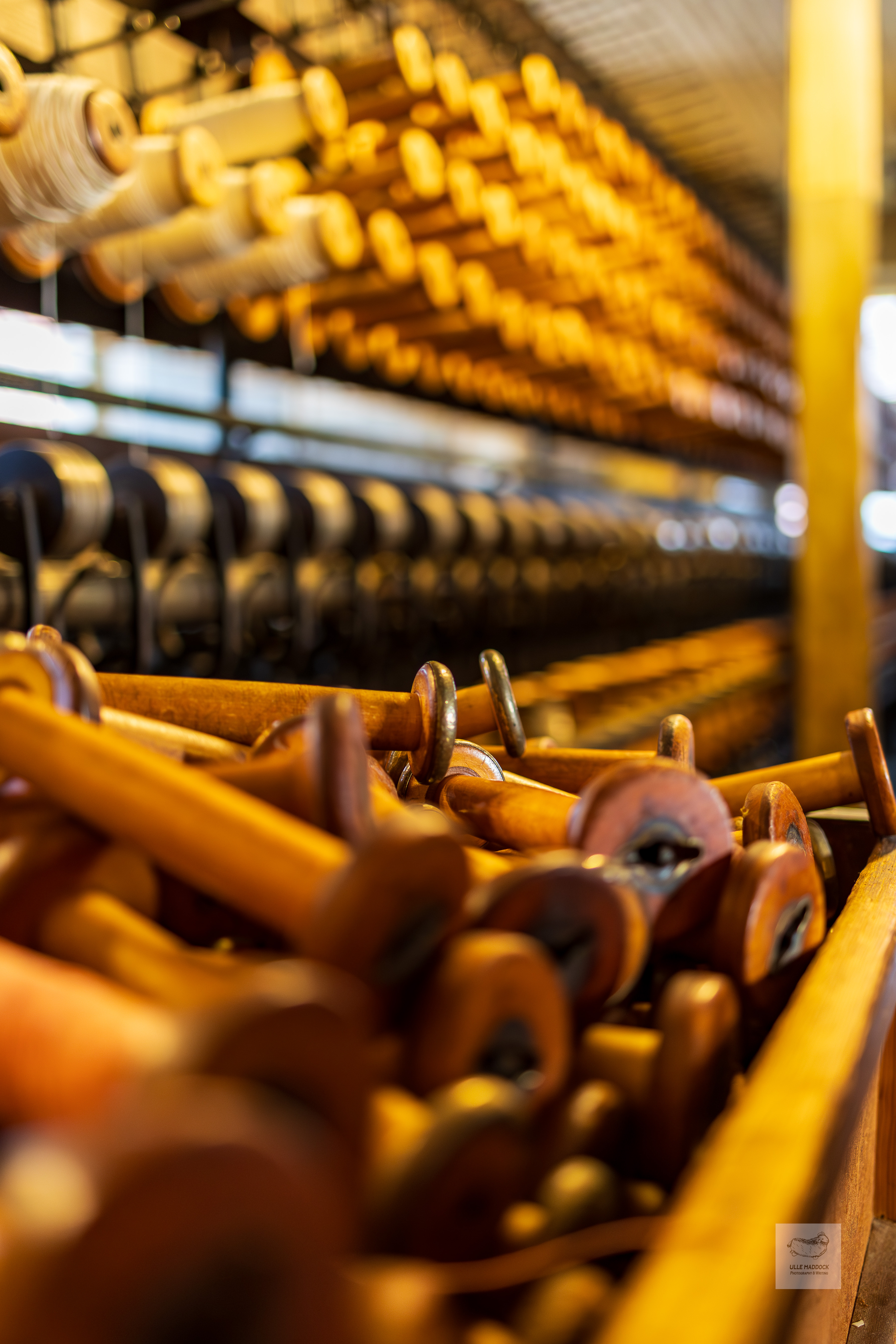
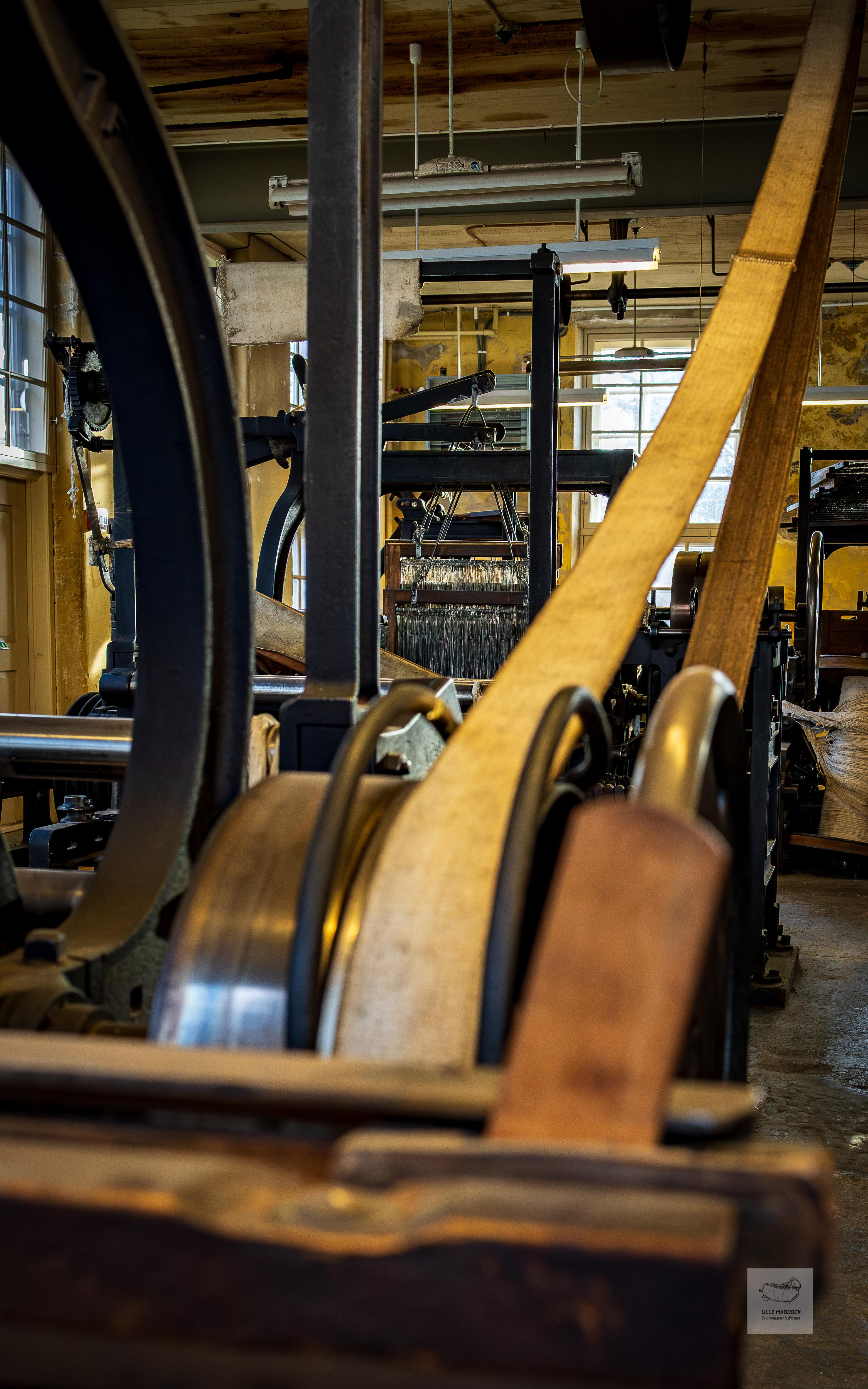
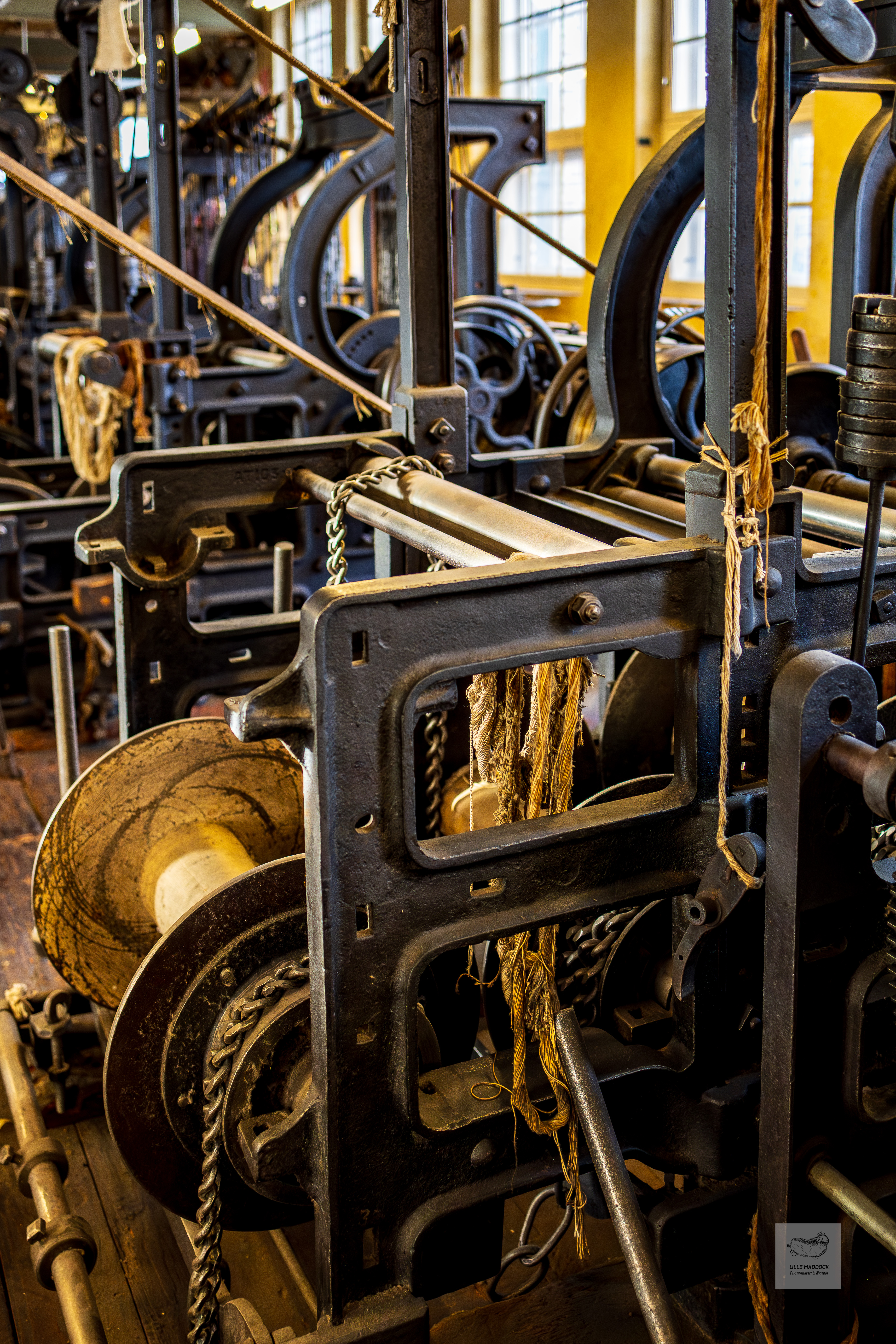
Some photos from the old industrial belting factory in Göteborg, Sweden.
This historic factory, Göteborgs Remfabrik, was built using clay bricks in 1900 after the original wooden building was destroyed by fire. Most of the machinery, dating from around 1900, was imported from England and powered by a steam engine via belts. In 1916, the steam engine was replaced with an electric motor. Some modernisation took place in 1940s when fluorescent tube lighting was installed. Hardly anything has changed since then.
The factory remained in operation until 1977, when the employees and the owners shut down the machines, locked the doors, and went home – leaving everything as it was. This makes it one of the best-preserved industrial sites in Scandinavia from the early 1900s.
Today, it’s a museum, and most of the equipment can still run. An association of volunteers maintains and run the machines. You can find out more on their website, Göteborgs Remfabrik. These dedicated men and women deserve great respect for keeping history alive. If you ever find yourself in Göteborg, it’s worth a visit.
Never put your fingers in a running machine, ha de Gött!


This picture was taken this summer outside Halmstad, Sweden while visiting our good friends. The name fits, I think, as we attended a very good concert with Sting. Even if it’s not barley as he sing about. To the left it’s wheat and to the right it’s oats.
Don’t get lost, stay on the road, it will lead you somewhere. Ha de Gött!


Today a video from the photo workshop at Åkulla Beech forests. Step in to autumn colour heaven.


Perhaps not the most famous church in Barcelona, but one I really wanted to see. The Basilica of Santa Maria del Mar plays a central role in the novel La Catedral del Mar (Cathedral of the Sea) by Ildefonso Falcones. It’s been many years since I read it, but it left a lasting impression on me. A powerful story of good and evil, justice and injustice, and how the Church, meant to stand for good, often—almost always—ends up on the side of evil.
The church was built between 1329 and 1383 in the Catalan Gothic style. It was constructed largely by unpaid labor from the common people, and is therefore sometimes referred to as the ‘workers’ cathedral’—a detail well described in Falcones’ book. The main character, Arnau Estanyol, finds work as a porter, carrying goods from the dock on his back. These porters were called bastaixos, and in the little spare time they had after work, they carried stones to help build the church.
The play of light inside is impressive, likely designed to suggest the presence of God. Whether divine or coincidental, I happened to be in the right spot at the right time as sunlight struck the cross—a beacon of hope, so needed today when dark forces and false prophets seem to be gaining more and more power.
Let the ray of hope shine, ha de Gött!


Just got back from a weekend photography workshop. I met up with other 12 photo enthusiasts in the southwest of Sweden, in an area called Halland. More precisely, in Åkulla Bokskogar, just outside Ullared. The region is known for its vast deciduous forest, primarily made up of beech trees.
Surrounded by a stunning display of autumn colours we were guided through these cathedrals and along small streams by the renowned photographer Patrik Leornadsson.

The weather forecast had warned of heavy rain all weekend, so I packed a large trunk of rain clothes and shoes. Fortunately, the weather out better than expected. We had some light rain and even a few minutes of sunshine, so most of the extra clothes came home unused.
Instead I brought back new knowledge, fresh inspiration, and around 500 pictures to sort and edit during the dark evenings ahead. It was also a pleasure to meet others who share the same passion, and to exchange thoughts on creative processes, challenges, and techniques.

Don’t wait, go out and create. Ha de Gött!