Tag Archive for ‘Writing’

Under the Alder

Under the Alder

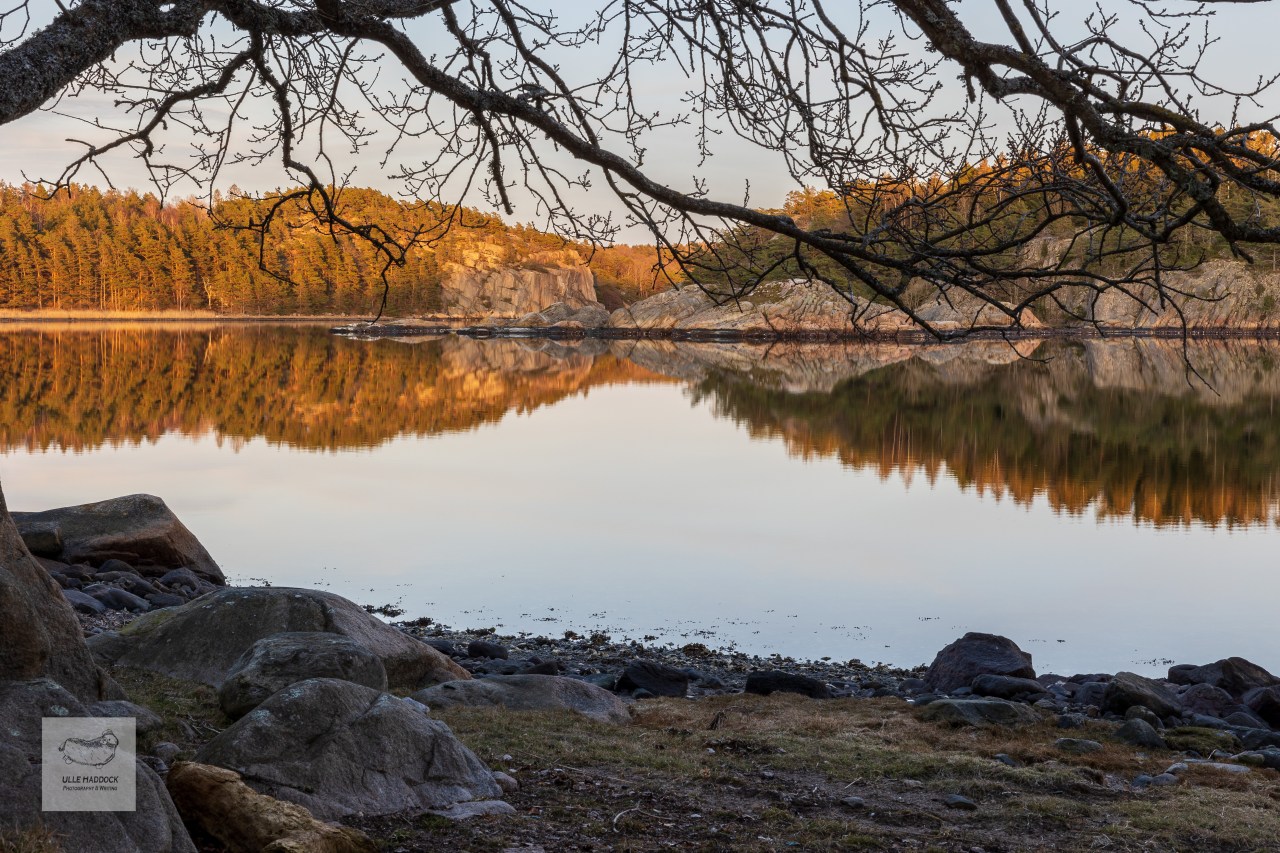
Framed by the alder branch you see the cliff ‘Riddarsprånget’. Translates to ‘knights leap’. According to the local folklore a knight was chased up on the cliff. Outnumbered and with chasers rapidly closing in on him, he spurred his horse over the cliff. Wether the knight and his horse survived the 30 meter fall remains untold. If the knight stripped off his steel Armour before, he might have swimmed ashore together with his faithful runner on this very beach.

Don’t let anything weigh you down, ha de Gött!

Advertisements

Moss

Moss

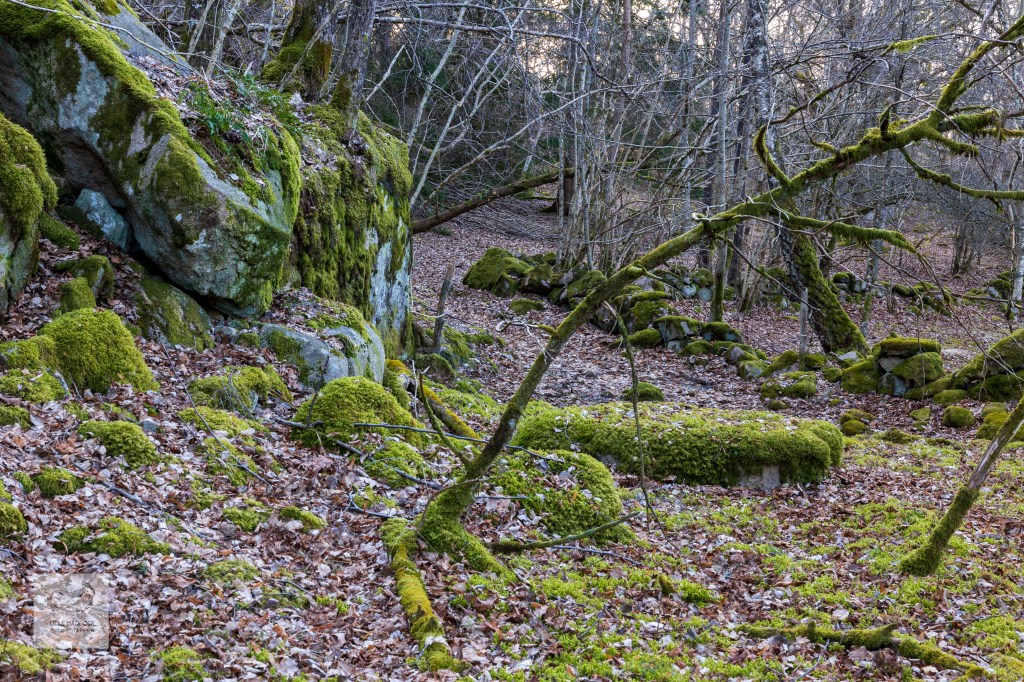
Walking in the soft green moss with the rustling leafs from last year around my feet. In the old culture landscape where nature slowly reclaims its territory in a wild softness. The bird song cacophony, warns of the one eyed intruder disturbing the mating calls.

Go green, ha de Gött!

Advertisements
Ulseröd Windmill

Ulseröd Windmill

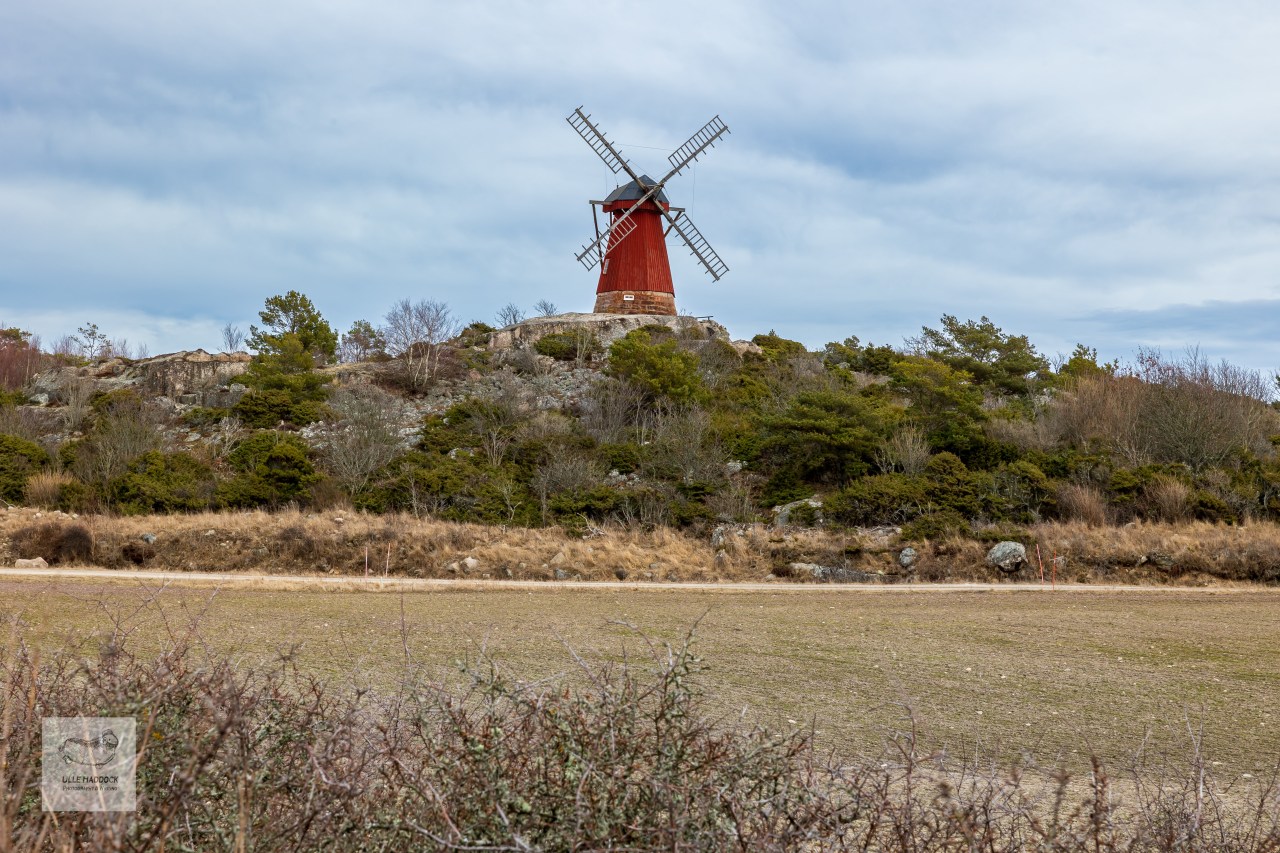
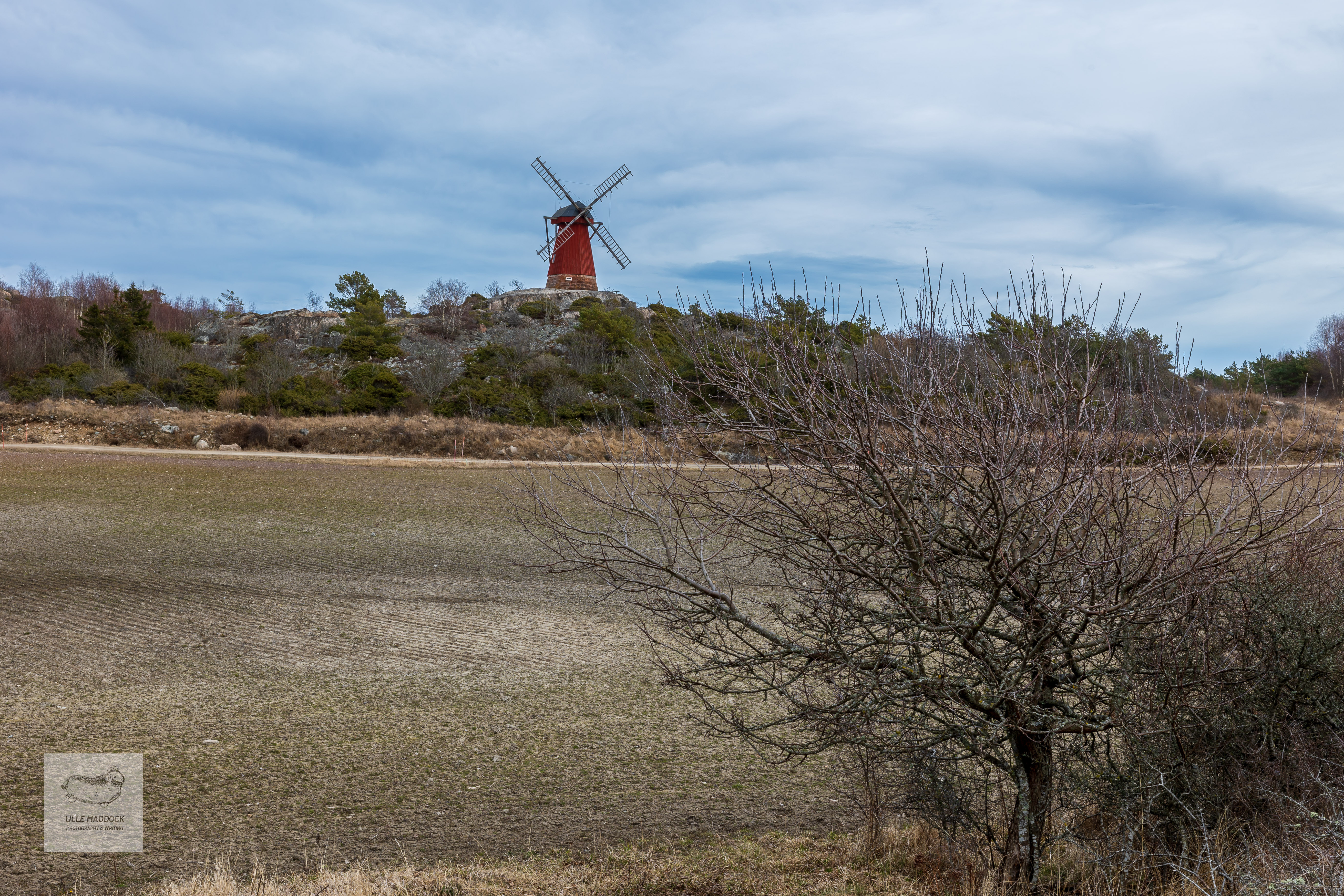
The windmill of Ulseröd, just outside Havstenssund, was built in 1900 and was in operation until 1939. During this period new technology made it possible for the farmers to mill their grain in small electrical mills. This together with the urbanization made the windmills obsolete.

The windmill of Ulseröd was saved from decay by Tanum Local Folklore Society and Havstenssund Community Association. A major renovation took place in 2013 to 2016. The windmill wings were rebuilt, the facade wood replaced and painted red, windows replaced. Find out more here (in Swedish). In my opinion, by volunteer heroes saving this piece of history for the future.

The windmill type is a smock mill, also called Dutch type. The top, or the smock cap, can be turned by the windmill operator to capture optimum wind. It’s an old well tested design that already Leonardo da Vinci made a sketch for. Special feature of Ulseröd windmill is the two parallel milling stations. Check out the fictional story I wrote a year ago about the windmill here. Stay tuned for interior pictures.

Against the wind is power, ha de Gött!

Advertisements
Today

Today

Thought I wouldn’t put up a blog today

Didn’t really have anything to say

It would be silent as a log

Today on my little blog

But words kept poppin’ out, okay

So here it is anyway

Just do it, ha de Gött!

Advertisements
Fattighusån

Fattighusån

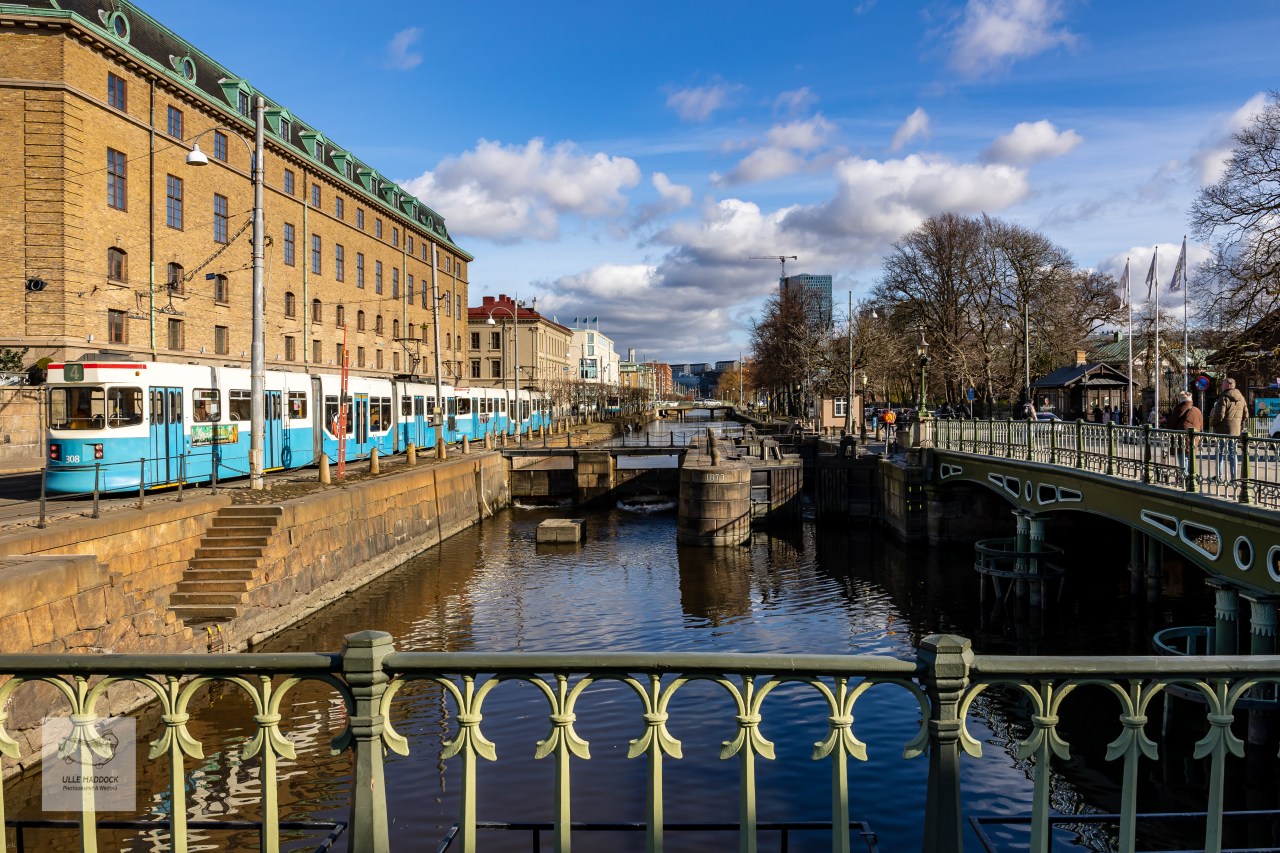
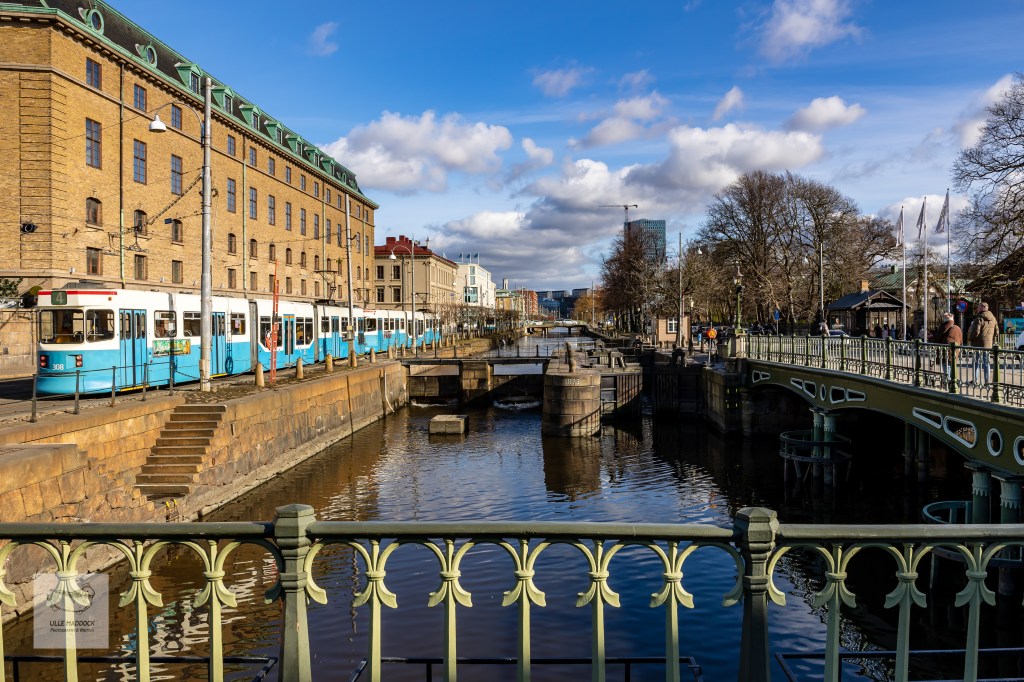
Picture from a busy Saturday in Göteborg with tram congestion in front of the old central post office. Straight ahead is ‘Slussen’, the lock for the canal ‘Fattighusån’. At the end in line with the high rise 900 meters away lies the building that named this canal, ‘Fattighuset’, the Alms-House. The canal has a name that implies that is a small river, ‘ån’ in Swedish. Why this name? Guess it’s an evidence of the humor in Göteborg.

The work started in 1620 but the king stopped the work due to lack of money. I wish a certain ruler of today will run out of money fast. The work was re-started in 1639 and finished in 1641. Connecting the Main Harbor Canal with the small river ‘Möndalsån’ became very important for the trade and development of the city.

As they say in Göteborg, ha de Gött!

Advertisements
Näcken

Näcken

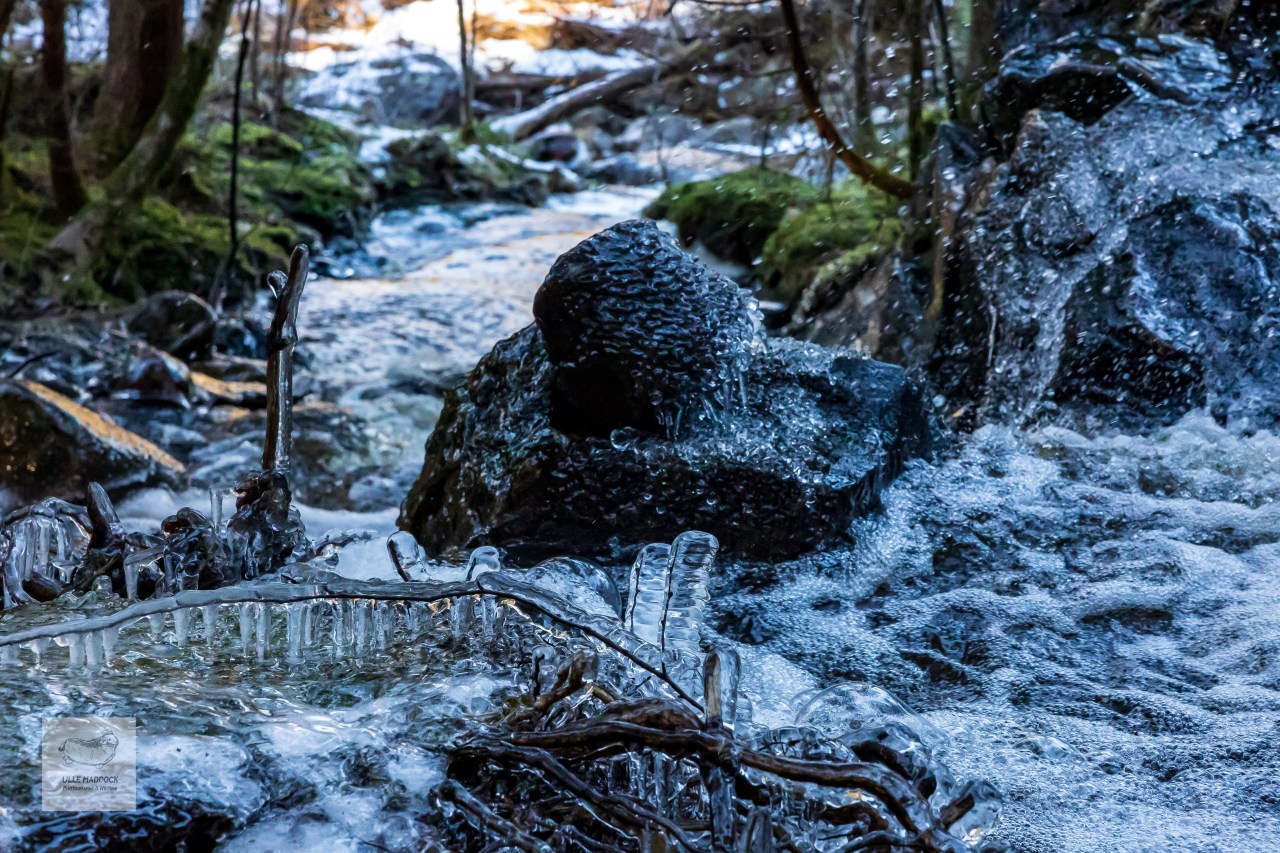
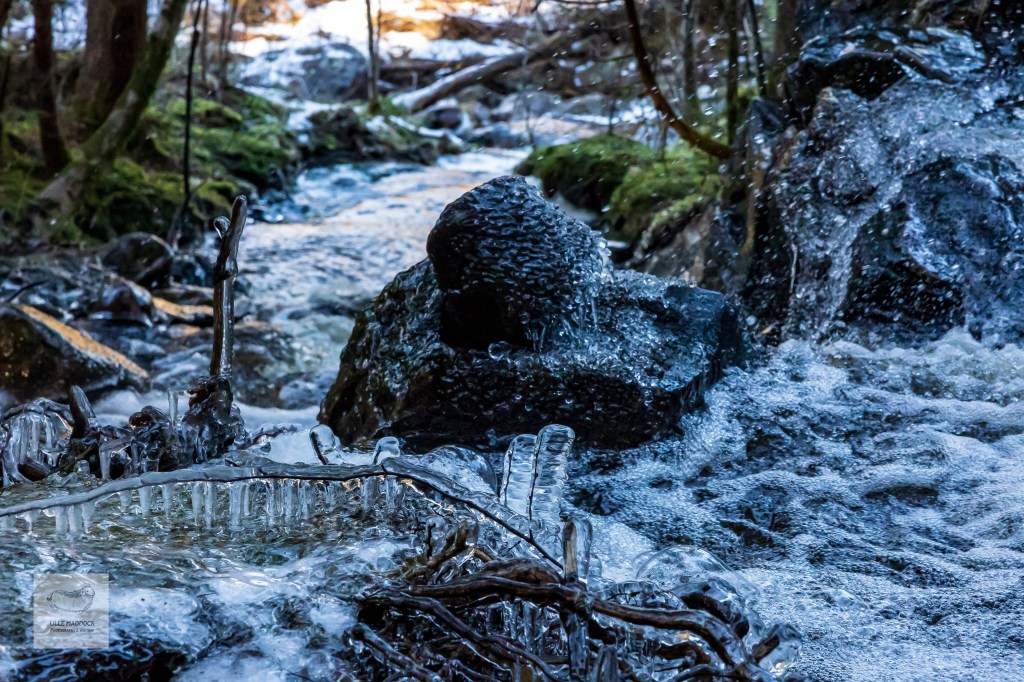
Näcken is a humanoid shape shifting water spirit in Scandinavian folklore. He appears in all Germanic peoples folklore and the English name is Nicor. Näcken sits in the stream or a lake and tries to lure innocent people, mostly young women and children to drown. He does this by playing the Violin, the Devils instrument. There is also female Näcken that lures young men to the same fate.

Näck translated to English means, nude. Yes, it’s true we Scandinavians living in the country side love to do some nude swimming, specially after the Sauna bath. After all, there is usually not very many around to see you.

One dress makes us all equal, ha de Gött!

Advertisements

Capital of Violence

Capital of Violence

Brass, straight lines, motion in perfect symmetry

Capital of violence

Cohesive, chest ornaments, balcony of small men

Capital of violence

Fear, drumming boots, waving of enabling masses

Capital of violence

Heroes, historic claims, brothers in arms

Capital of violence

King, leader of choice, our way of life

Capital of violence

Portrait, son and daughter, tears of a mother

Capital of violence

Flags, coffins draped, flapping in the wind

Capital of violence

My heart goes out to all mothers seeing their sons and daughters coming back in a black bag.

Advertisements

Rusty

Rusty

Rusty ball-bearing in dire need of some lubrication.

Leonardo Da Vinci is by some named the inventor of the ball bearing but the already the Romans used wooden ball bearings. The first modern ball bearing was patented by Philip Vaughan, a Welsh inventor, in 1794.

Sven Wingquist, a Swedish inventor invented a self-aligning ball bearing in 1907. This revolutionary invention became the foundation for one of Sweden’s most successful international companies, SKF. SKF stands for Svenska Kullager Fabriken, simply Swedish Ball Bearing Factory.

My first two and half years I lived across the street from the huge factory with its fasade of red clay bricks. Now a trip to Gamlestaden in Göteborg must be planned for some photos.

Aim for a smooth ride, ha de Gött!

Advertisements
Fortress

Fortress

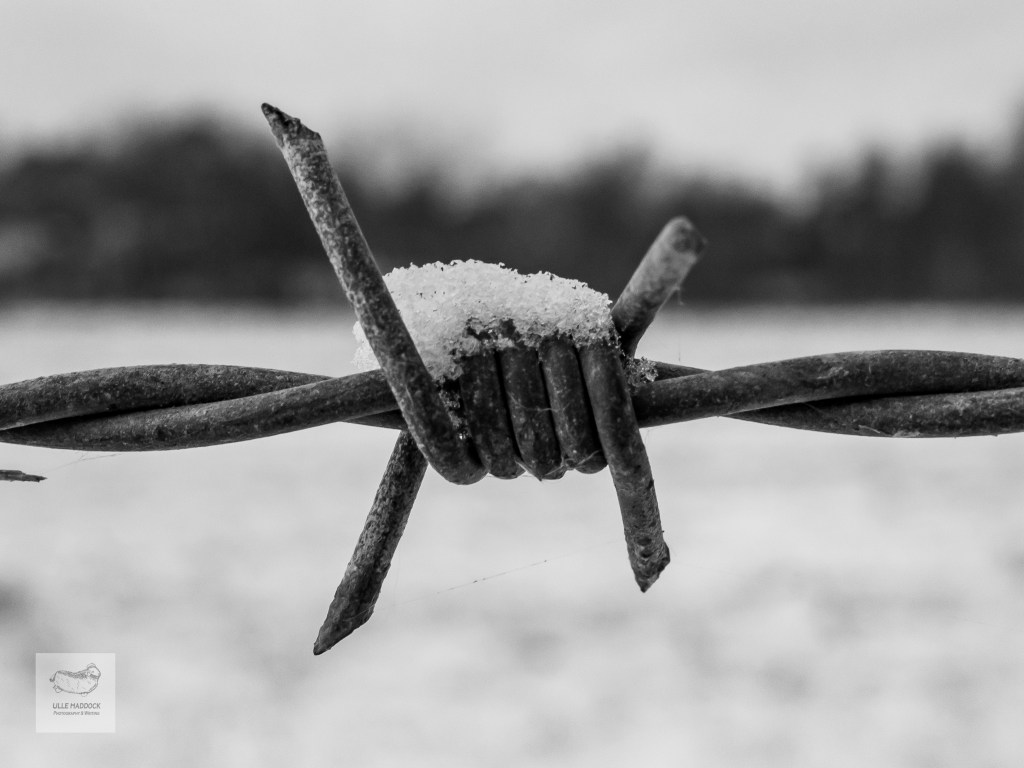
It is called the Queens Mountain, Drottningberget in Swedish, and it is an ancient fortress. More accurate a hill-fort. The natural form of the rock is what create the attributes of a fortress. There is very little man made constructions made. The height and the flat plateau on the top together with the availability of water made it perfect to stand ground. I have no idea where the royal name come from but maybe there was a female ruler in the settlement.

44 meter up surrounded by steep cliffs it was an easy place to defend by simply throwing stones in the head of the attacking enemy. I wonder if this is why the soldiers helmet was invented, still used today. There is only two ways up without any climbing gear, trust me I’ve tried. Here you can see some remains of walls and collected throw size stones. With the sea level a few meters higher up it was most likely attackers came from the sea.

Keep it simple, ha de Gött!

Advertisements