

The phenomenon of sea smoke is created when cold air moves across the warmer water surface. This smoke can become up to 15 meters high if the wind is slow.
Time for a cup of hot chocolate, ha de Gött!
Advertisements

The phenomenon of sea smoke is created when cold air moves across the warmer water surface. This smoke can become up to 15 meters high if the wind is slow.
Time for a cup of hot chocolate, ha de Gött!


This picture is taken on the last day of 2022. The fireworks of man in the evening, was nothing compared to this. It literally blew me off my feet, so the picture is taken lying down.
I huff and I puff to knock you off your feet, ha de Gött!


I’m not much of a bird photographer, too impatient, but this group of common eider (Somateria mollissima) was keen models. They swam back and forth as if they liked to be in the frame. The males are black and white with a colourful head while the female are dressed in all shades of brown. It’s a large bird with weight up to 3 kilos and up to 70 centimetres in length. This fast flyer, can fly up to 110km/h, live in large flocks and nest close to the sea. The nest is lined with eiderdown plucked from the female’s breast. In Swedish it’s called ‘Ejder’ and the pronunciation is almost same as in English. Also know as St. Cutbert’s duck or Cuddy’s duck.
Quack on, ha de Gött!
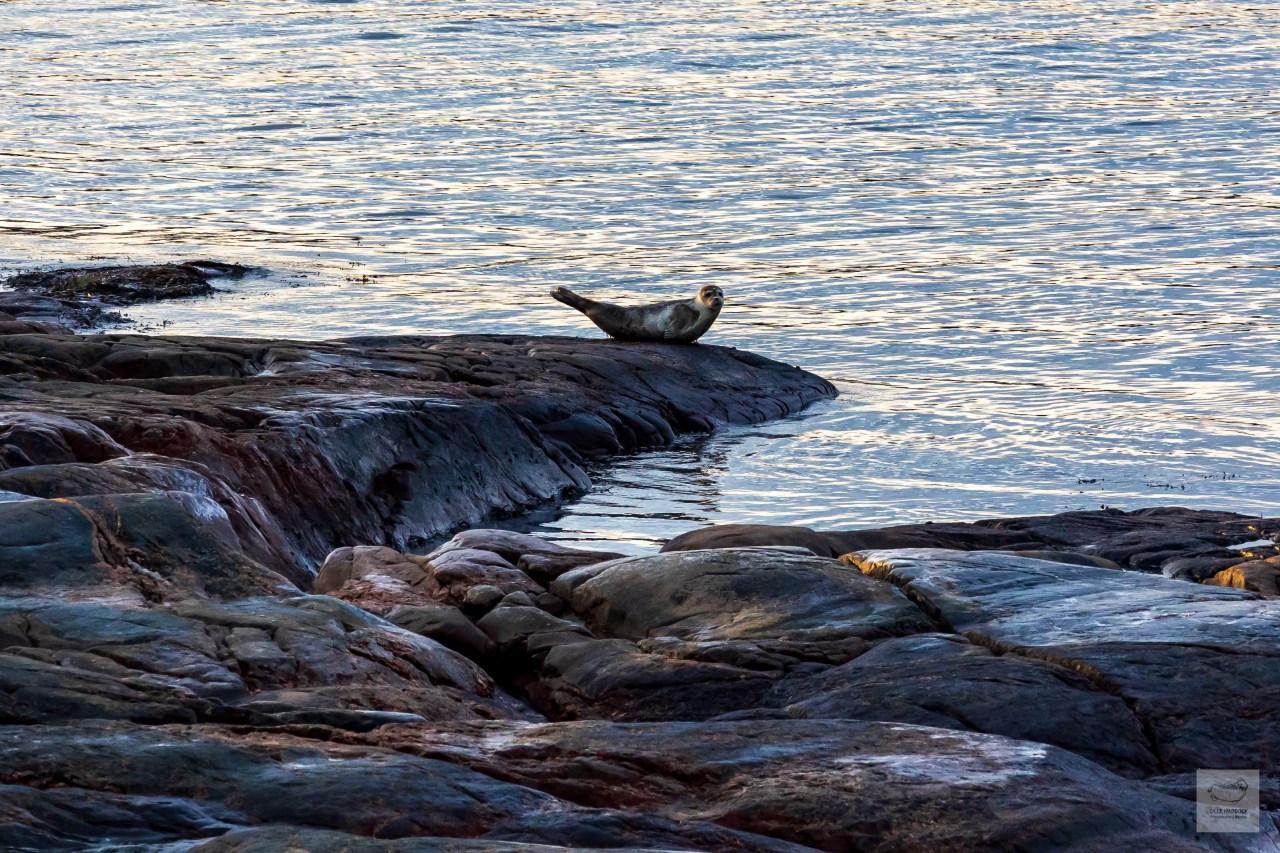
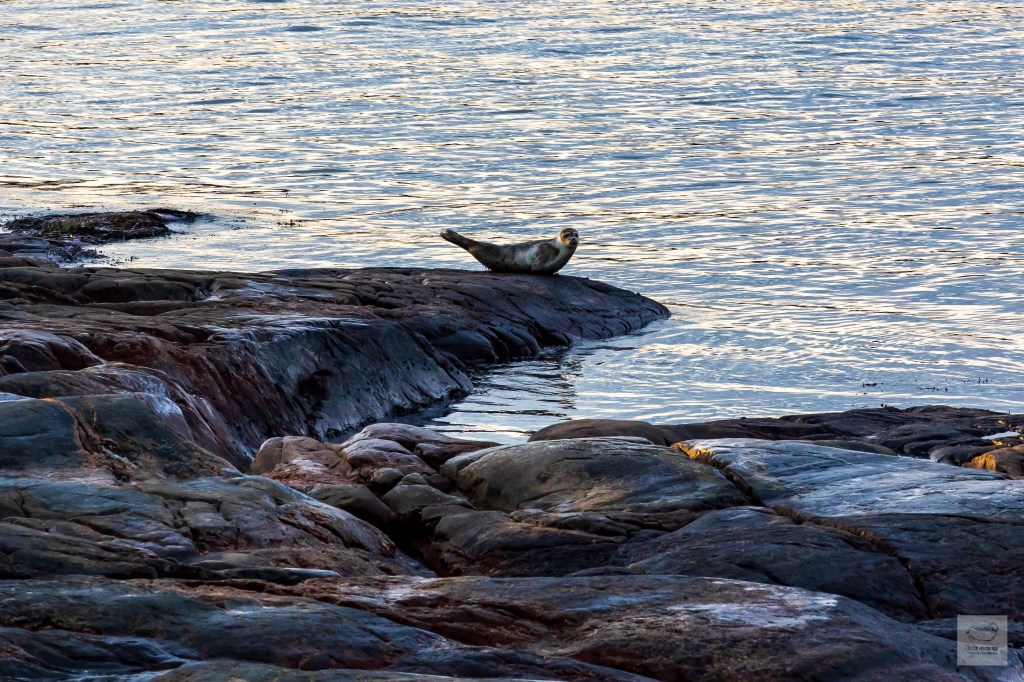
A Harbour Seal (Phoca vitulina) taking a sunbath in the bleak Christmas eve sun. In Swedish it’s called ‘Knubbsäl’ that translates back to ‘chubby seal’. I hope I’m not offending them when I suggest it’s a quite fitting description. This one is probably a pup.
These seals, also known as Common Seal, can be found along temperate and artic coastlines in the northern hemisphere. It’s not endangered except for in the Baltic Ocean. Can get as tall as 1,8 meters and weigh up to 170 kilos. They achieve that BMI (Body Mass Index) by eating a solid fish diet. Clumsy on land but an excellent swimmer that can dive down to 200 meters of depth. They can stay under water for 30 minutes by slowing down the heart rate.
Seal on, ha de Gött!

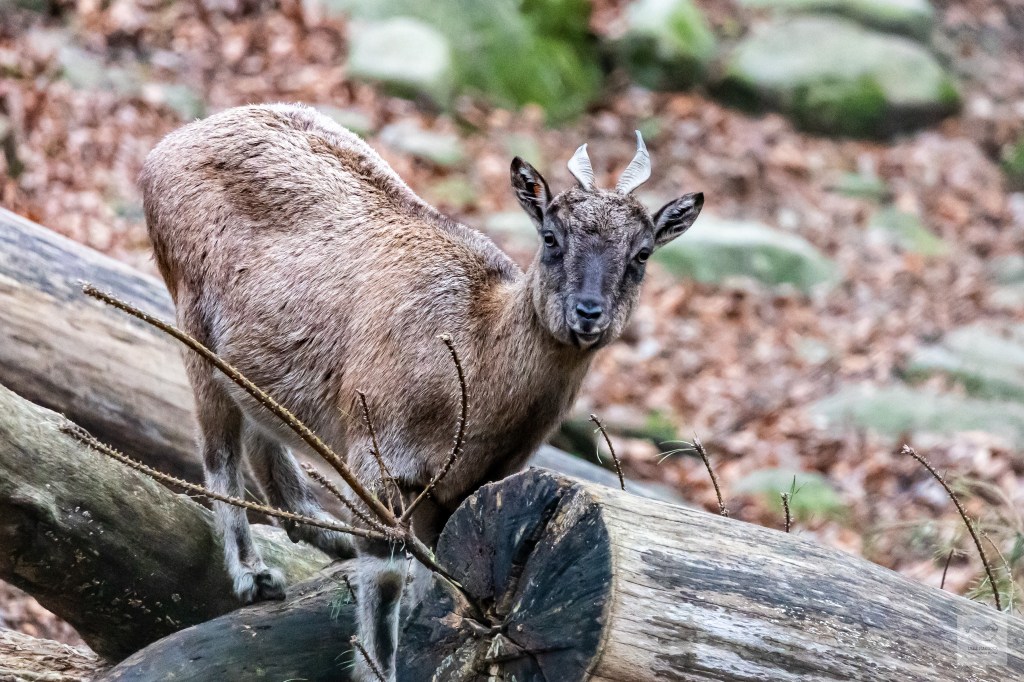
The beautiful and special corkscrew shaped horns of the Tadjik Markhor (Capra falconeri) is the reason for its decline. The horns are popular among trophy hunters. I guess it’s the stupidity of mankind, the need to own what’s beautiful and unique.
This goat lives in mountain areas and is a fantastic climber. The females live in groups but the males are solitary and only meet to mate. Violent fight take place between the males and the winner then get to mate with several females.
Only shot worth taking, is with the camera, ha de Gött!


Roe deer (Capreolus capreolus) finding something to eat under the snow. Guess they stay in the sun to get some warmth in the cold weather. This little deer weighs around 20 to 30 kilos. Cute, but their large numbers creates lots of damage in gardens and for farmers. They are also involved in a large number of traffic accidents.
Please be a dear and watch where you steer, ha de Gött!
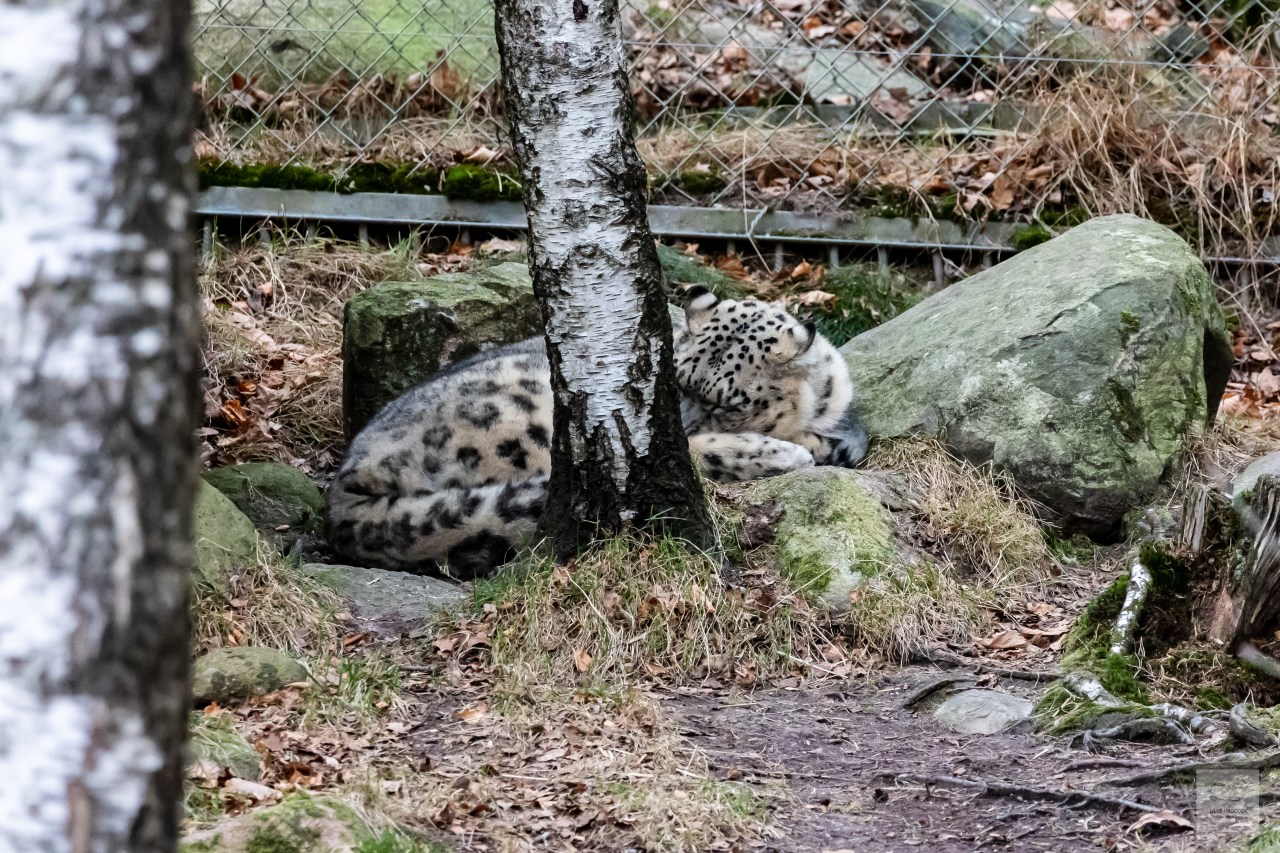
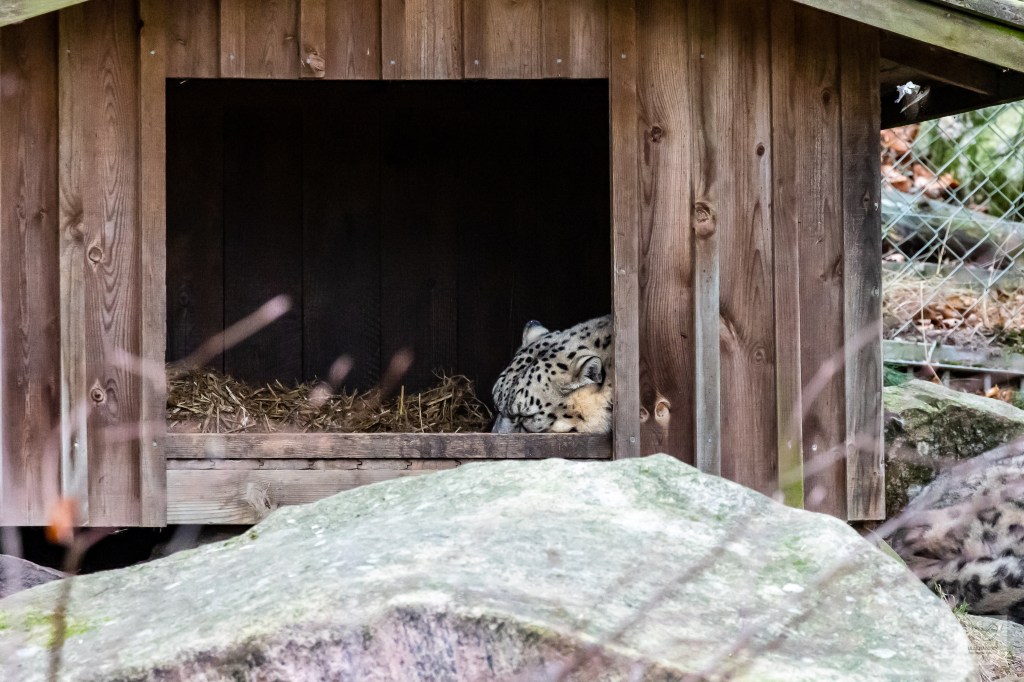
They were a bit tired on my visit to Nordens Ark, the Snow Leopards (Uncia uncia). For this large cat well adapted to cold weather probably felt it to be nice with the temperature around 0°C. Well suited for an afternoon nap.
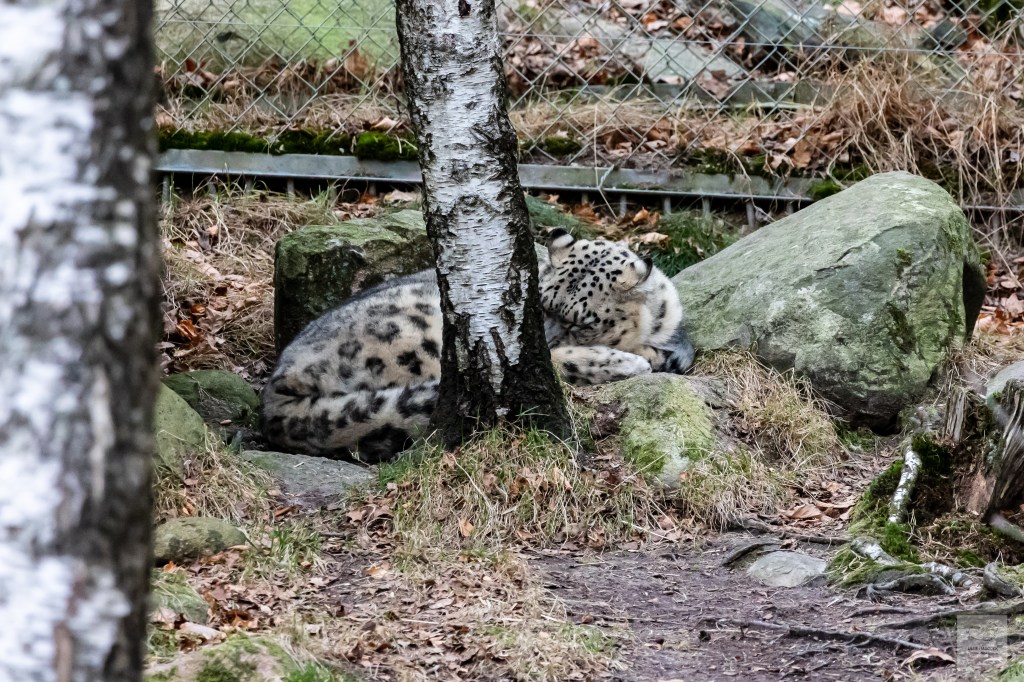
Native in the Central Asia mountains cold and snow. The large paws works well as snowshoes. With its powerful legs allow the snow leopard to jump up to 16 metres between cliffs. The snow leopard can weigh up to 55 kilos, become up to 130 centimetres long and be 65 centimetres high. This endangered cat are solitary and only seek other individuals during mating season. Illegally hunted for its bones and teeth used in traditional Asian medicine.
I have a dream, that humanity will wake up. Ha de Gött!
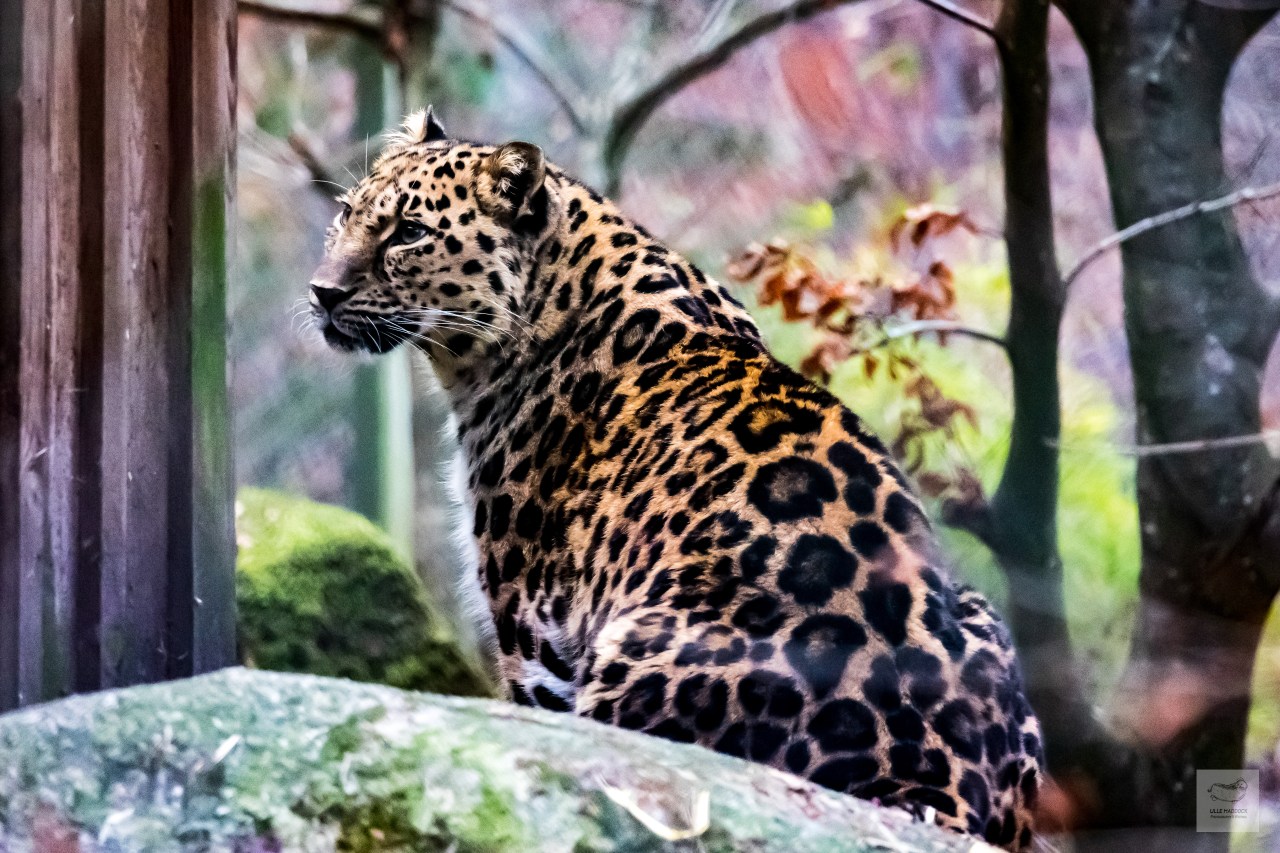
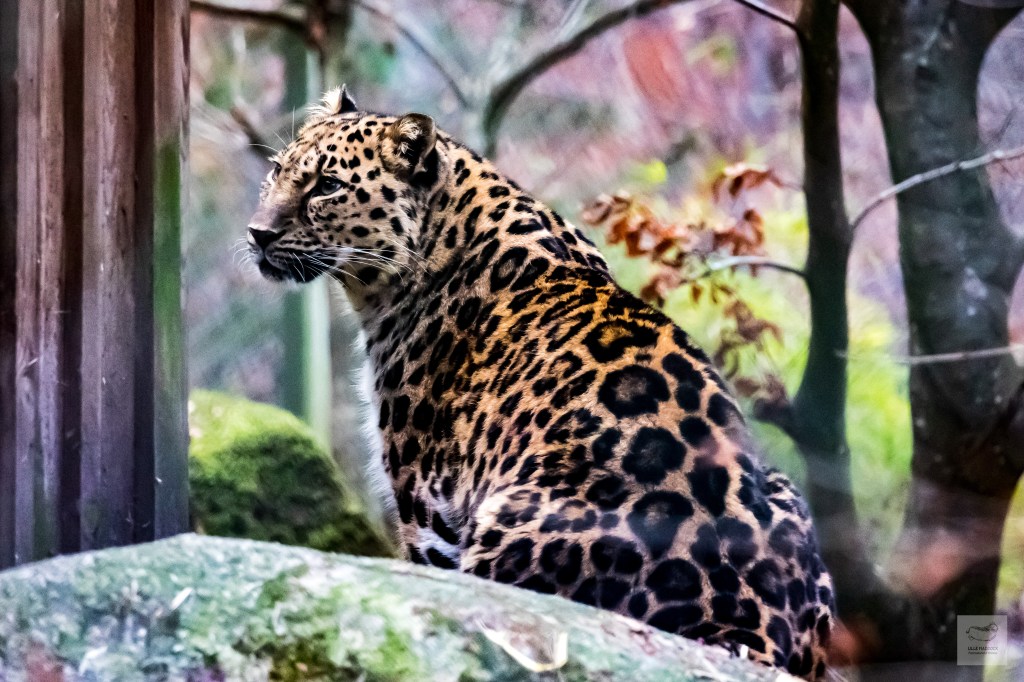
I had given up on this picture. It’s taken through the fence and I thought it would come out all blurred. But after some time in Lightroom it came out rather good.
The Amur Leopard (Panthera pardus orientalis) is the worlds most endangered cat. Hunted for its beautiful fur and, like many other endangered species, its habitats shrinks due to human exploitation. A solitary animal that only meet to mate. Majestic with weight up to 45 kilos, can become almost two meters long and 80 centimetres high.
Check out Nordens Ark if you want to know more.
Hard to find a cat phrase, ha de Gött!
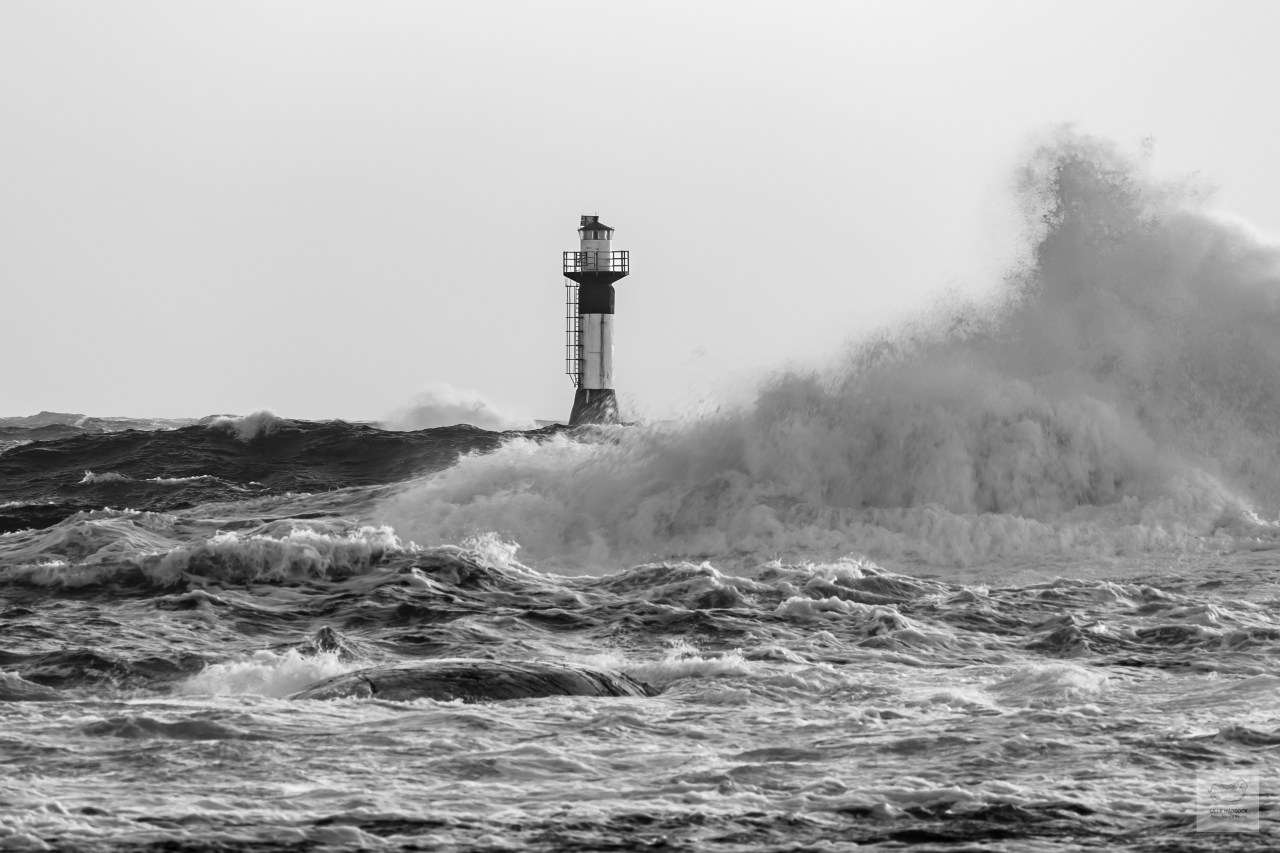
Today a little slide show from the last storm at Tjurpannan nature preserve featuring music Storming by my son Edvin Leander.
Hope you like it, ha de Gött!
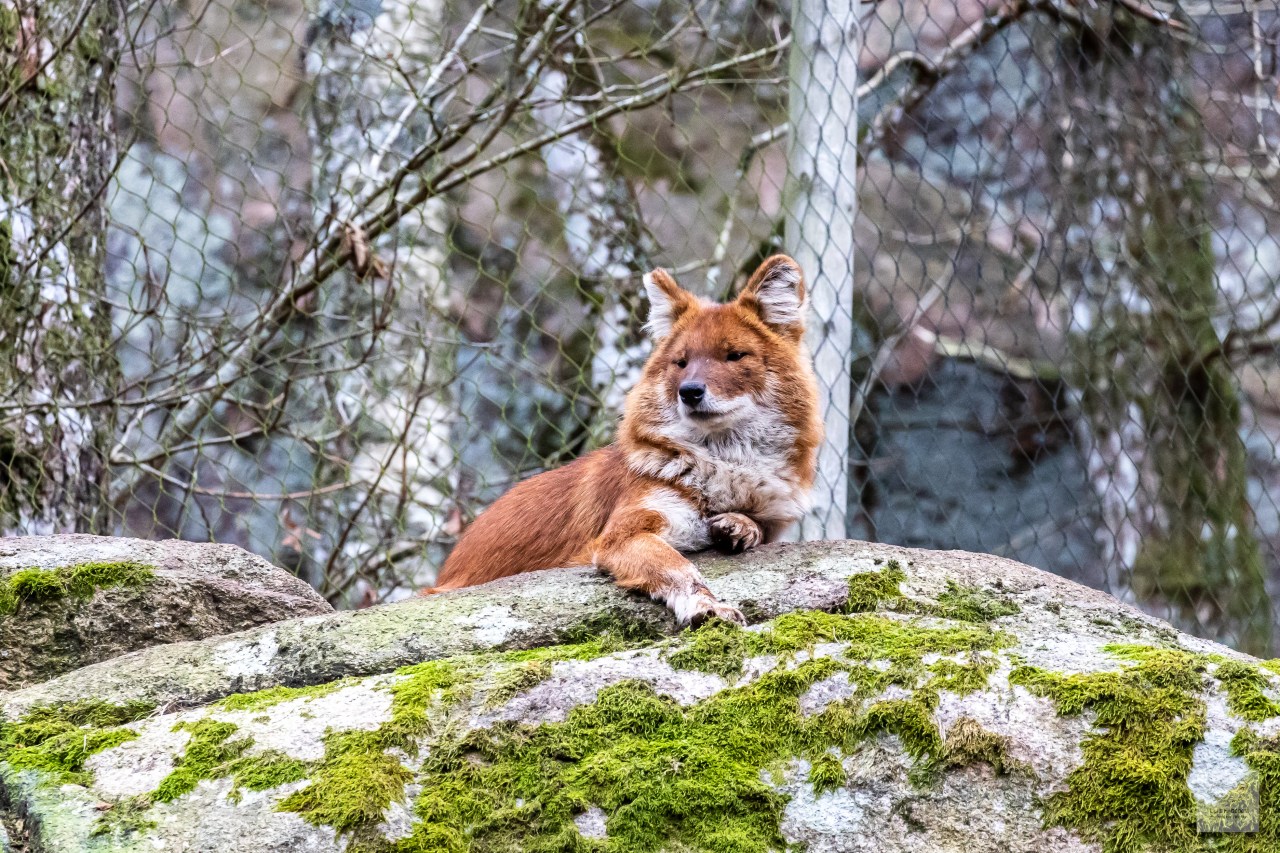
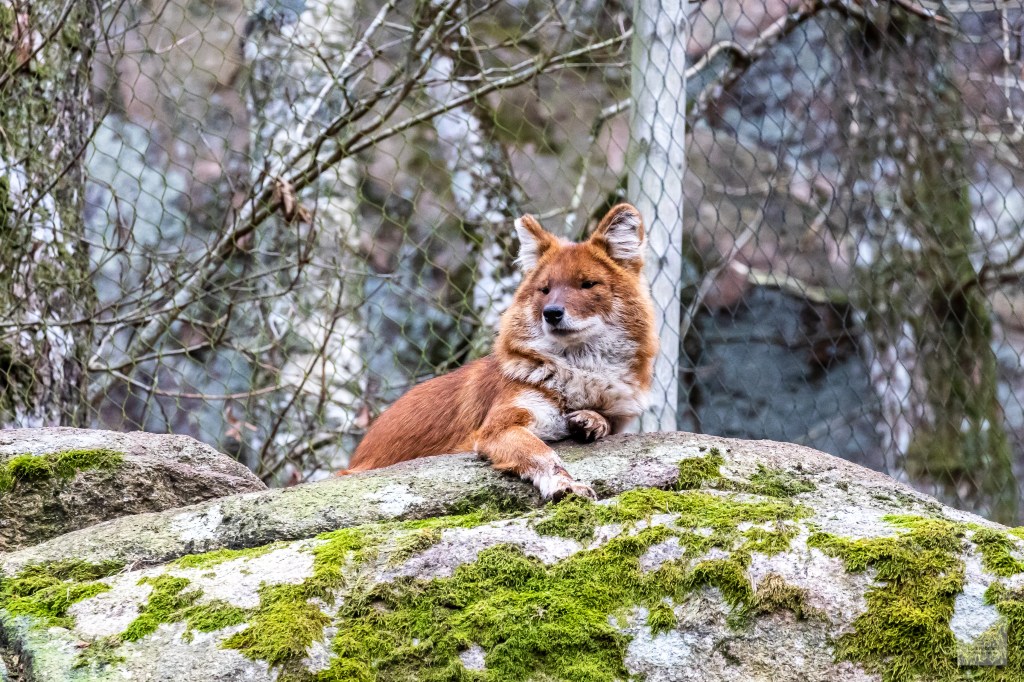
Dhole (Cuon alpinus) or Asiatisk Vildhund are native to central and southeast Asia. With no surprise it has several other names in English, Asian wild dog, Asiatic wild dog, Indian wild dog, whistling dog, red dog, and mountain wolf. It is, as the names suggest, related to Wolfs and domesticated Dogs. A highly social creature living in large clans in strict hierarchies.
Also this is an endangered species with less than 2 500 individuals left. Loss of habitat and trnsfered diseases from domestic dogs are some of the factors contributing to its decline. Also competition over prey from tigers and leopards in tropical regions.
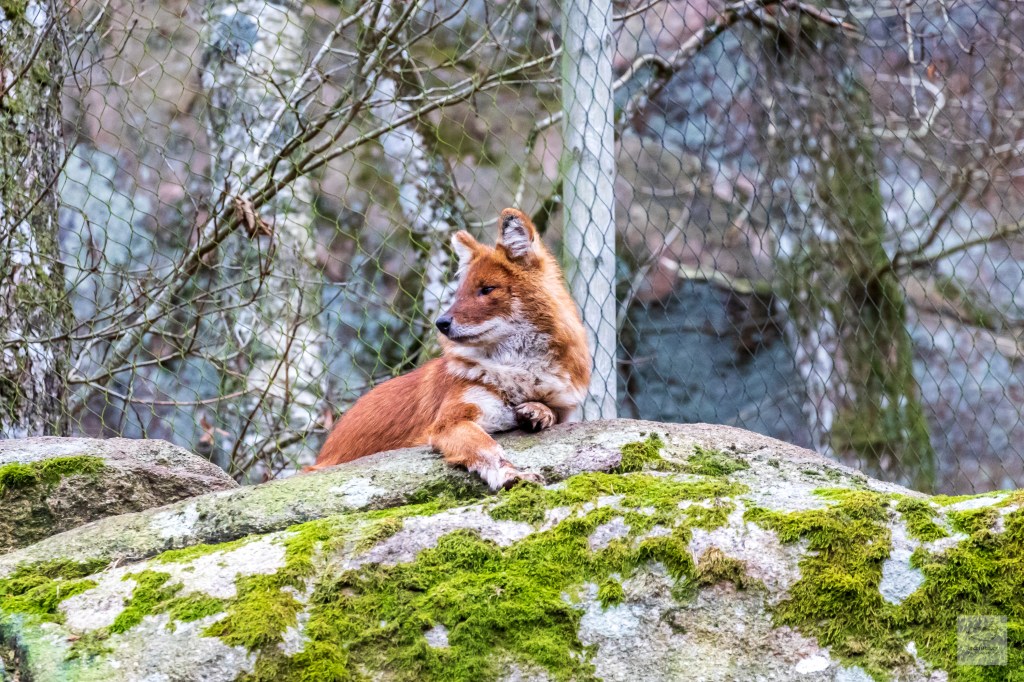
Bark at the moon, ha de Gött!
 UlleHaddock