

Drops of water resting on a leaves after the life giving rain.
Sun comes out, reflects in the drops. Calling them back.
So it evaporates and the ever ongoing cycle closes another loop.
Ha de Gött!
Advertisements

Drops of water resting on a leaves after the life giving rain.
Sun comes out, reflects in the drops. Calling them back.
So it evaporates and the ever ongoing cycle closes another loop.
Ha de Gött!
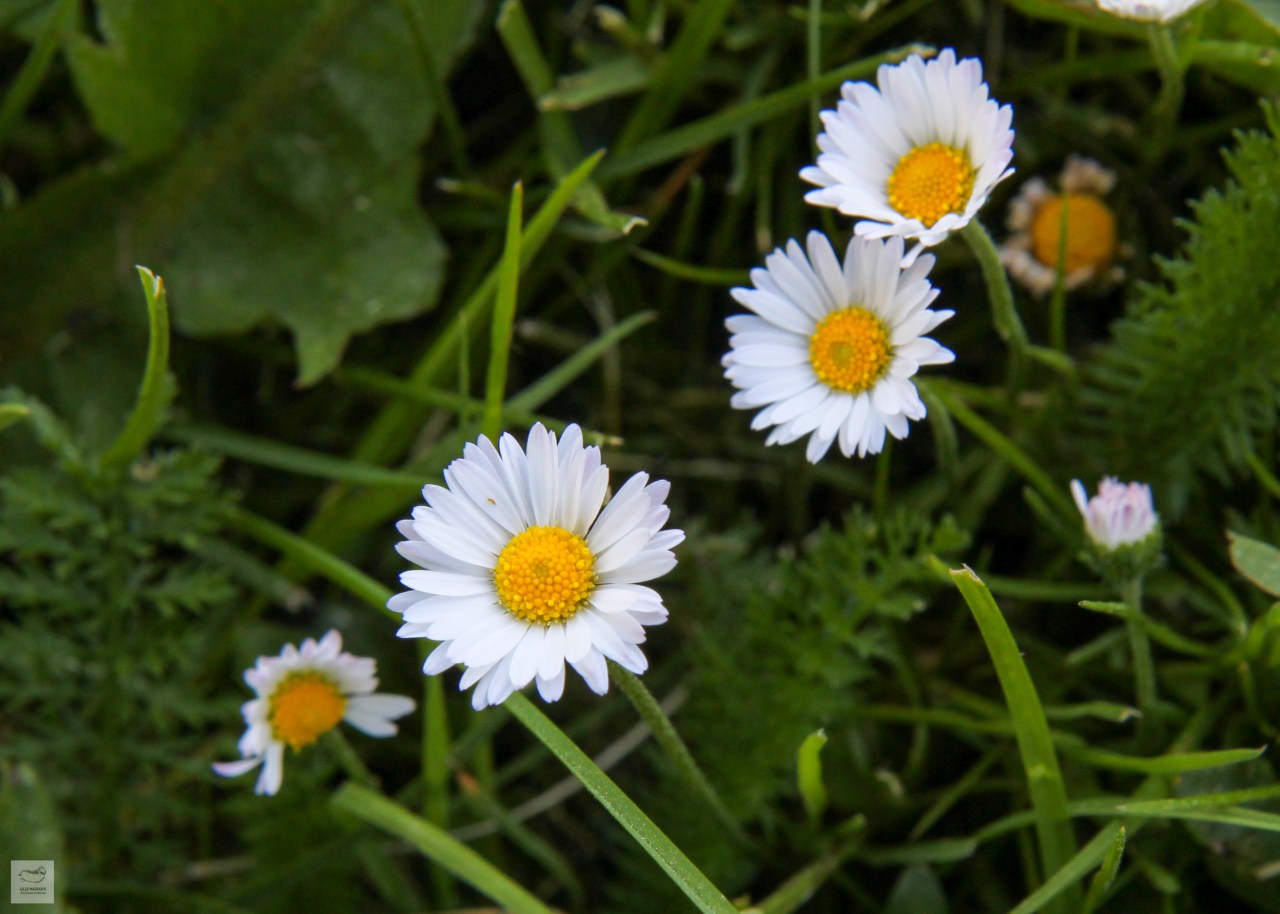

Daisy (bellis perenis) a little beautiful flower with a name for a cow. In Swedish “Tusensköna”. A bit more poetic using the Haddock translation technique. Split the word in two parts “tusen” and “sköna” then translate. Then it becomes the flower of Thousand Beauties. A bit more poetic, don’t you think.
Don’t get me wrong. I love cows, grew up on a farm with cows, several of them named Daisy. So stay tuned. To make the balance right I will try to come up with a cow poem in the future. Muu! Ha de Gött!
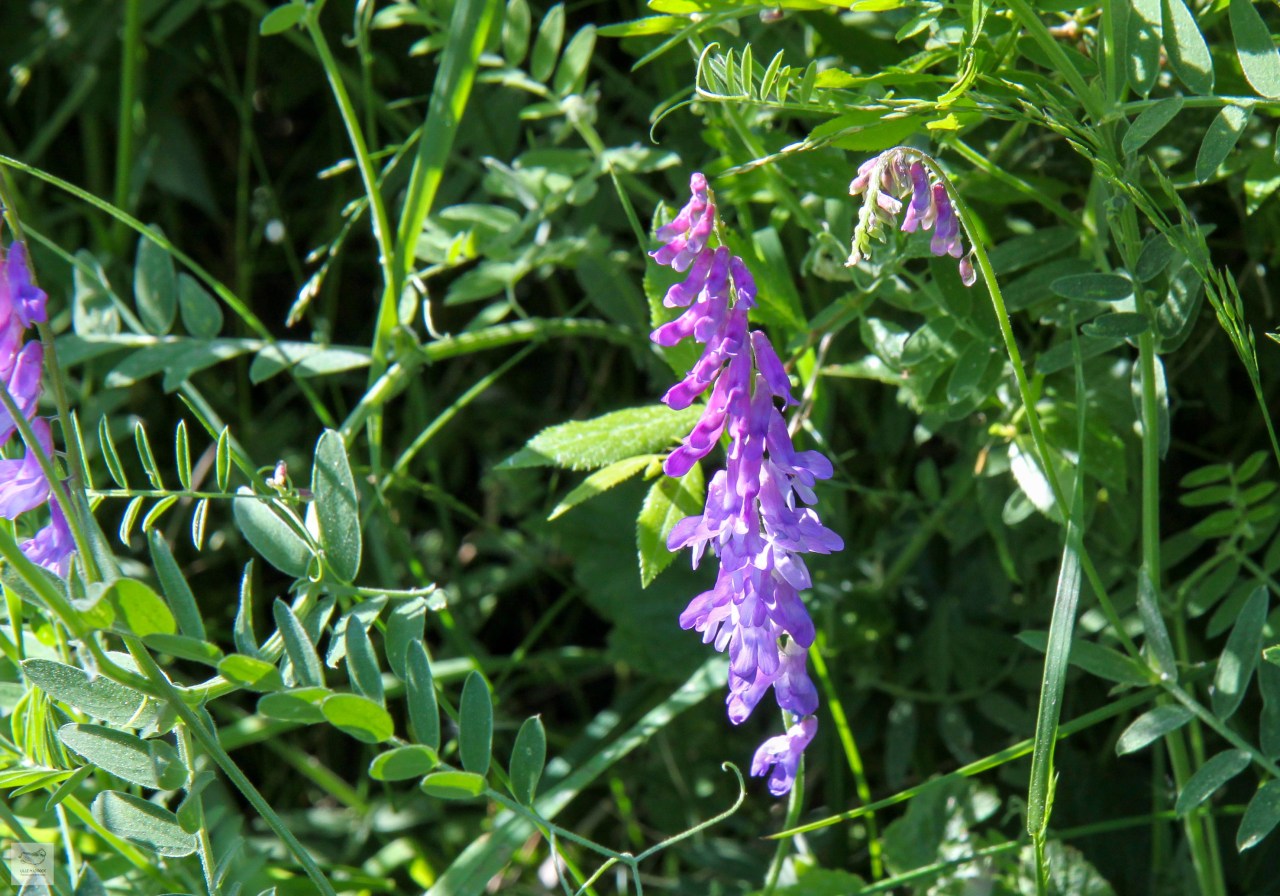
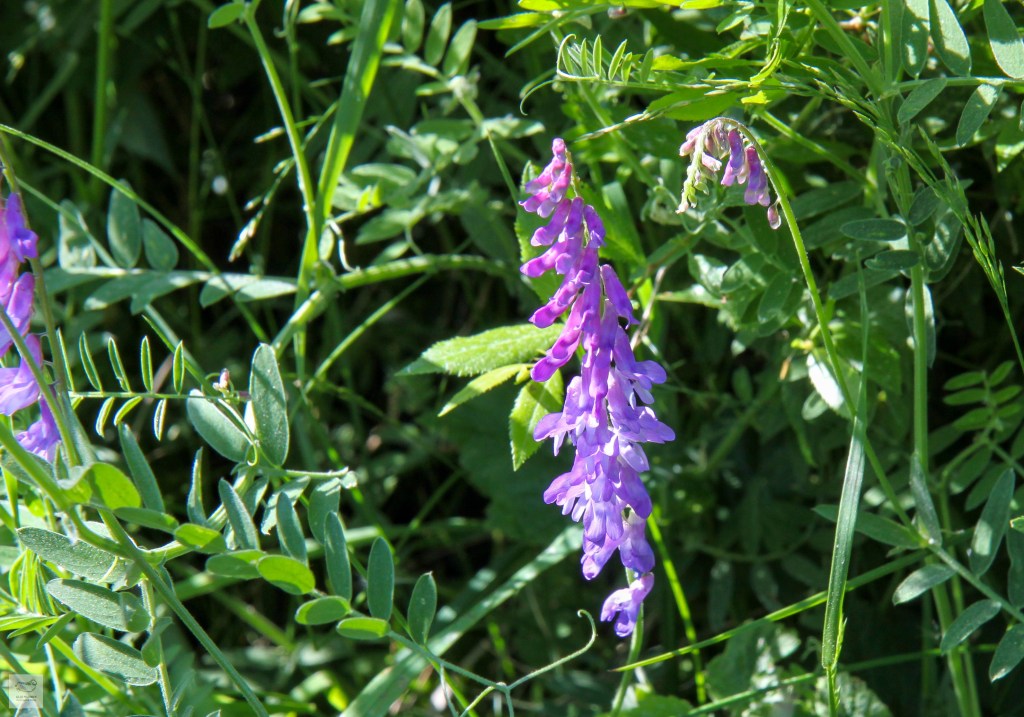
With the risk of becoming a flower photo blog I post another, flower. Can’t help myself, they are so beautiful. The camera lens is drawn to them as bees. So be it.
I’m also triggered by the investigation to find out the name. Like Sherlock Holmes I look for the clues and make deductions to find the answer. My Dr Watson, Mrs Haddock, also helps out (she’s pretty good at naming flowers but don’t tell her). When I fail I go to my Mrs Hudson, my mother-in-law, she’s like a Flora. One person missing in the gallery inspector Lestrade, that would probably be the actual Flora book.
There is probably an app available but that’s no fun. Ha de Gött!
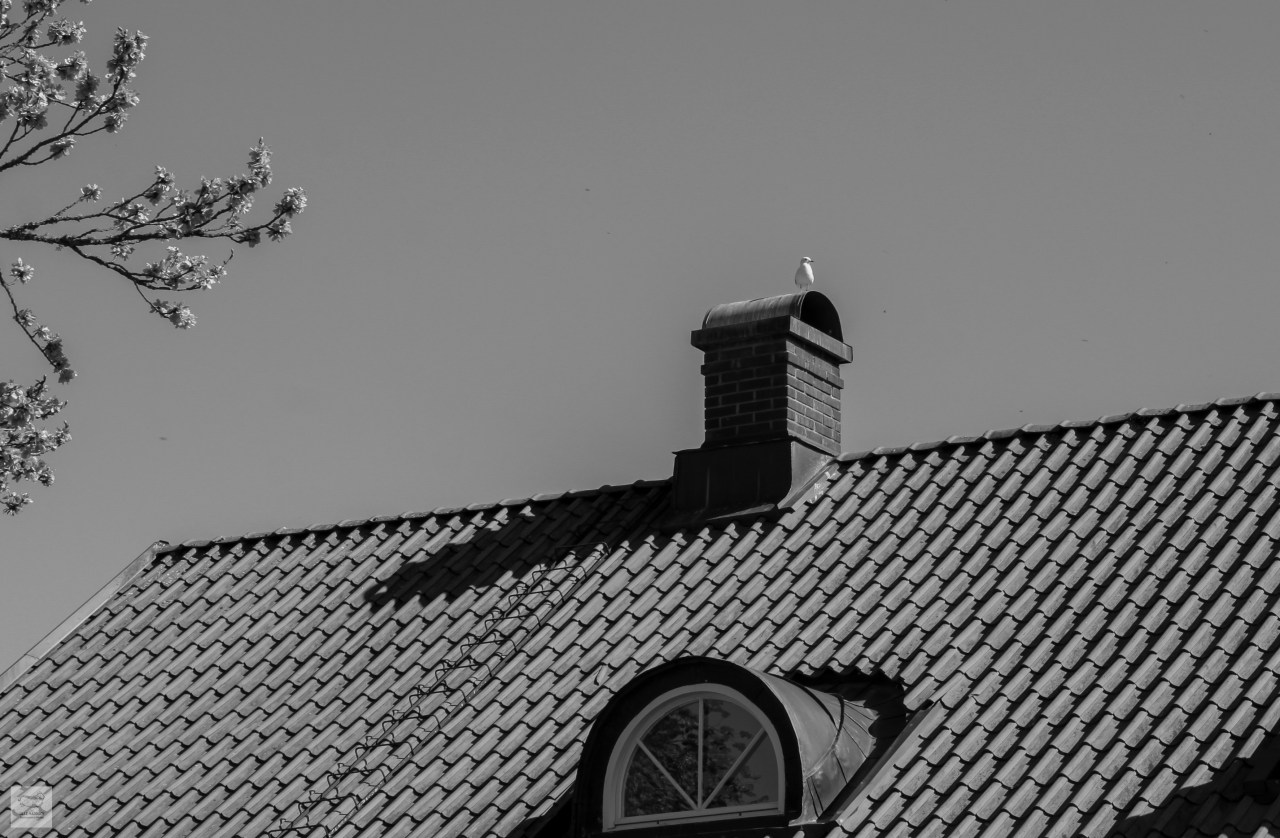
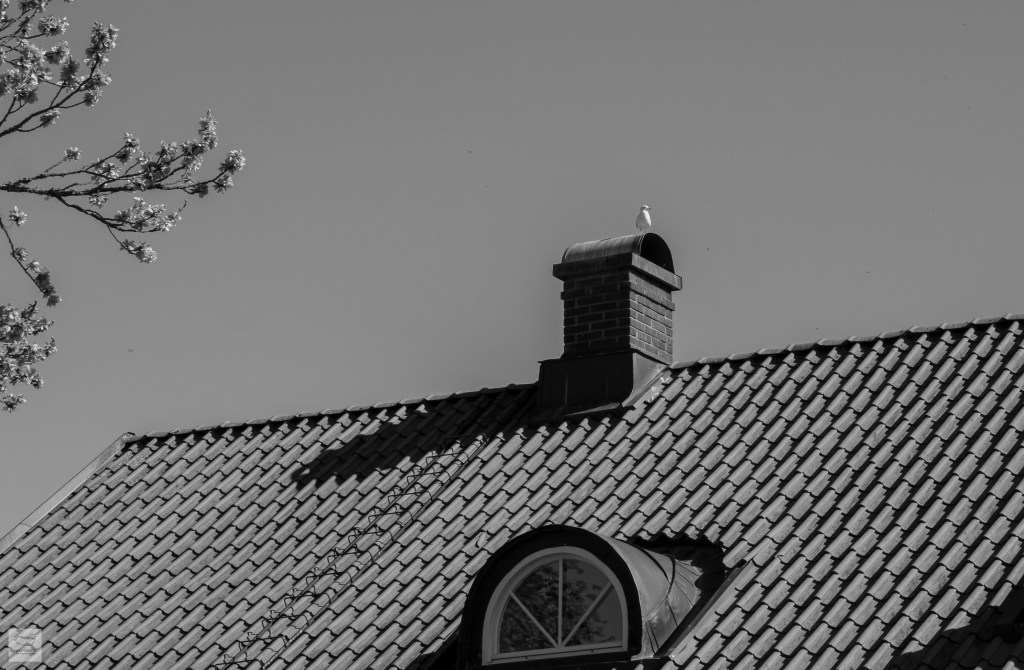
She’s got the look. Overseeing everything. I spy with my eye. Don’t come to close. I’ll scream and shit all over you.
Ha de Gött!
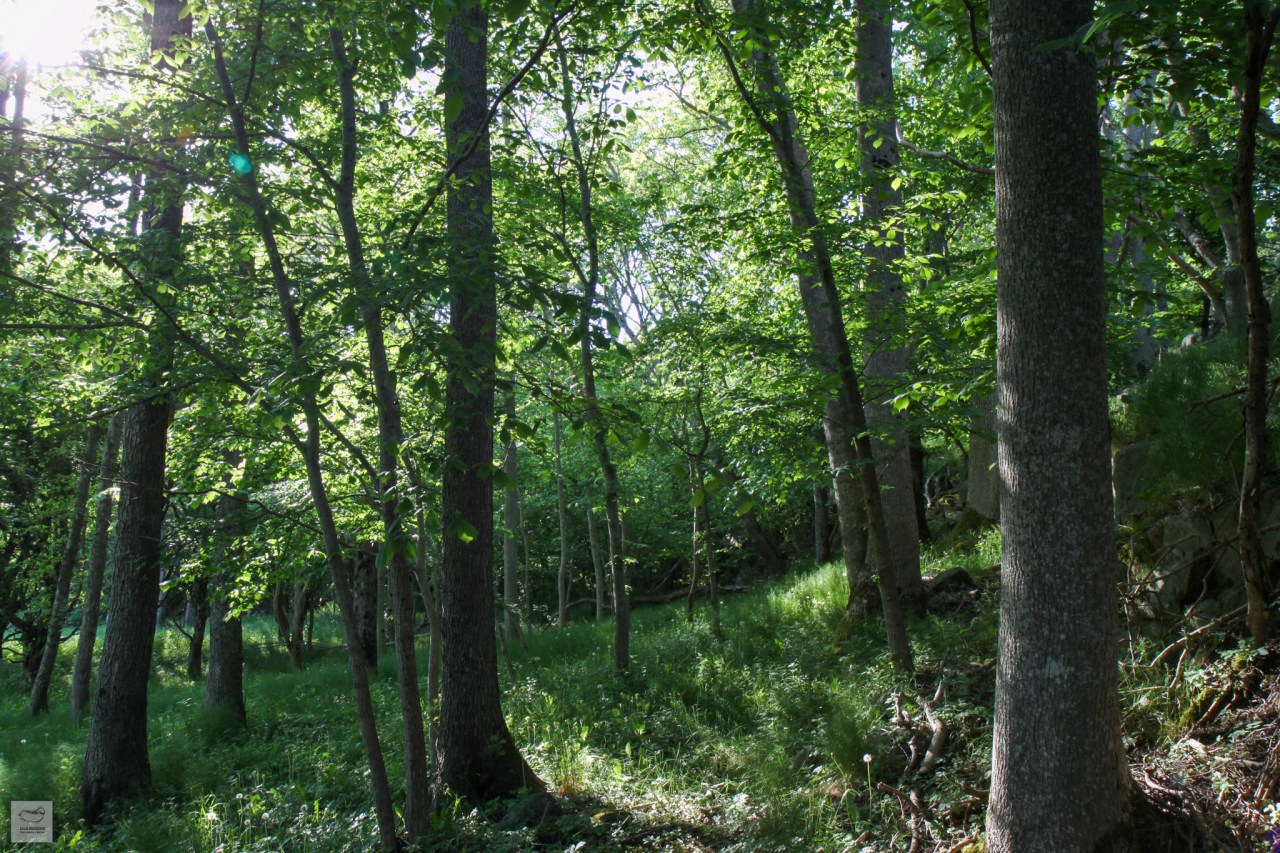

Sunlight dripping trough the thick leaves. Proud and tall they spread their branches in the early summer sun. Letting enough light sipp trough to the grass and flowers on the ground. A gentle breeze rustle the leaves. Accompanied by the singing birds and the buzzing of insects. The groove is a haven for bio-diversity, a northern rain forest.
Ha de Gött!
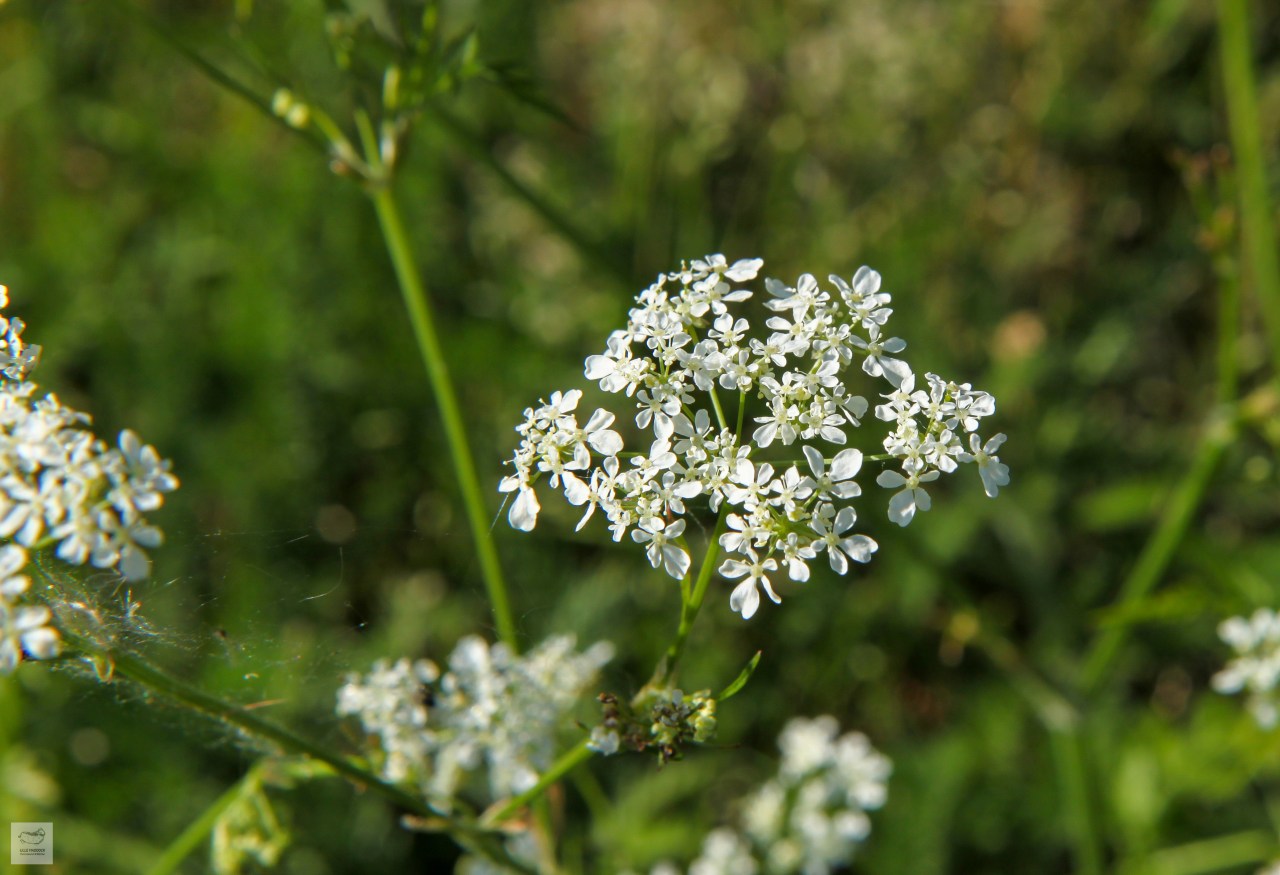
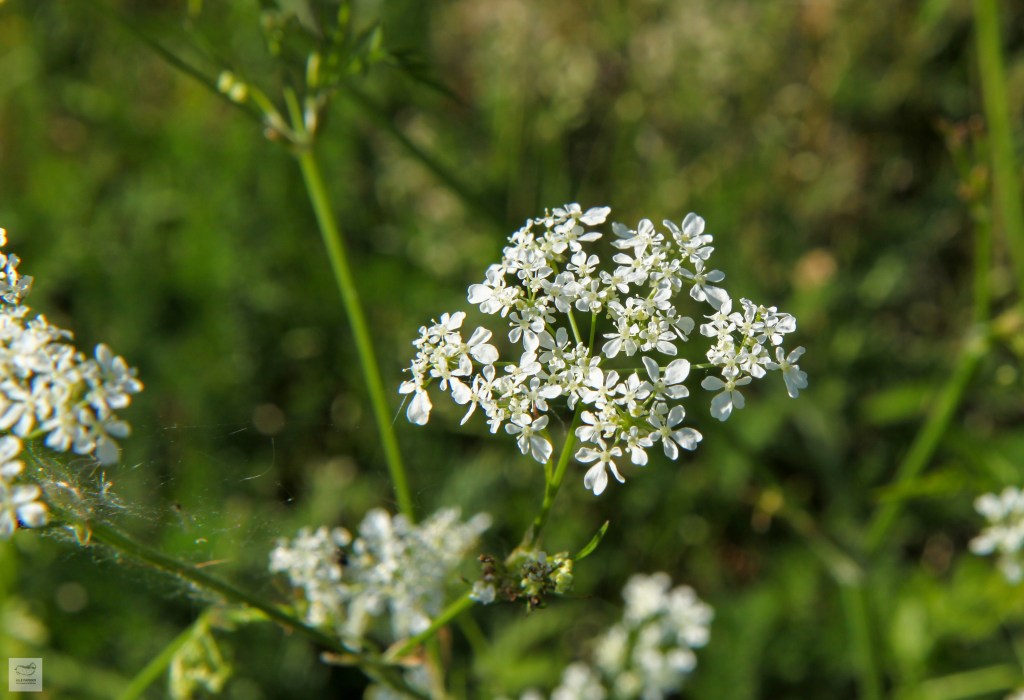
Also this white flower has many names. Cow parsley, wild baked parsley or keck. In Swedish “Hundkäx” that, with a Haddock style, translates to “Dogs biscuit”. The plant is like the dandelion sometimes considered a weed. With its rapid growth and long roots it is hard to control for the keen gardener. So if you hear someone barking in the garden they probably chasing “dogs biscuit”.
Ha de Gött!
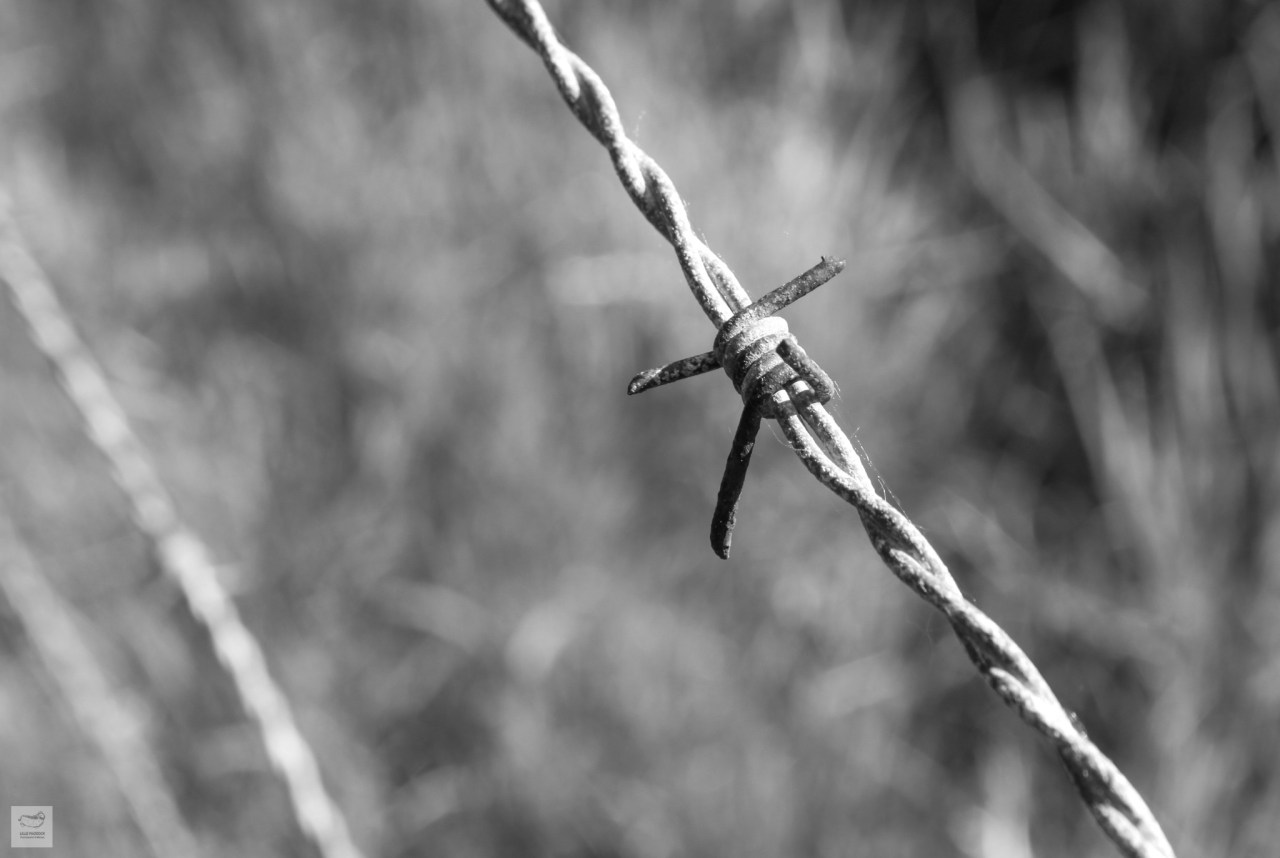
Barb Wire, would not let anybody in
Barb Wire, would not let anybody out
Barb Wire, integrity so strong
Barb Wire, touch and get stuck
Barb Wire, leave you scratched and scared
Barb Wire, galvanized with trust
Barb Wire, neglected to rust
Barb Wire, would not let nobody out
Barb Wire, would not let nobody in
Barb Wire, all alone
Ha de Gött!
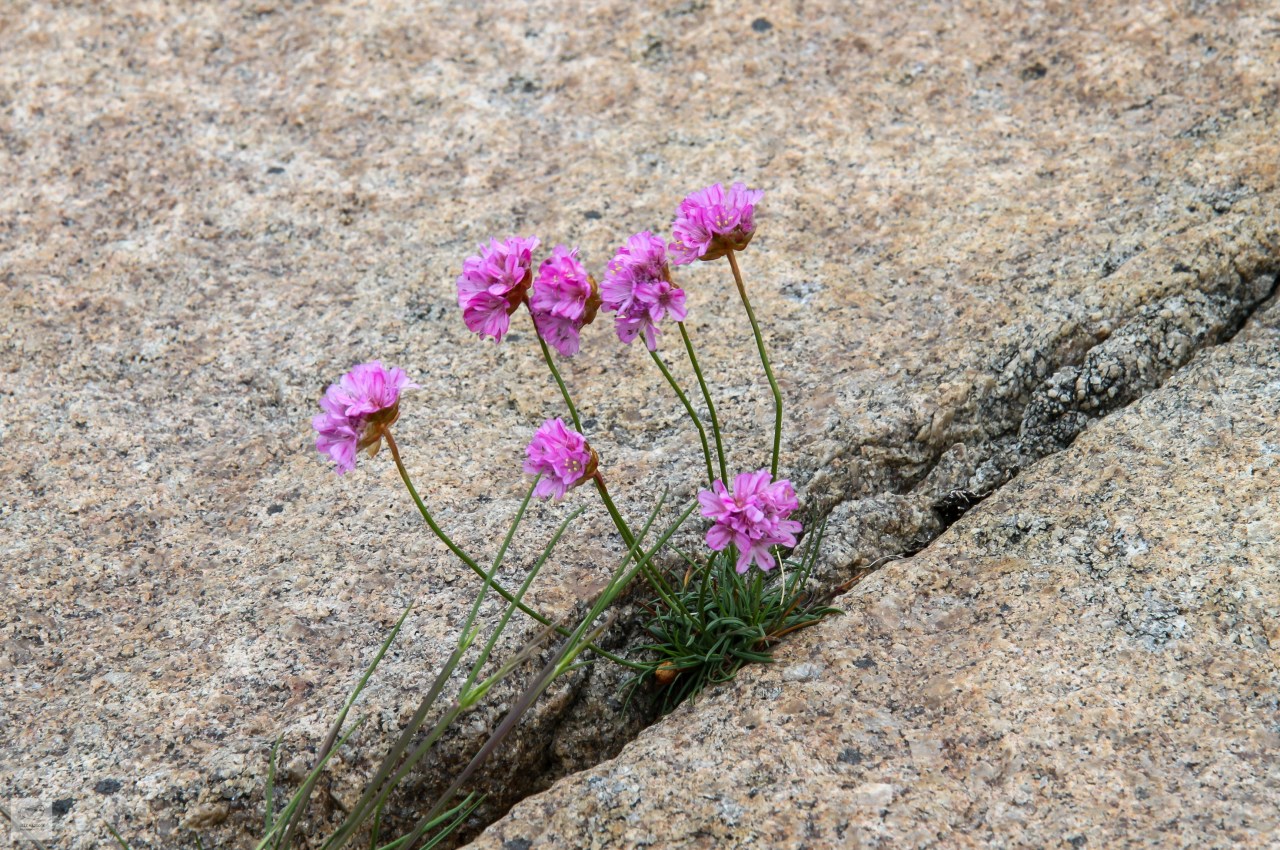
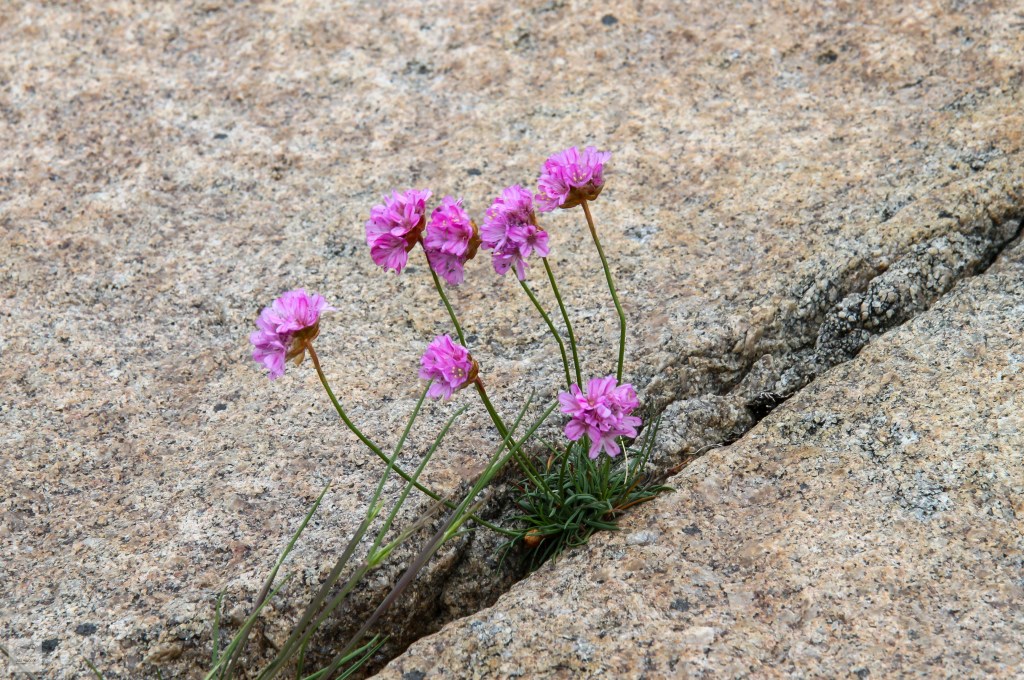
Thrift (armeria maritima) also called sea thrift or sea pink. A sturdy little plant that grows in the poorest and salty soil. Normally close to the sea but nowadays also at the side of the road. Not because it likes fast cars but from the salt spread during winter to melt the ice.
Ha de Gött!
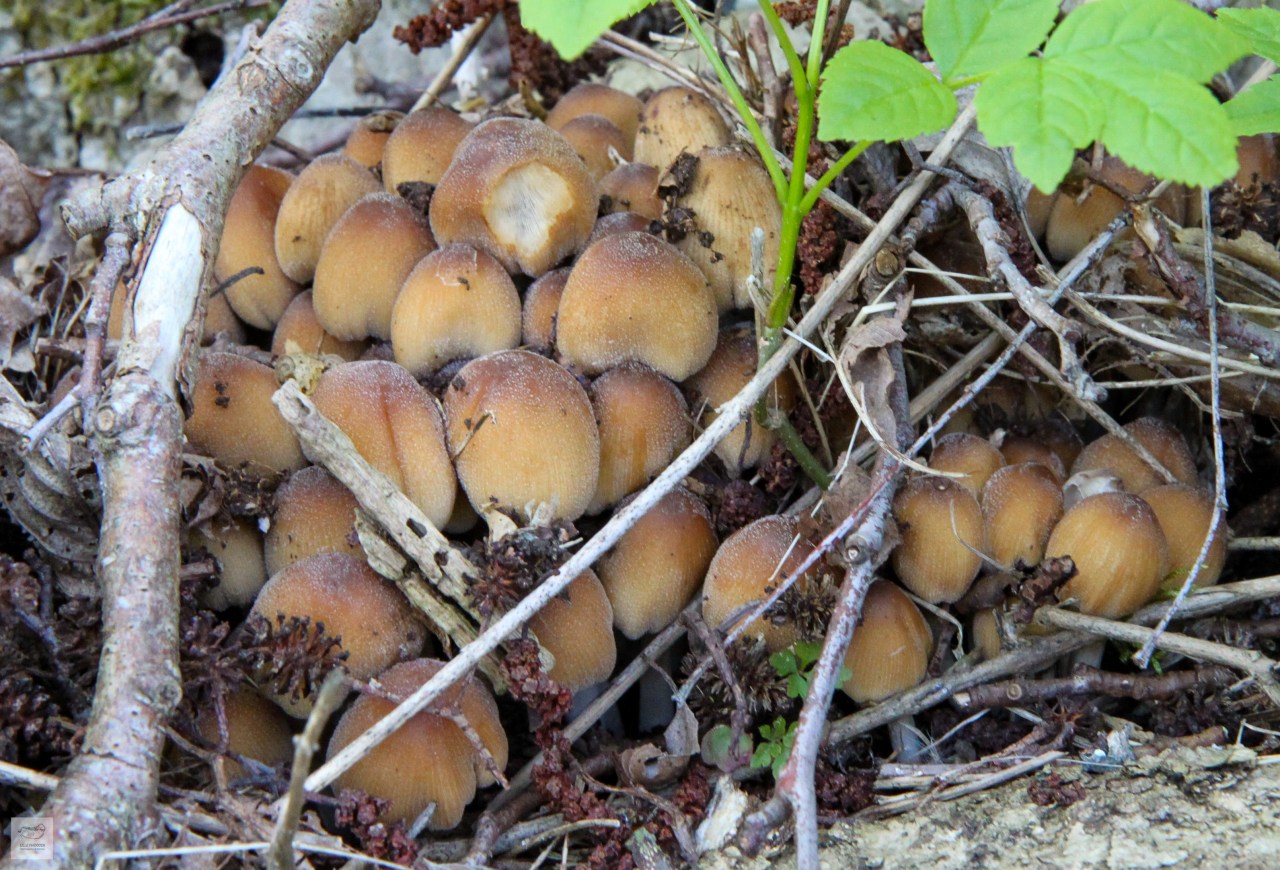
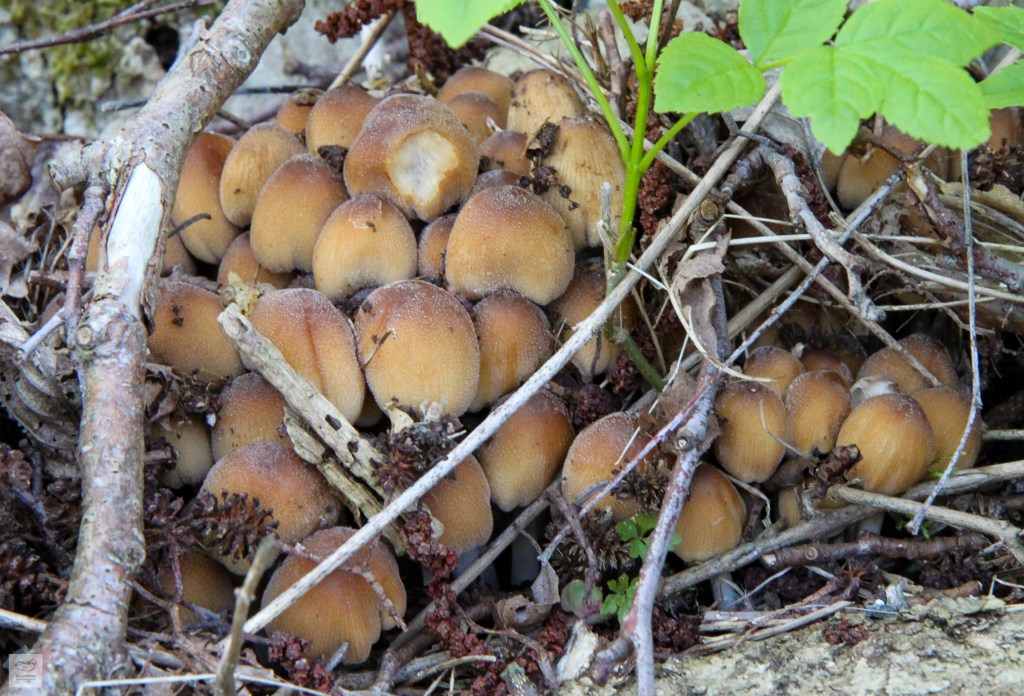
Sometimes you just feel like these. All mushy and squeezed. With all the white and bright colored flowers I felt it was time for the beautiful brown color. Some animal has nibbled on one of the mushrooms but I dare not.
Ha de Gött!
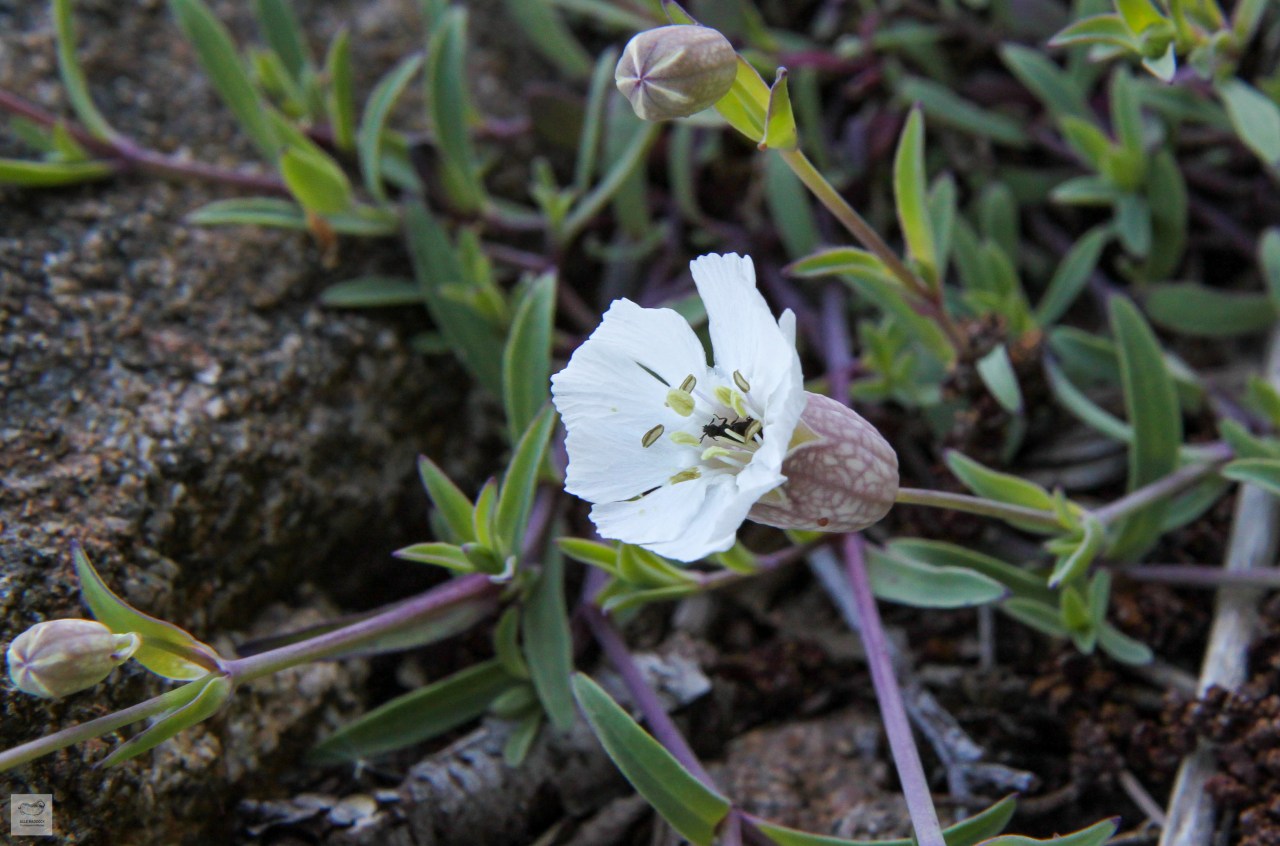

In Swedish this is named “Strandglim” (Silene uniflora) and it is very common on the beaches around Sweden. It is a herb that thrive in the poor soil at beaches and rocks. This specimen had a little visitor, a beetle. Don’t know if it is John, Paul, Ringo or George, but I hope he comes out with some flower power. Ha de Gött!
 UlleHaddock