Tag Archive for ‘biodiversity’

Shaggy parasol

Shaggy parasol

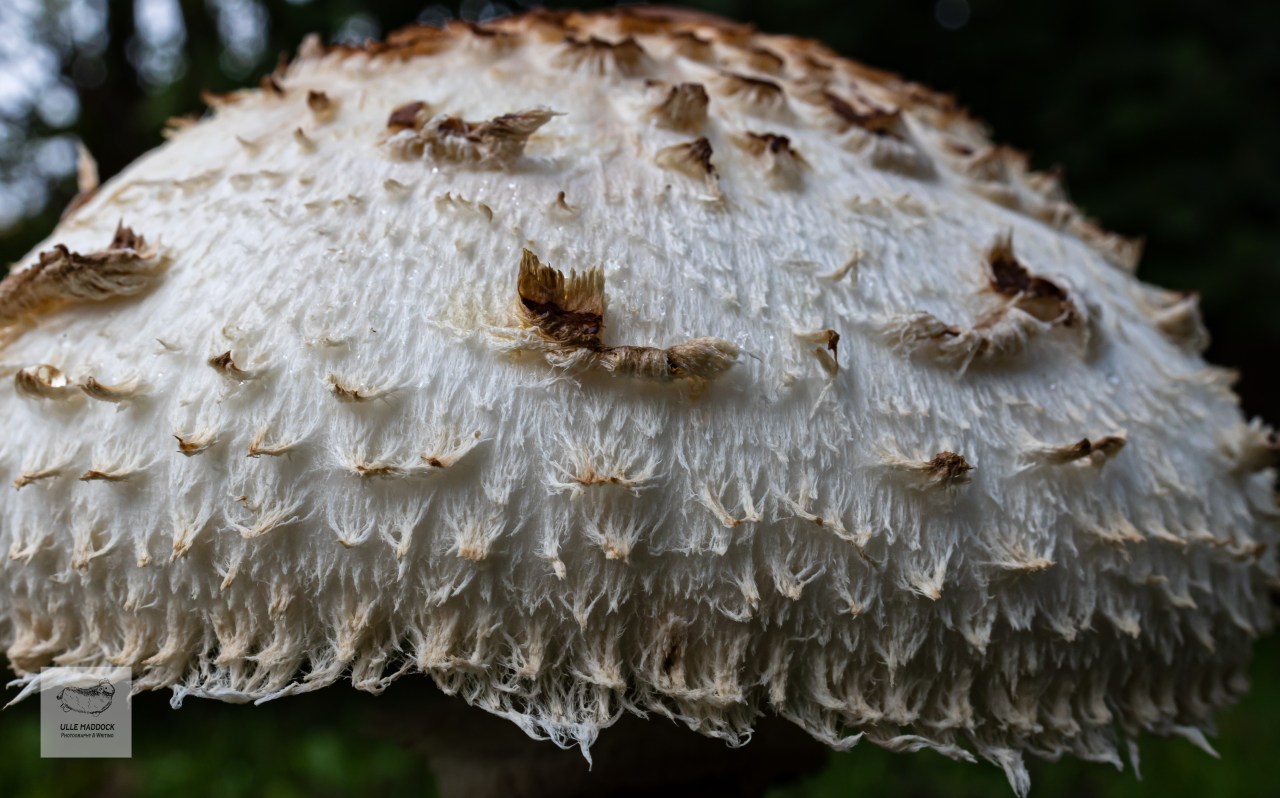
Macro of a parasol mushroom. I think it is a shaggy parasol or a parasol mushroom. Like many mushrooms it is very difficult to find out. Beautiful anyway. Now if it is a shaggy parasol one can only wonder what goes on underneath.

Don’t stay to long in the sun, ha de Gött!

Advertisements

Eagle-Owl

Eagle-Owl

I was just about to put away the camera as I was loosing light when I heard her. My friend the Eagle-owl I wrote about in an earlier post, find it here. She was hiding very well in the branches of the high pine forest. She had me under close observation as I was trying to find a good angle and get closer. I even think she was moving around to block my view. She gave me a tantalizing hoo-hoo as I walked away.

Easy come, easy go, ha de Gött!

Advertisements

Fungus

Fungus

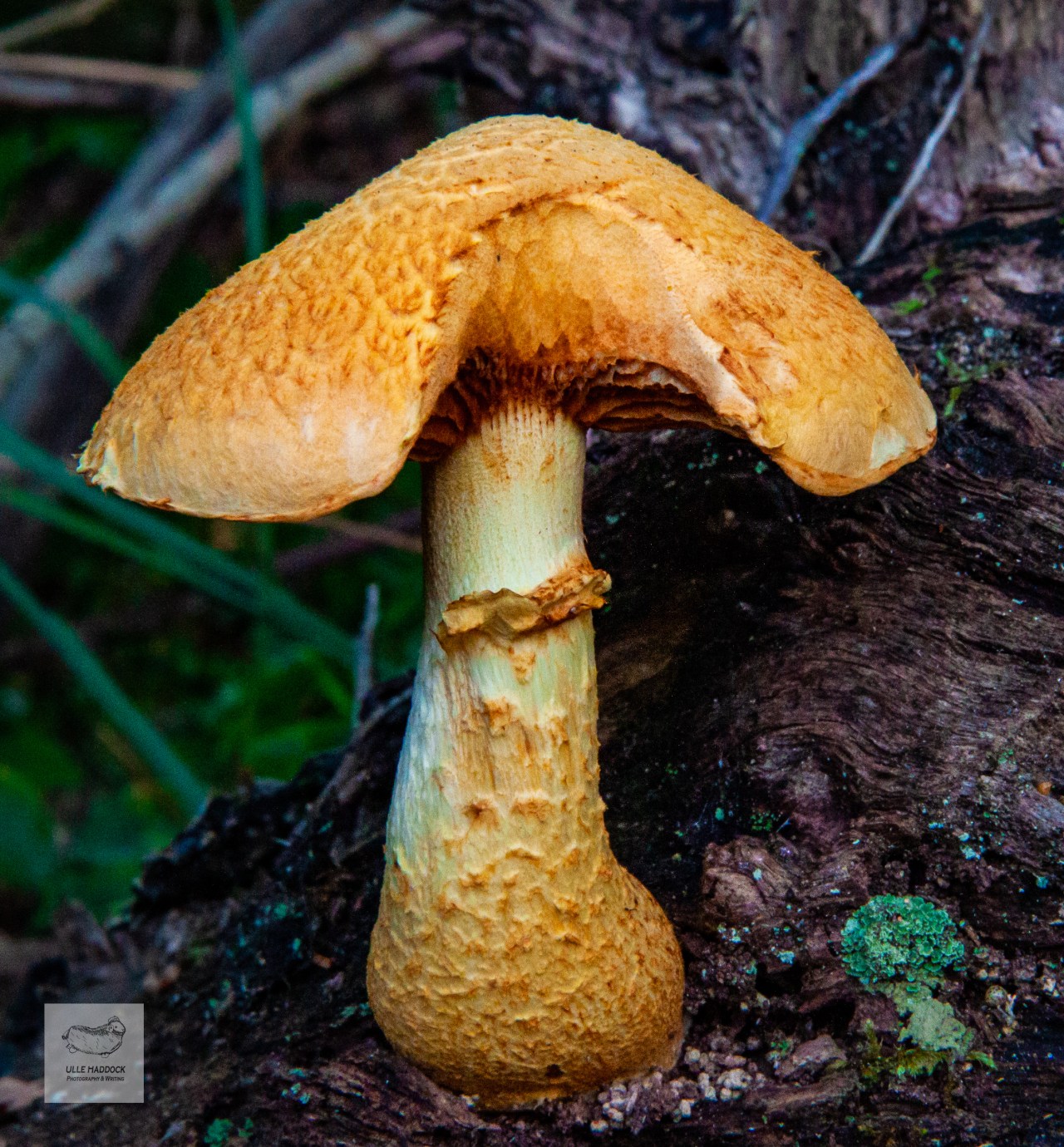
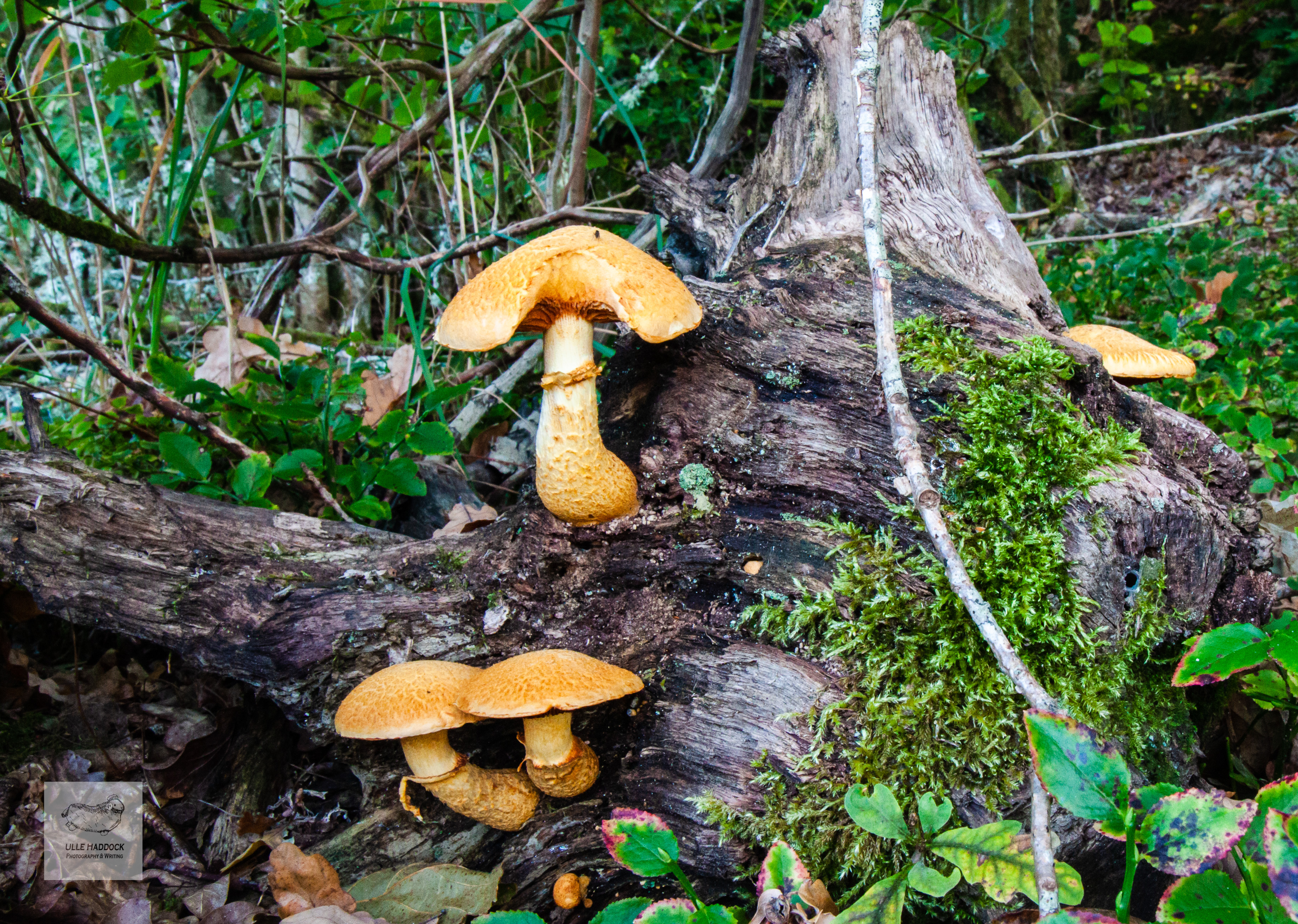
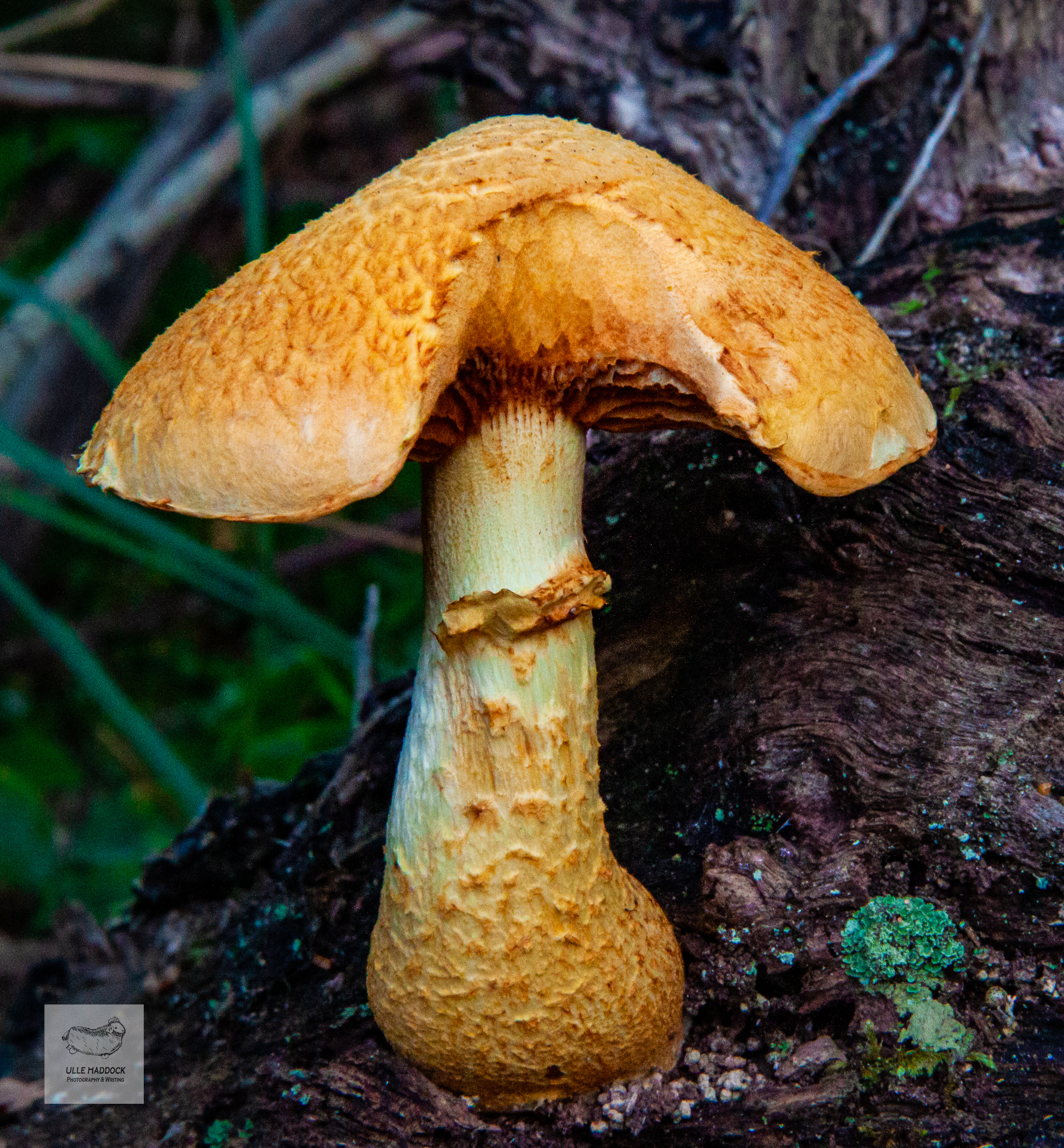
Like a family of little yellow gnomes, popping out of the decaying oak tree root.

Safely hidden in the fading autumn green leafs, reaching out for the eluding sun.

With yellow hats and casual collars, curiously sniffing the fresh chilly evening air.

Mycel safely connected to the root, signaling celebration their biodiversity flair.

I have not been able to find out what the name is these are, but they are beautiful still. Ha de Gött!

Advertisements

Blackthorn

Blackthorn

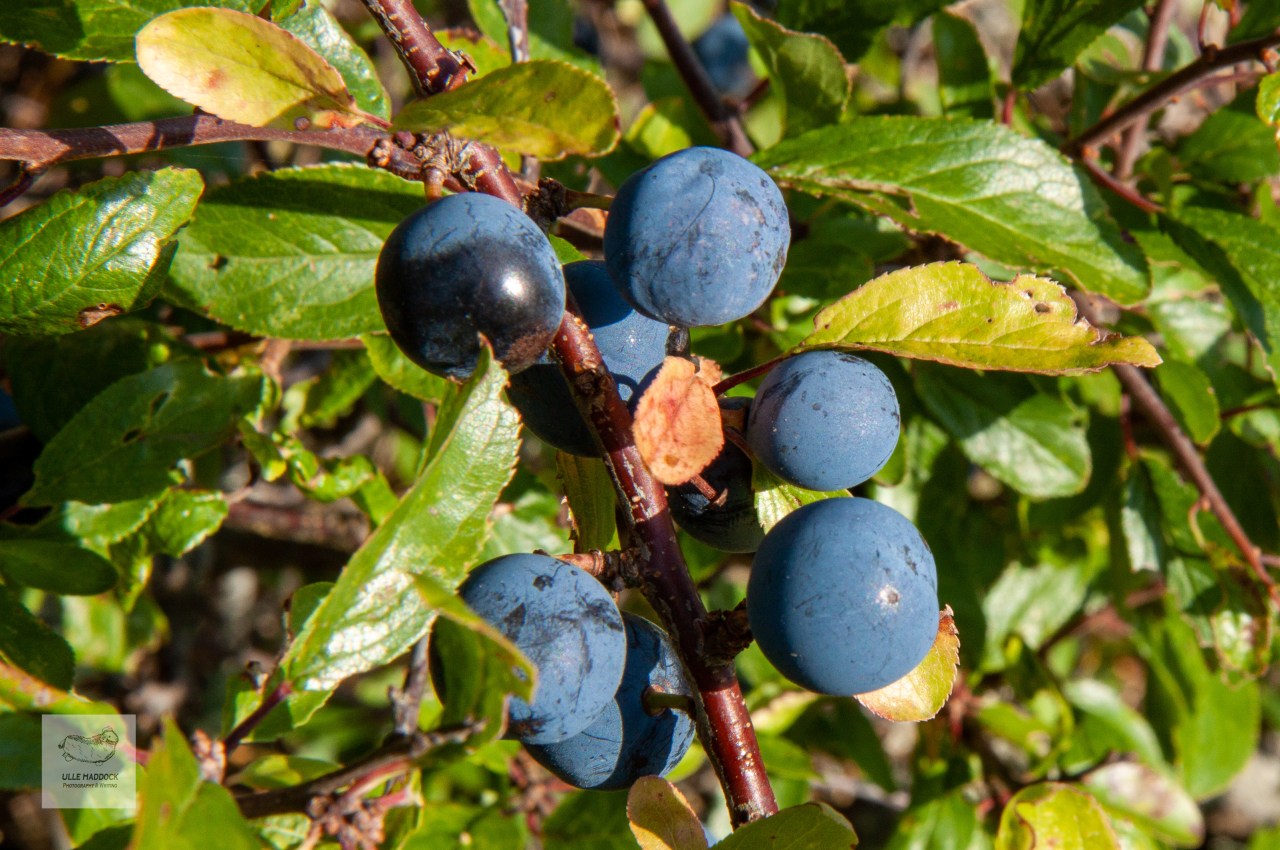
Blackthorn (Prunus spinosa) or Sloe berries. In Swedish “Slånbär”. A bush with long sharp thorns that creates a thicket more or less impenetrable. It’s eatable but rather tart and astringent unless it has been subject to a few frosty nights.

Retract your thorns, ha de Gött!

Advertisements

Cross Spider

Cross Spider

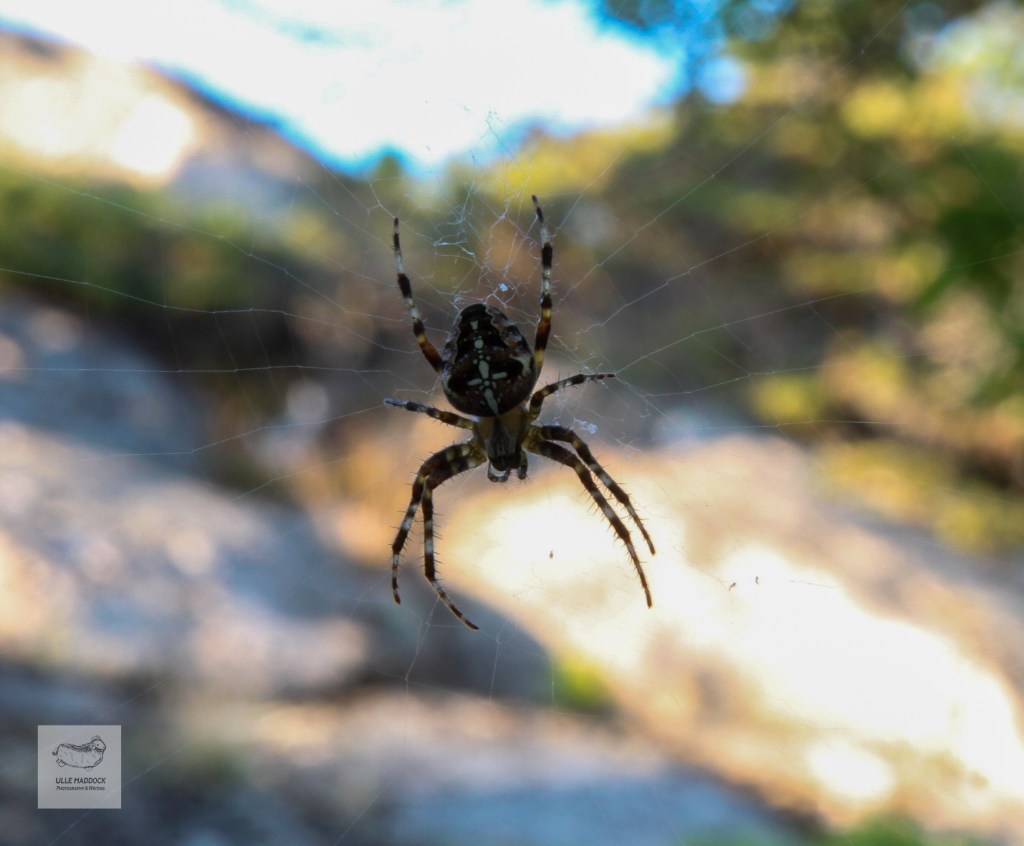
I know, like me, many of you don’t like spiders. But I have to show you this beautiful Cross Spider (Araneus diadematus). She had spun a one by one meter web on the veranda window and just sat there waiting for a fly or a wasp. It is called “Korsspindel” in Swedish and it simply translates to Cross Spider even without my creative translation. There is a proverb in Sweden “a loved child has many names”. I guess the English speaking world love this spider. Cross spider, European garden spider, Diadem spider, Orangie, Crowned orb weaver and sometimes pumpkin spider.

Found all over Europe and North America. It is an orb-weaver spider, meaning it spins orb shaped webs. The male live a dangerous life. The female sometimes eat the male before, during or after courting. Don’t know if that is some kind of scoring system! Bad DNA I’ll eat you up, good DNA, I want more of you.

It is a common misconception that it is poisonous and dangerous to humans. Like many spiders it has a venom to paralyze its pray but it is much milder than a wasp. So harmless to humans.

So let the world and the spiders keep spinning, ha de Gött!

Advertisements

King of Sweden

King of Sweden

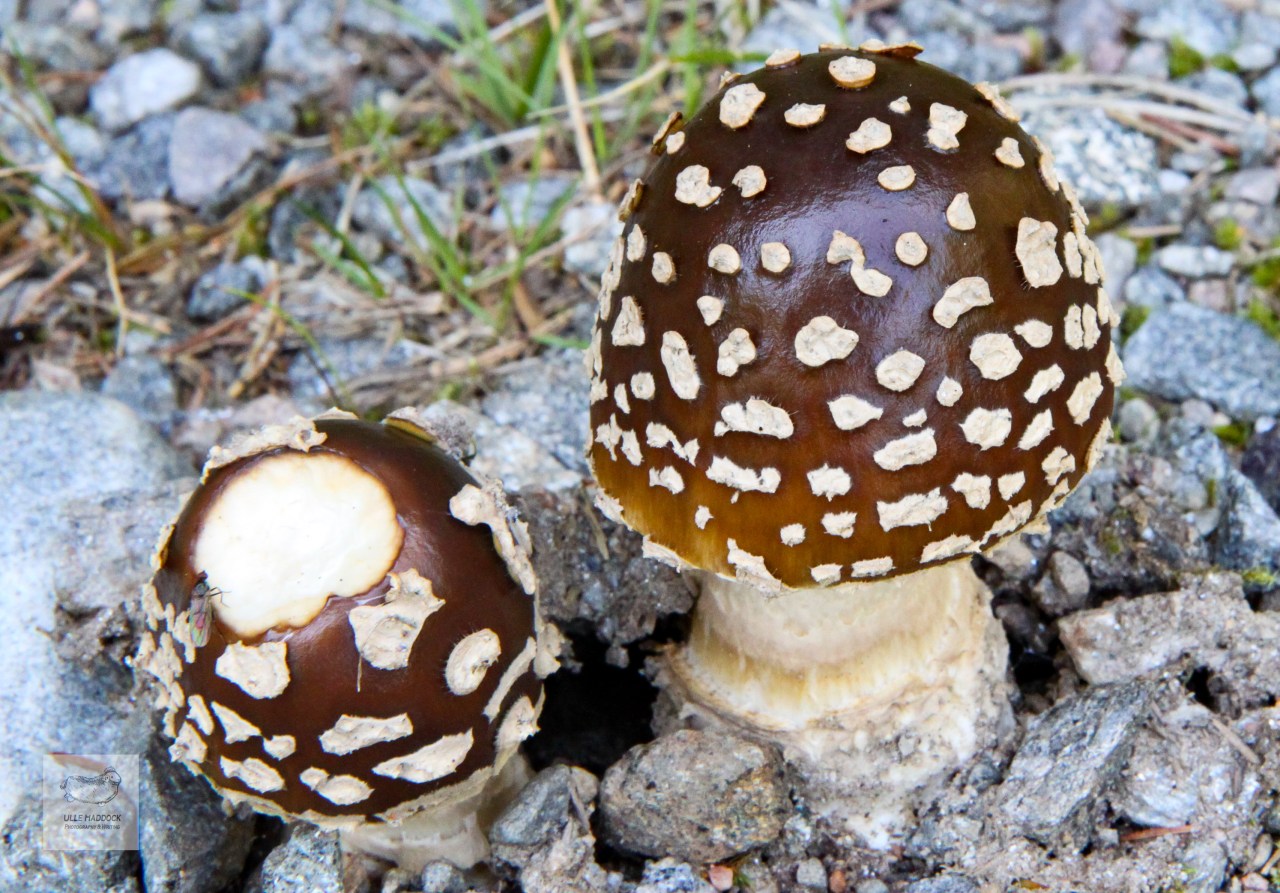
Don’t know why but this toxic fungus (Amanita regalis) is called “King of Sweden Amanita” or the “Royal Fly Agaric”. Probably named by someone who dislike monarchy, specially the Swedish! In Swedish it is called “Brun Flugsvamp” translates in Haddock style to “Brown Fly Mushroom”. It is common in Scandinavia and since the Swedish kings historically been messing around with the neighbors, the name makes perfect sense.

It contains several toxins with very unpleasant effects (according to Wikipedia, not from personal experience) and even death. There is a wide spread myth that the Vikings used it as a drug for parties and before battle. There is however no evidence of this and if you think about it, why on earth would they use drugs when they invented beer!

To quote the Swedish king, “now we turn leaves”, ha de Gött!

Advertisements

Lonely tree

Lonely tree

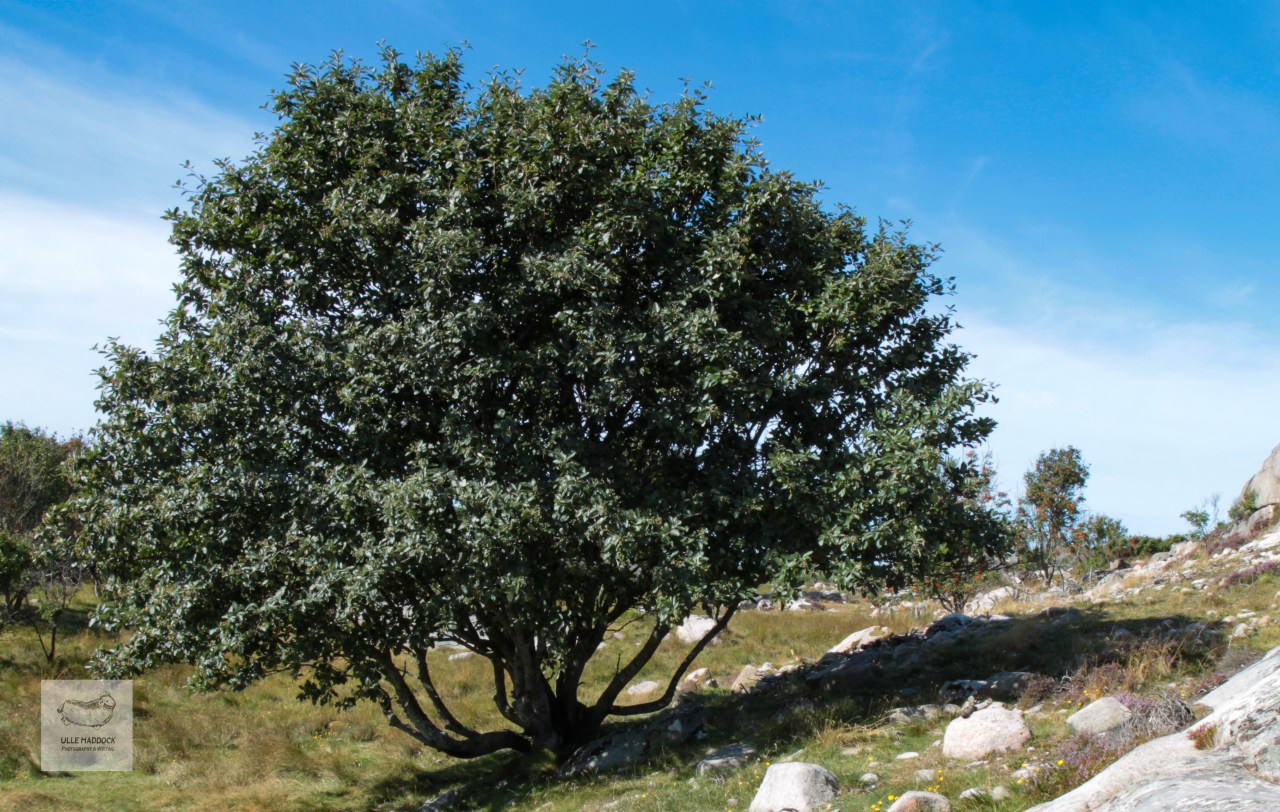
This lonely tree is an Swedish whitebeam (Sorbus intermedia). Got to love the English name! In Swedish it is called “Oxel”. It grows wild only in the Nordic countries. It grows in pastures and at the forest edge.

Find comfort, hug a tree. Ha de Gött!

Advertisements

Erica tetralix

Erica tetralix

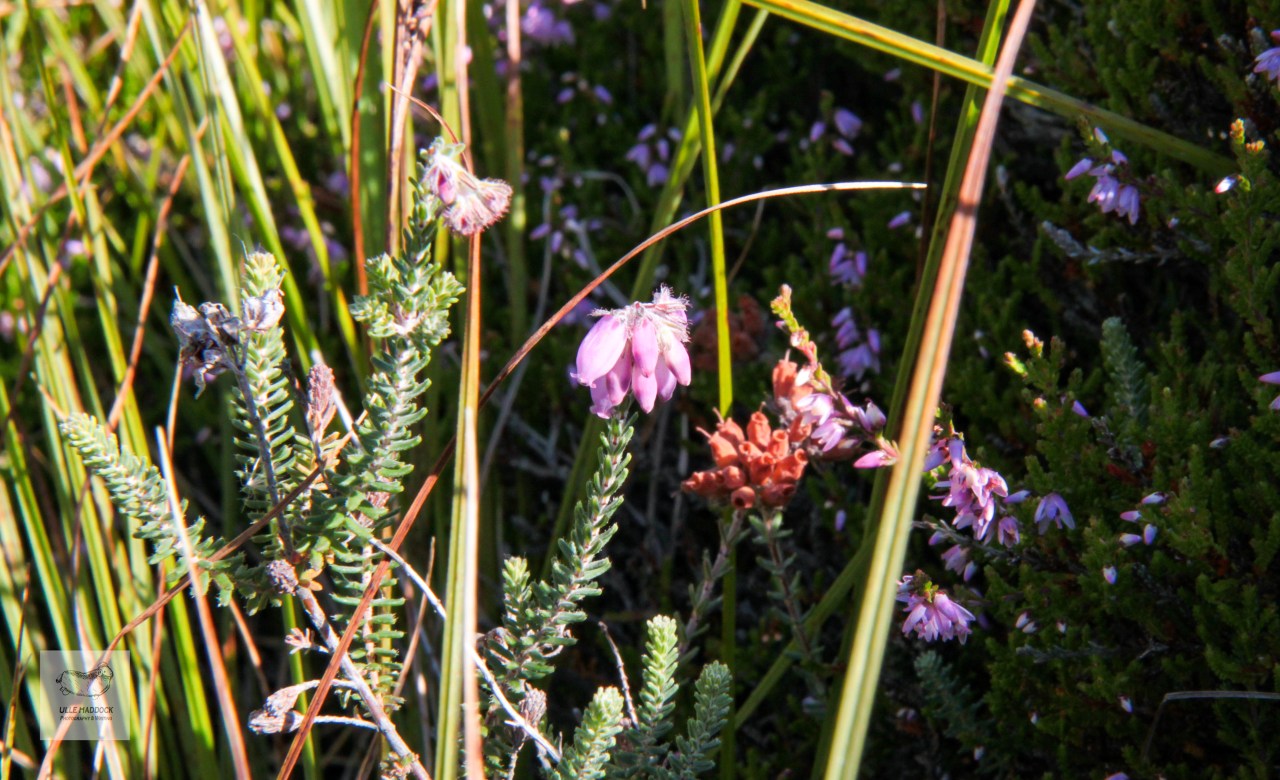
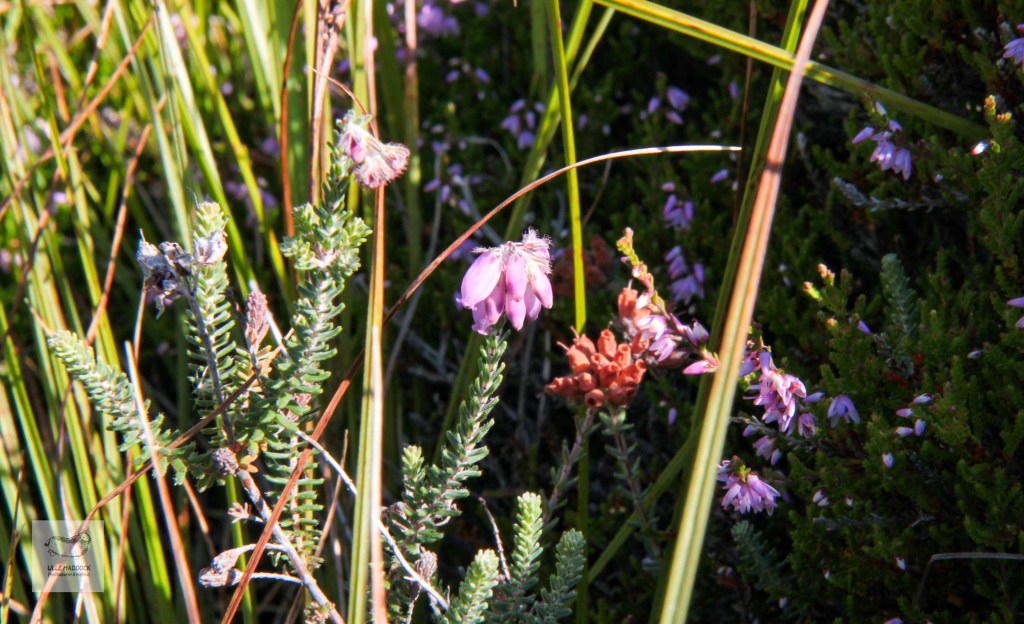
Also called cross-leaved heath. Got its common name from the leaves that grows out from the stem in a cross of four leaves. Native in western Europe. In Swedish “klockljung” that translates to “Bell ling”. The name is probably from the bell shaped flowers. Even if the Swedish name suggest so, it does not make any sound. However both the Swedish and the English names suggest involvement from the church.

Ring, ring give somebody a call, ha de Gött!

Advertisements

Peacock Butterfly

Peacock Butterfly

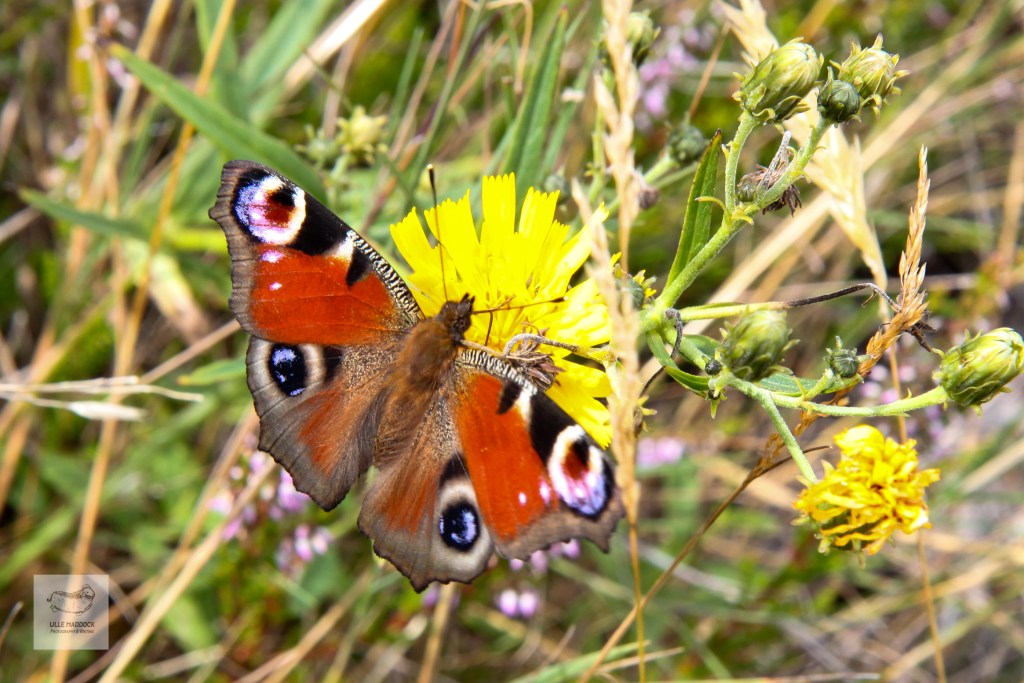
It has been avoiding me all summer, but finally I got a decent shot. The Peacock butterfly (Inachis io). For some reason the latin name is different in the English (Aglais io) and Swedish (Inachis io) version of Wikipedia. The common names does not differ to much. In Swedish it is called “Påfågelsöga” that translates to “Peacocks eye”. The name comes from the distinctive eye like mark on its wings. These marks is similar to the marks of the Peacock bird. No peacocks in Sweden, so you will have to use a search engine close to you to find a picture. If you do live in a region with those magnificent birds you are more than welcome to share.

Puff up your feathers, ha de Gött!

Advertisements

Yellow Loosestrife

Yellow Loosestrife

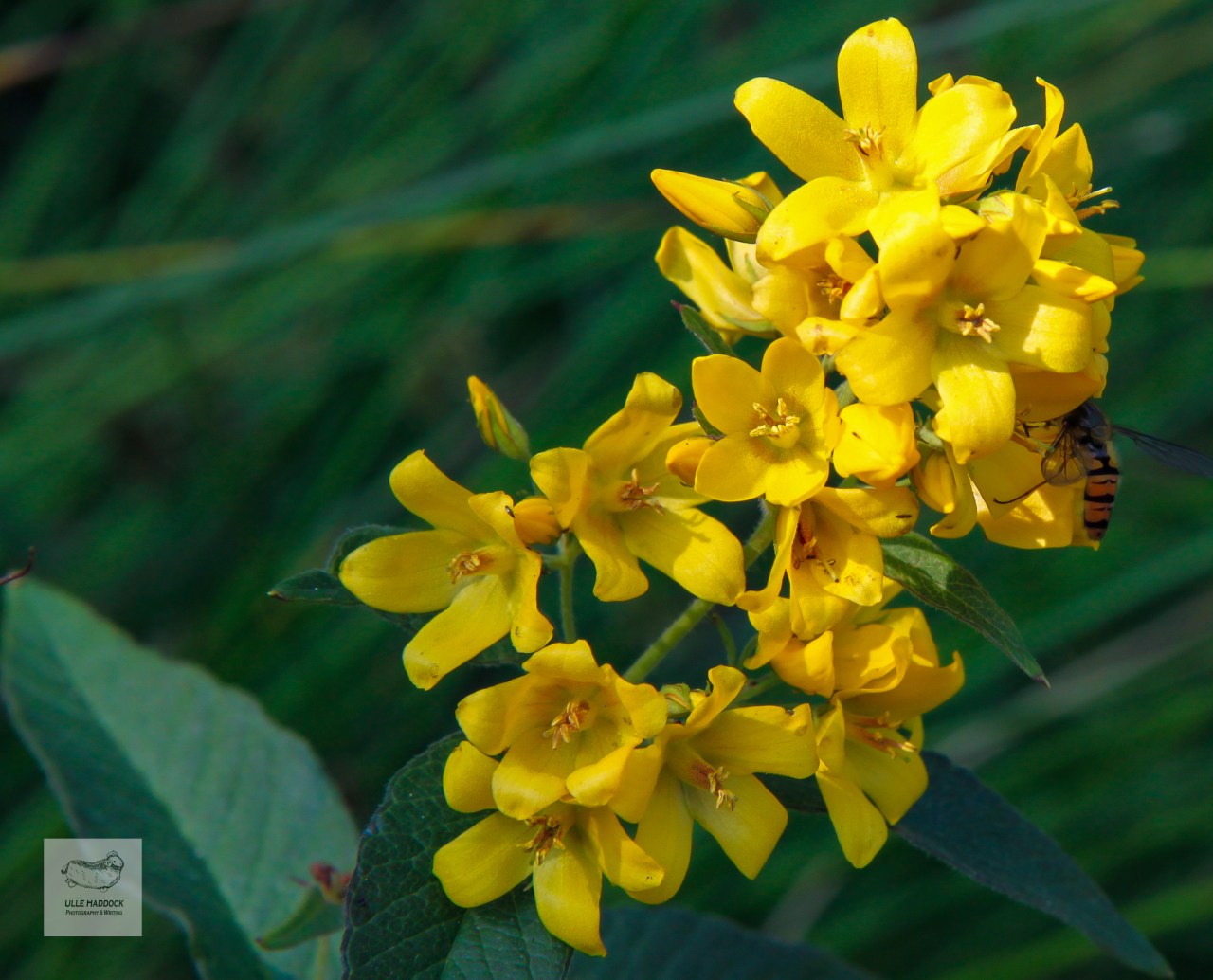
The yellow loosestrife (Lysimachia vulgaris) with a visitor collecting its nectar. Grows in wetlands. In Swedish “Strandlysing” that translates to beach light. With its bright yellow color it really draws your attention like a light.

The English name offers some play with the words. What do you think of this “coward moderate fighter”. What can you do when bees and wasps comes poking your eyes. Whit the help of the wind I rattle my leaves and make your landing hard.

Don’t be a yellow-belly. Ha de Gött!

Advertisements