
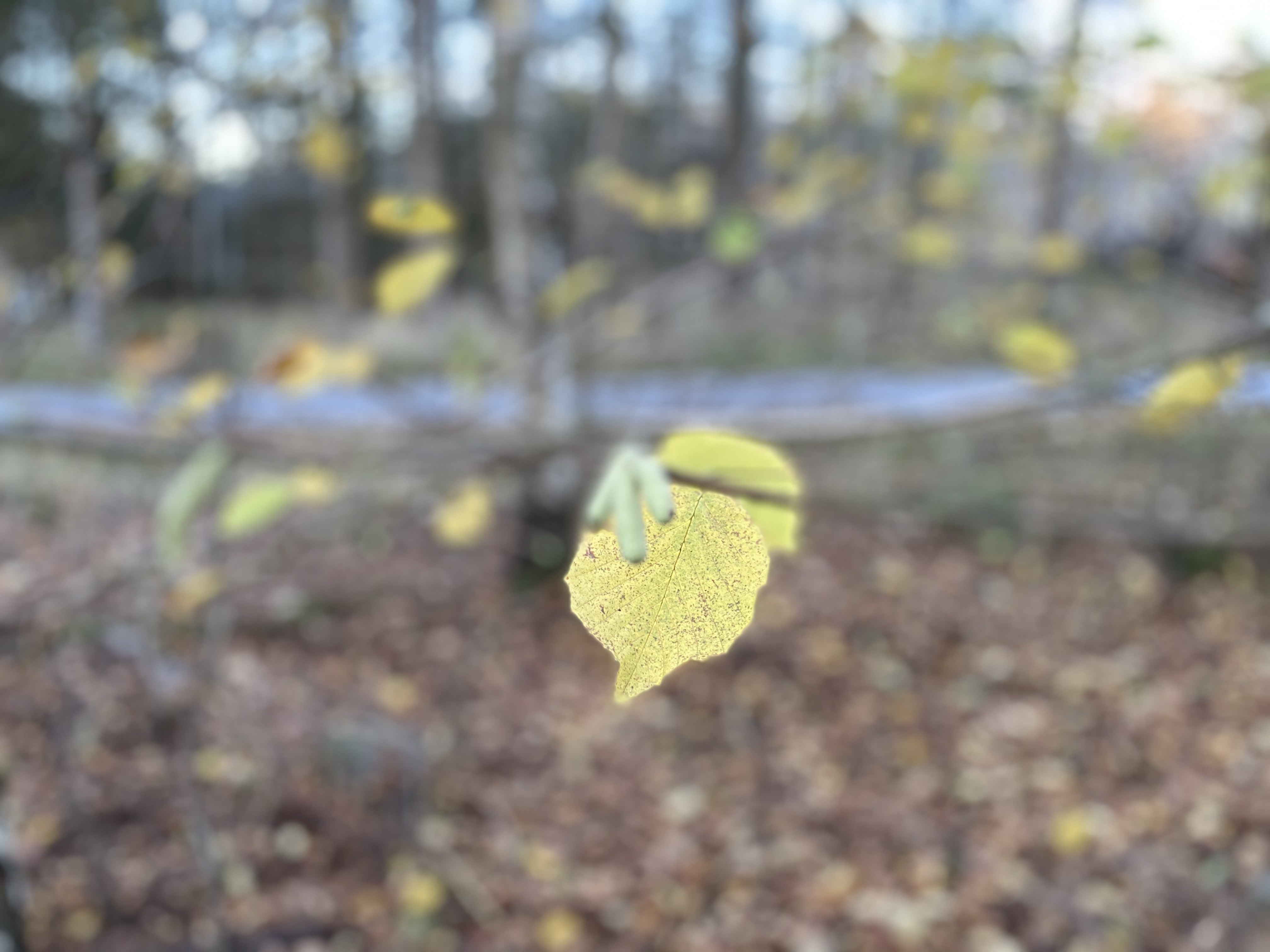
Still leaves on the trees.
Seeds prepared for next year.
My first blog post from the mobile. Hope it works. You know what to do!
Still leaves on the trees.
Seeds prepared for next year.
My first blog post from the mobile. Hope it works. You know what to do!

Just like to share some photos taken yesterday from the boat. The sea was very calm and on a tiny island the ducks was waiting to take off to warmer water.

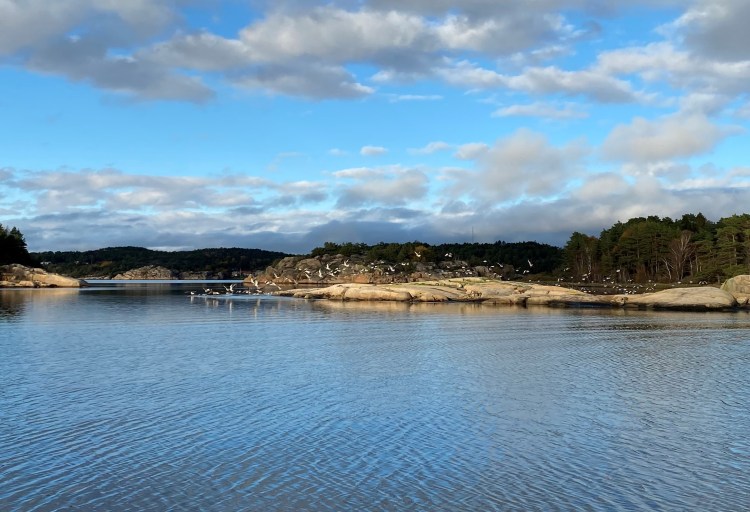

I need to share this picture of calmness and reflection.

Check out more photos on my instagram. Like, subscribe and comment! Take care of mother Nature.

This is the Swedish translation of Changes. Detta är den svenska versionen av Changes.
Idag ägnade jag lite tid för att hitta lite bakgrundsfakta till en novell jag skriver på. En historisk berättelse som utspelar sig i området jag lever i, Sannäsfjorden. Jag har berört detta i några av mina tidigare bloggar så kolla gärna dem. Området häromkring är rikt på historia så det finns mycket att ösa ur.
Innan du slutar läsa! Jag kommer inte bombardera dig med kungar och årtal. I skolan var detta det värsta med historielektionerna. Alla kungar och årtal du skulle komma ihåg, djup suck! Nej, det är bra mycket intressantare att förstå hur vanligt folk hade det. När jag går runt i området finns många spår. Husgrunder, stenbroar och stengärdesgårdar. Jag tänker på de män och kvinnor som levde här. Var livet alltid hårt eller var de lyckliga?
Efter att den senaste istiden tog slut för ungefär 10000 år sedan reste sig landet sakta ur havet när trycket från isen försvann. Till det uppstigande landet kom folk i båtar och blev kvar eftersom fisket var bra här. De många Hällristningarna i Tanumshede vittnar om att folk bott här under lång tid.
Det som slår mig är att det genom seklerna varit många förändringar. Perioder med rikedom och perioder med fattigdom. För vanligt folk har livet vanligen varit hårt. Sedan vikingatiden har det varit perioder där fisket varit väldigt lätt. Dessa perioder kallas sillperioder. Sillen gick till i enorma mängder under tjugo till trettio år för att plötsligt försvinna under åttio till hundra år. Under de goda åren var inflyttningen stor och de små samhällena växte fort.
När sillperioderna tog slut var folket tvingade att hitta andra sätt att försörja sig och sina familjer på. Många flyttade inåt landet och bröt ny jordbruksmark eller försökte fiska andra sorters fisk. Sillen fångades i stora nät liknande trålar som kallades Vad (jag kan inte hitta en engelsk översättning, skriv gärna en kommentar om ni har en). Fiskarna gjorde detta i små roddbåtar. Från dessa vader östes fisken upp i båtar eller ibland direkt upp på stranden. Fisken saltades eller kokades till fiskolja som kallas Tran. (Också här kämpade jag med engelsk översättning).
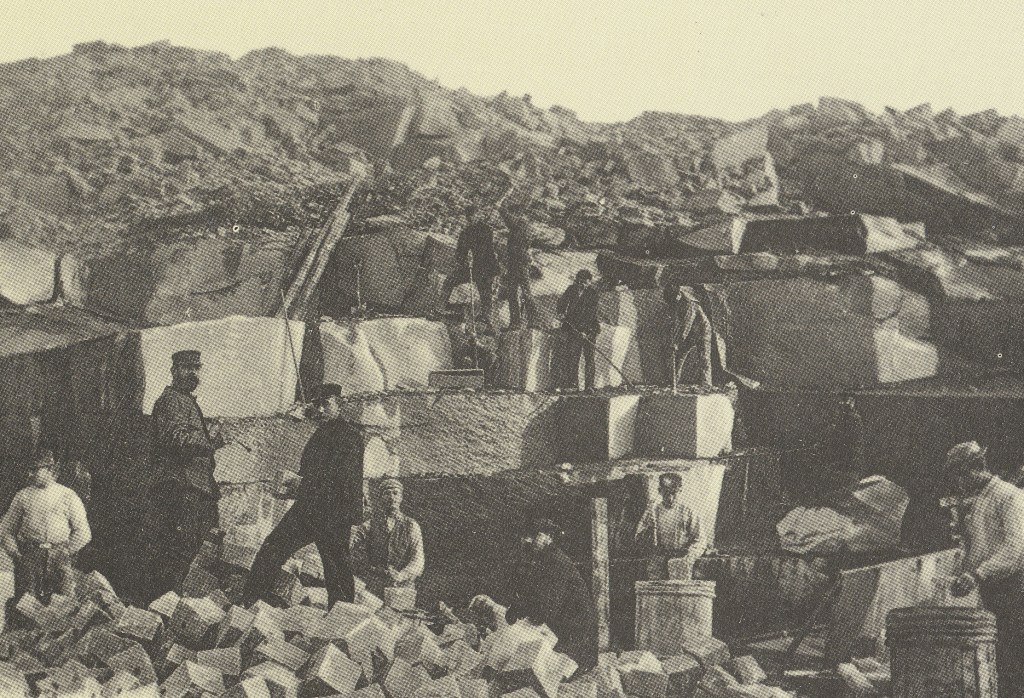
Under den sista sillperioden mot slutet av 1800 talet började det bli efterfrågan på den speciella rödaktiga granitstenen från området. I hela Bohuslän finns lämningar från stenindustrin och stenbrotten. Många stora städer ute i världen har denna sten i byggnader och gatsten. Sten av lite sämre kvalitet användes vid väg- och kanalbyggen. Det lilla samhället Sannäs var som störst runt 1900 med cirka 350 själar, som kyrkböckerna uttrycker det.

Idag bor det endast 57 personer året runt men under några sommarveckor är de nästan 300. Många av husen som byggdes under expansionen under 1800 talet står kvar men är idag sommarhus. Av de många stenindustrierna återstår endast ett.


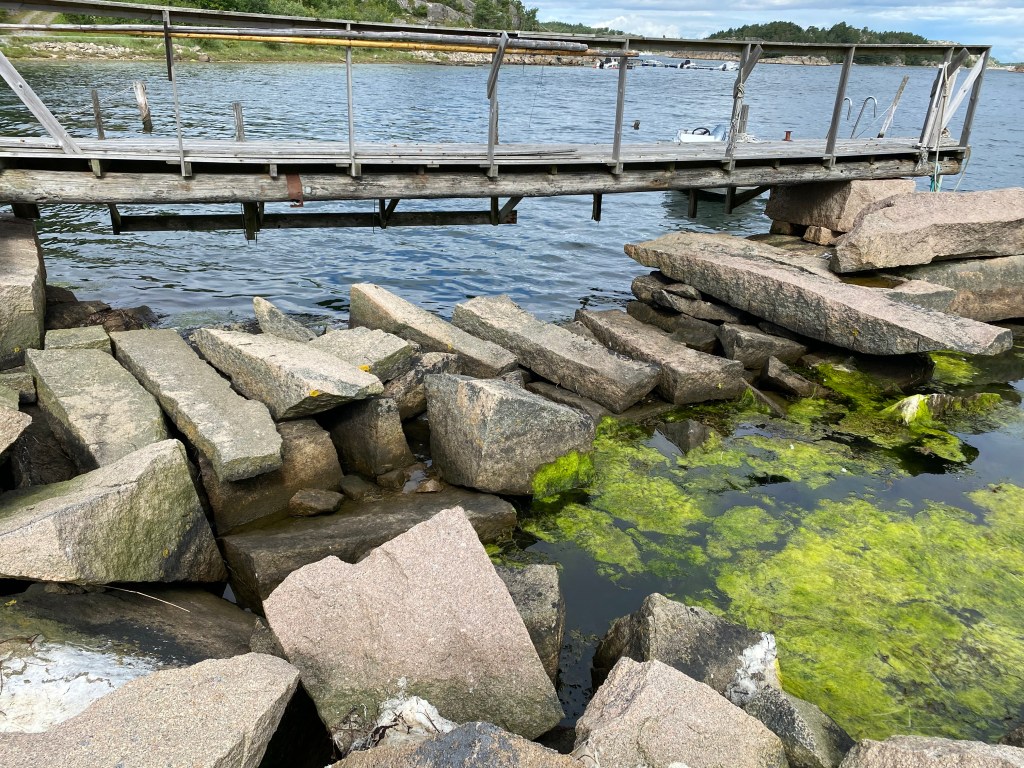

Det är livets kretslopp. Naturen söker efter de bästa möjligheterna för utveckling. Drar sedan vidare när förutsättningarna ändras. Som i historien kämpar människor för att finna en utkomst men med modern kommunikation har det blivit enklare. Många pendlar till större städer både i Sverige och Norge. Allt eftersom infrastrukturen för IT blir bättre ökar möjligheterna att arbeta på distans. Under denna pandemin har det blivit ljus i många sommarhus igen.
Som källor för denna text har jag använt boken “Sannäs – Ett Bohuslänskt Kustsamhälle” och mina kära svärföräldrar samt Wikipedia.
Gilla, prenumerera, dela och kommentera (ställ frågor). Läs mer från mig här.
Today I spend some time doing research for a short story I started to write. It will take place in the history of the area I live in, Sannäsfjorden in Sweden. I have touched on this in some of my previous blogs so please check them out. The history of this area is quite rich so there is much inspiration to get.
Before you stop reading. I will not shoot kings and years at you. In school this was the worst part of the history lessons. All the kings, wars and the the years you needed to remember, deep sigh! No it is far more interesting to understand how normal people lived. When I walk around in the area there are many traces. Remains of houses, bridges or stone fences. I think about the men and women living here. Was life hard all the time or were they happy?
After the last ice age ended some 10 000 years ago the land rose slowly from the sea when the pressure from the ice was gone. As the land rose people came by boat and started to live here as the fishing was very good. The many rock carvings at Tanumshede tells us that people lived here for a long time.
What strikes me is that during the centuries there has been many changes. Periods of prosperity and periods of poverty. For the common people life has usually been hard. Since the Viking era there has been periods where the fishing has been very easy. These periods are called the herring periods. The herring came in enormous amount for twenty or thirty years just to vanish for eighty or hundred years. During the good years many moved here and the small communities grew rapidly.
As the herring period ended people was forced to find other ways to support their families. They moved inland and open up new farmland or tried to catch other kinds of fish. The herring was trapped close to the shore in large trawling like nets called “Vad” (I cannot find an English translation). The fishermen did this in small rowboats. From these entrapment’s the fish was scooped up in boats or sometimes directly to the shore. The fish was salted or boiled down to fish oil, train oil (also called whale oil even if not from whales).
During the last herring period at the end of 1800 there was a demand for the special red Granite stone in the area. The entire Bohuslän is covered with remains of the stone industry and the masonry. Many cities in the world has this stone in buildings and streets. The rock of poorer quality was also used for building roads and canals. The little village Sannäs was at its peak around 1900 with a population of 350 souls as the church book says.
Today there are only 57 full year inhabitants but a few weeks in the summer it reaches almost 300. Many of the houses built during the expansion during 1800 still remains but are now summer houses. Of the many stone industries only one remains.
It is the circle of life. Nature seeks out the best condition to grow. Moves on when conditions change. As in the past people struggle to find a way to earn a living here but with modern communication it has become easier. Many commute to larger cities both in Sweden and in Norway. As the IT infrastructure are improved it is possible to work remotely. During this pandemic many summerhouses have been lit up.
I really struggled with this article as many of the words are local and not easily translated. As sources have used the book from a local historical group and their book “Sannäs – Ett Bohuslänskt Kustsamhälle” and my father-, and mother-in-law and Wikipedia.
Please like, subscribe, share and comment (or ask questions). Check out more from me on this site.
I wrote a post about how I like to take photos with my Mobile phone camera and I got a lot of likes from other bloggers that like photography. I have checked their blogs and tips with great joy. They have inspired me to look at the possible motives in a new way. So thank you https://wanderingambivert.com/, https://fotosbykarin.blog/ and everybody else. I hope you enjoy these pictures.
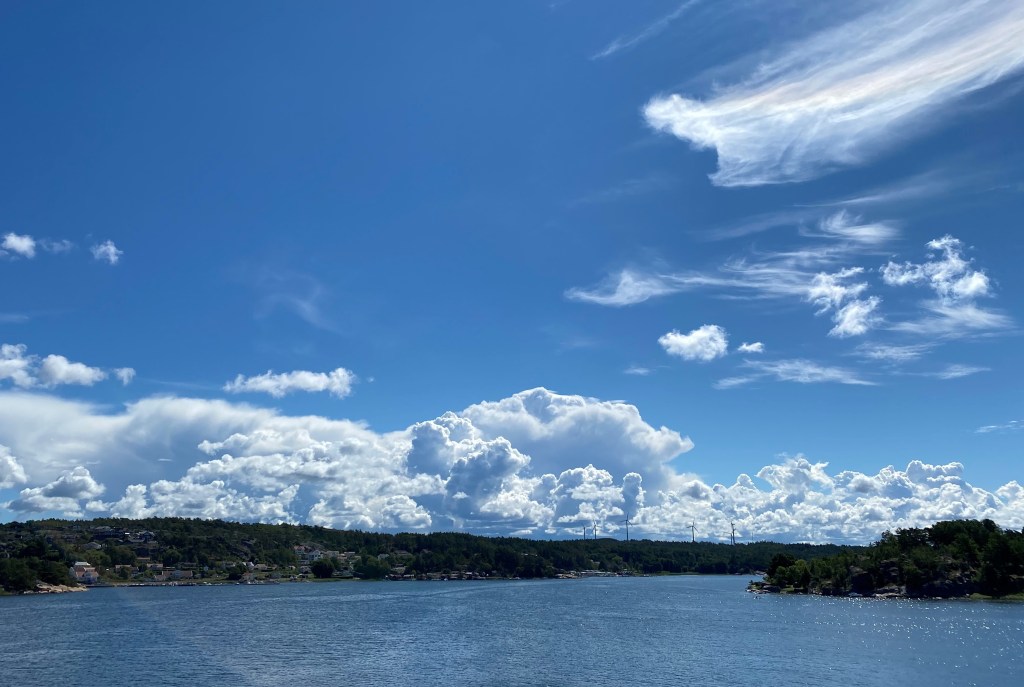

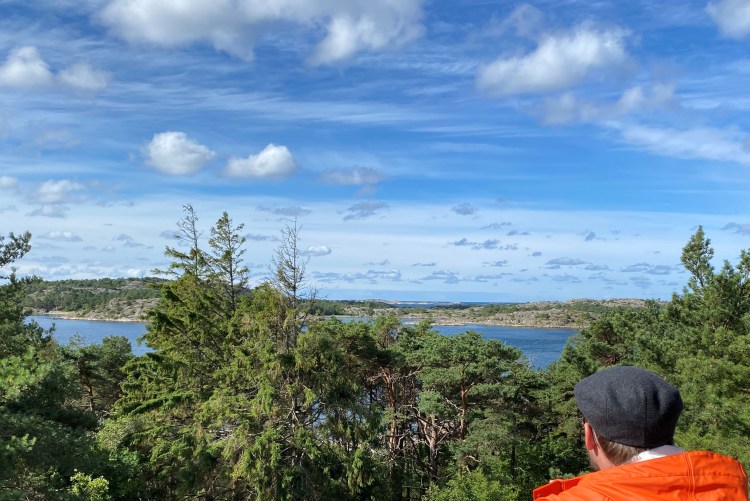
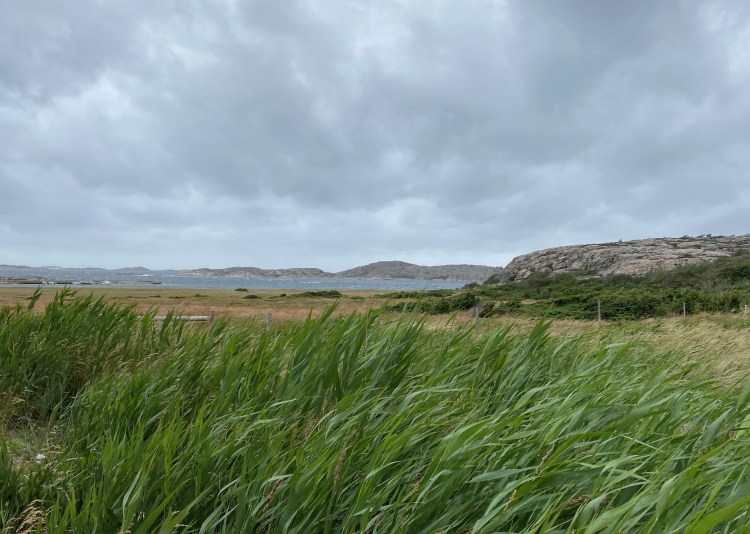
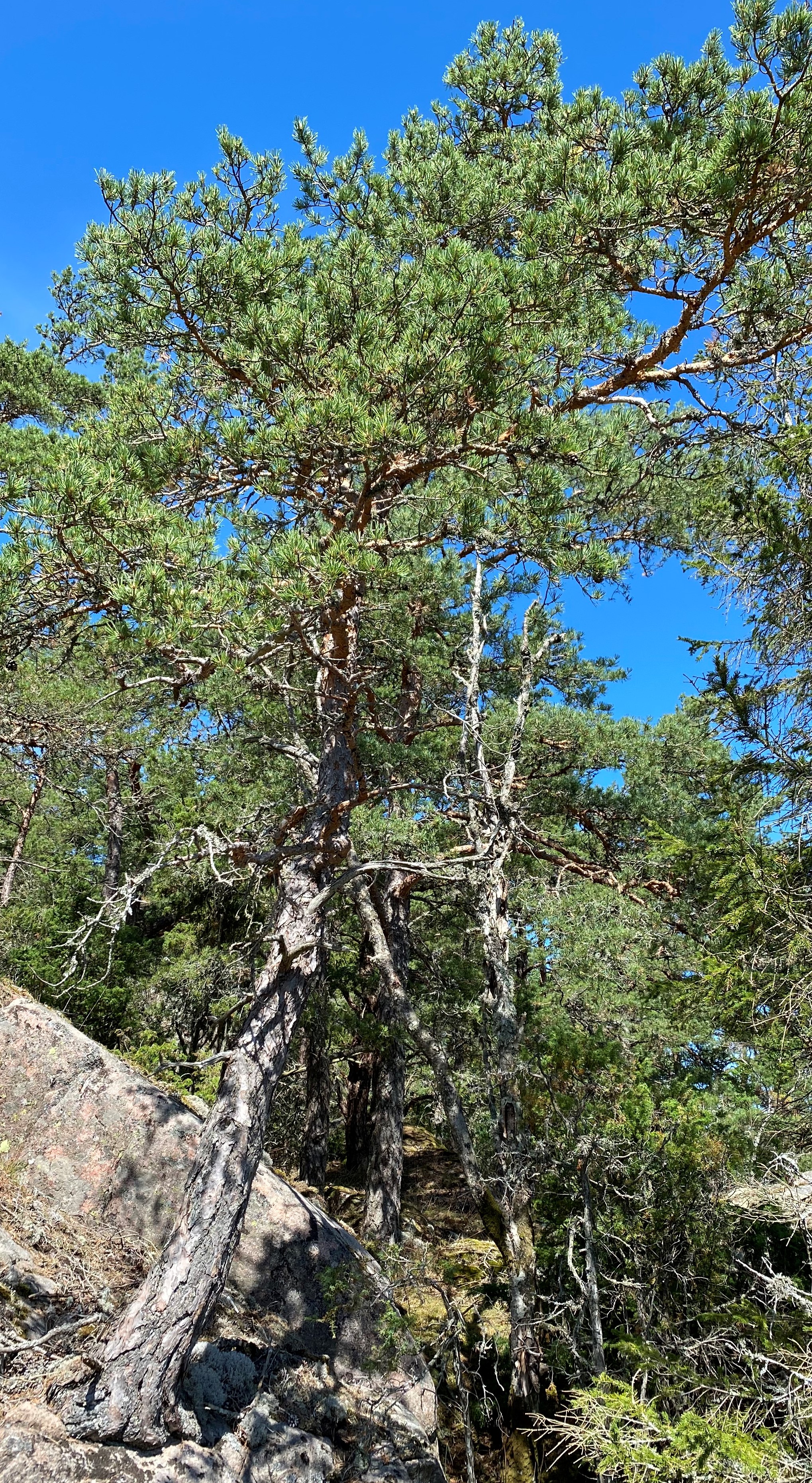


On the islands of the coast the wind is the most magnificent sculptor and since many of the islands are uninhabited and difficult to access there is very little human impact. Look at the pine to the left, it has found a place to grow in very little soil, stubbornly pushing its roots under the rock to find water. The tree to the bottom right is one of my favorites twisting so much it has grown over an old branch of the same tree. Even with many branches dead this tree is still alive standing on the west side of the island, a true survivor.
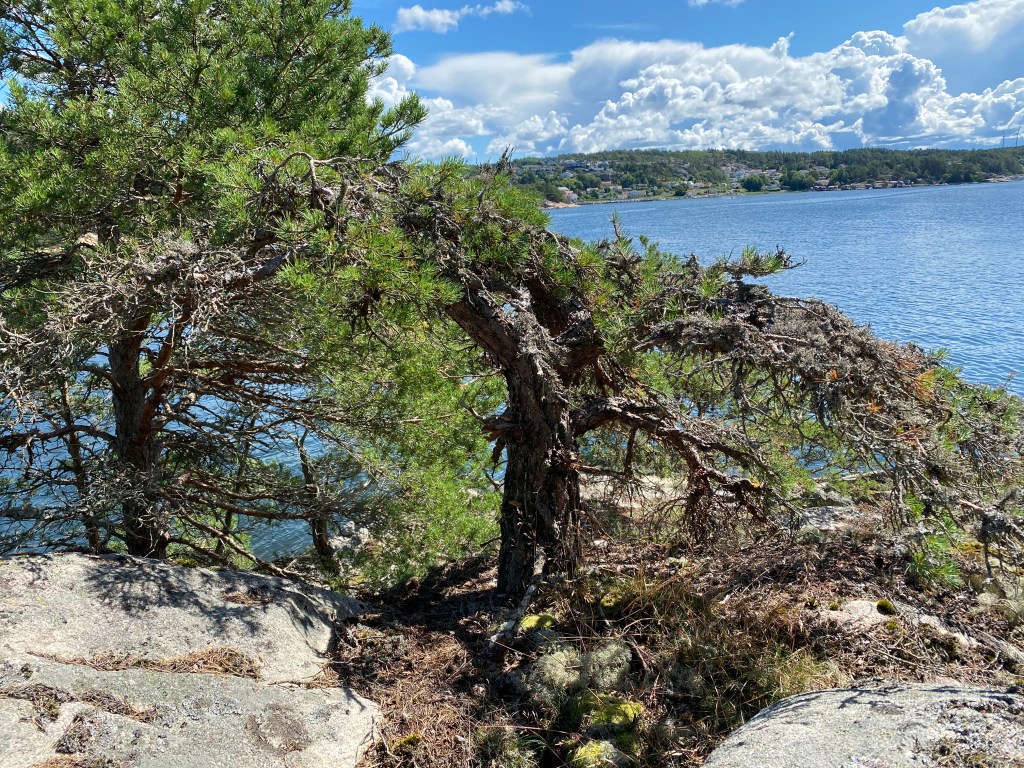
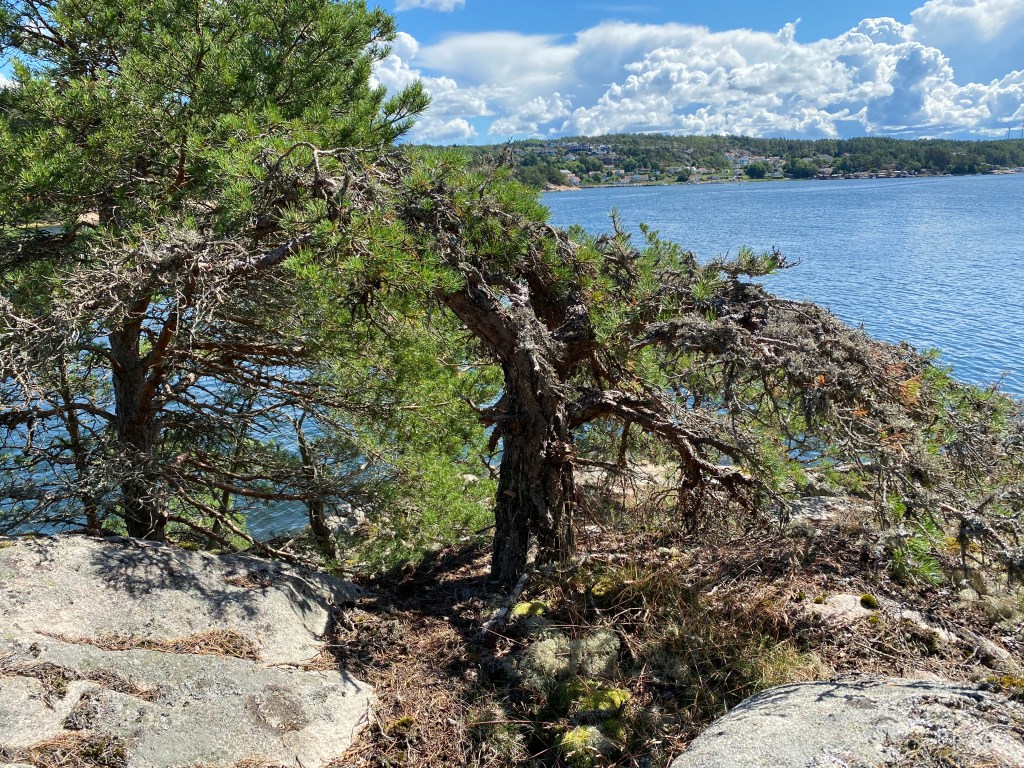
One of the tips was to use the portrait mode when taking scenic pictures and I have experimented a bit with it. It is a bit more difficult as you need to stand close to the object in foreground but as you see in pictures above the colors gets deeper when taking a picture in a very bright summers day by the ocean. I will keep experimenting and learn more even if my family sighs every time I stop to take a picture laying down or bending over backwards to get that perfect angle. If you like to follow my progress, or downfall, please like and subscribe. Tips and comments are most welcome!

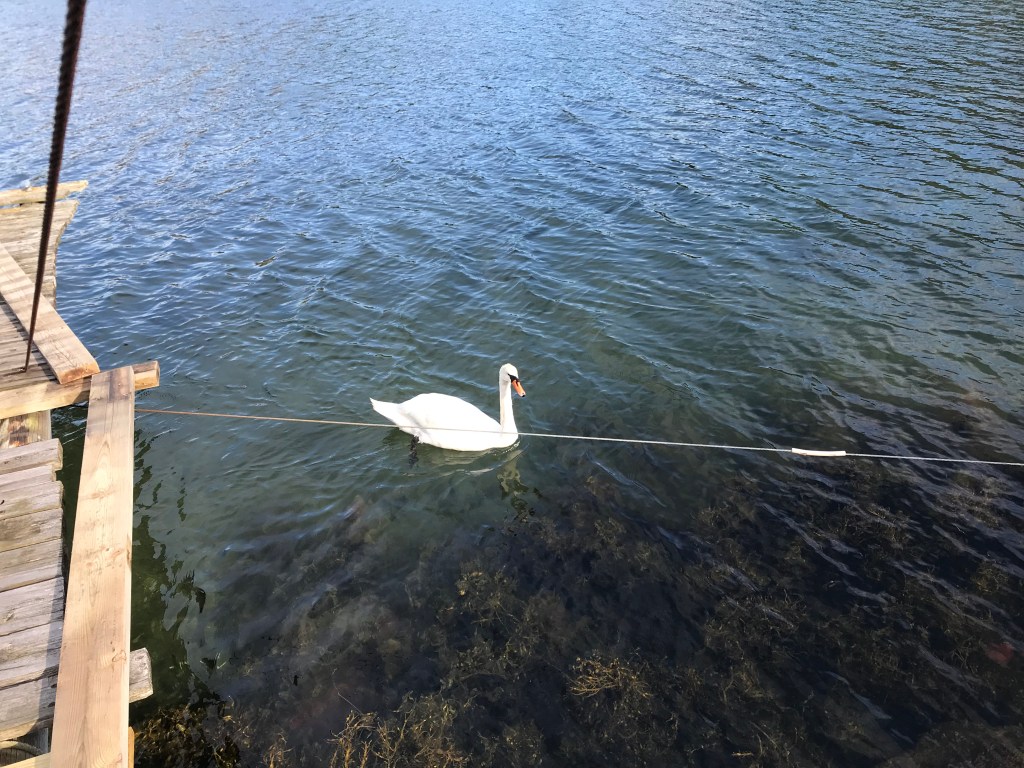
On the rock high above the water. Sitting and looking out over the bay. The rustle from the leaves in the breeze. My special place, so peaceful and calm wherever the wind comes from. In early spring I hear the eagle owl calling for its mate. Down in the water a pair of swans swims gently through the water. The swans stay together for life and work together to bring up their cygnets. Every year I see them having two but seldom see them grow to adults. Thinking of the worry you have for your children. Never stops even when they grow up. Going to university to live in the large city with all dangers, the noise.
On the rock high above the water. In the winter I see a family of moose cautiously move across the ice. It breaks and one of the calf’s goes into the ice cold water. Struggles to get up. The mother looks at him and calling. Calling to the other calf to go around, to the struggling one to fight. To far away to help. It goes under once, twice, disappears and like a miracle gets its head over the water and struggles to solid ice. Manages to climb up. I am standing up now and my pulse is rushing. Thinking of my own children, praying they will manage their way to adulthood.
On the rock high above the water. In the summer the bay is full of boats seeking shelter from the strong west winds. The smell of barbecue smoke filling the bay. Someone diving into the water from the deck. Scaring up the ducks that lifts of while making loud noise. The duck mother screaming hurry, hurry, danger, danger. The sun against my skin warming me. I am calm my son sits right beside me. No talking, just sitting, thinking.

On the rock high above the water. The rocks carved and shaped by the ice, steep in one end and rounded in the other end. Rounded boulders left by the ice. Blue clay at the bottom of the bay left by the last melting ice thousands of years ago. Thinking of the people lived here since the rocks and narrow fields raised from the ocean bottom. The rich water bringing in the herring and bringing prosperity just to vanish again bringing starvation to the table. See the remains of stone-masonry. Cutting the red granite, men working in the hot summers day, in the cold cold north west snowstorm, in the rain falling almost horizontally with the south west wind. Working to provide for their children.

On the rock high above the water. Turn to the west where the storm is roaring over the shielding cliff. Thinking of the fishermen. Today struggling with rules and over fishing from floating industries. Going out in their small boats against the forces of nature. Not knowing if they will make it home. The sea provides and the sea takes back. Stories told of the old days when boats were forced to go out in harsh conditions and froze in the ice for months. Boats crushed against the cliffs caught in the storm and the dark. Many children waiting in vain for their fathers.


On the rock high above the water. My favorite place shielded from the wind in three sides. The gorge ends in a steep cliff with a 15 meter drop down to the bay. A place presenting the beautiful things in life. A sideline to watch natures drama and scenery all year around. A place to sort for a sheep thinking man. If you like to read more thoughts from me Like and Subscribe.

I live in the most beautiful place in the world, the North West Coast of Sweden, North Bohuslän. The nature has brought people here since the inland ice melted 10000 years ago. We have the World Heritage of Rock Carvings and this area was very important during the Viking era. So, with the nature grinded by the ice, sea and winds with many islands, bays and even Fjords there is huge possibilities for people who like hiking, caravanning, boating or visiting historical sites. In the summer, the small fishing communities twenty folds their population for just a few weeks. The infrastructure is of course not designed for this and that can cause some friction with the locals trying to live their lives as normal. Normally I have a 20 minutes’ drive to work but in those few summer weeks it takes me often more than 45 minutes. One or two unprintable words, I admit, sometimes come over my lips.
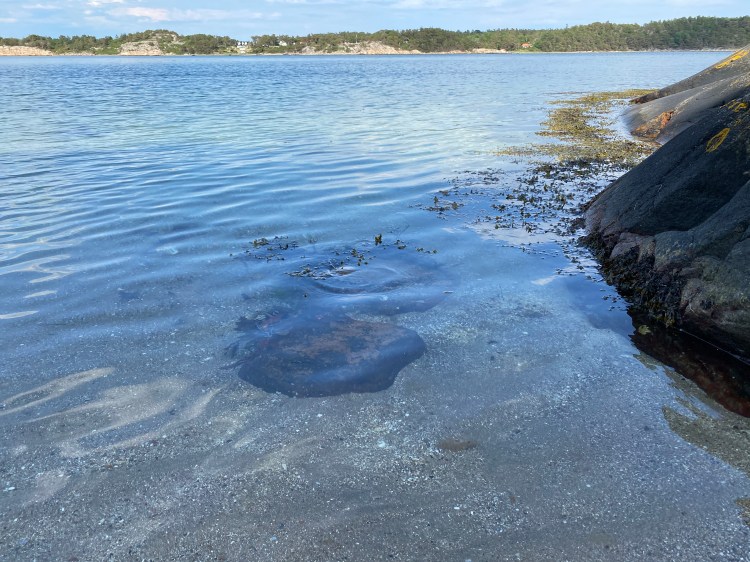
We as locals depend on the tourism to get local supermarkets and restaurants going so it becomes a love and hate relationship that I think everyone living in tourist areas can relate to. We enjoy when the tourists start to come in late spring and equally enjoy when they leave in late summer. Many of the local business would not survive without the tourist so crowding with half naked middle-aged men with beer bellies or screaming children for a few weeks is worth it.
When people go on holiday some really go on holiday and act towards their fellow man in ways they would not think of in the city or at home. What do you think, is it okay to go to the supermarket in a small bikini showing more than it hides? Should you do the same in the city you would probably get arrested. Parking your car in a handicap parking? “The parking was full and I’m just….”. In the summer, the small supermarket is full and what normally takes five minutes now takes at least half an hour. Just because you must stand there in line with the women in too small bikinis stared at by the beer bellied men and accompanied by the children crying for that ice-cream, NOW. With a deep sigh of relief, you get out of the supermarket, ducking for some seagulls before you reach your car. There you are faced with the next problem. A huge BMW or Volvo SUV has been parked next to your car leaving just a few centimeters for you to try to squeeze yourself through and into your own car. You thank your wife for not letting your self go to a middle-aged beer bellied man.
Bringing out all your driving skills you manage to reverse your car without denting the huge SUV or hitting people and cars passing behind you like they are indestructible. You start to sweat even if the air conditioning is working on full. After another half hour you finally make it out of the parking lot and the village just to find you are in for the next challenge. The narrow roads! The narrow roads that can be challenging even in September are now full of tourists walking, driving caravans and mobile homes, on bikes, picking flowers in the ditch, honking and overtakes even when meeting another car. I almost forgot the “it is not really a good idea to stop here but I do it anyway and turn on the hazard warning light” just after a tight corner without any visibility.
Let us spend a moment with the walkers and runners on those narrow roads. Common sense has also taken vacation it seems. Walking two, three or even four people in wide taking up most of the road and to add they are also fooling around half drunk. Honk and you risk getting a beer can thrown at your car. The runner totally oblivious of the traffic around them as they are now in their desired pace. Like the guy running into my car when I had to stop halfway down the ditch as I was giving room to meet a large lorry. Luckily, I was standing still so nothing more than his feelings were hurt but he was really angry because his running scheme was messed up. Then we have the family on bikes with small children just learned to bike wobbling out in the road. Usually a large family or two families and they does not keep any distance so you can pass safely two by two. No, you must wait for that long straight segment of the road, the very few, so you can pass them safely without driving too fast passed the wobbling children. At least the children have helmets but not the parents.
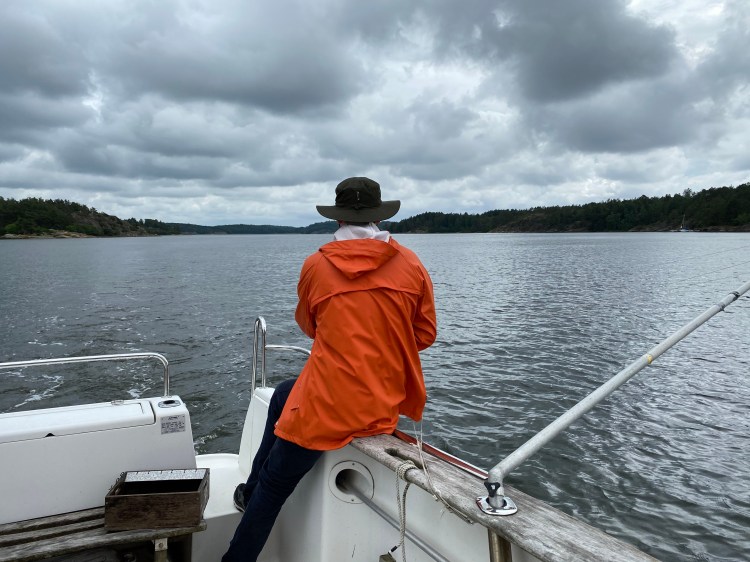
Better to go out on the sea with your boat that must be calmer!? Well, normally you need to be aware of the cays and shallow waters but now also overloaded fast boats with loud music, sailboats anchoring in the sea-lane with people swimming around it. Fast boats with towed toys or waterski driving in erratic patterns even in the narrow passages of the Fjord. You try to go to your favorite spot to relax only to find it occupied by several huge boats, our ships, having a disco on the deck.
People live in crowded large cities and complain about needing to rub against each other on the tram or subways while getting to their small apartments. On their holidays they want to get out of the crowded cities to the great outdoor!? Crowding in a camping site in a small caravan or mobile home, even if there are some monsters in size, sharing kitchen and toilets with others. Overnight in their boats in crowded guest harbor, even when using natural harbor, the boats crowd together, and the smell of barbecue fills the bay.
So where do I go for holiday? To a city to crowd on sightseeing buses and small hotel rooms feeling the looks from the locals as they sigh with the confused tourist with a map in his hand trying to find that landmark! It takes one to know one! If you like this text please like, share and subscribe for more. Last some pictures from this beautiful area. And for you non-Swedish speaking “Baddjävlar” means damned tourists!


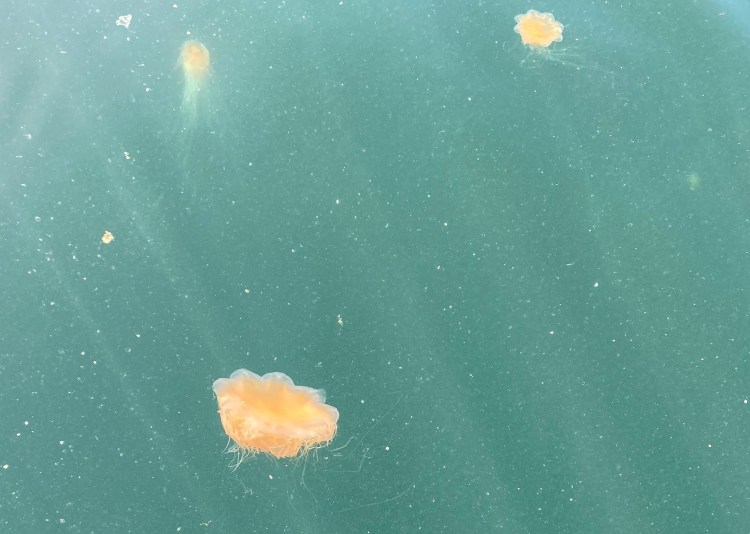
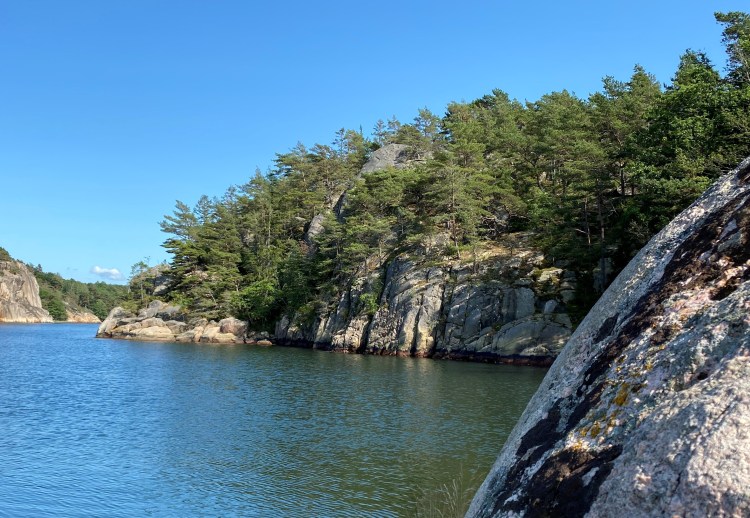
 UlleHaddock