Tag Archive for ‘History’

Explore the Rock Carvings of Tanum: A UNESCO Heritage Site

Explore the Rock Carvings of Tanum: A UNESCO Heritage Site

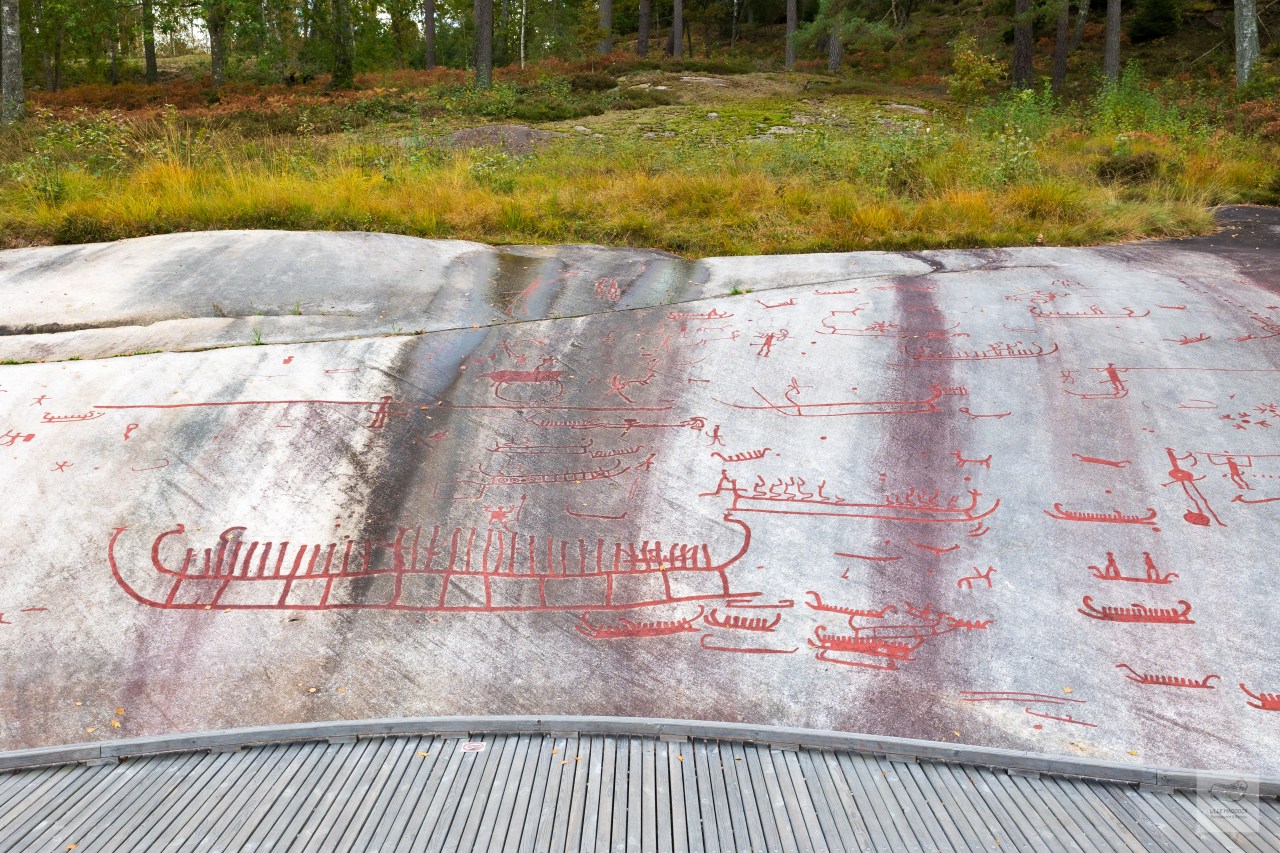
I live close to one of the UNESCO listed World Heritage sites. Rock Carvings in Tanum and Vitlycke Museum. This area has the highest concentration of rock carvings in Europe. Rock carvings, also called petroglyphs, are knocked with small stones, knocking stones, into the rock during pre historic times. They can be found all over the world but the highest concentration are found in Africa, Scandinavia, Siberia, and Australia. New carvings are discovered daily by archaeologists and the public. As the with all art, interpretation is in the eyes of the beholder even if there is a scientific approach to what the carvings mean. Even so the images triggers the imagination to what made the people to make the effort. Faith or just a wish to be immortalised.
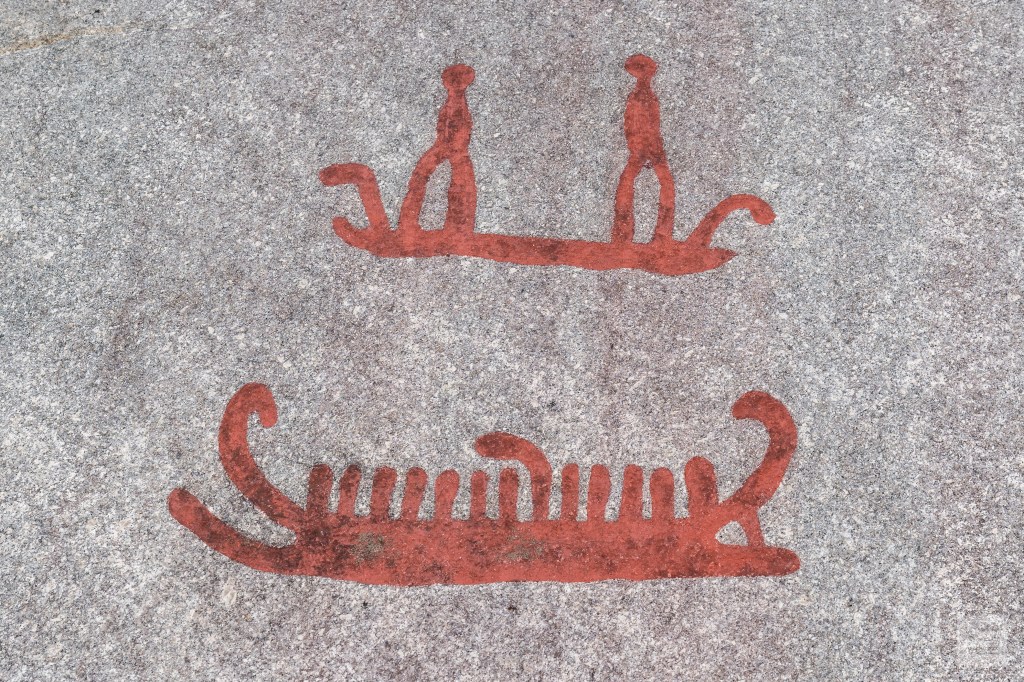
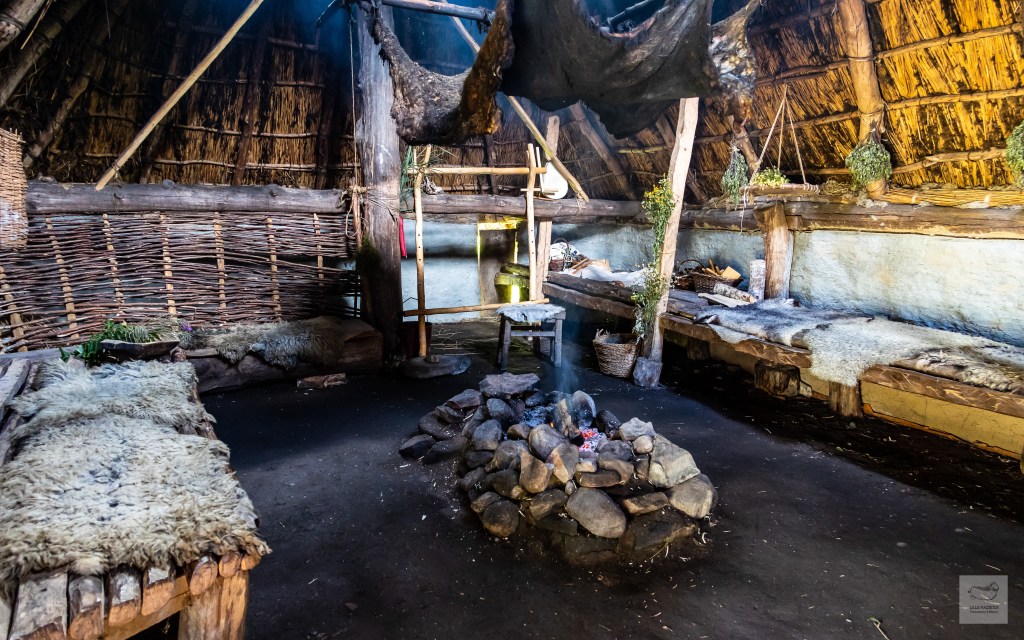
If you want to take a step back in time, to the bronze age when most of the carvings were made. The Vitlycke museum has a reconstructed bronze age village built up with two long houses, storage huts and work sheds. The village is next to the rock carvings in the Tanum World heritage area. You can visit all year around but in summer high season there are guides to explain and let you try craftmanship from that time. The Nordic Bronze age is considered to have lasted from 1700 to 500 BC.
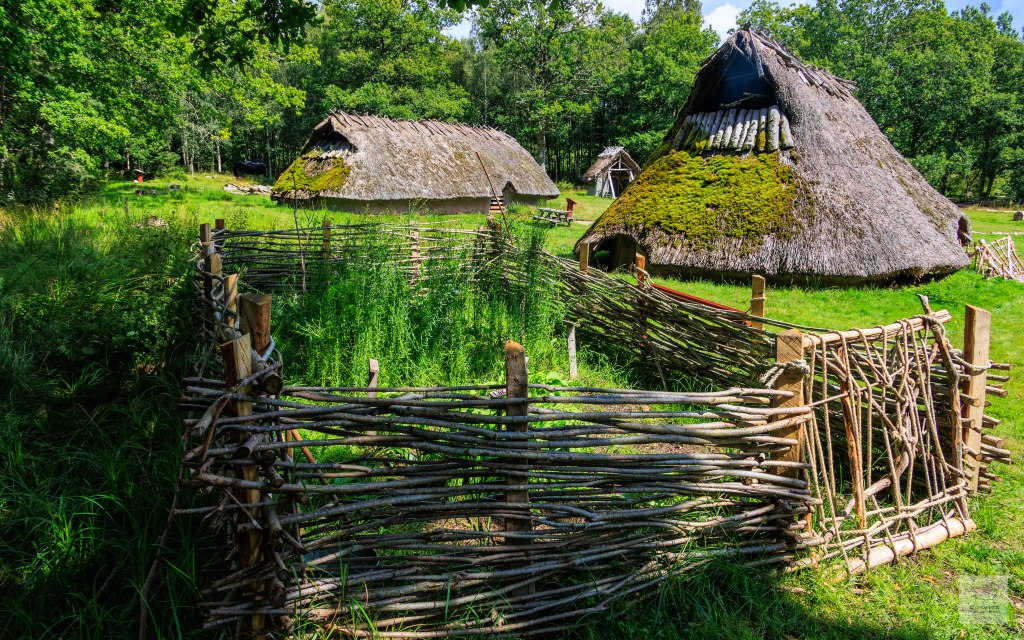
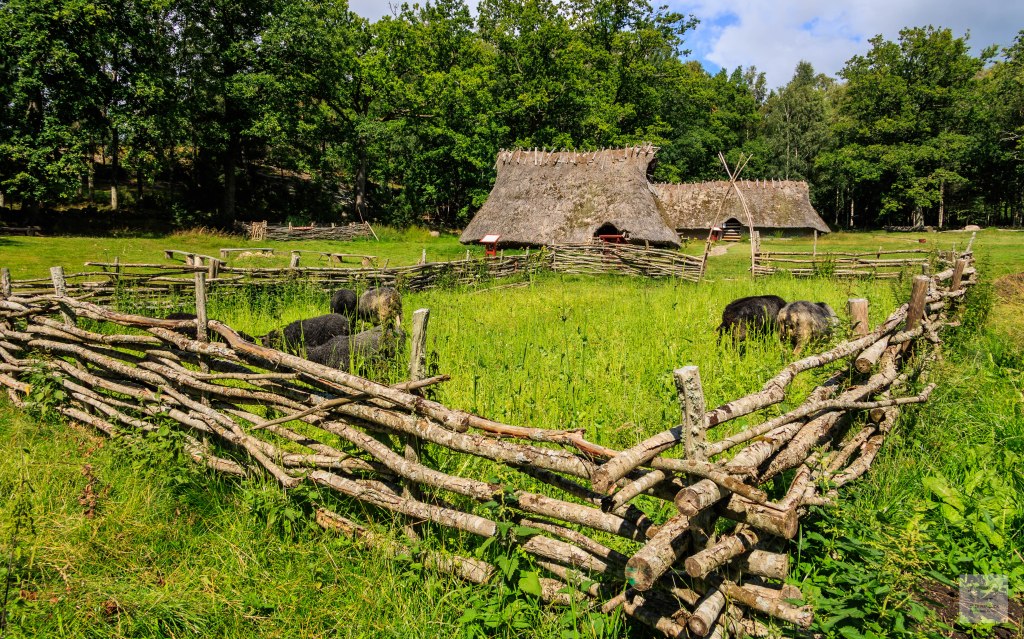
Fun fact. The museum building was inaugurated on the same day my oldest son was born. In a blizzard on April 4 1998 and he also worked there for three summers. Do check out his YouTube channel Hemläxa where he made a series on the Swedish farmers history where episode one has section from Vitlycke. In Swedish but you can use the auto subtitle function in a language you prefer. https://youtu.be/6ff1wRQMwM8?si=MsxFVjlZJu0_Nbdm

Find out more from the museum website https://www.vitlyckemuseum.se/en/.

You have to look back to understand the future, ha de Gött!

Advertisements
Two meter man

Two meter man

Hard as a rock

he stands all exposed

with his spear ready

for all to see

he blushes, goes all red

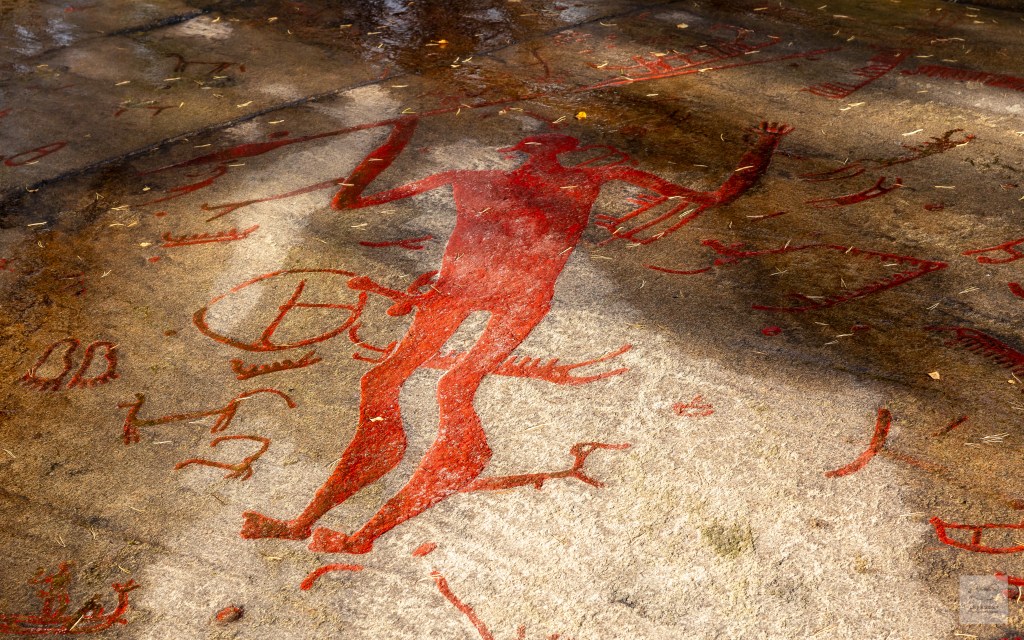
The Two Meter Man at Listeby rock carving site is one of the most famous bronze age rock carvings at the Tanumshede World Heritage site. Similar image can be found elsewhere but this is unique in size. Why they were carved 3000 years ago is a bit of a mystery but the area is full of them and still today new discoveries are made.

Don’t ever be ashamed of your appearance, ha de Gött!

Advertisements

Nixie

Nixie

As the shadows draw closer

and the daylight fades into night

you can hear him tuning his violin

backed by the wind’s soft rustling in the leaves

and the beat of the waterfall

he plays his alluring tune

but beware and don’t get too close

Nixie’s wish is not to your best

The Nixie, Näcken in Swedish, is according to the old Scandinavian folklore a humanoid water spirit. He tries to lure you to the water in order to drown you. My grandmother used to scare us kids with him so we would not go close to the water.

If it sounds too good to be true it probably isn’t, ha de Gött!

Swedish version

När skuggorna närmar sig

och dagsljuset försvinner till natt

kan du höra honom stämma sin fiol

kompad av vindens mjuka prasslande i löven

och vattenfallets takt

han spelar sin lockande låt

men se upp och kom inte för nära

hans önskan är inte till ditt bästa

Advertisements
The old railroad

The old railroad

For English version, please scroll down.

Svensk version

sövande kadunk, kadunk
far fram i maklig lunk
passerar en å och en ko
över och under en bro
åar, älvar och berg
så blåa och röda i sin färg
böljande landskap i skimrande högsommar grönt
skog och fält av bondens slit krönt
stoppar på mången station men passerar de gamla små
Bohusbanan en av de få som ett trött hjärta dunkar på
för ung och gammal en pendlares puls
historiens vingslag där vikinga tingen hölls
fiskarens kamp mot havets hårda lag
ekar i takt med stenhammarens slag
kadunk, kadunk
En resa i då och nu från Strömstad till Uddevalla

English version

Soothing thud, thud
moving on in slow jog
pass a stream and a cow
over and under a bridge
streams, rivers and mountains
so blue and red in colour
rolling landscape in shimmering high summer green
forest and field crowned by the toil of the farmer
stops at many stations but passes the old small ones
Bohusbanan one of the few on which a tired heart beats
for young and old a commuter's pulse
the wings of history where the Viking thing were held
the fisherman's struggle against the harsh law of the sea
echoes in time with the blow of the stone hammer
thud, thud
a journey in then and now from Strömstad to Uddevalla

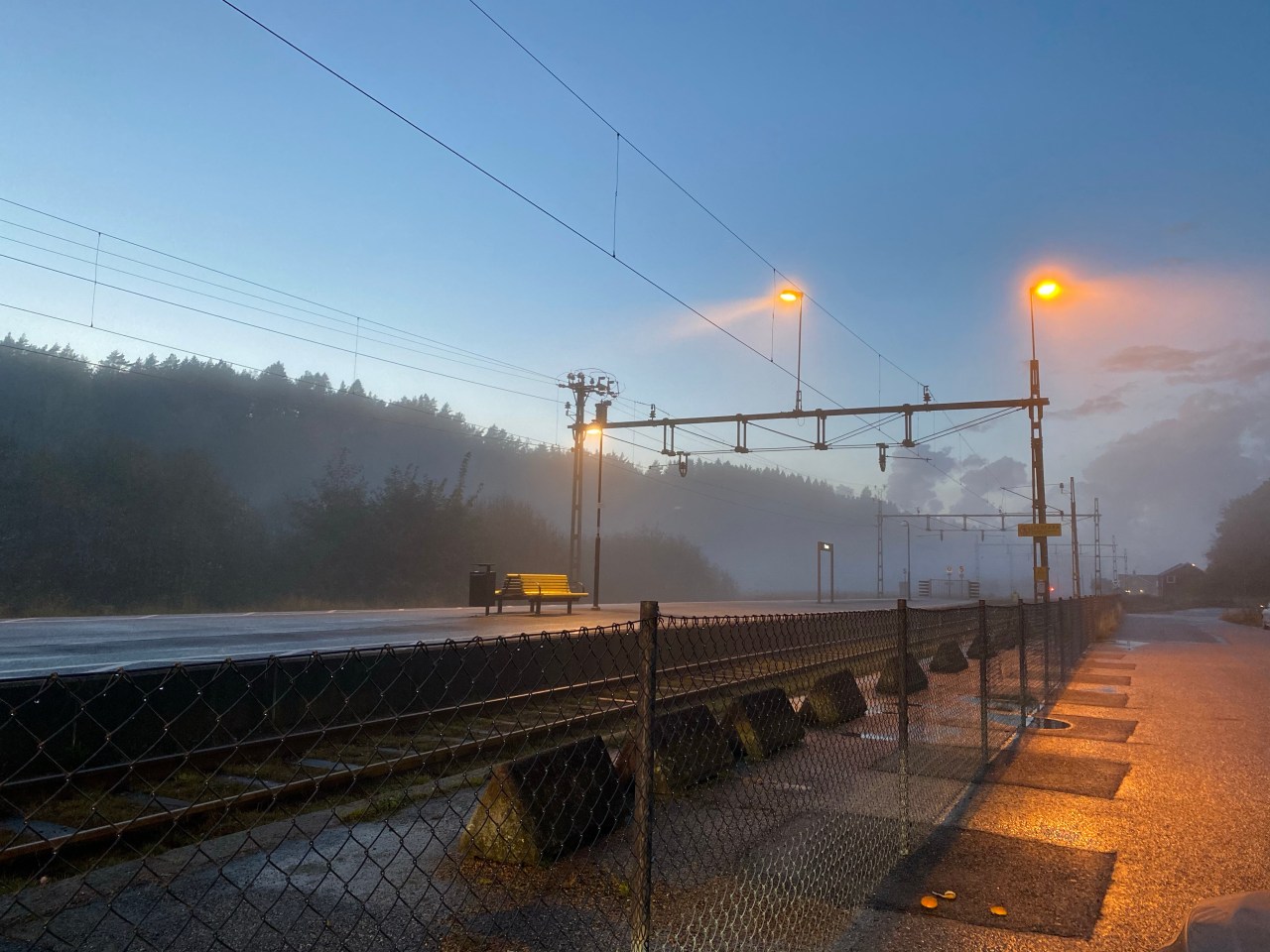
A tribute to the old railroad named Bohusbanan where the train still runs even if it’s in dire need of refurbishment. Still has those old bolted joints that make a very characteristic thud sound as the wheels pass over them. The distance is 80 km and takes an hour and half. I never mange to stay awake the whole journey.

Enjoy the ride, ha de Gött!

Advertisements
Stockholm City Hall

Stockholm City Hall

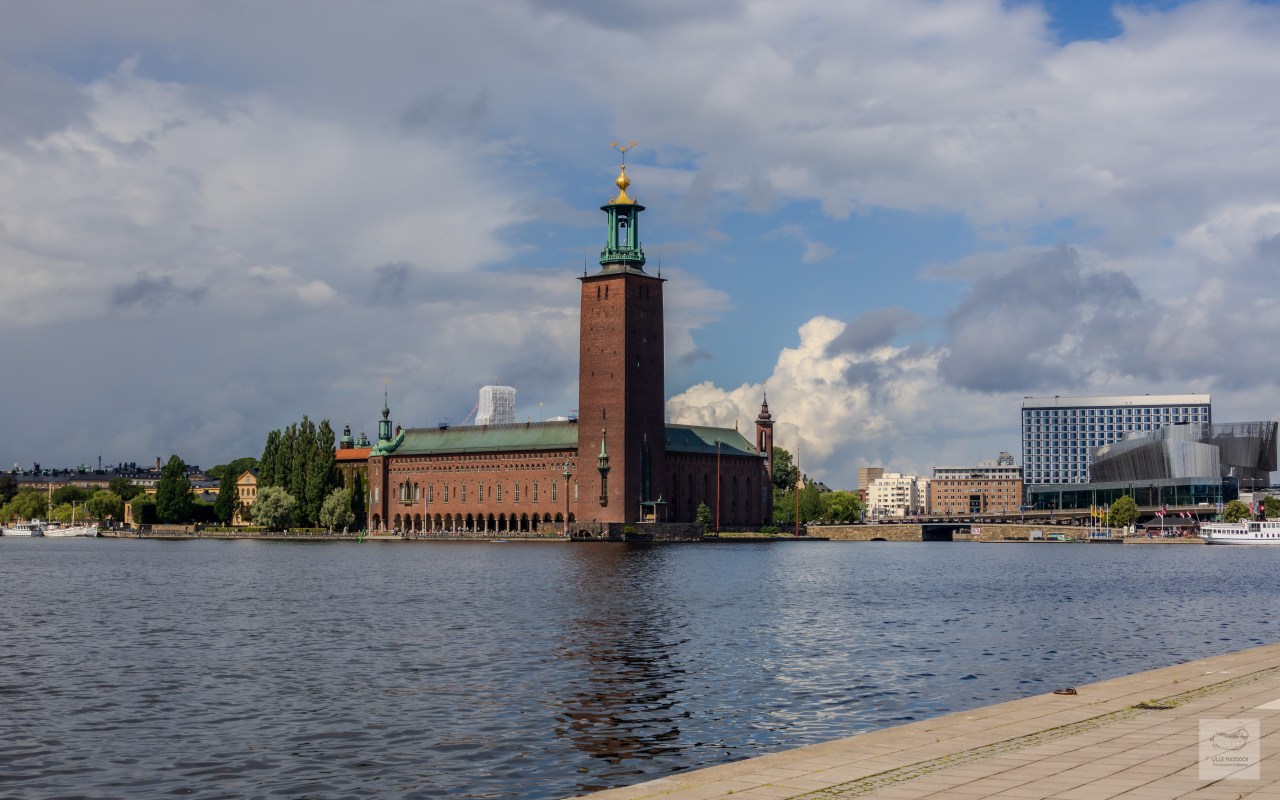
The Stockholm City Hall was completed in 1923 after 15 years of construction. This 101 year old building is not only for administration but also holds several large halls for larger banquets. The Nobel Prize banquet is held here in December every year. So if you want to rub shoulders with the Swedish royal family you just have to figure out a ground breaking invention or discovery.

The 106 metre high tower it makes a good landmark for Sweden’s capital by the shore of the lake Mälaren.

Keep invent, ha de gött!

Advertisements
Windows

Windows

We took a trip to the Capital of Sweden, Stockholm. Me and my son spent almost five hours at the newly renovated National Museum. In the museum there are art from the great Swedish masters like Carl Larsson and Anders Zorn. There are also paintings from other masters like Matisse and also some art stolen as spoils of war from the time when Sweden was a super power.

I must confess I don’t remember what was on display in this hall. I was mesmerised by the amazing light from the windows. Quite a long waiting to get a picture without people, worth the wait.

See the light, ha de Gött!

Advertisements
Öresundsbron

Öresundsbron

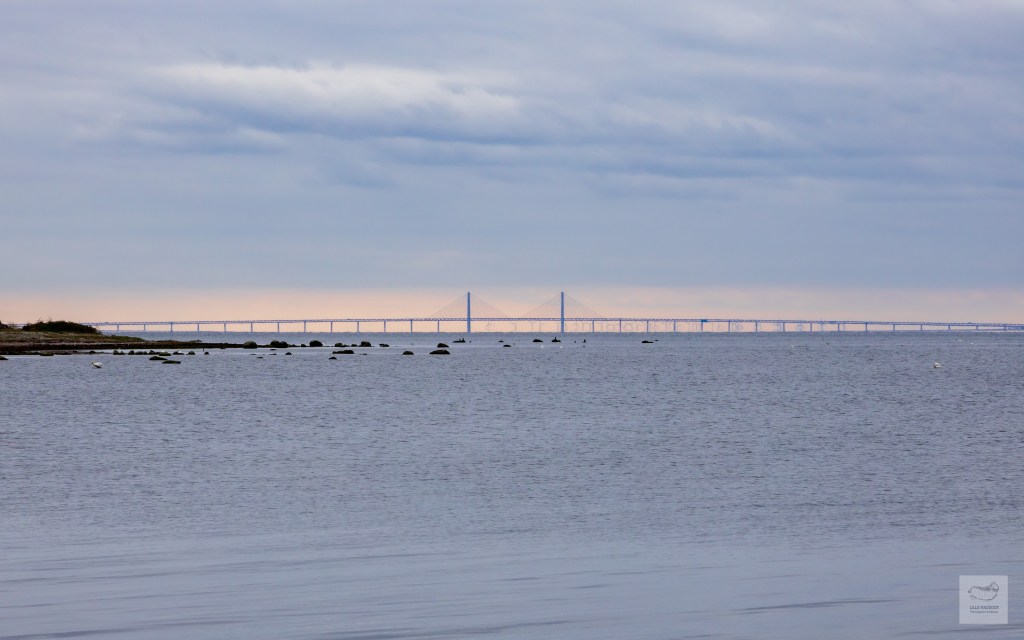
The Öresundsbro is one part of the connection over Öresund between Malmö in Sweden and Copenhagen in Denmark. The second part is a four kilometre long tunnel and the connection point to the almost eight kilometre bridge is a man made island named Pepparholm.

The bridge has a sail free height of 57 meters and the highest pillar is 203,5 meters. Total length of the connection is 16 kilometres. It has a four lane motorway and beneath a two lane high speed train track. After five years of construction it was inaugurated 1 July 2000. 75 000 passengers travels across this amazing landmark every year.

Let’s connect, ha de Gött!

Advertisements
Back again

Back again

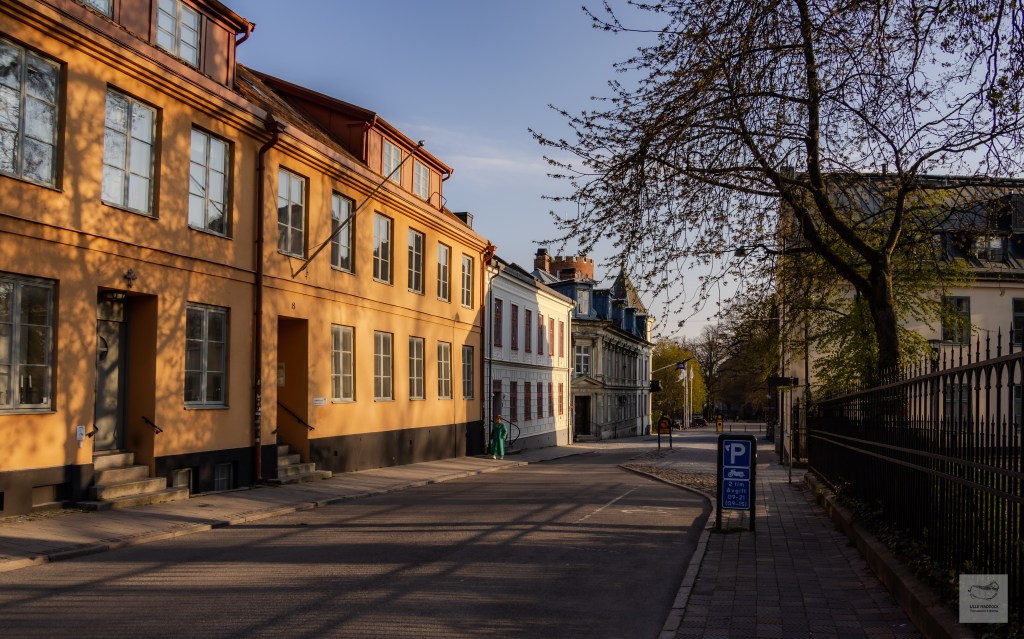
I’ve been off to Lund in the southern part of Sweden on a business trip. Long working days but since the daylight becomes longer by the day I still got some time to go out and test my new travel photo kit. Canon R8 with Canon 24-240 lens gives me a wide range but still is light to carry.

The picture is from the university area in Lund with shadows playing on the facade of the Dominican Order monastery. The order was established in 1216 and already 1223 they came to Lund. They stayed until the 1500 when the Lutheran reformation forced them out. With the freedom of religion they where back again in 1948.

Freedom is the best thing, but it doesn’t come for free! Ha de Gött!

Advertisements
Swing bridge

Swing bridge

Stora Bommens bro in Göteborg, Sweden. In English The Large Gate Bridge. The bridge is used as bike and walk bridge over the Harbour Channel but was built as a train bridge. The name comes from the toll gate that was here in the past. The gate protected the channel from invading enemies but also ensured that the mooring fees and toll could be collected.

It was replaced with a replica, where the steel parts has been kept, in 2015 and cannot be opened. The old bridge was a swing bridge, swinging open around its centre leaving two lanes for boats to pass. The old bridge was very low and slowly sinking, making it more and more difficult to pass under during high tide. It was therefore called the cheese slicer bridge by the sightseeing tour boats. The possibility to open was disabled during a renovation in 1929. I haven’t been able to find out why, but a guy-guess is that the harbour was moved out to the river bank as the boats became bigger.

The white building in the background is the the court of appeal for West Sweden.

Hold your head down, ha de Gött!

Advertisements