Tag Archive for ‘History’

Writing inspired by history.

Carlsten Fortress

Carlsten Fortress

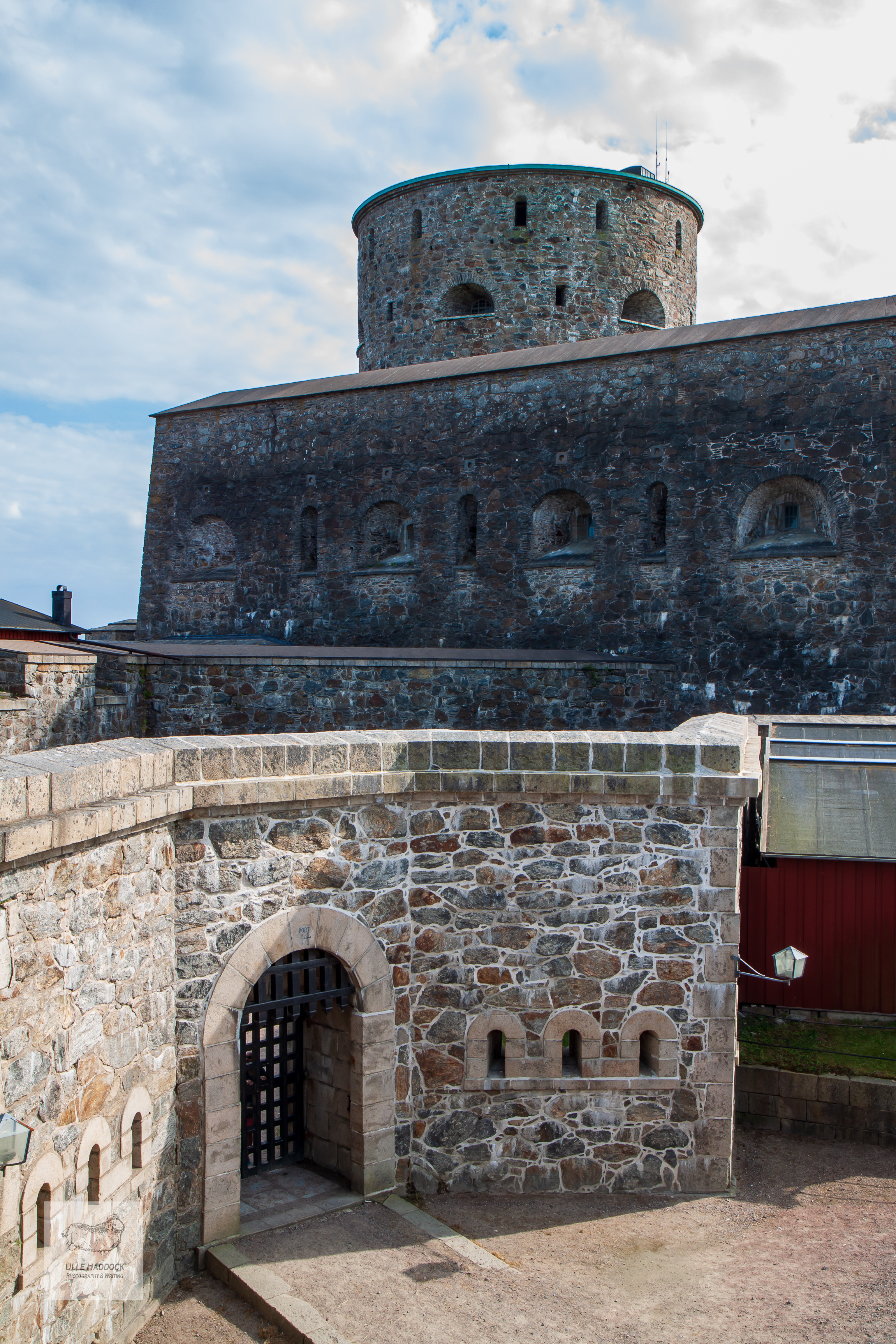
In mid 1800 Carlsten was considered the strongest fortress in Europe. Placed on the island Marstrand rock 39 meters over sea level and, with its tower reaching 98 meters it’s an impressive building. Construction began in 1658 after the peace treaty between Sweden and Denmark-Norway where Denmark-Norway had to surrender Bohuslän to Sweden. Marstrand was strategically important harbor with its strong currents keeping it ice free during the winter.

Like many fortresses in Sweden it has also served as a prison. In fact the entire fortress is built by the prisoners. The granite used for construction was landed by boats at the harbor in the village below and dragged up the hill by the prisoners. A sentence to hard labor at Carlsten was the same as a death sentence. Only way to leave was in a coffin. For my Swedish readers I strongly recommend the show and album by Stefan Andersson, No 90 Kleist, where he tells the history from the prisoners and soldiers perspective.

Not everything was war and punishment. It has also served as a lighthouse between 1780 until 1868 when the lighthouse Pater Noster replaced it. Carlsten lighthouse was equipped with the first rotating mirror invented by Jonas Norberg.

Let the old fortresses be a reminder that war is never the answer, ha de Gött!

Advertisements

Pater Noster

Pater Noster

Canon EOS 500D EFS 17-55mm

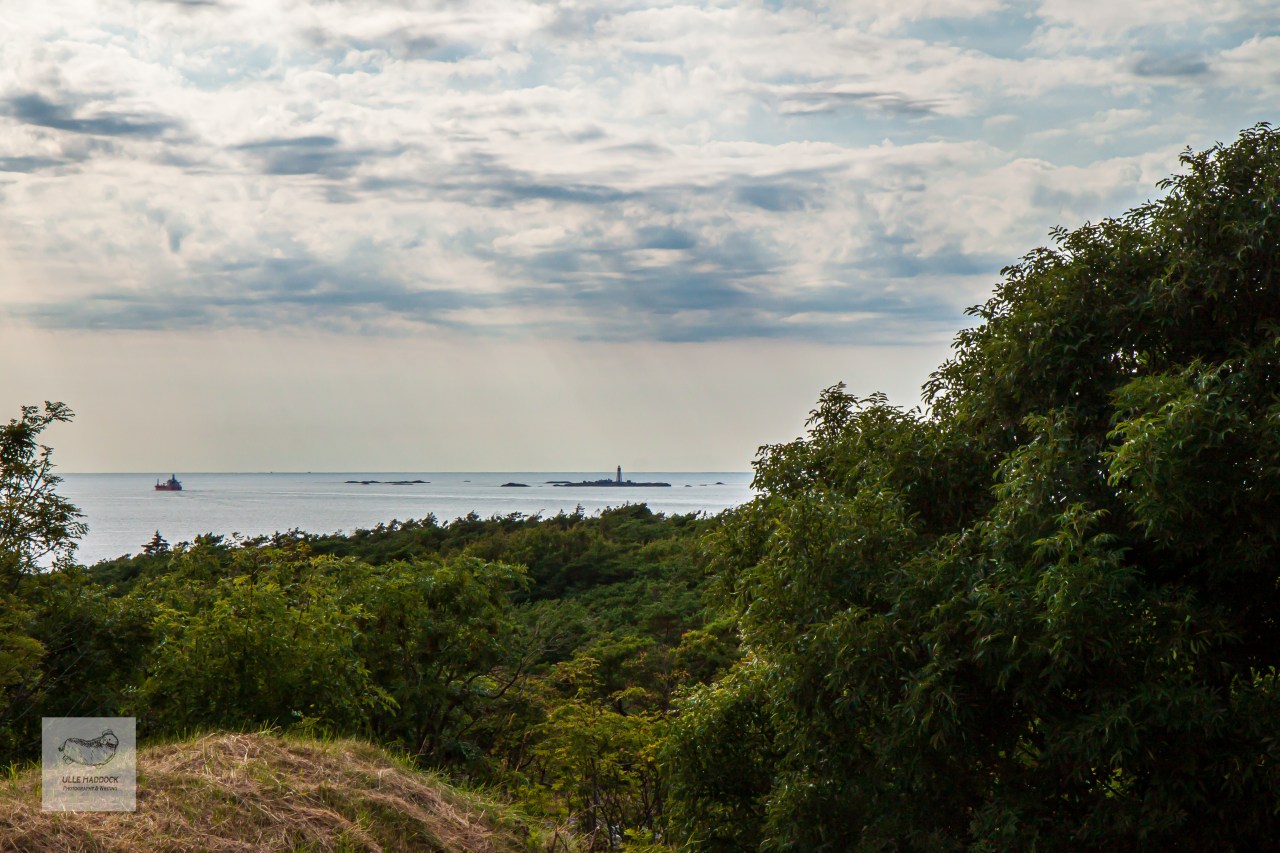
The lighthouse Pater Noster outside Marstrand island in south Bohuslän. It was built in 1868 and served until 1977 when it was replaced by a modern lighthouse at Hätteberget. In July 2002 the 33 meter high tower was lifted from its foundation and moved to Götaverken in Göteborg for an extensive renovation. In 2007 it was moved back to its original position and in september the same year lights was once again lit.

Pater Noster stand on the island Hamneskär that is, with a line to Skagen in Denmark the border between the two oceans Skagerack and Kattegatt. Today you can have your conference and stay over in the hotel. For those of you that know latin, yes the name refers to one of the most central prayers in Christianity.

Leave the light one for your loved ones, ha de Gött!

Advertisements

Sea Freight

Sea Freight

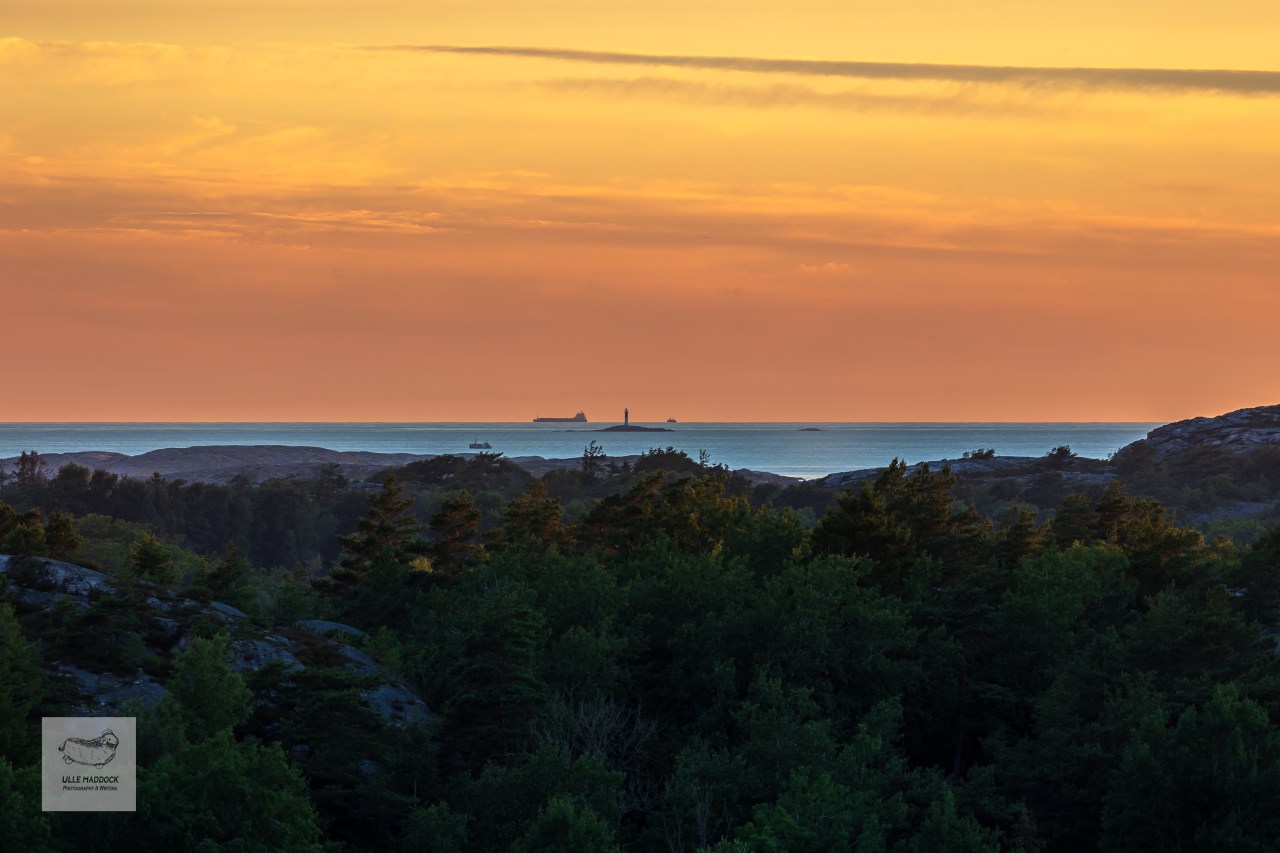
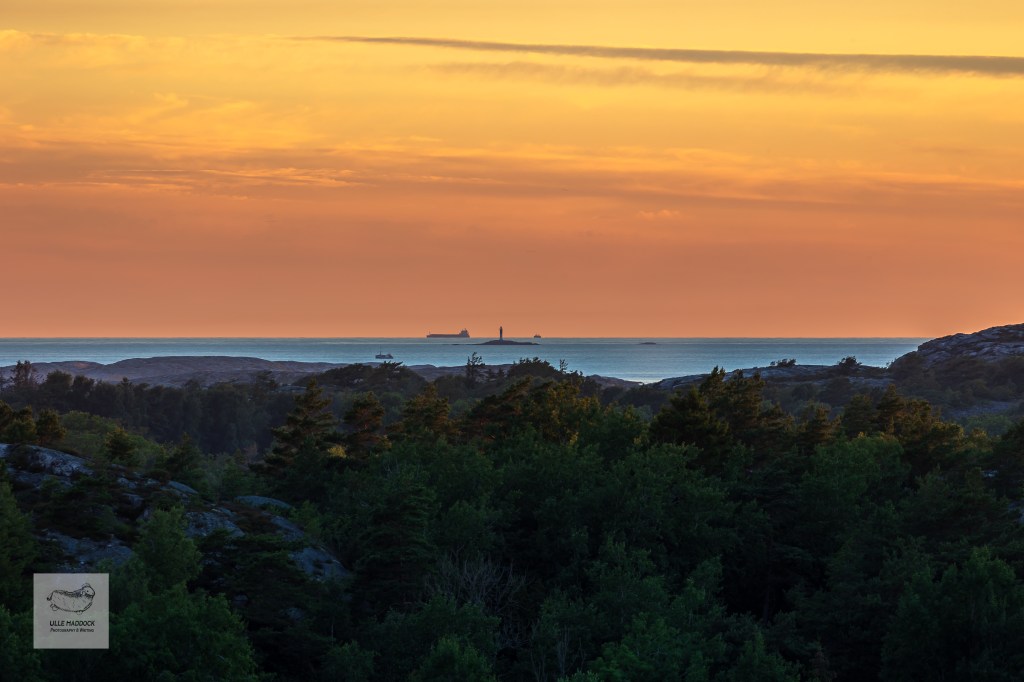
Late night sea traffic around Ramskär lighthouse. The 16 meter high lighthouse was built in 1917 with great difficulty on the naked black cliff. Situated 10 kilometer west of Havstenssund. The name Ramskär comes from the black rock. Ramn is ancient Nordic for raven. Hence raven black skerry.

See the light, be the light. Ha de Gött!

Advertisements

Midsummer

Midsummer

Midsummer celebration Havstenssund 2022

If there is one single thing that special Swedish it’s probably the Midsummer celebration. It’s always the first Friday after summer solstice.

For us Swedes midsummer’s eve is the true National Day where we celebrate the Swedish summer and the light. For most, the reasons for celebration are not very clear, but the tradition is very strong. Many activities for the whole family and especially the children, allowing grownups to behave like children for a while. There’s dancing around a pole, draped in birch leaves and the Swedish colors, singing silly songs while doing silly dances in a big ring. We use the same songs during Christmas, six months later but then around a fir-tree, still with the Swedish colors.

We eat the same thing for dinner, pickled herring, eggs, salmon in several varieties. Unique to the midsummer table is the fresh potatoes with a special kind of pickled herring, Matjessill. For dessert strawberries with whipped cream and to this, many drink snaps. To drink the snaps, we need to sing more silly songs in loud voices while standing up with raised glasses. As the evening goes and more songs have been sung the standing part gets more and more difficult.

The Swedish midsummer dinner must take place outside even with cold north winds and horizontal rain pouring down. More exercise after the dancing, running with the whole dinner table in and out between the rain showers. But what we always remember is the midsummer when the sun was shining, weather was warm all the way into the night. This year it actually was.

Traditions bring family and friends together and allow people to let go from life musts. Even the strictest civil servant can fool around for a while in what you can call dance, singing silly songs about how funny the little frogs are. I think the little frogs are laughing their legs off when looking at the civil servant!

Summertime and the living is easy, ha de Gött!

Advertisements

Sea rescue

Sea rescue

Sea rescue boat Anders Wallenstam passing under Tjörnbron

The Swedish Sea Rescue Society, Sjöräddningssällskapet is made up of volunteers with normal daytime jobs. With no government funding they depend on public contributions and membership fee’s. Goes without saying, I’m a proud member together with most recreational boat owner around the 11 600 kilometer coastline of Sweden.

2400 volunteer heroes make sure there is a 24 hour availability from 74 stations also covering the major lakes. With a response time of 15 minutes and with 260 modern rescue vessels they are involved in 90 percent of all sea rescues in Sweden.

The society was founded over 100 years ago by Albert Isaksson. The government showed weak interest in doing something about the poor condition of the Swedish sea rescue ability. In fact it was used as an bad example in the internationally. Albert turned to the public and 1 June 1907 the, for Sweden unique, Society was established. Find out more here.

Hat off to the heroes, ha de Gött!

Advertisements

Kalvö

Kalvö

Kalvö is one of three connected islands outside Havstenssund, Trossö-Kalvö-Lindö. Less than 10 people live on the island all year around but at it’s peak the islands had around 80 inhabitants. The island was an important hub for smuggling people and information for the resistance to the Nazi occupation of Norway during second world war.

Always try to be a good neighbor, ha de Gött!

Advertisements

Upperud locks

Upperud locks

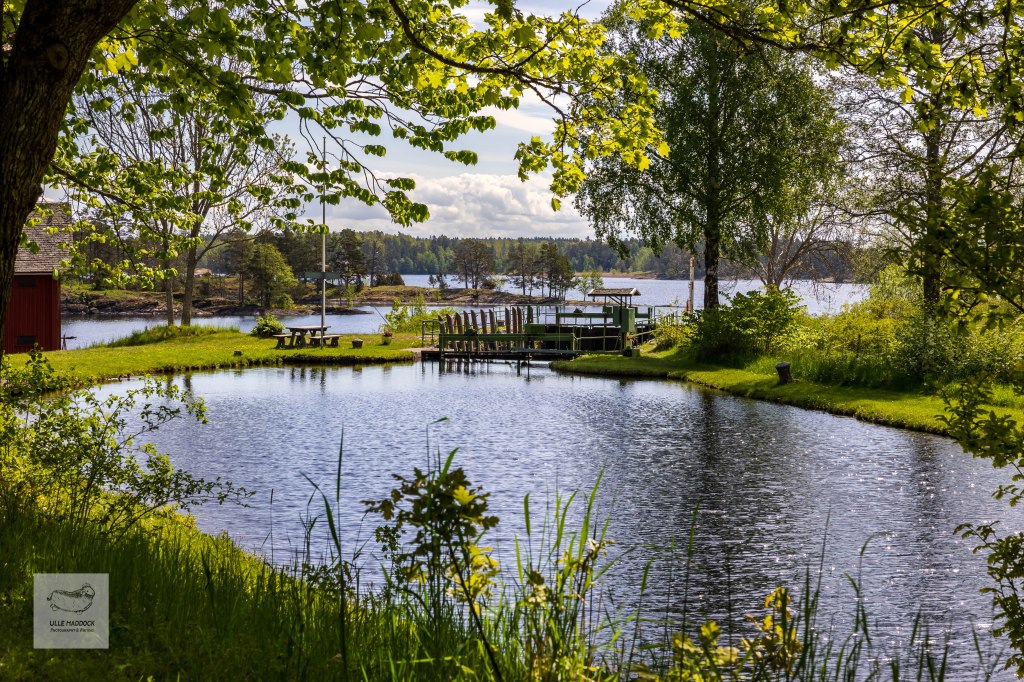
In Upperud there are two locks with a difference in altitude of five meters. This is part of Dalslands Kanal, (see previous post here). The first iron work of Dalsland was founded here in 1647 and in 1840 it was the largest in the area. In the old nearby mansion Napoleons niece, princess Christine Egypta Bonaparte lived together with her husband Arvid Posse.

Don’t let water get in your way, make a waterway. Ha de Gött!

Advertisements

Caught Between

Caught Between

On the fortress walls of Fredriksten Festning. Two cannons, tools of war. Protection or assault at the whim of a self-, or Grace of God appointed ruler. Human history, hard wired to self destruct. Enemy and brother.

Two cannons to frame this lanscape photo of Halden and Idefjorden. Squeezed between cannons, the prosperous city with peaceful trade. Open ports and safe passage between borders. Railroad tracks to travel near and far.

Two hundred years of peace between the nations, even if there was a bit tension when the union was dissolved in 1905. Let’s hope that these cannons only serve to frame pictures for two hundred more years. Serving as a beacon of peace all around the world.

War machines belong in museum, ha de Gött!

Advertisements

Klädesholmen

Klädesholmen

A windswept Klädesholmen in the distance. As many of the small island villages it is today mainly summer houses. It is believed to date back to the 1200 when the Norwegian king Håkon Håkonsson established many communities around Viken. Viken is an old name for Bohuslän and the coastline up to Oslo. There is a theory that the name for Vikings originates from this area.

Wind power, ha de Gött!

Advertisements

Åstol

Åstol

The small island of Åstol. This little island had at it’s peak 500 inhabitants. In 1965 it was not possible to build any more houses as there was no more land. Today there is less than 200 year round inhabitants and most houses are only occupied during summer.

Keep your friends close but keep your enemies closer, ha de Gött!

Advertisements