
Sometimes all the poetry is in the picture. Ha de Gött!
Advertisements

Sometimes all the poetry is in the picture. Ha de Gött!
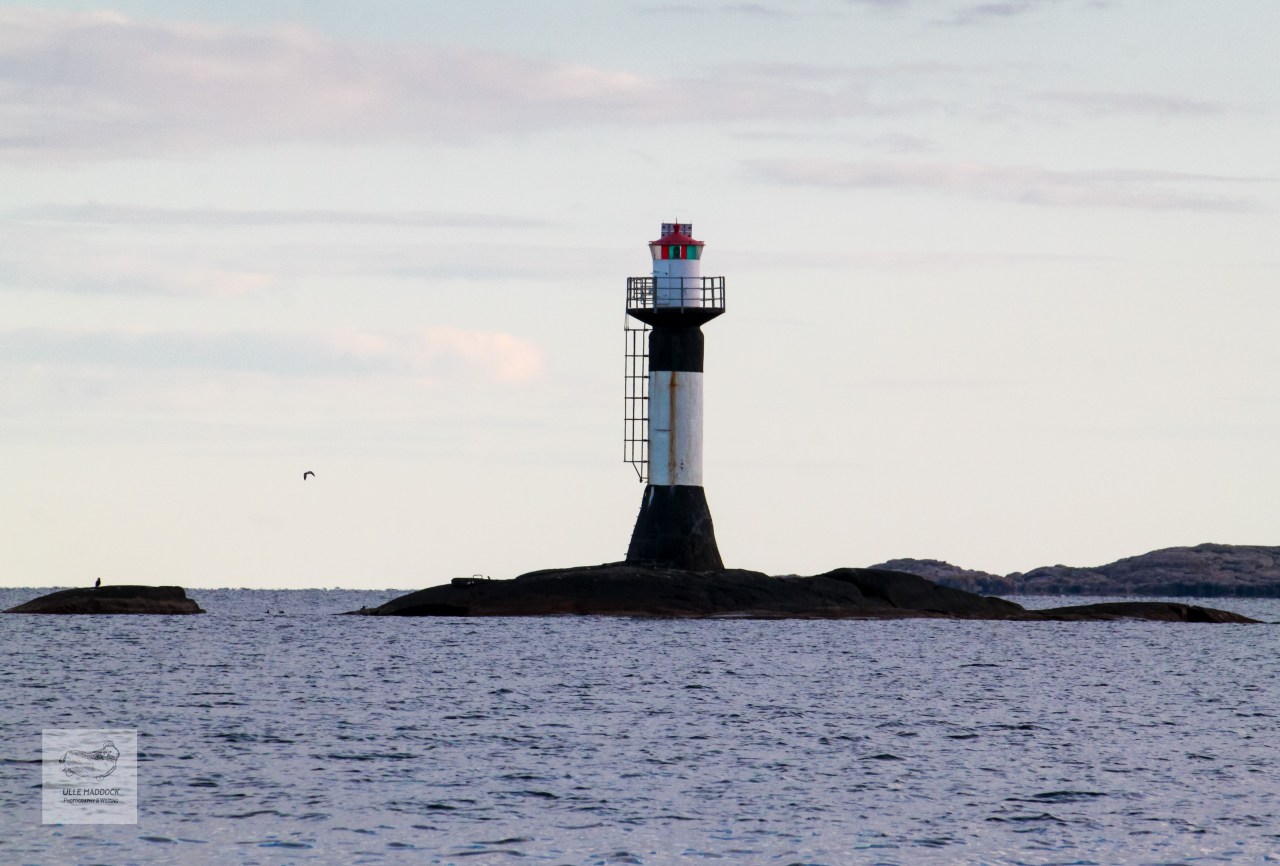
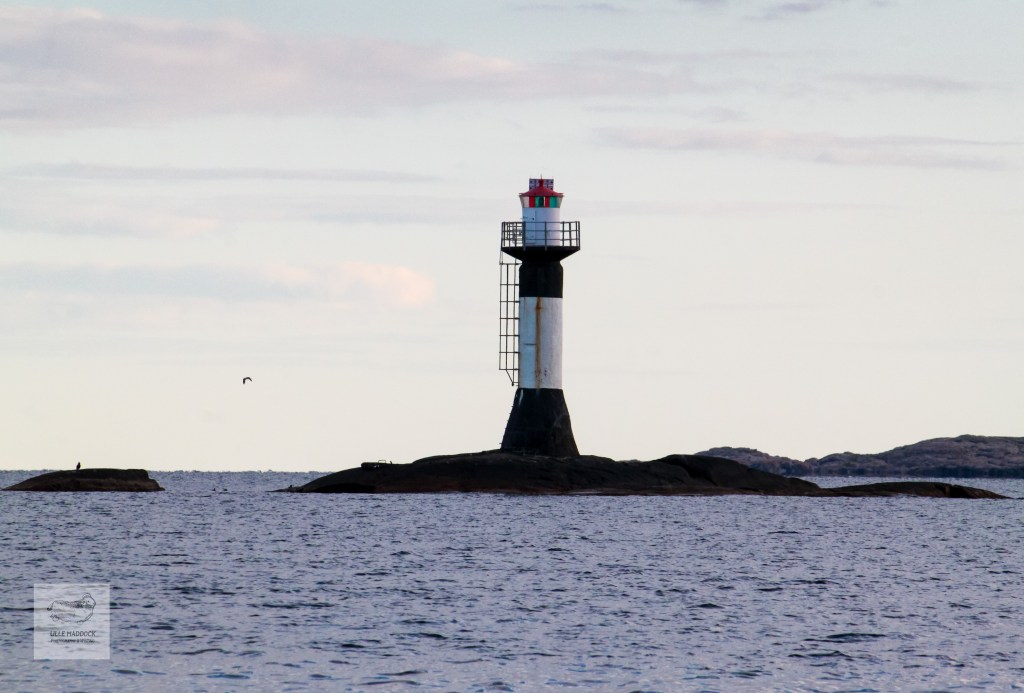
I finally got around to go out to the lighthouse with the boat. The weather was fairly calm so it was okay to go in my small boat. Unfortunately I was loosing light but I still got some nice pictures. Below is a picture of the same lighthouse in storm.

The lighthouse is called “Väcker” from the small island where it’s placed. It was built in 1939 to guide ships in an area with many dangerous shallow rocks and strong winds. Several waterways intersect here. In the past goods and fishing ships depended on this for navigation but today it’s more of a landmark, or sea mark.
Light up someones day, ha de Gött!
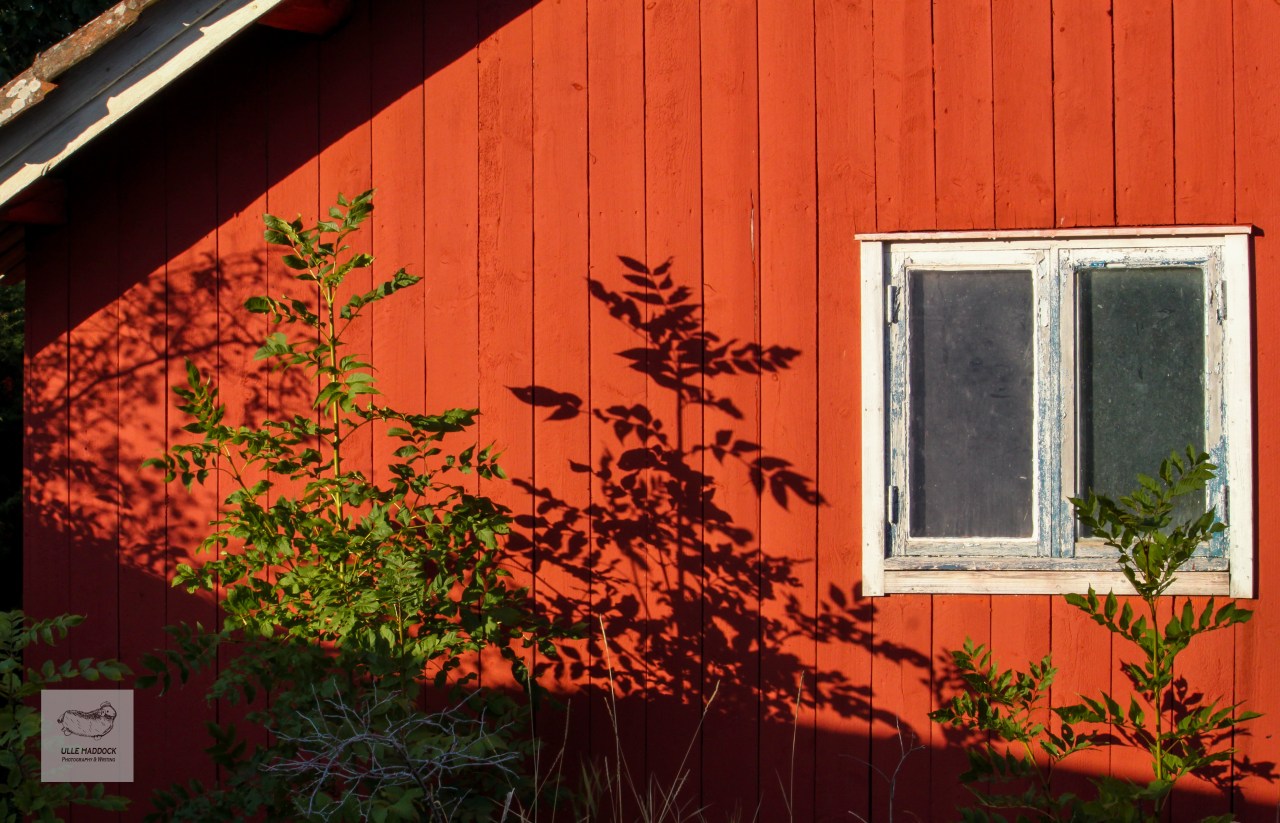
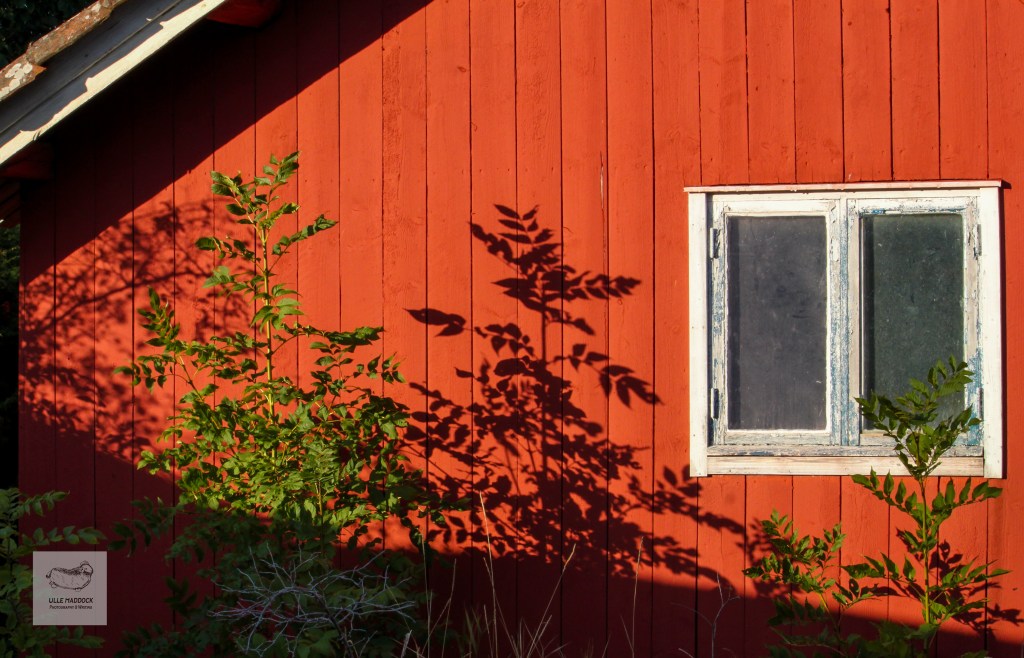
Sometimes feel
like a shadow
a fraud
bleak reflection of
the beautiful and
bright
against the wall
but sometimes
in the setting
autumn sun
the shadow
is the center
center of the stage
We all depend upon the sun, ha de Gött!

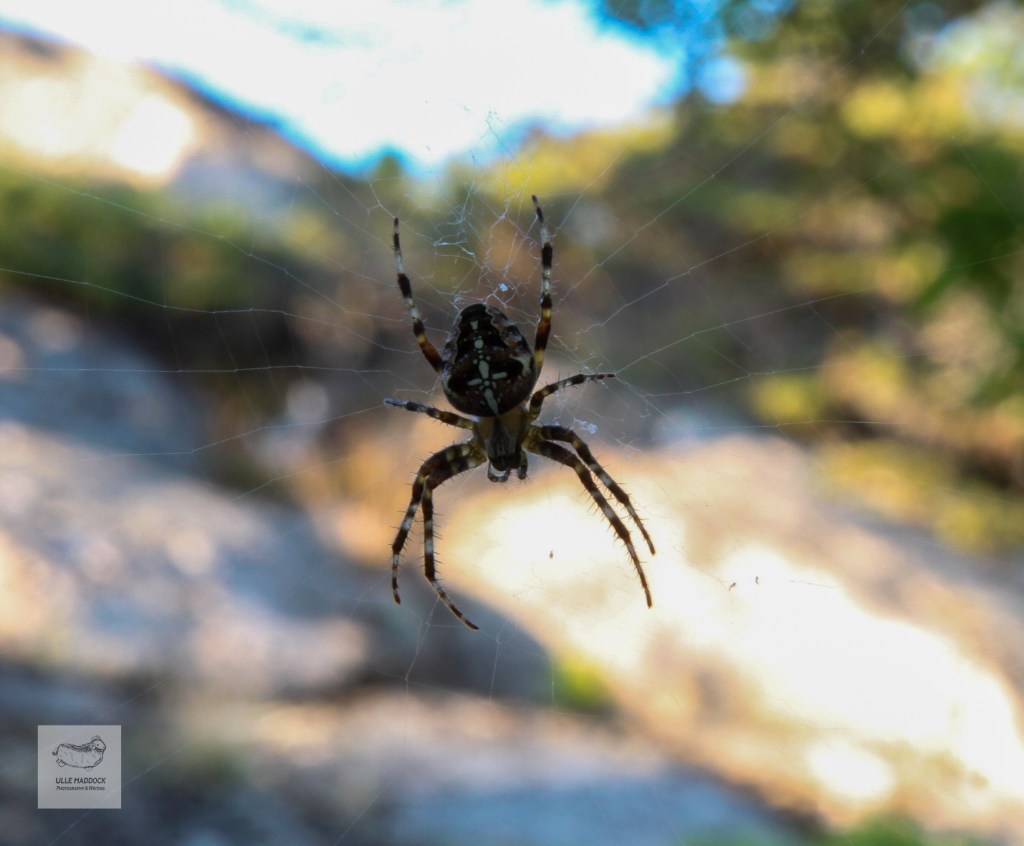
I know, like me, many of you don’t like spiders. But I have to show you this beautiful Cross Spider (Araneus diadematus). She had spun a one by one meter web on the veranda window and just sat there waiting for a fly or a wasp. It is called “Korsspindel” in Swedish and it simply translates to Cross Spider even without my creative translation. There is a proverb in Sweden “a loved child has many names”. I guess the English speaking world love this spider. Cross spider, European garden spider, Diadem spider, Orangie, Crowned orb weaver and sometimes pumpkin spider.
Found all over Europe and North America. It is an orb-weaver spider, meaning it spins orb shaped webs. The male live a dangerous life. The female sometimes eat the male before, during or after courting. Don’t know if that is some kind of scoring system! Bad DNA I’ll eat you up, good DNA, I want more of you.
It is a common misconception that it is poisonous and dangerous to humans. Like many spiders it has a venom to paralyze its pray but it is much milder than a wasp. So harmless to humans.
So let the world and the spiders keep spinning, ha de Gött!
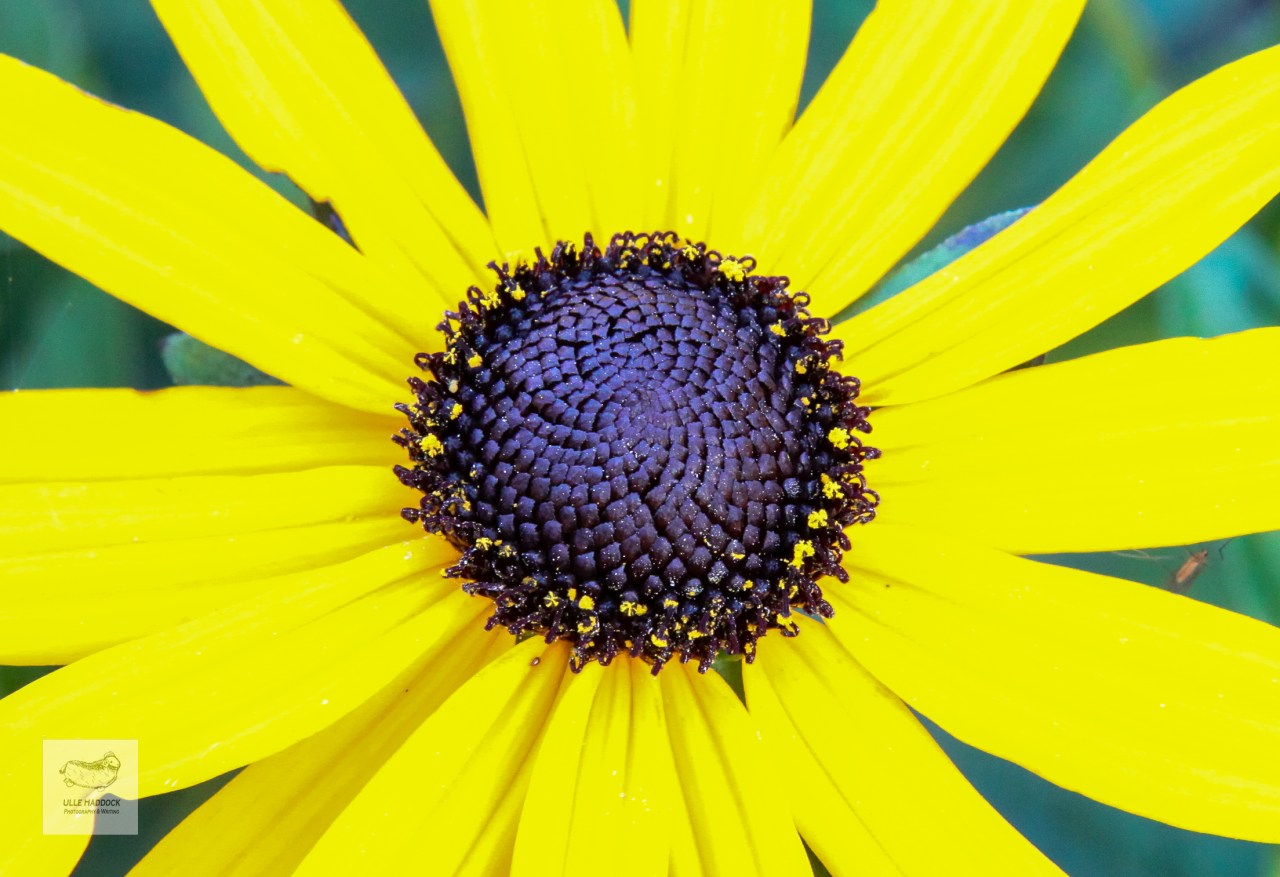

If you look close a whole new world appears. Ha de Gött!
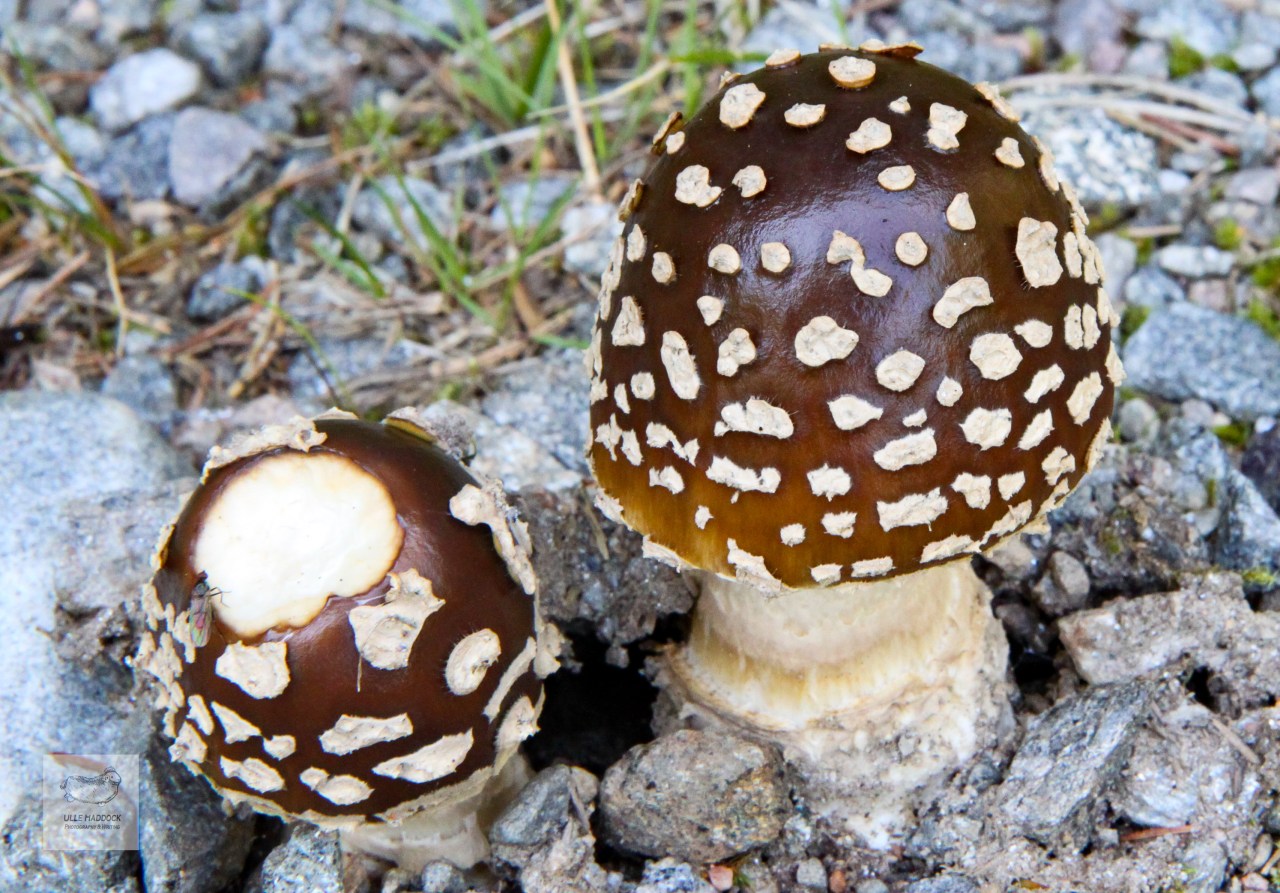

Don’t know why but this toxic fungus (Amanita regalis) is called “King of Sweden Amanita” or the “Royal Fly Agaric”. Probably named by someone who dislike monarchy, specially the Swedish! In Swedish it is called “Brun Flugsvamp” translates in Haddock style to “Brown Fly Mushroom”. It is common in Scandinavia and since the Swedish kings historically been messing around with the neighbors, the name makes perfect sense.
It contains several toxins with very unpleasant effects (according to Wikipedia, not from personal experience) and even death. There is a wide spread myth that the Vikings used it as a drug for parties and before battle. There is however no evidence of this and if you think about it, why on earth would they use drugs when they invented beer!
To quote the Swedish king, “now we turn leaves”, ha de Gött!
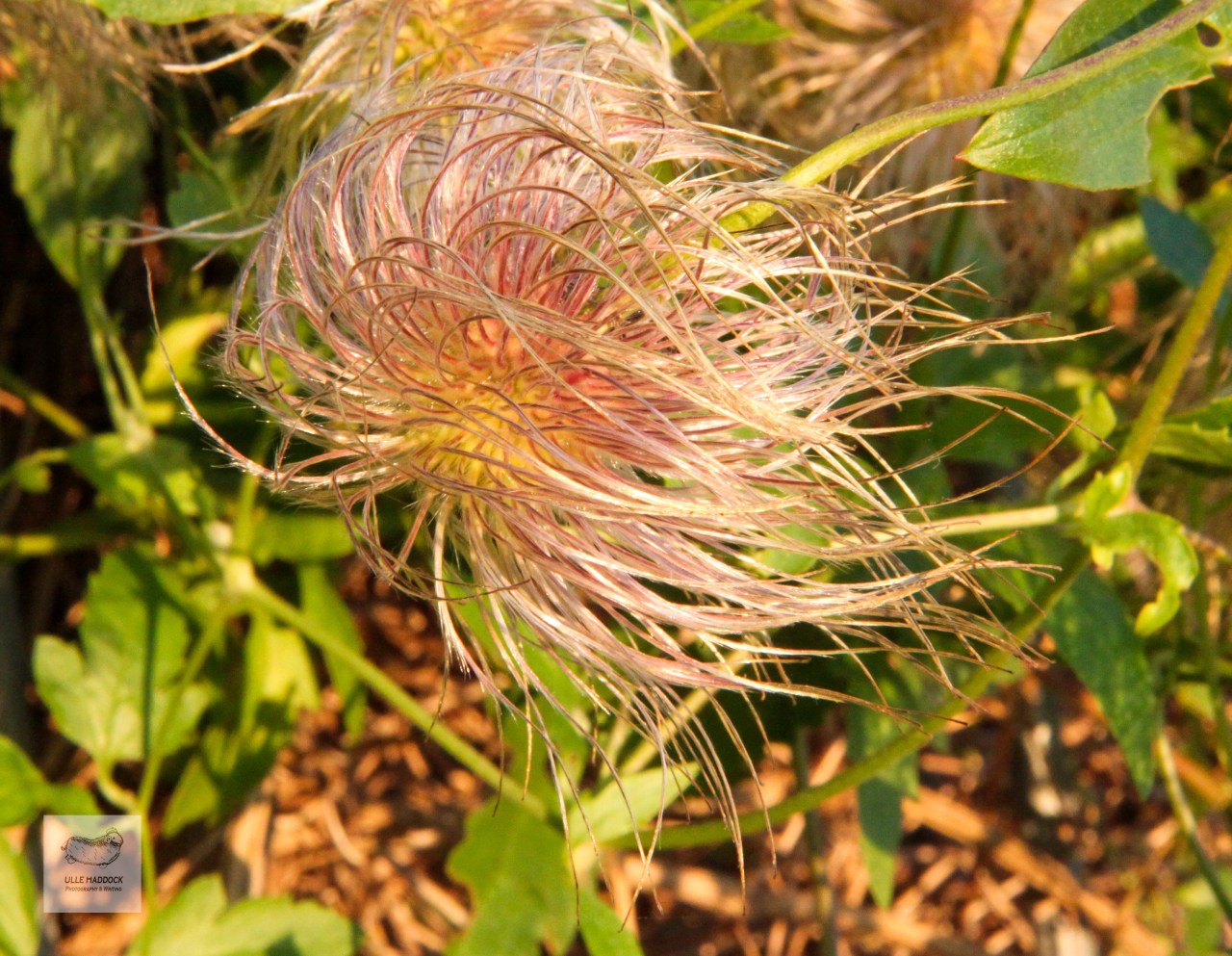

In the garden by the pond we have a variant of a clematis with small yellow flowers in the summer. Now in the late summer sum they turn into small hairballs. Makes me think of Chewbacca the Wookie from Star Wars.
May the force be with you, ha de Gött!
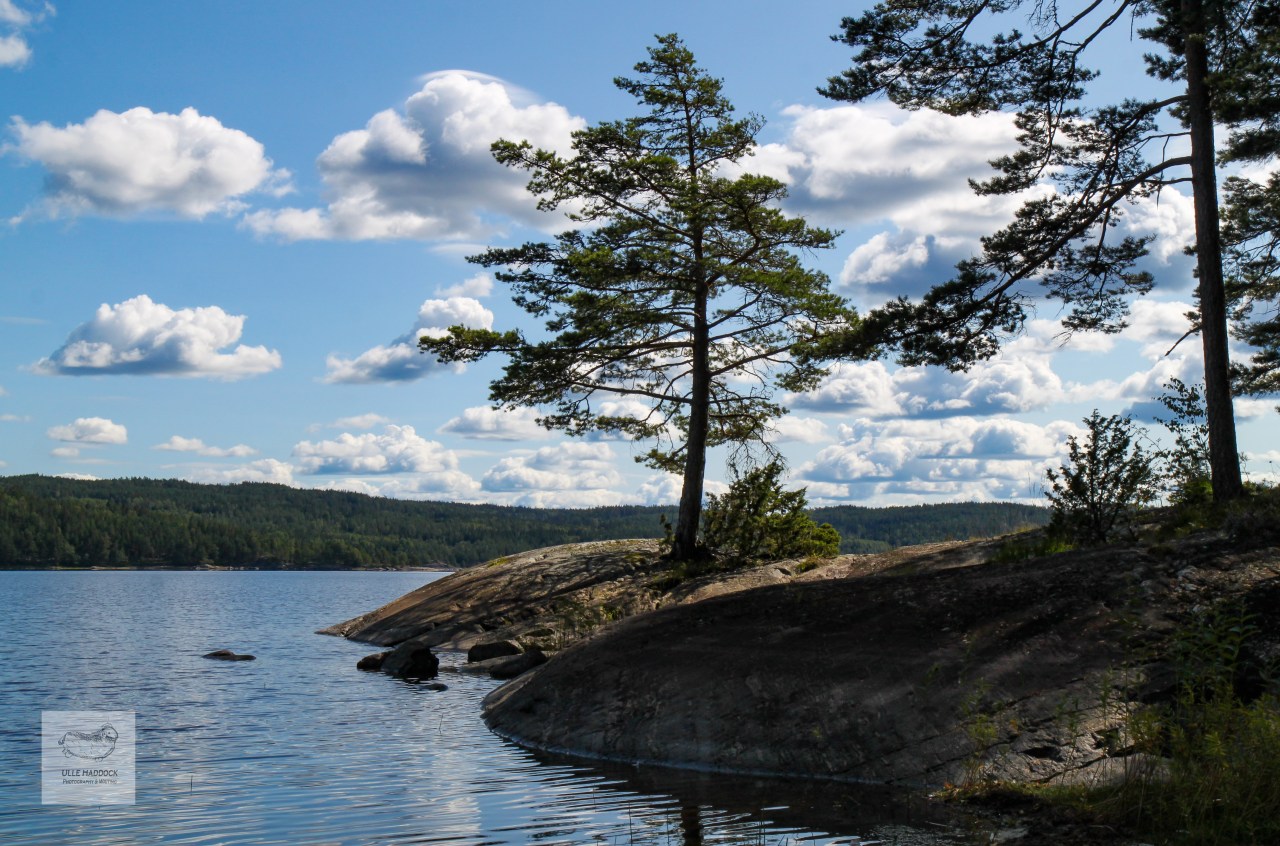

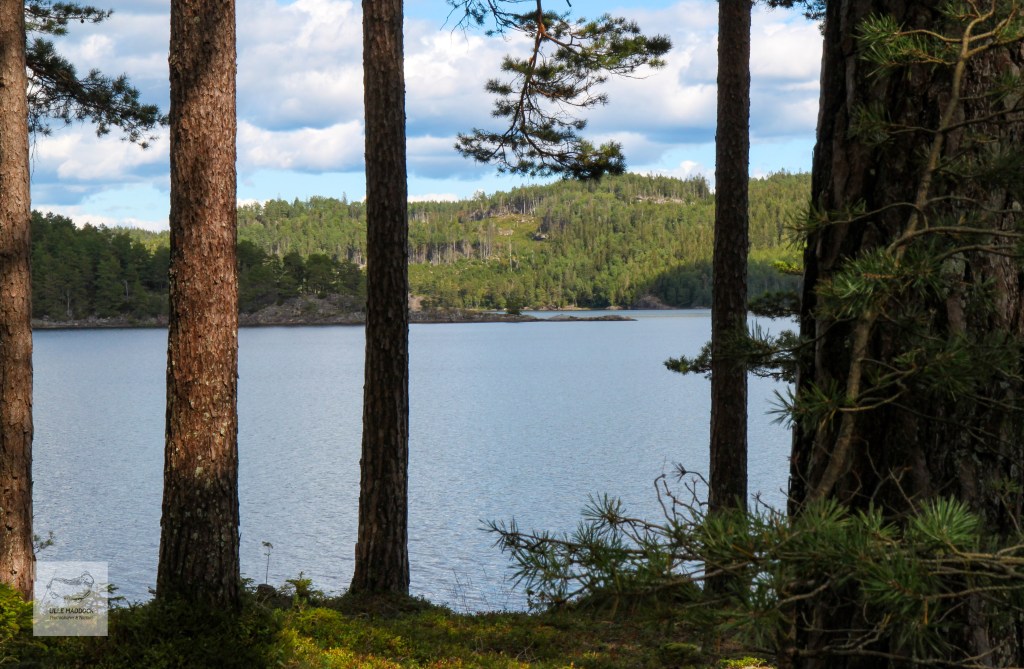
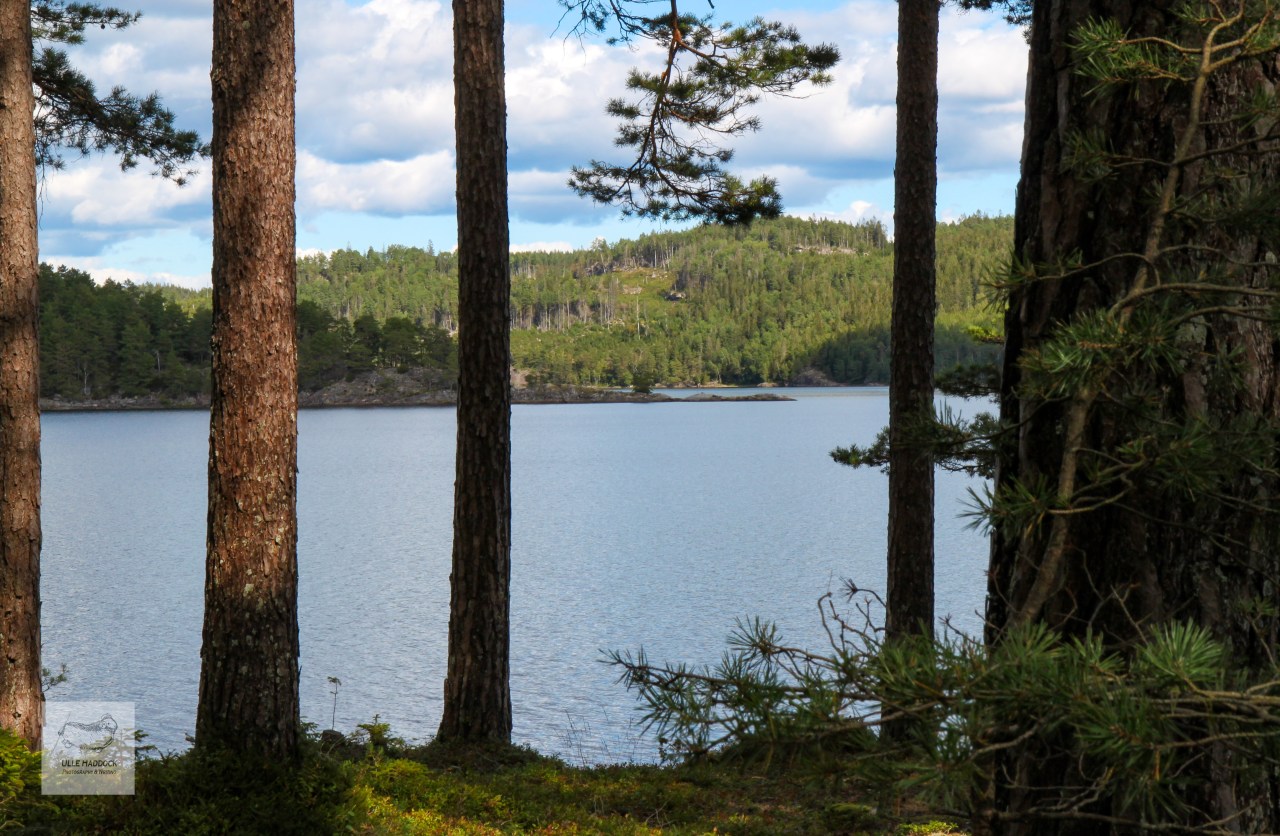
Travelling just 30 kilometres east from my home is a large lake named Bullaresjön. To be precise it is two lakes North and South Bullaresjön. The north point of these narrow but long lakes, in total 28 kilometres, ends at the Norwegian border. As a child, up to seven years old, I spent my summers in a small cabin by the shore of the north lake. This weekend I went there to take some pictures. I shot this picture from the small beach I used to play at as a toddler.
Sometimes you have to walk down memory forest, ha de Gött!
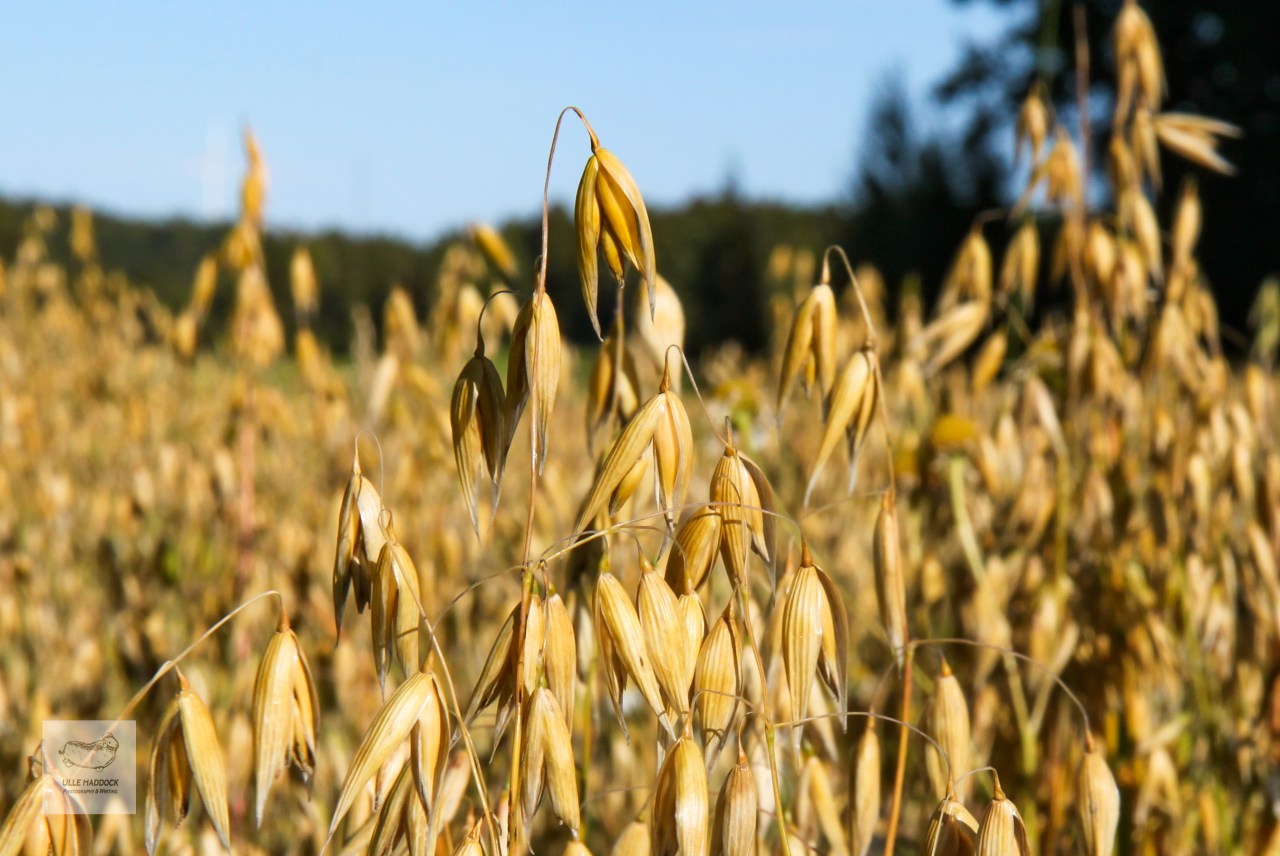
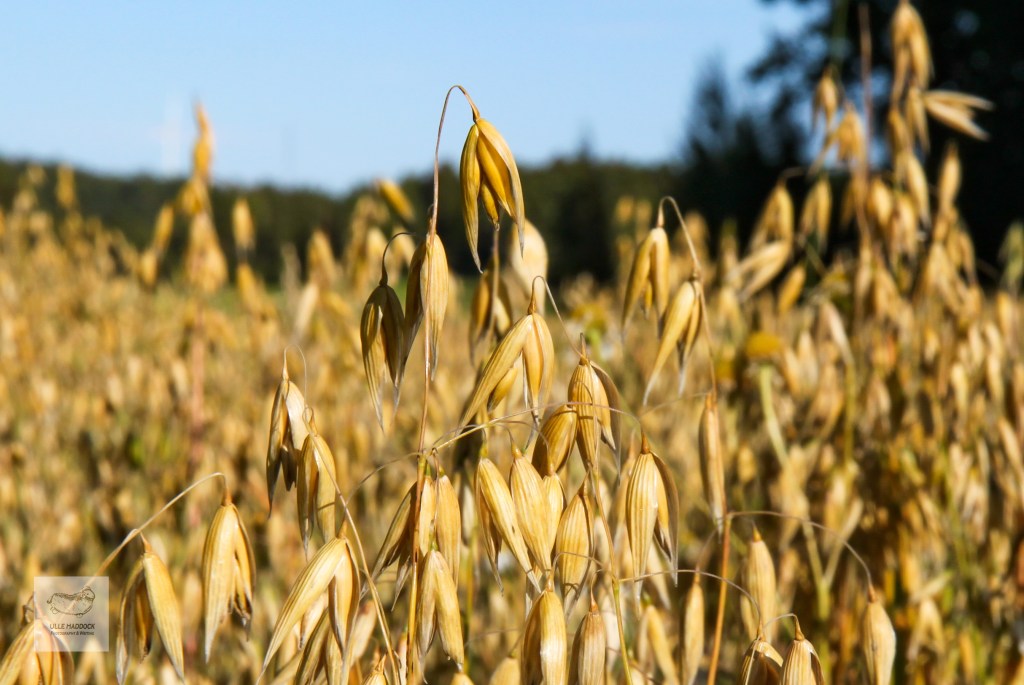
Oat (Avena sativa) is a widely cultivated grain where the seeds are used for both human and livestock food. The Swedish name is “Havre”. The oat fields are now turning yellow as the plant matures in the late summer sun. In just a few weeks it is time for harvest. This annual plant grows best in the temperate zones.
I have a condition called “Celiac disease”, commonly referred to as “gluten intolerance”. I cannot eat anything made from grains like rye, wheat or barley with oat being the exception. Oat meal does not contain any of the gluten protein that triggers the disease. So you can understand that I like oat. NOTE! For it to be safe for a coeliac to eat any product based on oats it needs to be produced with special care and be marked gluten free. It’s NOT safe to eat regular oat products!!
Don’t worry there are some gluten free beer available, ha de Gött!
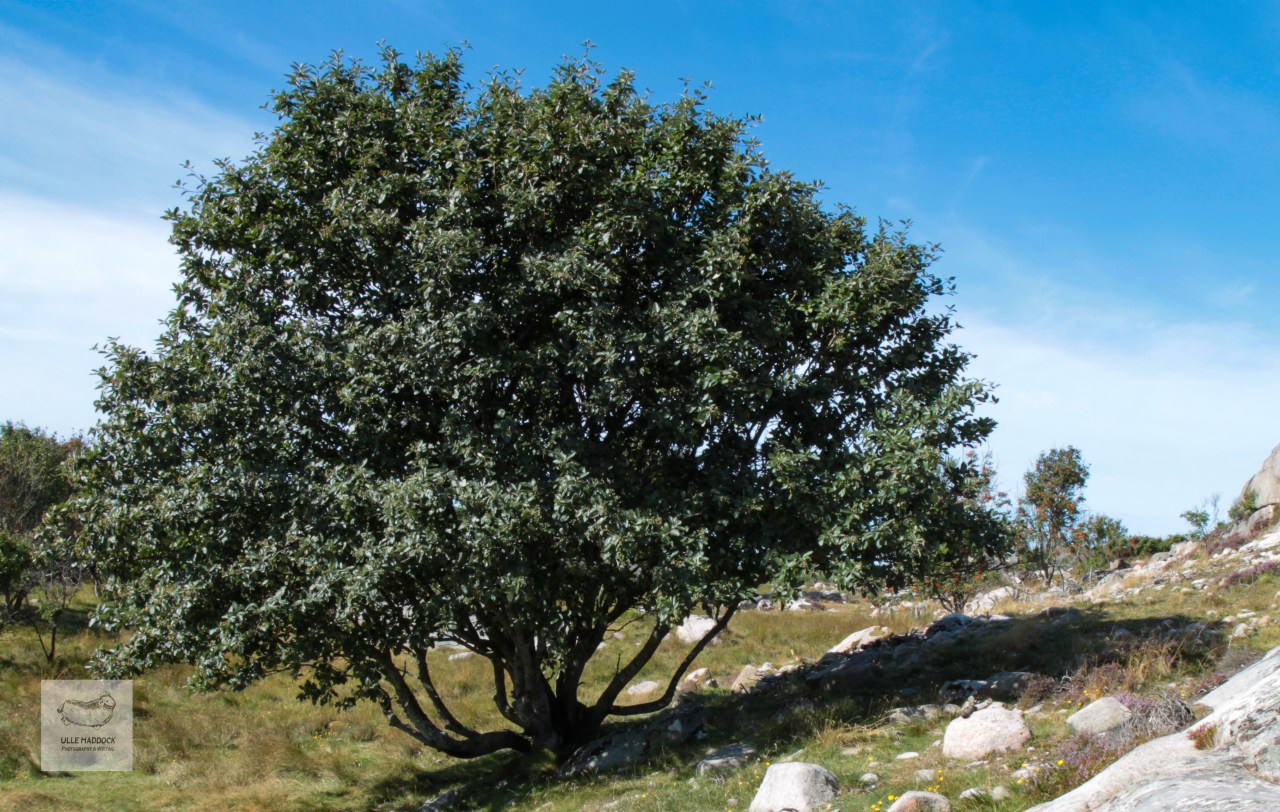

This lonely tree is an Swedish whitebeam (Sorbus intermedia). Got to love the English name! In Swedish it is called “Oxel”. It grows wild only in the Nordic countries. It grows in pastures and at the forest edge.
Find comfort, hug a tree. Ha de Gött!
 UlleHaddock