Archive for ‘History’

Contraband

Contraband

He shivered in the cold fog. He sat at the boat stem looking out for shallow water and rocks. More important, looking out for the police and the coast guard. His brother sat by the oars, gently lowering them in the water at each stroke. Making sure there was no sound made. They could hear the dogs barking at the Norwegian side as the customs officers patrolled the shores. Nothing was heard from the Swedish side but they knew that the police were at the lookout for them.

The cold mist was their friend, he thought. They stayed in the middle of the fjord trying to stay out of reach. The yawl was loaded up to the rail with home-burned liquor. It was to be delivered to Norway where those distilled drinks were banned since a few years. He knocked gently on the wooden rail and his brother turned around. He pointed to the shore at the faint blinking light. It was the signal. With a few oar strokes his brother steered the boat in that direction.

They could hear the thumping of a steam boat approaching fast. Now his brother picked up the speed significantly. No need to be quiet anymore. Soon they could see the strong searchlights over the water. His heart was beating hard but he stayed focused on his task. With a low voice he directed his brother to the light. At each stroke the oars where now splashing in the water. They manged to steer the boat under a large alder with branches out over the water just as the searchlight blinded his eyes.

The Scandinavian countries are part of the “liquor belt” and in the beginning of 1900’s the alcohol abuse was a major problem. In Norway liquor was forbidden between 1917 to 1926. In Sweden only a limited amount was allowed per month. This was regulated with a small book where all purchases was logged, Motbok, from 1917 all the way to 1955.

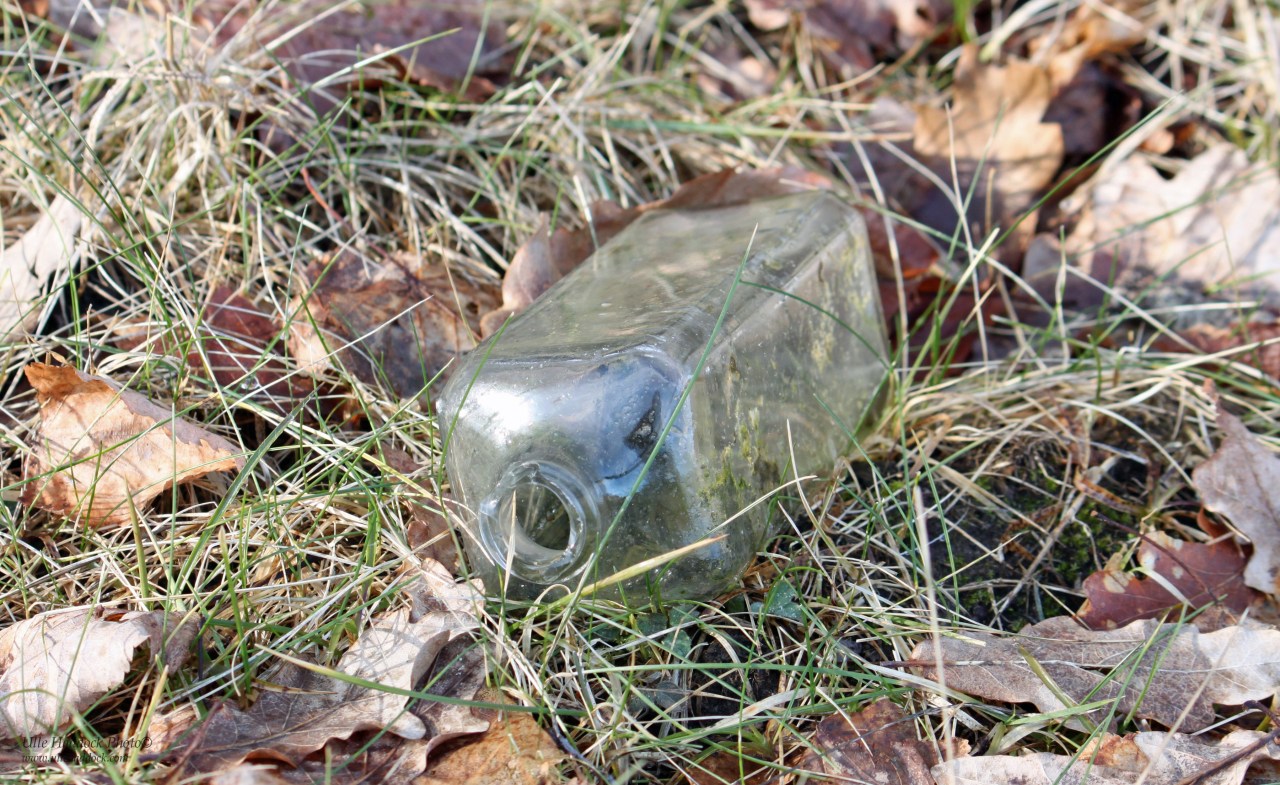
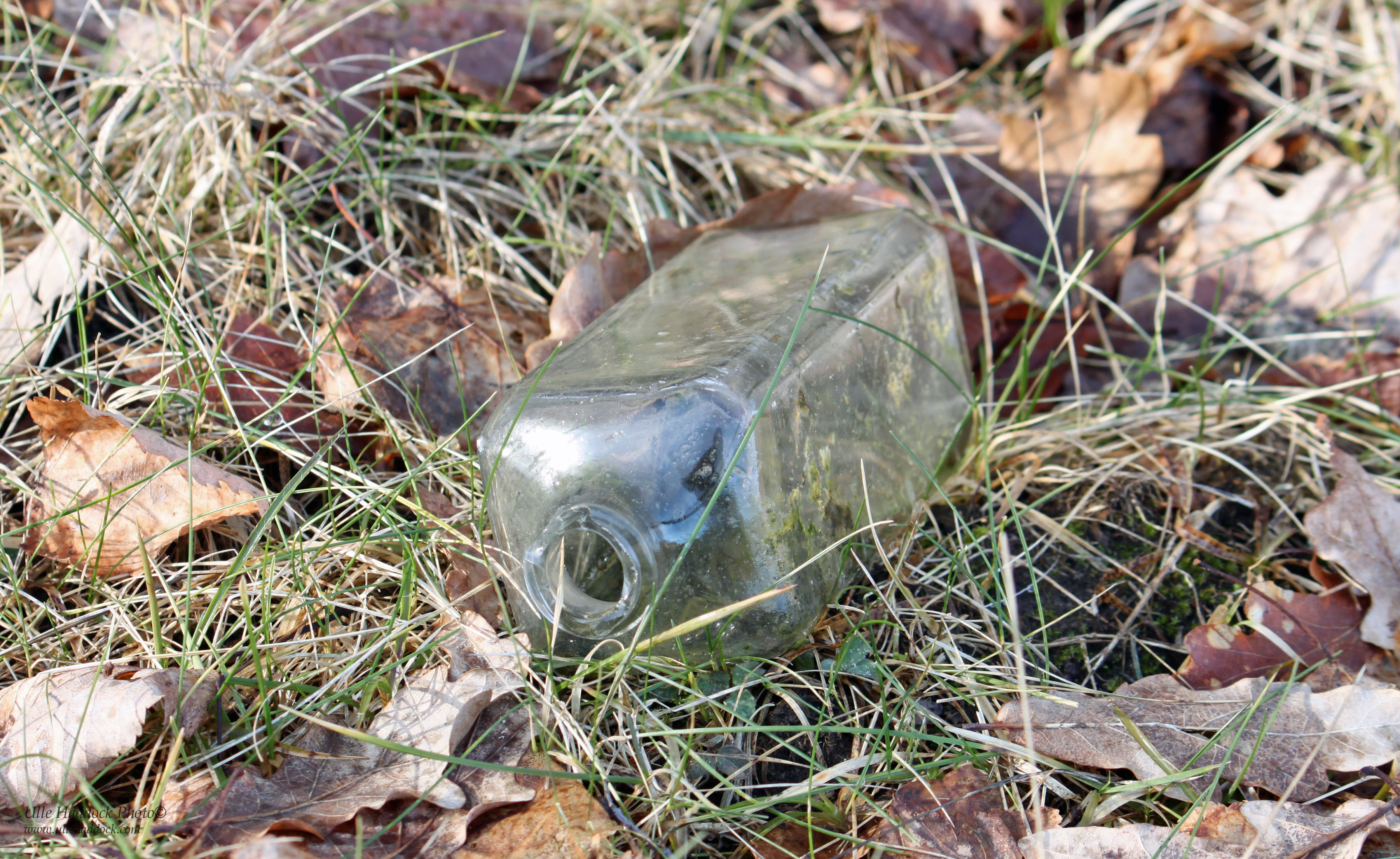
Maybe this was the place, I found yesterday, used by the moonshiners? Don’t forget to like, subscribe and please let me know with a comment if you like me to continue the story. Ha de Gött!

Advertisements

The Windmill

The Windmill

The wind started to pick up. He looked at the clouds. The sun was breaking through as the clouds sailed past in the sky. Yes, this was going to be a busy day. As he walked up the hill he could see them coming. The carriages with grain filled jute sacks. Some had horses but mostly oxen. Even some carrying a sack on their back. As he approached the windmill there was already a line waiting.

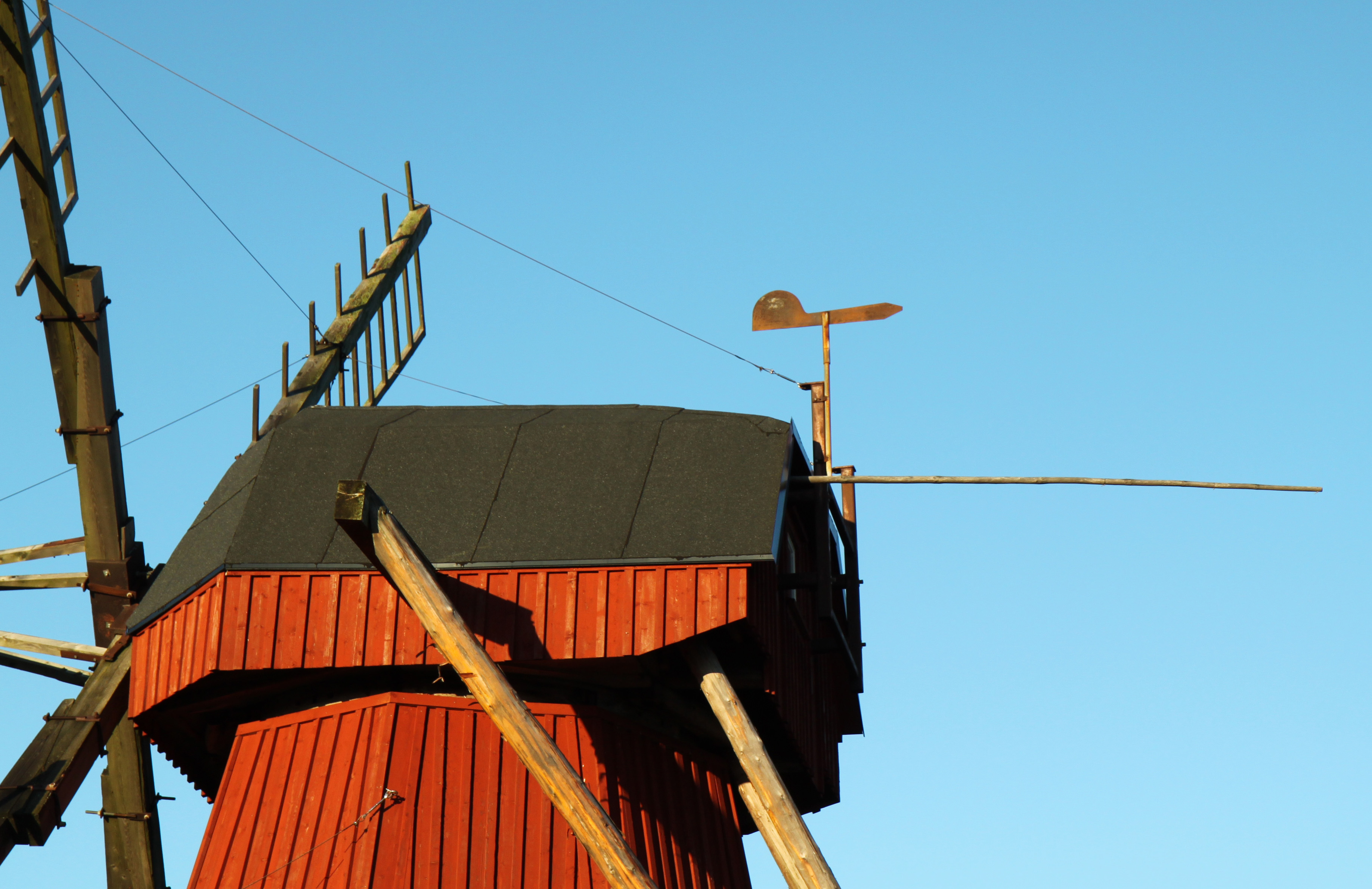
He put in a big portion of snuff* under his lip making him showing his brown colored front teeth. He started to give orders to the farmers waiting in line to set the smock in place. On this windmill the entire top was turned to get the wings in the perfect position to catch the wind. Once in place he anchored it down and let the sail cloth out on the wings.

Now the wind picked up even more so he let the first farmer carry the sacks in to the mill. The mill had two parallel mill wheels so he could grind two types at the same time or just make it faster. After oiling all the shafts he released the breaks and the wings slowly started to turn. Today was good wind so they had to work hard to fill the grinders with grain and replace the filled sacks with ready made flour.

Advertisements

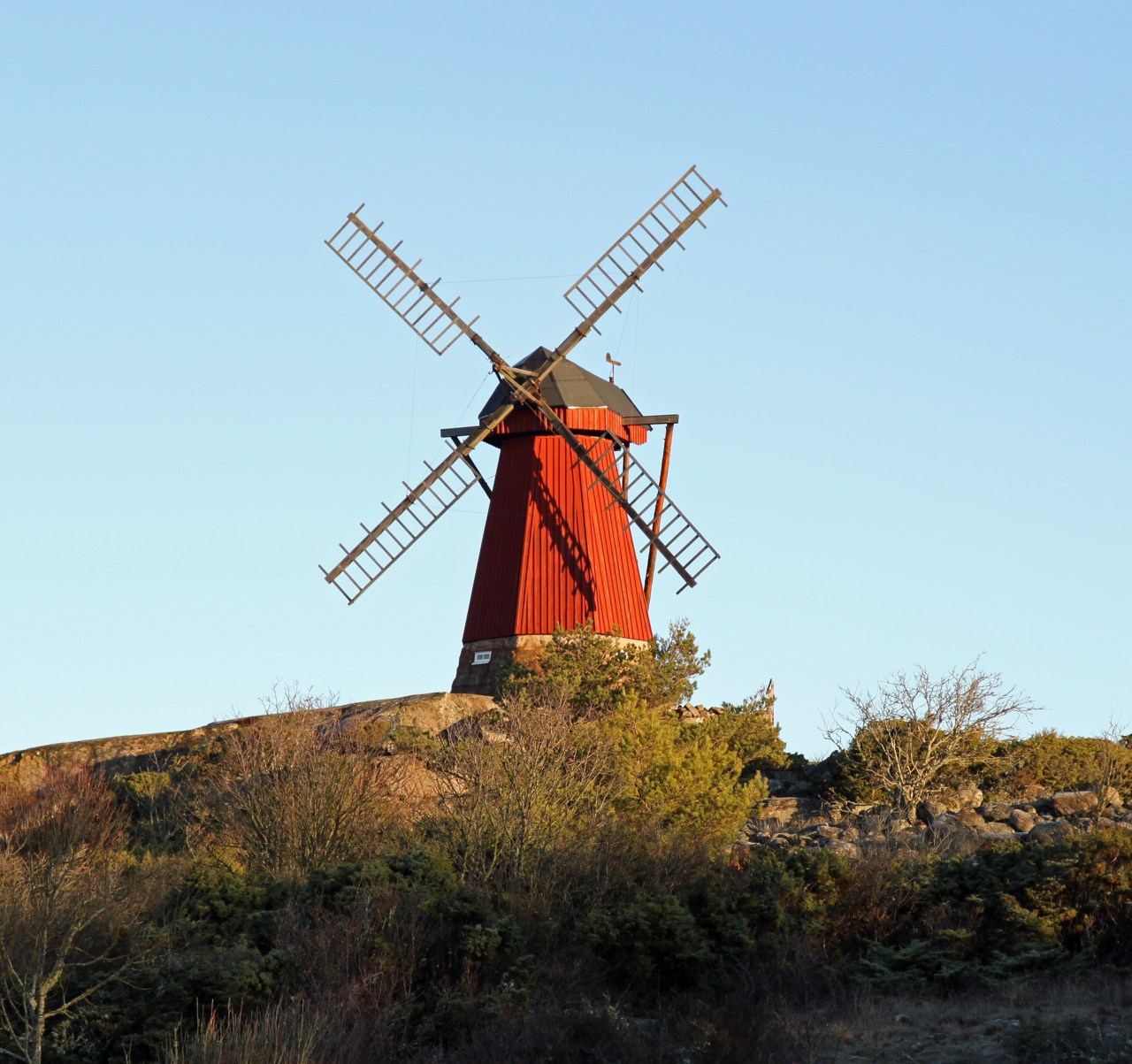
The windmill of Ulseröd is just a few kilometres from my home. It was built in 1900 and was in operation until 1939. During this period new technology made it possible for the farmers to do their own milling. This together with the urbanization made the windmills obsolete.

The windmill of Ulseröd was saved from decay by Tanum Local Folklore Society and Havstenssund Community Association. A major renovation took place in 2013 to 2016. Basically a bunch 70 and 80 year old men were climbing the the wings to replace the wood, windows and paint. Find out more here (in Swedish). In my opinion, heroes saving this piece of history for the future. Well done.

*I think I need to explain as I understand the word can mean something else in English also. I refer to the special Swedish use of fine grind and wet tobacco that some put under the lip. Like chewing tobacco but it just sits there.

Hope you like, subscribe and comment. Ha de Gött!

Advertisements
The Blacksmith

The Blacksmith

It was a bright sunny day, warm with a cool breeze from the sea. With a pleased smile he looked at the men helping him. His business had been good and he gotten a good reputation as blacksmith. Specially skilled in making wheels. Even with his simple farm smithy and tools he was known to get the iron wheels perfectly round. Now he could expand and build a larger forge with better tools. With all the good fishing and the stone masonry in the area requiring forged tools to operate, he saw a bright future.

Photo by Ulle Haddock©

The top corner stone was put into place and his friends helping him took a step back. Wiping the sweat from their foreheads while the beer bottle was passed around. There across the field he saw his young wife and the maid approaching with dinner. Yes, they could afford a maid he thought to himself with a pleased smile. His three friends grunted happily when they saw the food coming. He went to meet his lovely wife to relive her of the burden. Her belly pointing straight up. Not long before their first child would arrive.

After the stone walls were done they started on the wooden roof. The work went fast and before nighfall the red roofing tiles were in place. The furnace he would do himself during the evenings. This skill he had from growing up and working in his fathers brickyard. The area was full of them as the clay was perfect for making bricks and roofing tiles.

He placed the last tile and climbed down from the ladder, just in time for his friend to start playing the accordion. Thier bodies was tired from the hard work, but full of joy and satisfaction over what they had acomplished. Now this joy bursted out in singing and dancing, fuled by some beer and liquer. Soon the neigbours joined the party and the dancing became more civilized. He held his wife around her waist as they walked back to their small house. Halfway he stopped and turned around to look at his new workshop. The youngsters still dancing and singing outside. He kissed his wife on the cheek and said, this will make life good for us.

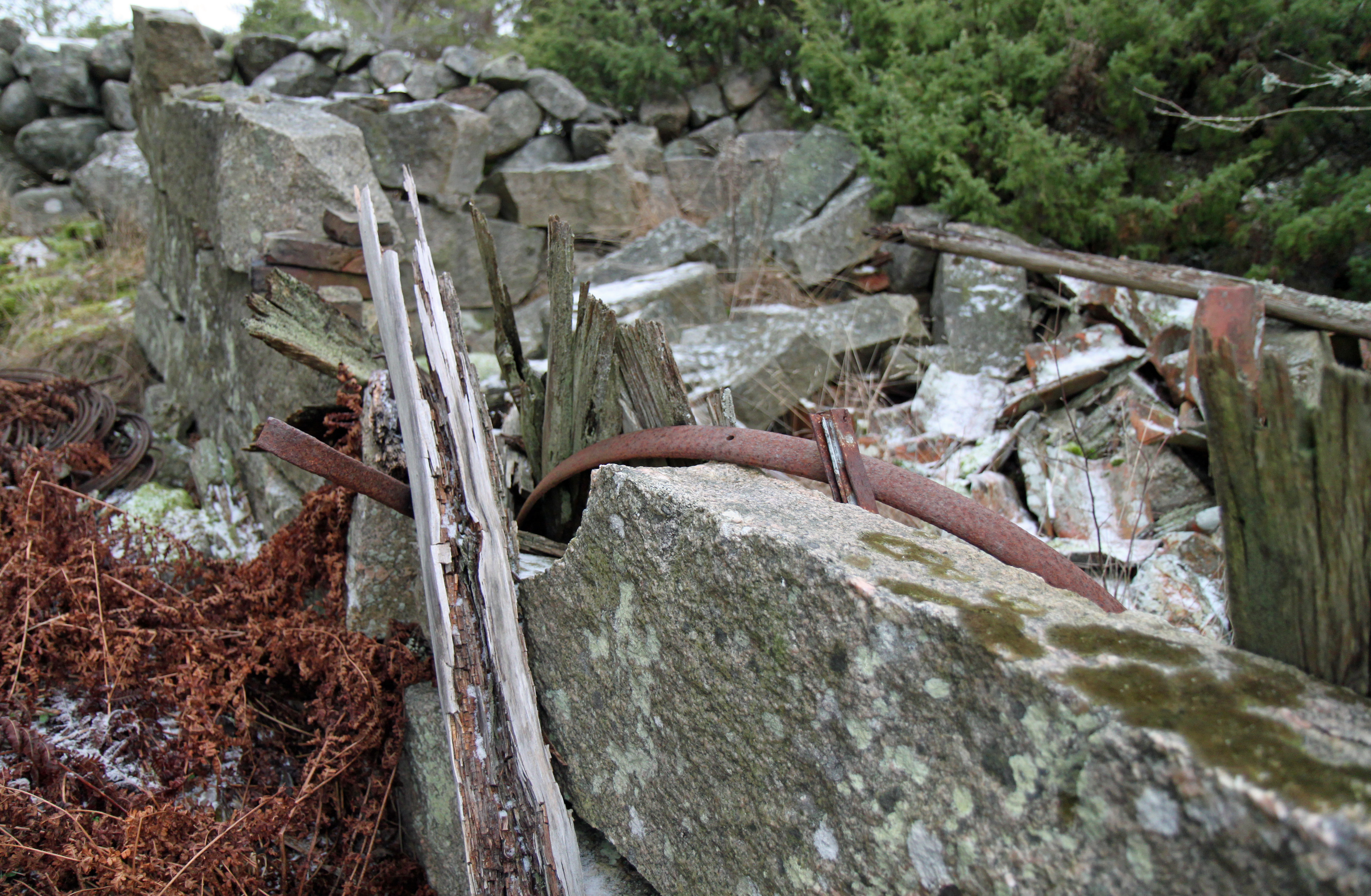
This story is fictional, inspired by the collapsed building in the pictures. I like to think up stories of the things I find in my naturewalks. Check out more of my stories here. Hope you like, comment and subscribe. Ha de Gött!

Foundation

Foundation

He held his arm around his shoulder. It was strong and heavy over his small shoulders. It was an unusual closeness he showed him. As he stood there he realized that it was the closest to a hug he could remember. A cool breeze came from the southwest on this late summers day. The smell of sweat as they stood there looking. He looked up at his fathers face. He was pleased, proud even. How many times had he not felt the pain from his open hand hitting him in the neck. Accused of showing pride. A mortal sin for his strictly religious father.

You know son, his father said while pulling him even closer. This will stand a hundred years from now. Long after both you and me are gone. Our great grand children will live here. This foundation is as solid as the Lord. As if that statement got him to realize what sin he was committing, he let go of his embrace by pushing his son hard forward. The boy could barely keep the balance when he landed two meters away. Now let us start with the floor frame, he said in a harsh voice.

Little did he know that day that the foundation would stand almost completely intact hundred fifty years later. Even if it was unprotected by a house for over a hundred years.

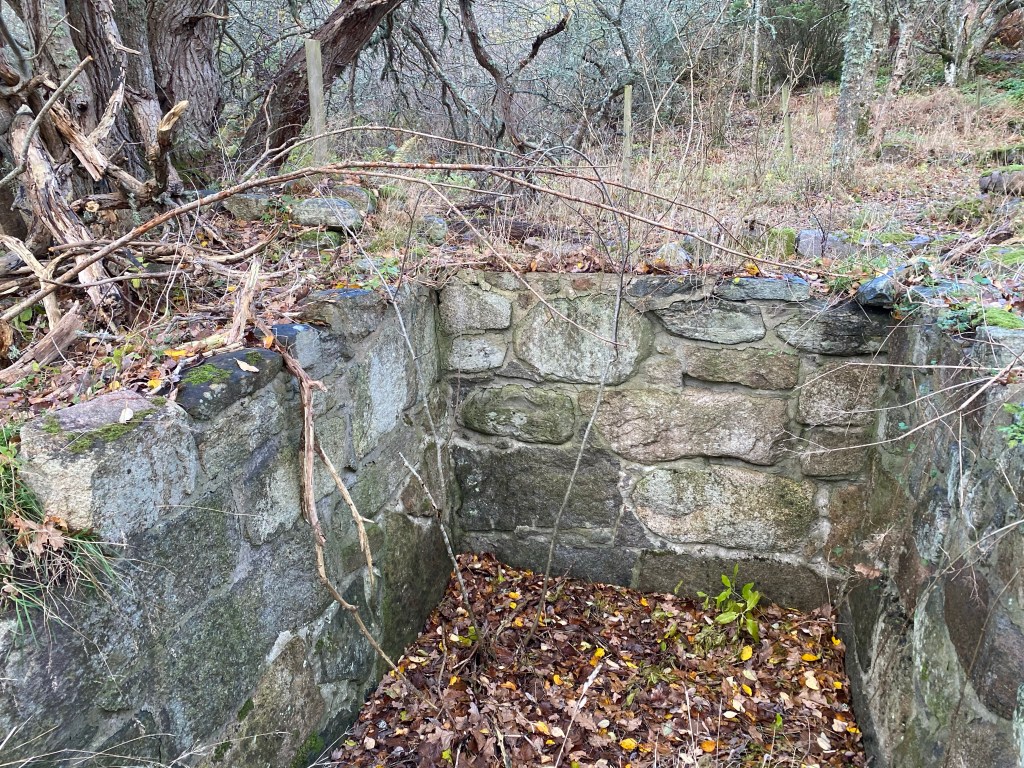
The foundation and food cellar. Photo by Ulle Haddock ©

Weakened by the fever he tried to pray. Pray for forgiveness for his and his fathers pride that day. That blessed and cursed day when the foundation was completed and again when the house was done. Together with his father they built a house stronger and higher than the neighbors. Now God was punishing them by taking his entire family in this flu. This terrible flu they said came from Spain.

Trough foggy eyes he saw them take away his wife and two daughters to be buried on that island. He hoped that the priest had consecrated the ground so they could go to heaven. He was convinced to go the other direction even if he tried to convince the Lord to accept him in his prayers. After all he had worked hard from dusk to dawn. He had never missed a Church day and spent the evenings in prayer together with his family.

A few days later the two poor peasants tossed him over the other bodies in the boat. They rowed with tired strokes the short distance to the island. He was dropped with the others in the large grave. While some other poor boys covered the bodies with the sandy soil they drank their Scandinavian vodka and smoked their pipes. Where is the priest, one of them asked with a faint smile. The other frowned and looked at him with misstrust. He has bolted himself inside the chapel. Some say has gone mad. They can hear him scream inside. You’ll see, soon we will toss him in the same pit as these.

Advertisements

This story is inspired by the foundation you see in the pictures. We don’t really know what happened to the family but the house construction made of wood was dimanteled and moved fifty kilometer inland for almost hundred years ago. The Churches in this area had a very strict interpretation of the bible in this period around 1900. This trend in the Church was called Schartauanism after the priest Henric Schartau.

Please like, subscribe and comment.

Förändringar

Förändringar

This is the Swedish translation of Changes. Detta är den svenska versionen av Changes.

Idag ägnade jag lite tid för att hitta lite bakgrundsfakta till en novell jag skriver på. En historisk berättelse som utspelar sig i området jag lever i, Sannäsfjorden. Jag har berört detta i några av mina tidigare bloggar så kolla gärna dem. Området häromkring är rikt på historia så det finns mycket att ösa ur.

Advertisements

Innan du slutar läsa! Jag kommer inte bombardera dig med kungar och årtal. I skolan var detta det värsta med historielektionerna. Alla kungar och årtal du skulle komma ihåg, djup suck! Nej, det är bra mycket intressantare att förstå hur vanligt folk hade det. När jag går runt i området finns många spår. Husgrunder, stenbroar och stengärdesgårdar. Jag tänker på de män och kvinnor som levde här. Var livet alltid hårt eller var de lyckliga?

Efter att den senaste istiden tog slut för ungefär 10000 år sedan reste sig landet sakta ur havet när trycket från isen försvann. Till det uppstigande landet kom folk i båtar och blev kvar eftersom fisket var bra här. De många Hällristningarna i Tanumshede vittnar om att folk bott här under lång tid.

Advertisements

Det som slår mig är att det genom seklerna varit många förändringar. Perioder med rikedom och perioder med fattigdom. För vanligt folk har livet vanligen varit hårt. Sedan vikingatiden har det varit perioder där fisket varit väldigt lätt. Dessa perioder kallas sillperioder. Sillen gick till i enorma mängder under tjugo till trettio år för att plötsligt försvinna under åttio till hundra år. Under de goda åren var inflyttningen stor och de små samhällena växte fort.

När sillperioderna tog slut var folket tvingade att hitta andra sätt att försörja sig och sina familjer på. Många flyttade inåt landet och bröt ny jordbruksmark eller försökte fiska andra sorters fisk. Sillen fångades i stora nät liknande trålar som kallades Vad (jag kan inte hitta en engelsk översättning, skriv gärna en kommentar om ni har en). Fiskarna gjorde detta i små roddbåtar. Från dessa vader östes fisken upp i båtar eller ibland direkt upp på stranden. Fisken saltades eller kokades till fiskolja som kallas Tran. (Också här kämpade jag med engelsk översättning).

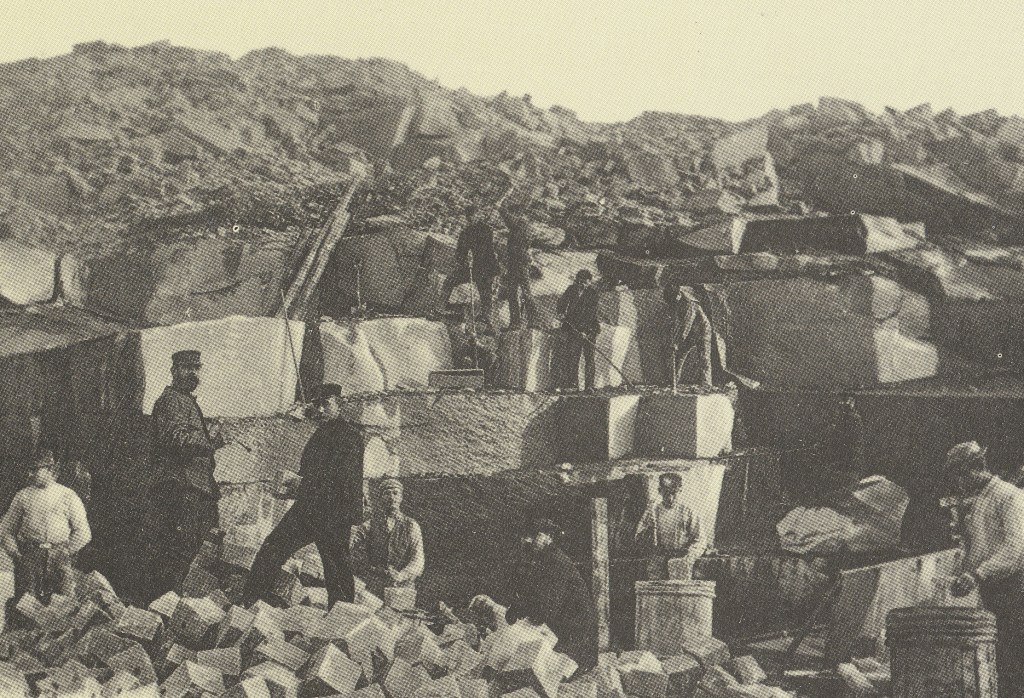
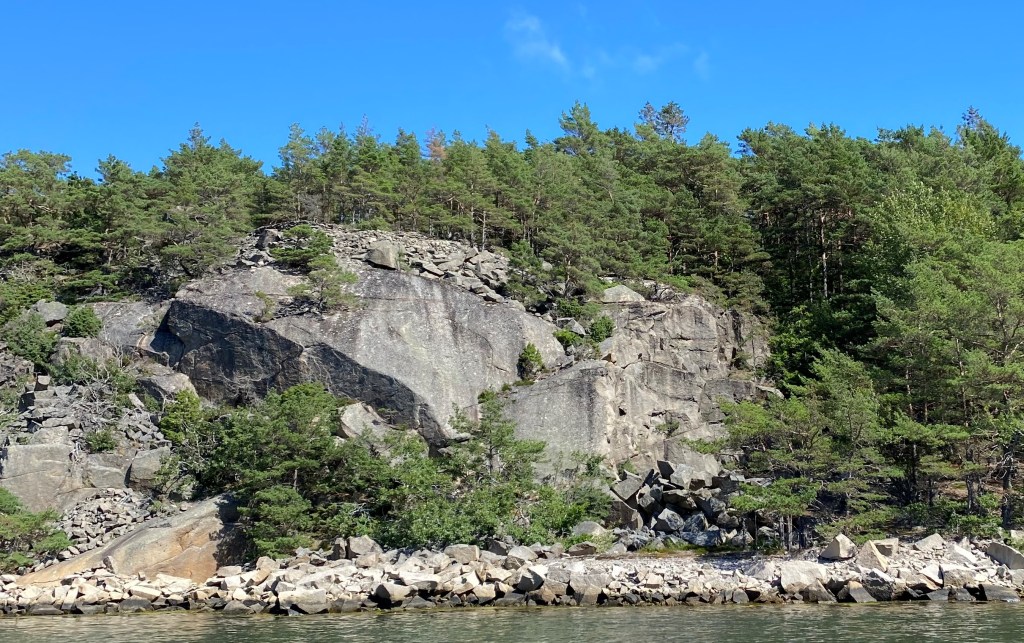
Under den sista sillperioden mot slutet av 1800 talet började det bli efterfrågan på den speciella rödaktiga granitstenen från området. I hela Bohuslän finns lämningar från stenindustrin och stenbrotten. Många stora städer ute i världen har denna sten i byggnader och gatsten. Sten av lite sämre kvalitet användes vid väg- och kanalbyggen. Det lilla samhället Sannäs var som störst runt 1900 med cirka 350 själar, som kyrkböckerna uttrycker det.

Idag bor det endast 57 personer året runt men under några sommarveckor är de nästan 300. Många av husen som byggdes under expansionen under 1800 talet står kvar men är idag sommarhus. Av de många stenindustrierna återstår endast ett.

Det är livets kretslopp. Naturen söker efter de bästa möjligheterna för utveckling. Drar sedan vidare när förutsättningarna ändras. Som i historien kämpar människor för att finna en utkomst men med modern kommunikation har det blivit enklare. Många pendlar till större städer både i Sverige och Norge. Allt eftersom infrastrukturen för IT blir bättre ökar möjligheterna att arbeta på distans. Under denna pandemin har det blivit ljus i många sommarhus igen.

Som källor för denna text har jag använt boken “Sannäs – Ett Bohuslänskt Kustsamhälle” och mina kära svärföräldrar samt Wikipedia.

Gilla, prenumerera, dela och kommentera (ställ frågor). Läs mer från mig här.

Changes

Changes

Today I spend some time doing research for a short story I started to write. It will take place in the history of the area I live in, Sannäsfjorden in Sweden. I have touched on this in some of my previous blogs so please check them out. The history of this area is quite rich so there is much inspiration to get.
Advertisements

Before you stop reading. I will not shoot kings and years at you. In school this was the worst part of the history lessons. All the kings, wars and the the years you needed to remember, deep sigh! No it is far more interesting to understand how normal people lived. When I walk around in the area there are many traces. Remains of houses, bridges or stone fences. I think about the men and women living here. Was life hard all the time or were they happy?

After the last ice age ended some 10 000 years ago the land rose slowly from the sea when the pressure from the ice was gone. As the land rose people came by boat and started to live here as the fishing was very good. The many rock carvings at Tanumshede tells us that people lived here for a long time.

Advertisements

What strikes me is that during the centuries there has been many changes. Periods of prosperity and periods of poverty. For the common people life has usually been hard. Since the Viking era there has been periods where the fishing has been very easy. These periods are called the herring periods. The herring came in enormous amount for twenty or thirty years just to vanish for eighty or hundred years. During the good years many moved here and the small communities grew rapidly.

As the herring period ended people was forced to find other ways to support their families. They moved inland and open up new farmland or tried to catch other kinds of fish. The herring was trapped close to the shore in large trawling like nets called “Vad” (I cannot find an English translation). The fishermen did this in small rowboats. From these entrapment’s the fish was scooped up in boats or sometimes directly to the shore. The fish was salted or boiled down to fish oil, train oil (also called whale oil even if not from whales).

During the last herring period at the end of 1800 there was a demand for the special red Granite stone in the area. The entire Bohuslän is covered with remains of the stone industry and the masonry. Many cities in the world has this stone in buildings and streets. The rock of poorer quality was also used for building roads and canals. The little village Sannäs was at its peak around 1900 with a population of 350 souls as the church book says.

Today there are only 57 full year inhabitants but a few weeks in the summer it reaches almost 300. Many of the houses built during the expansion during 1800 still remains but are now summer houses. Of the many stone industries only one remains.

It is the circle of life. Nature seeks out the best condition to grow. Moves on when conditions change. As in the past people struggle to find a way to earn a living here but with modern communication it has become easier. Many commute to larger cities both in Sweden and in Norway. As the IT infrastructure are improved it is possible to work remotely. During this pandemic many summerhouses have been lit up.

I really struggled with this article as many of the words are local and not easily translated. As sources have used the book from a local historical group and their book “Sannäs – Ett Bohuslänskt Kustsamhälle” and my father-, and mother-in-law and Wikipedia.

Please like, subscribe, share and comment (or ask questions). Check out more from me on this site.