Tag Archive for ‘History’

Writing inspired by history.

Other side of the other side

Other side of the other side

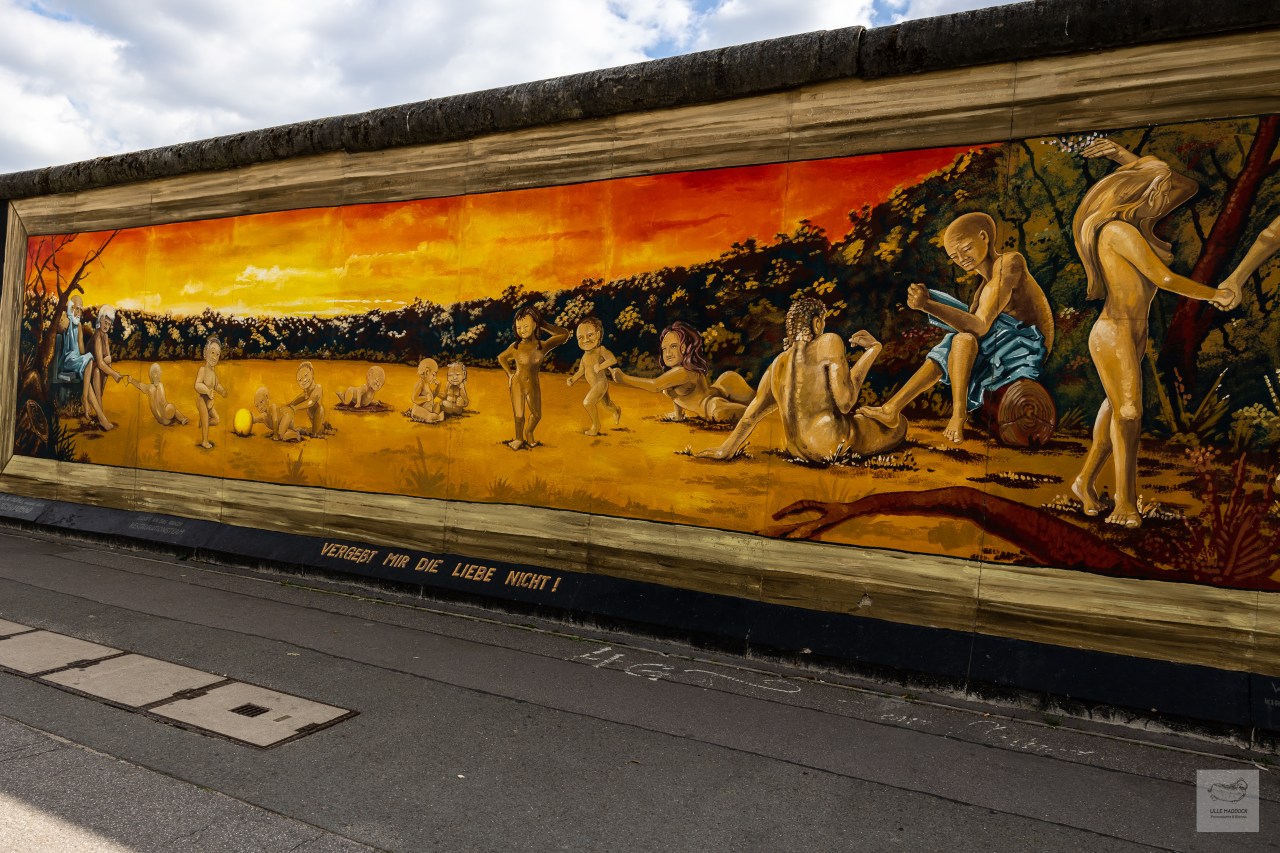
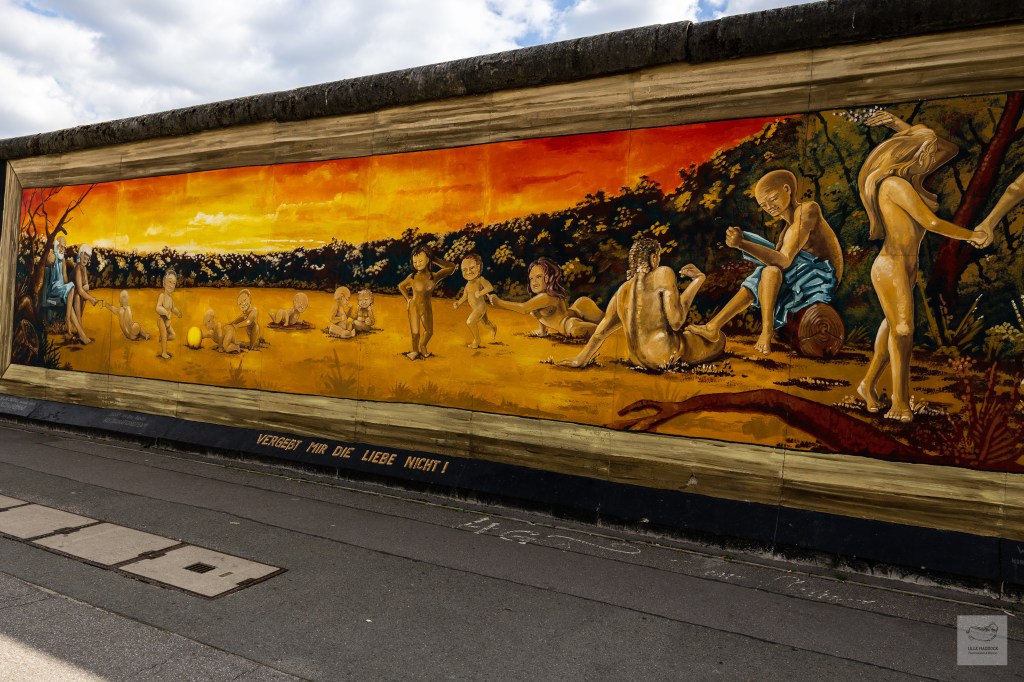
Some pictures from the other side of the other side, the East side Gallery. There are 105 wall paintings from different artist on this 1316 meters long remains of the Berlin wall. It was painted in 1990 on the east side as a celebration of the opening of the wall. Today it stand as an open air gallery with over 3 million visitors yearly.

If the east or west side was the front side of the wall I let everyone decide for themselves. I only know that a wall designed to separate people and families is never a good thing.

Translation for non German speakers on two of the paintings. “Don’t forget my love”, “The persistence of ignorance”.

Always check the other side, and be glad you can. Ha de Gött!

Advertisements
National Day

National Day

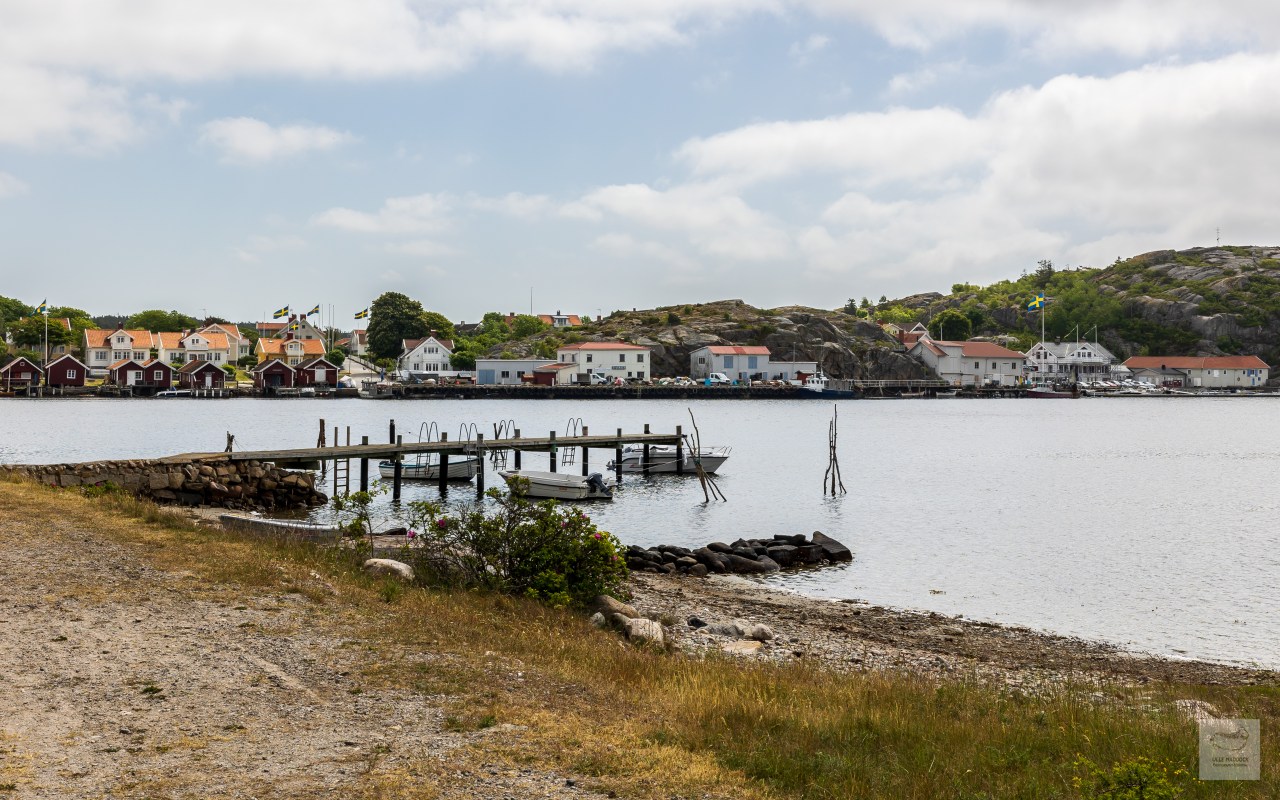
6 of June is the National Day of Sweden and in beautiful Havstenssund the flags are up. The celebration is very moderate and most people spend the day with family, gardening or walk in the nature. I guess it’s a typical for the Swedish mentality, lagom, not too much and not too little.

Five hundred years ago the first Swedish king Gustav Wasa was appointed by the church, king by the grace of God, supported by rich merchants from the Lübeck Hansa. Gustav Wasa was a dictator but he reformed the way the nation was administrated. Somethings lives on still today, so in a way he founded the Swedish democracy.

We are nations but above all, citizens of the Earth, ha de Gött!

Advertisements
Cologne

Cologne

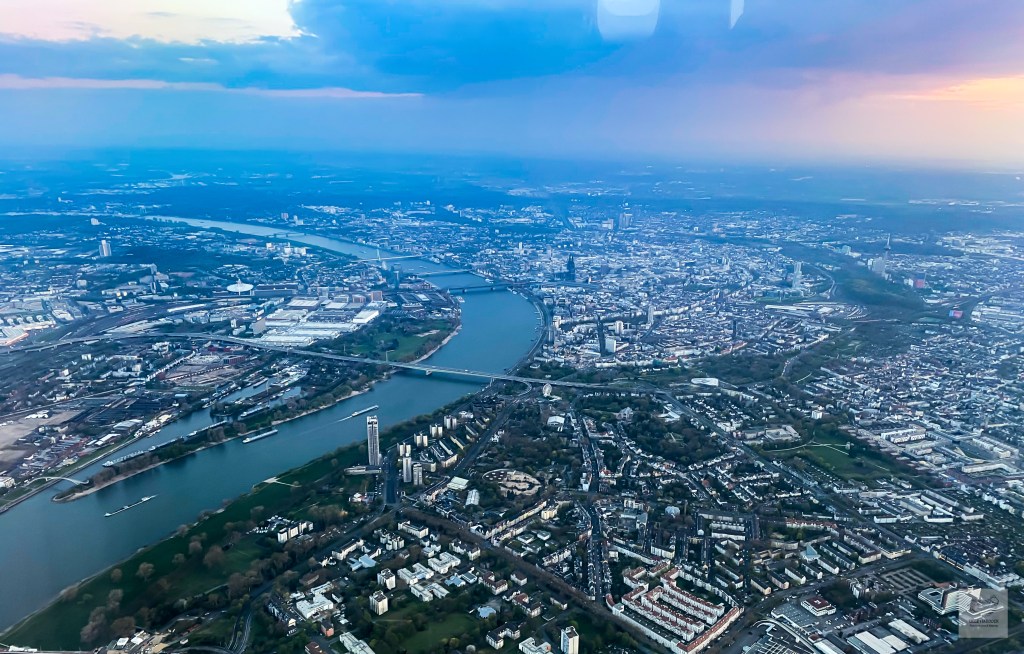
The city of Cologne from a dirty airplane window. If you look closely you can see the cathedral at the Rhein river bend. The city is the oldest in Germany. Already year 50 it was granted city privileges from the Roman empire. With one million inhabitants it is the forth largest German city.

What goes up, must come down. Ha de Gött!

Advertisements
Siegburg

Siegburg

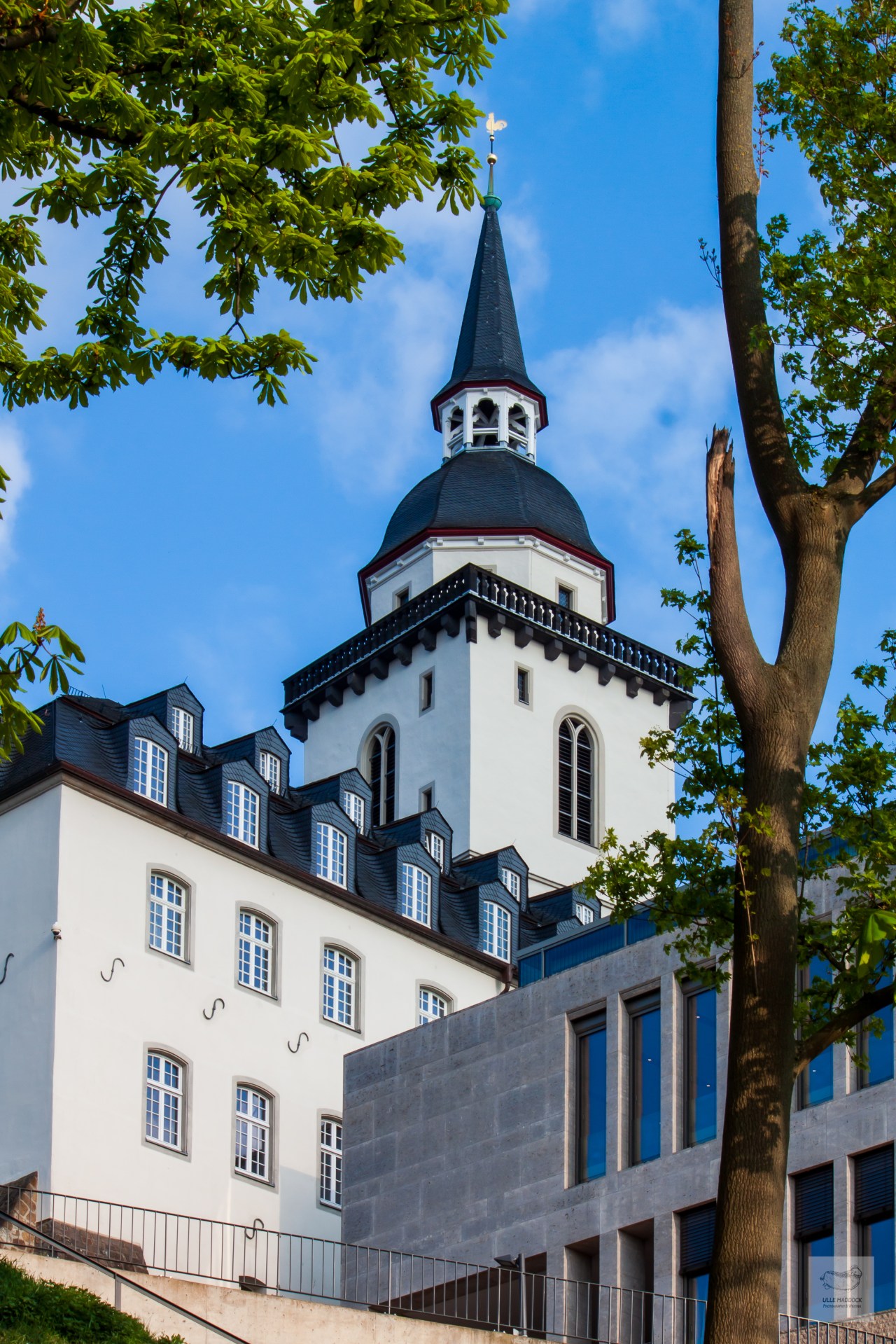
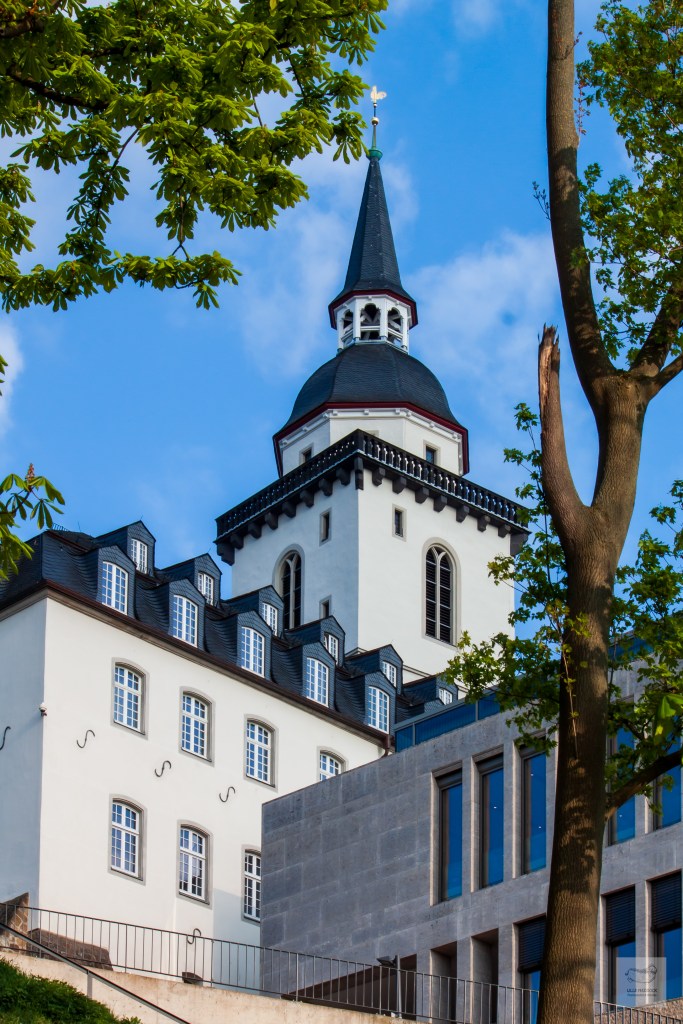
Siegburg is a city with around 42 000 inhabitants 10 kilometres from Bonn and 26 kilometres from Cologne. Administrative centre for the Rhine-Sieg-Kreis district in Nordrhein-Westfalen, Germany. On a high hill in the middle of the city is the old Benedictine monastery founded in 1064. The abbey is known by the name Michaelsberg Abbey.

All places has a story, even the unexpected ones. Ha de Gött!

Advertisements
Easter bonfire

Easter bonfire

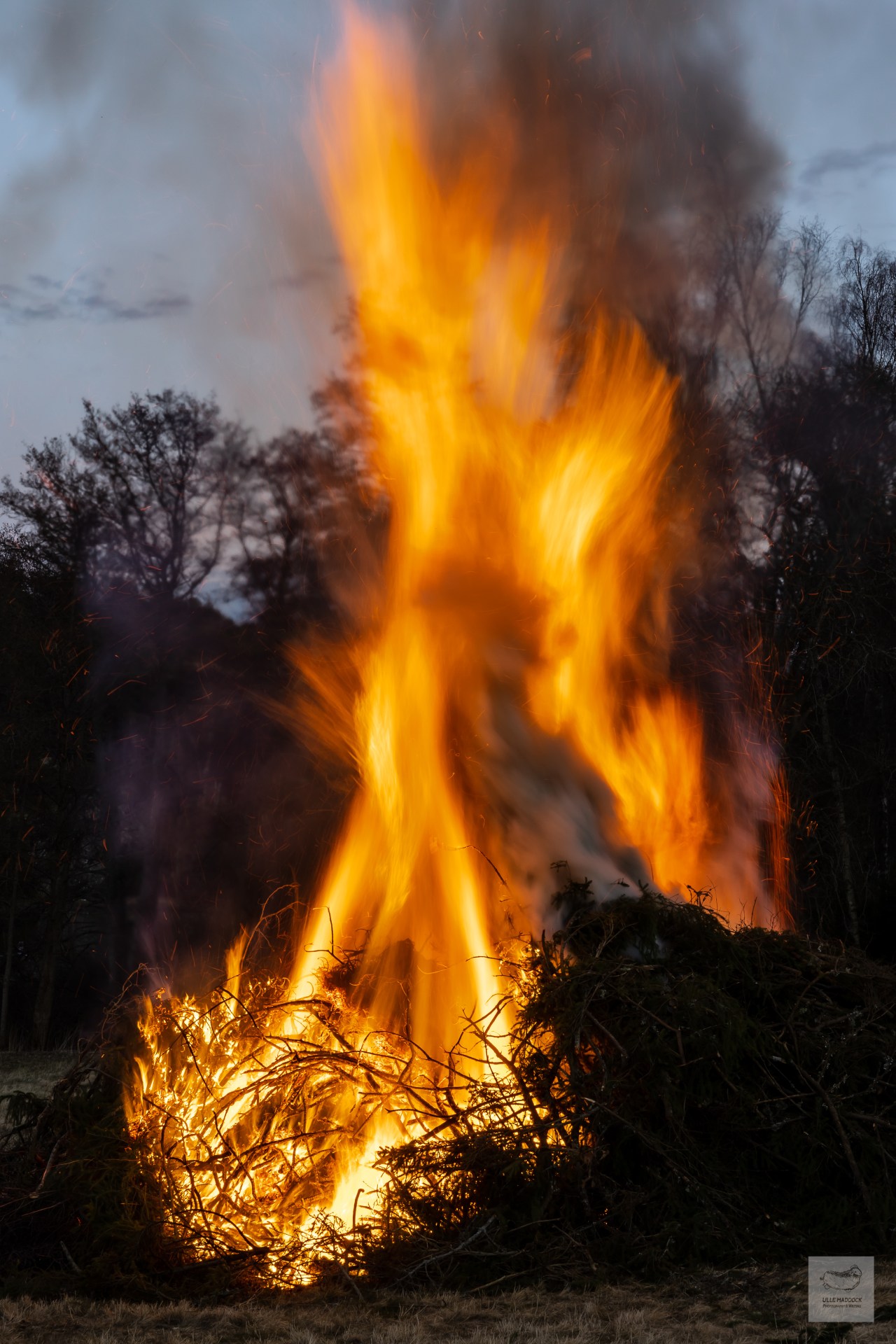
One week late, the Easter bonfire. This tradition dates back the mid 1700 in Sweden and Finland. The are lit to welcome the spring. Mostly to scare of the Easter witch flying on their broom to the island Blåkulla to feast with the devil.

Easter is the day when Swedish children traditionally go trick or treat dressed up as Easter witch or Easter man. Sadly this tradition has lately faded out and been taken over by the imported Halloween tradition.

Fly safe, ha de Gött!

Advertisements
Karl Johan

Karl Johan

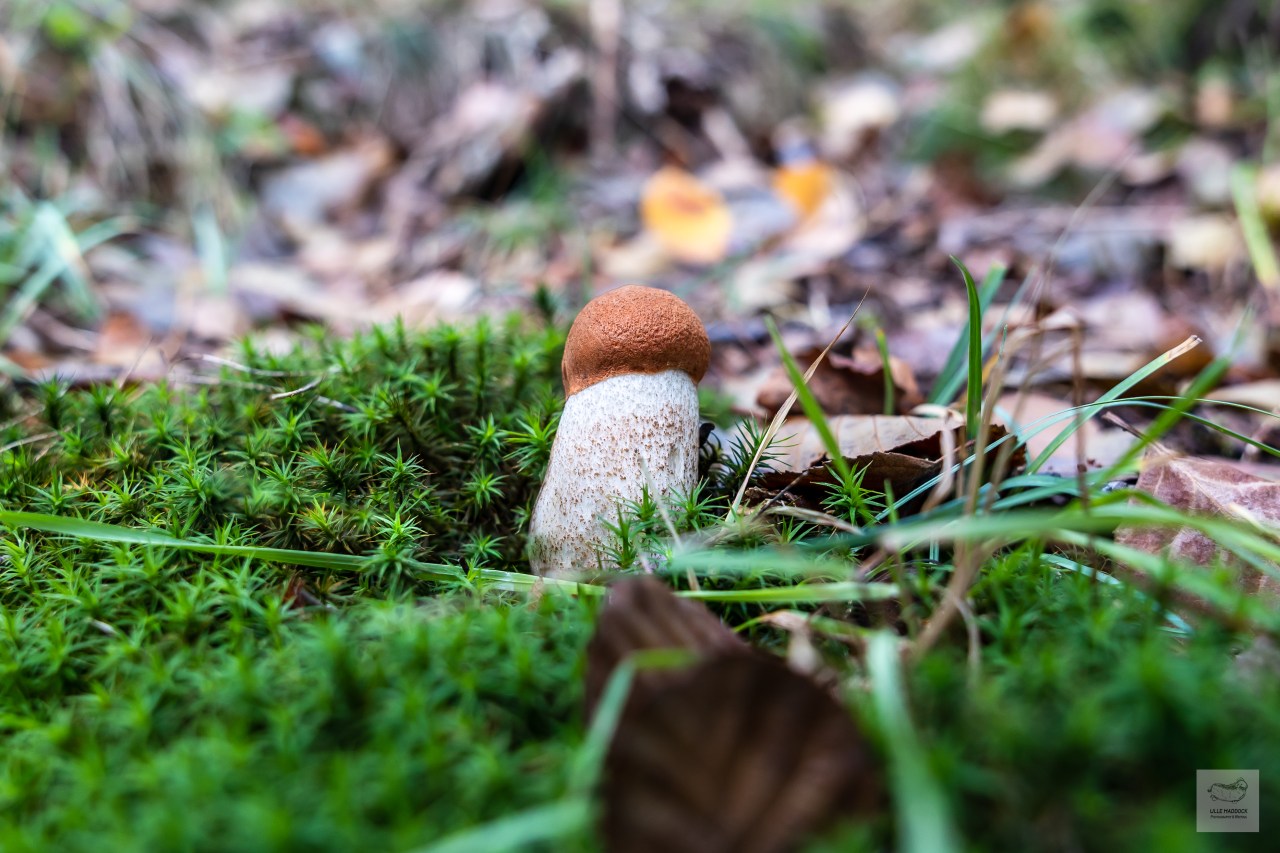
Karljohansvamp (Boletus edulis) or in English cep, penny bun, porcino or porcini. Introduced to the Swedish cuisine by the, from France, imported king, Karl XIV Johan. From then on it has been called Karljohansvamp.

Karl XIV Johan was born 1736 as Jean Bernadotte in Pau, France. He became king of Sweden and Norway in 1818. On the throne until 1844 when he passed away at Stockholm Castle.

Eat like a king, have some mushroom. Ha de Gött!

Advertisements

Uddevalla Bridge

Uddevalla Bridge

Bridges, they should not only do their job and connect people. They should also be aesthetic and form a landmark. I believe that Uddevallabron over the fjord Byfjorden, fulfils both criteria. Thinking I wanted to take some pictures every time I pass over it but never got around to it until today. Not the best conditions when I arrived with harsh daylight and clear sky but good things comes to those who wait.

The bridge was completed in May 2000 after almost three years of construction. With its 1712 meters it’s the second longest motorway bridge in Sweden. At its completion it shortened the travel distance between Göteborg and Oslo by 12,8 kilometres. The design is a cable-stayed bridge and the main span is 414 meters. The sail free clearance is 51 meters and the pylons are 149 meters high.

Be a bridge over troubled waters, ha de Gött!
Advertisements

Avenue

Avenue

Götaplatsen and Kungsportsavenyn, Göteborg in Saturday evening light. The statue of the Greek god Poseidon by Carl Milles has been a landmark and symbol of Göteborg since 1931. He stands there, no shame, naked with his fish at the end of Kungsportsavenyn. The avenue stretches down to the place that was the Kings Gate when the city was a fortress.

Poseidon, where he stands in his little pond and splashes water, is surrounded by culture. Art museums, concert halls, theatre’s, night clubs and the city library. The statue is one of the few landmarks that has no nickname from the humoristic residents of Göteborg.

A true God after ninety years of skinny dipping, ha de Gött!

Advertisements

Ferguson

Ferguson

Hello my friends, I’m the friendly grey tractor. A bit ruffed up and corrosion in my paint but still going strong. I go under the nickname Grålle, Gray Horse.

Brum, brum, ha de Gött!
Advertisements