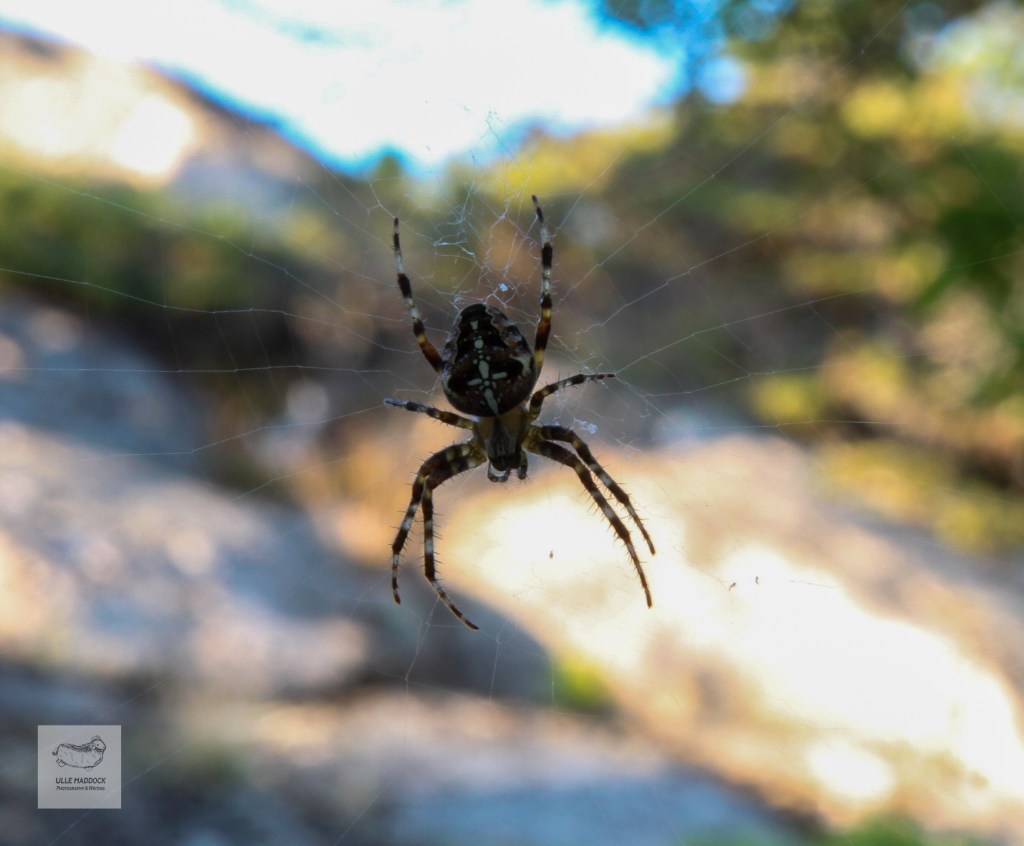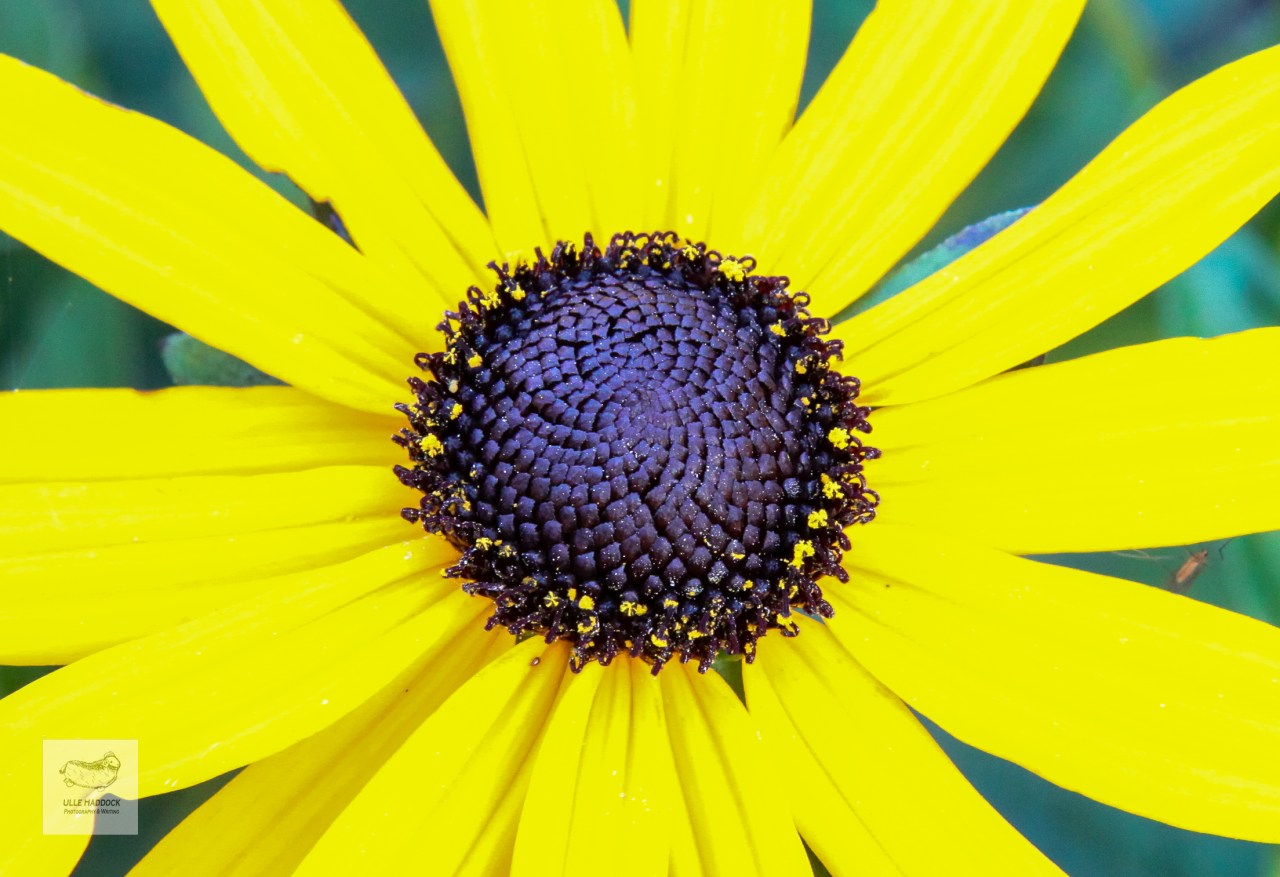
If you look close a whole new world appears. Ha de Gött!


If you look close a whole new world appears. Ha de Gött!


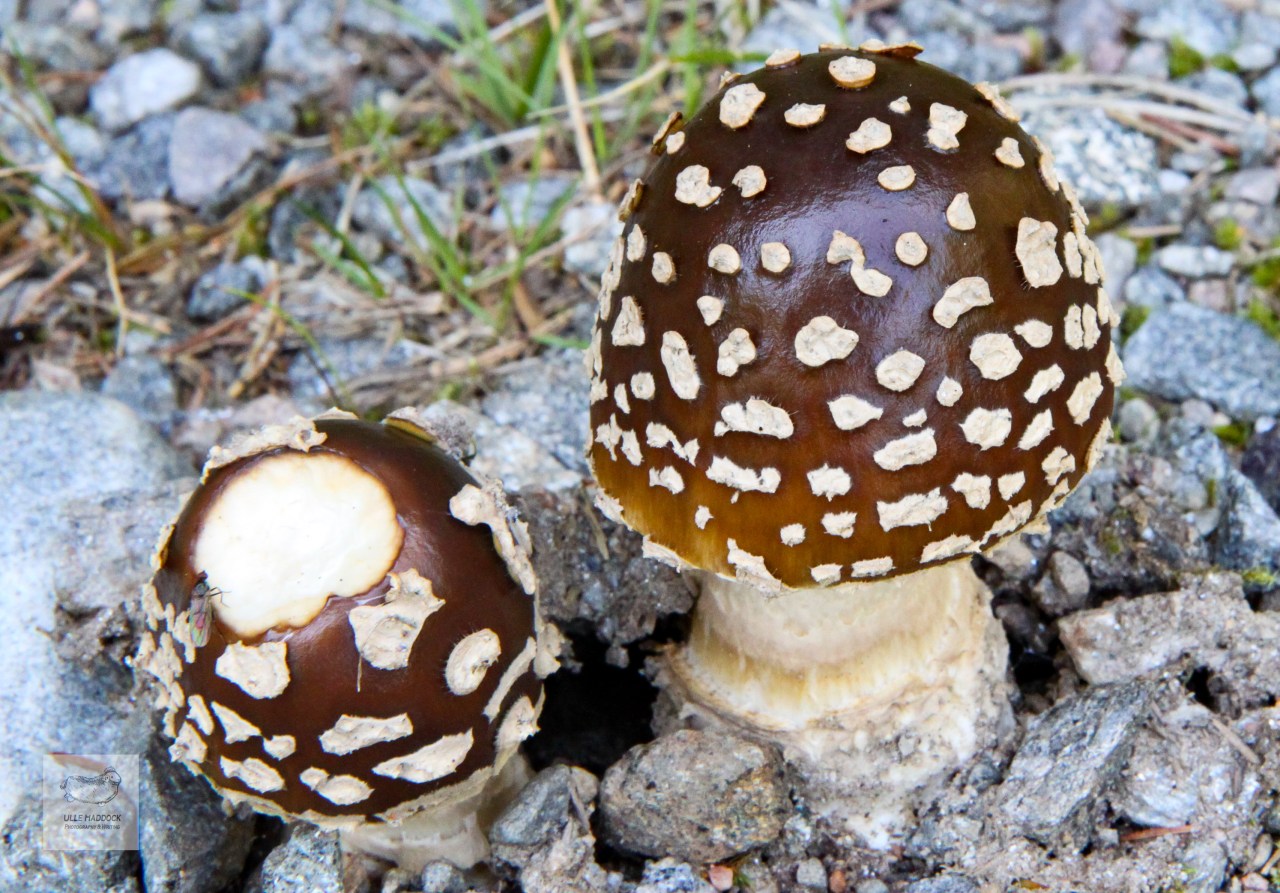
Don’t know why but this toxic fungus (Amanita regalis) is called “King of Sweden Amanita” or the “Royal Fly Agaric”. Probably named by someone who dislike monarchy, specially the Swedish! In Swedish it is called “Brun Flugsvamp” translates in Haddock style to “Brown Fly Mushroom”. It is common in Scandinavia and since the Swedish kings historically been messing around with the neighbors, the name makes perfect sense.
It contains several toxins with very unpleasant effects (according to Wikipedia, not from personal experience) and even death. There is a wide spread myth that the Vikings used it as a drug for parties and before battle. There is however no evidence of this and if you think about it, why on earth would they use drugs when they invented beer!
To quote the Swedish king, “now we turn leaves”, ha de Gött!


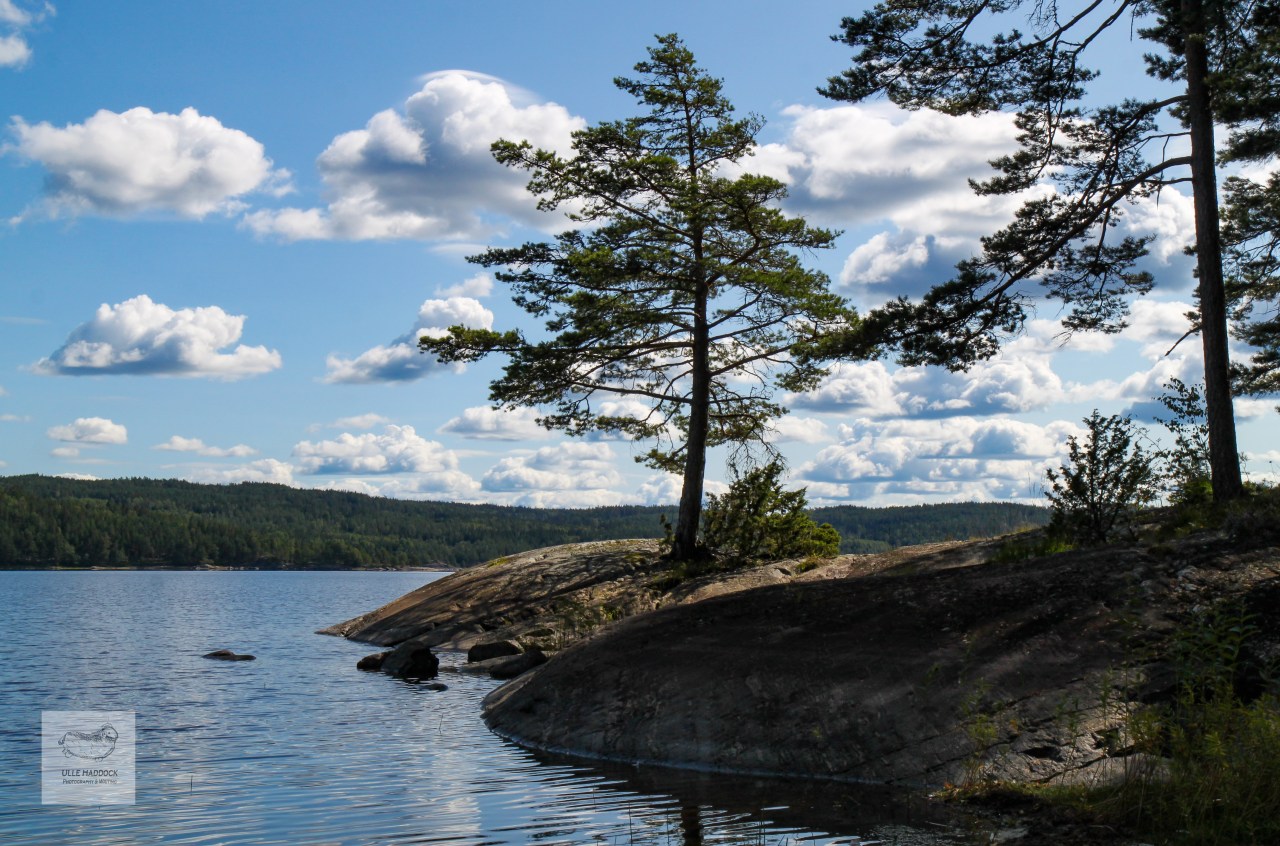
Travelling just 30 kilometres east from my home is a large lake named Bullaresjön. To be precise it is two lakes North and South Bullaresjön. The north point of these narrow but long lakes, in total 28 kilometres, ends at the Norwegian border. As a child, up to seven years old, I spent my summers in a small cabin by the shore of the north lake. This weekend I went there to take some pictures. I shot this picture from the small beach I used to play at as a toddler.
Sometimes you have to walk down memory forest, ha de Gött!


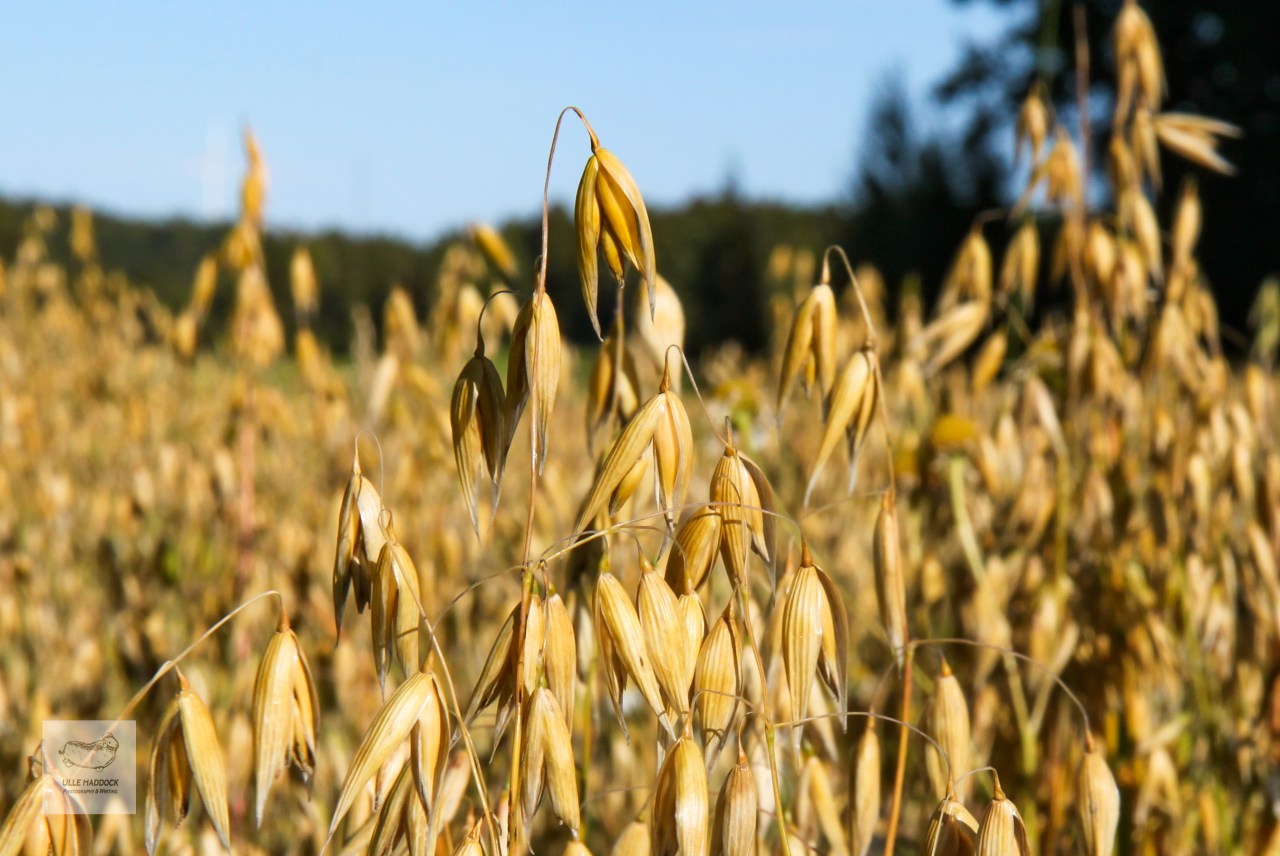
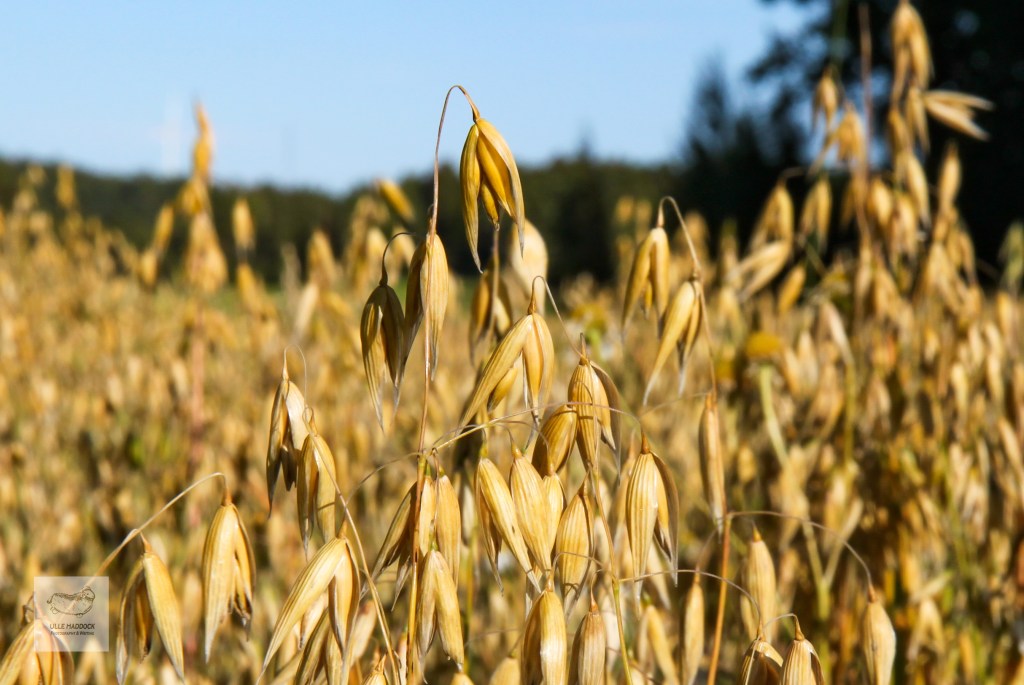
Oat (Avena sativa) is a widely cultivated grain where the seeds are used for both human and livestock food. The Swedish name is “Havre”. The oat fields are now turning yellow as the plant matures in the late summer sun. In just a few weeks it is time for harvest. This annual plant grows best in the temperate zones.
I have a condition called “Celiac disease”, commonly referred to as “gluten intolerance”. I cannot eat anything made from grains like rye, wheat or barley with oat being the exception. Oat meal does not contain any of the gluten protein that triggers the disease. So you can understand that I like oat. NOTE! For it to be safe for a coeliac to eat any product based on oats it needs to be produced with special care and be marked gluten free. It’s NOT safe to eat regular oat products!!
Don’t worry there are some gluten free beer available, ha de Gött!


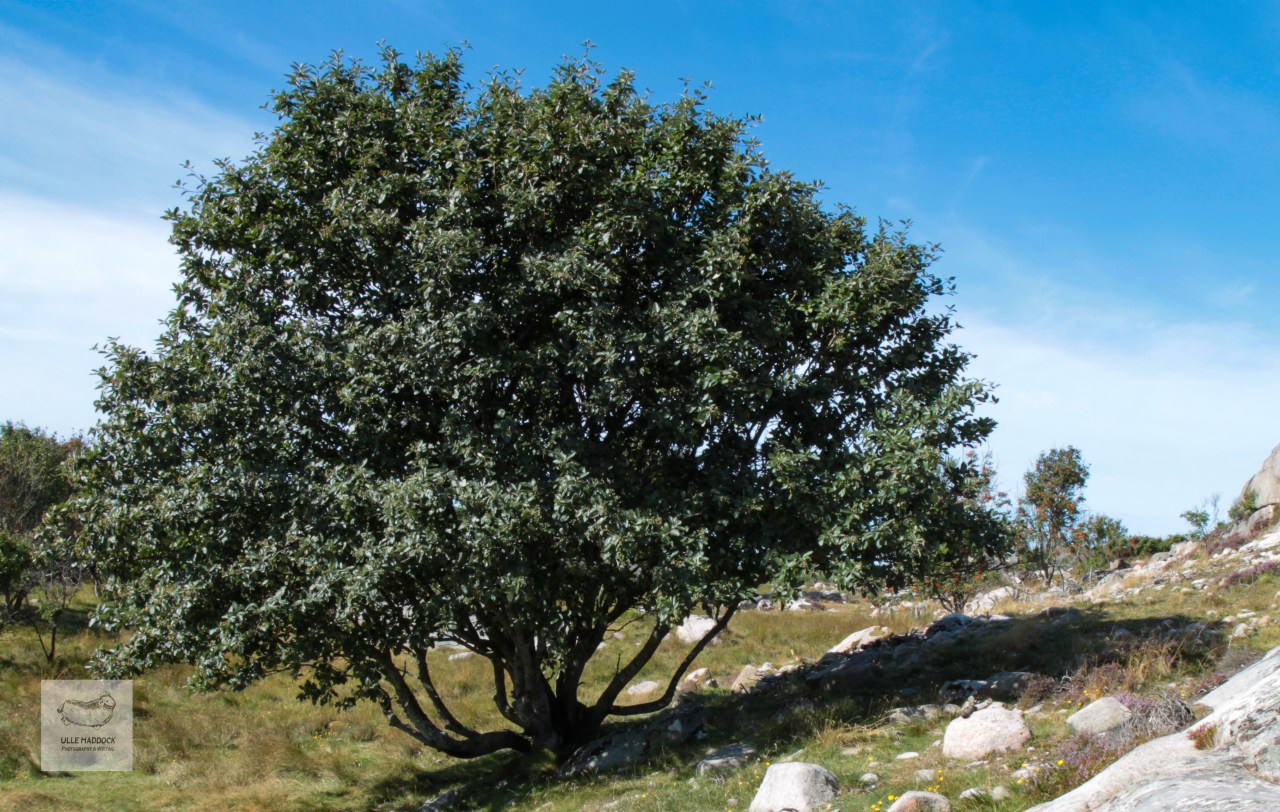
This lonely tree is an Swedish whitebeam (Sorbus intermedia). Got to love the English name! In Swedish it is called “Oxel”. It grows wild only in the Nordic countries. It grows in pastures and at the forest edge.
Find comfort, hug a tree. Ha de Gött!


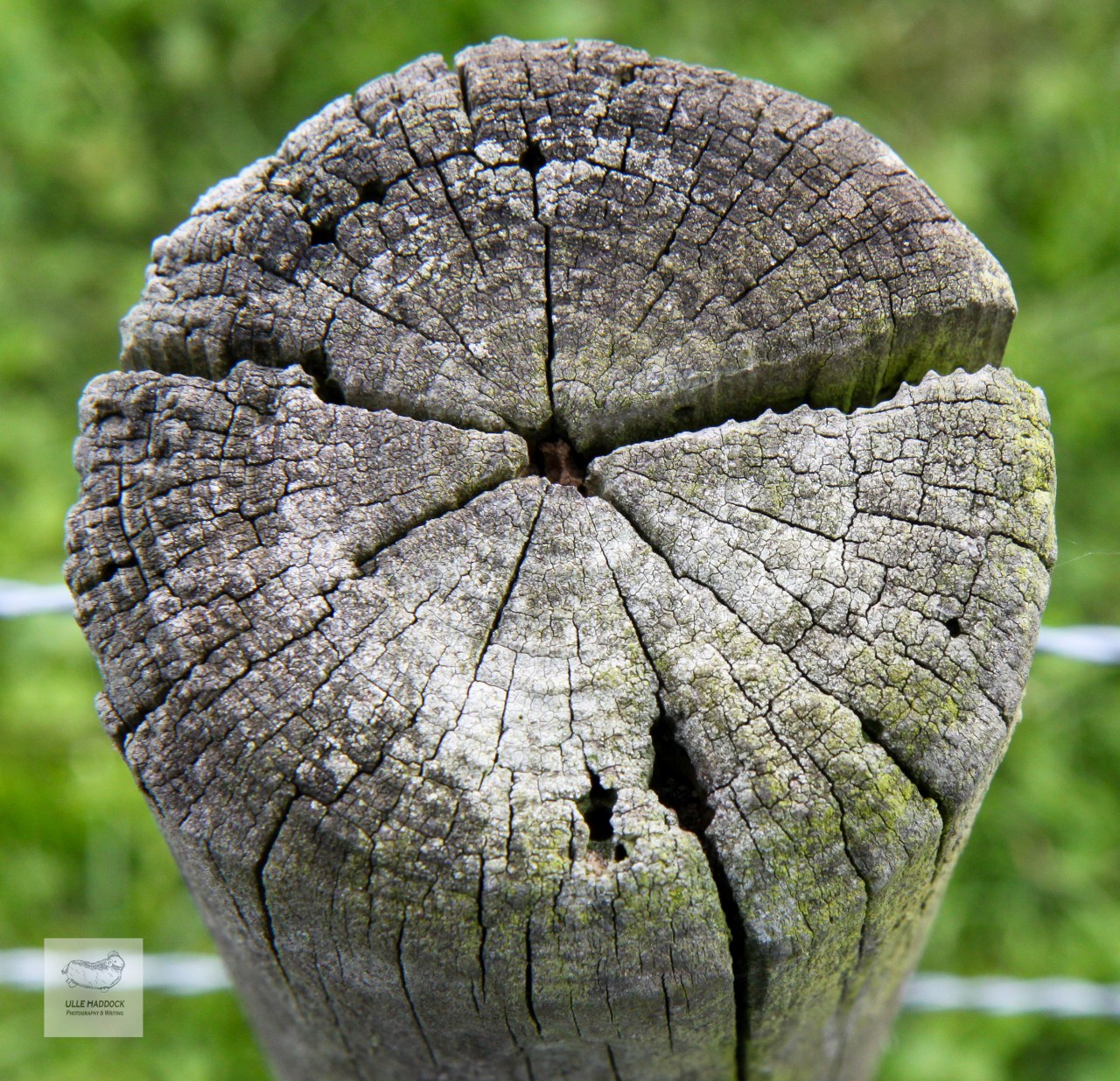
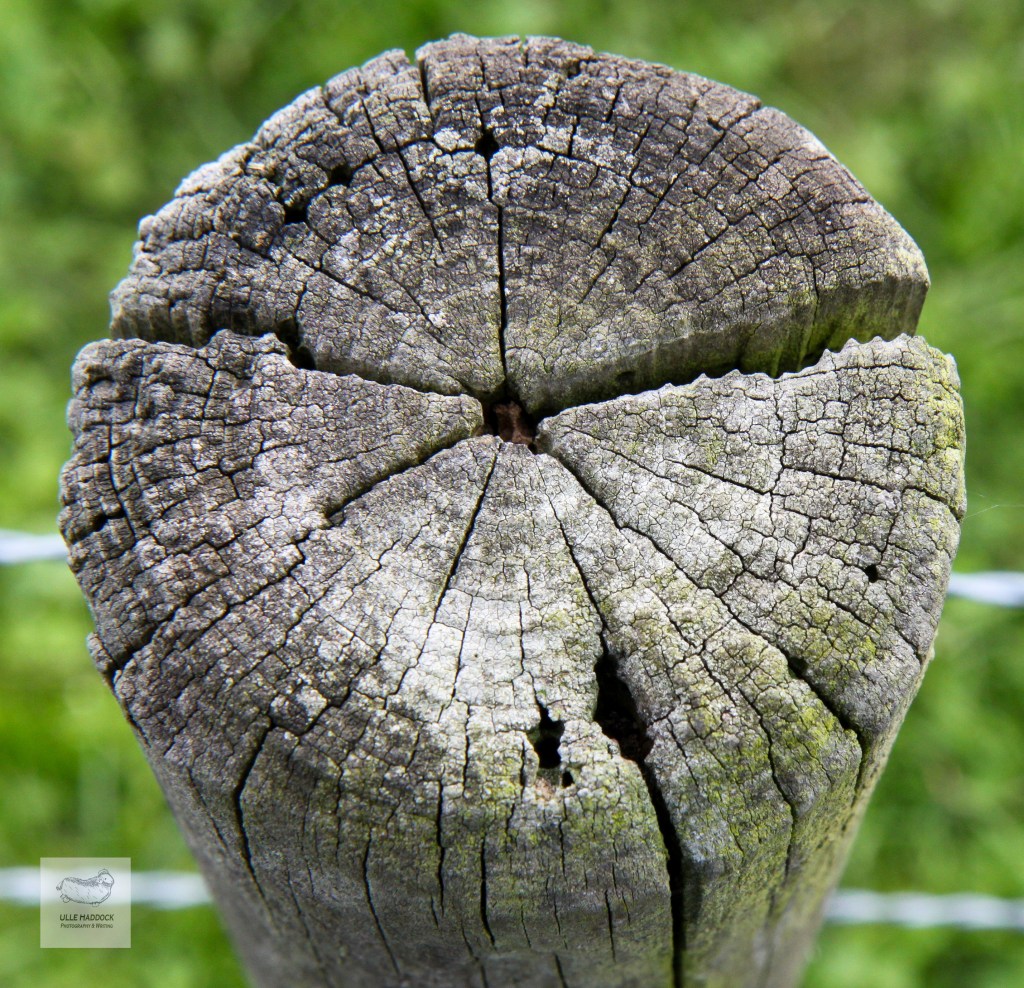
All that cracks and structure in 5 cm². Ha de Gött!


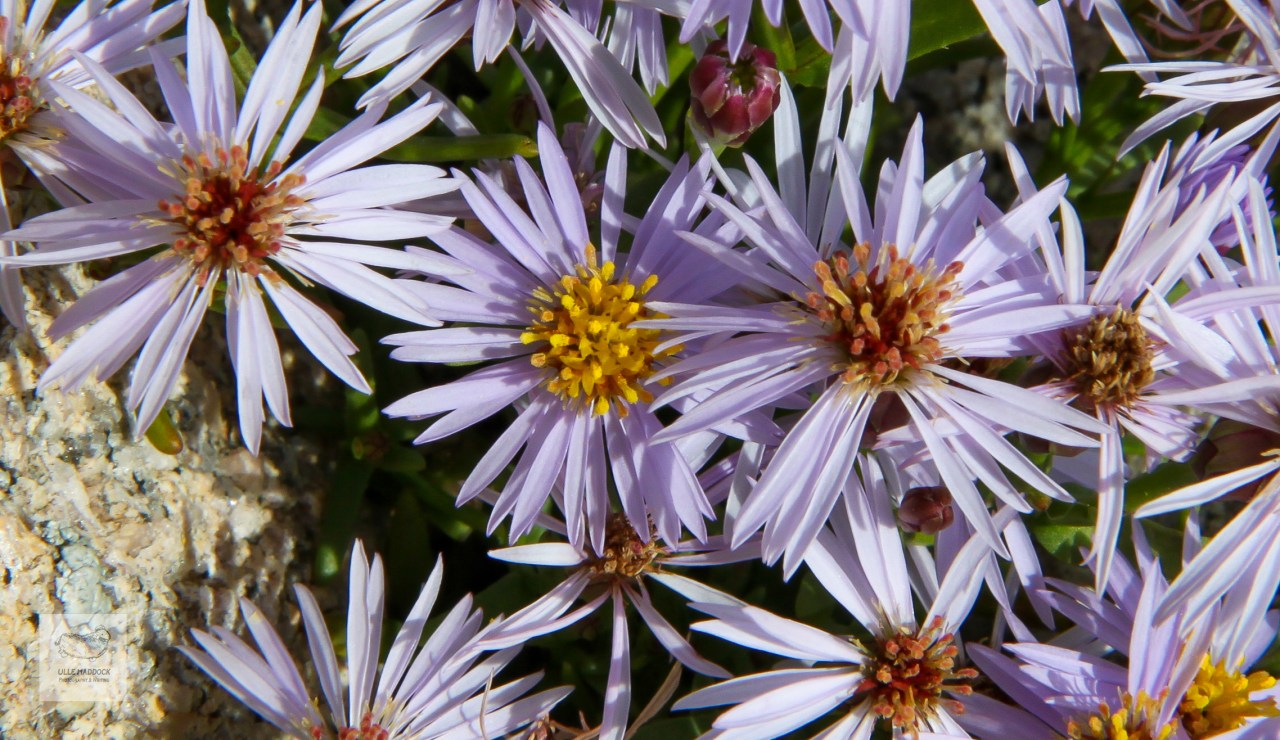
Finally a flower where the name is the same in English and Swedish, Aster (Symphyotrichum). It is actually a family of flowers, Astrales with over 1900 different variants. I found this in a centimeter wide rock crevice just by the water. According to my app it is a Symphyotrichum chilense and if so, the first observation of it on the west coast of Sweden. Don’t know if that means I get to give it a Swedish name? If so, I hereby name it “Crevice Aster” or in Swedish “Sprickaster”
Flower power, ha de Gött!


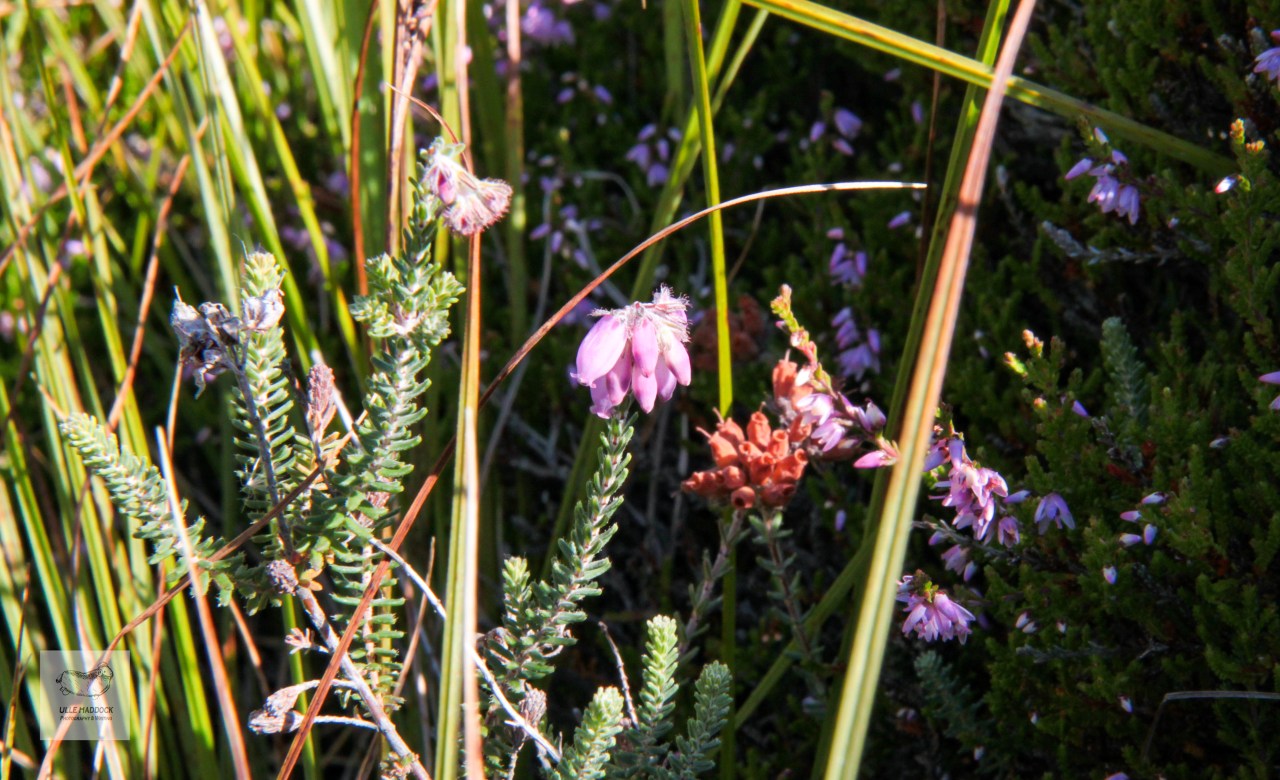
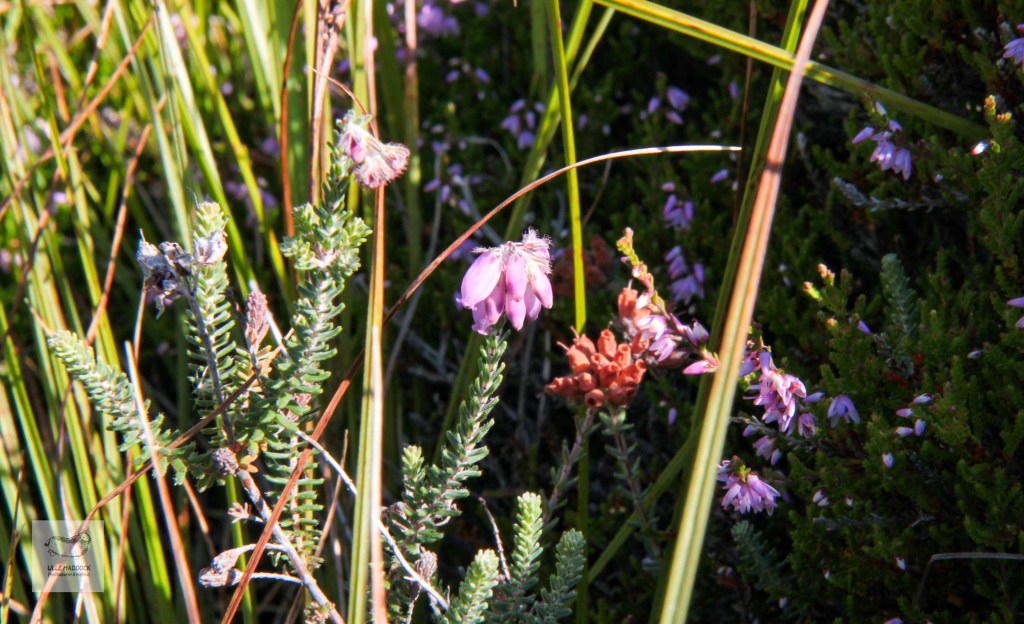
Also called cross-leaved heath. Got its common name from the leaves that grows out from the stem in a cross of four leaves. Native in western Europe. In Swedish “klockljung” that translates to “Bell ling”. The name is probably from the bell shaped flowers. Even if the Swedish name suggest so, it does not make any sound. However both the Swedish and the English names suggest involvement from the church.
Ring, ring give somebody a call, ha de Gött!


Hylotelephium maximum or in Swedish “Kärleksört” that translates to “Love herb”. It is a succulent plant and can therefore survive in places and periods with little or no water. The plant stores water in the leafs, so it can survive a long time even if it’s pulled up by the roots. According to the folklore the plant could help you choose lover. By hanging it up in the ceiling and by attention to who it turn towards. In Swedish succulent is “fetblad” and with my creative translation it becomes “fat leaf”. So lovers herb building up fat in the leafs to endure rough times. Not so far from us humans. Building up lovers handles, weather it is for someone to hold on to, or to endure times when you have to cook on your own.
The English speaking world must love this herb. Orpine, livelong, frog’s-stomach, harping Johnny, life-everlasting, live-forever, midsummer-men, Orphan John and witch’s moneybags. The names livelong, life-everlasting and live-forever is connected to the plants ability to survive. I guess harping johnny falls in that category, a folklore pun. It might be a good idea not to pick them if you don’t want a pack of angry witches on your tail. Then again being a maiden at midsummer it might be a lucky pick. How orphans and frogs came in to the equation? Here do my imagination fail me, if anyone has an idea please share.
All you need is love, ha de Gött!


It has been avoiding me all summer, but finally I got a decent shot. The Peacock butterfly (Inachis io). For some reason the latin name is different in the English (Aglais io) and Swedish (Inachis io) version of Wikipedia. The common names does not differ to much. In Swedish it is called “Påfågelsöga” that translates to “Peacocks eye”. The name comes from the distinctive eye like mark on its wings. These marks is similar to the marks of the Peacock bird. No peacocks in Sweden, so you will have to use a search engine close to you to find a picture. If you do live in a region with those magnificent birds you are more than welcome to share.
Puff up your feathers, ha de Gött!