

Golden field of barley outside Tvååker in Halland region, Sweden.
Reap what you sow, ha de Gött!
Advertisements

Golden field of barley outside Tvååker in Halland region, Sweden.
Reap what you sow, ha de Gött!


Sun sets and evening calmness spreads over boats sheltered in the natural harbor. Under watch from the grumpy old mountain troll.
Tomorrow is another day, ha de Gött!


The new Svinesund bridge over Idefjorden that marks the border between Sweden and Norway. Since Norway is not part of the European Union it is also an outer border for the EU. The bridge was built between January 2003 and was finished in May 2005. It’s a arc bridge with a length of 704 meters. The arc is 247 meters and has a sail free height of 55 meters.
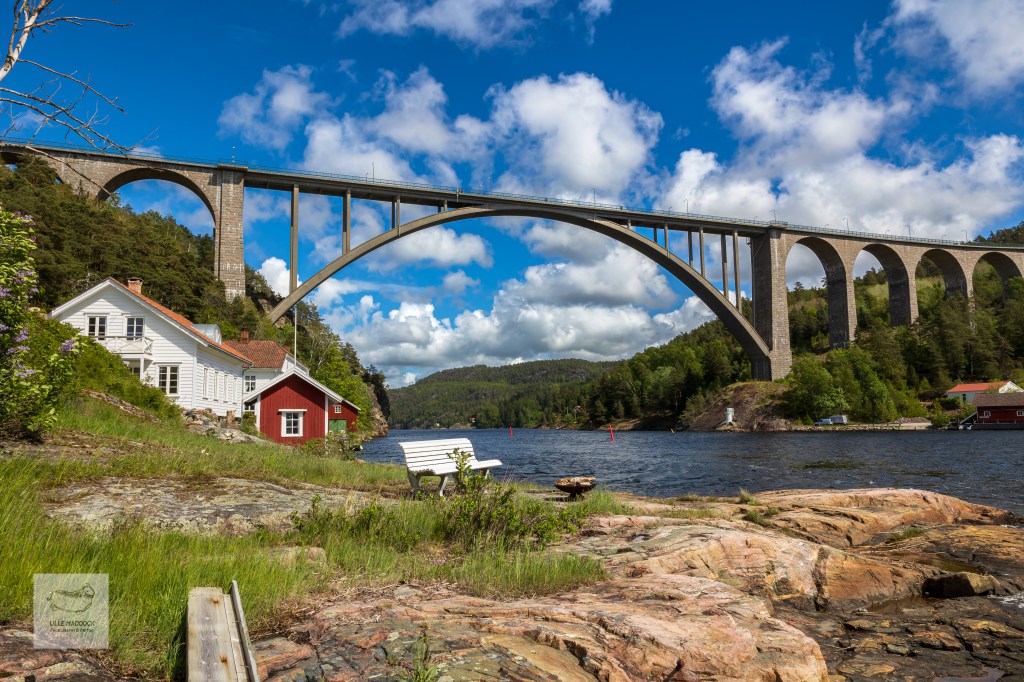
Turning 180 degrees from my standpoint at the old ferry harbor we find the old Svinesund bridge. Building of the bridge was started in 1939, but the Nazi invasion of Norway in April 1940 put a stop to the construction work. Instead both sides armed the almost finished bridge with mines and in 1942 a massive explosion on the Swedish side almost destroyed the bridge. Inauguration was finally in June 1946. With a length of 420 meters and a sail free height of 65 it’s an impressive beauty.
Build bridges and keep the borders open, ha de Gött!


Lighthouse Bissen at Bisse Rännan a calm summer evening. This is the south entrance to Sweden’s first marine nature preserve, Kosterhavets Nationalpark. The preserve meets up with Ytre Hvaler on the Norwegian side at the north end. The 250 meter deep fjord is the home of one of only two coral reefs in Sweden. The low salt content in the water from the Baltic meets the high salt content water from the Atlantic, powered by the Golf Stream, creating rich living conditions under the water.
To navigate is necessary, ha de Gött!


One of my favorite motives, the Väcker lighthouse. This time from the sea. Even with the calm weather there was waves. Not easy to take photos from a small boat.

Red, Green and Blue, ha de Gött!
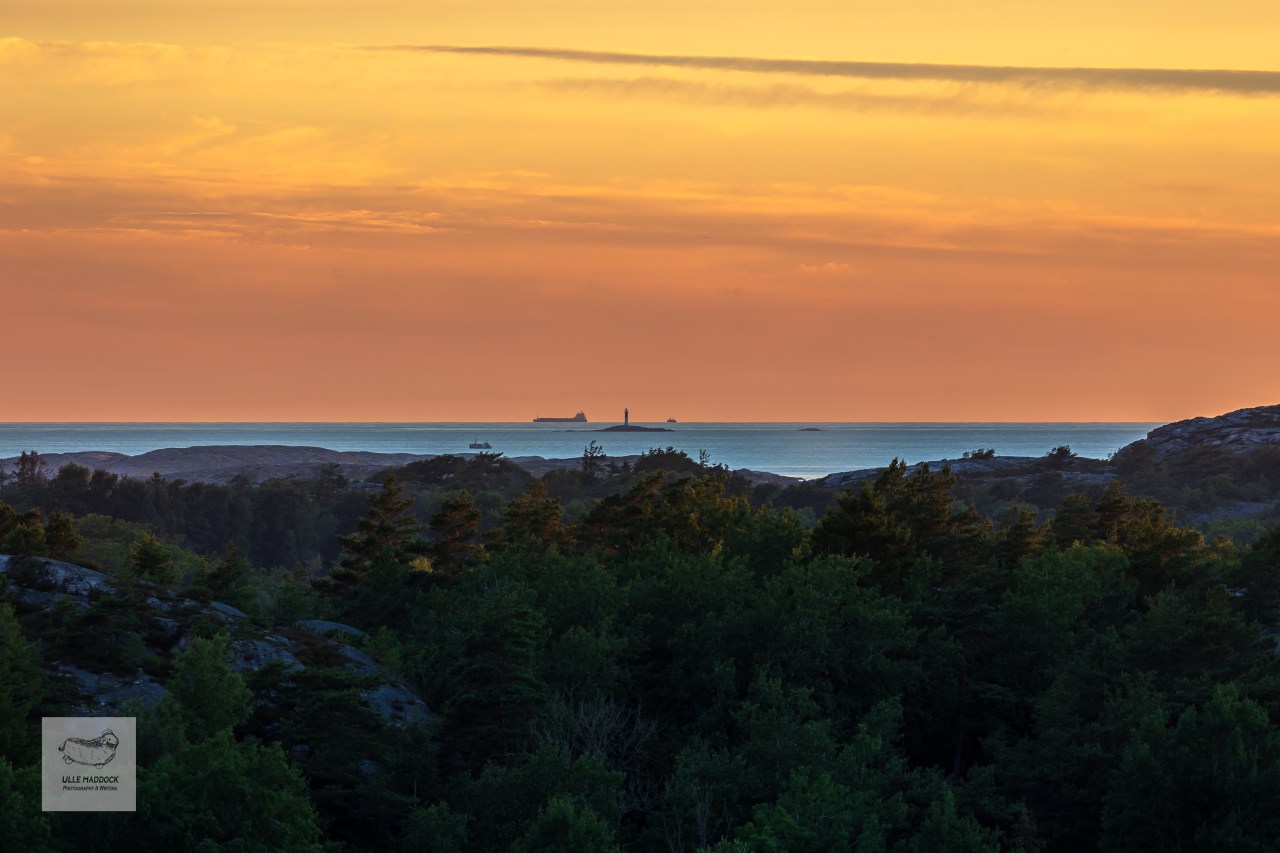
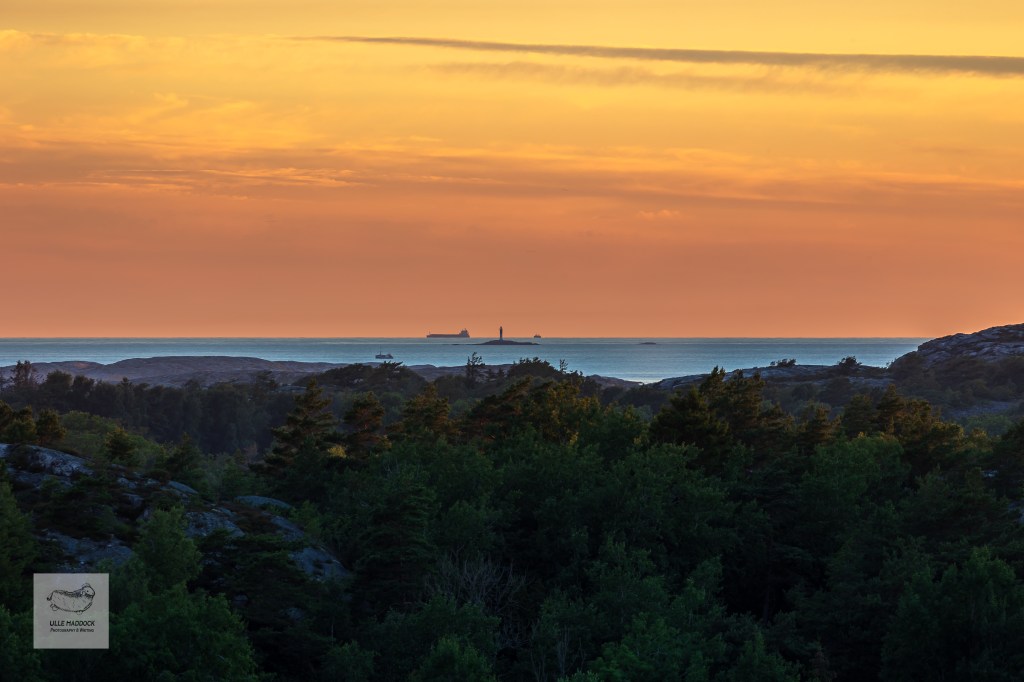
Late night sea traffic around Ramskär lighthouse. The 16 meter high lighthouse was built in 1917 with great difficulty on the naked black cliff. Situated 10 kilometer west of Havstenssund. The name Ramskär comes from the black rock. Ramn is ancient Nordic for raven. Hence raven black skerry.
See the light, be the light. Ha de Gött!
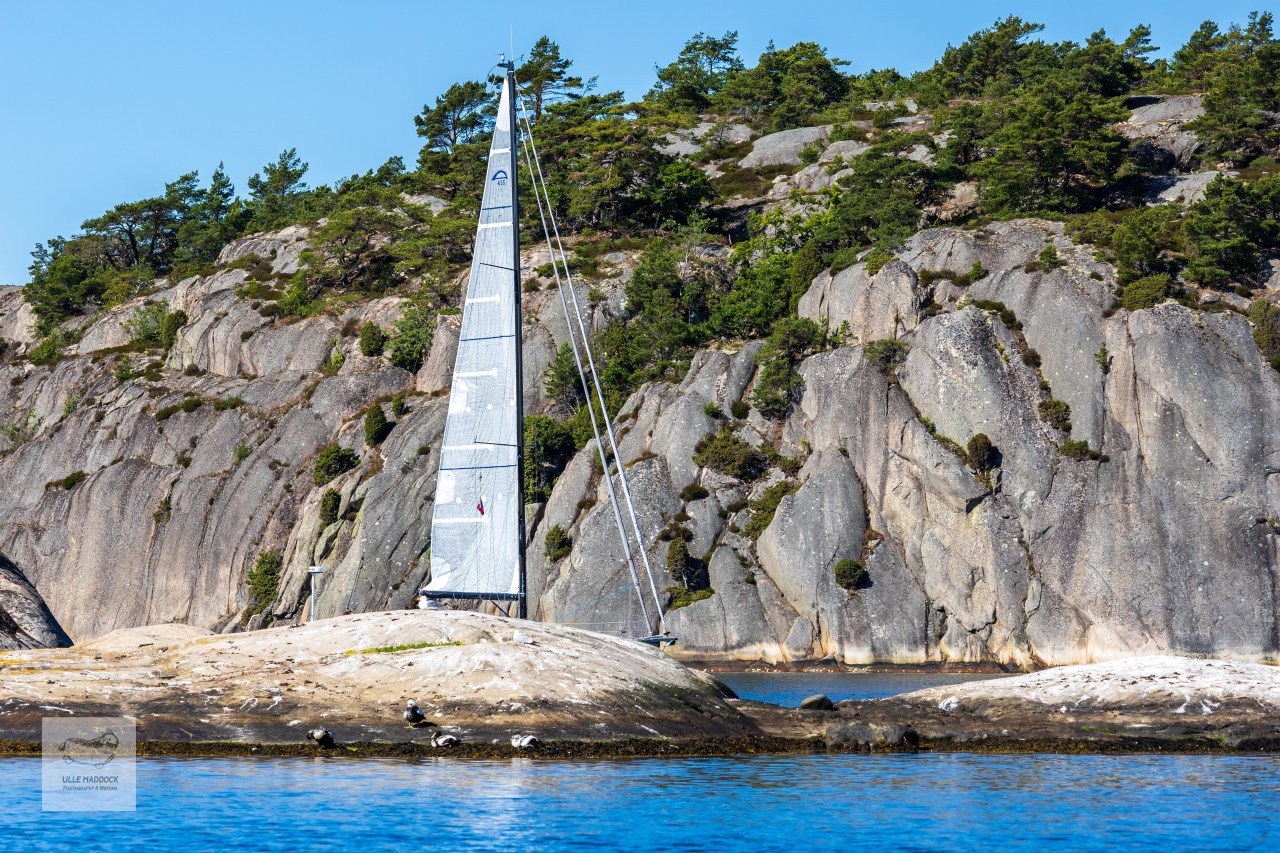

Silently appearing from behind the scene
good speed in the early morning breeze
confidently steer onto the open sea
sail away to what else to see
It’s never to late to set sail onto the future, ha de Gött!


If there is one single thing that special Swedish it’s probably the Midsummer celebration. It’s always the first Friday after summer solstice.
For us Swedes midsummer’s eve is the true National Day where we celebrate the Swedish summer and the light. For most, the reasons for celebration are not very clear, but the tradition is very strong. Many activities for the whole family and especially the children, allowing grownups to behave like children for a while. There’s dancing around a pole, draped in birch leaves and the Swedish colors, singing silly songs while doing silly dances in a big ring. We use the same songs during Christmas, six months later but then around a fir-tree, still with the Swedish colors.
We eat the same thing for dinner, pickled herring, eggs, salmon in several varieties. Unique to the midsummer table is the fresh potatoes with a special kind of pickled herring, Matjessill. For dessert strawberries with whipped cream and to this, many drink snaps. To drink the snaps, we need to sing more silly songs in loud voices while standing up with raised glasses. As the evening goes and more songs have been sung the standing part gets more and more difficult.
The Swedish midsummer dinner must take place outside even with cold north winds and horizontal rain pouring down. More exercise after the dancing, running with the whole dinner table in and out between the rain showers. But what we always remember is the midsummer when the sun was shining, weather was warm all the way into the night. This year it actually was.
Traditions bring family and friends together and allow people to let go from life musts. Even the strictest civil servant can fool around for a while in what you can call dance, singing silly songs about how funny the little frogs are. I think the little frogs are laughing their legs off when looking at the civil servant!
Summertime and the living is easy, ha de Gött!


The Swedish Sea Rescue Society, Sjöräddningssällskapet is made up of volunteers with normal daytime jobs. With no government funding they depend on public contributions and membership fee’s. Goes without saying, I’m a proud member together with most recreational boat owner around the 11 600 kilometer coastline of Sweden.
2400 volunteer heroes make sure there is a 24 hour availability from 74 stations also covering the major lakes. With a response time of 15 minutes and with 260 modern rescue vessels they are involved in 90 percent of all sea rescues in Sweden.

The society was founded over 100 years ago by Albert Isaksson. The government showed weak interest in doing something about the poor condition of the Swedish sea rescue ability. In fact it was used as an bad example in the internationally. Albert turned to the public and 1 June 1907 the, for Sweden unique, Society was established. Find out more here.
Hat off to the heroes, ha de Gött!
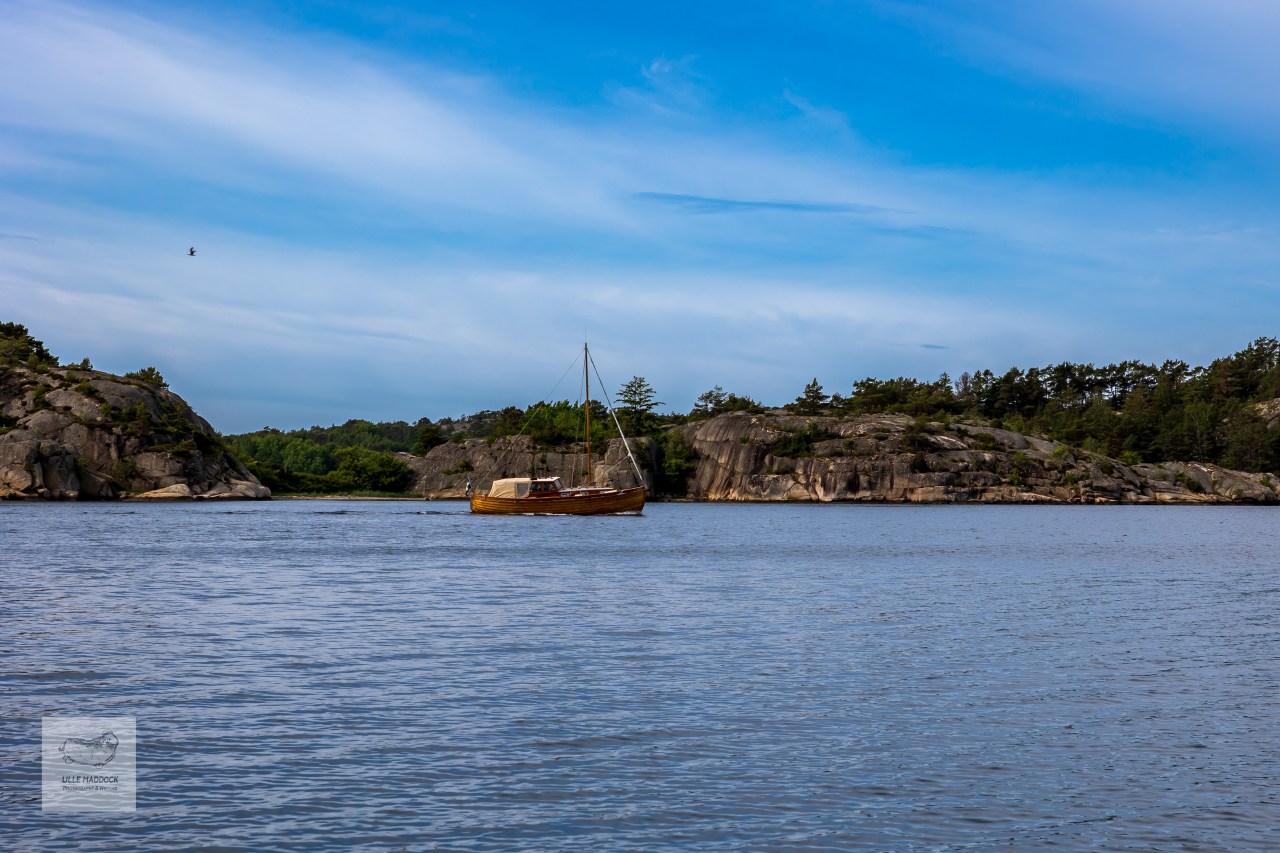

A well kept wooden boat on its way somewhere. Perhaps the first voyage after launch for the summer season.
It is good to see the sea, ha de Gött!
 UlleHaddock