
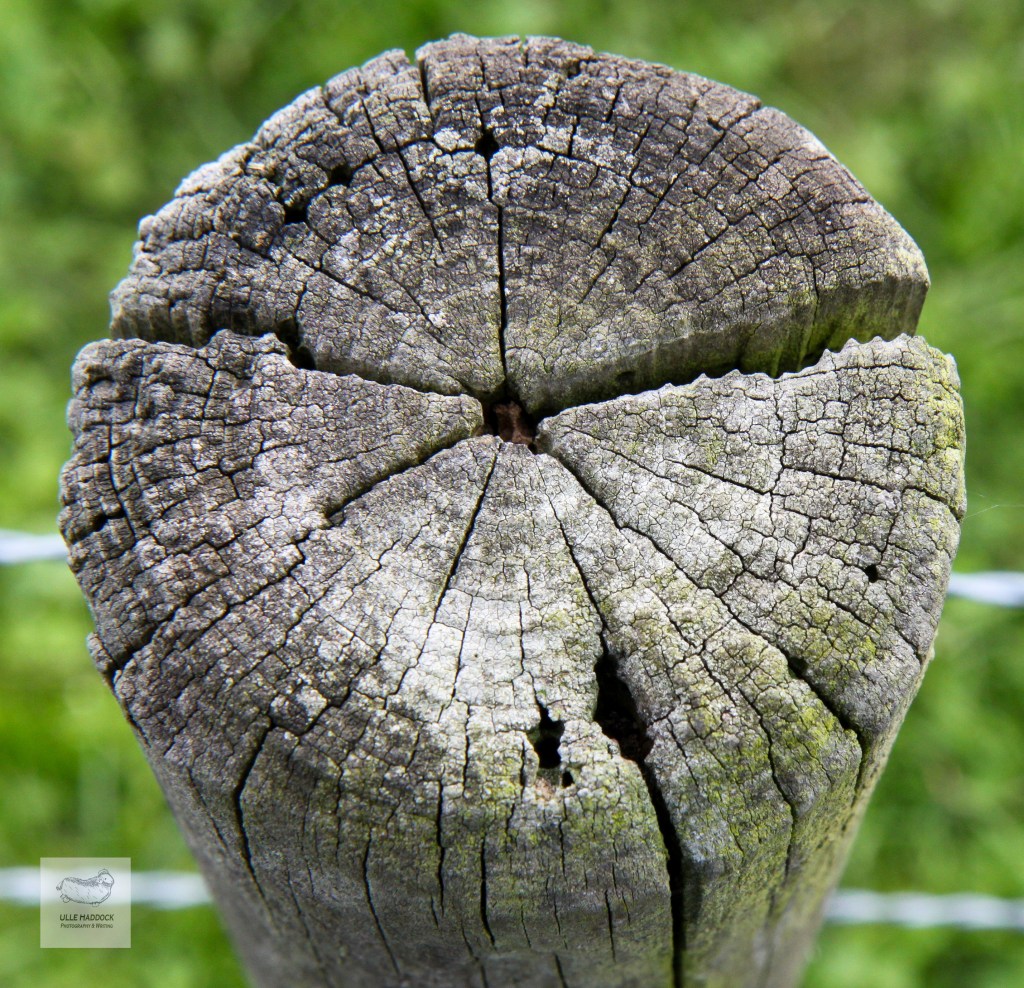
All that cracks and structure in 5 cm². Ha de Gött!
Advertisements

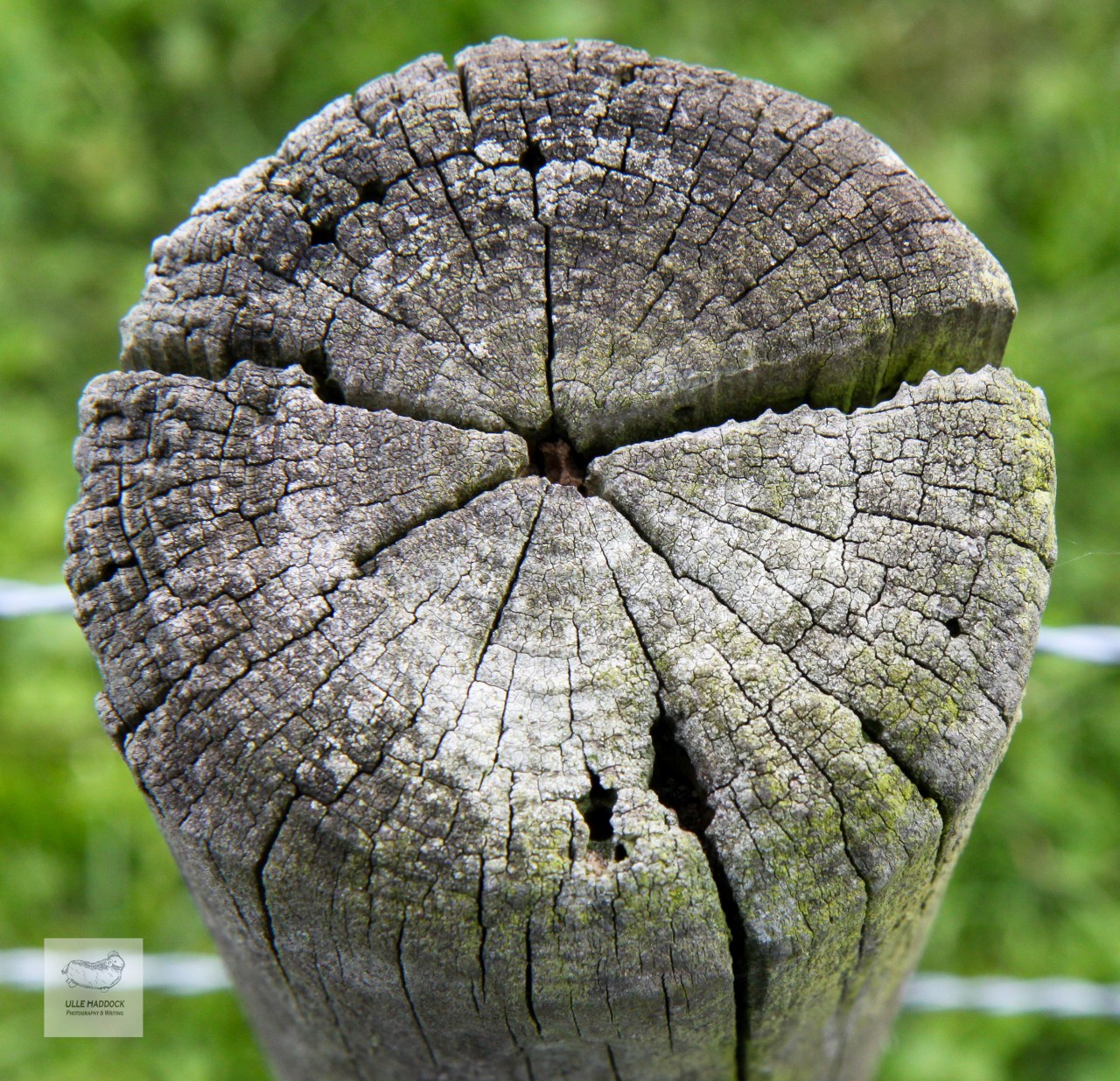
All that cracks and structure in 5 cm². Ha de Gött!


Song lyrics to the music of Queen’s “The great pretender”. Inspired by Hobbo and Out-of-the-cave blogs, click on the names to see their excellent blogs.
Oh yes, I'm the great procrastinator (ooh no-o)
pretending that I get things done (ooh no-o)
my need is such I postpone to much
I'm slow start that no-one can help

Oh yes, I'm the great procrastinator (ooh no-o)
adrift with a list of to-do's (ooh no-o)
I make the plan but to my real shame
I just can't get things to move on

Too real is the scene kicking cans down the road
Too real is my tactics delaying stuff

Oh, yes I'm the great procrastinator (ooh no-o)
just keep's putting things on hold (ooh no-o)
I seem to be stuck, sat on my butt
stalling my actions like a fine statuette
Pretending that I can get things done

Too real is the scene kicking cans down the road

Oh yes, I'm the great procrastinator (ooh no-o)
just sitting around on my ass (ooh no-o)
in my head you see a magical spree
but I'm just wearing my sofa down
procrastinating to see the truth
Pretending I that can get things done
I hope I don’t offend any fans to the fantastic band Queen and the singer Freddie Mercury. As a band aid I also put up the official Freddie Mercury video from Youtube. The song is originally written by Buck Ram (1907 – 1991). Buck Ram was from Chicago, Illinois. Composer, band leader and also the Platters manager. Also the Platters recorded the Great Pretender. Ha de Gött!
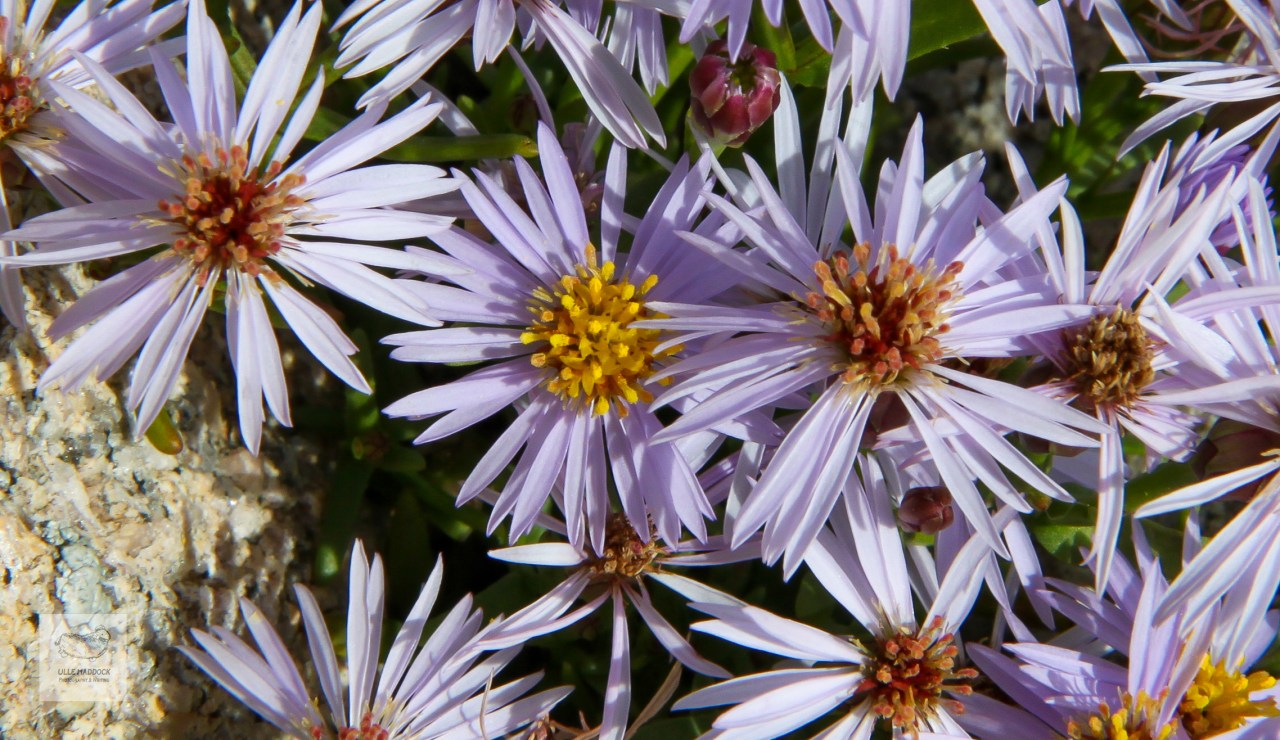

Finally a flower where the name is the same in English and Swedish, Aster (Symphyotrichum). It is actually a family of flowers, Astrales with over 1900 different variants. I found this in a centimeter wide rock crevice just by the water. According to my app it is a Symphyotrichum chilense and if so, the first observation of it on the west coast of Sweden. Don’t know if that means I get to give it a Swedish name? If so, I hereby name it “Crevice Aster” or in Swedish “Sprickaster”
Flower power, ha de Gött!
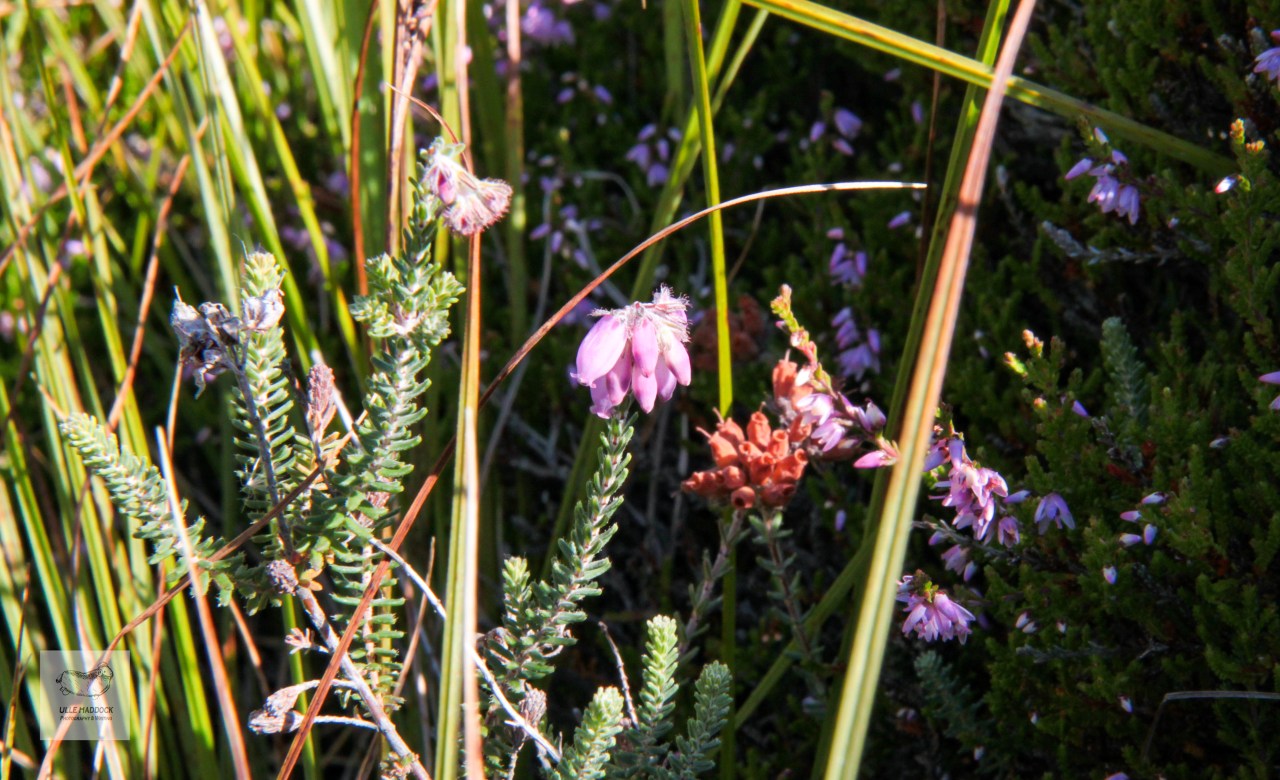
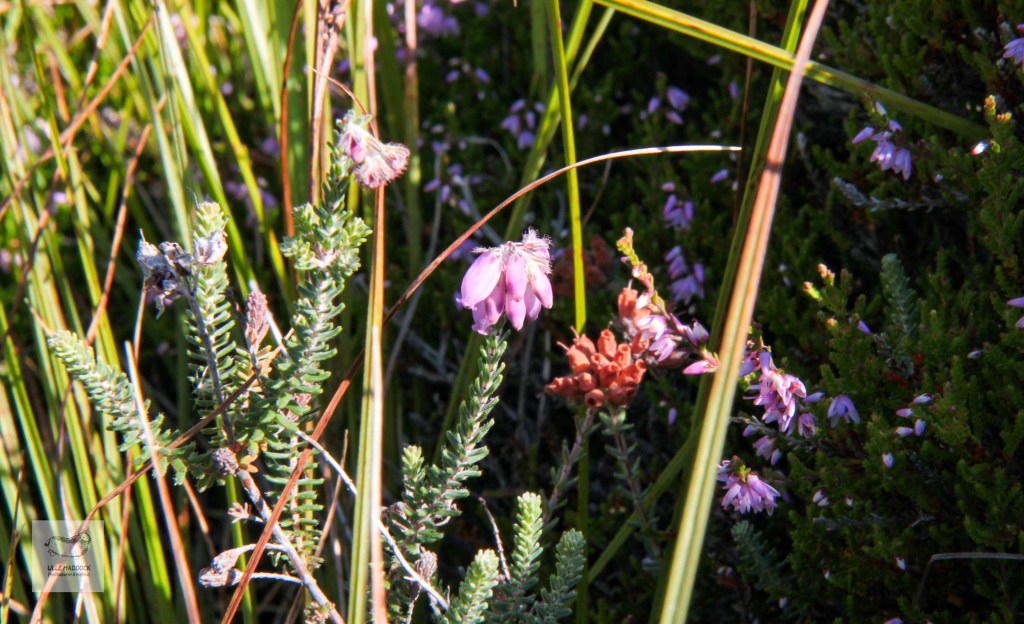
Also called cross-leaved heath. Got its common name from the leaves that grows out from the stem in a cross of four leaves. Native in western Europe. In Swedish “klockljung” that translates to “Bell ling”. The name is probably from the bell shaped flowers. Even if the Swedish name suggest so, it does not make any sound. However both the Swedish and the English names suggest involvement from the church.
Ring, ring give somebody a call, ha de Gött!

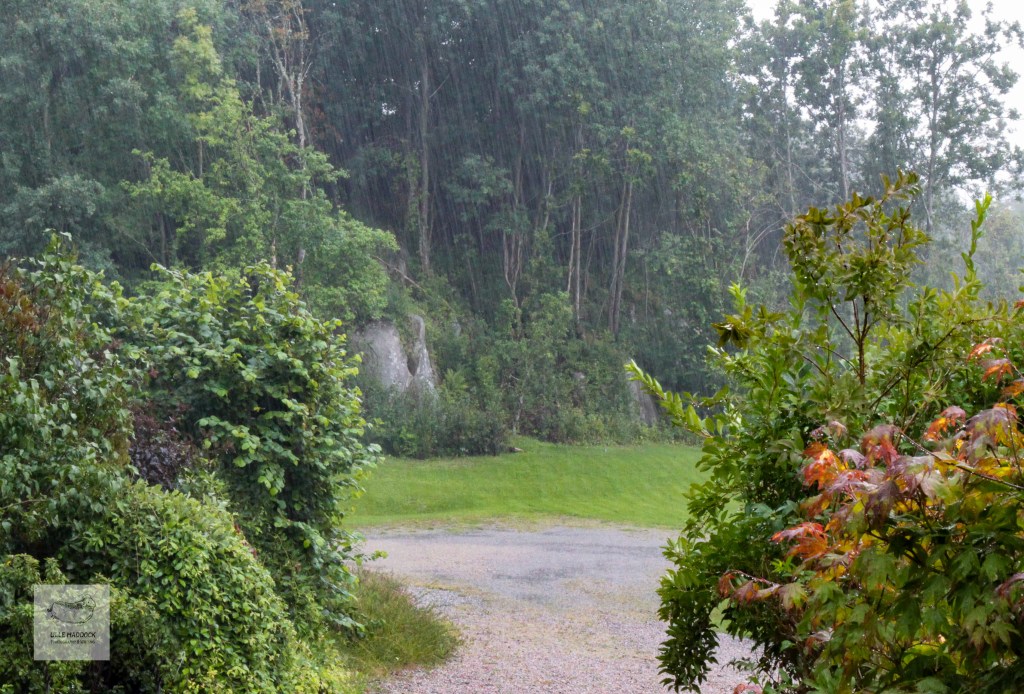
A rainy day
I will
sort things
postponed and neglected
A rainy day
I will
get down to it
long awaited
A rainy day
I will
sort it all out
structure and shape
A rainy day
I will
let it all flow
symphony of keys
A rainy day
I will
bloody well will
write that novel
But today sun is shining, ha de Gött!

A full year. 12 months. 52 weeks. 365 days. 8760 hours. 525 600 minutes. 31 536 000 seconds. Since you left.
In the video my son Edvin, who passed away from us one year ago today, plays his own music. I recorded the video just an hour after he finished the composition. A few week later he was no longer with us. I post this to honor his memory. Hope you like it.


Hylotelephium maximum or in Swedish “Kärleksört” that translates to “Love herb”. It is a succulent plant and can therefore survive in places and periods with little or no water. The plant stores water in the leafs, so it can survive a long time even if it’s pulled up by the roots. According to the folklore the plant could help you choose lover. By hanging it up in the ceiling and by attention to who it turn towards. In Swedish succulent is “fetblad” and with my creative translation it becomes “fat leaf”. So lovers herb building up fat in the leafs to endure rough times. Not so far from us humans. Building up lovers handles, weather it is for someone to hold on to, or to endure times when you have to cook on your own.
The English speaking world must love this herb. Orpine, livelong, frog’s-stomach, harping Johnny, life-everlasting, live-forever, midsummer-men, Orphan John and witch’s moneybags. The names livelong, life-everlasting and live-forever is connected to the plants ability to survive. I guess harping johnny falls in that category, a folklore pun. It might be a good idea not to pick them if you don’t want a pack of angry witches on your tail. Then again being a maiden at midsummer it might be a lucky pick. How orphans and frogs came in to the equation? Here do my imagination fail me, if anyone has an idea please share.
All you need is love, ha de Gött!

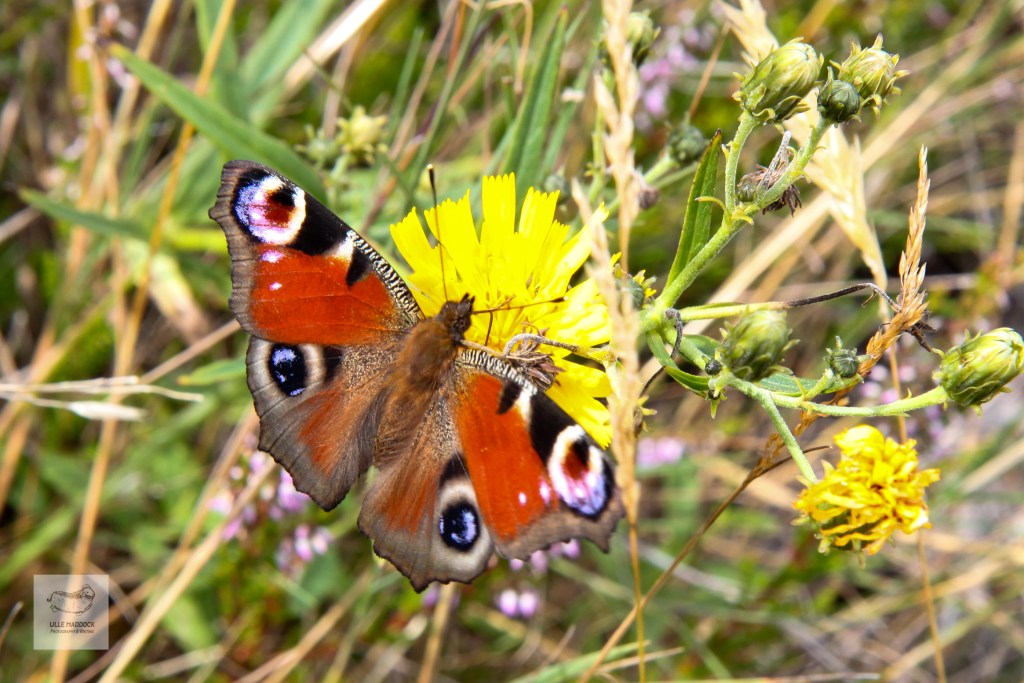
It has been avoiding me all summer, but finally I got a decent shot. The Peacock butterfly (Inachis io). For some reason the latin name is different in the English (Aglais io) and Swedish (Inachis io) version of Wikipedia. The common names does not differ to much. In Swedish it is called “Påfågelsöga” that translates to “Peacocks eye”. The name comes from the distinctive eye like mark on its wings. These marks is similar to the marks of the Peacock bird. No peacocks in Sweden, so you will have to use a search engine close to you to find a picture. If you do live in a region with those magnificent birds you are more than welcome to share.
Puff up your feathers, ha de Gött!
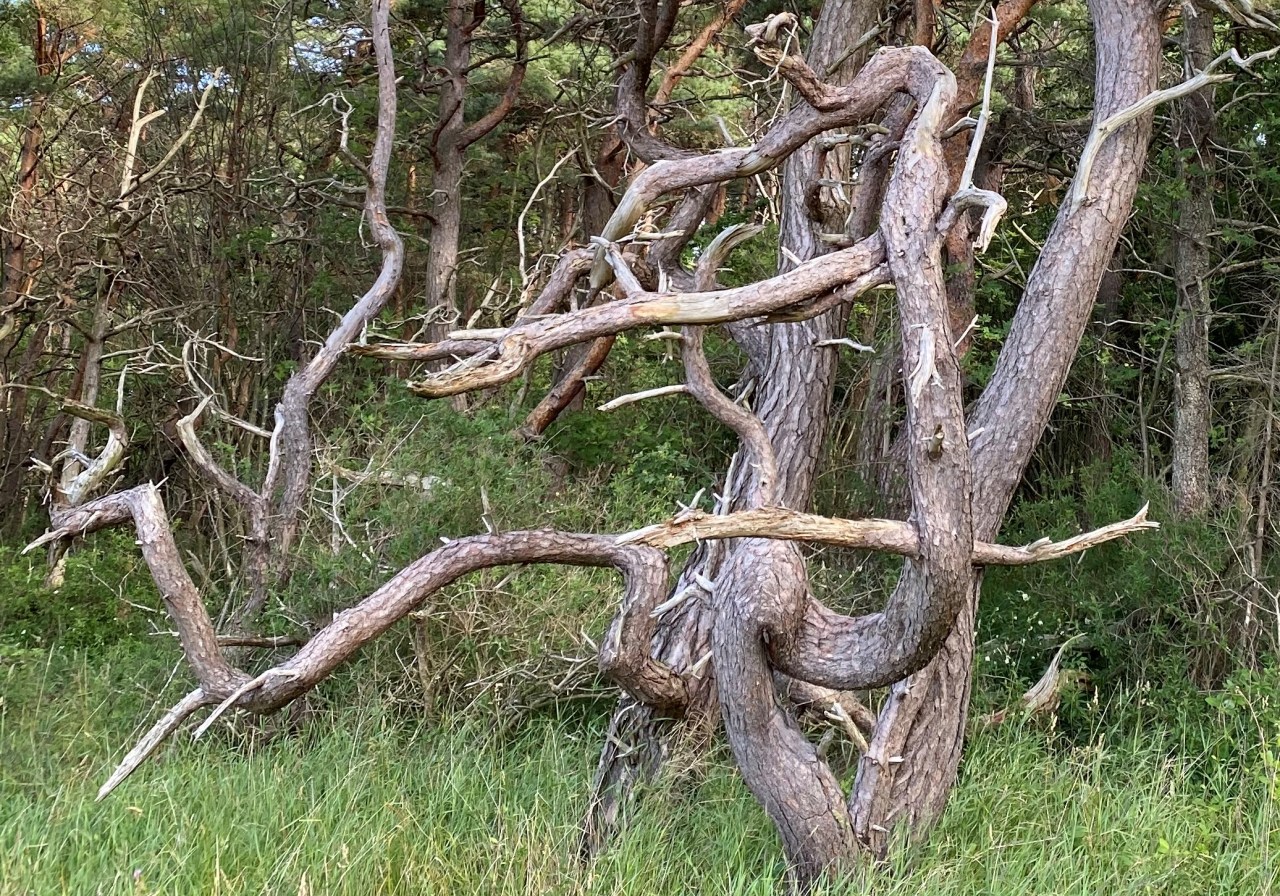
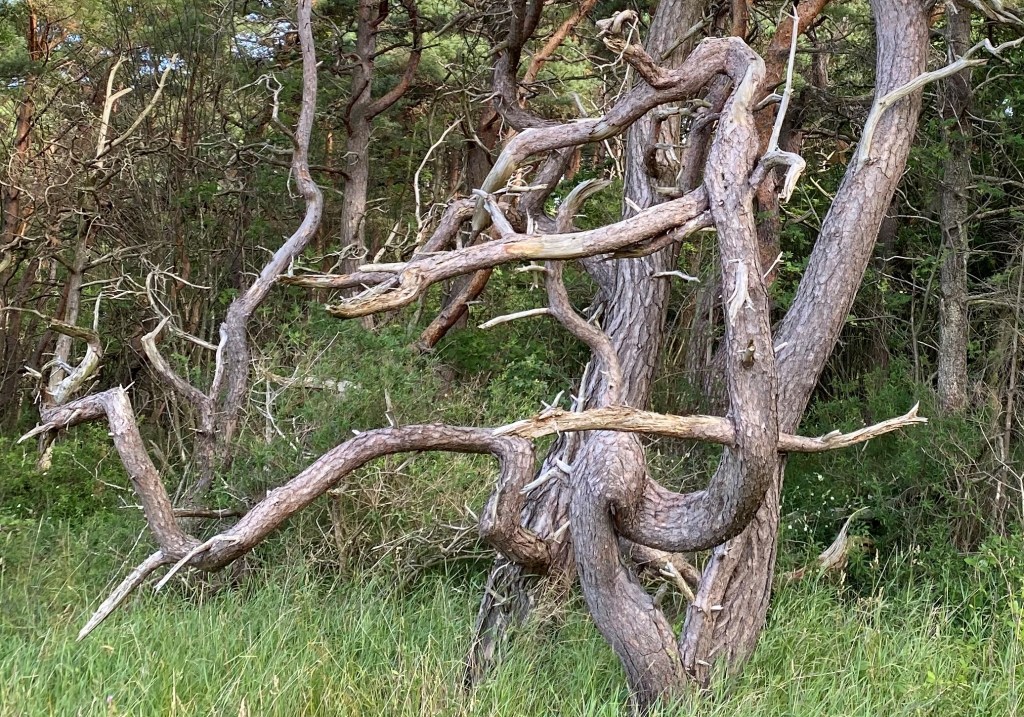
Your brain, can be fantastic
but also, a pain in in the ass
The darkness can fall, and hit you, hard
You can decide, but it is sometimes hard
The struggle goes on, the struggle goes on
The struggle goes on, the struggle goes on

Pray, it will be better soon. Hold tight
God, will it be better soon. I must be

My head, can be fantastic
Every day, a pain in the ass
The darkness will fall, and hit you hard
Run for your life, run far
The struggle goes on, the struggle goes on
The struggle goes on, the struggle goes on
The struggle goes on, the struggle goes on
The struggle goes on, the struggle goes on
This song lyrics was written a year ago by my son, Edvin. Just a few weeks before he passed away. It’s a punk rock song where he also written music. It is only partially recorded as he wasn’t fully pleased with this song. Even so, I’ve decided to post it. This was his first attempt to write lyrics so he asked me what he should write about. I answered, try to explain how you see the world and I think this text bluntly expresses his struggle. He did record another song that you can find on Spotify (link). Ha de Gött!
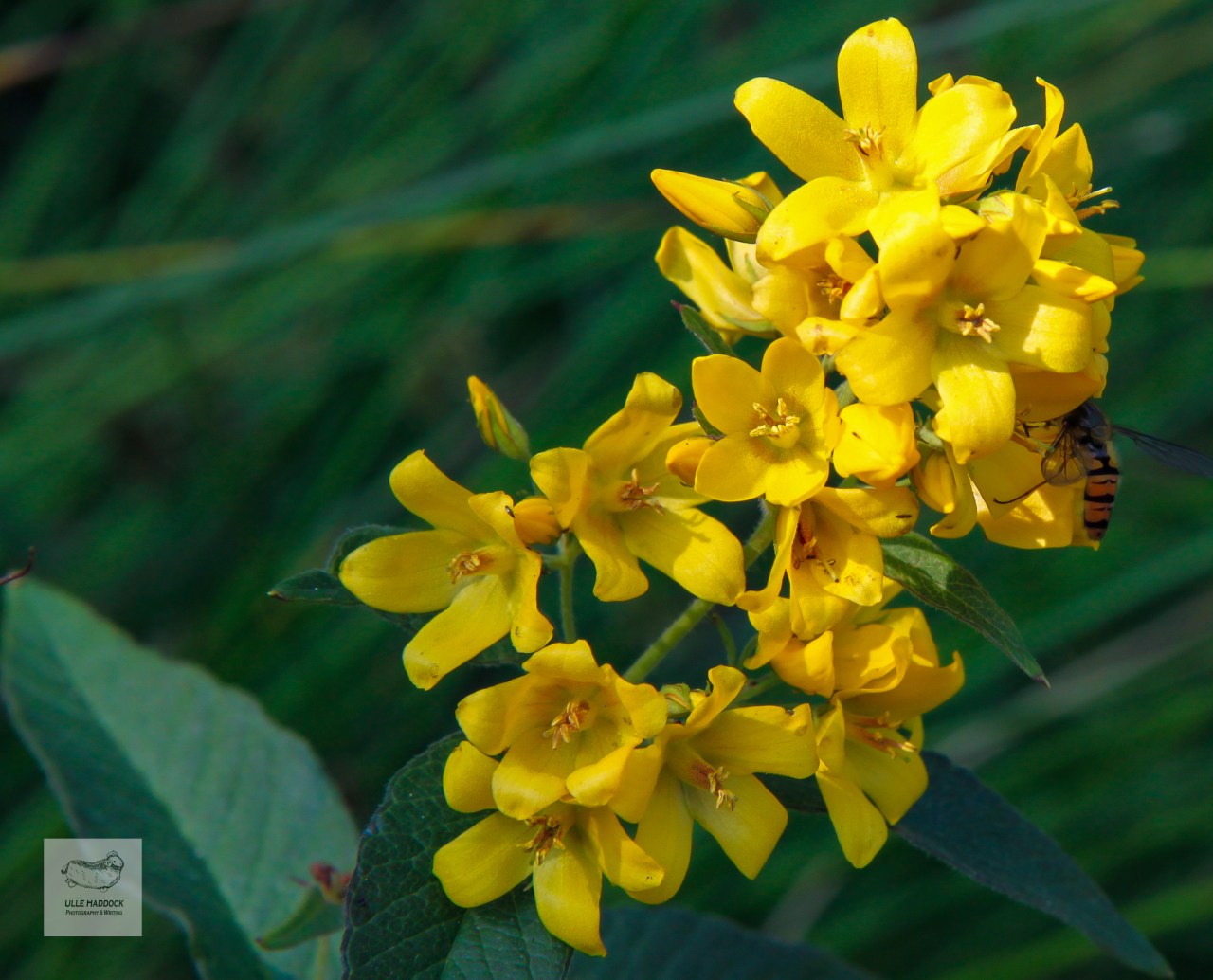

The yellow loosestrife (Lysimachia vulgaris) with a visitor collecting its nectar. Grows in wetlands. In Swedish “Strandlysing” that translates to beach light. With its bright yellow color it really draws your attention like a light.
The English name offers some play with the words. What do you think of this “coward moderate fighter”. What can you do when bees and wasps comes poking your eyes. Whit the help of the wind I rattle my leaves and make your landing hard.
Don’t be a yellow-belly. Ha de Gött!
 UlleHaddock