Archive for ‘Travel’

Under the Alder

Under the Alder

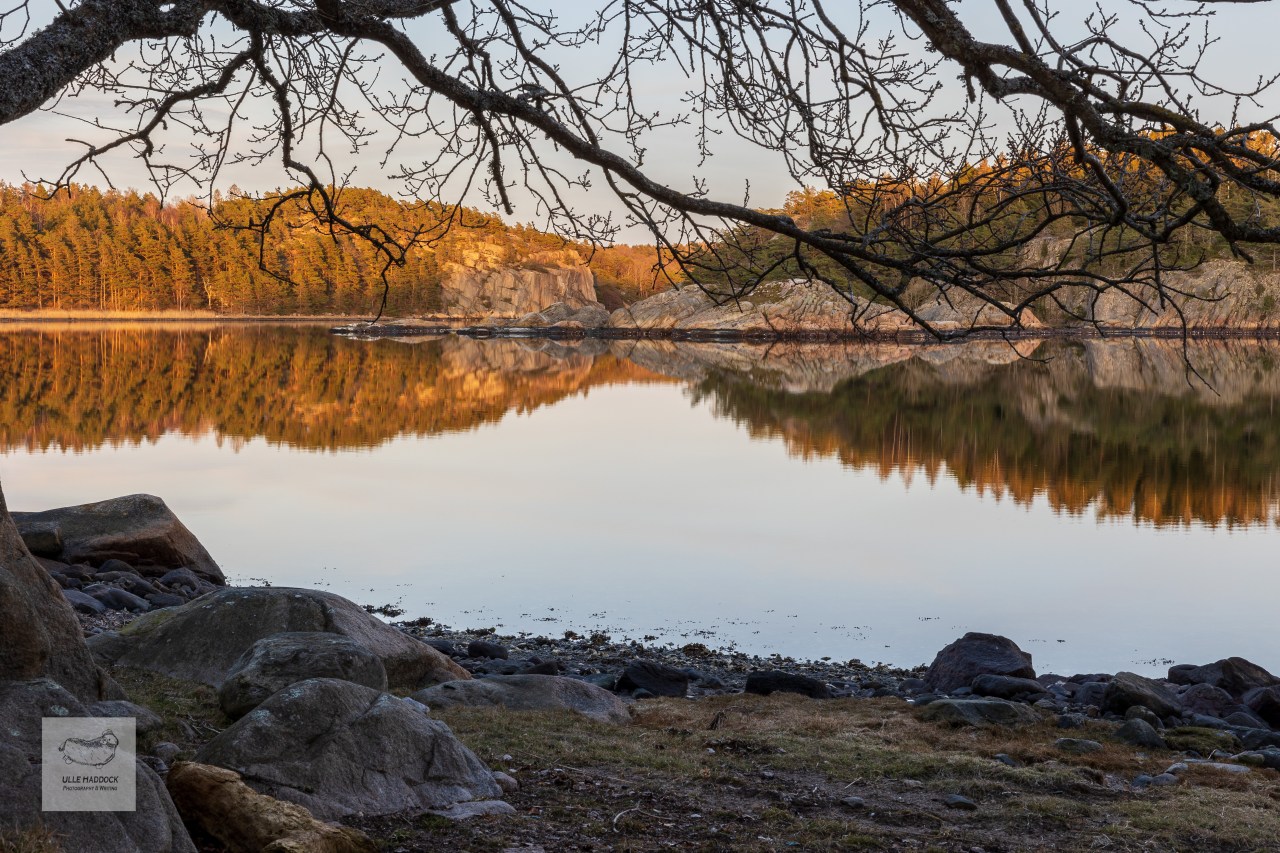
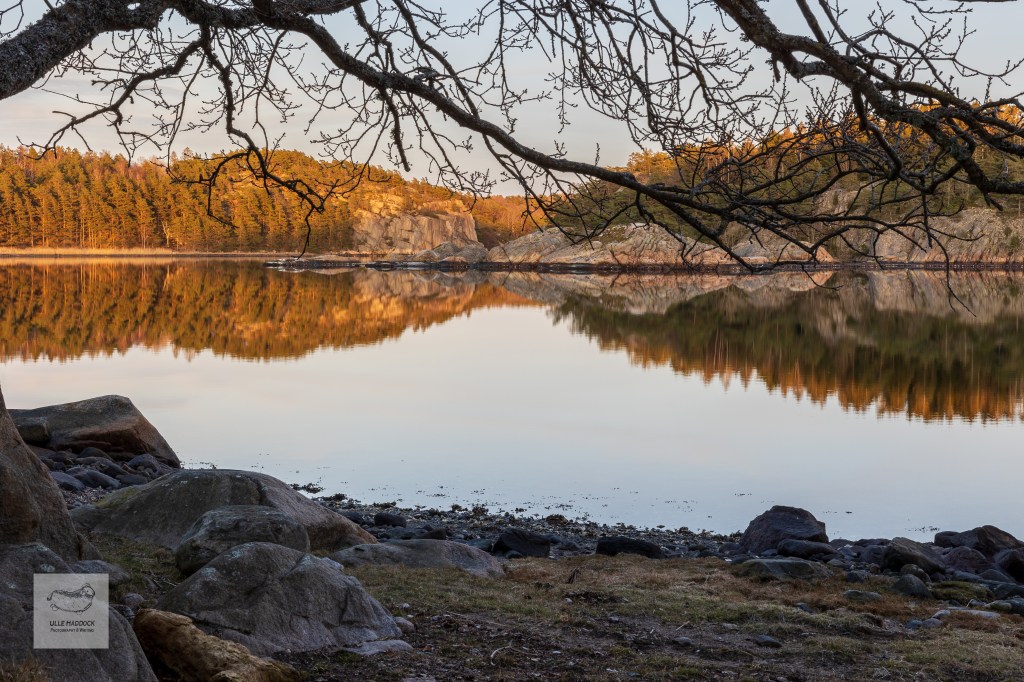
Framed by the alder branch you see the cliff ‘Riddarsprånget’. Translates to ‘knights leap’. According to the local folklore a knight was chased up on the cliff. Outnumbered and with chasers rapidly closing in on him, he spurred his horse over the cliff. Wether the knight and his horse survived the 30 meter fall remains untold. If the knight stripped off his steel Armour before, he might have swimmed ashore together with his faithful runner on this very beach.

Don’t let anything weigh you down, ha de Gött!

Advertisements

Ulseröd Windmill

Ulseröd Windmill

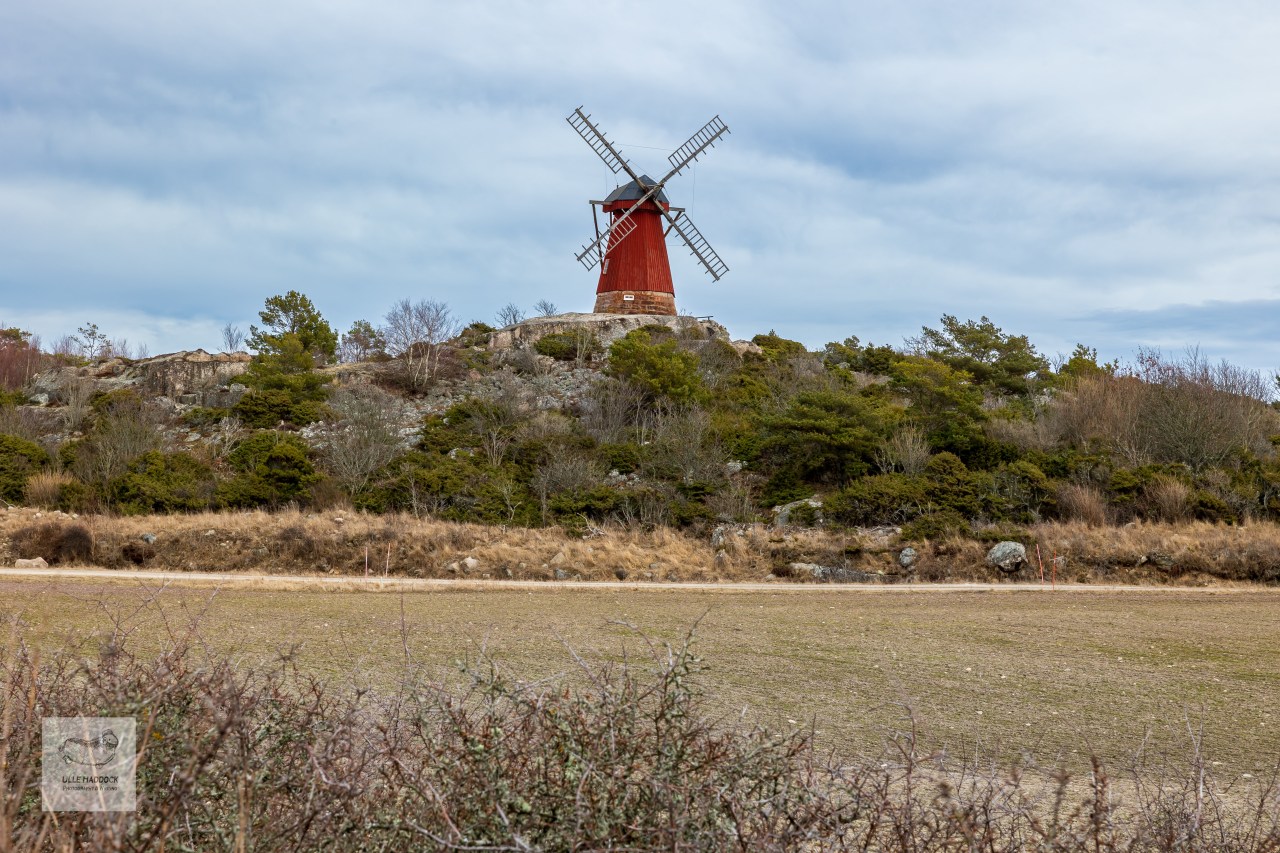
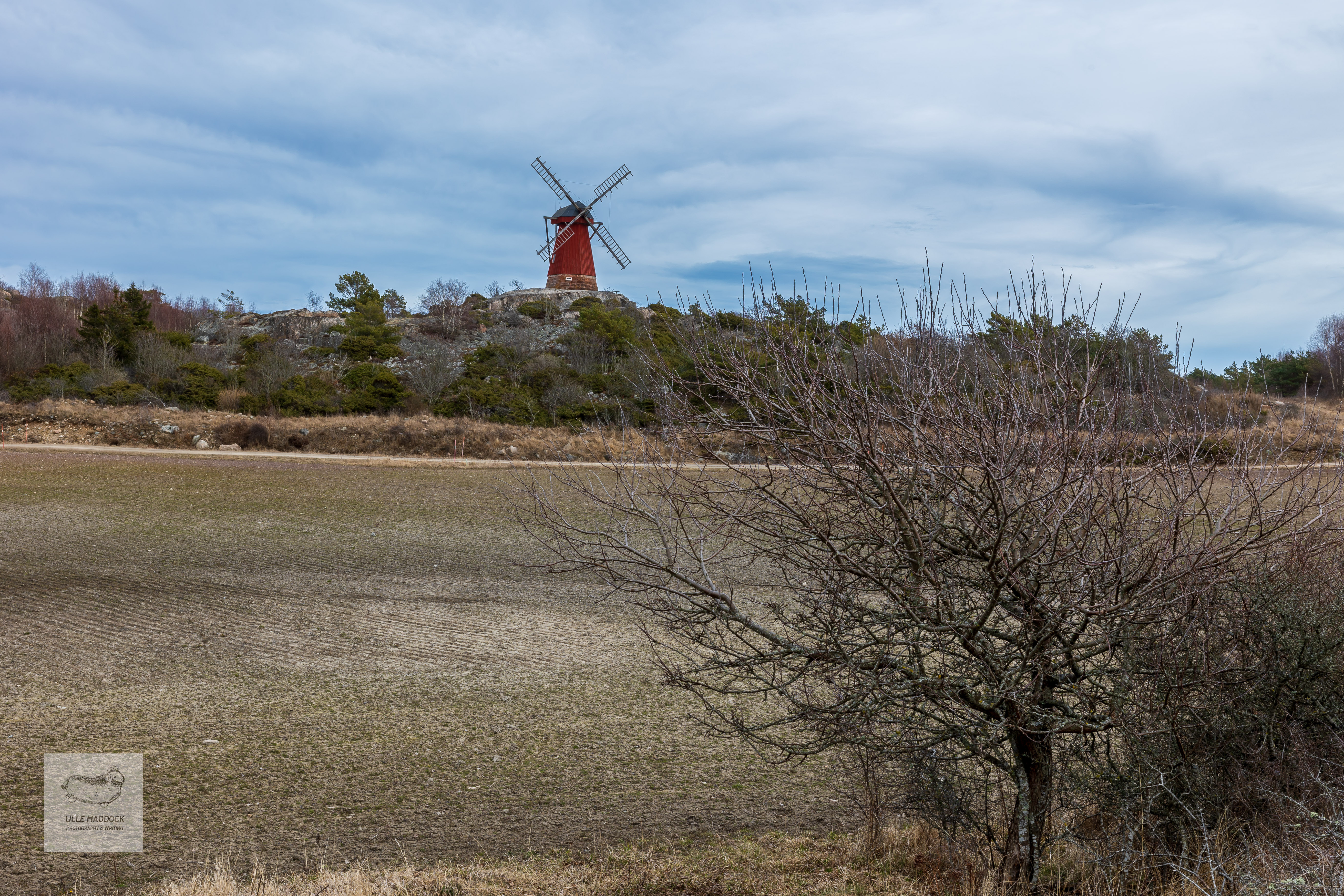
The windmill of Ulseröd, just outside Havstenssund, was built in 1900 and was in operation until 1939. During this period new technology made it possible for the farmers to mill their grain in small electrical mills. This together with the urbanization made the windmills obsolete.

The windmill of Ulseröd was saved from decay by Tanum Local Folklore Society and Havstenssund Community Association. A major renovation took place in 2013 to 2016. The windmill wings were rebuilt, the facade wood replaced and painted red, windows replaced. Find out more here (in Swedish). In my opinion, by volunteer heroes saving this piece of history for the future.

The windmill type is a smock mill, also called Dutch type. The top, or the smock cap, can be turned by the windmill operator to capture optimum wind. It’s an old well tested design that already Leonardo da Vinci made a sketch for. Special feature of Ulseröd windmill is the two parallel milling stations. Check out the fictional story I wrote a year ago about the windmill here. Stay tuned for interior pictures.

Against the wind is power, ha de Gött!

Advertisements

Pilots lookout

Pilots lookout

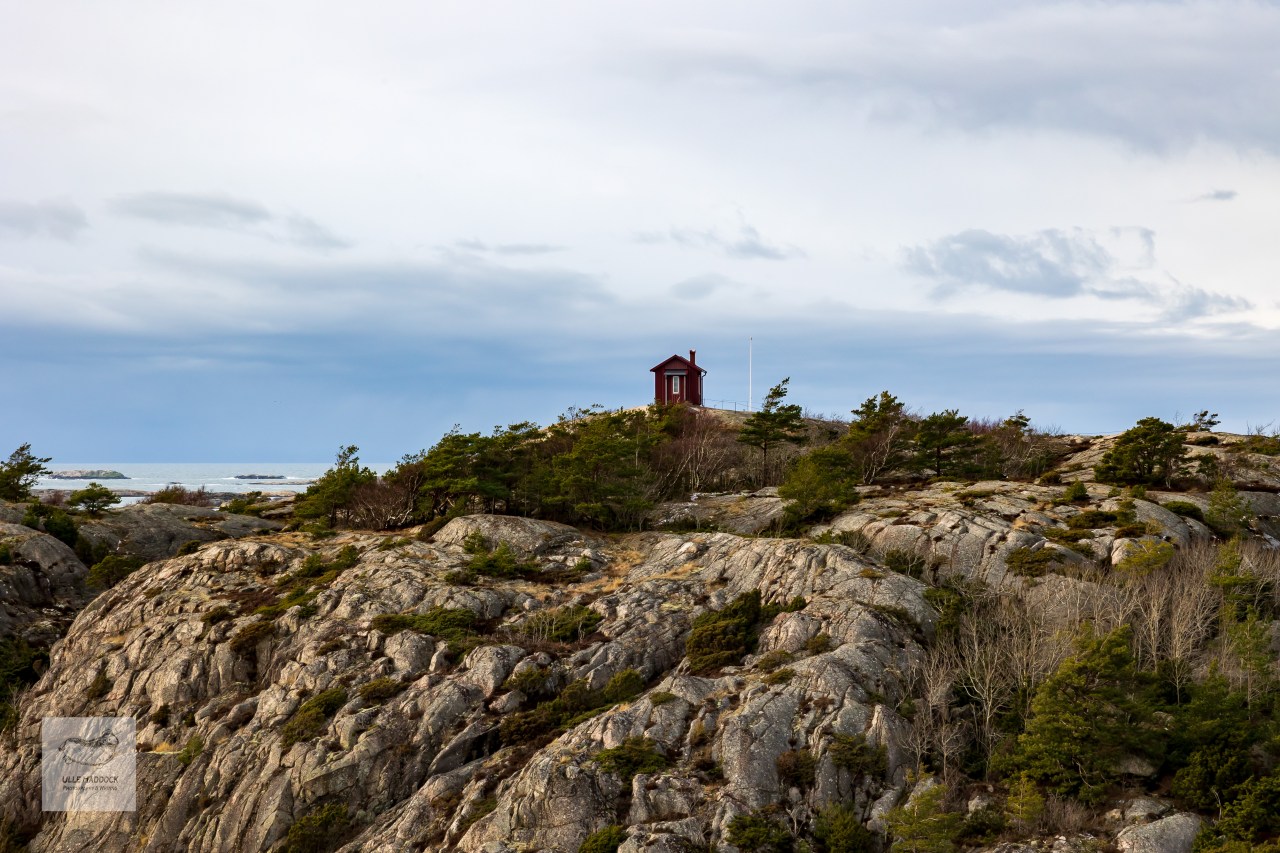
On the highest point of the island Hällsö, 42 meters over the sea sits the small pilot hut. In this hut the pilots could sit in a warm place shielded from the weather scouting for ships in need of assistance. The station served pilots that guided ships through the dangerous waters outside Tjurpannan. The pilot station was operational until 1960. Hällsö is situated outside Havstenssund, separated by the 40 meter narrow strait, ‘Sunnegapet’.

We all need help to navigate sometimes, ha de Gött!

Advertisements

Fattighusån

Fattighusån

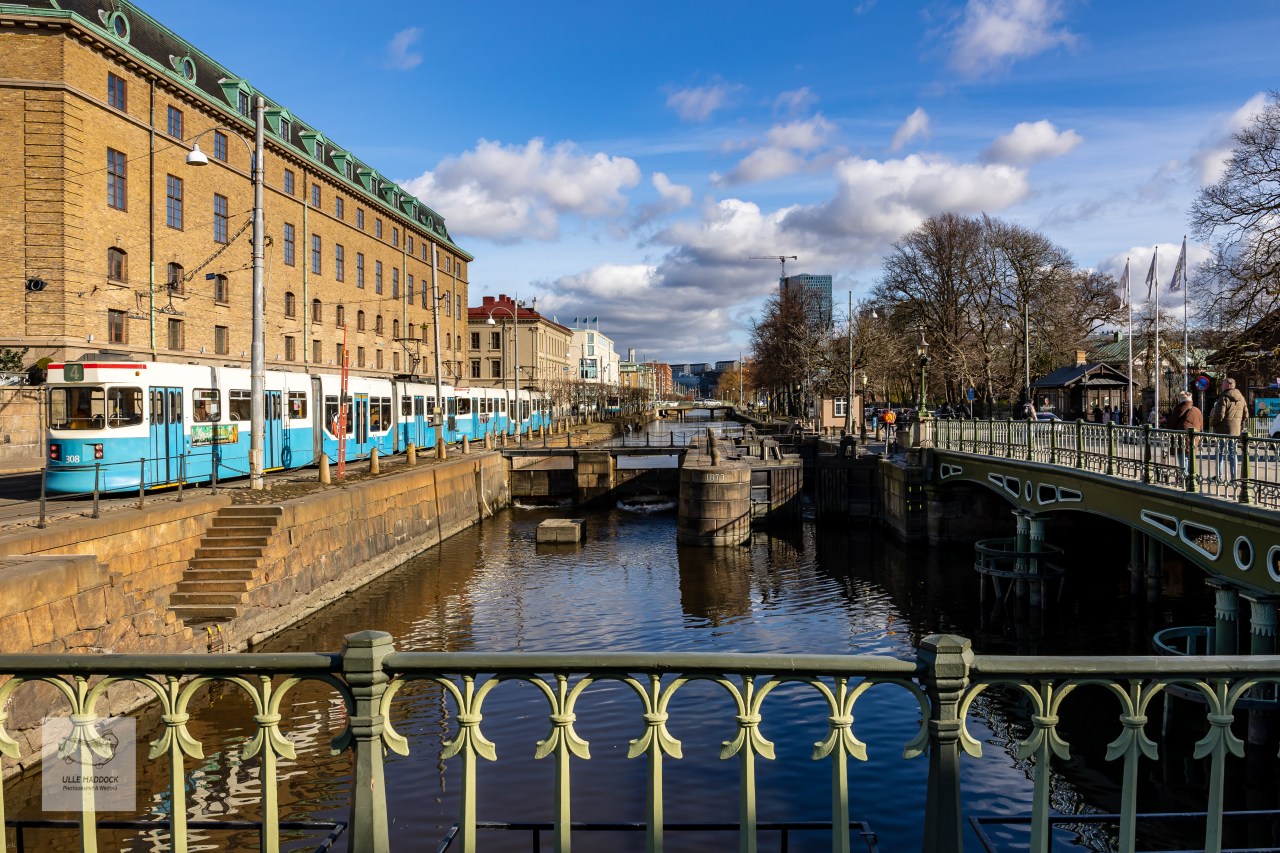
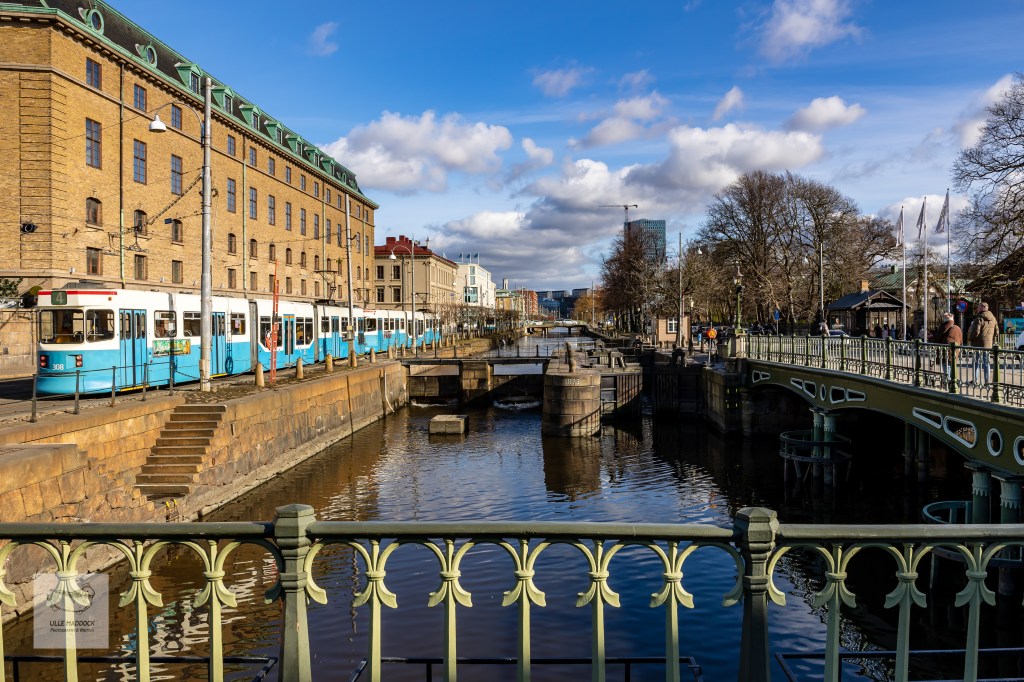
Picture from a busy Saturday in Göteborg with tram congestion in front of the old central post office. Straight ahead is ‘Slussen’, the lock for the canal ‘Fattighusån’. At the end in line with the high rise 900 meters away lies the building that named this canal, ‘Fattighuset’, the Alms-House. The canal has a name that implies that is a small river, ‘ån’ in Swedish. Why this name? Guess it’s an evidence of the humor in Göteborg.

The work started in 1620 but the king stopped the work due to lack of money. I wish a certain ruler of today will run out of money fast. The work was re-started in 1639 and finished in 1641. Connecting the Main Harbor Canal with the small river ‘Möndalsån’ became very important for the trade and development of the city.

As they say in Göteborg, ha de Gött!

Advertisements

Kynne Älv

Kynne Älv

Some more pictures powerful waterfall and a beautiful stone bridge over the river Kynne Älv. I’ve tried to find a name for the waterfall in Sundshult Bullaren, but I can’t find one. One suggestion is ‘Brudfallet’ but I can’t get that confirmed. It was a challenge to get any good pictures as the beaches are steep and slippery rock or overgrown with dense bush and trees.

Don’t get swept away, ha de Gött!

Advertisements

Näcken

Näcken

Näcken is a humanoid shape shifting water spirit in Scandinavian folklore. He appears in all Germanic peoples folklore and the English name is Nicor. Näcken sits in the stream or a lake and tries to lure innocent people, mostly young women and children to drown. He does this by playing the Violin, the Devils instrument. There is also female Näcken that lures young men to the same fate.

Näck translated to English means, nude. Yes, it’s true we Scandinavians living in the country side love to do some nude swimming, specially after the Sauna bath. After all, there is usually not very many around to see you.

One dress makes us all equal, ha de Gött!

Advertisements

Rusty

Rusty

Rusty ball-bearing in dire need of some lubrication.

Leonardo Da Vinci is by some named the inventor of the ball bearing but the already the Romans used wooden ball bearings. The first modern ball bearing was patented by Philip Vaughan, a Welsh inventor, in 1794.

Sven Wingquist, a Swedish inventor invented a self-aligning ball bearing in 1907. This revolutionary invention became the foundation for one of Sweden’s most successful international companies, SKF. SKF stands for Svenska Kullager Fabriken, simply Swedish Ball Bearing Factory.

My first two and half years I lived across the street from the huge factory with its fasade of red clay bricks. Now a trip to Gamlestaden in Göteborg must be planned for some photos.

Aim for a smooth ride, ha de Gött!

Advertisements

Little Docklands

Little Docklands

Göteborg has a nickname, Little London. This stems from the era with large shipyards and industrialization during the 1800. The trade over the North Sea has always been intense and many British businessmen and craftsmen saw opportunities in Göteborg. English was as common as Swedish in the streets. Chalmers University of Technology is one of the institutions founded by a British businessman.

The picture is taken at Lindholmen where Chalmers has one of its campus. The water in the picture is the dry dock (not so dry now) from the shipyard. Like Docklands in London the area is transformed to a modern business area with skyscrapers, hotels and smart dressed business people. Chalmers Campus creates a hightech hub and you will find many well known international companies here. Just note the white autonomous drive cars parked to left in the picture.

The tower being built in the background is the Karla Tower. When it’s ready in 2024 it will be 245 meters high, highest building in Sweden. The building tempo adds one floor per week.

Try to rise above, ha de Gött!

Advertisements

Cranes

Cranes

A city is in constant change. The old cranes in the old shipyard was, and still is, a symbol of progress and pride. It put Göteborg on the international map as a place of advanced engineering and craftsmanship. In the background the modern cranes building skyscrapers. They manifests confidence and trust in the future. Not bad for an old fortress town built in a swamp.

I had the opportunity for a photo session in Göteborg today between the rain showers. As I live in the country side, city photography is not a skill I get to explore much. The old cranes from the shipyard Götaverken is one of the things I long wished to photograph. I write about my connection to Göteborg in an older post you can find here.

Impossible is a question of will, ha de Gött!

Advertisements

Free Space

Free Space

Empty boat moorings waiting for the summer in a winter cold small town landscape. Harbor side walk is empty. No problem with social distancing. No troubadour leading a sing-along crowd in front of the outdoor scene. No late night, hot dog or hamburgers served in the take away. But six months from now. Grebbestad, the place to be.

Enjoy every season, ha de Gött!

Advertisements