Archive for ‘Travel’

Bridge

Bridge

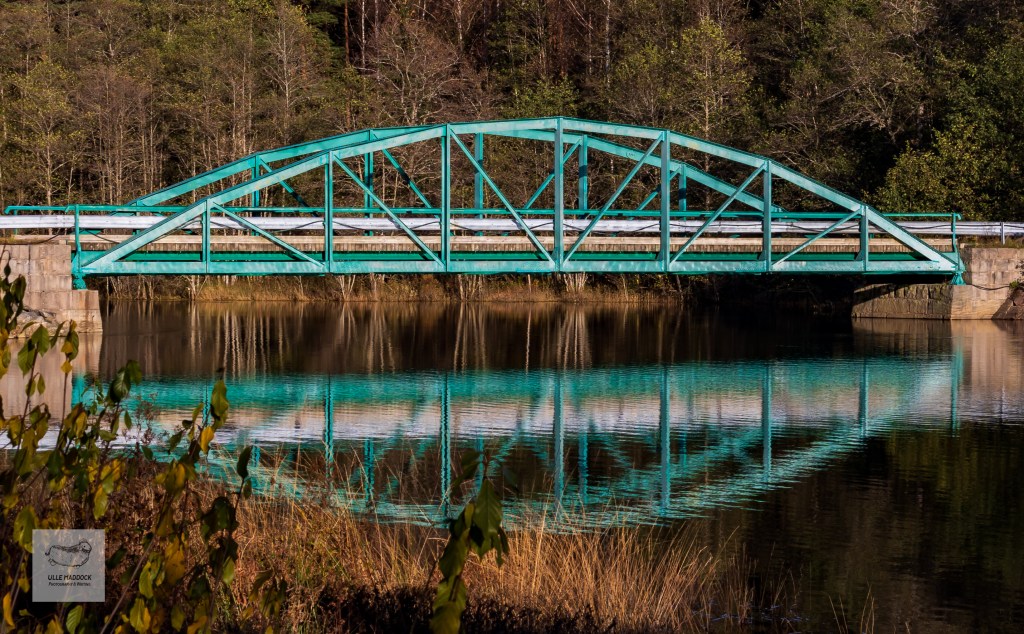
The turquoise bridge reflecting in the calm water of Enningdalsälven, the Enningdal river. Just a kilometre downstream is the waterfall from my post earlier this week, find it here. The medium size river flows to the north, one of the few in Scandinavia. The nature is fantastic, I’ll be back, to quote Arnold.

The 95 year old bridge was built in Göteborg 1926 by Götaverken. Götaverken is most known for ship construction in the Harbor of Göteborg, but also constructed heavy steal constructions around the world. The steal construction is painted in a green turquoise color and held together with rivets. It’s a narrow bridge where the carriageway is made from wooden planks.

Try to stay on the straight and narrow, ha de Gött!

Advertisements

Waterfall

Waterfall

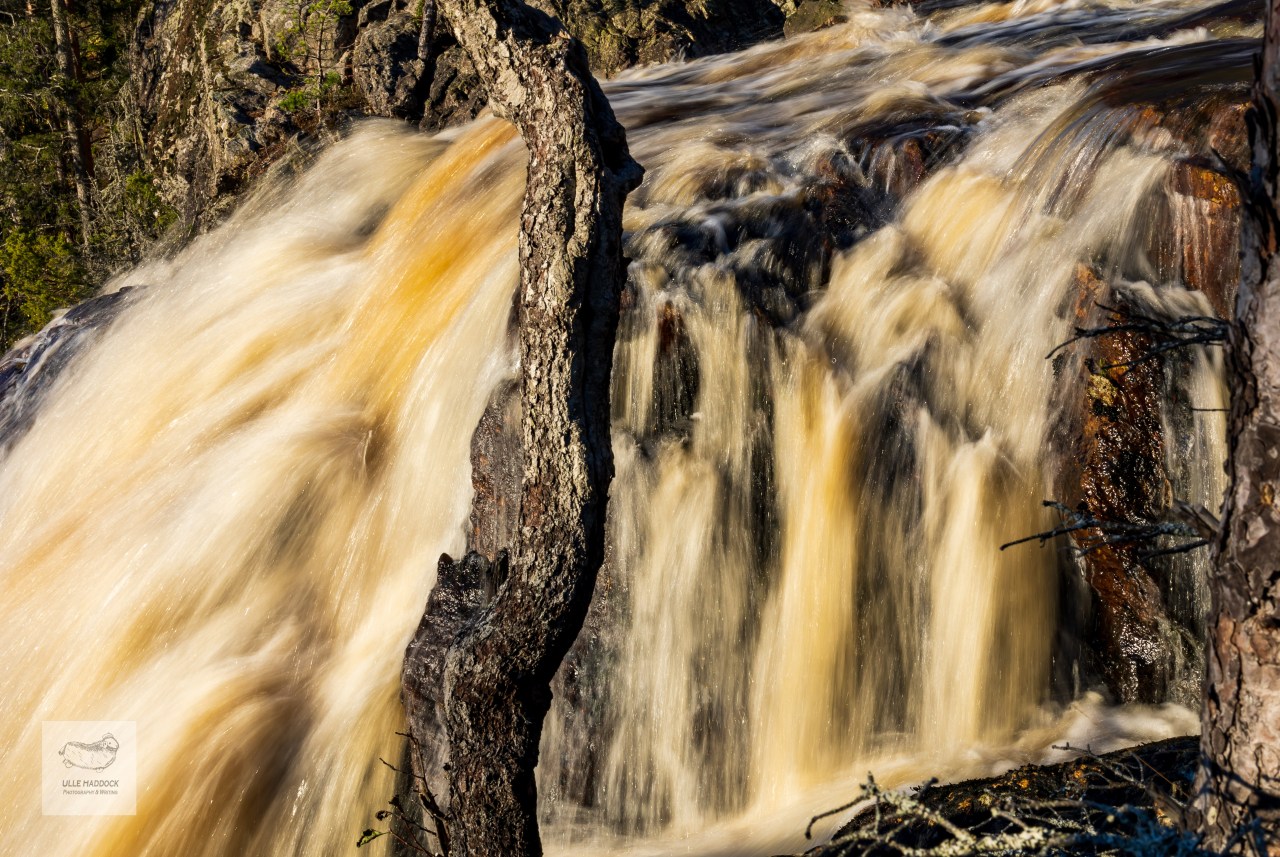
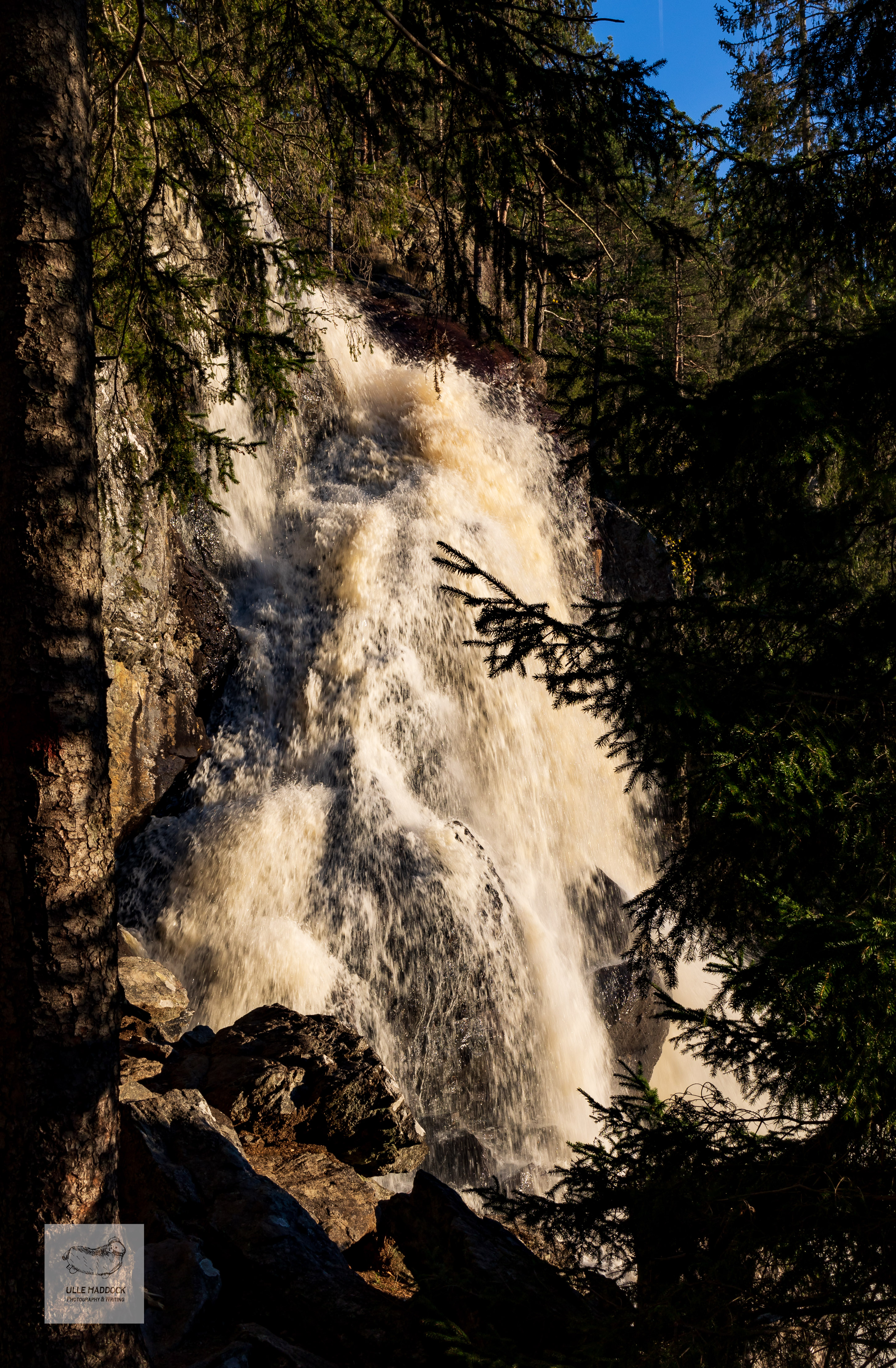
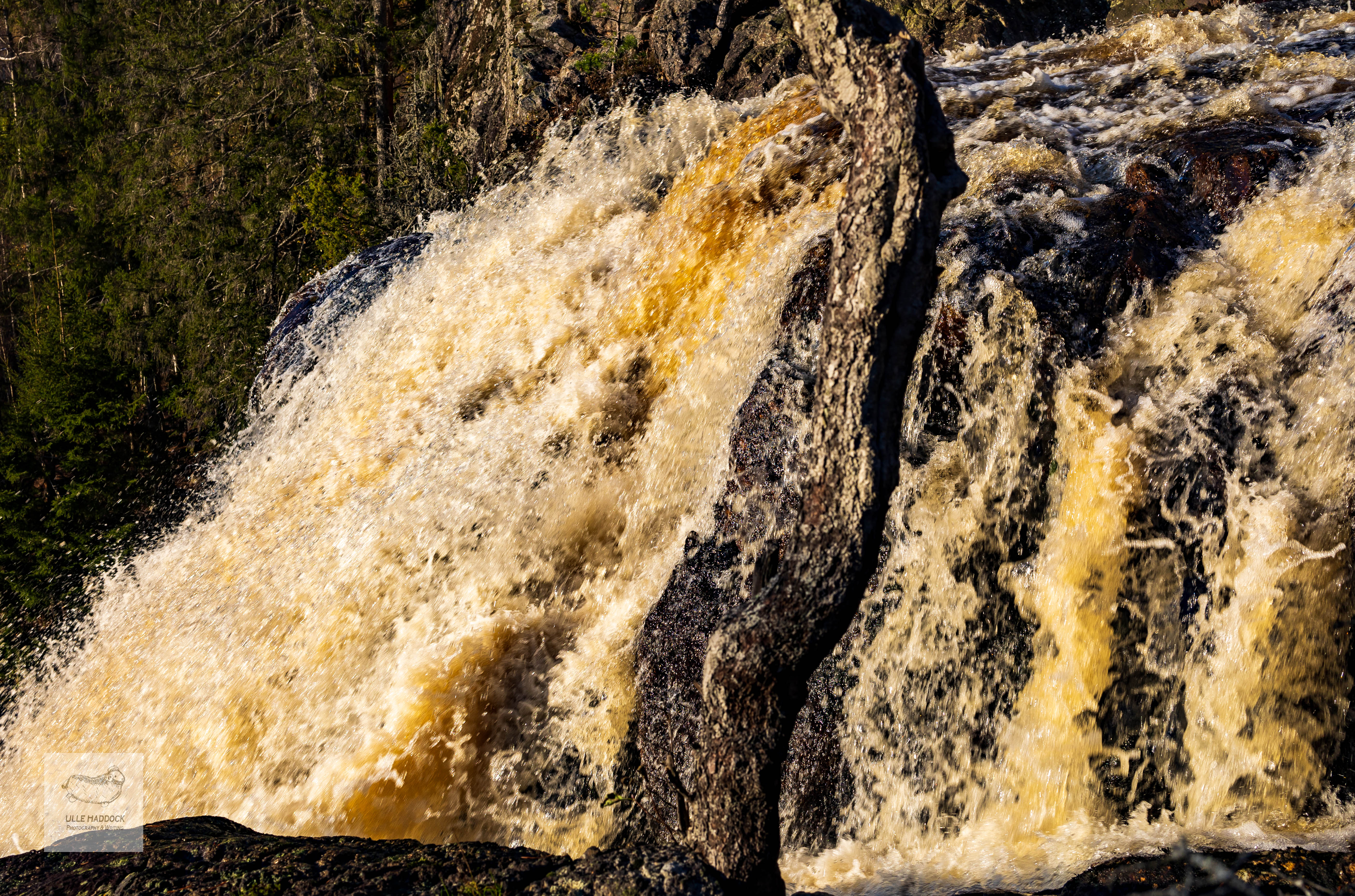
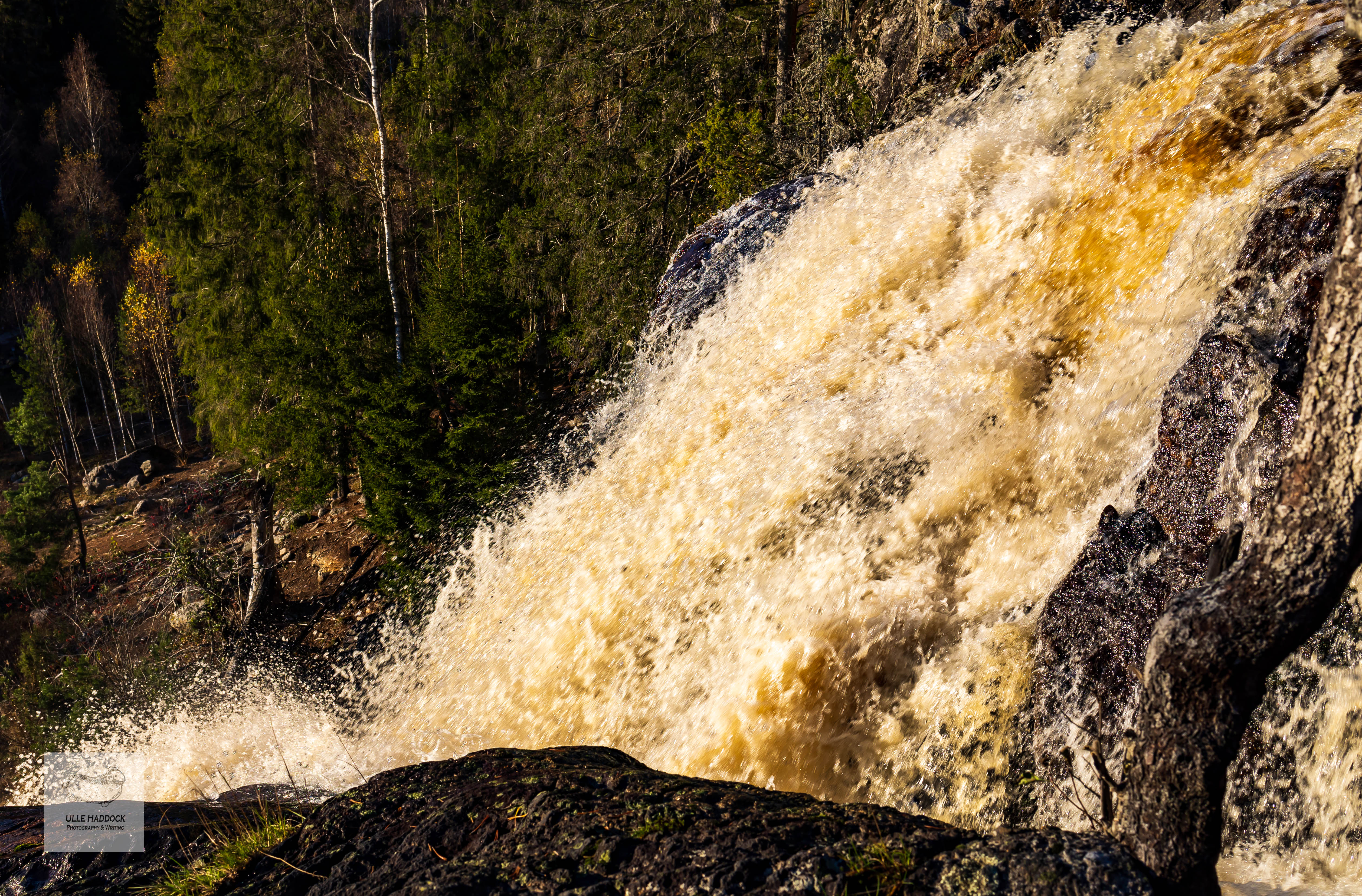
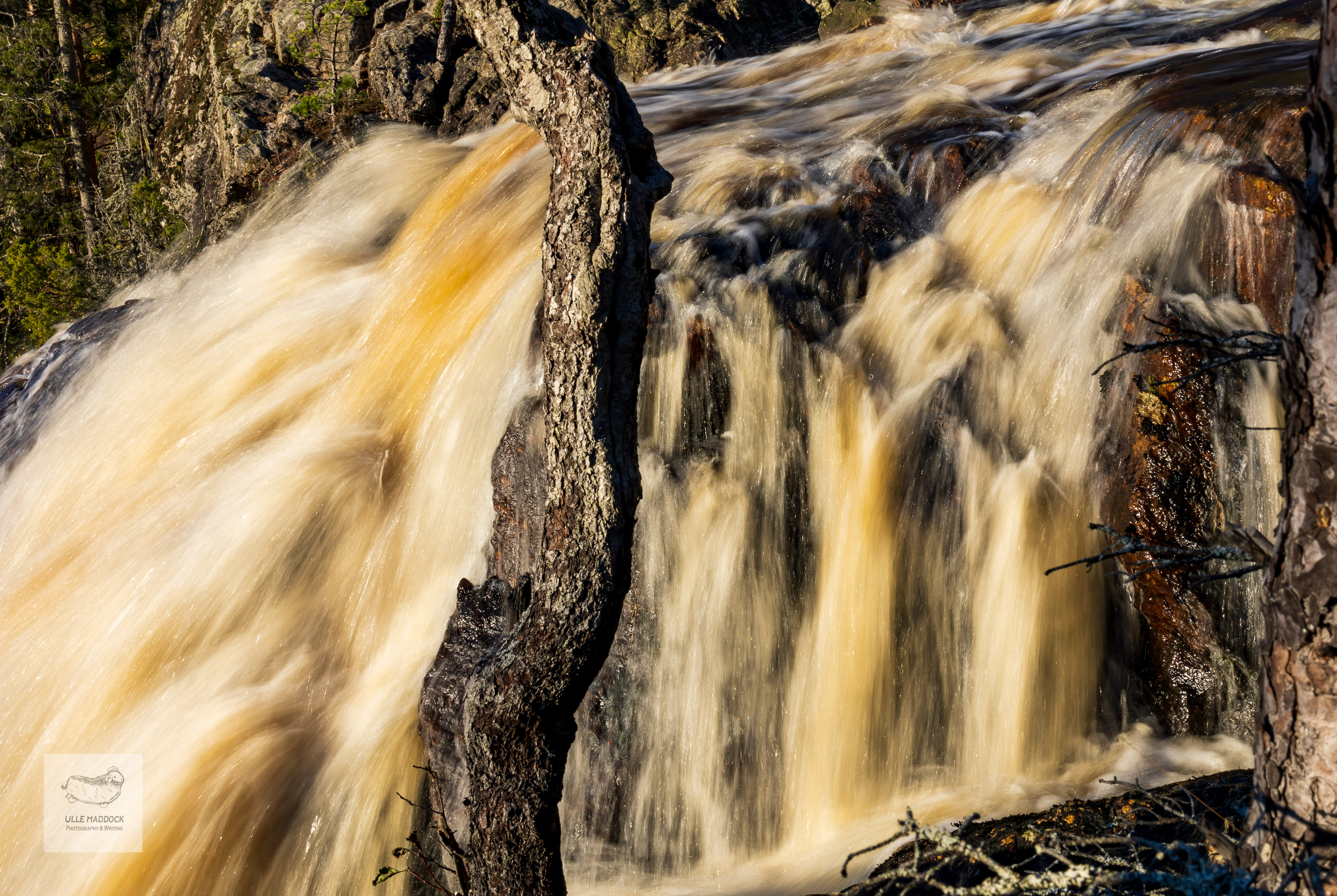
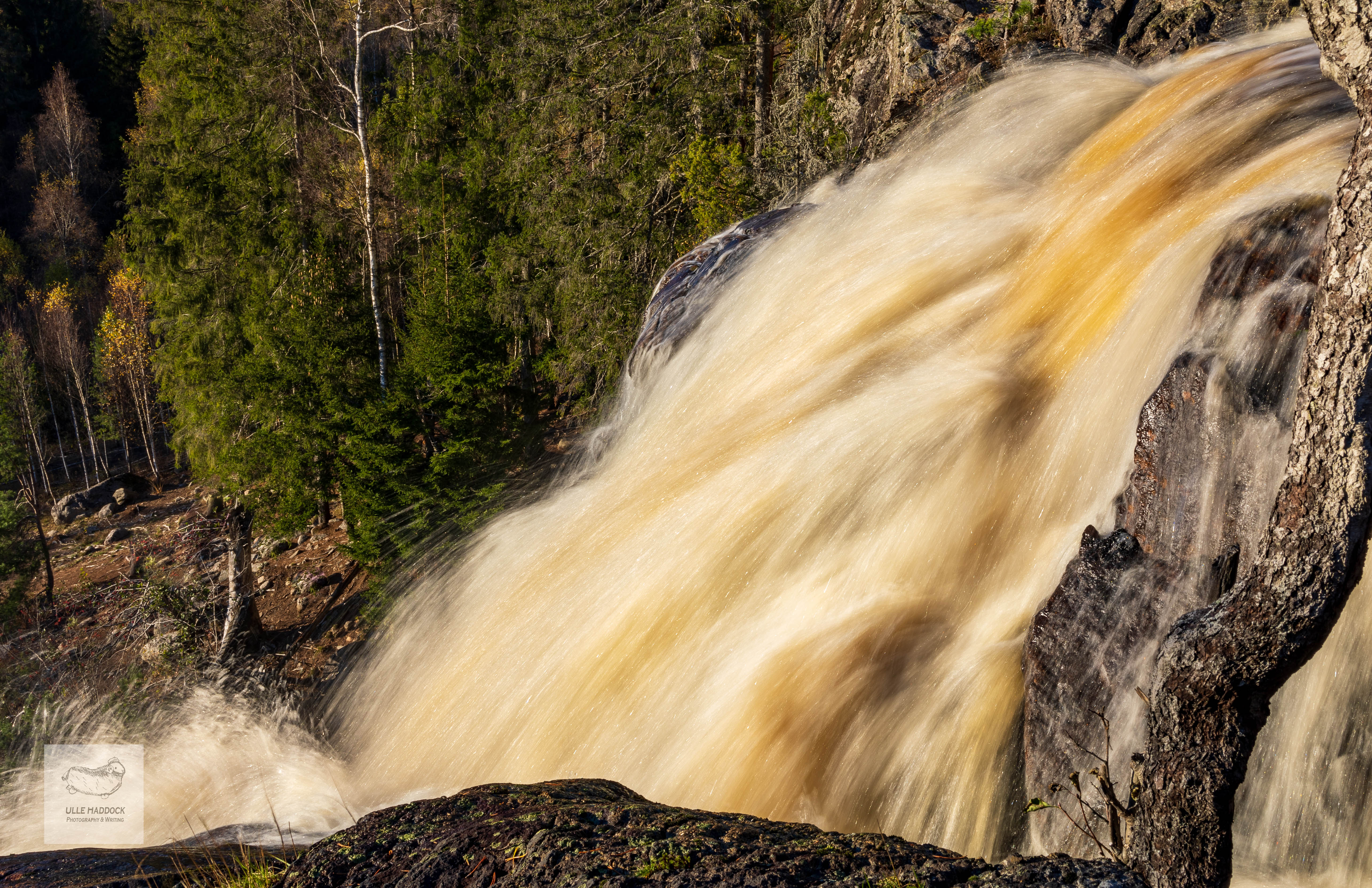
The power of nature becomes evident in a waterfall. The roaring mixes with rippling sound as the water goes over the edge. You can smell the moisture that fills the air all around, feel it in your face. The fascinating swirling of water drops as they are tossed up and falling back on the way down.

I took these pictures on my Sunday trip to Älgafallet, or Elgåfossen that is its Norwegian name. Translates to “Fall of the Moose”. The border between Norway and Sweden is in the middle of the river and the 46 meter drop waterfall. So, yes I was abroad for the first time since Covid. I’ve been working with different shutter speeds to try and capture the force of the water.

Remember we spend our first nine months in water, be careful with it. Ha de Gött!

Advertisements

Lobster

Lobster

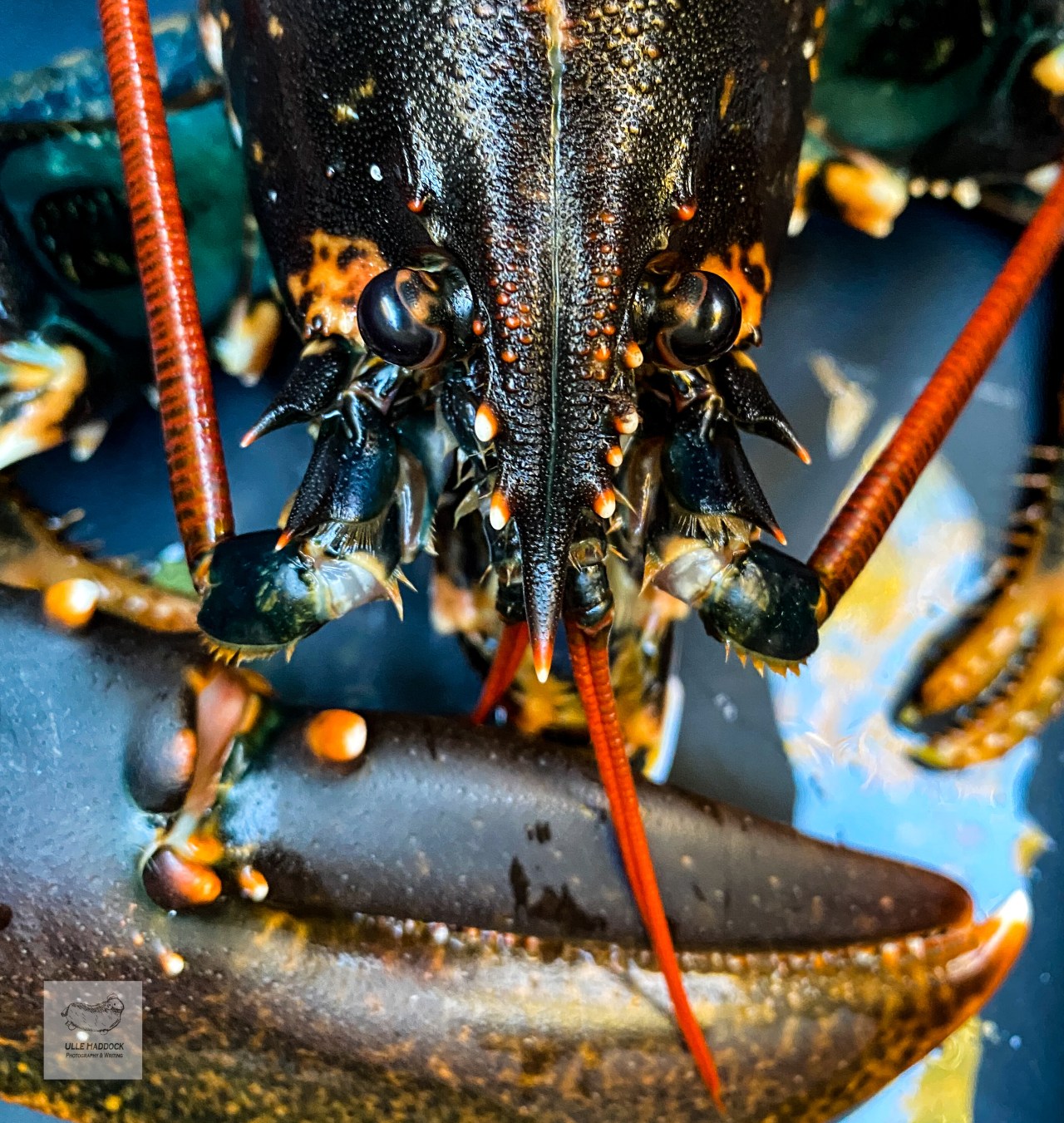
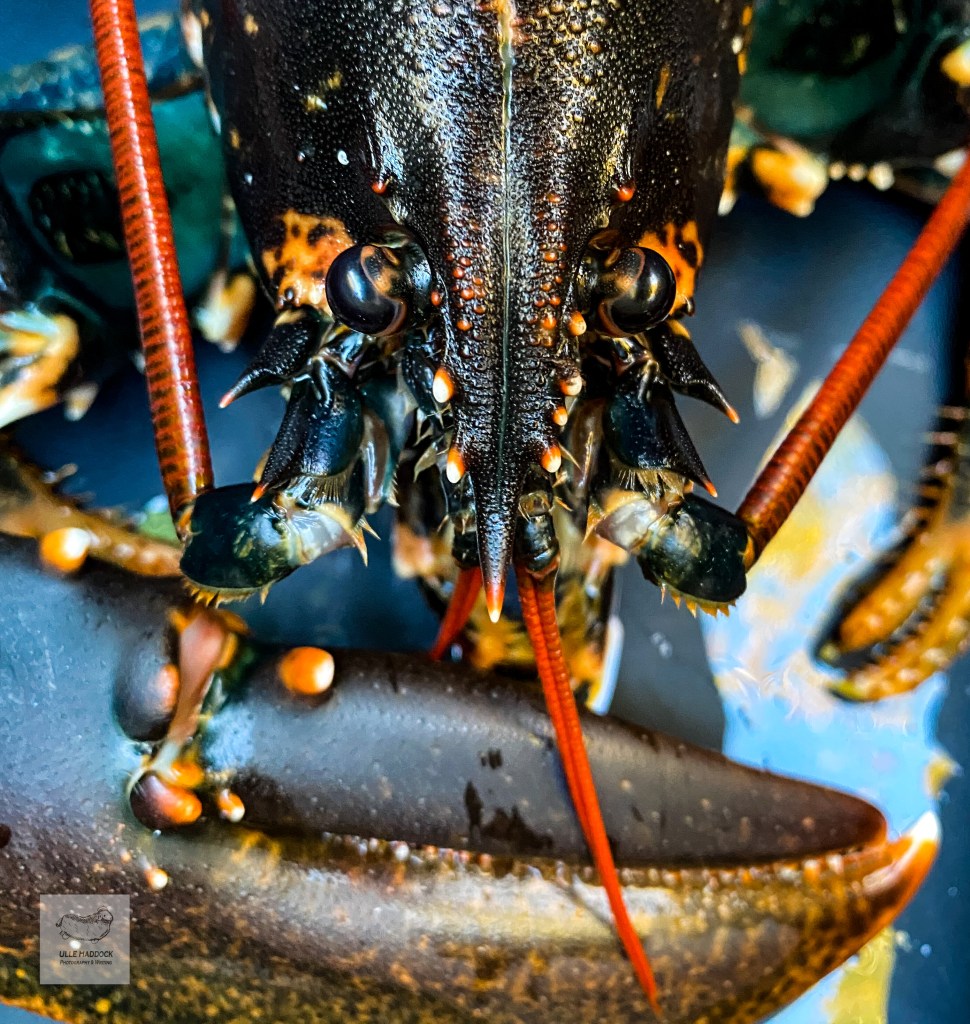
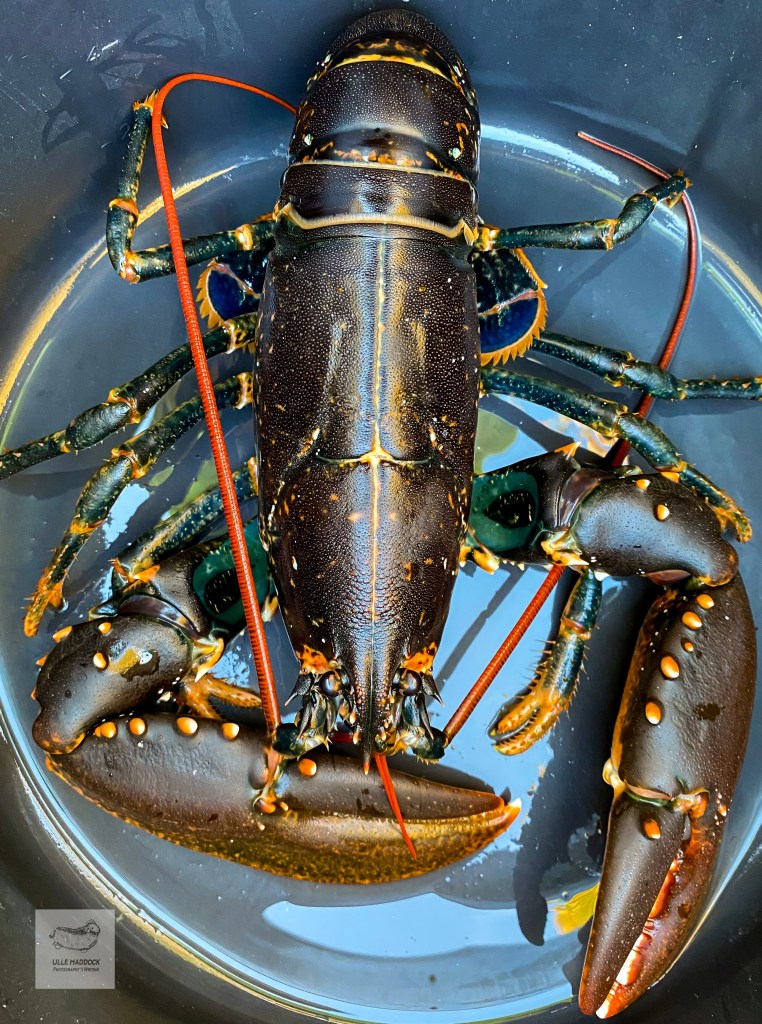
At exactly seven o’clock the first Monday in September after the 20:th, a splashing sound symphony starts. In the first light of dawn the small boats circling each other to get the best positioning. Cheerful morning greetings are passed by those with the best spots. Grunting replies by those that just drifted a bit too far out of course. With a splash the cage goes in the water. The skill is to gently drag the cage in position on an underwater rock shelf, preferably in front of the lobster nest.

The yearly Lobster fishing season has started. This delicacy from the underwater rocks is on the most wanted list for many recreational fishermen. Yepp, that’s true mostly men. In the past the lobster has been over fished and to keep the population at a viable level there are some restrictions to follow. The shield needs to be at minimum nine centimeters and if a female specimen carries spawn it goes back in the sea. A maximum of six cages per person, that needs to be present in the boat.

The first lobster sold at the fish auction in Göteborg this morning costed 77 000 Swedish Krona, in euros €7 500.

Ha de Gött, we will, got two so far!

Advertisements

Copper Mare

Copper Mare

Another King of Sweden, Karl IX. He was king from 1604 to 1611. The statue has been there since 1904. The humor in Göteborg quickly name it “Kopparmärra”, the copper mare but the horse is in fact a stallion. The statue weighs 6 700 kilos and is 88% copper and 12% tin. Moving in to the picture with speed is one of the characteristic trams. Stay tuned for more of this city landmark.

Quit horsing around, ha de Gött!

Advertisements

City View

City View

Sometimes Forestry Ulle dress in civilian clothes and walk the city streets like a normal person. Last Friday was such an occasion. The city was Göteborg a two hour drive from the meadows of home.

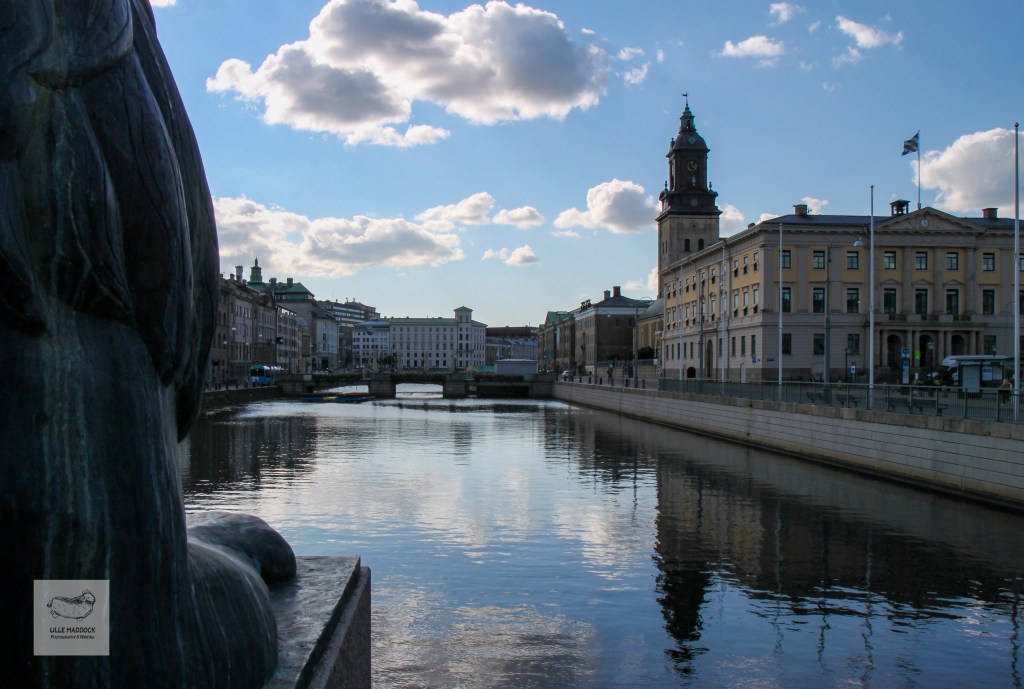
You see “Stora Hamnkanalen” or “Main Harbor Canal” in the photo. City hall with the German Church behind on the right side. If some of my Dutch readers feel at home you’re probably not mistaken. City planners and engineers was hired to build the city and gave it the nickname “Little Amsterdam”. Later during the industrial revolution many British entrepreneurs found their luck here, so the nickname changed to “Little London” and that remains still today.

The city was founded in 1621 by the Swedish king Gustav II Adolf. With its strategic position as a wedge to the west and the North Sea between Norway and Denmark, it was built as a fortress. Surrounded by high walls and canals in a marshland with the river Göta Älv on one side. From there ships could unload goods to smaller boats that then was rowed in to the Hamnkanal.

You can often hear my catch phrase “ha de gött” in Göteborg when people leave a shop or a tram. Stay tuned for more pictures, ha de Gött!

Advertisements

Midsummer Eve

Midsummer Eve

Midsummer eve full of mystery

Midsummer eve pale night light

Midsummer eve flowers and bees

Midsummer eve family and friends

Midsummer eve herring and snaps

Midsummer eve children dance around

Midsummer eve stay up all night

Midsummer eve family and friends

The midsummer celebration is as special to us Swedes as others countries national day. I described this in last years midsummer blog post. Find it here. Ha de Gött!

Advertisements

Havstenssund

Havstenssund

I promised a while back to share a slide show from Havstenssund in Bohuslän, Sweden. A bit overdue here it is.

Havstenssund is a small community with only 150 inhabitants situated on the north tip of a peninsula, Tanumsnäs. It was first mentioned by the Norwegian King Sverre Sigurdsson in 1196. In the summertime the population tenfold and through the narrow strait a multitude of boats passes. Enjoy and ha de Gött!

Advertisements

Gullbringa

Gullbringa

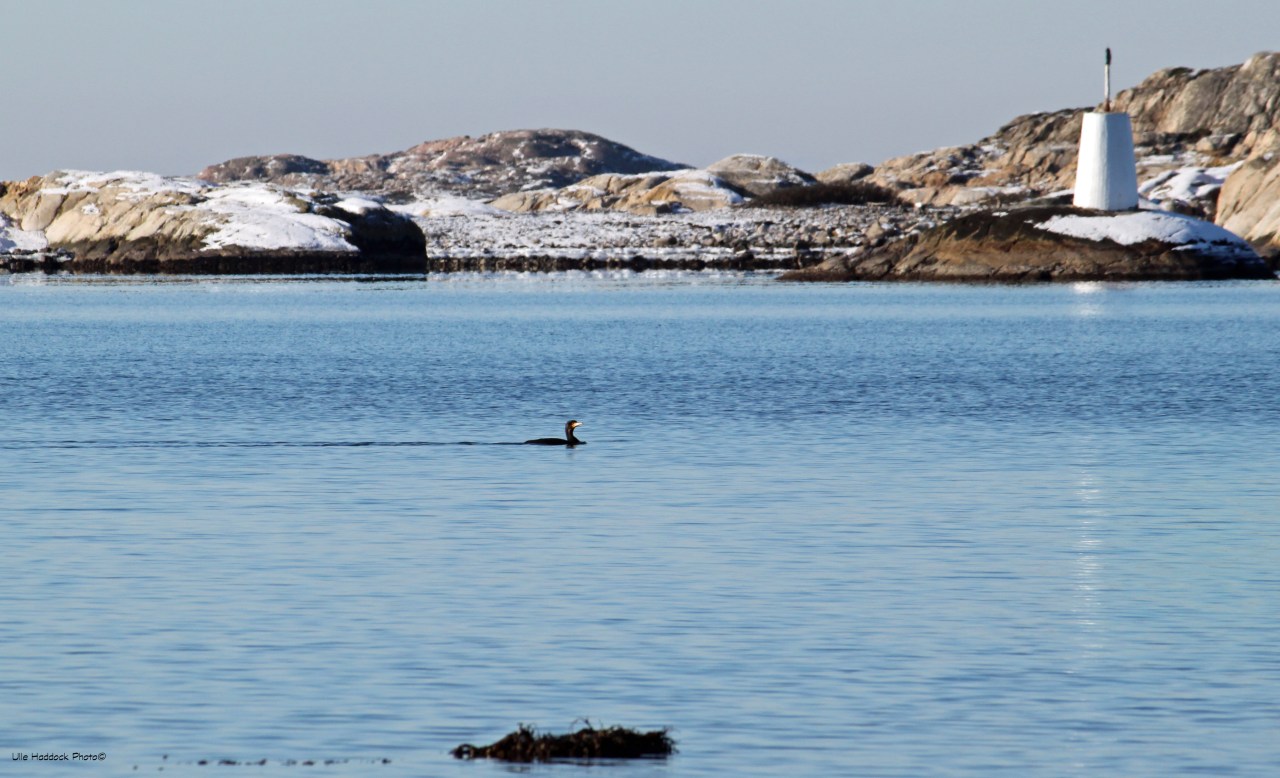
Last weekend offered a perfect winter weather for photography. -3°C and and almost no wind. The sun was shining from a clear blue sky. Even if I promised my wife not to climb any mountains I went over the hills. From there overseeing the ocean where I, in the clear sky, could see the Norwegian mountain tops. There was a thin layer of snow on the island cliffs making a perfect contrast to the blue ocean and sky. The high salt content and the currents keeps the water open even if has been cold for several weeks.

I came down on the other side of the hill in the small village Gullbringa. Typical for those small villages where the houses are squeezed between the rocks. Remains of quarrying, read more in a previous post, and fishing. Now taken over by summerhouses making it almost empty during winter. I made a slide show with music composed and performed by my son.

Hope you like, subscribe (also to my new Youtube channel) and comment. Ha de Gött!

Advertisements

Scandinavian

Scandinavian

Are you finished, the waiter asked. He looked up with a surprised expression. No, I’m Swedish, he said. The waitress frowned and looked at him like he was a UFO. Turned on her heals, slapped the cloth, and walked away with a grunt. He looked at his dinner date with a face like a question mark. Why did she ask if I’m from Finland, he asked. His dinner date started to laugh. In fact she laugh so loud and intense that the whole restaurant stopped eating and stared at her.

Photo by Ulle Haddock©

Now people started to feel a bit uncomfortable and he just wanted to sink through the floor. Finally his native English speaking date calm down and could explain the misunderstanding. She signed to the waitress. Also she giggled when the language mistake was cleared and she could clean of the table. With a big smile she asked if they would like some Danish for desert.

Have you any fun story to share when you tried to overcome the language barrier? Please comment, like and subscribe. Ha de Gött!

Advertisements

The Windmill

The Windmill

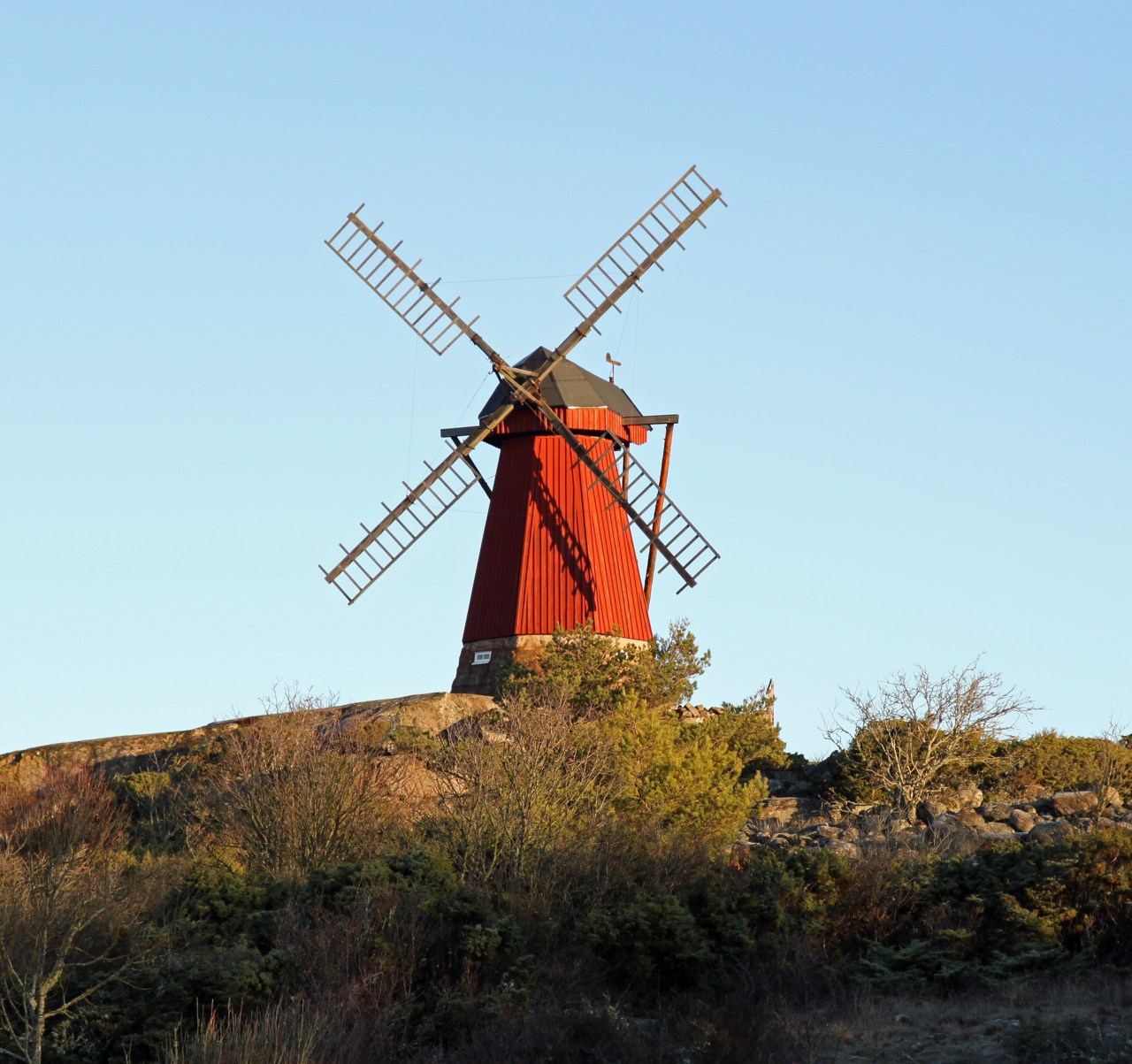
The wind started to pick up. He looked at the clouds. The sun was breaking through as the clouds sailed past in the sky. Yes, this was going to be a busy day. As he walked up the hill he could see them coming. The carriages with grain filled jute sacks. Some had horses but mostly oxen. Even some carrying a sack on their back. As he approached the windmill there was already a line waiting.

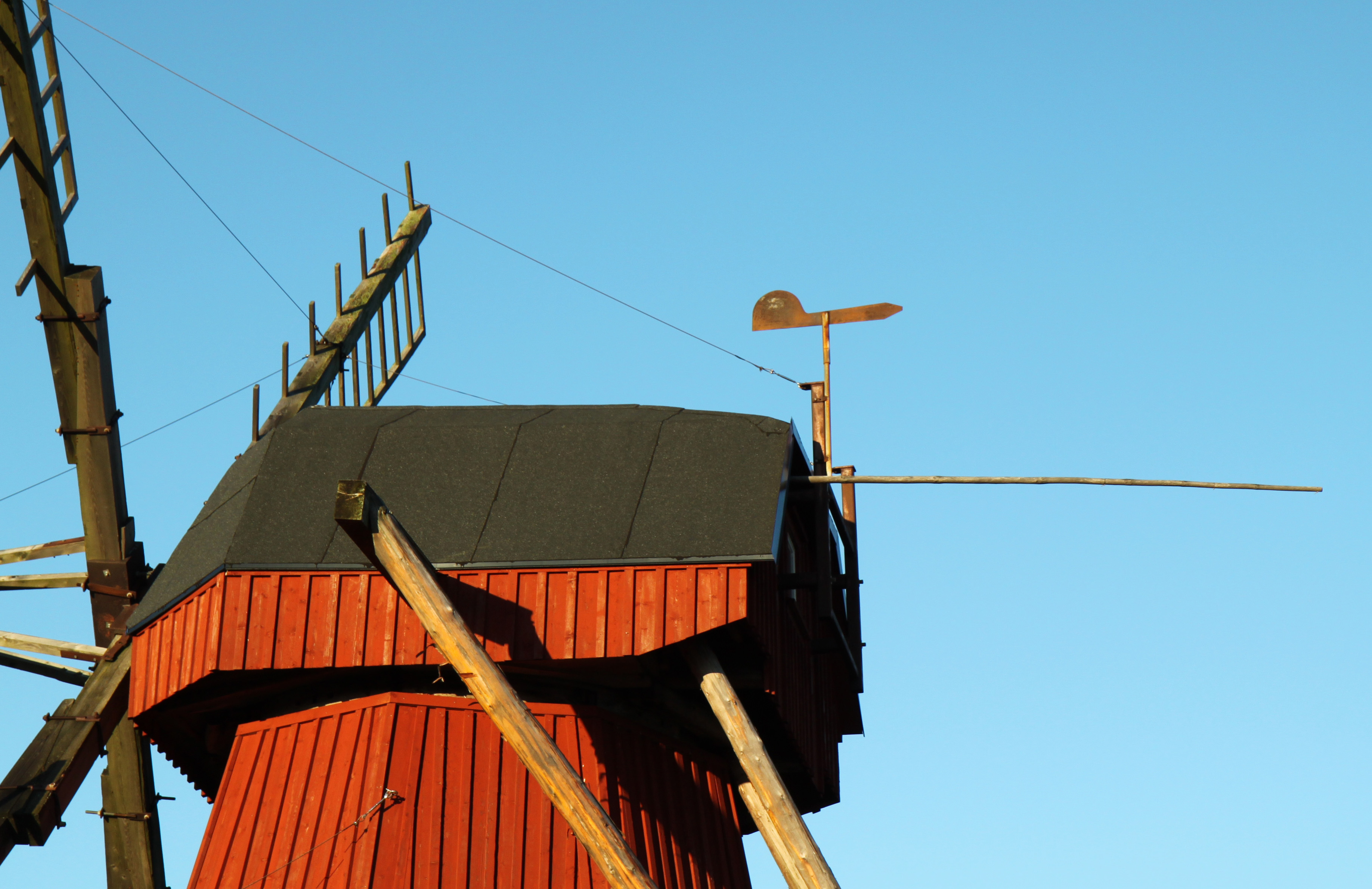
He put in a big portion of snuff* under his lip making him showing his brown colored front teeth. He started to give orders to the farmers waiting in line to set the smock in place. On this windmill the entire top was turned to get the wings in the perfect position to catch the wind. Once in place he anchored it down and let the sail cloth out on the wings.

Now the wind picked up even more so he let the first farmer carry the sacks in to the mill. The mill had two parallel mill wheels so he could grind two types at the same time or just make it faster. After oiling all the shafts he released the breaks and the wings slowly started to turn. Today was good wind so they had to work hard to fill the grinders with grain and replace the filled sacks with ready made flour.

Advertisements

The windmill of Ulseröd is just a few kilometres from my home. It was built in 1900 and was in operation until 1939. During this period new technology made it possible for the farmers to do their own milling. This together with the urbanization made the windmills obsolete.

The windmill of Ulseröd was saved from decay by Tanum Local Folklore Society and Havstenssund Community Association. A major renovation took place in 2013 to 2016. Basically a bunch 70 and 80 year old men were climbing the the wings to replace the wood, windows and paint. Find out more here (in Swedish). In my opinion, heroes saving this piece of history for the future. Well done.

*I think I need to explain as I understand the word can mean something else in English also. I refer to the special Swedish use of fine grind and wet tobacco that some put under the lip. Like chewing tobacco but it just sits there.

Hope you like, subscribe and comment. Ha de Gött!

Advertisements