Archive for ‘History’

Skerry got a name

Skerry got a name

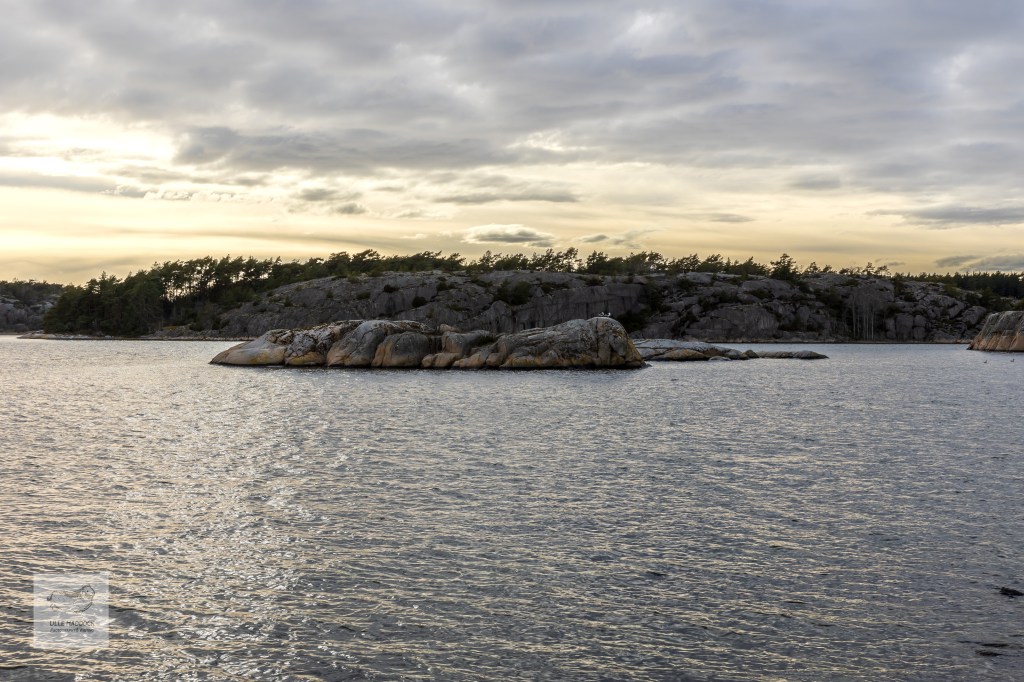
A few days ago I wrote about this skerry without a name. Can’t have that my Mother-in-law said. After some digging in the local history books she found a name reference in connection with a rather sad story. The name is Hällbergsskäret. The name comes from a poor family with the name Hällberg that lived in a small cottage on the beach close to the spot where I took the picture.

In 1895 two orphans, a brother 18 years old and a younger sister 13 years old embarked on a voyage in a small row boat from Kalvö to Lammö. With only a 100 meters left to row go the boat sunk and the two youngsters drowned. The reason why the boat sunk is not mentioned. The distance between the two islands is just a little more than one kilometer.

Even the smallest places has a history, ha de Gött!

Advertisements

Gullbringa

Gullbringa

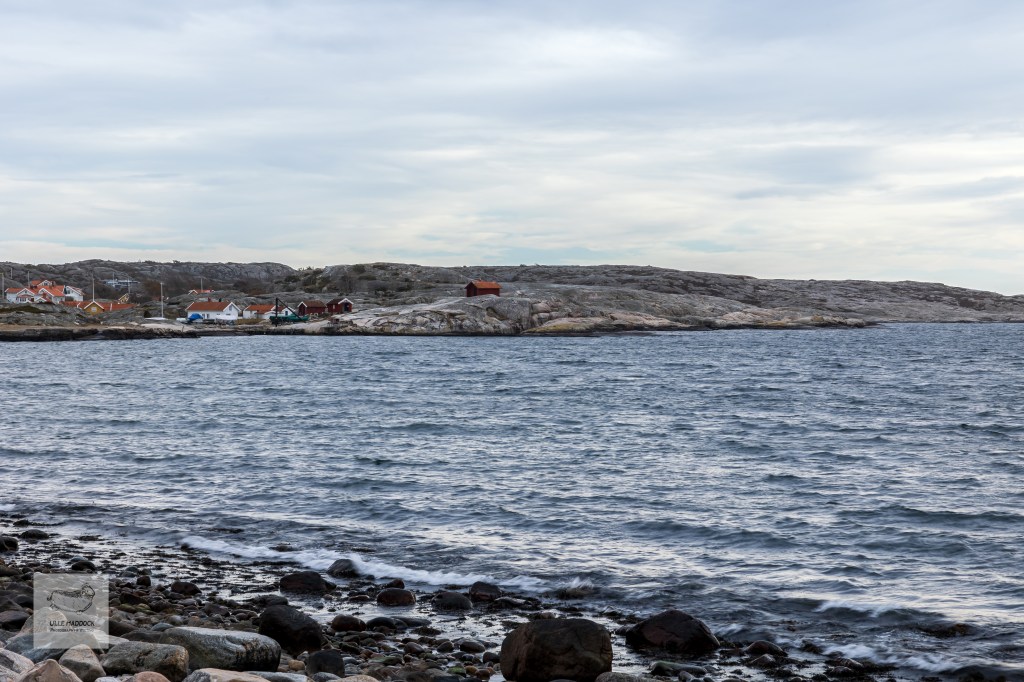
The small village Gullbringa, tucked in behind the rocks. In the past all houses was placed so that it was sheltered from the winds. Specially the north and the west winds. This made easier to keep the warmth in the houses. In the past all wood was used to cook fish-oil during the herring periods.

Herring usually lives far out in the oceans but in periods, between 10 to 20 years, the shoals move close to the coast. This made it possible to capture huge amounts of herring even with smaller boats. Result was a economic boost to the area. The challenge was the almost 100 years between when people needed to find other income sources.

Nothing lasts forever, ha de Gött!

Advertisements

Ulseröd Windmill

Ulseröd Windmill

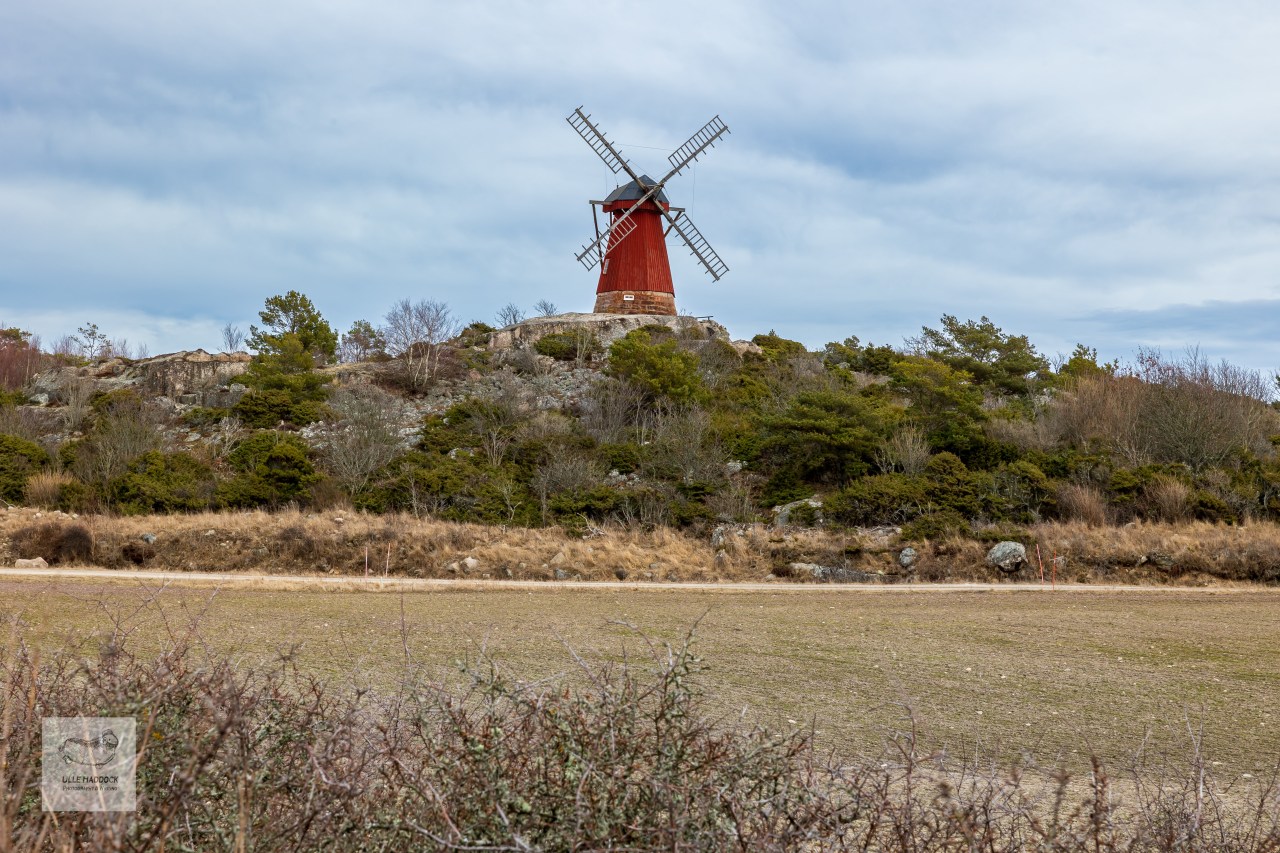
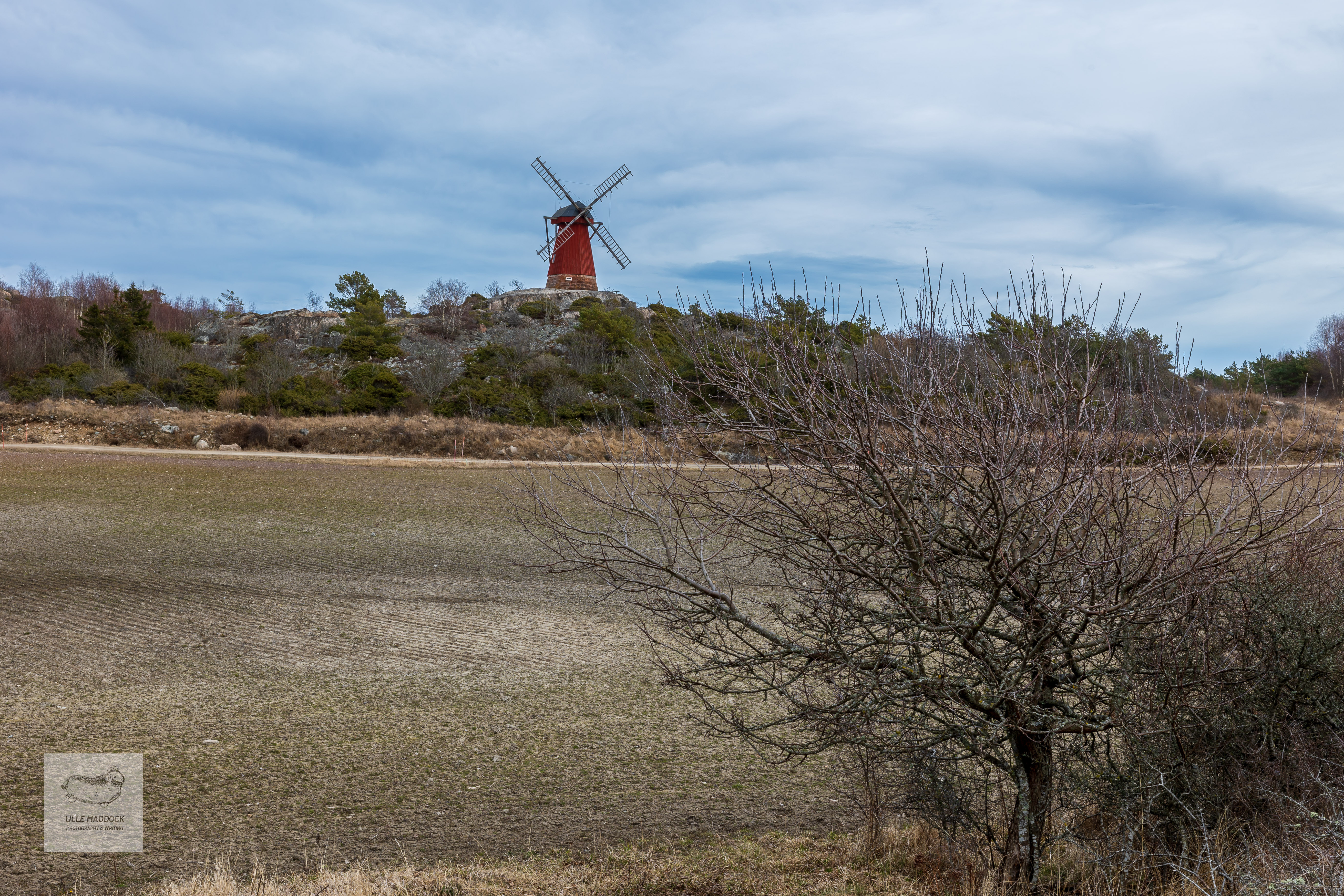
The windmill of Ulseröd, just outside Havstenssund, was built in 1900 and was in operation until 1939. During this period new technology made it possible for the farmers to mill their grain in small electrical mills. This together with the urbanization made the windmills obsolete.

The windmill of Ulseröd was saved from decay by Tanum Local Folklore Society and Havstenssund Community Association. A major renovation took place in 2013 to 2016. The windmill wings were rebuilt, the facade wood replaced and painted red, windows replaced. Find out more here (in Swedish). In my opinion, by volunteer heroes saving this piece of history for the future.

The windmill type is a smock mill, also called Dutch type. The top, or the smock cap, can be turned by the windmill operator to capture optimum wind. It’s an old well tested design that already Leonardo da Vinci made a sketch for. Special feature of Ulseröd windmill is the two parallel milling stations. Check out the fictional story I wrote a year ago about the windmill here. Stay tuned for interior pictures.

Against the wind is power, ha de Gött!

Advertisements

Fattighusån

Fattighusån

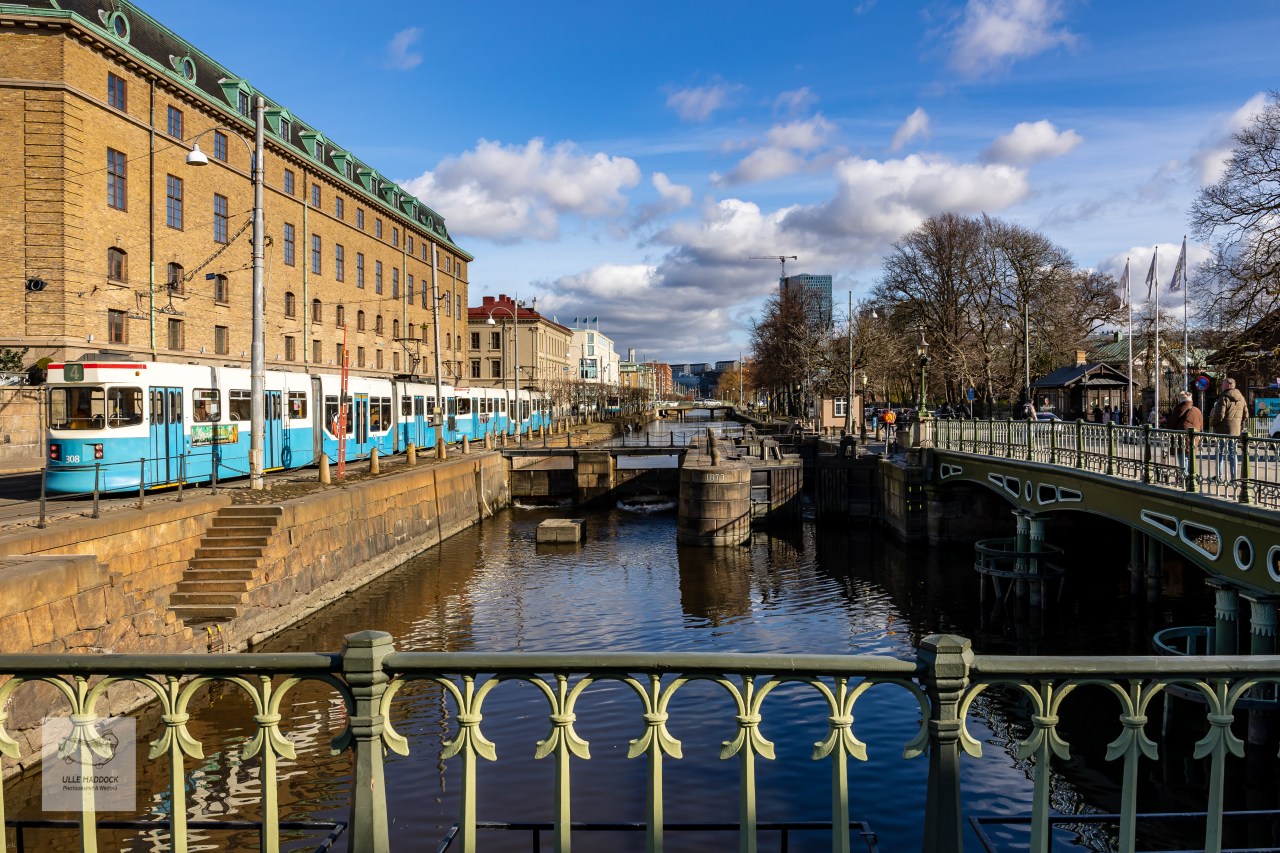
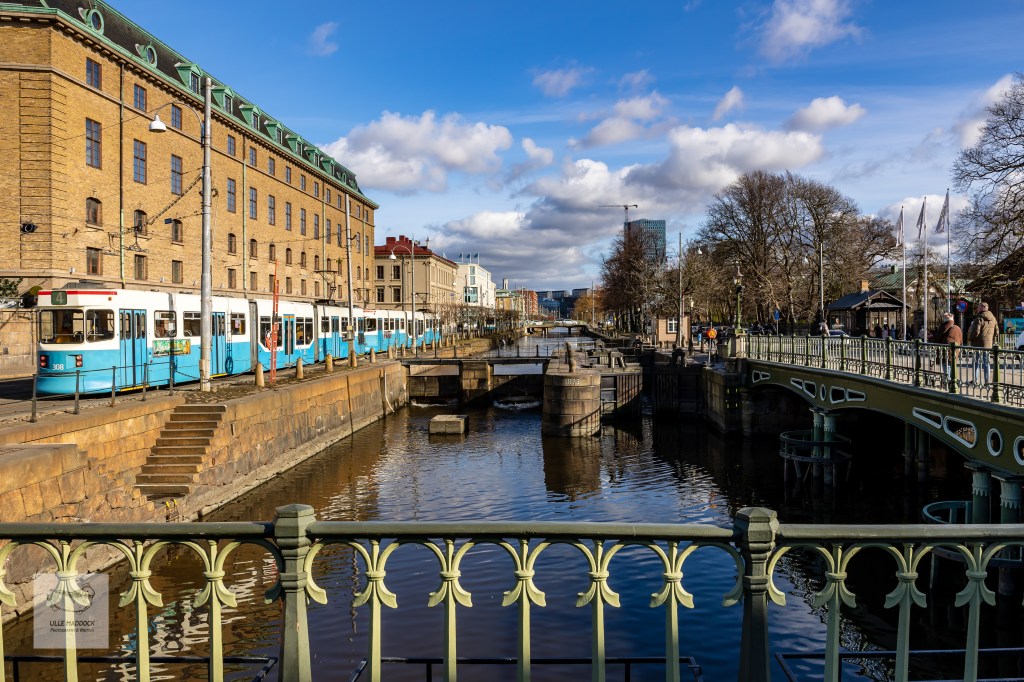
Picture from a busy Saturday in Göteborg with tram congestion in front of the old central post office. Straight ahead is ‘Slussen’, the lock for the canal ‘Fattighusån’. At the end in line with the high rise 900 meters away lies the building that named this canal, ‘Fattighuset’, the Alms-House. The canal has a name that implies that is a small river, ‘ån’ in Swedish. Why this name? Guess it’s an evidence of the humor in Göteborg.

The work started in 1620 but the king stopped the work due to lack of money. I wish a certain ruler of today will run out of money fast. The work was re-started in 1639 and finished in 1641. Connecting the Main Harbor Canal with the small river ‘Möndalsån’ became very important for the trade and development of the city.

As they say in Göteborg, ha de Gött!

Advertisements
Rusty

Rusty

Rusty ball-bearing in dire need of some lubrication.

Leonardo Da Vinci is by some named the inventor of the ball bearing but the already the Romans used wooden ball bearings. The first modern ball bearing was patented by Philip Vaughan, a Welsh inventor, in 1794.

Sven Wingquist, a Swedish inventor invented a self-aligning ball bearing in 1907. This revolutionary invention became the foundation for one of Sweden’s most successful international companies, SKF. SKF stands for Svenska Kullager Fabriken, simply Swedish Ball Bearing Factory.

My first two and half years I lived across the street from the huge factory with its fasade of red clay bricks. Now a trip to Gamlestaden in Göteborg must be planned for some photos.

Aim for a smooth ride, ha de Gött!

Advertisements

Little Docklands

Little Docklands

Göteborg has a nickname, Little London. This stems from the era with large shipyards and industrialization during the 1800. The trade over the North Sea has always been intense and many British businessmen and craftsmen saw opportunities in Göteborg. English was as common as Swedish in the streets. Chalmers University of Technology is one of the institutions founded by a British businessman.

The picture is taken at Lindholmen where Chalmers has one of its campus. The water in the picture is the dry dock (not so dry now) from the shipyard. Like Docklands in London the area is transformed to a modern business area with skyscrapers, hotels and smart dressed business people. Chalmers Campus creates a hightech hub and you will find many well known international companies here. Just note the white autonomous drive cars parked to left in the picture.

The tower being built in the background is the Karla Tower. When it’s ready in 2024 it will be 245 meters high, highest building in Sweden. The building tempo adds one floor per week.

Try to rise above, ha de Gött!

Advertisements
Cranes

Cranes

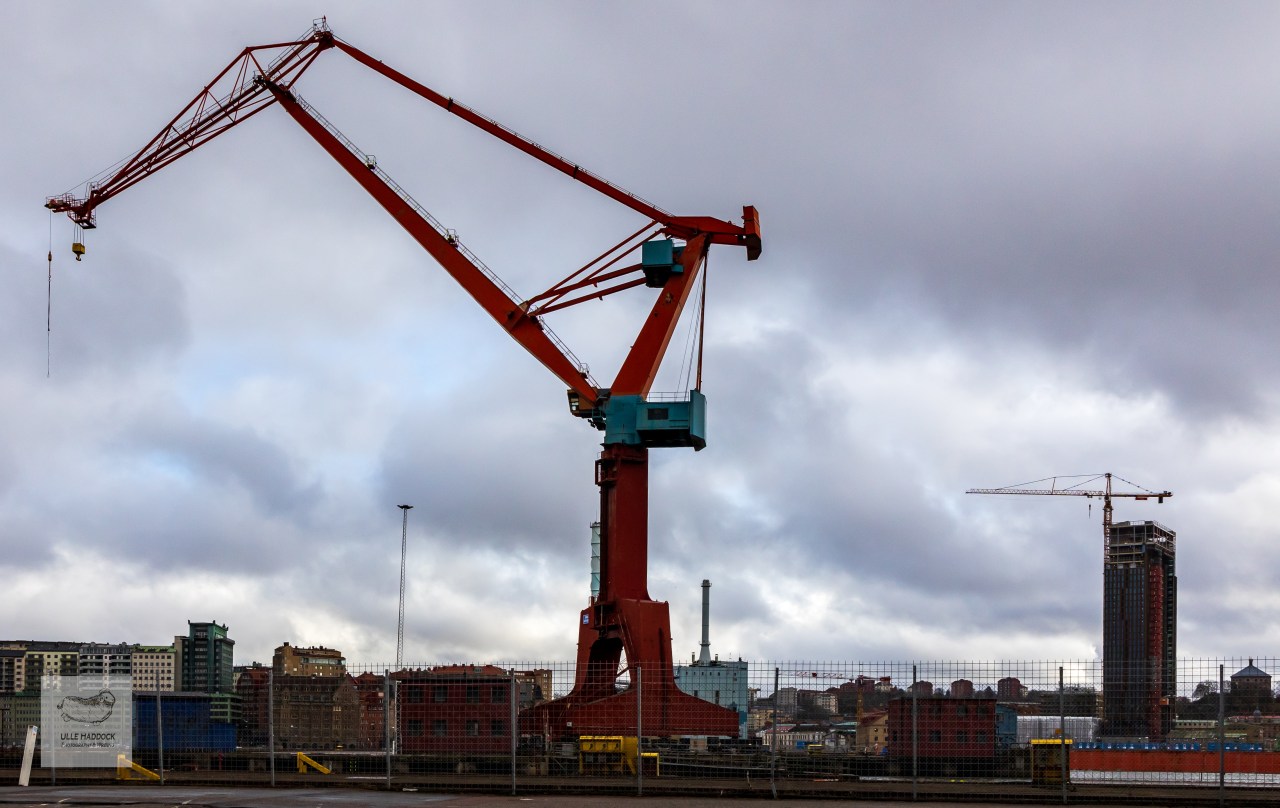
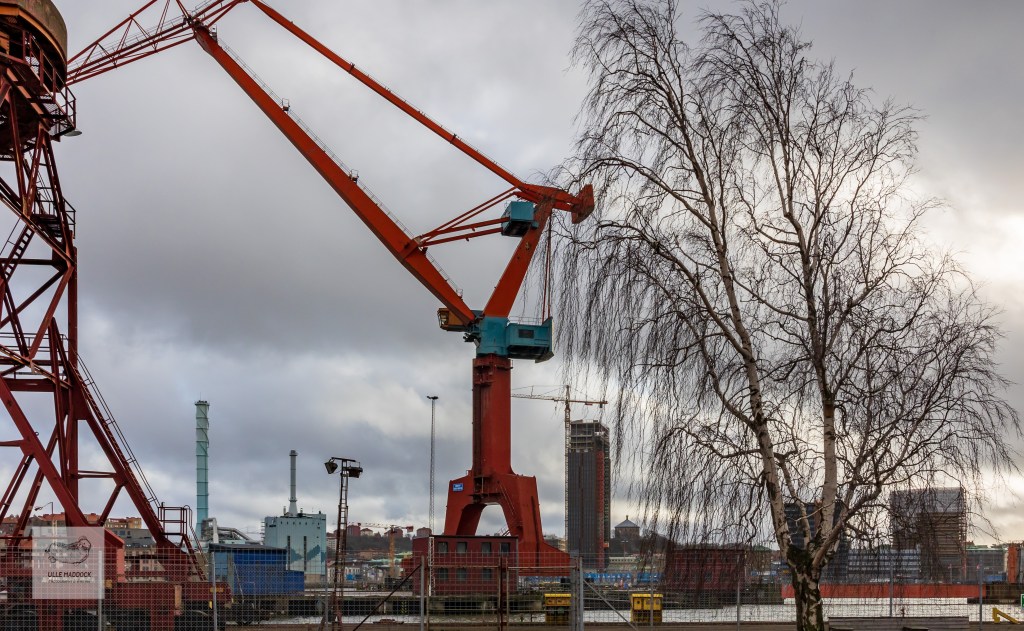
A city is in constant change. The old cranes in the old shipyard was, and still is, a symbol of progress and pride. It put Göteborg on the international map as a place of advanced engineering and craftsmanship. In the background the modern cranes building skyscrapers. They manifests confidence and trust in the future. Not bad for an old fortress town built in a swamp.

I had the opportunity for a photo session in Göteborg today between the rain showers. As I live in the country side, city photography is not a skill I get to explore much. The old cranes from the shipyard Götaverken is one of the things I long wished to photograph. I write about my connection to Göteborg in an older post you can find here.

Impossible is a question of will, ha de Gött!

Advertisements
Fortress

Fortress

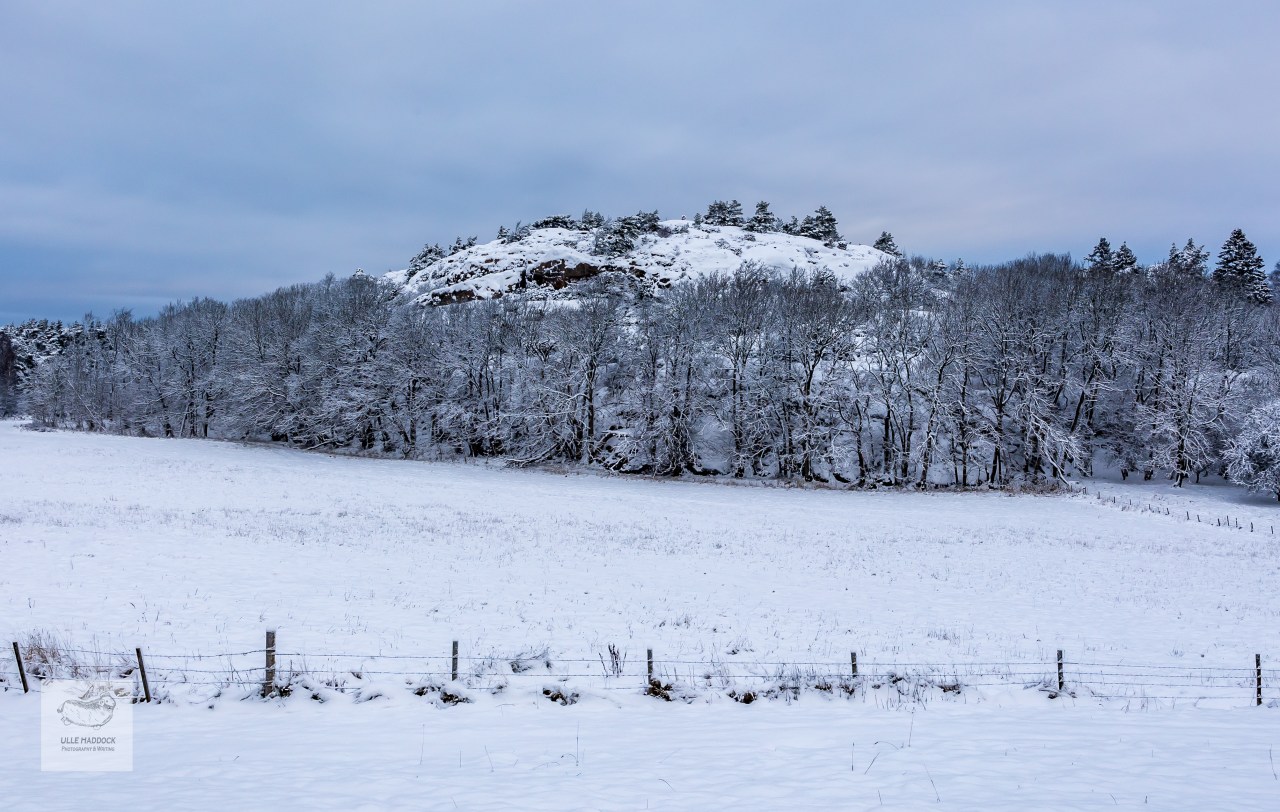
It is called the Queens Mountain, Drottningberget in Swedish, and it is an ancient fortress. More accurate a hill-fort. The natural form of the rock is what create the attributes of a fortress. There is very little man made constructions made. The height and the flat plateau on the top together with the availability of water made it perfect to stand ground. I have no idea where the royal name come from but maybe there was a female ruler in the settlement.

44 meter up surrounded by steep cliffs it was an easy place to defend by simply throwing stones in the head of the attacking enemy. I wonder if this is why the soldiers helmet was invented, still used today. There is only two ways up without any climbing gear, trust me I’ve tried. Here you can see some remains of walls and collected throw size stones. With the sea level a few meters higher up it was most likely attackers came from the sea.

Keep it simple, ha de Gött!

Advertisements

Greby Grave Field

Greby Grave Field

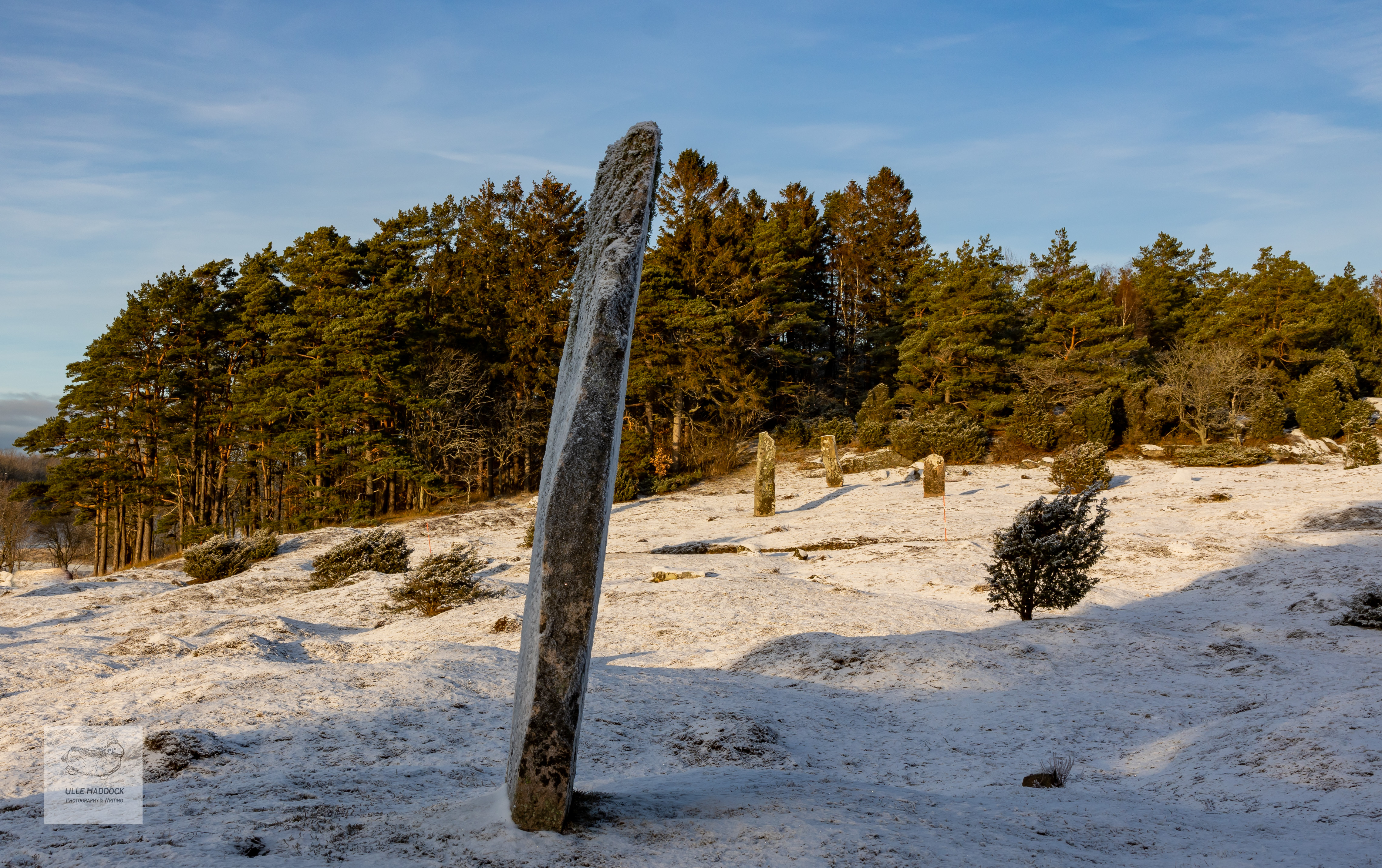
Outside the small town Grebbestad lays the Greby grave field. Even if it’s unique for this area there is not much known. There are around 200 graves that dates back to Iron age, year 200 – 600. Many of the burial mounds have large stones at the top. Very few excavations has been done but in 1873 historian Oscar Montelius examined ten of the burial mounds.

He found in almost all graves an urn with burned bones often with some small objects like a bone comb or glas beads. Ceramic vessels with an ear and a glass bead molded in the bottom. This type of pottery has been found in England and Germany. This suggest that this burial site was connected to a trading place.

There is an interesting legend that was told to one of the disciples of Carl von Linné, Pehr Kalm who visited in 1742. According to this fishermen from Scotland visited the area during the herring periods. Legend has that a Scottish army invaded and raided all the way to Bullaren 25 kilometres inland. A local army defeated them in two battles where the final one stod at Greby. None of the Scotts made it home and their remains was buried here. There is however no evidence found for this.

Come in peace, get home in one piece, ha de Gött!

Advertisements

Merry Julblot

Merry Julblot

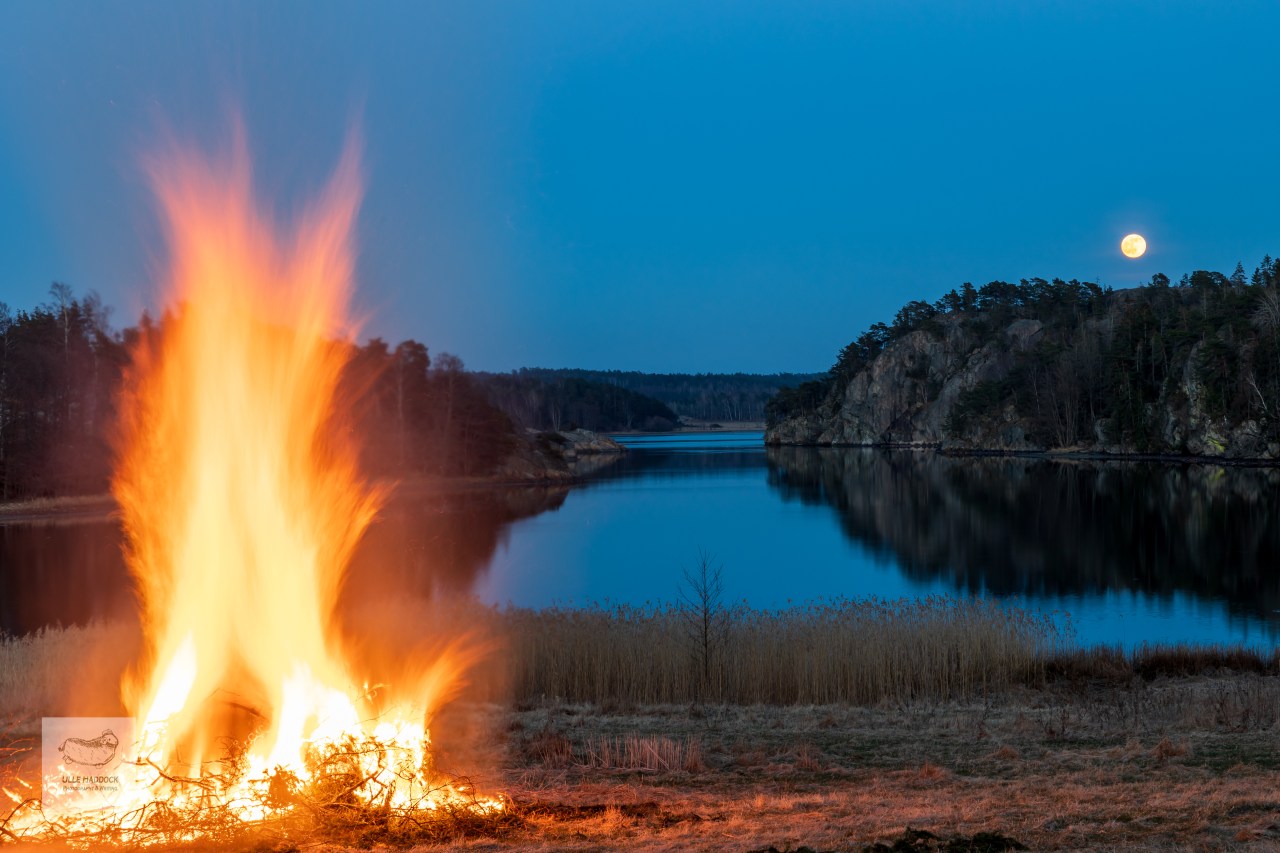
Christmas is upon us with all its traditions. Even if we think it’s the same every year there is change. Maybe not so fast but it’s there. In English it’s called Christmas referring to the celebration of the birth of Gods son. Makes sense but I wonder if Christmas has been taken hostage by the commercial forces and if that is not the new religion. It is not the first time a new religion builds on, and take over old traditions.

Thousand years ago the pagan Viking’s celebrated Yule blot to honor Odin, the All Father. There is som debate among the historians if this twelve day festival was celebrated at the same time as Christmas or in mid January. It is also referred to as ‘midwinter blot’. Some say that it was first celebrated in mid January and moved in the mid 900 by King Håkon I of Norway to fit the Christian celebration. This was done as an effort to convert the Vikings to Christianity by the already converted Håkon.

In Swedish we say ‘Jul’ for Christmas and in old Norse language it was the name for Odin. Odin being the most important God in Nordic mythology. The word ‘blot’ means sacrificing to the Gods. The ceremonies and ritual killings of animals was a blood dripping event. Drinking of fresh raw blood and splashing over the crowd must have been quite a scene. Luckily it was all washed down with lots and lots of mead.

Be traditional, create new traditions, ha de Gött!

Advertisements