Tag Archive for ‘History’

Writing inspired by history.

33 000 Rivets

33 000 Rivets

The 32,5 meter long aqueduct in Håverud is hold together by 33 000 rivets. Manufactured by Bergsunds Mekaniska in Stockholm. Not a single rivet has been replaced since the inauguration in 1868. It is part of Dalslands kanal, Canal of Dalsland that with a serie of locks connects the lakes from the larges lake in Sweden Vänern to Östervallskog in Värmland just one kilometer from the Norwegian border. By digging and blasting through the rock for 12 kilometers and waterway of 240 kilometers was created. With the canal in Trollhättan and the river Göta Älv goods could be transported to the port of Göteborg.

The work was a father and son project led by the brilliant engineers Nils Ericsson and his son Werner Ericsson. With 31 locks in 17 stations they created this blue highway through the deep forests of west Sweden. The jewel in the crown is the passage with the aqueduct and locks that cross the fierce waterfall in Håverud.

Something to reflect upon when looking at today’s climate challenges. Ha de Gött!

Advertisements

True Lover’s Knot

True Lover’s Knot

This unusual looking flower has a beautiful name, True Lover’s Knot but is also called Herb Paris (Paris quadrifolia) and is as one of the names suggests, a herb. In Swedish it’s called ‘Ormbär’ and had a bit of a bad reputation in the old folklore. Growing in the dark forest grove and it’s unusual appearance made people reluctant to touch it. Will give you quite a stomach ache if taken for a blue berry and eaten, more than five, contact a doctor.

Embrace diversity, ha de Gött!

Advertisements

Milestone

Milestone

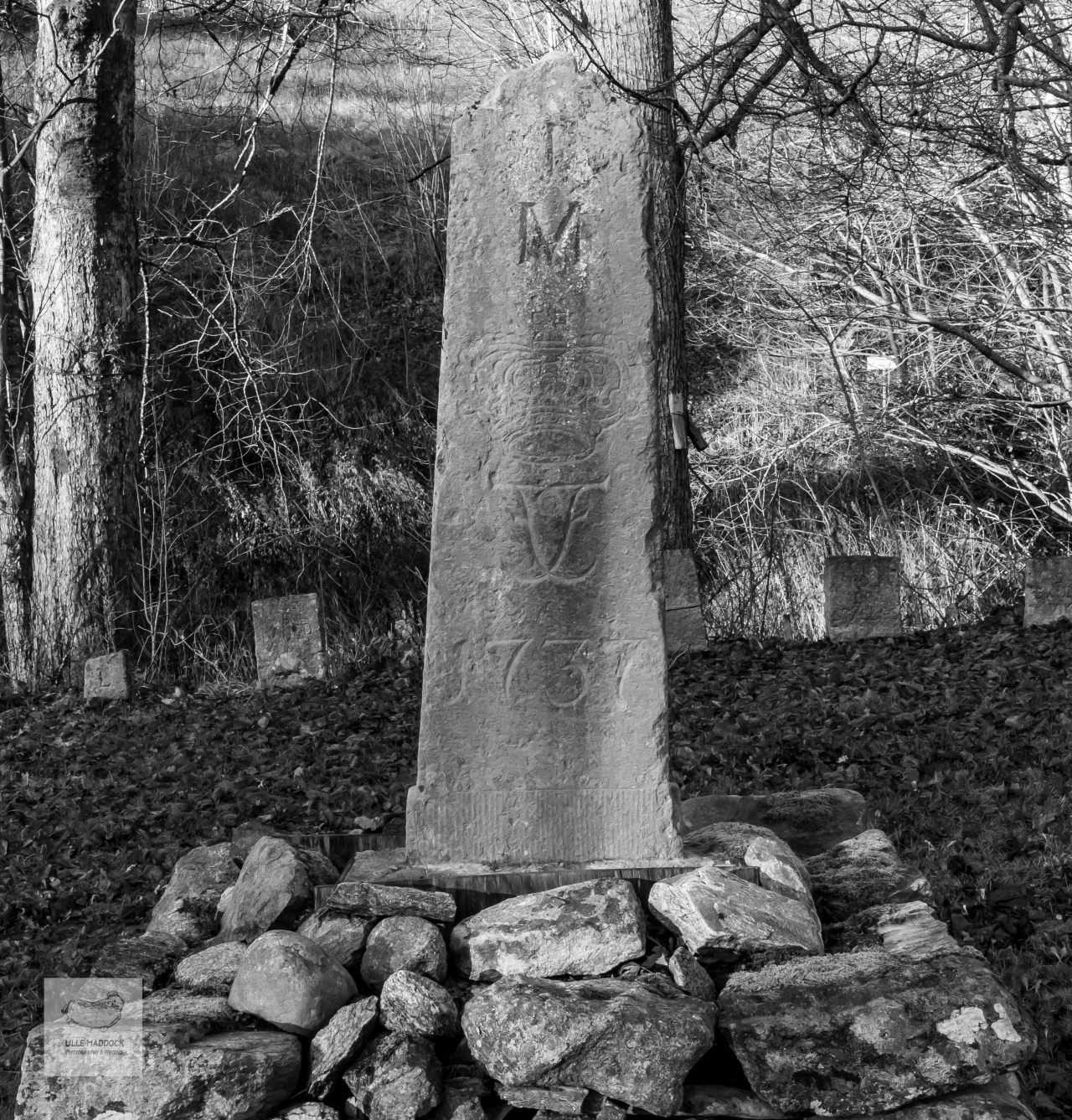
According to WordPress this is my post number 500. To write about milestones makes perfect sense.

Milestone originates back to the Roman Empire where they used them to mark the distance to Rome. Between each pole shaped stone, miliaria, the distance was one thousand dubbel steps, mille passus, approx 1483 meters.

In Sweden they were introduced by law in 1649 and was used until 1890. Back then local farmers was obliged to act as driver or supply horses for the nobles and officials travels across the kingdom. The milestones was introduced to create a way calculate a fair fee.

They used the Swedish mil that was 18000 alnar, cubit, that equals to 10688 meters. Today a Swedish mile is 10000 meters. If you ever get lost driving in Sweden and you get help with directions be sure to ask if they use Swedish miles.

Drive safe, ha de Gött!

Advertisements

Easter bonfire

Easter bonfire

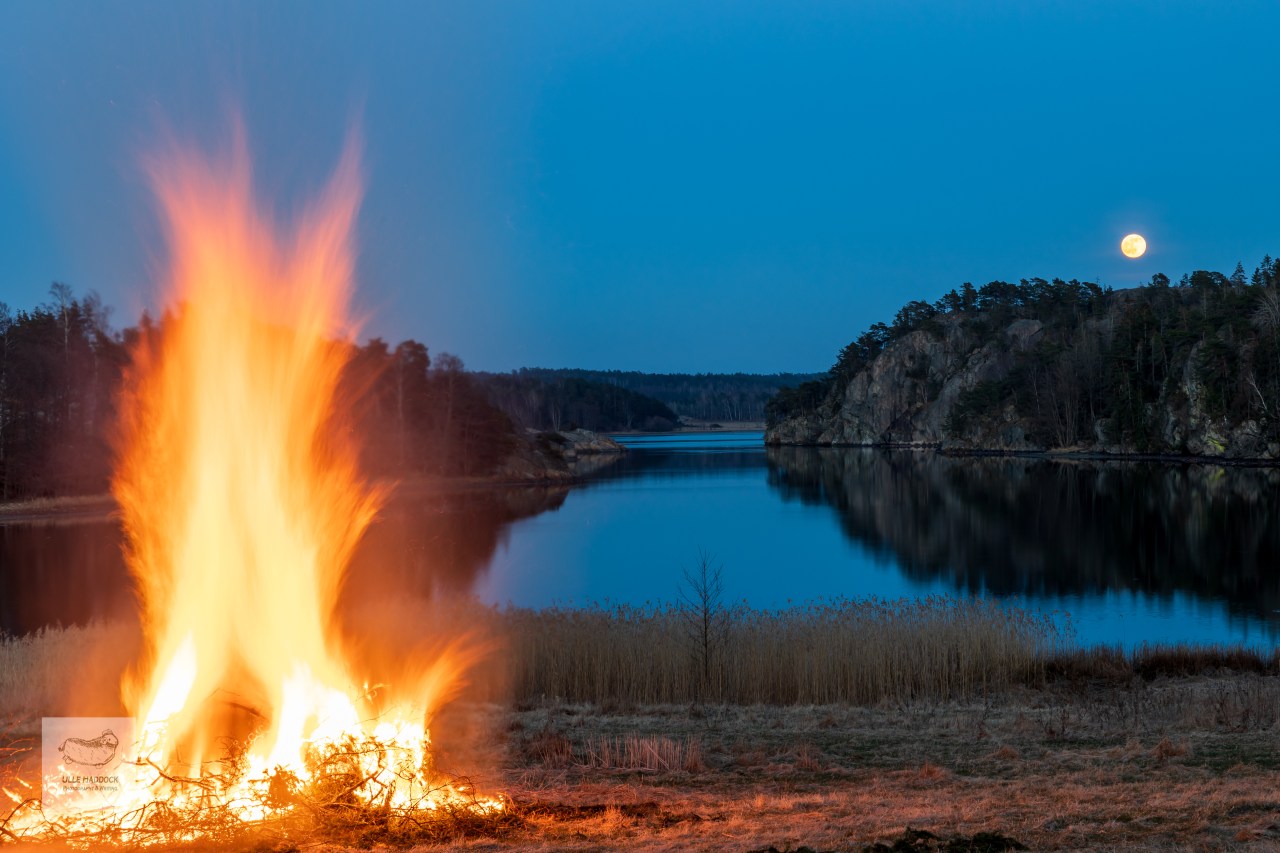
The ‘Påskbrasa’ Easter bonfire tradition stems back the mid 1700 when Dutch merchants in Göteborg brought this to the Swedish west coast. The fires was meant to scare of the witches returning from the island Blåkulla where they been indulging in orgies with the Devil. There is also a link to the burning of alleged witches that took place all over Europe during the 1600.

The Easter bonfire is a tradition in the northwestern part of Europe, Austria and Switzerland. Like many Christian church traditions this has it roots in the folklore. Fires were lit in the breaking point between winter and spring, to help spring to win over the cold and dark winter.

Keep the fire burning for all that is good, ha de Gött!

Advertisements

Skerry got a name

Skerry got a name

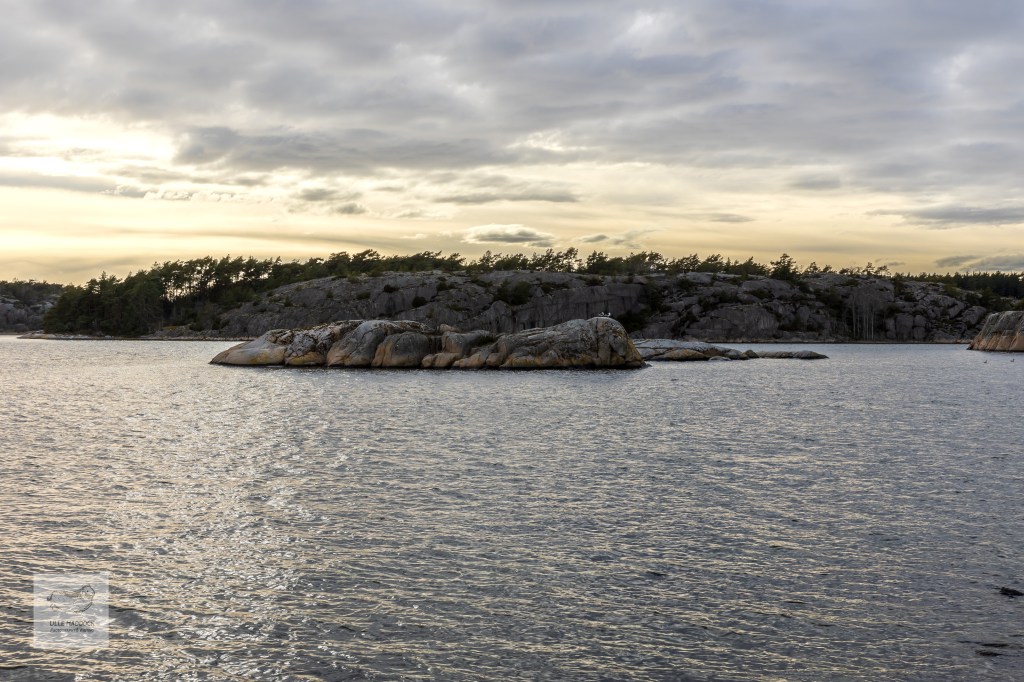
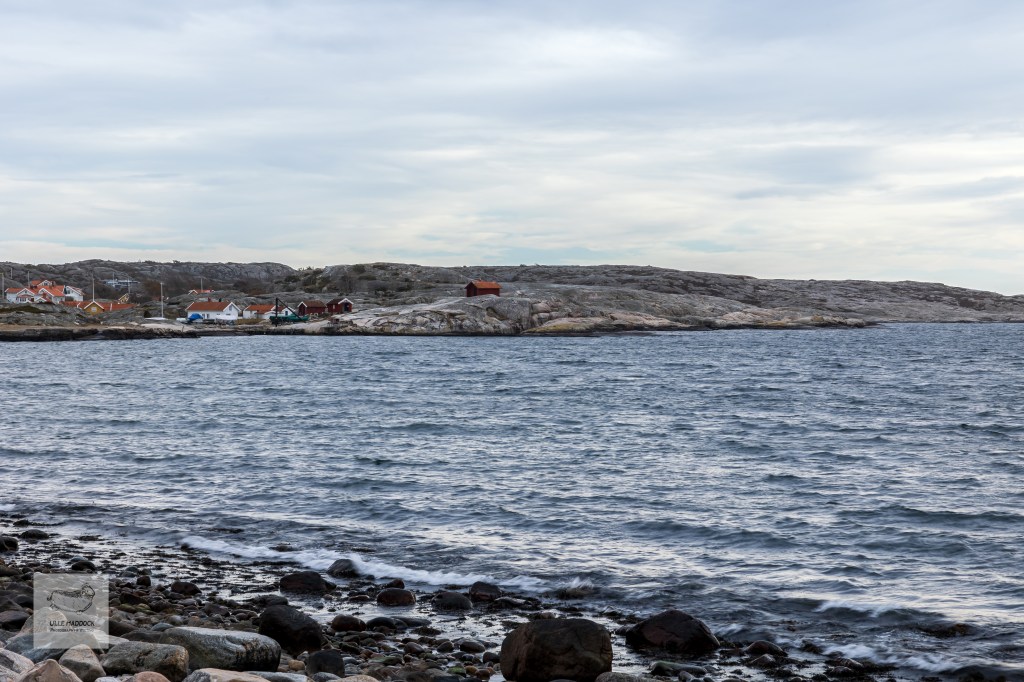
A few days ago I wrote about this skerry without a name. Can’t have that my Mother-in-law said. After some digging in the local history books she found a name reference in connection with a rather sad story. The name is Hällbergsskäret. The name comes from a poor family with the name Hällberg that lived in a small cottage on the beach close to the spot where I took the picture.

In 1895 two orphans, a brother 18 years old and a younger sister 13 years old embarked on a voyage in a small row boat from Kalvö to Lammö. With only a 100 meters left to row go the boat sunk and the two youngsters drowned. The reason why the boat sunk is not mentioned. The distance between the two islands is just a little more than one kilometer.

Even the smallest places has a history, ha de Gött!

Advertisements

Gullbringa

Gullbringa

The small village Gullbringa, tucked in behind the rocks. In the past all houses was placed so that it was sheltered from the winds. Specially the north and the west winds. This made easier to keep the warmth in the houses. In the past all wood was used to cook fish-oil during the herring periods.

Herring usually lives far out in the oceans but in periods, between 10 to 20 years, the shoals move close to the coast. This made it possible to capture huge amounts of herring even with smaller boats. Result was a economic boost to the area. The challenge was the almost 100 years between when people needed to find other income sources.

Nothing lasts forever, ha de Gött!

Advertisements

Ulseröd Windmill

Ulseröd Windmill

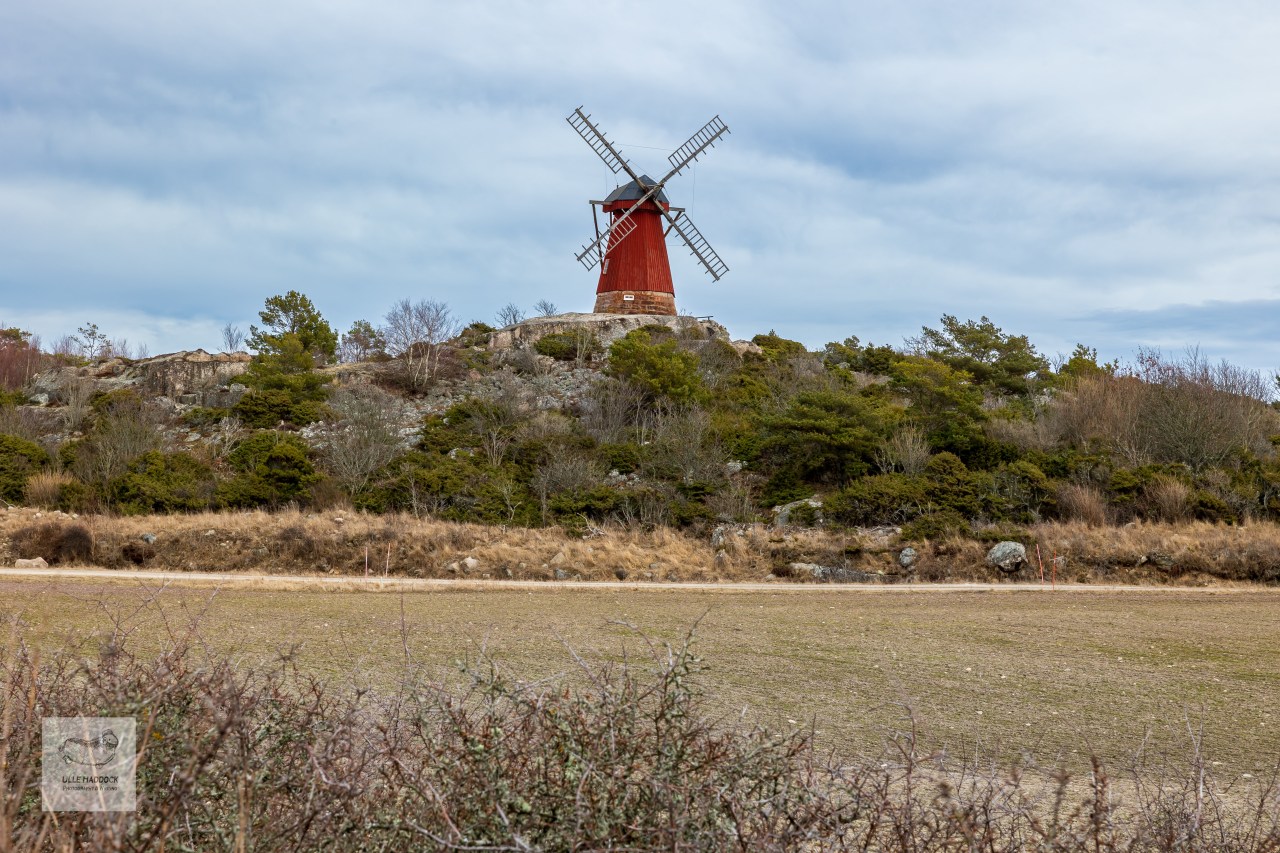
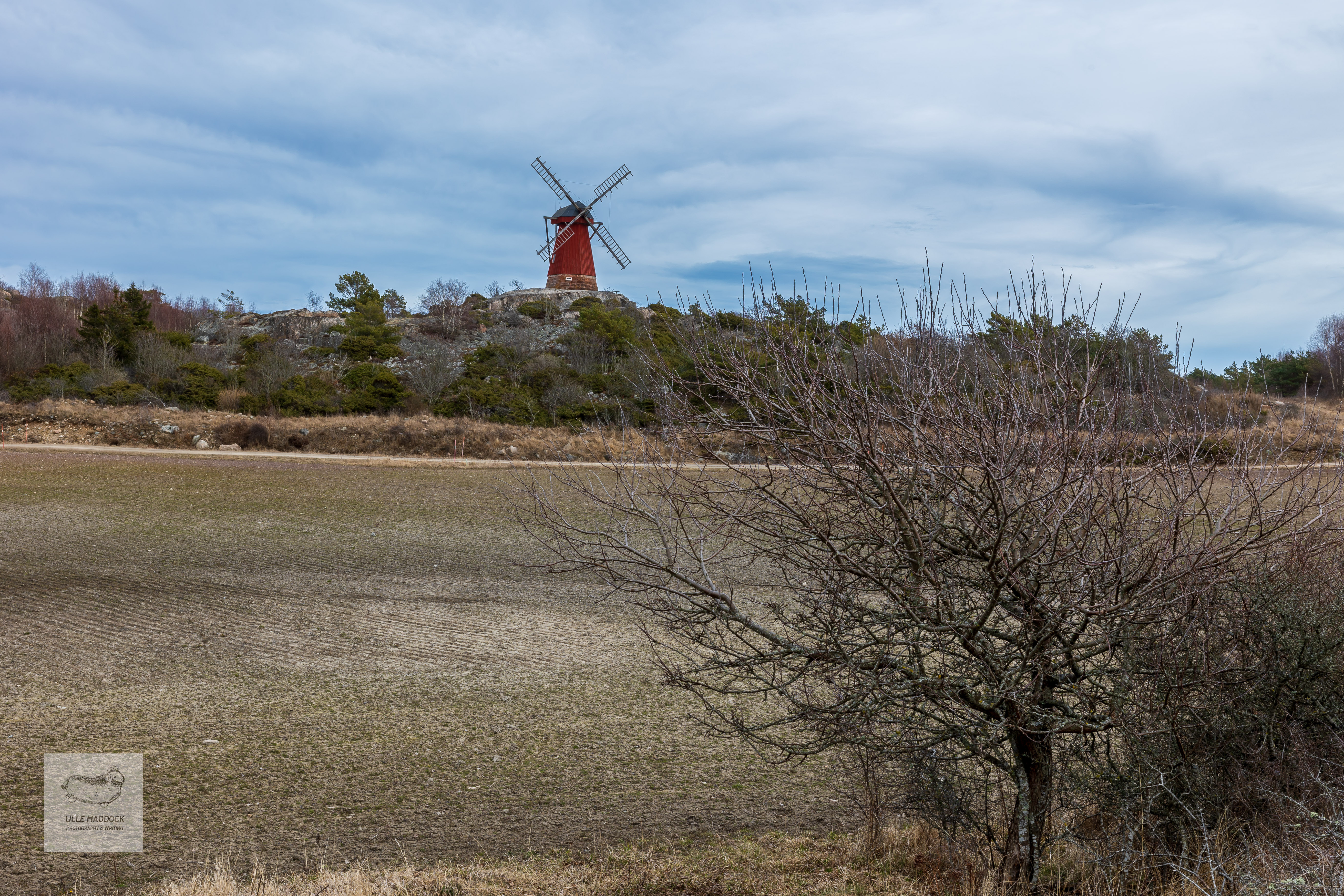
The windmill of Ulseröd, just outside Havstenssund, was built in 1900 and was in operation until 1939. During this period new technology made it possible for the farmers to mill their grain in small electrical mills. This together with the urbanization made the windmills obsolete.

The windmill of Ulseröd was saved from decay by Tanum Local Folklore Society and Havstenssund Community Association. A major renovation took place in 2013 to 2016. The windmill wings were rebuilt, the facade wood replaced and painted red, windows replaced. Find out more here (in Swedish). In my opinion, by volunteer heroes saving this piece of history for the future.

The windmill type is a smock mill, also called Dutch type. The top, or the smock cap, can be turned by the windmill operator to capture optimum wind. It’s an old well tested design that already Leonardo da Vinci made a sketch for. Special feature of Ulseröd windmill is the two parallel milling stations. Check out the fictional story I wrote a year ago about the windmill here. Stay tuned for interior pictures.

Against the wind is power, ha de Gött!

Advertisements

Pilots lookout

Pilots lookout

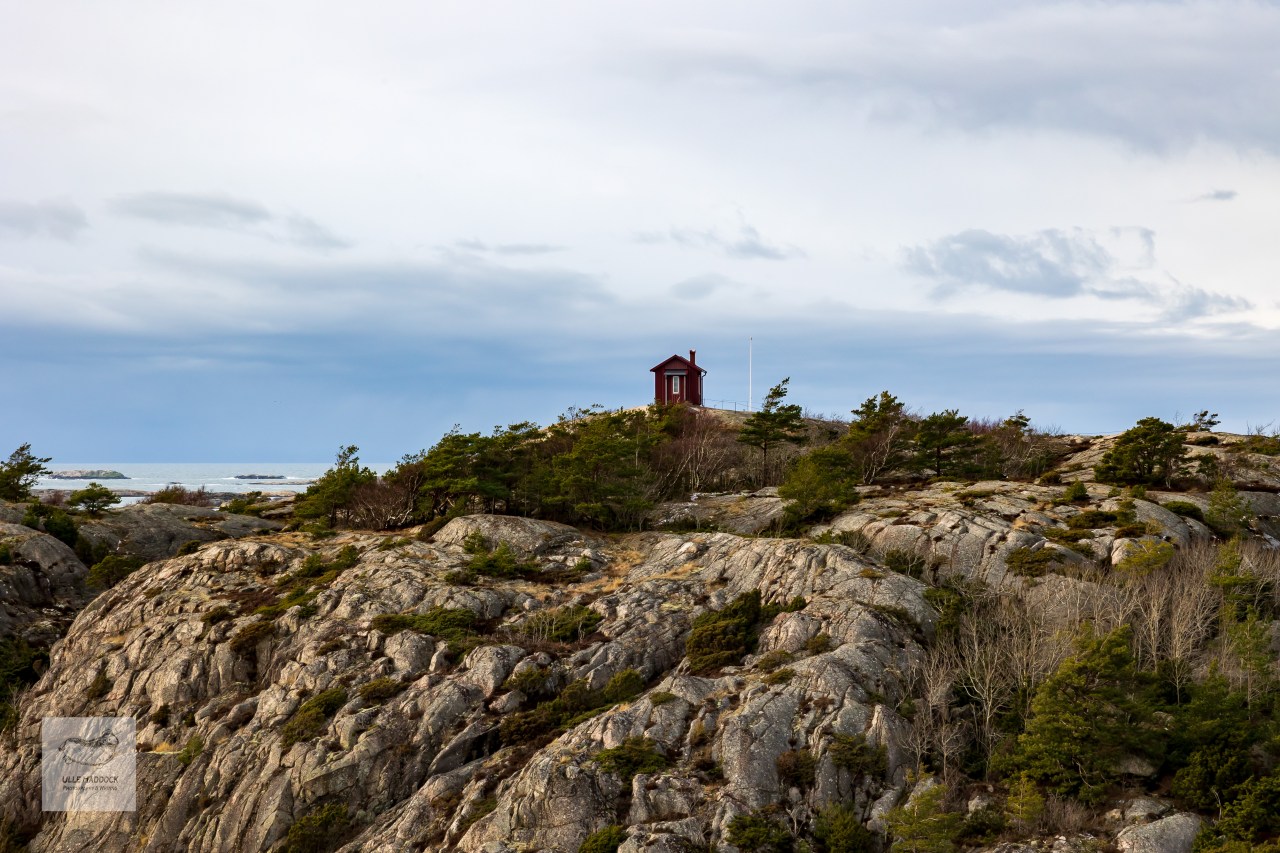
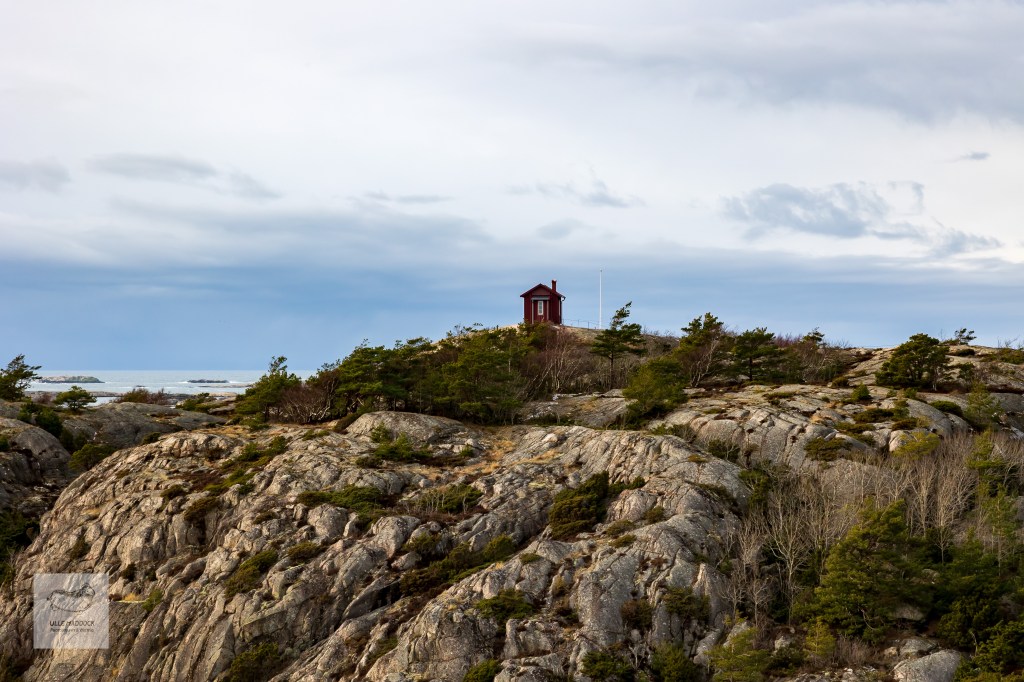
On the highest point of the island Hällsö, 42 meters over the sea sits the small pilot hut. In this hut the pilots could sit in a warm place shielded from the weather scouting for ships in need of assistance. The station served pilots that guided ships through the dangerous waters outside Tjurpannan. The pilot station was operational until 1960. Hällsö is situated outside Havstenssund, separated by the 40 meter narrow strait, ‘Sunnegapet’.

We all need help to navigate sometimes, ha de Gött!

Advertisements

Fattighusån

Fattighusån

Picture from a busy Saturday in Göteborg with tram congestion in front of the old central post office. Straight ahead is ‘Slussen’, the lock for the canal ‘Fattighusån’. At the end in line with the high rise 900 meters away lies the building that named this canal, ‘Fattighuset’, the Alms-House. The canal has a name that implies that is a small river, ‘ån’ in Swedish. Why this name? Guess it’s an evidence of the humor in Göteborg.

The work started in 1620 but the king stopped the work due to lack of money. I wish a certain ruler of today will run out of money fast. The work was re-started in 1639 and finished in 1641. Connecting the Main Harbor Canal with the small river ‘Möndalsån’ became very important for the trade and development of the city.

As they say in Göteborg, ha de Gött!

Advertisements

Rusty

Rusty

Rusty ball-bearing in dire need of some lubrication.

Leonardo Da Vinci is by some named the inventor of the ball bearing but the already the Romans used wooden ball bearings. The first modern ball bearing was patented by Philip Vaughan, a Welsh inventor, in 1794.

Sven Wingquist, a Swedish inventor invented a self-aligning ball bearing in 1907. This revolutionary invention became the foundation for one of Sweden’s most successful international companies, SKF. SKF stands for Svenska Kullager Fabriken, simply Swedish Ball Bearing Factory.

My first two and half years I lived across the street from the huge factory with its fasade of red clay bricks. Now a trip to Gamlestaden in Göteborg must be planned for some photos.

Aim for a smooth ride, ha de Gött!

Advertisements