Tag Archive for ‘Nature’

Yellow Loosestrife

Yellow Loosestrife

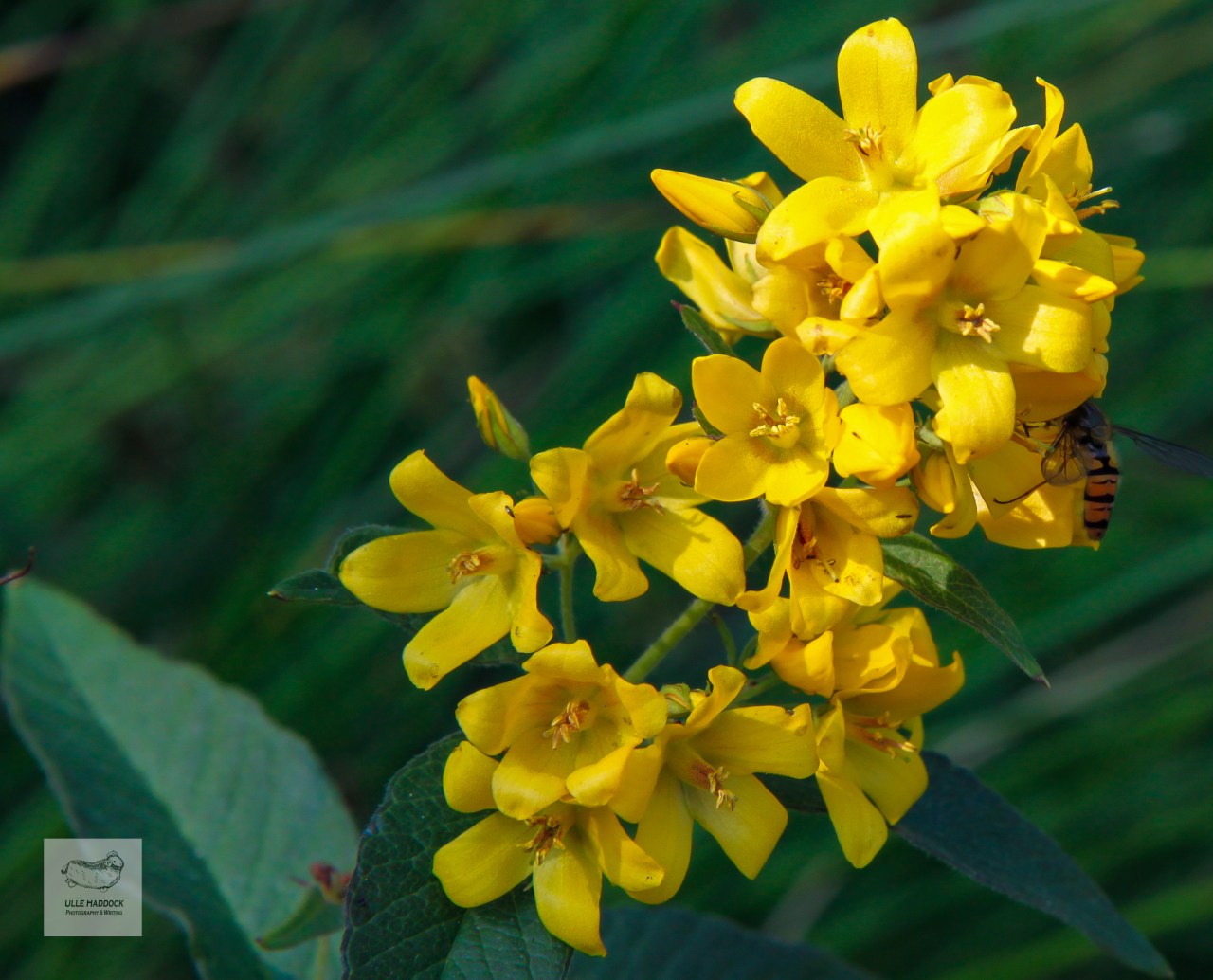
The yellow loosestrife (Lysimachia vulgaris) with a visitor collecting its nectar. Grows in wetlands. In Swedish “Strandlysing” that translates to beach light. With its bright yellow color it really draws your attention like a light.

The English name offers some play with the words. What do you think of this “coward moderate fighter”. What can you do when bees and wasps comes poking your eyes. Whit the help of the wind I rattle my leaves and make your landing hard.

Don’t be a yellow-belly. Ha de Gött!

Advertisements

Priest collar

Priest collar

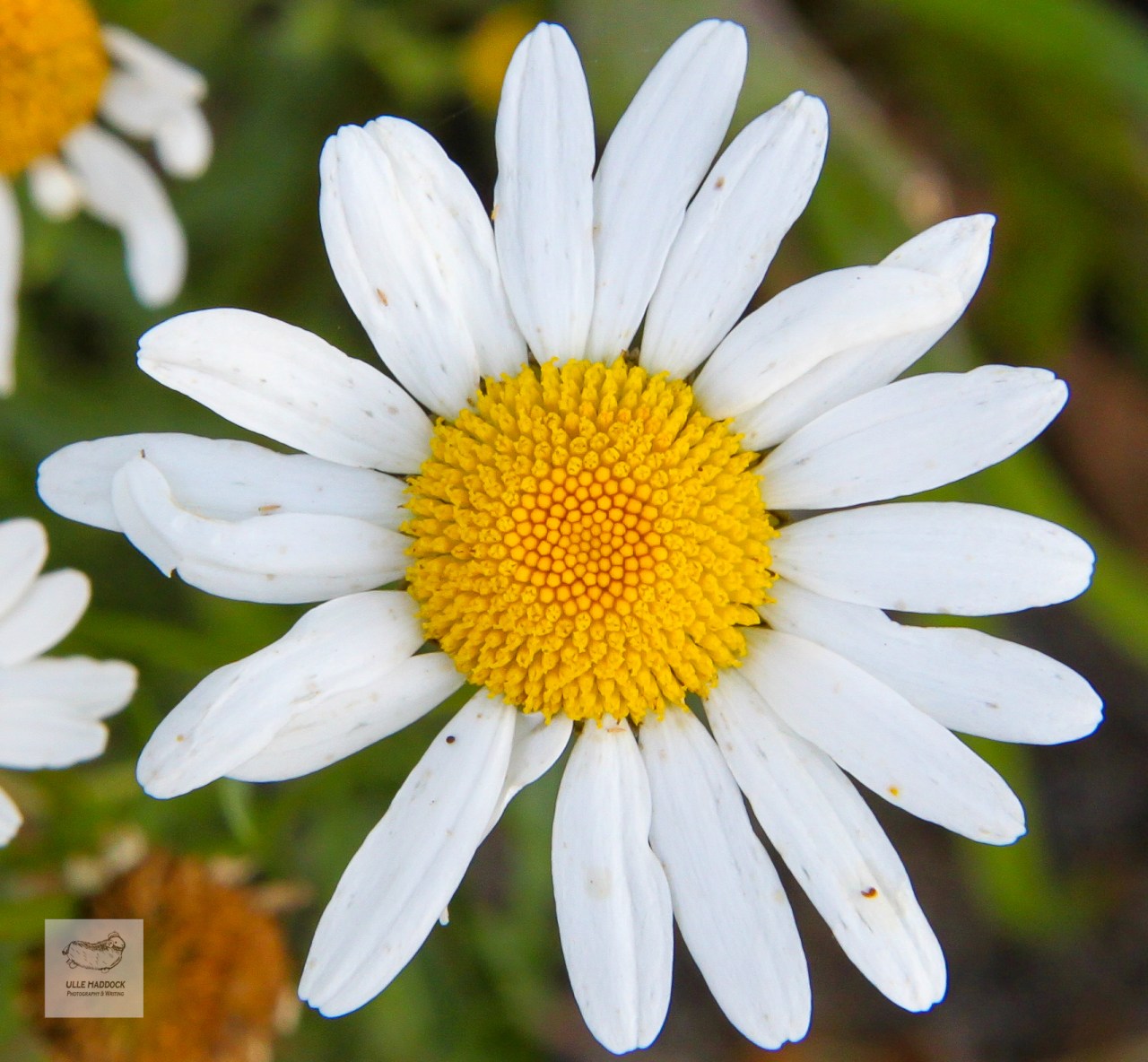
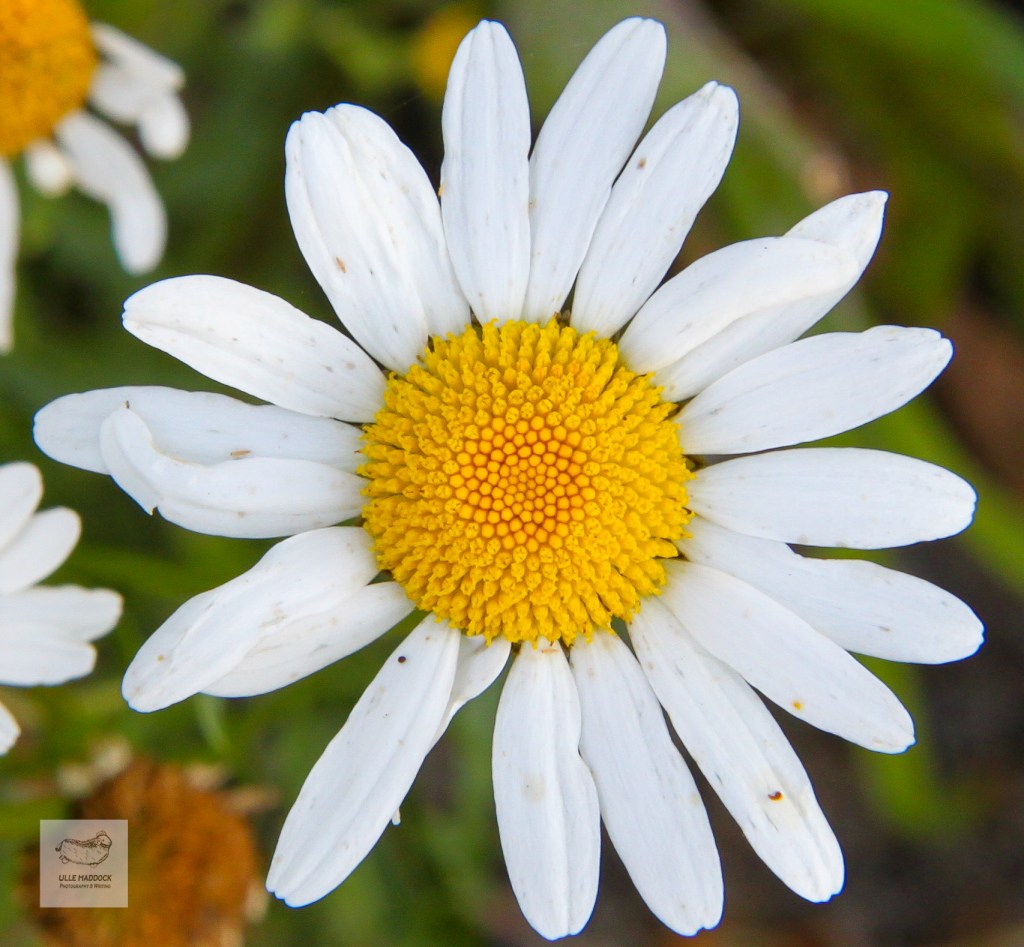
In Swedish this is called “Prästkrage” that translates to priest’s collar. In English it is called ox-eye daisy, dog daisy or marguerite (Leucanthemum vulgare). I guess the Swedish name comes from the white collar priests had in the 1600, still do in Denmark. The collar is called ruff, you have to check google for a picture.

Don’t know if oxen and dogs like this daisy but they may be confused by the spelling and go for a drink instead. Almost like bad joke. A dog, an oxen and a priest went for a drink. After a full night of confessions and bullshit they were all sent to the doghouse by mrs Pope.

Better stop I don’t know where this is going, help. Ha de Gött!

Advertisements

Meeting

Meeting

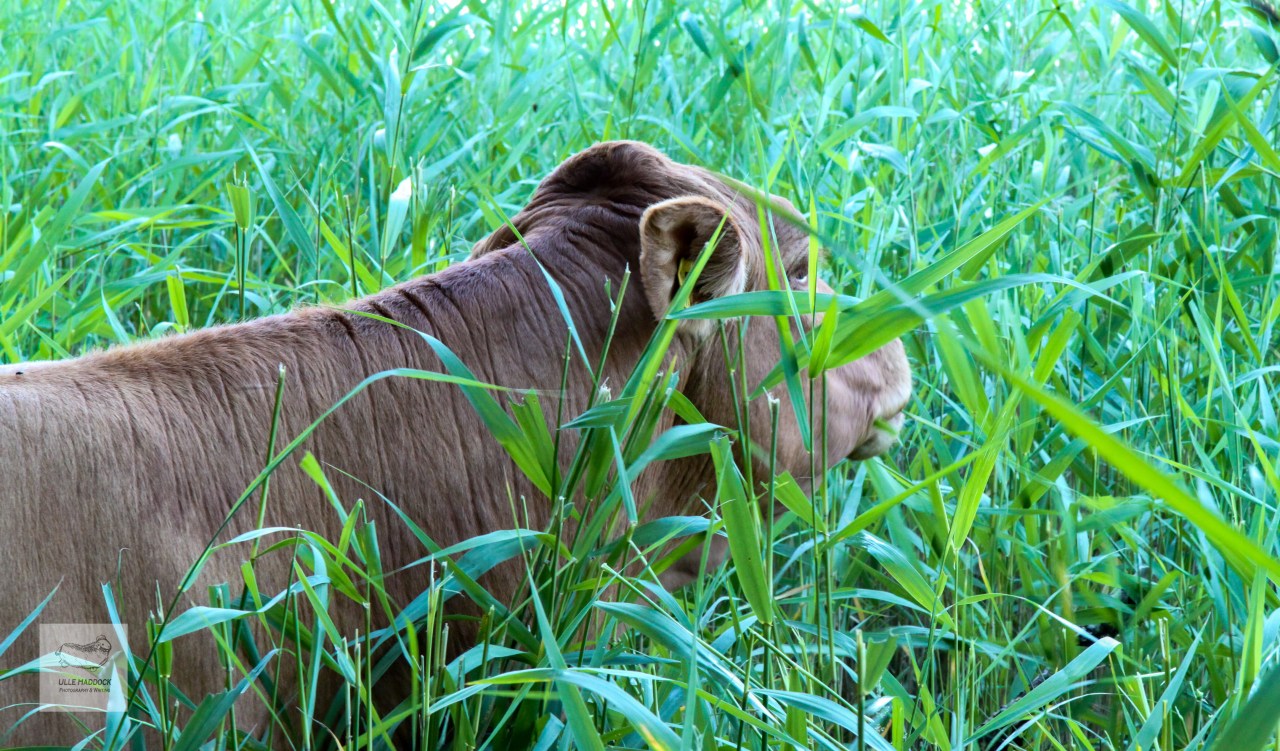
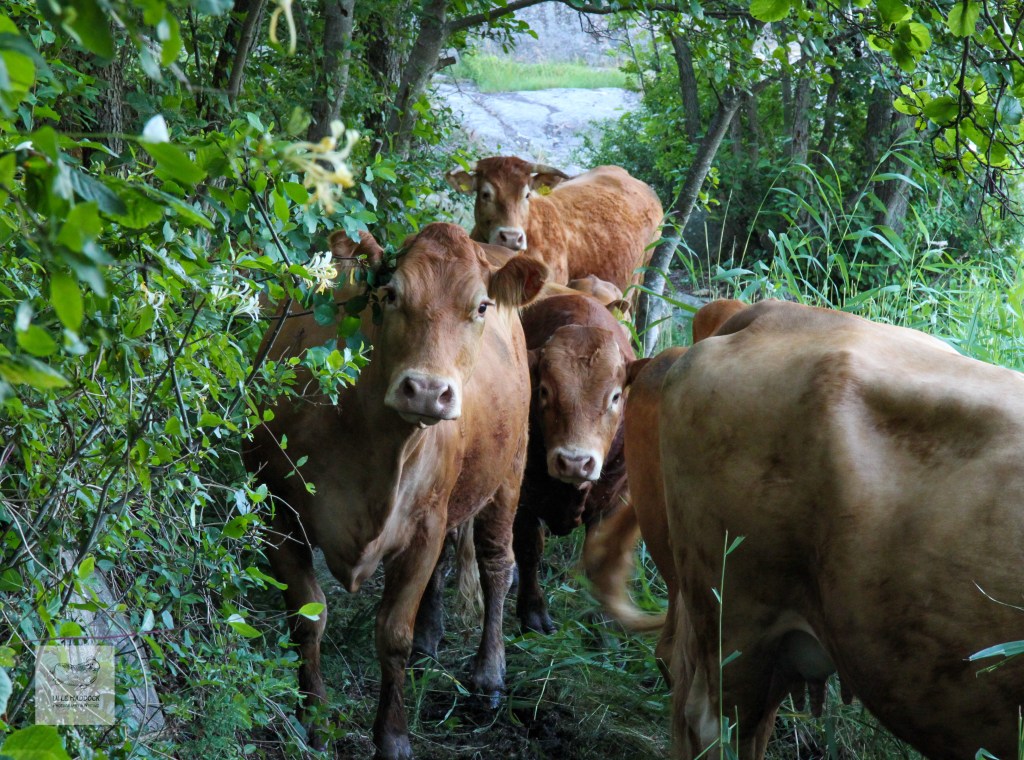
To get to my boat I have to walk through a field with cows. Close to the water there is a few meter with a very narrow passage with rock on one side and a wetland on the other. As I came around a corner I found myself face to mule with the cows. First I wasn’t sure how the bull would react, you see him in the middle, but he’s a very kind fellow. They like to eat from the reed as it apparently has a sweet taste. Guess the cows has a sharp tongue and take no bullshit.

They let me take some nice photos and I could make my way trough the flock to the boat. I just told them “well now, this path isn’t wide enough for all of us”. Not only a blogger but also a cowboy, yiihaa, ha de gött!

Advertisements

Thistle

Thistle

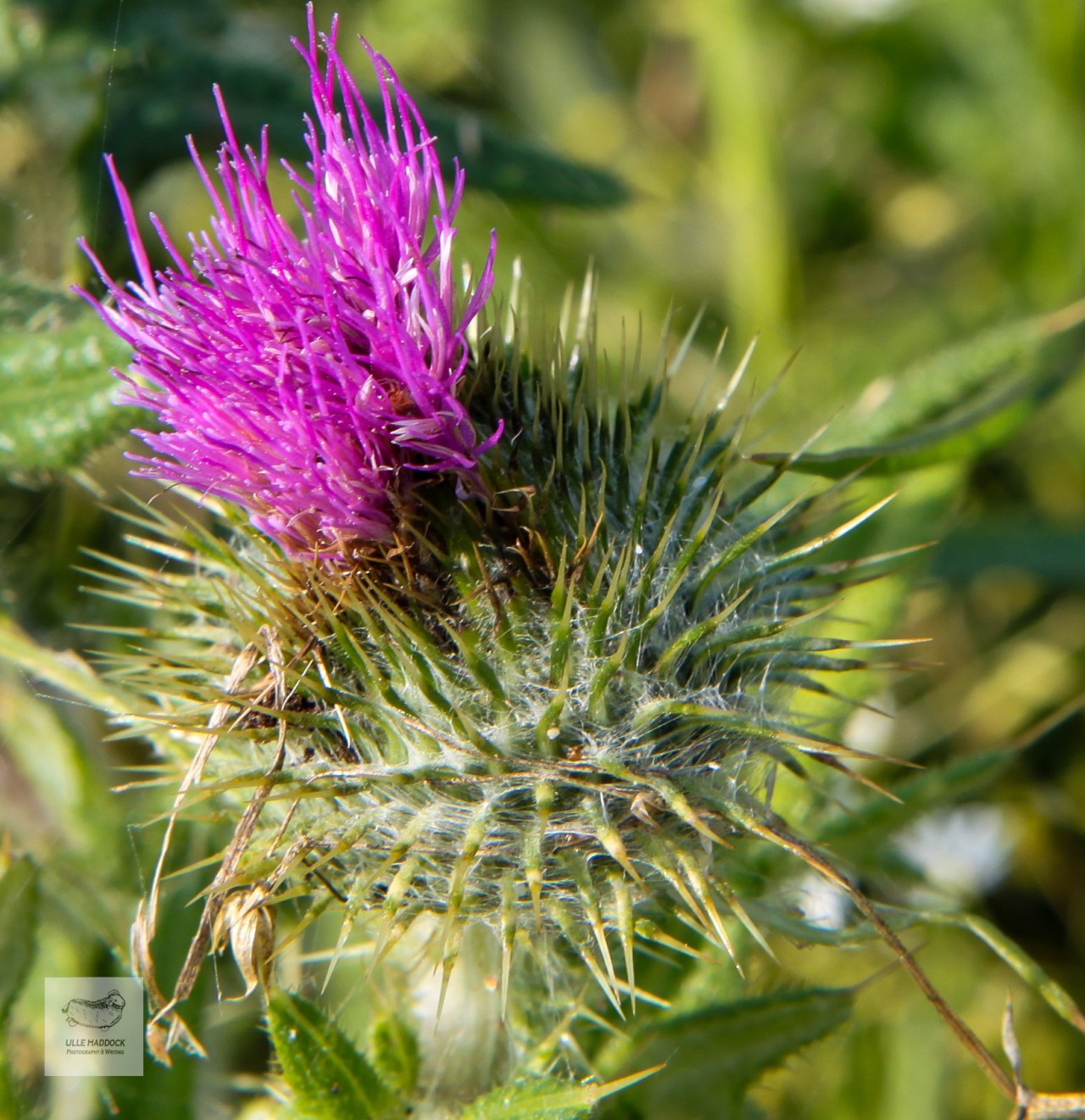
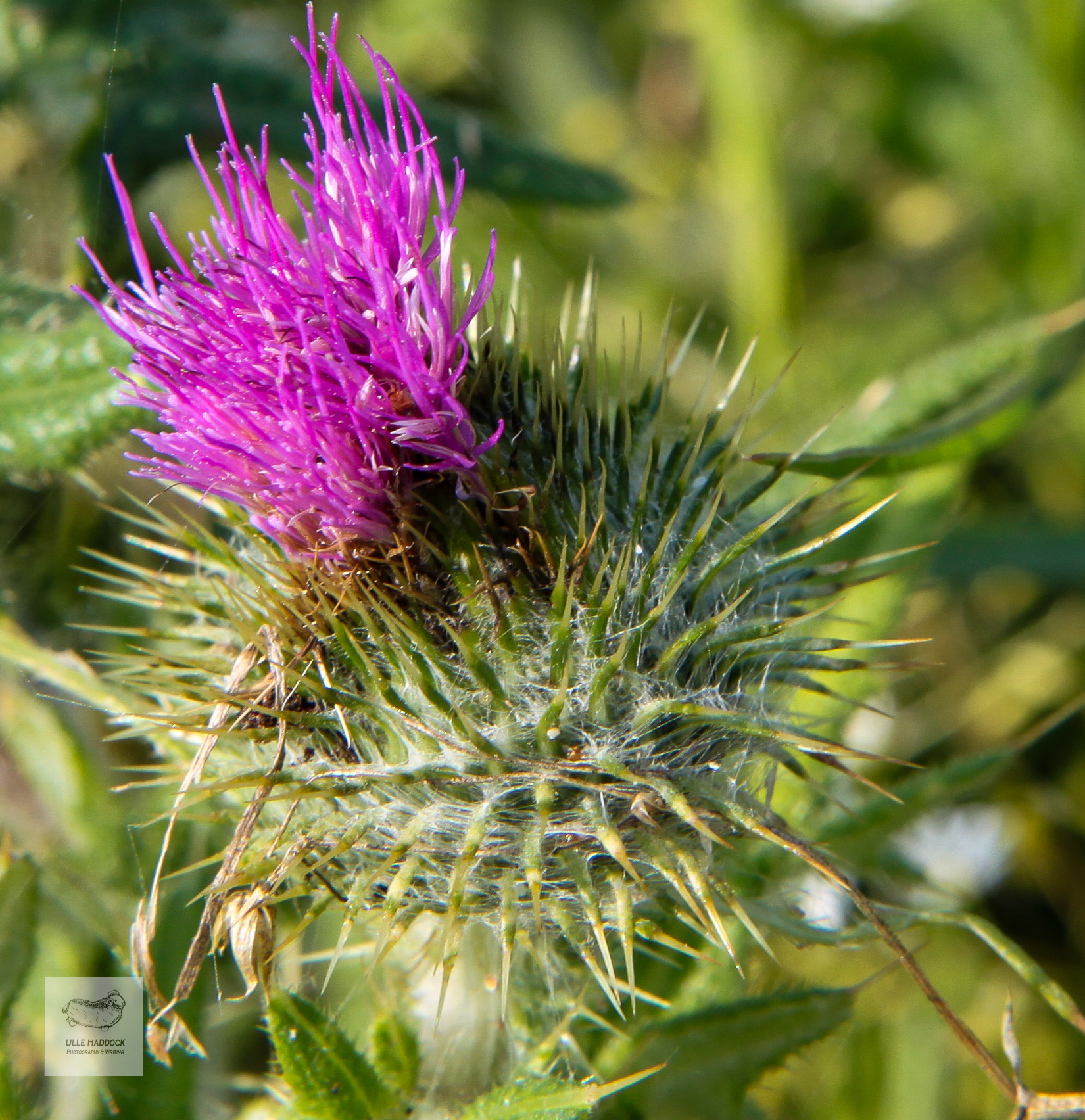
Yesterday I posted a picture of the Painted lady butterfly that has its Swedish name from the Thistle flower (Cirsium) (find it here). So today I must follow up with some pictures of this beautiful flower that most gardener’s hate. It is, by many considered a weed as it suffocates its surroundings with its leafs. You should wear thick gloves if you like to pick some. The whole plant is covered with thorns including the flower.

It is however well liked by insects that use its protection for breading, collecting nectar and hunting grounds. The Thistle is the national flower of Scotland and is therefore used in many symbols linked to Scotland. There is even a legend of a Viking stepping on a thistle and screamed so loud that the Scottish was alerted of the attack.

Don’t be a thorn in anyone’s side, ha de Gött!

Advertisements

Painted lady

Painted lady

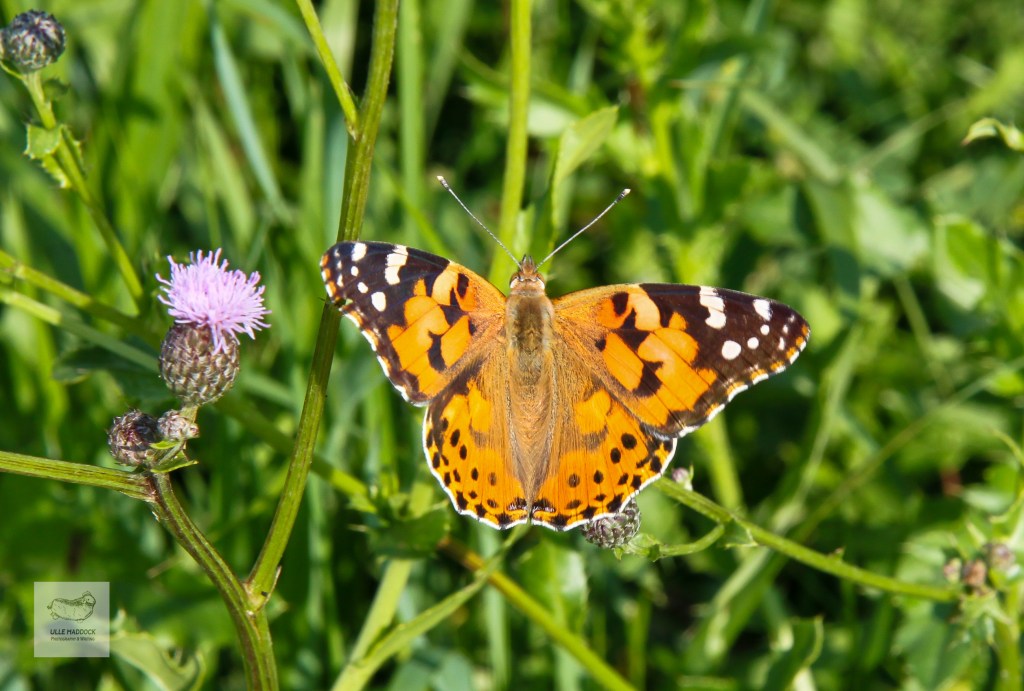
This quite large butterfly is a long traveler (Vanessa (Cynthia) cardui). It migrates from north Africa and the Sahara all the way to north Europe and Sweden. In Swedish it is called “tistelfjäril”, translates to thistle butterfly. This is where I found it, in the flowering thistles where it lays its larvae. There are several subspecies and can be found on all continents except South America and Antartica.

Ha de Gött!

Advertisements

Summer bouquet

Summer bouquet

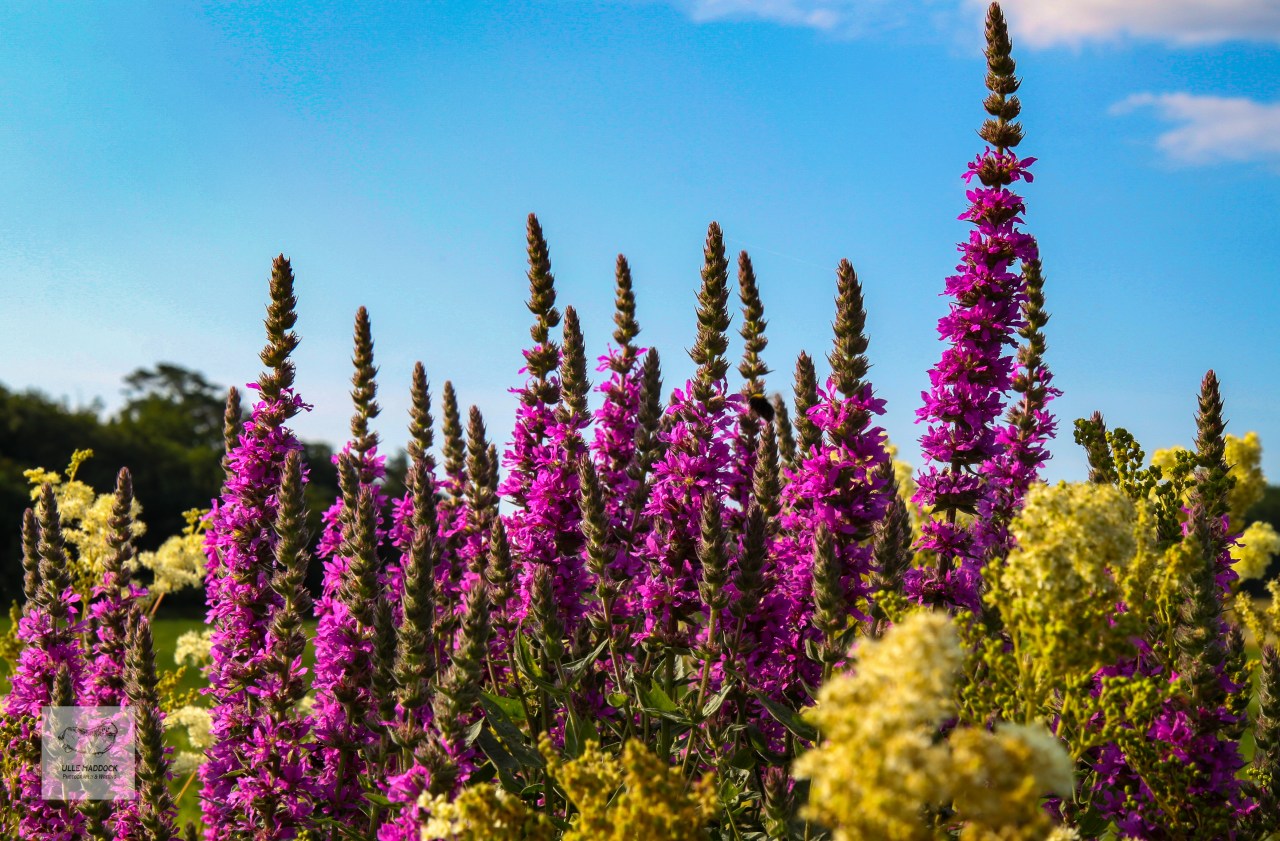
This purple loosestrife (Lythrum salicaria) is in Swedish called “Fackelblomster” that translates to “torch flower”. This flower grows in wet soil and like a purple torch lights up the sky.

Ha de Gött!

Advertisements

Insects

Insects

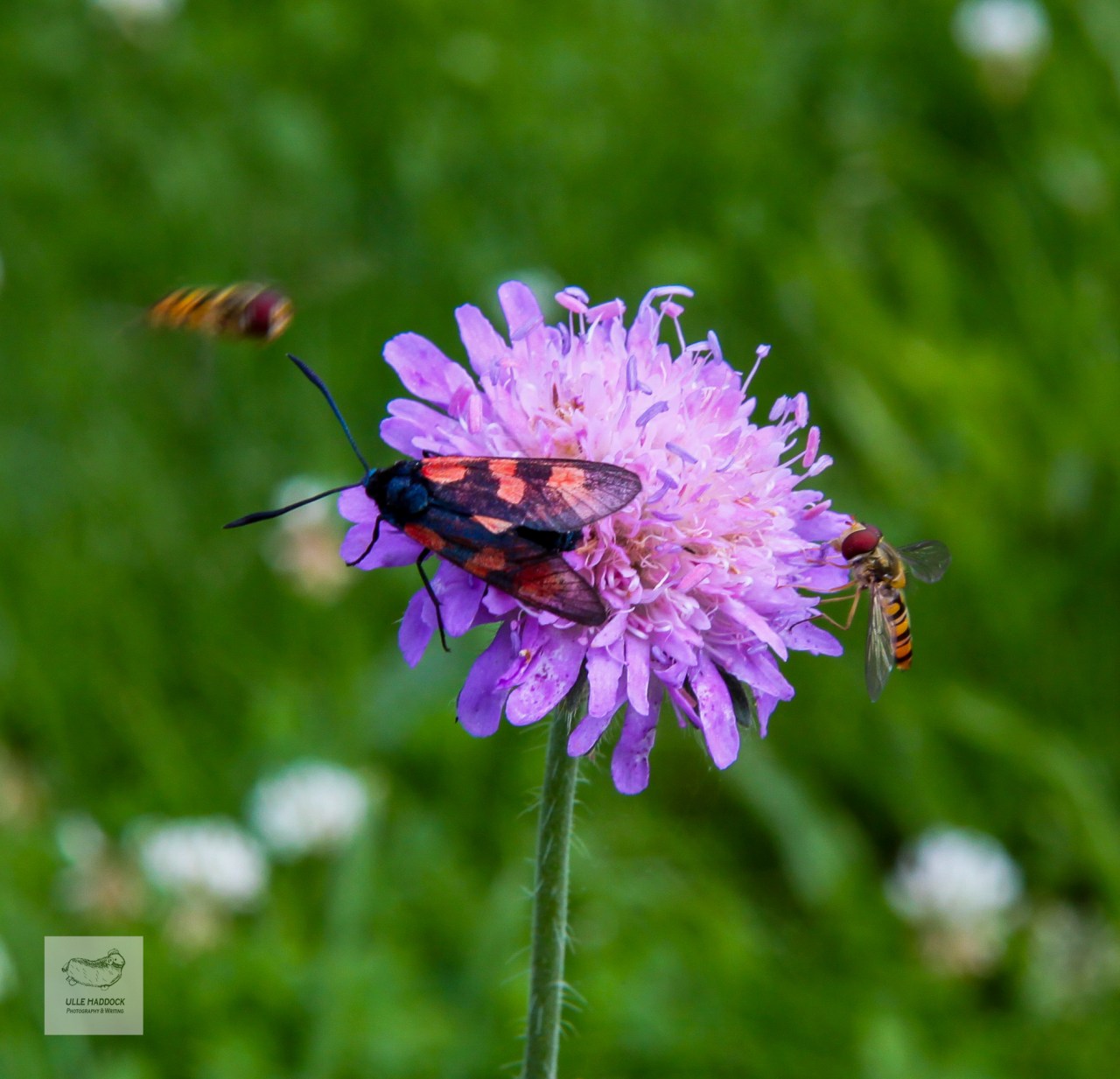
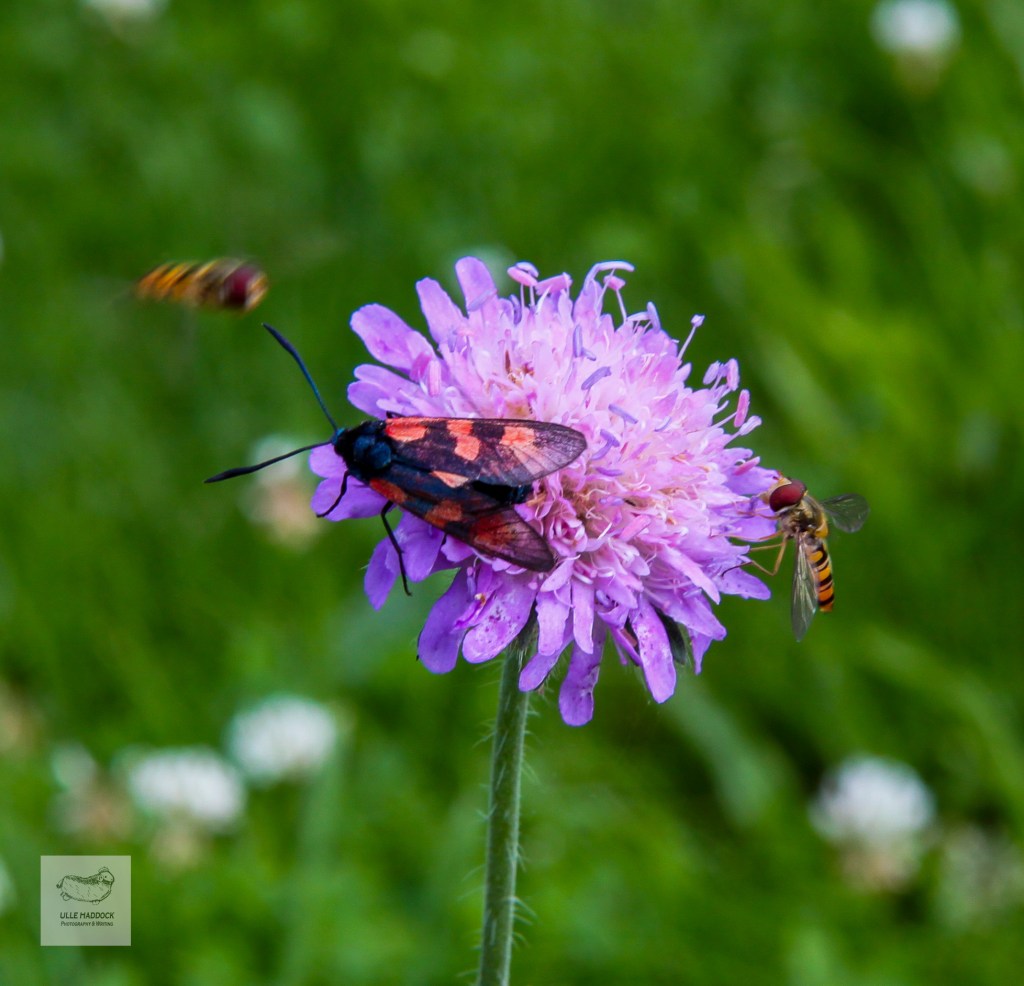
The insects are so very important for the biodiversity. They are also often very beautiful like the flowers they pollinate. They can also bug you. Buzzing around your ears when all you’re interested in is having a beer and a cozy blogg reading in the shade.

This beautiful little fellow is unknown to me. I think it is some kind horse-fly or even a small butterfly. The small ones is a small bee that can hoover in the air.

Don’t kill insects just because you can. They are needed for our survival. The more insects we exterminate the more pandemic’s will we see in the future. Ha de Gött!

Advertisements

Slow worm

Slow worm

The serpent, adder, snake, viper, has many names and in many cultures a bad name. This is not a snake but a legless lizard. The slow worm (Anguis fragilis) is sometimes also called deaf adder or blind worm. The eyes are small but fully functional. It can be found, in several subspecies, all over Eurasia. In Swedish it’s called “Kopparödla” that translates to Copper lizard. Looking at the color the name makes perfect sense. It sometimes shed its tail as a defense. Don’t worry it grows back.

Speaking of snakes I cannot fail to mention the fantastic TV series Black Adder starring Rowan Atkinson from the 80:ties. The sidekick Baldrick played by Tony Robinson is, for me, the real hero. With a cunning plan, ha de Gött!

Advertisements

Butterflies

Butterflies

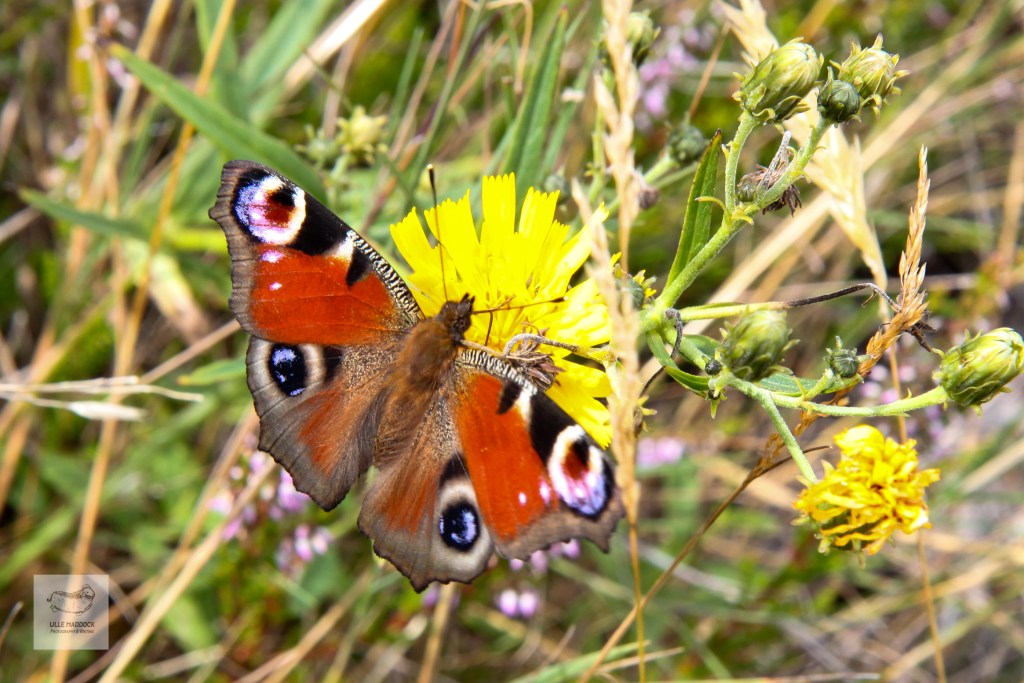
Yesterday morning I went for a walk in the forest to find some mushrooms. I decided to bring the camera. I was glad to see so many butterflies, but getting them to pose for the camera was quite a challenge. When they sit still on a flower to collect nectar with their proboscis they close their wings so you only see the backside. They open up to only to fly of. Patience needed but it is hard when the other insects in the forest take advantage of the situation and try to have a piece of you.

Trying to name the species prove to be even more difficult. There are almost 175 000 species identified all over the world. I think I’ve been able identify a Brimstone who refused to show its wings. Then the Small heath that was kind enough to spread its wings long enough for a picture. Also the Black-veined moth I think I nailed. If you know the name please leave a comment.

Spread your wings into the summer and ha de gött!

Advertisements