Tag Archive for ‘Travel’

Bridge

Bridge

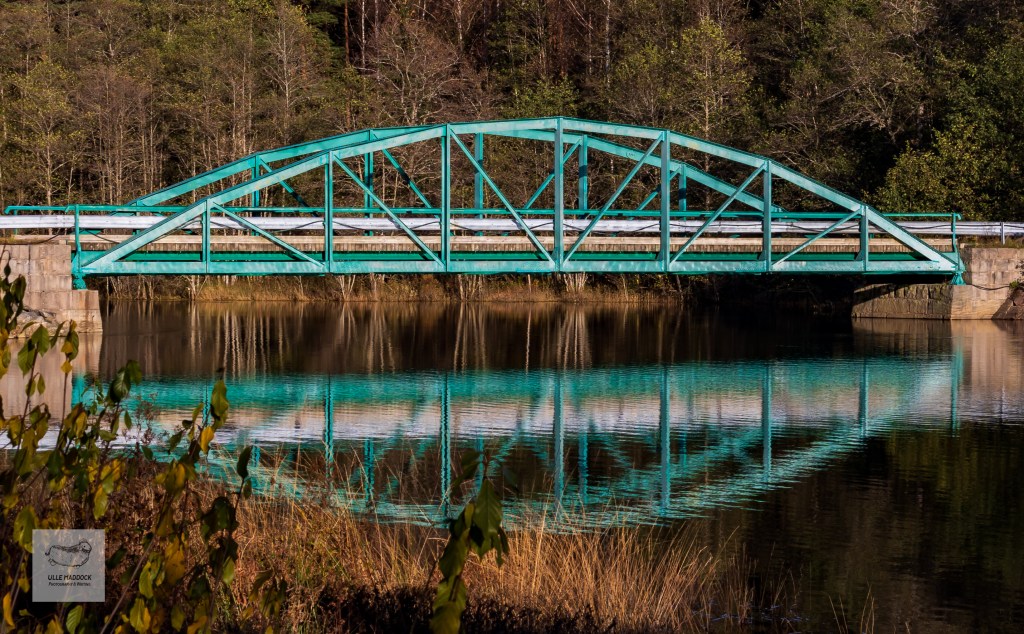
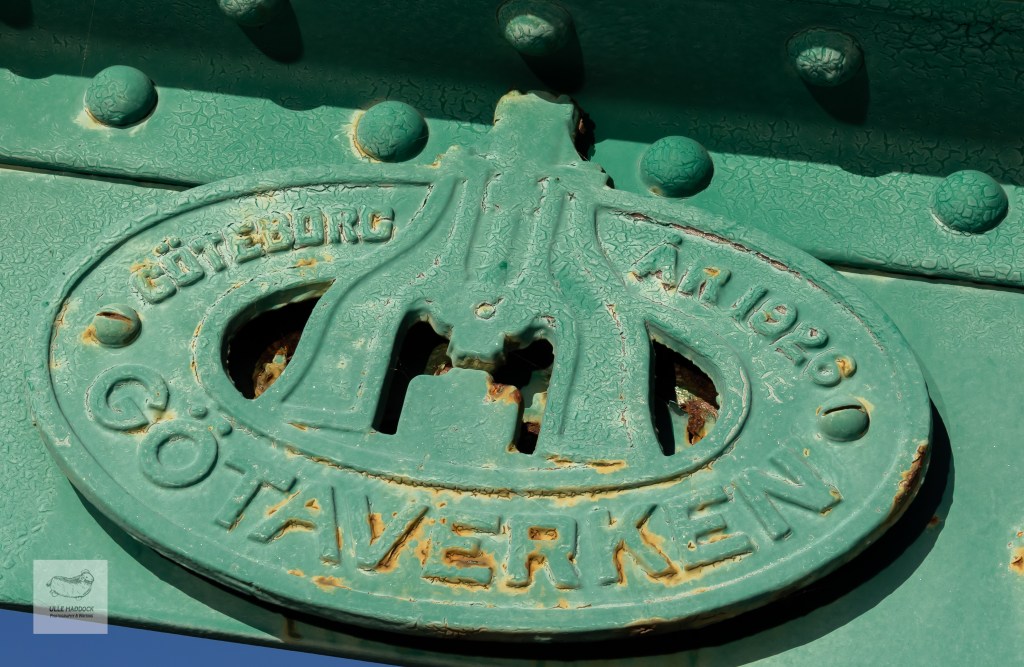
The turquoise bridge reflecting in the calm water of Enningdalsälven, the Enningdal river. Just a kilometre downstream is the waterfall from my post earlier this week, find it here. The medium size river flows to the north, one of the few in Scandinavia. The nature is fantastic, I’ll be back, to quote Arnold.

The 95 year old bridge was built in Göteborg 1926 by Götaverken. Götaverken is most known for ship construction in the Harbor of Göteborg, but also constructed heavy steal constructions around the world. The steal construction is painted in a green turquoise color and held together with rivets. It’s a narrow bridge where the carriageway is made from wooden planks.

Try to stay on the straight and narrow, ha de Gött!

Advertisements

Waterfall

Waterfall

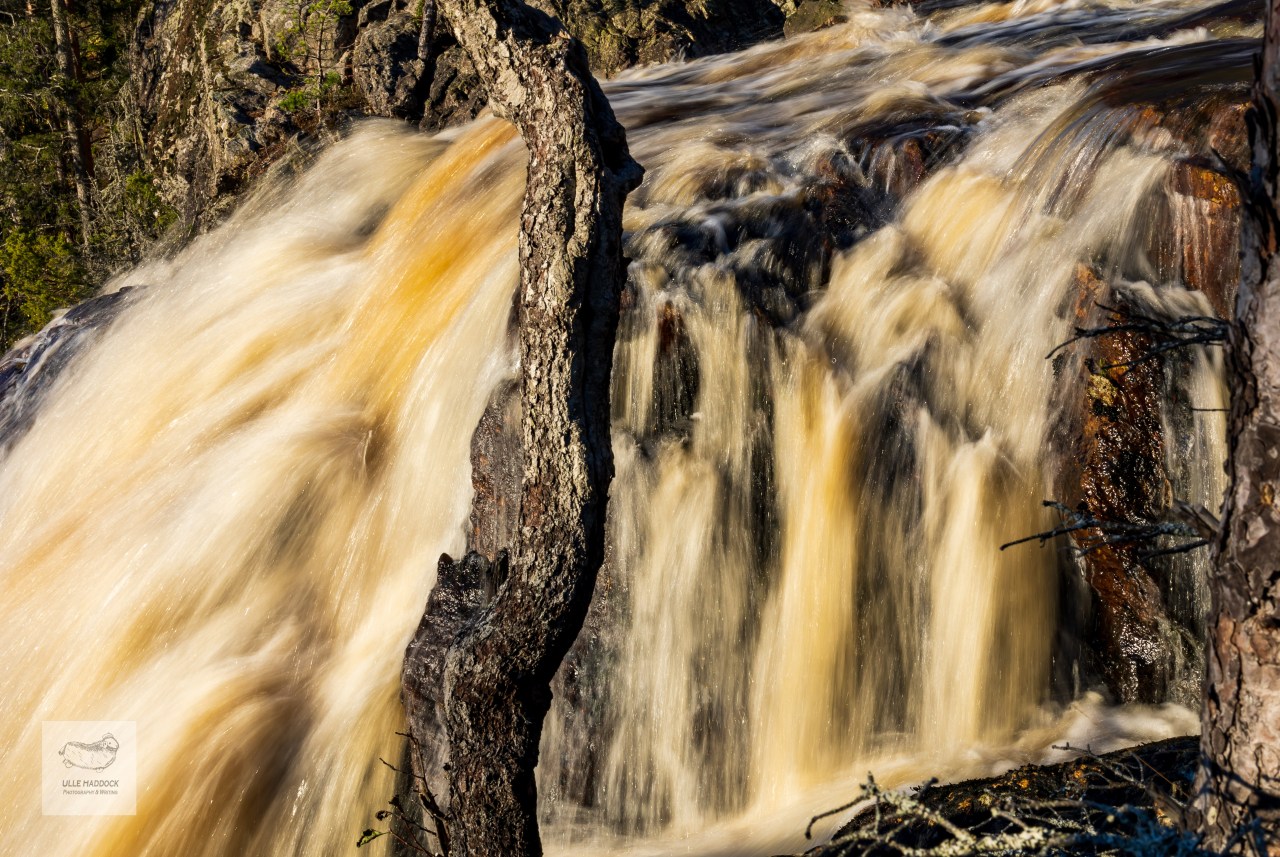
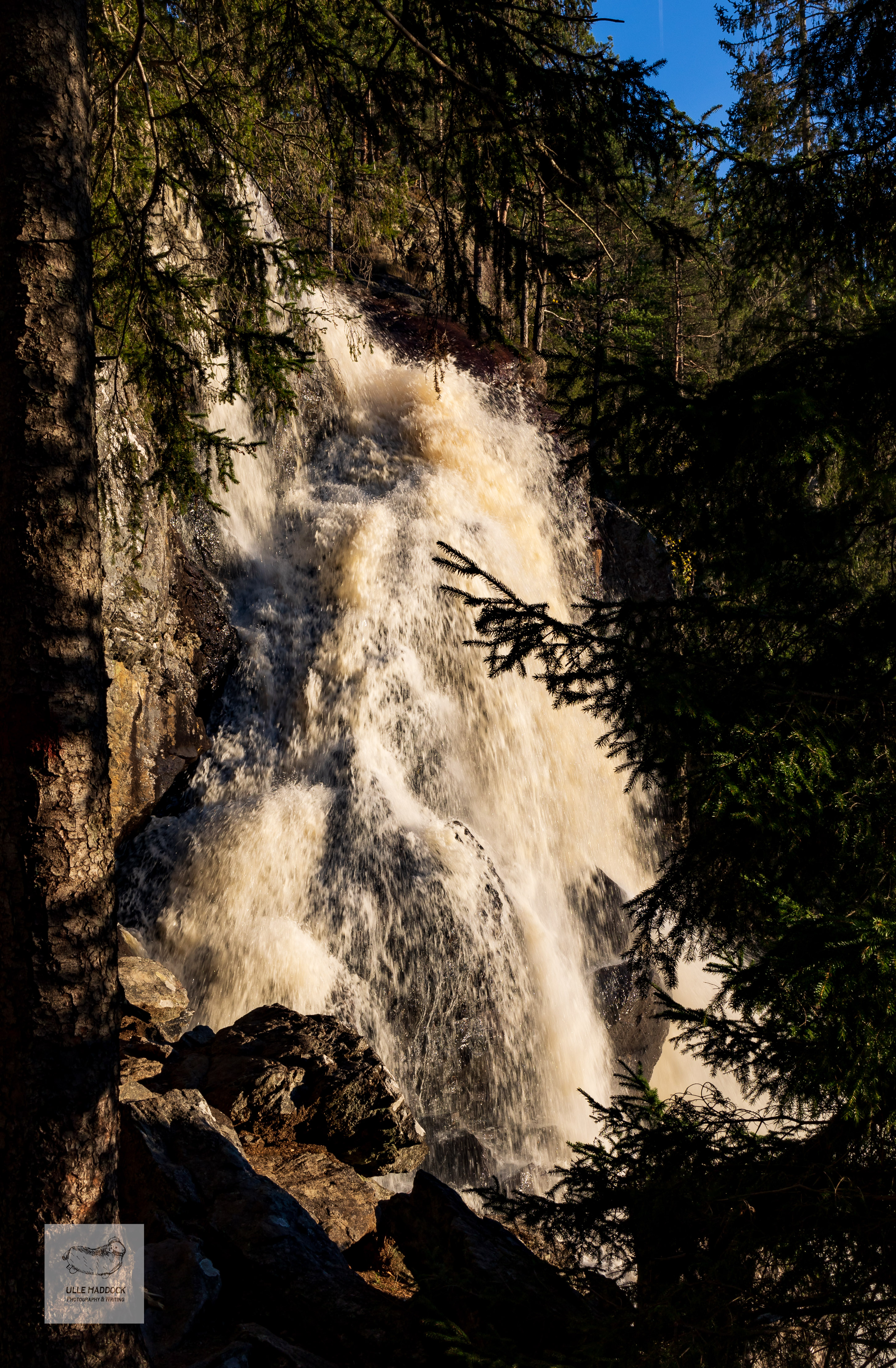
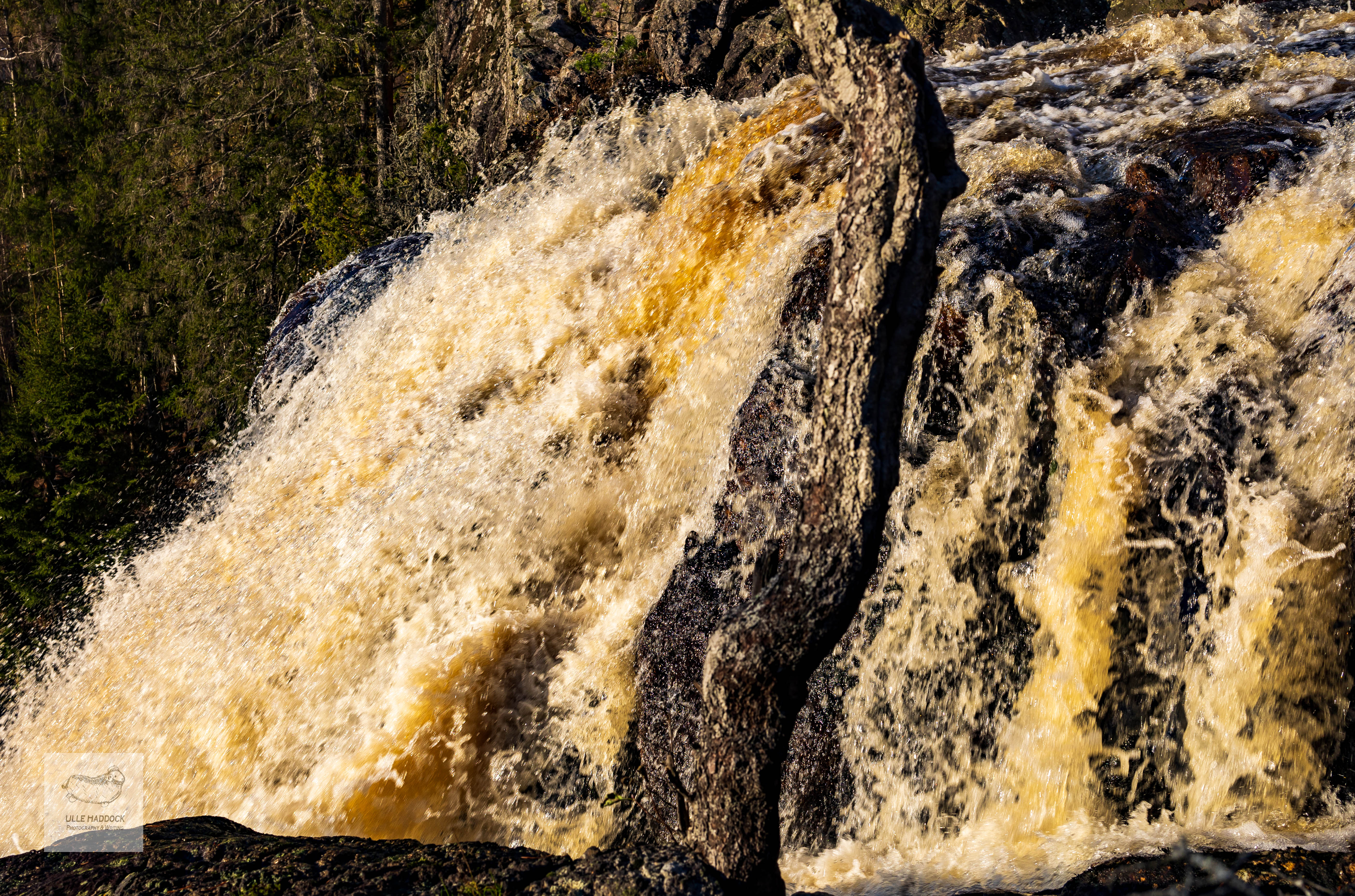
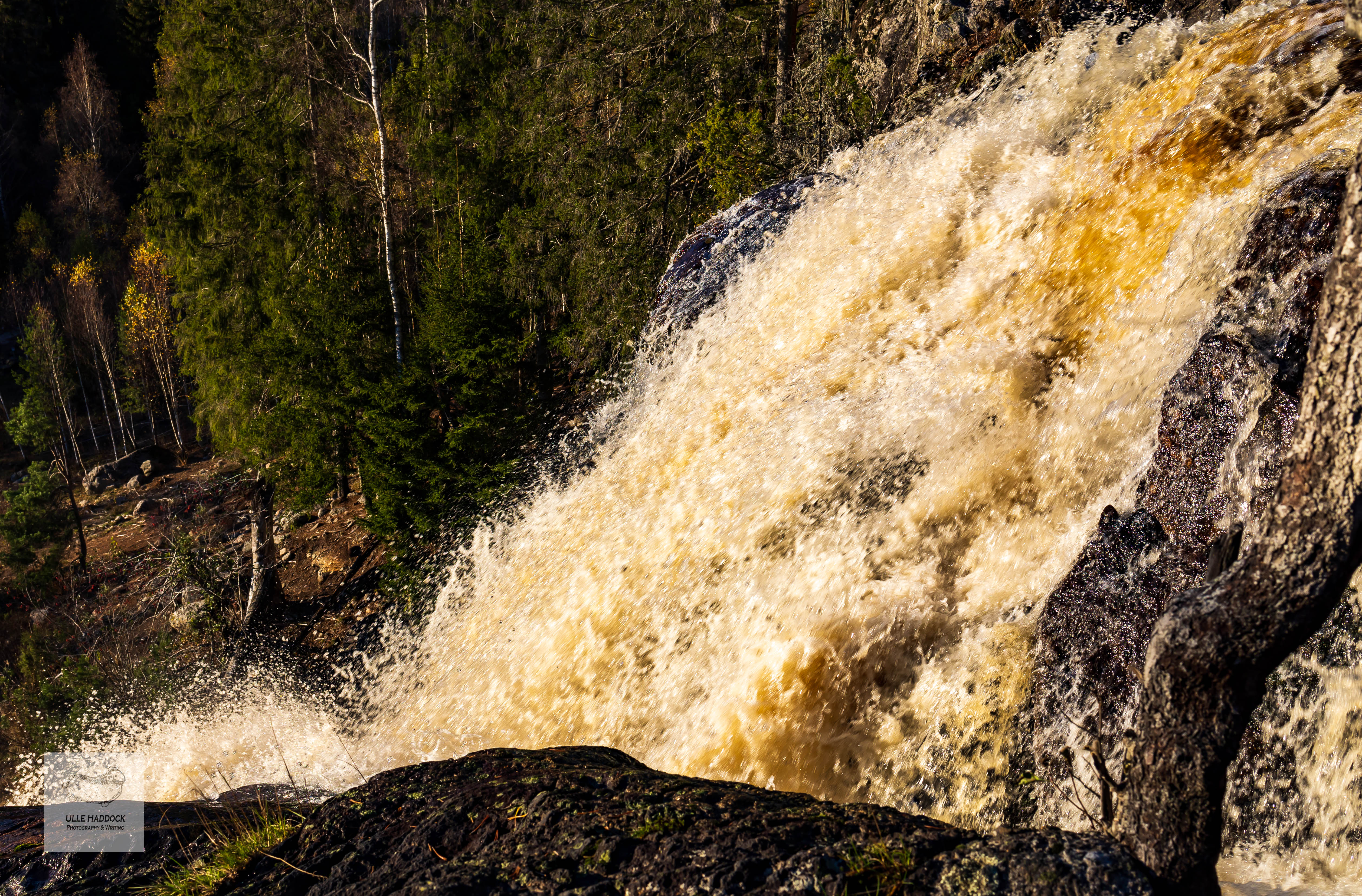
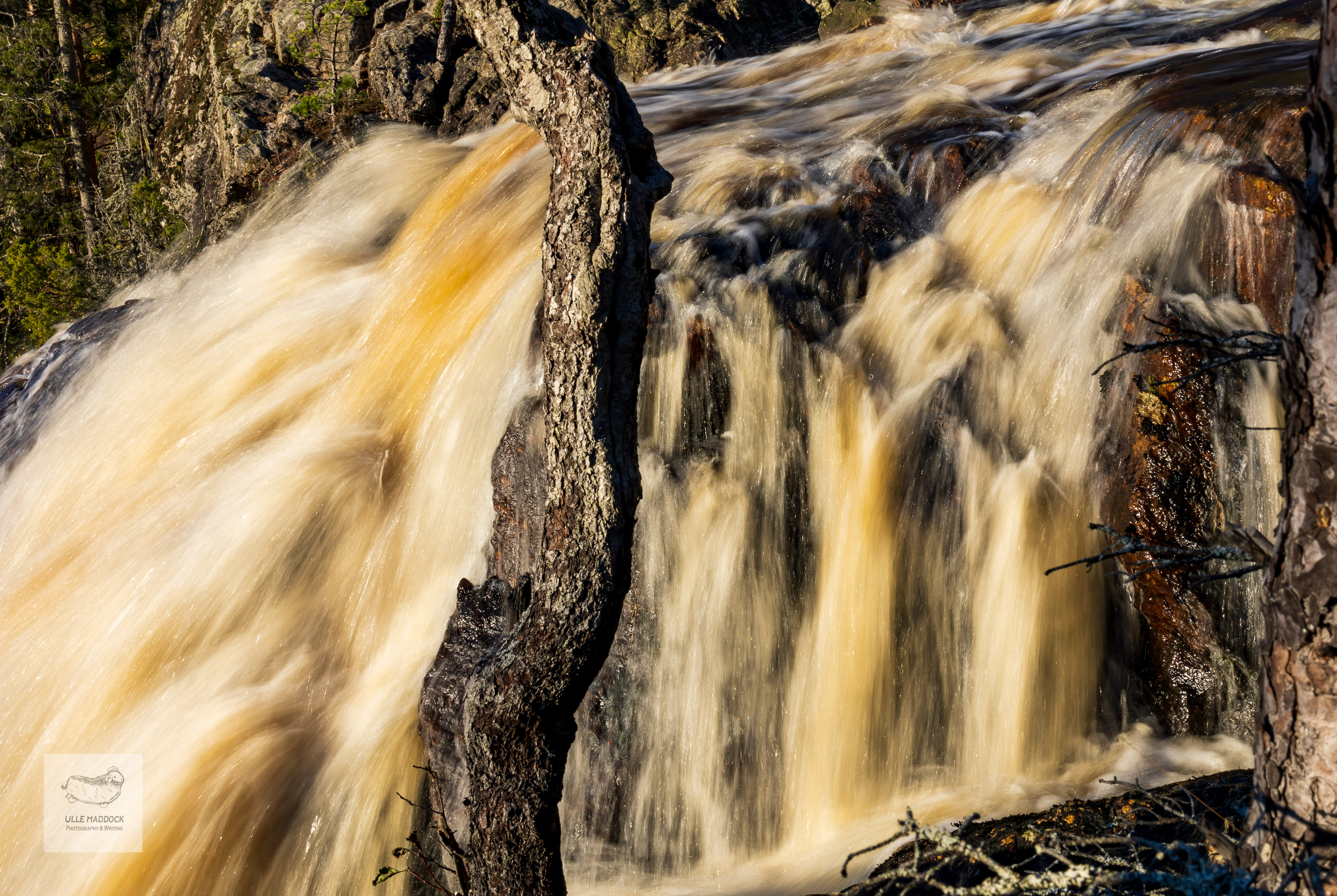
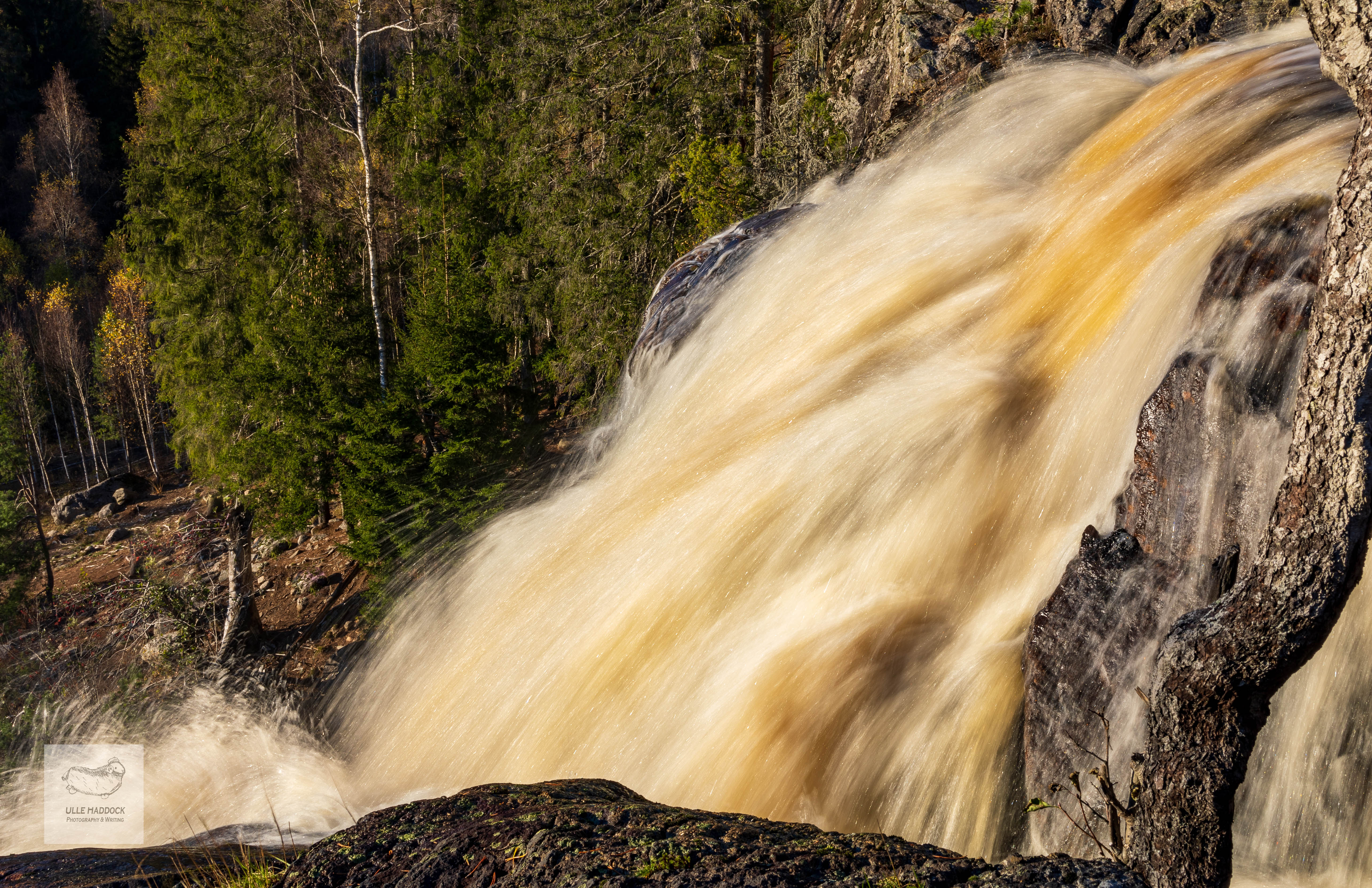
The power of nature becomes evident in a waterfall. The roaring mixes with rippling sound as the water goes over the edge. You can smell the moisture that fills the air all around, feel it in your face. The fascinating swirling of water drops as they are tossed up and falling back on the way down.

I took these pictures on my Sunday trip to Älgafallet, or Elgåfossen that is its Norwegian name. Translates to “Fall of the Moose”. The border between Norway and Sweden is in the middle of the river and the 46 meter drop waterfall. So, yes I was abroad for the first time since Covid. I’ve been working with different shutter speeds to try and capture the force of the water.

Remember we spend our first nine months in water, be careful with it. Ha de Gött!

Advertisements

Lobster

Lobster

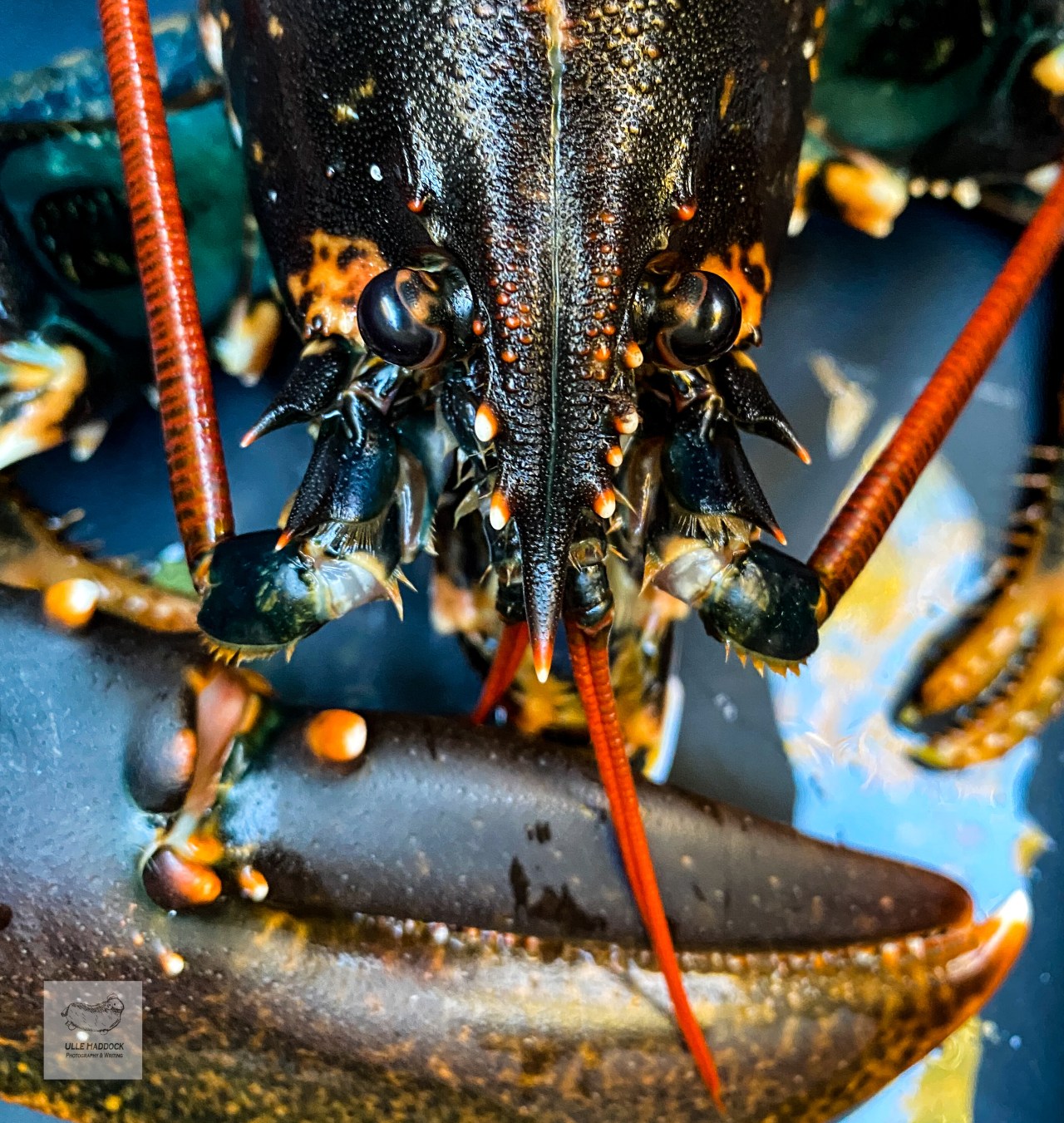
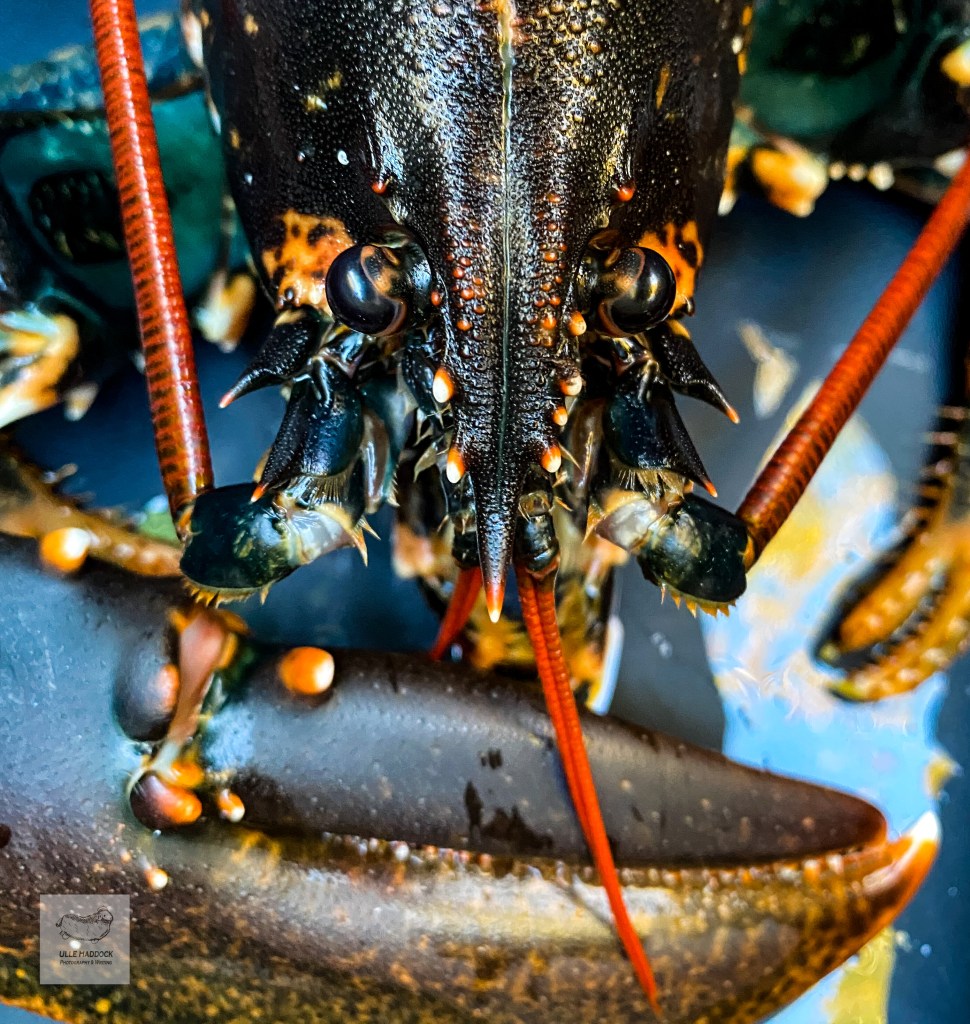
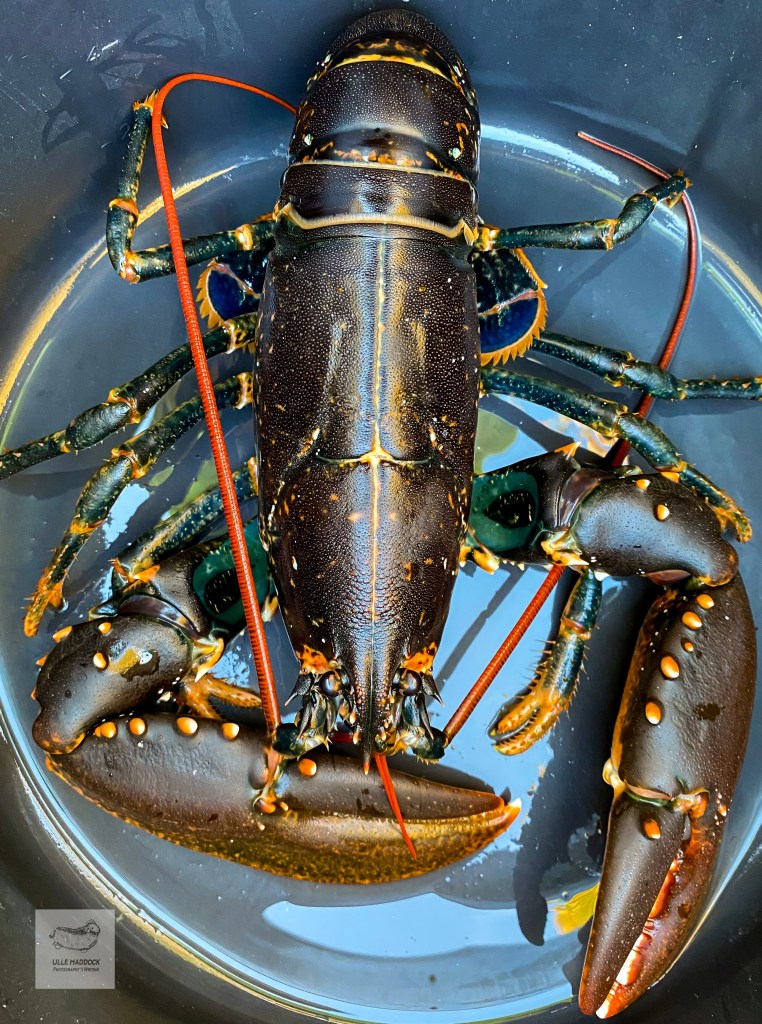
At exactly seven o’clock the first Monday in September after the 20:th, a splashing sound symphony starts. In the first light of dawn the small boats circling each other to get the best positioning. Cheerful morning greetings are passed by those with the best spots. Grunting replies by those that just drifted a bit too far out of course. With a splash the cage goes in the water. The skill is to gently drag the cage in position on an underwater rock shelf, preferably in front of the lobster nest.

The yearly Lobster fishing season has started. This delicacy from the underwater rocks is on the most wanted list for many recreational fishermen. Yepp, that’s true mostly men. In the past the lobster has been over fished and to keep the population at a viable level there are some restrictions to follow. The shield needs to be at minimum nine centimeters and if a female specimen carries spawn it goes back in the sea. A maximum of six cages per person, that needs to be present in the boat.

The first lobster sold at the fish auction in Göteborg this morning costed 77 000 Swedish Krona, in euros €7 500.

Ha de Gött, we will, got two so far!

Advertisements

Copper Mare

Copper Mare

Another King of Sweden, Karl IX. He was king from 1604 to 1611. The statue has been there since 1904. The humor in Göteborg quickly name it “Kopparmärra”, the copper mare but the horse is in fact a stallion. The statue weighs 6 700 kilos and is 88% copper and 12% tin. Moving in to the picture with speed is one of the characteristic trams. Stay tuned for more of this city landmark.

Quit horsing around, ha de Gött!

Advertisements

Storage Building

Storage Building

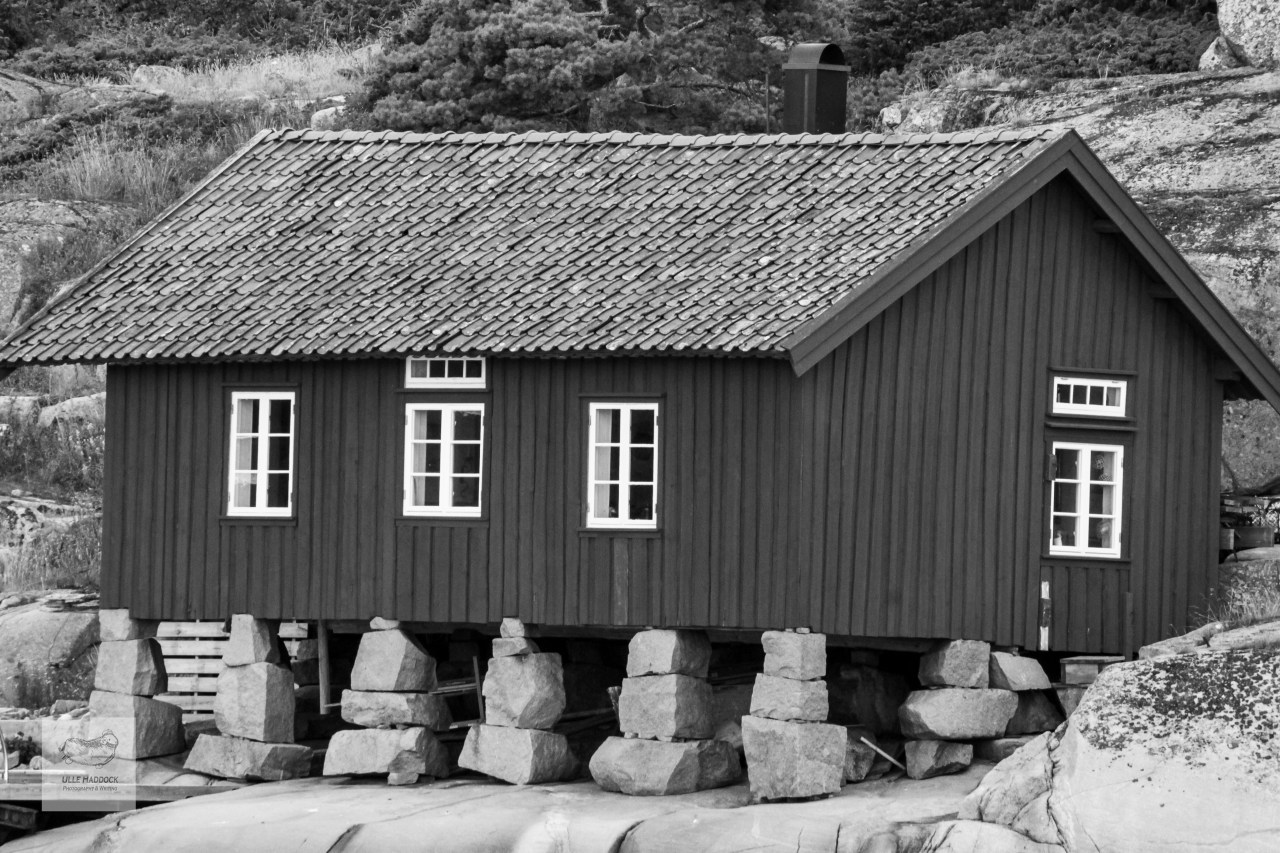
An old storage building by the waterfront at Kalvö. The technique for the foundation stones are not uncommon in this area. Scrap stone that didn’t split the way they should found use in the houses built. You got to be impressed by the craftsmanship to make it work. This is built directly on the flat rock so one can clearly see the foundation stones.

Even the odd can fit in, ha de Gött!

Advertisements

Distorted

Distorted

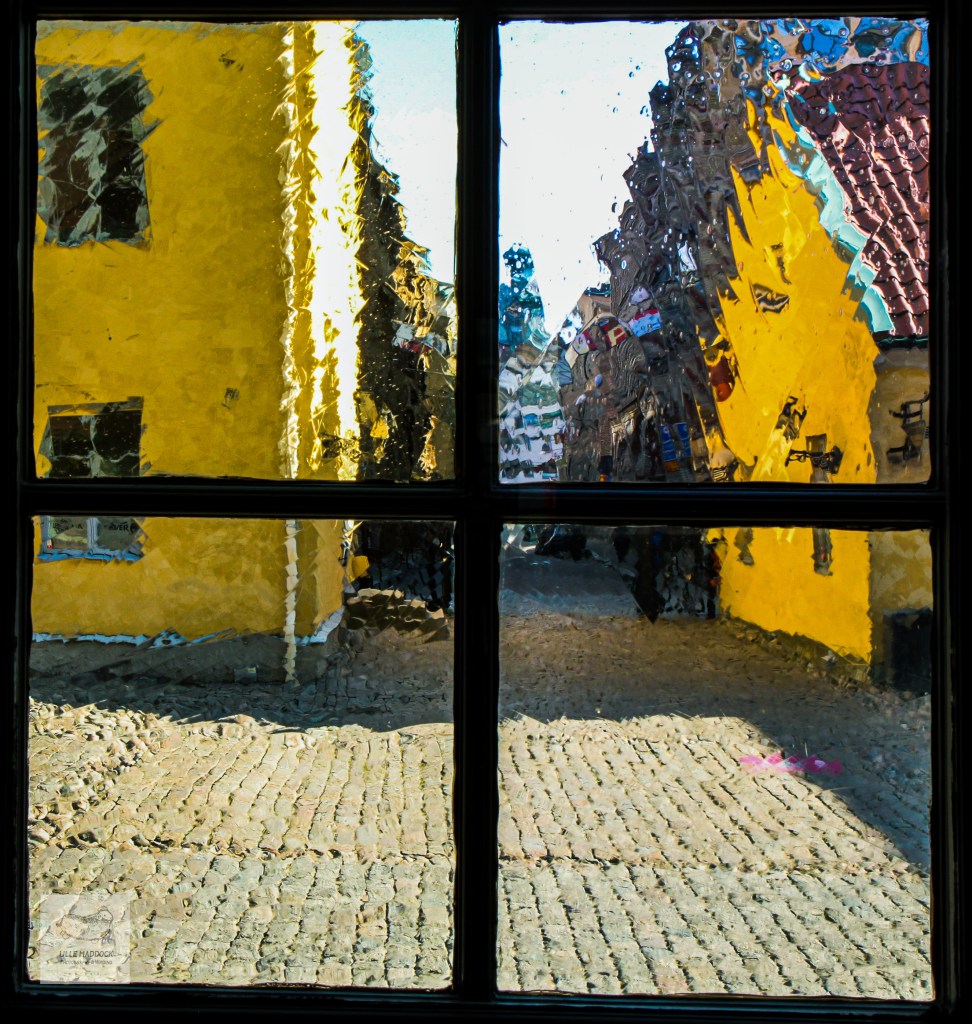
It is not always easy to see clear. Like looking through a old glass window. When the eye can’t clearly identify things our brains gladly fills in the blanks.

This picture is taken through a window in Göteborg city’s oldest building, “Kronhuset”, and in the forefront it’s quite clear but…. What do You see?

See the light, ha de Gött!

Advertisements

Three more

Three more

I promised in a comment to write about the three additional letters we have in the Swedish alphabet, so here it is. Yes it’s true we have three more letters after A to Z as in the English alphabet. Åå, Ää and Öö. Not to be show off’s, they have these with a different spelling, and pronunciation, in Danish and Norwegian also. Let’s just say it’s a Scandinavian thing.

Lets start with Å. A friend of mine tried to explain this in a London pub when we were young backpackers. “It’s an a with a prick on”, he said. Took a while to figure out why the men laughed and the girls blushed. Dot is in Swedish “prick”. It is pronounced as ooh. Even for native Swedish it’s sometimes difficult to know when to use O or Å.

Moving on to the A with two pricks on, Ä. Pronounced eah. If you have sheep close by listen to them, they go bäää. Use Google translate to listen. Just copy from this text and paste in Google translate. Very common use and a real struggle for all English speakers moving to Sweden.

So the last letter the O with two pricks on, Ö. This is actually also an entire word that translates to island. You just have to listen to this on Google. There is nothing even close in English that I can think of. I think this is a happy little letter. Used to drive my teacher crazy when I made a smiley of it.

Just remember that sometimes less is more, ha de Gött!
Advertisements

City View

City View

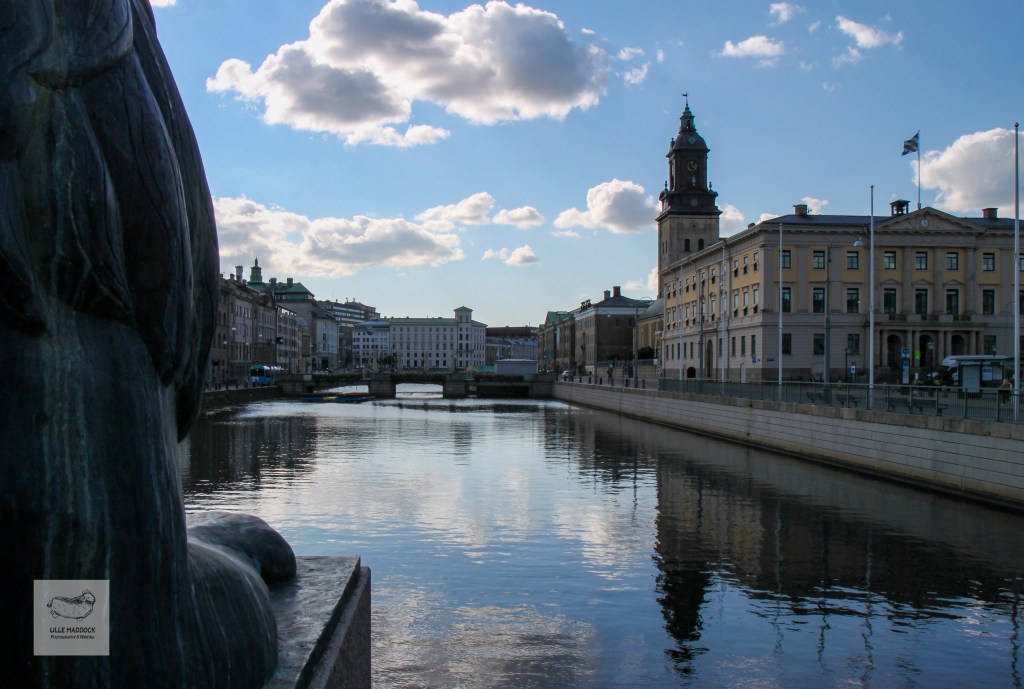
Sometimes Forestry Ulle dress in civilian clothes and walk the city streets like a normal person. Last Friday was such an occasion. The city was Göteborg a two hour drive from the meadows of home.

You see “Stora Hamnkanalen” or “Main Harbor Canal” in the photo. City hall with the German Church behind on the right side. If some of my Dutch readers feel at home you’re probably not mistaken. City planners and engineers was hired to build the city and gave it the nickname “Little Amsterdam”. Later during the industrial revolution many British entrepreneurs found their luck here, so the nickname changed to “Little London” and that remains still today.

The city was founded in 1621 by the Swedish king Gustav II Adolf. With its strategic position as a wedge to the west and the North Sea between Norway and Denmark, it was built as a fortress. Surrounded by high walls and canals in a marshland with the river Göta Älv on one side. From there ships could unload goods to smaller boats that then was rowed in to the Hamnkanal.

You can often hear my catch phrase “ha de gött” in Göteborg when people leave a shop or a tram. Stay tuned for more pictures, ha de Gött!
Advertisements

The Lighthouse

The Lighthouse

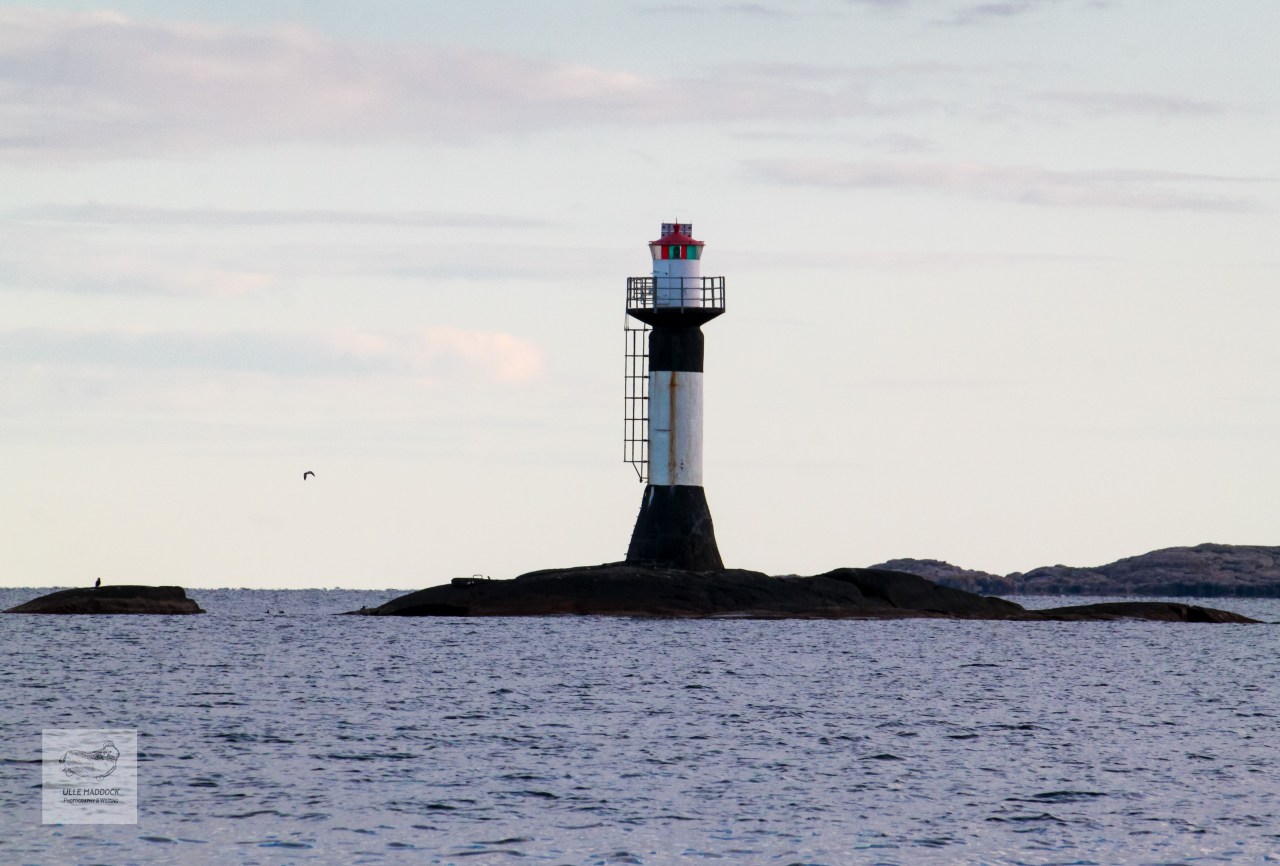
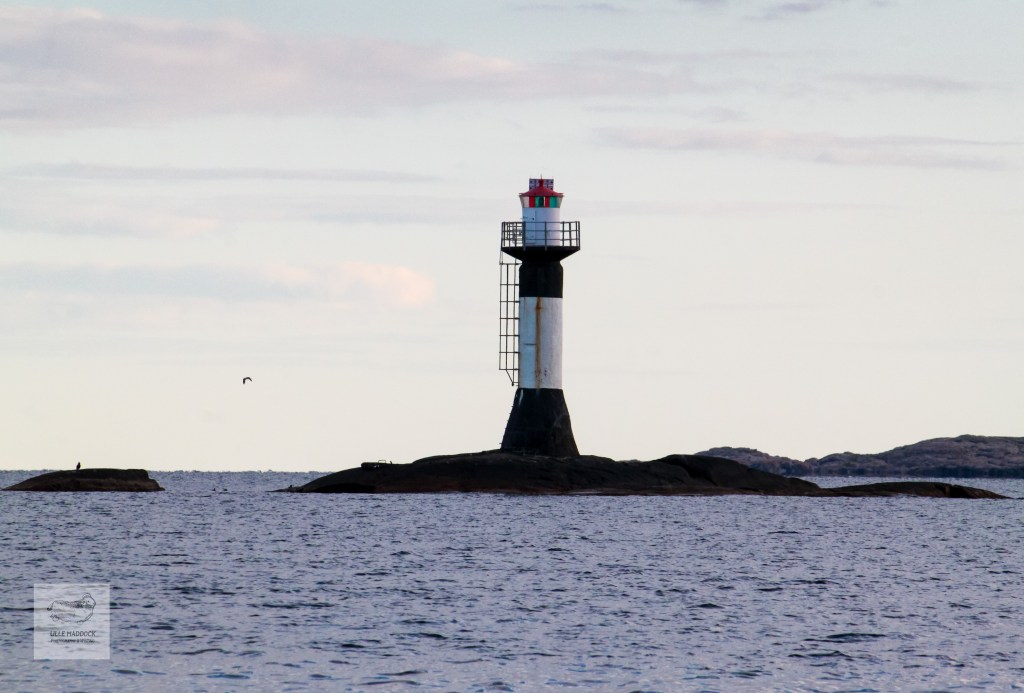
I finally got around to go out to the lighthouse with the boat. The weather was fairly calm so it was okay to go in my small boat. Unfortunately I was loosing light but I still got some nice pictures. Below is a picture of the same lighthouse in storm.

The lighthouse is called “Väcker” from the small island where it’s placed. It was built in 1939 to guide ships in an area with many dangerous shallow rocks and strong winds. Several waterways intersect here. In the past goods and fishing ships depended on this for navigation but today it’s more of a landmark, or sea mark.

Light up someones day, ha de Gött!
Advertisements

Midsummer Eve

Midsummer Eve

Midsummer eve full of mystery

Midsummer eve pale night light

Midsummer eve flowers and bees

Midsummer eve family and friends

Midsummer eve herring and snaps

Midsummer eve children dance around

Midsummer eve stay up all night

Midsummer eve family and friends

The midsummer celebration is as special to us Swedes as others countries national day. I described this in last years midsummer blog post. Find it here. Ha de Gött!

Advertisements