Tag Archive for ‘Travel’

Fire in the sky

Fire in the sky

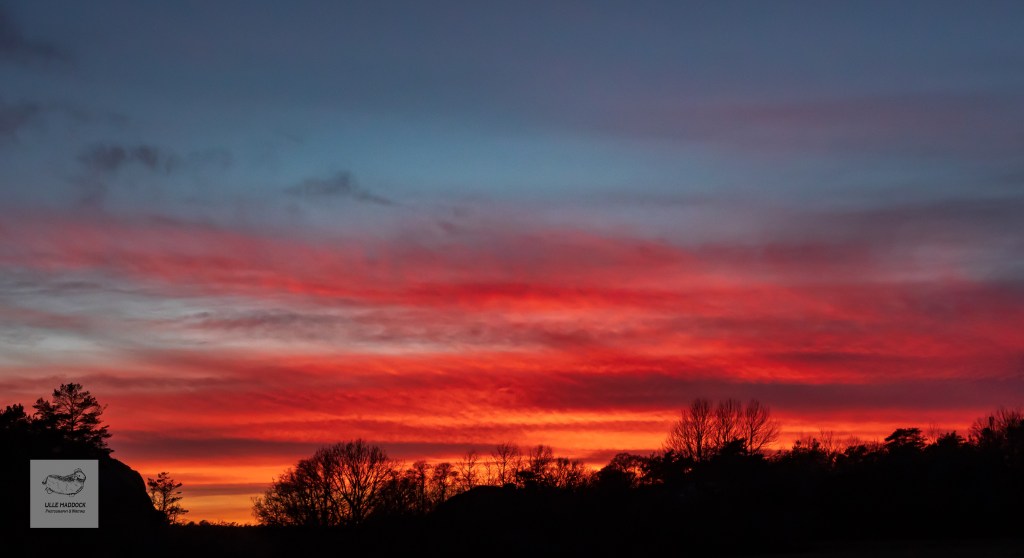
It is super hot, the sun. No wonder it can set the sky on fire. It went dark real quick after this otherwise I should check for smoke on the water. Not Montreux, but West Coast of Sweden.

A link to one of the best rock guitar riffs ever is a must.

Keep the fire burning and rock on, ha de Gött!

Advertisements

Flintstone

Flintstone

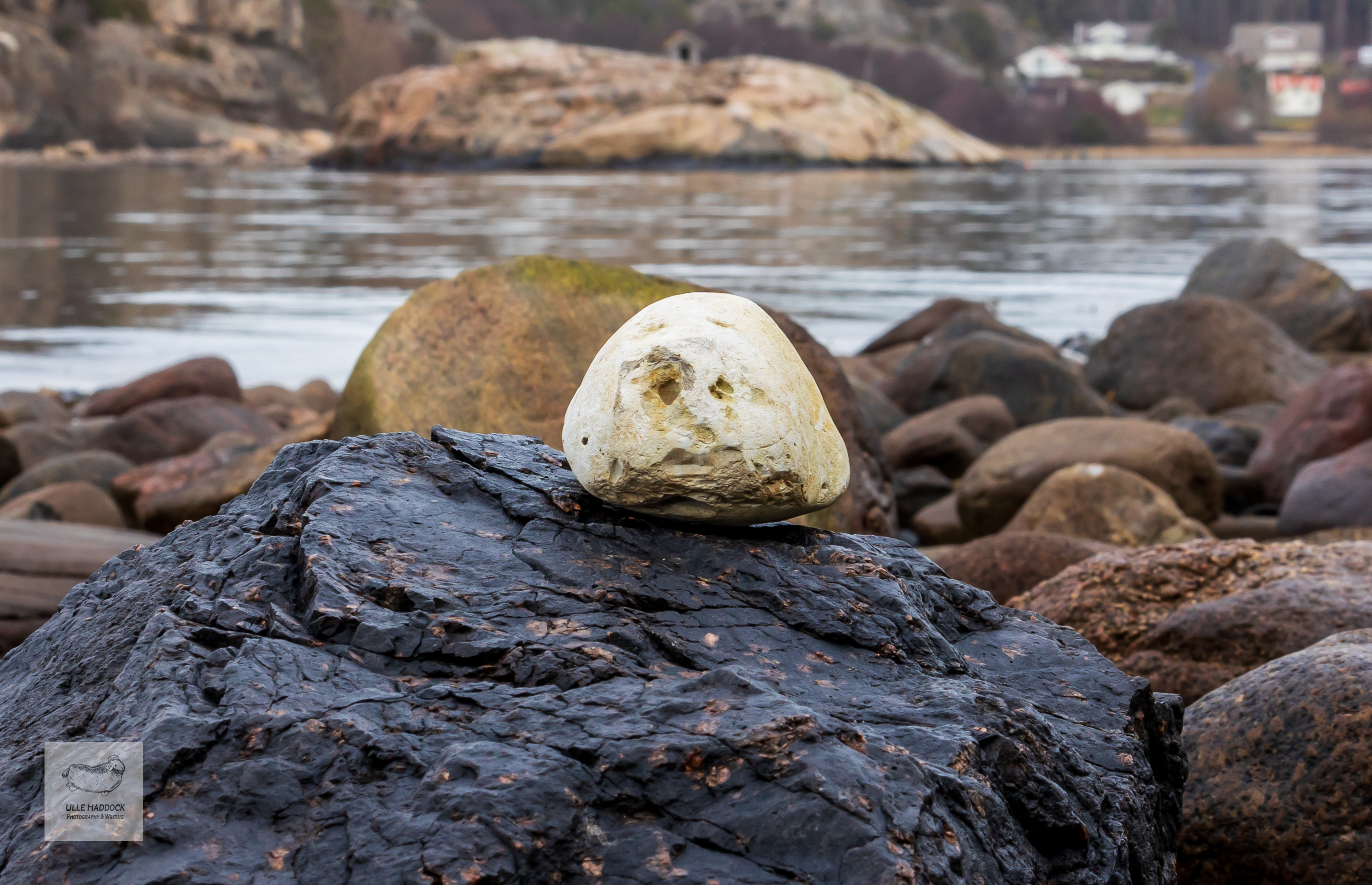
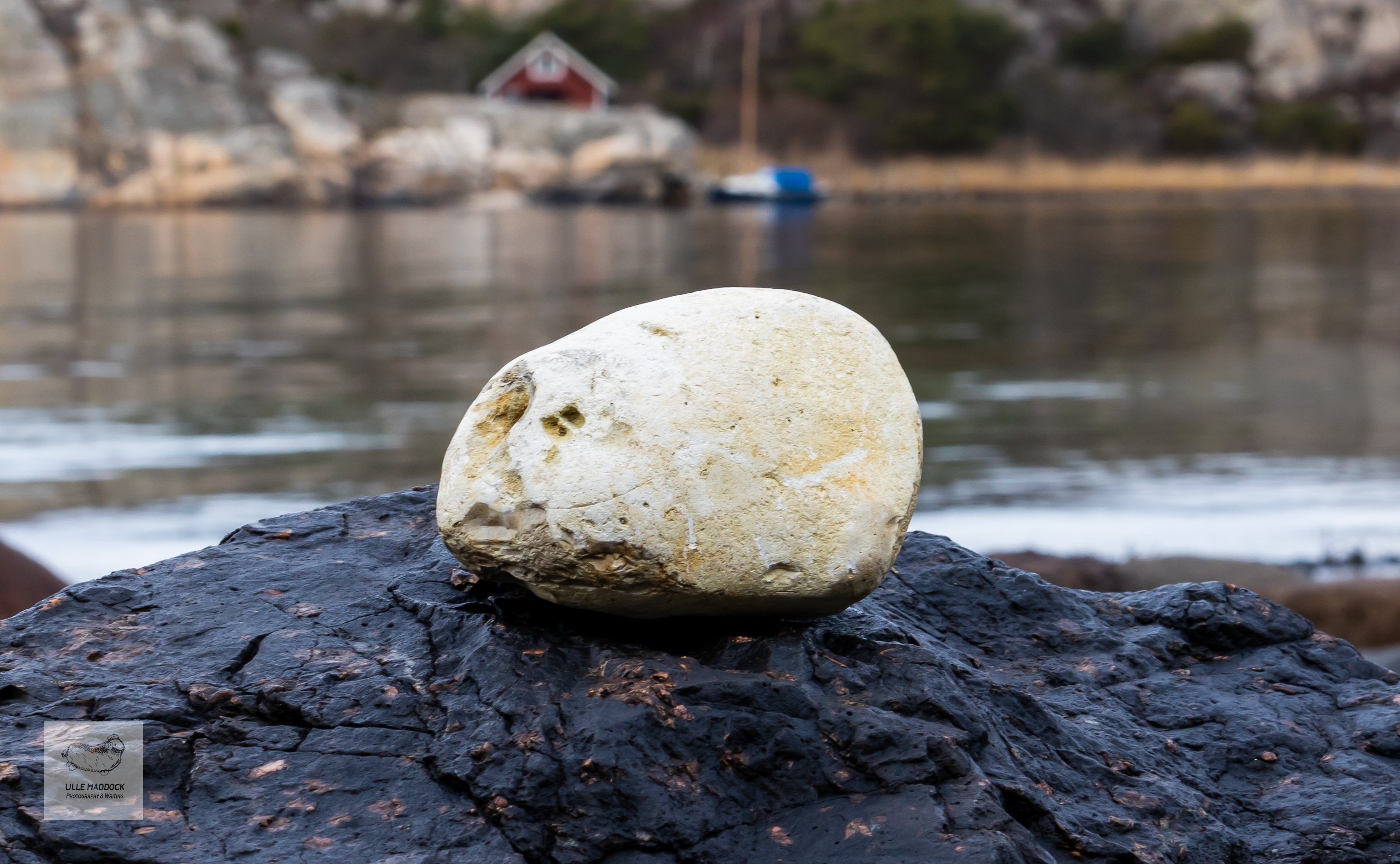
Angles of white flint stone on a black diabase by the bay of Edsvik. Diabase, also called dolerite is a dark volcanic rock that has formed in cracks of older rock. The density is decided by the cooling speed in the underground rock.

Flint is a sedimentary form of quartz and the white, or really off white yellowish, color comes from lime covering the actual flint. Anyway it is a hairless stone excellent to make sharp tools with if you crack it open.

Jabba dabba doo, ha de Gött!

Advertisements

Communication

Communication

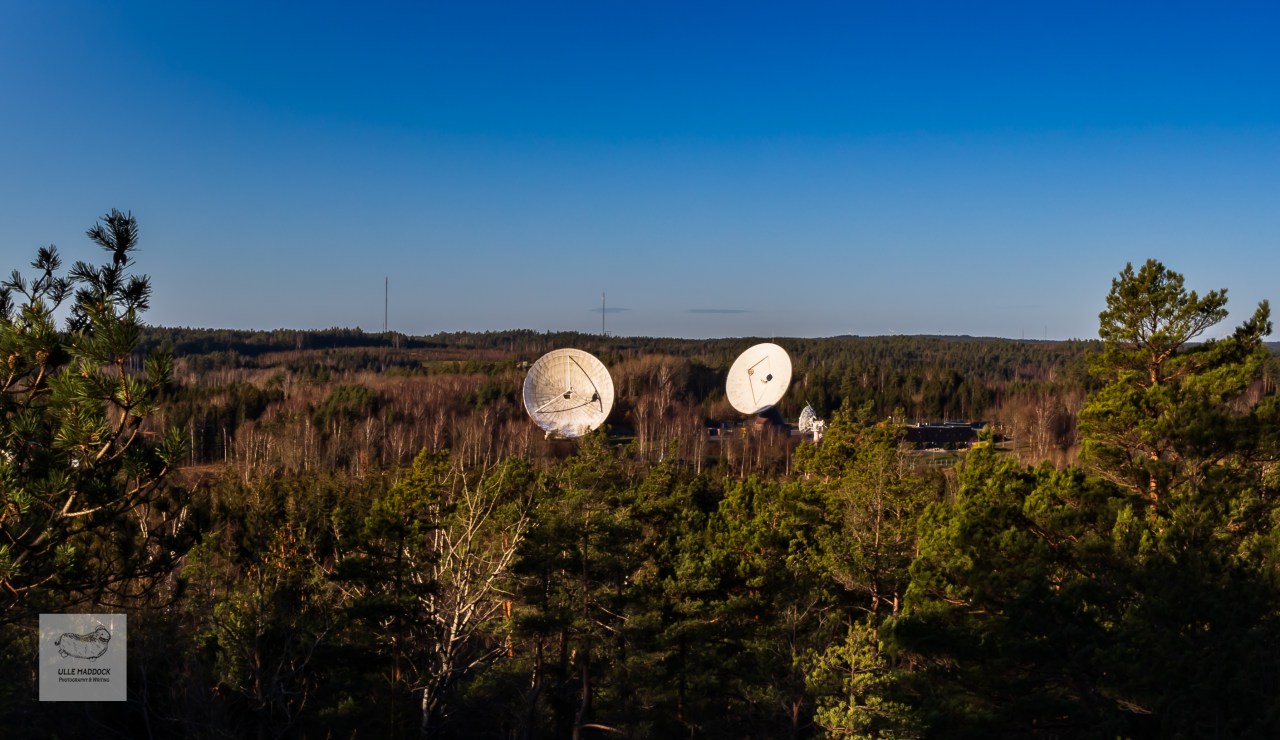
Invisible vibrations through the air, like telepathy. Waves of communication. Satellites circling the planet like wasps. Information and big data, internet of things, radio ga-ga, television. Smarter and dumber than ever in history, never lonelier.

The huge satellite dishes in the picture has a diameter of 32 and 30 meters. Tanum Teleport was built in 1971 for telephony and data transfer with the help of satellites as relay stations. The first videophone call over the Atlantic Ocean was made on the inauguration day 18 December 1971. A hightech landmark to manifest Sweden’s ambition to be a Information Technology nation to reckon with. Still stand as a landmark today but the facility, at peak employing 30 persons, was closed 2002. The facility played a part as the predecessor to Internet, Arpanet, in 1973 establishes its first international satellite link. Transfer rate of whopping 2,4 kbps.

We have two ears but only one mouth. Should we not listen twice as much as we speak! Ha de Gött!

Advertisements

Grebbestad

Grebbestad

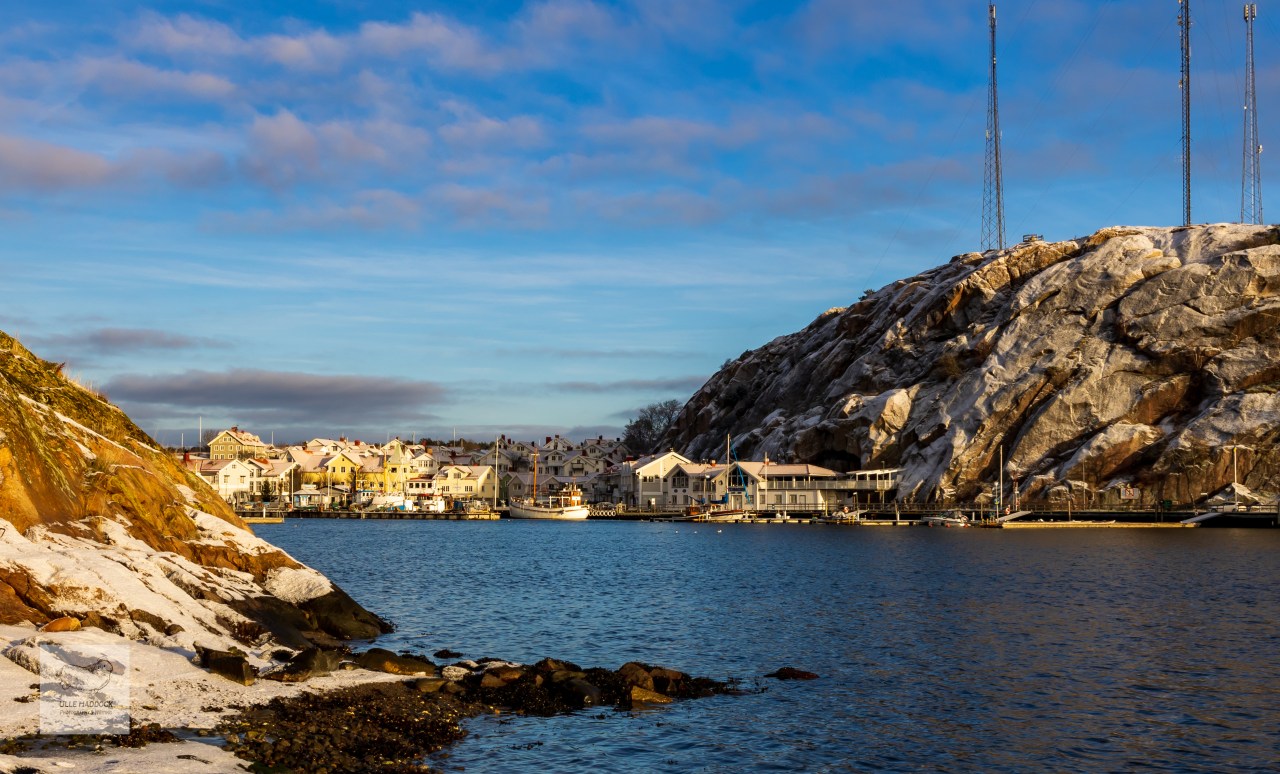
The village Grebbestad with 2000 year-around residents, was first mentioned in the beginning of 1600. Like many of the small villages in Bohuslän the development is linked to the herring- and granite mining periods. Today it is a seaside resort with an exploding population during the summer holiday season. Exploding in number of residents, otherwise it would be quite noisy during summers if the population actually blew-up.

Already in 1844 it became an official seaside resort with both cold and hot bathhouse. The mud bath was considered very healthy. The sheltered harbor was also good for trade and shipping. In 1858 there were 7 cargo ships registered in Grebbestad.

A cannery was established in 1870 and even if the cannery is closed since many years the brand name is still used. In the building a micro brewery today makes a very good beer. The first motorized buss line in Sweden was established in 1911, between Grebbestad and the railway station 5 kilometers away.

Don’t get stuck in the mud, come clean, ha de Gött!

Advertisements

Greby Grave Field

Greby Grave Field

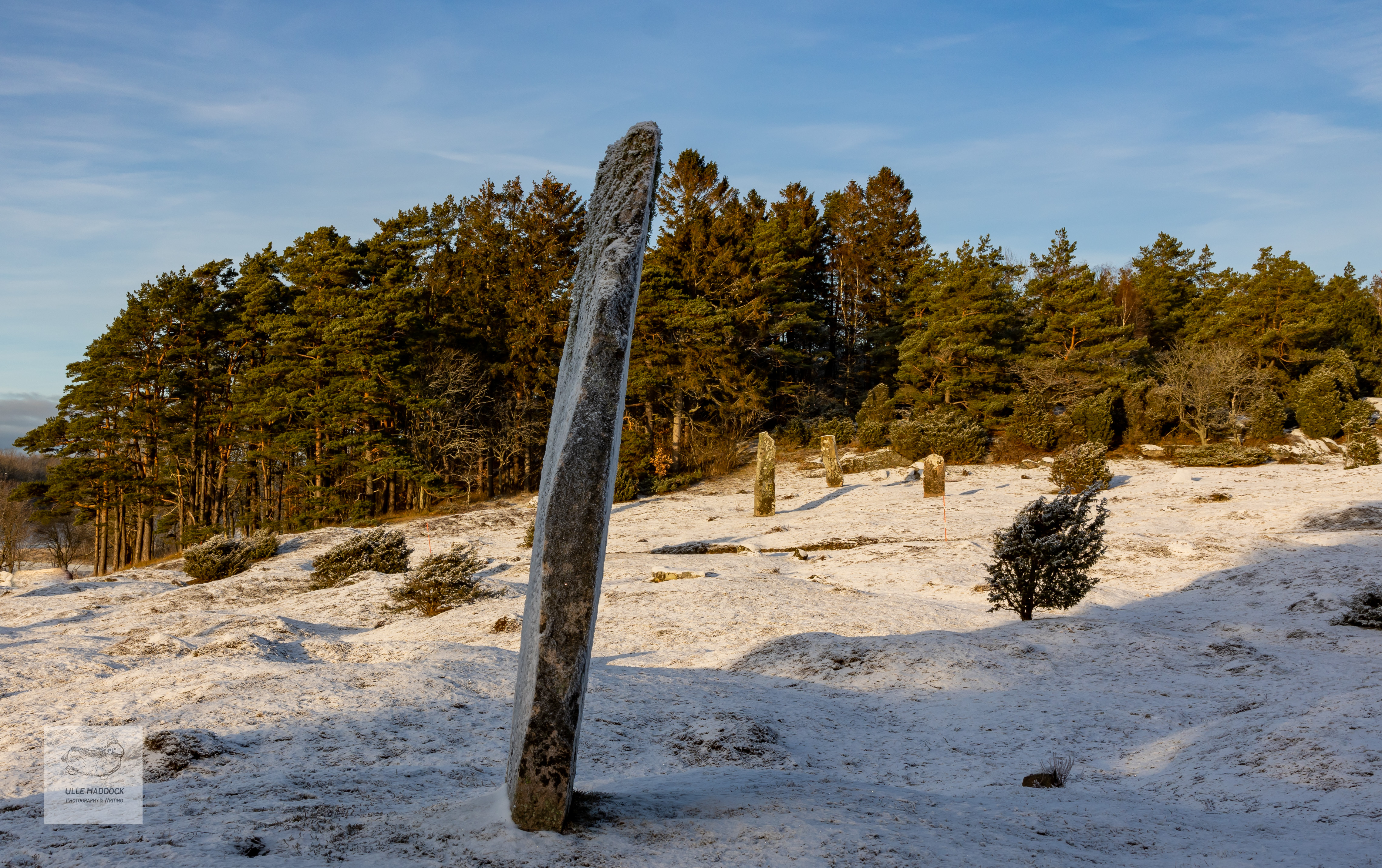
Outside the small town Grebbestad lays the Greby grave field. Even if it’s unique for this area there is not much known. There are around 200 graves that dates back to Iron age, year 200 – 600. Many of the burial mounds have large stones at the top. Very few excavations has been done but in 1873 historian Oscar Montelius examined ten of the burial mounds.

He found in almost all graves an urn with burned bones often with some small objects like a bone comb or glas beads. Ceramic vessels with an ear and a glass bead molded in the bottom. This type of pottery has been found in England and Germany. This suggest that this burial site was connected to a trading place.

There is an interesting legend that was told to one of the disciples of Carl von Linné, Pehr Kalm who visited in 1742. According to this fishermen from Scotland visited the area during the herring periods. Legend has that a Scottish army invaded and raided all the way to Bullaren 25 kilometres inland. A local army defeated them in two battles where the final one stod at Greby. None of the Scotts made it home and their remains was buried here. There is however no evidence found for this.

Come in peace, get home in one piece, ha de Gött!
Advertisements

Merry Julblot

Merry Julblot

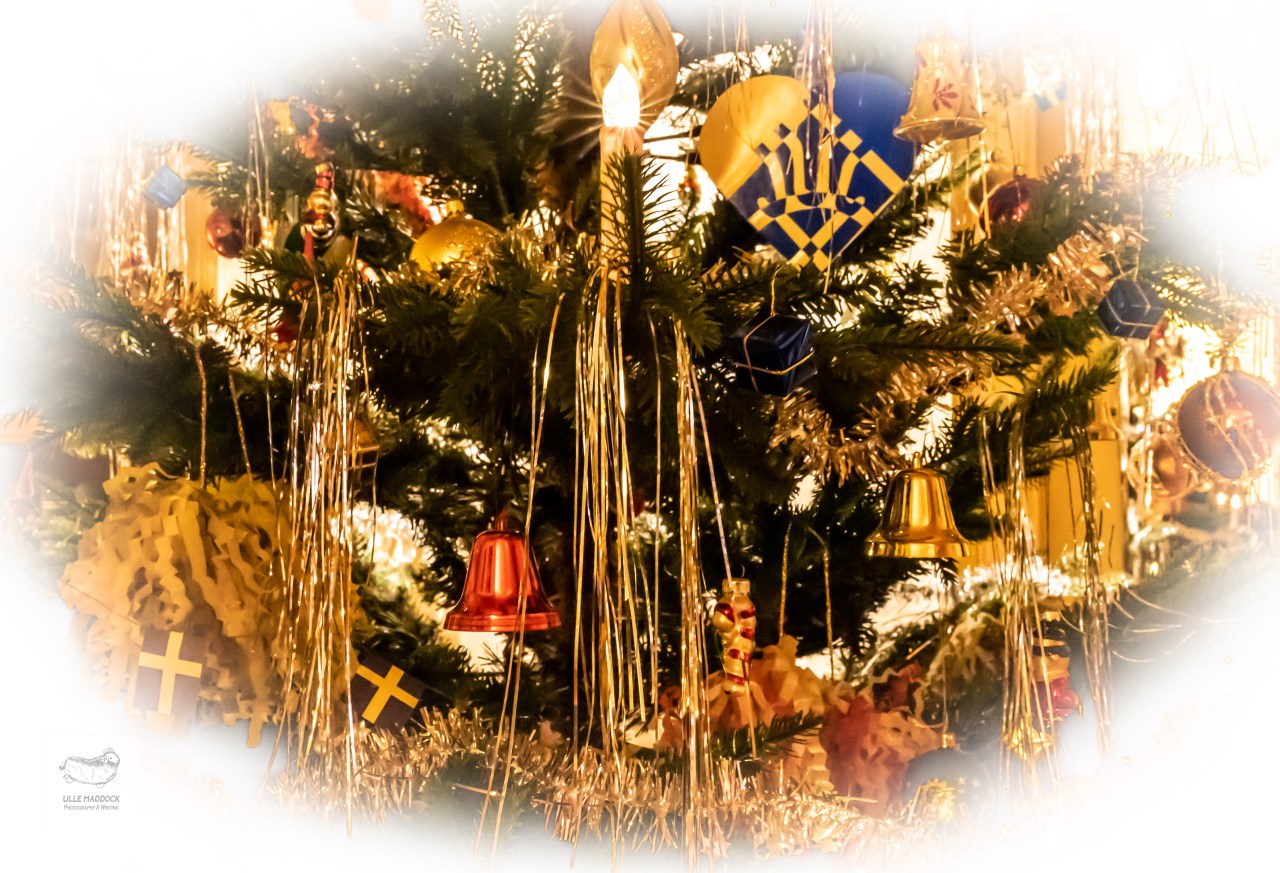
Christmas is upon us with all its traditions. Even if we think it’s the same every year there is change. Maybe not so fast but it’s there. In English it’s called Christmas referring to the celebration of the birth of Gods son. Makes sense but I wonder if Christmas has been taken hostage by the commercial forces and if that is not the new religion. It is not the first time a new religion builds on, and take over old traditions.

Thousand years ago the pagan Viking’s celebrated Yule blot to honor Odin, the All Father. There is som debate among the historians if this twelve day festival was celebrated at the same time as Christmas or in mid January. It is also referred to as ‘midwinter blot’. Some say that it was first celebrated in mid January and moved in the mid 900 by King Håkon I of Norway to fit the Christian celebration. This was done as an effort to convert the Vikings to Christianity by the already converted Håkon.

In Swedish we say ‘Jul’ for Christmas and in old Norse language it was the name for Odin. Odin being the most important God in Nordic mythology. The word ‘blot’ means sacrificing to the Gods. The ceremonies and ritual killings of animals was a blood dripping event. Drinking of fresh raw blood and splashing over the crowd must have been quite a scene. Luckily it was all washed down with lots and lots of mead.

Be traditional, create new traditions, ha de Gött!

Advertisements

Concert hall

Concert hall

City reflections. Gates of shiny steel and glass.

Doors to fine arts. Symphonies by strictly dressed musicians.

Stroke of strings under soft chin. The Artist of the orchestra.

Art reflections. Gates of shiny steel and glass.

Doors to rough reality. Cacophony by the vibrant city.

Everyday walking by, a motley crew. The Artists of life.

This is really the doors to the Göteborg Stadsteater, Gothenburg Theater, but the doors to the Concert Hall opposite the plaza are not so photogenic. Artistic freedom, ha de Gött!

Advertisements

Tjärnö

Tjärnö

The small island Tjärnö with a view to the northeast. Behind the island lie the Kosterfjord. Kosterfjord is not really a fjord but a deep underwater valley with a depth of 250 meters. On the Tjärnö island is also a marine biological research center linked to the University of Gothenburg. It’s open to the public so they can learn more about the unique environment in the Kosterfjord.

I struggled a bit to get the color saturation right as the thick clouds hardly let any light through. At first the picture came out very blue. Even if it was cold it was not that cold and I wanted the picture a bit warmer. Now I hope it’s reflecting -3°C and no wind.

Don’t be blue, connect. Ha de Gött!

Advertisements

Fishing port

Fishing port

The small port in the fishing village Resö a cold winters day. Thermometer showing -4°C but with the wind at gale strength coming in from northeast the cold effect is -10°C. The hardships of the fearless photographer.

The small village shares its name with the island it’s situated on. 170 people live here year around but in summer this number goes up significantly. The trawl fishing boats gets crowded by leisure boats in the sheltered harbor. The island is also accessible by a narrow winding road. Here is also one of the ‘gates’ to the first national marine park in Sweden, Kosterhavet National Park.

This little squirrel also live in Resö.

Keep warm, wear Long Johns, ha de Gött!

Advertisements

Lines

Lines

Lines in the sky. Airlines. There in the skyline, high flying.

Commercial airline race. Line up in the blue haze.

Underlining our freedom. People connecting white lines.

Smoke lines to adventure. Draw the line till she choke.

There’s always two sides to a coin, ha de Gött!

Advertisements